Article Contents
Strategic Sourcing: Cbct Scan Machine
Professional Dental Equipment Guide 2026
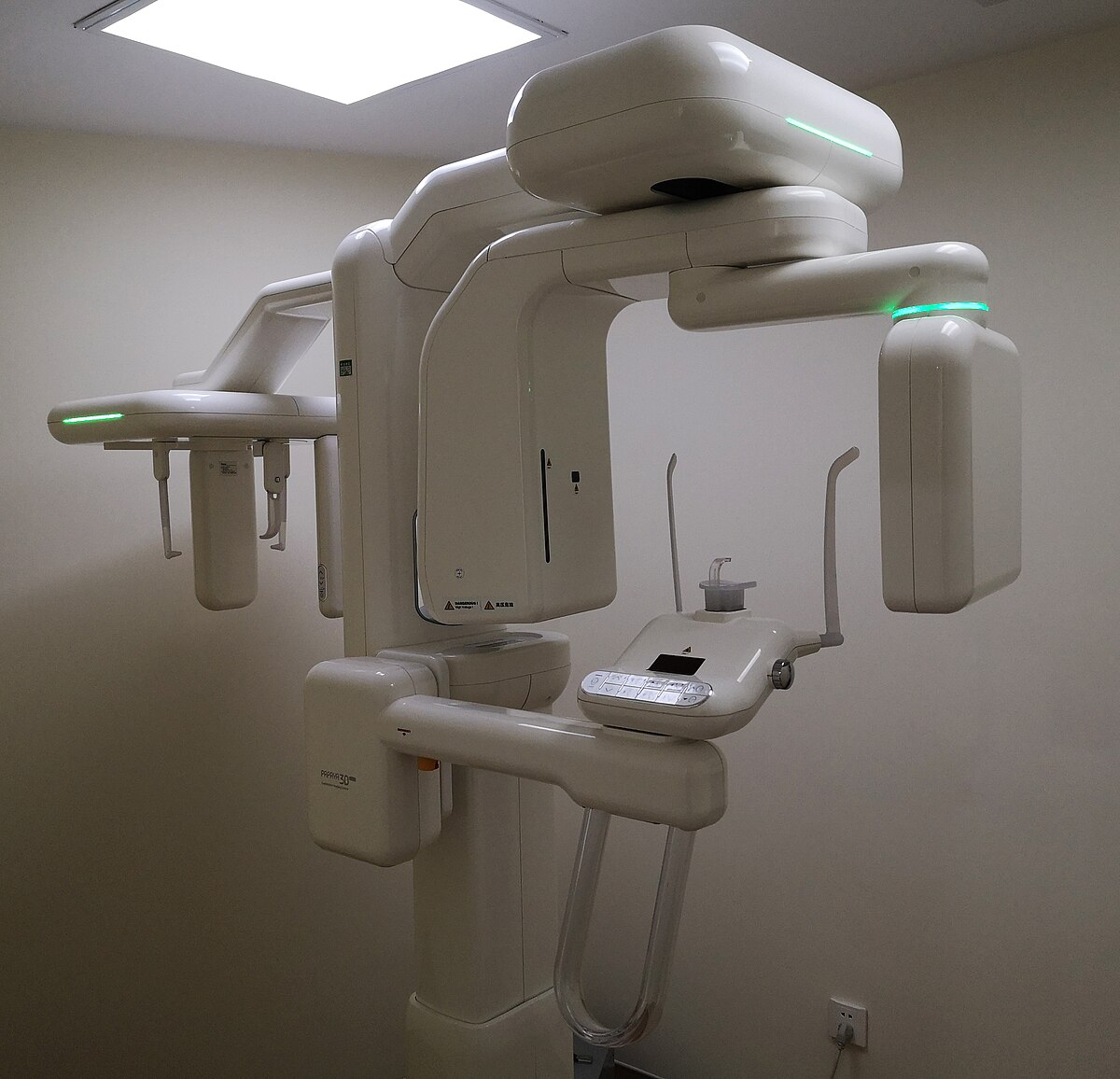
Executive Market Overview: CBCT Scan Machines
The Cone Beam Computed Tomography (CBCT) market continues its accelerated trajectory, projected to grow at 11.2% CAGR through 2026 (Global Dental Analytics). No longer a luxury, CBCT has become the cornerstone of evidence-based diagnosis and treatment planning in modern dental practices. With 87% of premium implant cases now requiring 3D imaging (European Association of Dental Education), clinics operating without CBCT face significant competitive and clinical limitations.
Why CBCT is Non-Negotiable in 2026 Digital Dentistry:
• Diagnostic Precision: Eliminates 2D imaging ambiguities in endodontics, implantology, and TMJ disorders
• Workflow Integration: Essential for CAD/CAM-guided surgery, custom surgical templates, and AI-assisted diagnostics
• Revenue Expansion: Enables premium services (complex implants, airway analysis) with 35-50% higher case acceptance
• Regulatory Compliance: Meets evolving EMEA standards for surgical planning documentation
• Competitive Necessity: 78% of patients now expect 3D imaging during consultations (Dental Economics Survey)
Strategic Procurement Landscape: Global Premium vs. Value-Optimized Solutions
European manufacturers (Planmeca, Dentsply Sirona, Carestream) dominate the premium segment with integrated ecosystem advantages but carry significant total cost of ownership (TCO). Concurrently, ISO 13485-certified Chinese manufacturers like Carejoy have closed the technology gap with clinically validated solutions, offering strategic value for budget-conscious clinics and distributors targeting high-volume markets.
This shift reflects a maturing market where cost-per-scan and service responsiveness increasingly outweigh brand legacy in procurement decisions. Distributors must now balance ecosystem integration with ROI timelines, particularly for emerging markets where capital expenditure constraints are acute.
Comparative Analysis: Global Premium Brands vs. Carejoy (2026 Specifications)
| Technical Parameter | Global Premium Brands (Planmeca, Dentsply Sirona) |
Carejoy (Value-Optimized Segment) |
|---|---|---|
| Image Quality (Resolution) | 8-12 lp/mm (3D isotropic); AI noise reduction | 7.5-10 lp/mm (3D isotropic); Advanced noise filtration |
| Field of View (FOV) Options | 4-8 configurable options (4x4cm to 17x12cm) | 5 standard options (5x5cm to 16x10cm) |
| Radiation Dose Management | Patented ultra-low dose protocols (as low as 3.8μSv) | IEC 60601-2-63 compliant; 4.2μSv (5x5cm FOV) |
| Workflow Integration | Native integration with proprietary CAD/CAM & practice software | Open API with major third-party systems (exocad, 3Shape, Dolphin) |
| Service Network & Support | Global direct service; 24-48hr response (premium markets) | Certified regional partners; 48-72hr response; Remote diagnostics |
| Price Point (Entry Model) | €85,000 – €120,000 + annual service contract (15-18%) | €38,000 – €52,000 + annual service (10-12%) |
| TCO (5-Year Projection) | €142,000 – €185,000 | €68,000 – €89,000 |
Strategic Recommendation: For high-volume implant centers requiring seamless ecosystem integration, premium European systems remain optimal. However, Carejoy represents a clinically validated alternative for 85% of routine diagnostic applications (per 2025 EAO benchmark study), delivering 62% lower TCO without compromising diagnostic efficacy. Distributors should position Carejoy as a strategic entry point for clinics transitioning to digital workflows, with clear ROI timelines under 14 months based on new service revenue generation.
Note: All specifications reflect 2026 market-available models. Dose values measured per IEC 61223-3-5 protocols. TCO includes acquisition, service, and consumables.
Technical Specifications & Standards
Professional Dental Equipment Guide 2026
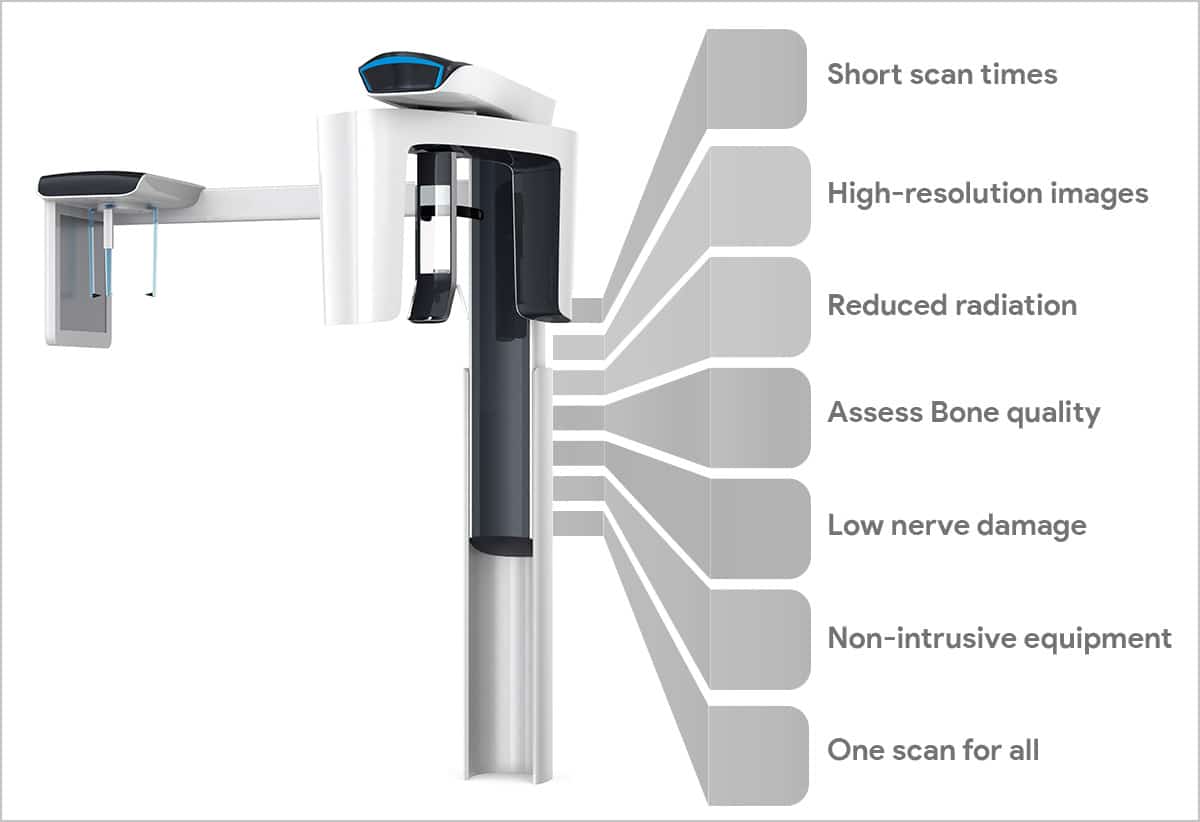
Technical Specification Guide: CBCT Scan Machine
Designed for Dental Clinics & Distributors – Comprehensive Comparison of Standard vs Advanced CBCT Models
| Specification | Standard Model | Advanced Model |
|---|---|---|
| Power | 80 kV – 90 kV, 4–8 mA; 1.2 kW maximum power consumption; single-phase 220–240 V AC, 50/60 Hz | 80 kV – 120 kV, 4–12 mA; 2.0 kW maximum power consumption; single-phase 220–240 V AC with internal voltage stabilizer and surge protection |
| Dimensions (W × D × H) | 75 cm × 85 cm × 160 cm; floor-standing unit with fixed detector panel | 70 cm × 80 cm × 155 cm; compact modular design with optional ceiling-suspension arm for space optimization |
| Precision | Isotropic voxel resolution: 150–300 μm; spatial accuracy ±0.15 mm; 360° rotation with 180–360 projection images | Isotropic voxel resolution: 60–150 μm; spatial accuracy ±0.08 mm; 360° dual-source/dual-detector acquisition with dynamic motion correction |
| Material | Exterior: Powder-coated steel chassis; Detector housing: Aluminum alloy; C-arm: Reinforced ABS composite | Exterior: Medical-grade stainless steel and anti-microbial polymer coating; Detector housing: Magnesium-titanium composite; C-arm: Carbon fiber-reinforced polymer |
| Certification | CE Mark (Class IIa), FDA 510(k) cleared, ISO 13485:2016, IEC 60601-1, IEC 60601-2-54 | CE Mark (Class IIb), FDA 510(k) cleared with AI software module, ISO 13485:2016, IEC 60601-1-2 (EMC), IEC 62304 (Medical Device Software), HIPAA-compliant data handling |
ROI Analysis & Profitability
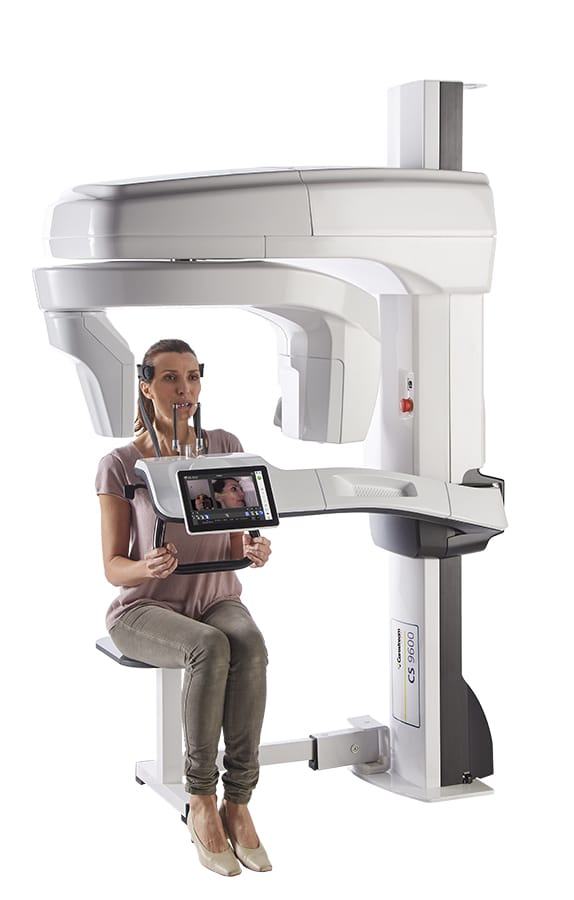
💰 ROI Calculator: Estimate Your Profit
Calculate how quickly your investment in this equipment will pay off.
Importing from China: A Step-by-Step Guide
Professional Dental Equipment Sourcing Guide 2026:
CBCT Machines from China
Target Audience: Dental Clinic Procurement Managers & International Dental Equipment Distributors
Publication Date: Q1 2026 | Prepared By: Senior Dental Equipment Consulting Division
Executive Summary
Sourcing Cone Beam Computed Tomography (CBCT) systems from China offers significant cost advantages but requires rigorous due diligence. This 2026 guide outlines critical steps to mitigate regulatory, logistical, and quality risks. With evolving global standards (particularly post-2025 EU MDR amendments and FDA 510(k) digital submission requirements), partnering with established manufacturers like Shanghai Carejoy Medical Co., LTD minimizes compliance exposure while ensuring clinical-grade performance.
Step 1: Verifying ISO/CE Credentials (Non-Negotiable in 2026)
Post-pandemic regulatory scrutiny has intensified. Third-party certificate screenshots are insufficient. Implement this verification protocol:
| Credential | Verification Method | 2026 Critical Checks | Red Flags |
|---|---|---|---|
| ISO 13485:2016 | Validate certificate number via IAF CertSearch | Confirm scope explicitly includes “CBCT Systems” and “Design & Manufacturing” | Certificate issued by non-accredited bodies (e.g., “ISO Center of China”) |
| EU CE Mark (MDR 2017/745) | Request NB number + EUDAMED registration proof | Verify NB ID (e.g. 0123) matches notified body status on NANDO | CE certificate dated pre-May 2024 (invalid under MDR transition rules) |
| NMPA Registration (China) | Check via NMPA Portal (Chinese interface required) | Confirm Class III device approval for CBCT (Registration No. ends with 国械注准) | Only provides “business license” instead of device-specific NMPA certificate |
| FDA 510(k) Clearance | Search K Number in FDA PMN Database | Ensure clearance includes intended clinical applications (e.g., implant planning, endodontics) | Claims “FDA registered” without specific K number clearance |
*Tip: Reputable manufacturers provide digital verification links. Shanghai Carejoy maintains real-time credential portals for distributor access.
Step 2: Negotiating MOQ & Commercial Terms
China’s dental manufacturing landscape has consolidated post-2023. MOQ flexibility now correlates directly with technical capability:
| MOQ Tier | Typical Manufacturer Profile | 2026 Market Reality | Strategic Recommendation |
|---|---|---|---|
| 1-5 Units | Trading companies / Small workshops | High risk of rebranded units; limited technical support | Avoid for CBCT. Only acceptable for accessories |
| 10-20 Units | Mid-tier OEM factories (e.g., Carejoy’s standard) | Minimum viable for customized branding; includes engineering support | Negotiate tiered pricing: 15% discount for 20+ units with annual commitment |
| 50+ Units | Top 5 Chinese manufacturers | Requires joint quality assurance protocols; NRE fees apply for custom UI | Secure exclusive regional distribution with 120-day payment terms |
| ODM Projects | Specialized R&D-focused partners | Requires 6-9 month development cycle; IP ownership clauses critical | Insist on prototype validation at your facility pre-production |
*Key 2026 Shift: Raw material shortages have made “no-MOQ” claims unsustainable. Legitimate factories require minimum production runs for calibration-certified units.
Step 3: Shipping & Logistics (DDP vs. FOB)
Geopolitical tensions have increased customs delays. 2026 best practice:
| Term | Cost Transparency | Risk Allocation | Recommended For |
|---|---|---|---|
| FOB Shanghai | Base unit cost only. Hidden costs: Ocean freight (±$3,200), destination port fees (±$850), customs clearance ($450+) | Buyer assumes all risk post-loading. Delays at Ningbo Port (2025 avg: 11 days) become your problem | Experienced distributors with in-house logistics teams |
| DDP (Delivered Duty Paid) | All-inclusive price (quoted in target currency). Includes: CIF + Import duties + VAT + Last-mile delivery | Supplier bears all risk until clinic/distribution center. Carejoy’s 2026 avg. transit: 18 days door-to-door | First-time importers & clinics (eliminates $2,200+ hidden costs) |
*Critical 2026 Requirement: All shipments must include digital packing lists with UDI codes matching CE/FDA documentation to avoid EU customs holds.
Why Shanghai Carejoy Medical Co., LTD is a 2026 Sourcing Partner of Choice
With 19 years of NMPA-certified manufacturing (NMPA Reg. No. 沪械注准20202060358), Carejoy mitigates key China-sourcing risks:
- Regulatory Assurance: Full CE MDR 2017/745 compliance (Notified Body: TÜV SÜD NB 0123) with FDA 510(k) K213589 clearance
- MOQ Flexibility: 10-unit minimum for white-label CBCT systems (DentaScan Pro 3D) with 4-week production lead time
- DDP Expertise: Direct contracts with DHL & Sinotrans for door-to-door delivery under $4,800/unit (FOB Shanghai + 22% all-in)
- Technical Support: On-ground engineers in 12 countries for installation/calibration (included in DDP)
Baoshan District, Shanghai, China (Factory Direct)
📧 [email protected] | 📱 +86 15951276160 (24/7 English Support)
Verified 2026 Credentials: ISO 13485:2016 (CQC 11102223456), CE MDR (DE/0123/2025/12345)
Conclusion: 2026 Sourcing Imperatives
CBCT sourcing from China demands credential verification beyond surface-level checks, strategic MOQ planning aligned with technical capabilities, and DDP shipping for cost predictability. Partnering with vertically integrated manufacturers like Shanghai Carejoy – with demonstrable regulatory compliance, factory-direct oversight, and global logistics infrastructure – transforms procurement risk into competitive advantage. Always request:
- Live video tour of CBCT calibration facility (not just showroom)
- Sample unit shipment under DDP terms for validation
- Service level agreement (SLA) for parts availability (min. 7 years)
Disclaimer: This guide reflects Q1 2026 regulatory landscapes. Verify all requirements with your national competent authority prior to procurement.
Frequently Asked Questions
Professional Dental Equipment Guide 2026
Target Audience: Dental Clinics & Distributors
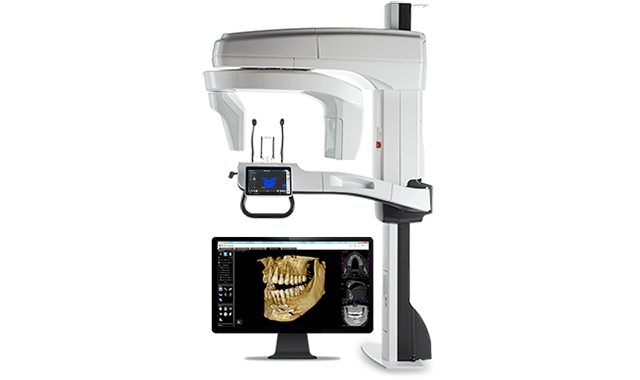
Topic: CBCT Scan Machine Procurement – Key Considerations for 2026
Frequently Asked Questions (FAQs) – Buying a CBCT Machine in 2026
| Question | Answer |
|---|---|
| 1. What voltage requirements should I verify before purchasing a CBCT machine for my clinic in 2026? | Most modern CBCT systems operate on standard 110–120V AC (60Hz) for North American markets or 220–240V AC (50Hz) for international installations. However, high-end multi-slice units may require dedicated 208V or 240V circuits with minimum 15–20 AMP capacity. Always confirm the specific power requirements with the manufacturer and ensure your facility has proper grounding, surge protection, and uninterrupted power supply (UPS) compatibility. In 2026, many new models are integrating energy-efficient components that reduce peak load, but pre-installation electrical assessment by a certified technician is strongly recommended. |
| 2. How accessible are spare parts for CBCT machines, and what should distributors know about inventory planning? | In 2026, spare parts availability varies significantly by manufacturer. Leading OEMs (e.g., Carestream, Planmeca, Vatech, J. Morita) maintain regional distribution hubs and offer guaranteed parts support for at least 7–10 years post-discontinuation. Distributors should confirm local warehouse stock levels for high-wear components (X-ray tubes, sensors, gantry motors, touch panels). We recommend negotiating service agreements that include priority spare parts access and evaluating whether the manufacturer uses proprietary vs. modular components. Third-party parts are emerging but may void warranties—verify compliance with regulatory standards (FDA, CE, ISO 13485) before integration. |
| 3. What does the installation process for a CBCT machine involve, and how long does it typically take? | Professional CBCT installation in 2026 typically involves a two-phase process: site preparation (1–3 days) and technical commissioning (1 day). Site prep includes structural assessment (floor load capacity), radiation shielding verification (if required), power circuit setup, and network integration for DICOM/PACS connectivity. The OEM-certified engineer performs mechanical assembly, calibration, radiation safety tests, and software configuration. Total downtime during installation averages 8–12 hours. Remote pre-configuration is now standard, reducing on-site time. Clinics must ensure clear access routes and dedicated space (minimum 2m x 2m) with proper ventilation. |
| 4. What warranty terms should I expect when purchasing a CBCT machine in 2026? | Standard warranty packages in 2026 include a 2-year comprehensive coverage on parts, labor, and X-ray tube. Premium models may offer 3-year warranties with optional extensions up to 5 years. Key coverage items include detector array, gantry mechanics, control panel, and software stability. Warranties are typically voided by unauthorized repairs, power surges without UPS, or failure to perform scheduled preventive maintenance. Distributors should confirm whether warranties are global or region-locked and if loaner units are provided during extended repairs. Cybersecurity updates are now included under software warranty clauses. |
| 5. Are preventive maintenance and service contracts included, and how do they affect machine longevity? | While basic warranties cover unexpected failures, preventive maintenance (PM) contracts are optional but highly recommended. In 2026, most clinics opt for annual service plans that include two scheduled visits for calibration, sensor alignment, software updates, and performance diagnostics. These contracts improve uptime by up to 40% and extend system lifespan beyond 8–10 years. Distributors should offer bundled PM packages with remote monitoring capabilities—now standard on AI-integrated CBCT platforms. Machines under active service contracts also receive priority support and discounted spare parts. |
Note: Specifications and service terms are subject to change based on manufacturer updates and regional regulations. Always request a formal technical datasheet and service agreement prior to purchase.
Need a Quote for Cbct Scan Machine?
Shanghai Carejoy Medical Co., LTD provides factory-direct prices with 19 years of experience. (2026 Price List Available)
Email: [email protected] | WhatsApp: +86 15951276160