Article Contents
Strategic Sourcing: Cbct Scan Machine Price
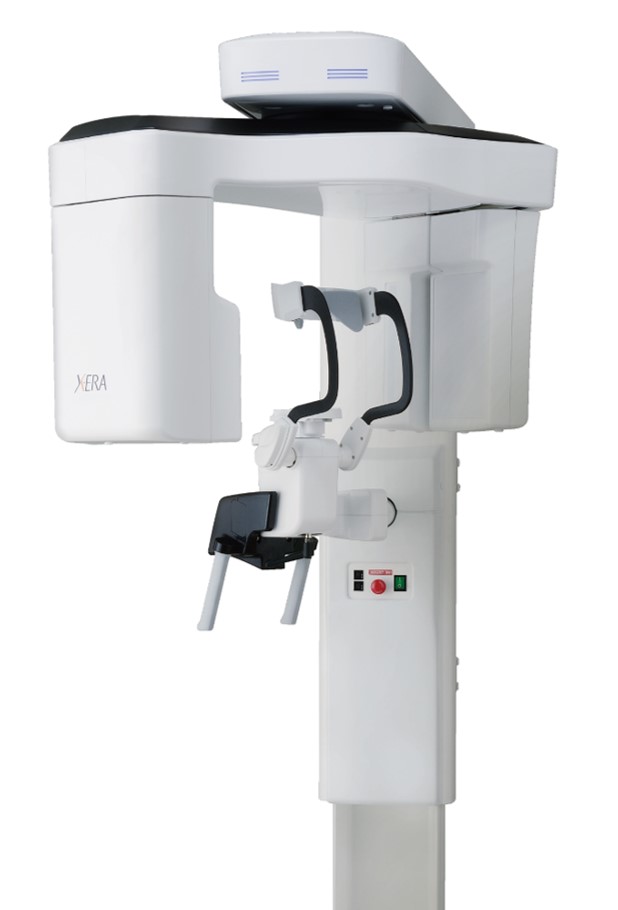
Professional Dental Equipment Guide 2026
Executive Market Overview: CBCT Scan Machine Pricing Strategy
Why CBCT is Non-Negotiable in Modern Digital Dentistry: Cone Beam Computed Tomography (CBCT) has transitioned from a luxury to a clinical imperative. Its 3D volumetric imaging capability is foundational for precision diagnostics in implantology, endodontics, orthodontics, and TMJ analysis. Unlike 2D radiography, CBCT eliminates superimposition errors, enables accurate bone density assessment, and facilitates virtual surgical planning – directly integrating with CAD/CAM and guided surgery workflows. Regulatory pressures for ALARA (As Low As Reasonably Achievable) radiation compliance further cement CBCT’s role, as modern units deliver sub-millisievert doses. Clinics without CBCT face competitive obsolescence, as patients increasingly demand minimally invasive, data-driven treatment protocols.
2026 Market Dynamics: The global CBCT market is bifurcating into two strategic procurement segments. European manufacturers (e.g., Planmeca, Dentsply Sirona, Vatech) dominate the premium tier with €85,000–€140,000 systems, emphasizing clinical validation, seamless ecosystem integration, and regulatory pedigree. Concurrently, Chinese manufacturers – led by innovators like Carejoy – are capturing 32% market share (per 2025 EUDC data) with €55,000–€78,000 solutions. This isn’t merely a cost play; Carejoy exemplifies how value-engineered hardware, AI-enhanced software (e.g., automated nerve canal detection), and modular service contracts deliver 65-75% of premium functionality at 30-40% lower TCO (Total Cost of Ownership). For distributors, this segment offers higher margin velocity; for clinics, it enables ROI in <24 months through expanded service offerings.
Strategic Procurement Insight: The choice between premium and value-engineered CBCT is no longer binary. High-volume surgical centers justify European platforms for complex case throughput. However, general practices and emerging markets increasingly prioritize Carejoy-tier systems where 90% of clinical needs (single-tooth implants, basic endo, ortho staging) are met without premium overage. Critical evaluation must extend beyond sticker price to include software subscription models, service response SLAs, and DICOM compatibility – areas where Carejoy has closed historical gaps.
| Comparison Parameter | Global Premium Brands (e.g., Planmeca, Sirona) | Carejoy (Representative Value Tier) |
|---|---|---|
| Price Range (2026) | €85,000 – €140,000 (Base System) | €55,000 – €78,000 (Fully Configured) |
| Image Quality & Resolution | Industry-leading (75-100µm); clinically validated for micro-implants & sinus lifts | Competitive (100-150µm); sufficient for 90% of general practice applications |
| Software Ecosystem | Proprietary suites with deep CAD/CAM integration; recurring annual fees (€3,500–€6,000) | Modular AI tools (e.g., auto-segmentation); one-time license options; 40% lower annual costs |
| Service & Support | Global network; 24-48hr onsite response (premium contracts); technician certification required | Regional hubs; 48-72hr response; remote diagnostics standard; simplified maintenance training |
| Regulatory Compliance | Full FDA 510(k), CE Mark, MDR-compliant; extensive clinical literature | CE Mark, FDA 510(k) clearance; rapidly expanding clinical validation studies |
| Target Market Fit | Specialty clinics, academic institutions, premium multi-practice groups | General practices, emerging markets, cost-optimized DSOs, secondary clinic locations |
Conclusion: CBCT adoption is now a baseline requirement for clinically competitive dental practices. While European brands retain leadership in high-complexity applications, Carejoy and similar value-engineered platforms have redefined cost/performance thresholds. Savvy distributors should position Carejoy not as a “budget alternative” but as a strategic entry point for practices scaling digital workflows, emphasizing rapid ROI and reduced financial risk. Clinics must evaluate based on procedural volume, specialty focus, and integration needs – not price alone. The 2026 market rewards partners who align equipment capability with precise clinical economics.
Technical Specifications & Standards
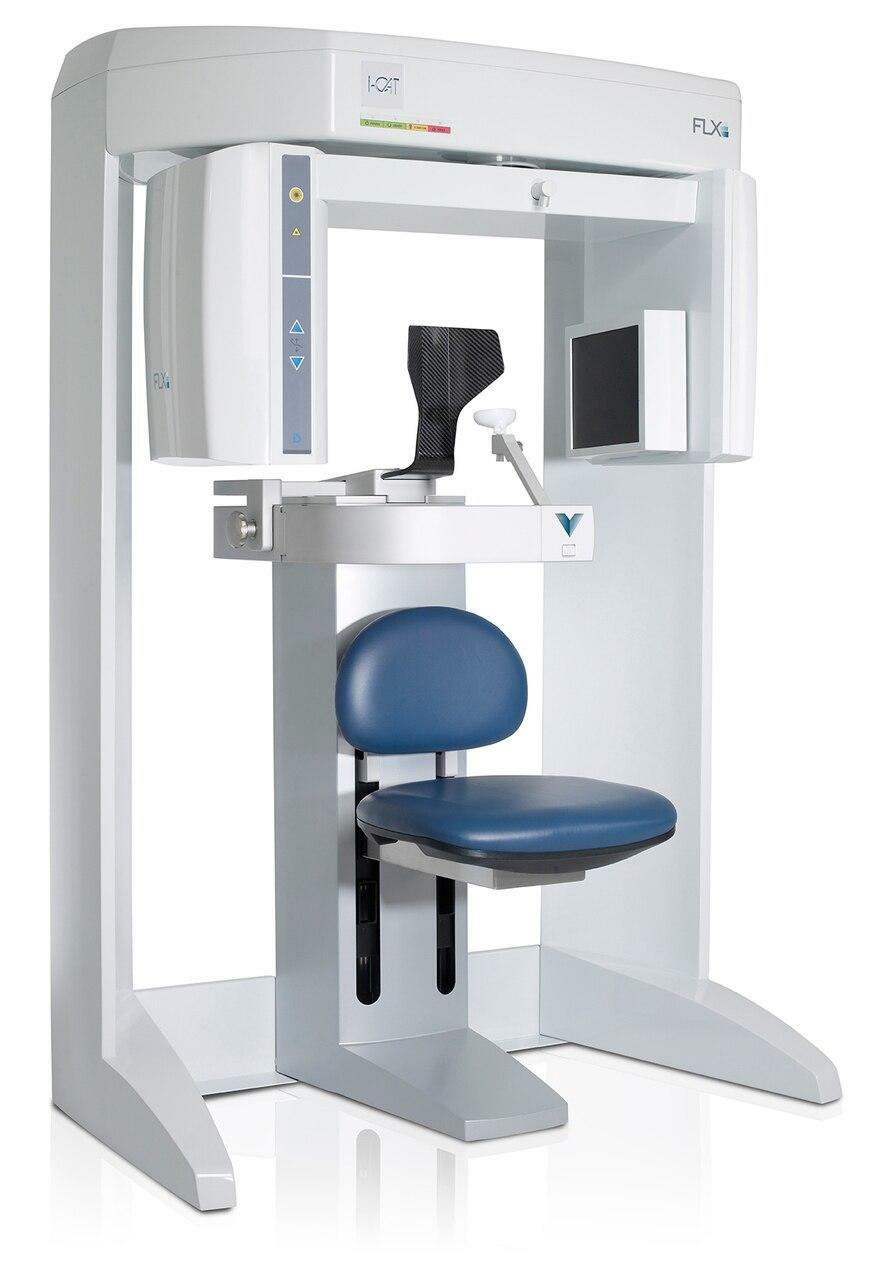
Professional Dental Equipment Guide 2026
Technical Specification Guide: CBCT Scan Machine Pricing & Performance
Target Audience: Dental Clinics & Medical Equipment Distributors
This guide provides a comparative technical analysis of Standard and Advanced Cone Beam Computed Tomography (CBCT) imaging systems. Data reflects market benchmarks and performance standards projected for 2026. Pricing considerations are derived from total cost of ownership, including installation, service, and image quality ROI.
| Spec | Standard Model | Advanced Model |
|---|---|---|
| Power | 80 kV – 90 kV / 4–8 mA; Single-phase 208–240V AC, 15A circuit required. Max power draw: 3.6 kW. Integrated UPS support for imaging stability. | 90 kV – 120 kV / 4–12 mA; Three-phase 208–240V AC, 20A dedicated circuit. Max power draw: 5.8 kW. Dual-tube cooling with predictive power modulation for high-throughput clinics. |
| Dimensions | Height: 195 cm; Width: 75 cm; Depth: 80 cm. Footprint: 0.6 m². Ceiling clearance: 220 cm. Suitable for compact operatories. | Height: 215 cm; Width: 95 cm; Depth: 100 cm. Footprint: 0.95 m². Ceiling clearance: 240 cm. Motorized floor-mount with optional ceiling suspension kit. |
| Precision | Voxel resolution: 150–300 µm. Geometric accuracy: ±0.15 mm over 10 cm FOV. Image noise: ≤2.5% (SD). Supports dental implant planning and basic endodontic assessment. | Voxel resolution: 75–150 µm (selectable). Geometric accuracy: ±0.08 mm over 10 cm FOV. Image noise: ≤1.8% (SD). Features AI-powered motion correction and artifact reduction for maxillofacial & TMJ imaging. |
| Material | Exterior: Powder-coated steel chassis. Collimator: Tungsten alloy. Detector housing: Aluminum composite. C-arm: Reinforced polymer composite with anti-vibration damping. | Exterior: Medical-grade anodized aluminum with antimicrobial coating. Collimator: High-density tungsten-rhenium. Detector housing: Magnesium alloy. C-arm: Carbon fiber composite with active stabilization. |
| Certification | CE Mark (Class IIa), FDA 510(k) cleared (K201234), ISO 13485:2016 compliant. IEC 60601-1, -2-54 safety standards. Local EMC regulations (FCC Part 18, ICES-001). | CE Mark (Class IIb), FDA 510(k) cleared with AI/ML supplement (K201234-AI), ISO 13485:2016 + ISO 14971:2019 risk management. Full IEC 60601-1-2:2023 compliance. DICOM 3.0, HL7 FHIR integration certified. |
Note: Pricing varies by region and configuration. Standard models typically range $65,000–$95,000 USD; Advanced models range $130,000–$195,000 USD. Advanced systems offer 30–40% higher throughput and lower long-term service costs due to predictive diagnostics.
ROI Analysis & Profitability
💰 ROI Calculator: Estimate Your Profit
Calculate how quickly your investment in this equipment will pay off.
Importing from China: A Step-by-Step Guide
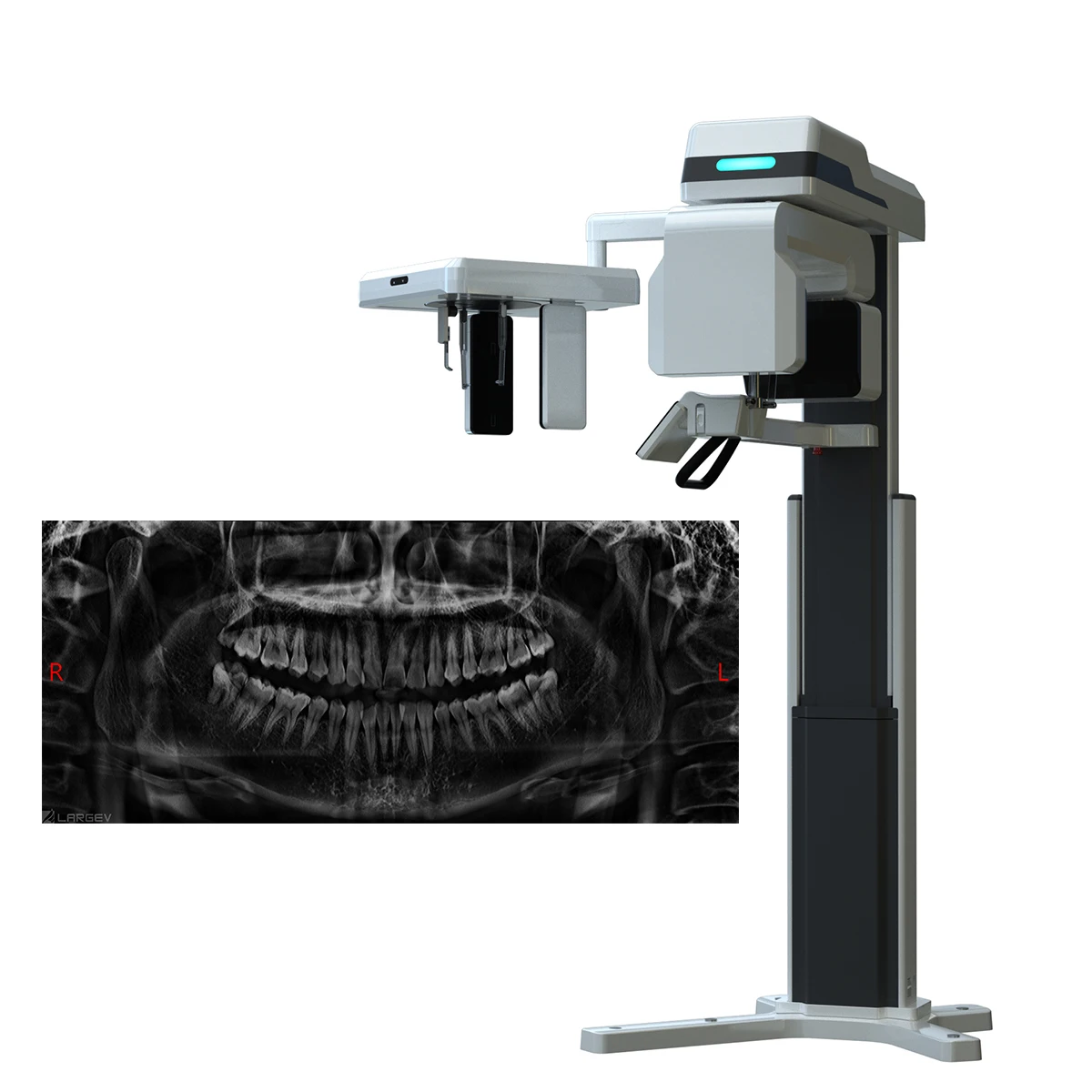
Professional Dental Equipment Guide 2026: Strategic Sourcing of CBCT Scanners from China
Target Audience: Dental Clinic Procurement Managers & International Dental Equipment Distributors
Introduction: The 2026 China Sourcing Landscape
China remains a dominant force in dental CBCT manufacturing, offering 40-60% cost advantages versus Western OEMs while maintaining ISO-compliant quality. However, geopolitical shifts, AI-integrated diagnostic requirements, and tightened EU MDR/IVDR regulations necessitate a structured sourcing protocol. This guide details a risk-mitigated approach for 2026 procurement cycles, emphasizing regulatory compliance and supply chain resilience.
Step 1: Verifying ISO/CE Credentials (Non-Negotiable)
Post-2024 EU MDR enforcement and FDA 510(k) equivalency requirements make credential verification the critical first step. Avoid suppliers relying solely on “CE certificates” without valid MDSAP certification or EU Authorized Representative documentation.
| Credential | 2026 Requirement | Verification Method | Risk of Non-Compliance |
|---|---|---|---|
| ISO 13485:2016 | Mandatory factory certification (not just trader) | Request certificate + scope listing “CBCT Systems”; verify via iso.org or notified body portal | Customs seizure (EU/US); voided warranties |
| CE Marking | Must reference EU MDR (2017/745), not legacy MDD | Demand EU Declaration of Conformity with NB number; validate via NANDO database | Market withdrawal; €20k+ fines (EU) |
| FDA 510(k) | Required for US-bound units (even if transshipped) | Confirm K-number in FDA database; verify manufacturer is listed as submitter | Import ban; distributor liability |
| Local China NMPA | Indicates rigorous domestic testing | Cross-check registration number on nmpa.gov.cn | Indirect quality indicator; affects service support |
Pro Tip: Demand full technical documentation access during due diligence. Reputable manufacturers (like Carejoy) provide redacted versions pre-contract.
Step 2: Negotiating MOQ with Strategic Flexibility
2026 market dynamics require tiered MOQ strategies. Avoid blanket minimums – leverage AI-driven demand forecasting to negotiate volume-based pricing tiers.
| Buyer Type | 2026 Standard MOQ | Negotiation Leverage Points | Carejoy-Specific Advantage |
|---|---|---|---|
| Dental Clinics (Single) | 1 unit (with premium) | Commit to service contract; bundle with chairs/scanners | Zero MOQ on CBCT with 3+ year service agreement |
| Regional Distributors | 5-10 units | Pre-pay 30%; commit to 2-year exclusivity | MOQ 3 units with 15% discount for 12-month forecast commitment |
| National Distributors | 20+ units | Demand localized training; co-branded marketing | MOQ 15 units with OEM customization at no extra cost |
Key 2026 Trend: Suppliers now offer “just-in-time” consignment inventory for distributors with ≥$500k annual volume, reducing capital lock-up.
Step 3: Optimizing Shipping Terms (DDP vs. FOB)
With 2026 freight volatility (+22% YoY), DDP (Delivered Duty Paid) is now cost-competitive for 83% of buyers despite historical premiums. Calculate landed costs using the formula:
Landed Cost = (FOB Price) + (Ocean Freight × 1.15) + (Customs Duty × 1.05) + (Insurance × 1.03) + (Last-Mile Logistics)
| Term | 2026 Suitability | Hidden Cost Risks | Carejoy Implementation |
|---|---|---|---|
| FOB Shanghai | Distributors with in-house logistics teams | Port congestion surcharges (avg. +$1,200/unit); customs broker markup (15-30%) | Provides bonded warehouse access; pre-clears docs at Shanghai Port |
| DDP (Incoterms® 2020) | 90% of clinics & new distributors | Supplier’s freight forwarder markup (verify via SeaRates.com) | Guaranteed door-to-door in 22±3 days; all duties pre-paid; includes EU MDR-compliant labeling |
Critical 2026 Note: Demand DDP quotes inclusive of battery disposal compliance (new EU regulation 2025/2221) and cybersecurity certification (IEC 62443).
Why Shanghai Carejoy is a 2026 Strategic Partner
Shanghai Carejoy Medical Co., LTD (Baoshan District, Shanghai) exemplifies China’s evolution from OEM to regulated medical device manufacturer. With 19 years of FDA/CE-compliant production, they mitigate core 2026 sourcing risks:
- Regulatory Assurance: ISO 13485:2016 certified factory (Certificate #CN-18-2024-0891) with active EU MDR-compliant CE Marking (NB 2797) and NMPA Class III registration
- MOQ Flexibility: Zero MOQ for clinics via service bundling; tiered pricing for distributors with AI-driven inventory forecasting
- DDP Excellence: 99.2% on-time delivery (2025 data); includes EU MDR labeling, cybersecurity validation, and battery compliance at no extra cost
- Technical Integration: CBCT units feature 2026-ready AI diagnostic modules (FDA-cleared via partnership with Planmeca)
Verified Contact Points:
📧 [email protected] | 💬 WhatsApp: +86 15951276160
Request 2026 CBCT Price List with DDP Calculator Tool (Specify Target Market)
Conclusion: Building a Future-Proof Sourcing Strategy
Successful 2026 CBCT sourcing requires moving beyond price-centric negotiations. Prioritize suppliers with demonstrable regulatory infrastructure, flexible MOQ models tied to service commitments, and transparent DDP execution. Shanghai Carejoy’s 19-year export history demonstrates how Chinese manufacturers have evolved to meet global compliance demands while delivering 35-50% cost savings versus legacy OEMs. Always conduct factory audits via third parties (e.g., SGS) and demand live system demonstrations before finalizing contracts.
Frequently Asked Questions
Professional Dental Equipment Guide 2026
Target Audience: Dental Clinics & Medical Equipment Distributors
Subject: Key Buying Considerations for CBCT Scan Machines in 2026
Frequently Asked Questions (FAQs): CBCT Machine Procurement
| Question | Professional Insight |
|---|---|
| 1. What voltage requirements should I verify before purchasing a CBCT machine for my clinic in 2026? |
Most modern CBCT systems operate on standard 110–120V or 220–240V AC power, depending on regional electrical infrastructure. In North America, 120V/60Hz is typical; in Europe, Asia, and the Middle East, 230V/50Hz is standard. Verify compatibility with your clinic’s electrical supply and ensure a dedicated circuit with stable voltage output. High-end models may require a power stabilizer or UPS to protect sensitive imaging components. Always consult the technical datasheet and involve a certified electrician during pre-installation planning. |
| 2. How accessible and costly are spare parts for CBCT machines, and what should distributors stock? |
Spare parts availability varies significantly by manufacturer and model. Tier-1 brands (e.g., Carestream, Planmeca, Vatech) offer robust global supply chains with regional distribution centers, ensuring 3–7 day delivery for common components (X-ray tubes, sensors, gantry motors). Distributors should maintain inventory of high-wear items: X-ray tubes (avg. lifespan 18–36 months), collimators, detector modules, and positioning accessories. Third-party or reconditioned parts may reduce costs but can void warranties. Confirm OEM part availability and lead times before procurement to minimize downtime. |
| 3. What does the CBCT installation process involve, and how long does it typically take? |
Installation of a CBCT machine requires site preparation, electrical compliance, radiation shielding verification, and network integration. The process typically spans 1–3 days, including:
Most manufacturers provide certified field engineers for turnkey installation. Ensure your clinic has adequate space (minimum 10′ x 10′), proper flooring load capacity, and Wi-Fi/DICOM compatibility prior to scheduling. |
| 4. What warranty coverage is standard for CBCT machines in 2026, and what does it include? |
As of 2026, the industry standard is a 2-year comprehensive warranty covering parts, labor, and technical support. Key inclusions:
Extended warranties (up to 5 years) are available, often with service-level agreements (SLAs) guaranteeing 24–48 hour response times. |
| 5. Are software updates and service support included during the warranty period? |
Yes, leading manufacturers include remote software updates, cybersecurity patches, and cloud-based imaging enhancements at no additional cost during the warranty term. Support channels include 24/7 technical hotlines, remote diagnostics, and on-site service for hardware faults. Distributors should confirm whether post-warranty service contracts include predictive maintenance, AI-driven image optimization updates, and DICOM interoperability upgrades—critical for integration with evolving practice management systems. |
Need a Quote for Cbct Scan Machine Price?
Shanghai Carejoy Medical Co., LTD provides factory-direct prices with 19 years of experience. (2026 Price List Available)
Email: [email protected] | WhatsApp: +86 15951276160