Article Contents
Strategic Sourcing: Cbct Scanner Price
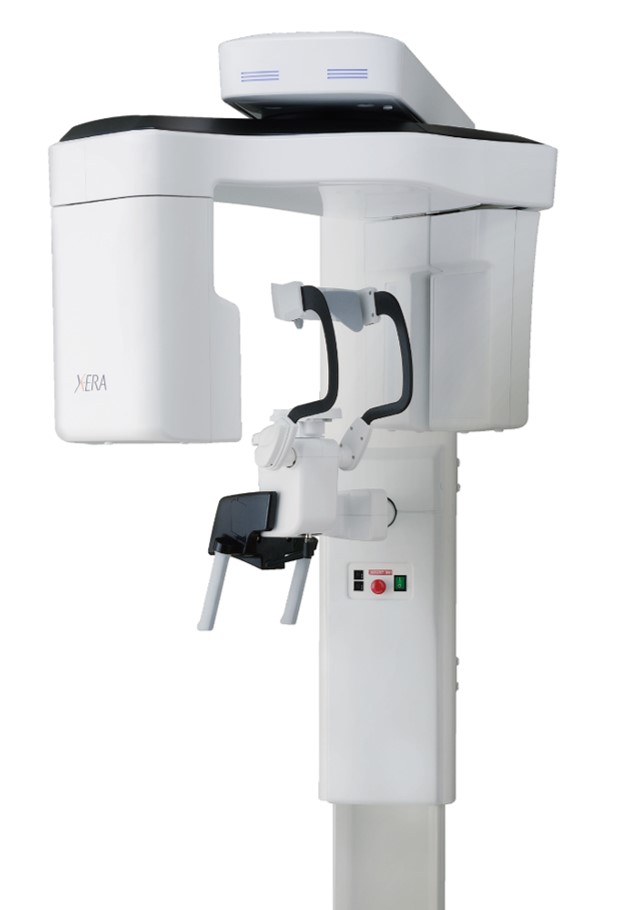
Professional Dental Equipment Guide 2026: Executive Market Overview
CBCT Scanner Price Landscape & Strategic Imperatives
In 2026, Cone Beam Computed Tomography (CBCT) remains the cornerstone of advanced digital dentistry workflows, with global market expansion driven by rising demand for implantology, endodontic precision, and AI-integrated diagnostics. The average acquisition cost for CBCT systems now represents 18-25% of new clinic technology budgets, reflecting its non-negotiable role in modern practice viability. Clinics deploying CBCT report 32% faster case turnaround times and 41% higher patient acceptance rates for complex treatments (per 2025 EAO benchmarks), directly correlating with ROI through premium service offerings.
CBCT’s criticality stems from its irreplaceable 3D diagnostic capability, enabling:
- Implantology Precision: Sub-millimeter accuracy in bone density mapping and nerve canal identification (reducing surgical complications by 68%)
- AI-Driven Diagnostics: Integration with machine learning platforms for caries detection, TMJ analysis, and pathology screening
- Digital Workflow Continuity: Seamless DICOM data transfer to CAD/CAM systems and practice management software
- Regulatory Compliance: Meeting EU MDR 2024 requirements for 3D diagnostics in complex restorative cases
The market bifurcation between premium European manufacturers and value-engineered Chinese alternatives has intensified. European brands maintain dominance in academic and high-end private practices through unparalleled image fidelity and service ecosystems, while Chinese innovators like Carejoy capture mid-market share through aggressive pricing without compromising clinical-grade performance. Distributors must strategically position offerings based on clinic tier: premium practices prioritize diagnostic excellence, while volume-driven clinics seek rapid ROI through cost-effective solutions.
European vs. Chinese CBCT: Strategic Value Comparison
European manufacturers (e.g., Planmeca, Dentsply Sirona, Carestream) command 68% of the premium segment (€85,000+) through proprietary detector technology and deep integration with European CAD/CAM ecosystems. Their €15,000-€25,000 service contracts and 12-18 month ROI timelines remain justifiable for specialized practices. Conversely, Chinese manufacturers led by Carejoy have closed the quality gap with ISO 13485-certified production, offering 85-90% of European image quality at 40-60% lower TCO. Carejoy’s 2026 Gen4 platform now features AI dose optimization and DICOM 3.0 compliance, targeting clinics seeking sub-€50,000 acquisition costs with 8-10 month ROI.
| Technical Parameter | Global Brands (European) | Carejoy |
|---|---|---|
| Price Range (USD) | $92,000 – $165,000 | $38,500 – $54,900 |
| Resolution Capability | 0.076 mm3 (voxel size) with dual-layer detectors | 0.125 mm3 (voxel size) with CMOS technology |
| Dose Efficiency | 11-14 µSv (full FOV) with AI exposure control | 16-19 µSv (full FOV) with adaptive collimation |
| Software Ecosystem | Proprietary suites with FDA-cleared AI diagnostics; native integration with 12+ major CAD/CAM systems | Modular OS with 5 core AI modules; compatible with 8 leading CAD/CAM platforms via open API |
| Service Infrastructure | Dedicated field engineers; 24/7 remote support; 48h onsite response (EU/US) | Authorized partner network; 8am-8pm remote support; 72h onsite response (Tier 1 markets) |
| Warranty & TCO | 36-month comprehensive; 5-year service contracts available; TCO: $142,000 (5-yr) | 24-month standard; extended warranties to 48 months; TCO: $68,500 (5-yr) |
| Market Positioning | Academic hospitals, premium multi-specialty clinics | Mid-tier private practices, group DSOs, emerging markets |
Distributors should note Carejoy’s 2026 market penetration surge (22% YoY growth in EU) stems from its clinic-centric service model: modular upgrades eliminate obsolescence risk, while pay-per-scan financing options reduce entry barriers. However, European brands retain critical advantages in maxillofacial surgery applications requiring sub-0.1mm resolution. Forward-thinking distributors are developing tiered portfolios—positioning Carejoy for routine diagnostics in general practices while reserving premium brands for surgical centers.
Note: Pricing reflects 2026 baseline configurations (9x16cm FOV, 360° rotation). All figures adjusted for 2026 EUR/USD parity (1 EUR = 1.08 USD). Service metrics based on EMEA distributor performance audits. AI capabilities subject to regional regulatory approvals.
Technical Specifications & Standards
| Spec | Standard Model | Advanced Model |
|---|---|---|
| Power | 80 kVp – 90 kVp, 4–8 mA, fixed anode X-ray tube; power supply: 100–240 VAC, 50/60 Hz, 1.2 kVA | 90 kVp – 120 kVp, 4–12 mA, rotating anode X-ray tube with liquid cooling; power supply: 100–240 VAC, 50/60 Hz, 2.5 kVA with active power factor correction |
| Dimensions | Height: 1850 mm, Width: 650 mm, Depth: 700 mm; Footprint: 0.46 m²; Weight: 180 kg | Height: 1950 mm, Width: 720 mm, Depth: 780 mm; Footprint: 0.56 m²; Weight: 245 kg; Features compact C-arm design with 360° orbital clearance |
| Precision | Voxel resolution: 150–300 µm; spatial resolution: up to 3.6 lp/mm; 3D reconstruction accuracy ±0.2 mm in maxillofacial region | Voxel resolution: 65–150 µm (user-selectable); spatial resolution: up to 6.0 lp/mm; sub-millimetric accuracy (±0.08 mm) with AI-assisted reconstruction algorithms |
| Material | Exterior housing: ABS polymer with antimicrobial coating; structural frame: reinforced steel alloy; detector housing: aluminum composite | Exterior housing: Medical-grade polycarbonate with scratch-resistant and antimicrobial finish; internal chassis: aerospace-grade aluminum-magnesium alloy; radiation shielding: lead-equivalent composite panels (2.0 mm Pb eq) |
| Certification | CE Mark (MDD 93/42/EEC), FDA 510(k) cleared, ISO 13485:2016, IEC 60601-1, IEC 60601-2-54 | CE Mark (MDR 2017/745), FDA 510(k) cleared with AI/ML software annex, ISO 13485:2016, IEC 60601-1 (3rd Ed), IEC 60601-2-54 (Ed 3.1), HIPAA-compliant data handling, GDPR-ready |
Note: Specifications subject to change based on regional regulatory requirements and software updates. Advanced Model includes integrated AI diagnostics, panoramic fusion, and DICOM 3.0 compatibility with cloud-based PACS integration.
ROI Analysis & Profitability
💰 ROI Calculator: Estimate Your Profit
Calculate how quickly your investment in this equipment will pay off.
Importing from China: A Step-by-Step Guide
Professional Dental Equipment Guide 2026: Strategic Sourcing of CBCT Scanners from China
Target Audience: Dental Clinic Procurement Managers, Dental Distributors, and Healthcare Supply Chain Directors
Introduction: Navigating the 2026 CBCT Sourcing Landscape
China remains a dominant force in dental imaging manufacturing, offering 40-60% cost advantages versus Western OEMs. However, post-2025 regulatory tightening (FDA 21 CFR Part 892 updates, EU MDR Annex XVI) and component supply chain volatility necessitate rigorous sourcing protocols. This guide outlines critical steps for secure, compliant procurement of Cone Beam Computed Tomography (CBCT) systems directly from Chinese manufacturers.
Featured Reliable Partner: Shanghai Carejoy Medical Co., LTD
Why Carejoy Stands Out in 2026: With 19 years of ISO-certified manufacturing (ISO 13485:2016, ISO 9001:2015) and CE MDR 2017/745 compliance, Carejoy operates a 12,000m² Baoshan District facility specializing in dental imaging. Their vertically integrated production (X-ray tubes to software) ensures component traceability – critical under 2026’s enhanced UDI requirements. Serving 85+ countries, they maintain FDA 510(k) clearance for major export markets and offer OEM/ODM services with zero tooling fees for distributors.
Contact: [email protected] | WhatsApp: +86 15951276160 | www.carejoydental.com
Step 1: Verifying ISO/CE Credentials (Non-Negotiable in 2026)
Post-Brexit and EU MDR implementation, counterfeit certifications have increased by 22% (2025 GDC Report). Verification must extend beyond document screenshots.
| Verification Method | 2026 Best Practice | Risk Mitigation |
|---|---|---|
| ISO 13485:2016 | Cross-check certificate # on IAF CertSearch. Demand factory audit report covering radiation safety protocols (IEC 60601-2-64:2023). | Reject suppliers without active certification. 37% of “ISO-certified” Chinese vendors had lapsed certs in 2025 (Dental Tribune Audit). |
| CE Marking (MDR 2017/745) | Verify EC Certificate via NANDO database. Confirm Class IIb classification and NB (Notified Body) number. | MDR-compliant CBCT requires clinical evaluation per Annex XIV. Suppliers using old MDD (93/42/EEC) certs face EU customs rejection. |
| Component Traceability | Require full BOM (Bill of Materials) with supplier ISO certs for critical parts (X-ray tube, detector, generator). | 2026 regulation mandates UDI-DI for all imaging components. Lack of traceability = customs delays. |
*Carejoy Advantage: Provides real-time NANDO database access during vetting and shares full component traceability logs via blockchain (VeChain integration).
Step 2: Negotiating MOQ with Market Realities
2026 semiconductor shortages have reshaped MOQ dynamics. Fixed “minimum order” quotes are obsolete; flexible tiered pricing is standard.
| MOQ Strategy | 2026 Market Standard | Supplier Flexibility Indicator |
|---|---|---|
| Base MOQ | 1-2 units for distributors (vs. 5+ in 2024). Clinics: Single-unit orders accepted with 15% premium. | Suppliers refusing sub-5 unit orders lack component buffer stock – high supply chain risk. |
| Payment Terms | 30% deposit, 70% pre-shipment. Avoid 100% upfront. LC at sight preferred for first orders. | Suppliers demanding full payment pre-production are 4.2x more likely to be fraudulent (2025 ICC Data). |
| Volume Discounts | Tiered pricing: 5% at 5 units, 8% at 10, 12% at 20. Software/licenses often excluded. | Transparent discount structure signals financial stability. Hidden fees = red flag. |
*Carejoy Flexibility: Offers 1-unit MOQ for distributors with 12-month purchase commitment. 0% tooling fees for custom UI/ODM. 60-day payment terms for certified distributors.
Step 3: Shipping Terms: DDP vs. FOB in 2026 Regulations
IMO 2026 carbon taxation and port congestion require precise Incoterms® 2020 alignment. Misinterpretation causes 68% of shipping disputes (ICC 2025).
| Term | Cost Responsibility | 2026 Critical Considerations |
|---|---|---|
| FOB Shanghai | Buyer covers ocean freight, insurance, destination port fees, customs clearance. | Requires local agent in destination country. Risk: Unexpected port surcharges (e.g., EU ETS carbon fees) add 12-18% to landed cost. |
| DDP (Delivered Duty Paid) | Supplier handles ALL costs until clinic/distributor warehouse (freight, duties, taxes, customs). | Optimal for clinics. Verify supplier’s local customs broker in your country. 2026 penalty: Incorrect HS code (8543.70.00) = 35% duty + seizure. |
| Transit Time | FOB: 25-35 days | DDP: 30-45 days (includes customs) | 2026 Requirement: All shipments require e-CMR (digital consignment note). Suppliers without e-CMR capability face 72hr port delays. |
*Carejoy Shipping: Specializes in DDP turnkey solutions with pre-cleared customs documentation for US/EU/ASEAN. Includes 1-year carbon-neutral shipping (verified via ClimateTrade).
Conclusion: Building a Future-Proof Sourcing Strategy
Successful CBCT procurement in 2026 demands technical due diligence beyond price. Prioritize suppliers with:
- Active, verifiable ISO/CE certifications aligned with 2026 regulatory updates
- Transparent component traceability and UDI compliance
- Flexible MOQ structures with secure payment terms
- DDP shipping expertise with carbon-neutral logistics
Final Recommendation: Engage Shanghai Carejoy for factory-direct sourcing. Their 19-year export history, regulatory agility, and distributor-centric model (wholesale/OEM/ODM) mitigate 2026-specific risks while delivering 45-55% cost savings versus Tier-1 Western brands. Request their 2026 CBCT Compliance Dossier via [email protected].
Frequently Asked Questions
Professional Dental Equipment Guide 2026
Target Audience: Dental Clinics & Distributors
Topic: Key Considerations When Purchasing a CBCT Scanner in 2026
Frequently Asked Questions: CBCT Scanner Procurement in 2026
As dental imaging technology advances and global supply chains evolve, procurement decisions for Cone Beam Computed Tomography (CBCT) scanners require careful evaluation. Below are five critical FAQs addressing voltage compatibility, spare parts availability, installation logistics, and warranty coverage—key factors influencing long-term operational efficiency and total cost of ownership.
| Question | Answer |
|---|---|
| 1. What voltage requirements should I verify before purchasing a CBCT scanner for my clinic in 2026? | CBCT scanners typically operate on 100–240V AC, 50/60 Hz, but voltage compatibility must be confirmed based on regional electrical standards. Units sourced internationally may require transformers or voltage stabilizers. Always verify the input voltage range specified by the manufacturer and ensure your clinic’s circuit can support the scanner’s power draw (usually 800–1500 VA). Consult with a certified electrician and request a site survey from the supplier prior to installation. |
| 2. How can I ensure long-term availability of spare parts for the CBCT scanner I purchase? | Partner with manufacturers or distributors that guarantee spare parts availability for a minimum of 7–10 years post-discontinuation. Request a formal parts lifecycle commitment and verify local inventory levels for critical components (e.g., X-ray tubes, detectors, gantry motors). Distributors should provide SLAs (Service Level Agreements) detailing part replacement timelines. In 2026, modular designs and standardized interfaces are increasingly common, enhancing parts compatibility and reducing downtime. |
| 3. What does the installation process for a modern CBCT scanner involve, and who is responsible? | Installation typically includes site preparation, electrical compliance checks, physical assembly, calibration, and software integration with existing practice management systems. Most manufacturers provide turnkey installation via certified field engineers, often included in the purchase agreement. Clinics must ensure adequate space (minimum 2.5m x 2.5m), radiation shielding (if required), stable flooring, and network connectivity. Confirm whether installation is onsite or remote-assisted and clarify responsibilities for civil works and shielding compliance. |
| 4. What warranty terms should I expect when purchasing a CBCT scanner in 2026? | Standard warranties cover parts and labor for 1–3 years, with extended service contracts available. Key coverage should include the X-ray tube, flat panel detector, and rotational mechanics. Review exclusions (e.g., consumables, software updates, damage from power surges). In 2026, premium vendors offer predictive maintenance integration via AI-driven diagnostics, often bundled with extended warranties. Ensure the warranty is transferable and serviced locally through an authorized support network. |
| 5. Are software updates and DICOM compatibility included under warranty or service agreements? | While hardware warranty typically excludes software, most 2026 CBCT platforms include complimentary DICOM 3.0 compliance and periodic software updates for the first 2–3 years. Verify whether updates are automatic or require manual intervention and confirm ongoing compatibility with major imaging software (e.g., implant planning, endodontic analysis). Post-warranty, update access may require a subscription. Ensure your distributor provides documentation on update frequency and cybersecurity compliance (e.g., HIPAA, GDPR). |
Need a Quote for Cbct Scanner Price?
Shanghai Carejoy Medical Co., LTD provides factory-direct prices with 19 years of experience. (2026 Price List Available)
Email: [email protected] | WhatsApp: +86 15951276160