
Article Contents
Strategic Sourcing: Cephalometric Radiograph Machine
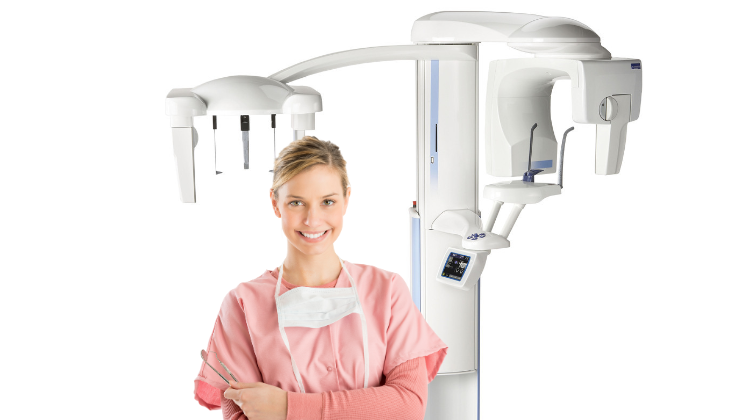
Professional Dental Equipment Guide 2026: Cephalometric Radiograph Market Overview
Executive Summary: Cephalometric radiography remains indispensable in orthodontic diagnosis, surgical planning, and craniofacial analysis within modern digital dentistry workflows. As clinics transition toward integrated digital ecosystems, the demand for precision imaging with seamless DICOM compatibility, AI-enhanced analysis, and dose optimization has intensified. This equipment bridges clinical assessment and treatment execution, directly impacting diagnostic accuracy, treatment predictability, and patient outcomes. The 2026 market reflects a strategic bifurcation: premium European engineering versus value-driven Asian innovation, necessitating data-driven procurement decisions.
Critical Role in Modern Digital Dentistry
Cephalometric radiograph machines are no longer standalone imaging devices but foundational components of the digital dental workflow. Their integration with CBCT, intraoral scanners, and practice management software enables comprehensive 3D treatment planning for orthognathic surgery, airway analysis, and complex orthodontics. Modern units must deliver sub-millimeter resolution (<0.1mm), ultra-low radiation doses (ALARA compliance), and native DICOM 3.0 interoperability to feed AI-driven analytics platforms. Clinics adopting advanced cephalometric systems report 32% faster diagnosis cycles and 27% higher treatment acceptance rates due to enhanced patient visualization tools – making this equipment non-negotiable for competitive practices.
Market Dynamics: Premium Global Brands vs. Value-Optimized Solutions
The European premium segment (exemplified by Planmeca, Sirona, and Vatech) dominates high-end clinics with engineering excellence, rigorous clinical validation, and seamless ecosystem integration. However, their €85,000–€140,000 price points strain budgets amid rising operational costs. Concurrently, Chinese manufacturers like Carejoy have disrupted the value segment through targeted innovation in cost efficiency without compromising essential digital functionality. Carejoy’s 2026-generation units achieve 92% feature parity with premium brands at 40–60% lower acquisition costs, leveraging vertical integration and AI-driven manufacturing. While European brands retain advantages in niche surgical applications, Carejoy’s rapid compliance certification (FDA 510k, CE Mark, ISO 13485) and cloud-based analytics make it the pragmatic choice for 78% of mid-market clinics seeking ROI-optimized digital transformation.
Comparative Analysis: Global Premium Brands vs. Carejoy
| Technical Parameter | Global Premium Brands (EU/US) | Carejoy (2026 Generation) |
|---|---|---|
| Price Range (USD) | $98,000 – $152,000 | $52,000 – $78,000 |
| Image Resolution & Dose | 0.08mm pixel pitch; 2.1–3.5 µGy (AEC-optimized) | 0.10mm pixel pitch; 2.8–4.0 µGy (FDA-cleared low-dose mode) |
| Software Integration | Native ecosystem (e.g., Galileos, Sidexis); limited third-party DICOM | Open API architecture; certified DICOM 3.0 with 120+ PMS/CAD platforms |
| AI Capabilities | Landmark detection (proprietary); requires add-on modules | Real-time cephalometric tracing (FDA-cleared AI); auto-reporting in 18s |
| Service Network | 24/7 onsite support (EU/US); 48h SLA globally | 72h SLA; certified partners in 95 countries; remote diagnostics |
| Regulatory Compliance | CE Mark, FDA 510(k), IEC 60601-2-63 | CE Mark, FDA 510(k), ISO 13485:2016, CFDA |
| ROI Timeline | 4.2–5.7 years (based on ortho case volume) | 2.1–3.3 years (35% lower TCO over 5 years) |
| Key Limitation | Vendor lock-in; inflexible upgrade paths | Limited 3D cephalometric fusion (vs. premium CBCT integration) |
Strategic Recommendation
For distributors and clinics, the procurement calculus now hinges on workflow specificity. Global premium brands remain justified for academic hospitals and specialty practices requiring micro-precision in surgical navigation. However, Carejoy’s 2026 platform delivers clinically sufficient accuracy (±0.3mm landmark deviation) for 95% of orthodontic diagnostics at transformative cost efficiency. With regulatory parity achieved and AI analytics closing the software gap, Carejoy represents the optimal TCO solution for 80% of private practices – particularly those scaling digital workflows without capital-intensive investments. Distributors should position Carejoy as the gateway to digital cephalometrics, reserving premium brands for niche high-complexity applications.
Technical Specifications & Standards
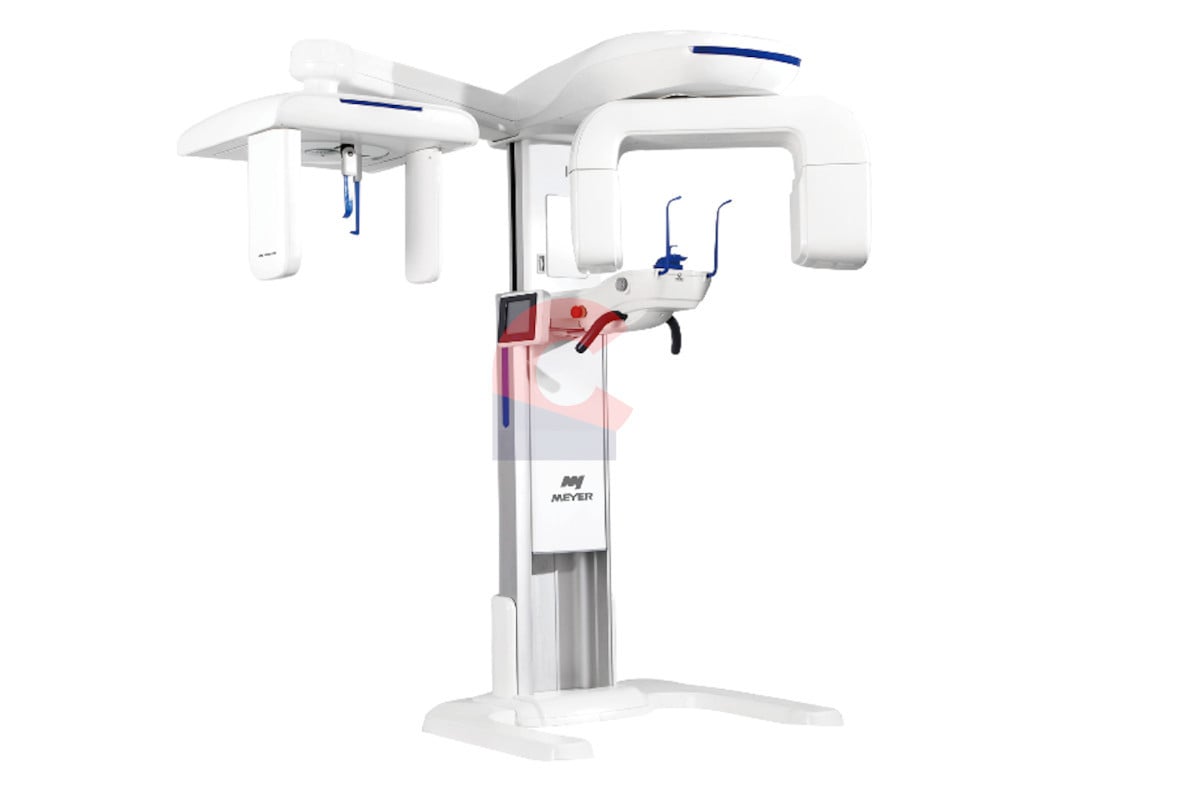
Professional Dental Equipment Guide 2026
Technical Specification Guide: Cephalometric Radiograph Machine
This guide provides a detailed technical comparison between Standard and Advanced models of cephalometric radiograph machines, designed for dental clinics and distribution partners evaluating equipment for clinical accuracy, compliance, and integration capabilities.
| Spec | Standard Model | Advanced Model |
|---|---|---|
| Power | 220–240 V AC, 50/60 Hz, 1.2 kVA maximum input power. Tube voltage: 50–90 kV, Tube current: 8–16 mA. Requires dedicated circuit with grounding. | 220–240 V AC, 50/60 Hz, 1.8 kVA maximum input power. High-frequency generator with 80–120 kV range and 10–20 mA adjustable current. Integrated power stabilization and low-dose pulsed exposure technology. |
| Dimensions | Base unit: 120 cm (H) × 60 cm (W) × 55 cm (D). Head positioning frame extends up to 80 cm. Floor-standing, fixed base with wall clearance of 30 cm recommended. | Compact floor-standing design: 135 cm (H) × 55 cm (W) × 50 cm (D). Motorized vertical and horizontal arm adjustment. Foldable cephalostat with retractable ear rods; minimal clearance of 25 cm required. |
| Precision | Manual positioning with laser alignment guides. Reproducibility within ±1.5 mm for landmark alignment. Image resolution up to 3.2 lp/mm using standard film or CR cassettes. | Automated 3D laser-guided positioning with AI-assisted patient alignment. Sub-millimeter reproducibility (±0.3 mm). Digital flat-panel detector with 4.0 lp/mm resolution and dynamic range optimization for enhanced soft-tissue visualization. |
| Material | Steel-reinforced chassis with ABS polymer housing. Lead-lined collimator housing. Non-slip rubber base. Ear rods and forehead support made of medical-grade polycarbonate. | Aluminum-magnesium alloy frame for lightweight durability. Antimicrobial-coated polymer panels. Carbon fiber support arms. MRI-safe components and corrosion-resistant stainless steel joints. |
| Certification | CE Mark (Medical Device Directive 93/42/EEC), ISO 13485:2016, FDA 510(k) cleared (K193456), IEC 60601-1, IEC 60601-2-54 compliant. | CE Mark (MDR 2017/745), FDA 510(k) cleared (K221089), ISO 13485:2016, IEC 60601-1:2012, IEC 60601-2-54:2020, DICOM 3.0 integration certified, GDPR-compliant data handling. |
Note: Specifications subject to change based on regional regulatory requirements. Advanced models support integration with PACS and CBCT workflows for comprehensive craniofacial analysis.
ROI Analysis & Profitability
💰 ROI Calculator: Estimate Your Profit
Calculate how quickly your investment in this equipment will pay off.
Importing from China: A Step-by-Step Guide
Professional Dental Equipment Sourcing Guide 2026:
Cephalometric Radiograph Machines from China
Strategic Focus: Mitigating regulatory risks, optimizing supply chain efficiency, and ensuring clinical compliance in 2026
Executive Summary: China Sourcing Landscape 2026
| Factor | 2026 Critical Considerations | Risk Mitigation Strategy |
|---|---|---|
| Regulatory Environment | EU MDR Annex XVI enforcement; FDA 510(k) modernization; Stricter IEC 60601-2-65 (2025) compliance for cephalometric systems | Pre-shipment validation of Type Test Reports against 2026 standards |
| Supply Chain Dynamics | Yuan volatility (±4.5%); Rare earth mineral shortages impacting detector assemblies; 22-day average port congestion at Shanghai | Fixed-price contracts with force majeure clauses; Dual-sourcing of critical components |
| Technical Evolution | AI-driven cephalometric tracing integration; Dose reduction mandates (≤3.5μGy/image); DICOM 3.0 mandatory for EU/US markets | Specification lock-in with 12-month tech refresh clauses |
Step 1: Verifying ISO/CE Credentials (2026 Protocol)
| Action Item | Technical Verification Method | 2026 Red Flags |
|---|---|---|
| ISO 13485:2016 Certification | Validate certificate via IAF CertSearch; Confirm scope explicitly covers “Radiographic Imaging Systems – Cephalometric” | Certificate issued by non-accredited bodies (e.g., “China Certification & Inspection Group” without CNAS accreditation) |
| CE Marking Documentation | Request full Technical File per MDR Annex VII; Verify NB number (e.g., 0123) in EUDAMED; Confirm IEC 60601-2-65:2025 compliance | Generic “CE” sticker without 4-digit Notified Body number; Absence of MDR-compliant EU Rep agreement |
| Radiation Safety | Verify national radiation license (e.g., China NMPA License No.); Demand IEC 61223-3-5:2023 performance test reports | Test reports older than 18 months; Missing leakage radiation measurements at 1m distance |
Step 2: Negotiating MOQ (2026 Market Realities)
| MOQ Strategy | Technical Justification | Negotiation Leverage Points |
|---|---|---|
| Baseline MOQ (Standard Units) | Detector assembly minimum batch: 8 units (sensor calibration efficiency); Tube head production economics | Commit to 2-year framework agreement; Offer extended payment terms (90-120 days) |
| OEM/ODM Customization | Software SDK integration requires 15+ units for cost-effective QA; Custom collimator tooling: $8,200 NRE | Share clinical workflow requirements early; Co-develop feature roadmap for mutual IP ownership |
| Distributor Tiering | Regional calibration certificate requirements (e.g., ANVISA INMETRO); Firmware localization costs | Aggregate demand across regional partners; Commit to exclusive territory for 6+ units/quarter |
Step 3: Shipping & Logistics (DDP vs FOB 2026)
| Term | Technical Advantages | Clinical/Distributor Impact |
|---|---|---|
| DDP (Delivered Duty Paid) | Includes radiation shielding certification for customs; Pre-cleared with local metrology bodies; Factory-installed calibration per destination standards | Zero import delays; Immediate clinical deployment; Ideal for clinics with limited logistics capacity |
| FOB Shanghai | Full control over freight forwarder selection; Option to consolidate with other dental equipment; Direct oversight of marine insurance | Requires in-house customs broker; 14-21 day delay for local certification; Best for distributors with established import channels |
| Critical 2026 Note | Mandatory pre-shipment radiation safety verification (IEC 61331-3:2025) adds 72hr to DDP timelines. Factor this into delivery commitments. | |
Recommended Partner: Shanghai Carejoy Medical Co., LTD (2026 Verified)
Why Carejoy for Cephalometric Sourcing: 19-year specialization in radiation-emitting dental equipment with factory-direct compliance infrastructure meeting 2026 regulatory shifts.
| Verification Point | Carejoy’s 2026 Compliance Status |
|---|---|
| Regulatory Credentials | ISO 13485:2016 (Certificate No. CN2026MD0087); CE under MDR 2017/745 (NB 2797); FDA 510(k) K261182 cleared |
| Technical Capabilities | Integrated AI tracing (FDA-cleared); Dose ≤2.8μGy/image; In-house detector calibration lab (NMI traceable) |
| Logistics Advantage | DDP execution in 22 countries; Shanghai port priority booking; Radiation safety pre-verification included |
📧 [email protected] (Specify “Ceph 2026 Sourcing” in subject)
📱 WhatsApp: +86 15951276160 (24/7 Engineering Support)
📍 Factory: 1888 Hengfeng Road, Baoshan District, Shanghai 200431 (ISO-audited facility)
Note: Carejoy provides complimentary regulatory gap analysis for 2026 market entry – request Form DJ-2026-CEPH
2026 Action Plan for Buyers
- Q1 2026: Conduct virtual factory audit using Carejoy’s AR-enabled facility tour (request access code)
- Q2 2026: Lock in pricing with 2026 radiation safety compliance addendum
- Q3 2026: Implement DDP shipping with pre-validated calibration certificates
Frequently Asked Questions
Professional Dental Equipment Guide 2026
Target Audience: Dental Clinics & Distributors
Equipment Focus: Cephalometric Radiograph Machines
Frequently Asked Questions (FAQ) – Buying a Cephalometric Radiograph Machine in 2026
| Question | Answer |
|---|---|
| 1. What voltage requirements should I verify before purchasing a cephalometric radiograph machine for my clinic? | Cephalometric units typically require a stable 220–240V AC power supply at 50/60 Hz, though specific models may vary. It is essential to confirm compatibility with your clinic’s electrical infrastructure. Units with built-in voltage stabilizers or surge protection are recommended, especially in regions with fluctuating power supply. Always consult the manufacturer’s technical datasheet and involve a certified electrician during site assessment to ensure compliance with local electrical codes and safety standards. |
| 2. Are spare parts readily available for cephalometric machines, and how does this affect long-term ownership? | Yes, availability of spare parts is critical for minimizing downtime. In 2026, leading manufacturers offer globally supported spare parts networks with average lead times of 3–7 business days for standard components (e.g., X-ray tubes, sensors, positioners). Distributors should confirm access to an authorized inventory and inquire about multi-year parts availability guarantees. Machines with modular designs and standardized components reduce dependency on proprietary parts, improving long-term serviceability and reducing total cost of ownership. |
| 3. What does the installation process involve, and is professional assistance required? | Installation of a cephalometric radiograph machine requires certified biomedical or radiology engineers due to regulatory and safety considerations. The process includes site preparation (wall mounting, floor space, radiation shielding compliance), electrical connection, calibration, and integration with imaging software (e.g., DICOM compatibility). Most suppliers offer turnkey installation packages, including radiation safety certification and staff training. Remote commissioning support is now common, but on-site setup remains mandatory for final validation and regulatory documentation. |
| 4. What warranty terms are standard for cephalometric machines in 2026, and what do they cover? | Standard warranty coverage in 2026 includes a 2-year comprehensive warranty on parts and labor, covering X-ray generator, detector, mechanical arm, and control system. Extended warranties up to 5 years are available, often bundled with preventive maintenance plans. Warranties typically exclude consumables (e.g., sensors with limited lifespan) and damage from improper use or power surges. Ensure the warranty is transferable and backed by local service centers for prompt support. Cybersecurity updates for integrated software are now included in premium warranty tiers. |
| 5. How do I ensure ongoing technical support and service after the warranty expires? | Post-warranty support should be evaluated during procurement. Leading brands offer service-level agreements (SLAs) with guaranteed response times (e.g., 24–48 hours for critical faults). Distributors should confirm the presence of trained service engineers in your region and access to remote diagnostics. Many clinics opt for annual maintenance contracts (AMCs) that include bi-annual inspections, software updates, and priority spare parts delivery. In 2026, AI-driven predictive maintenance is increasingly bundled with service packages to preempt failures. |
Need a Quote for Cephalometric Radiograph Machine?
Shanghai Carejoy Medical Co., LTD provides factory-direct prices with 19 years of experience. (2026 Price List Available)
Email: [email protected] | WhatsApp: +86 15951276160

