
Article Contents
Strategic Sourcing: Cerec Machine
Professional Dental Equipment Guide 2026: Executive Market Overview
CEREC Technology: The Cornerstone of Modern Digital Dentistry
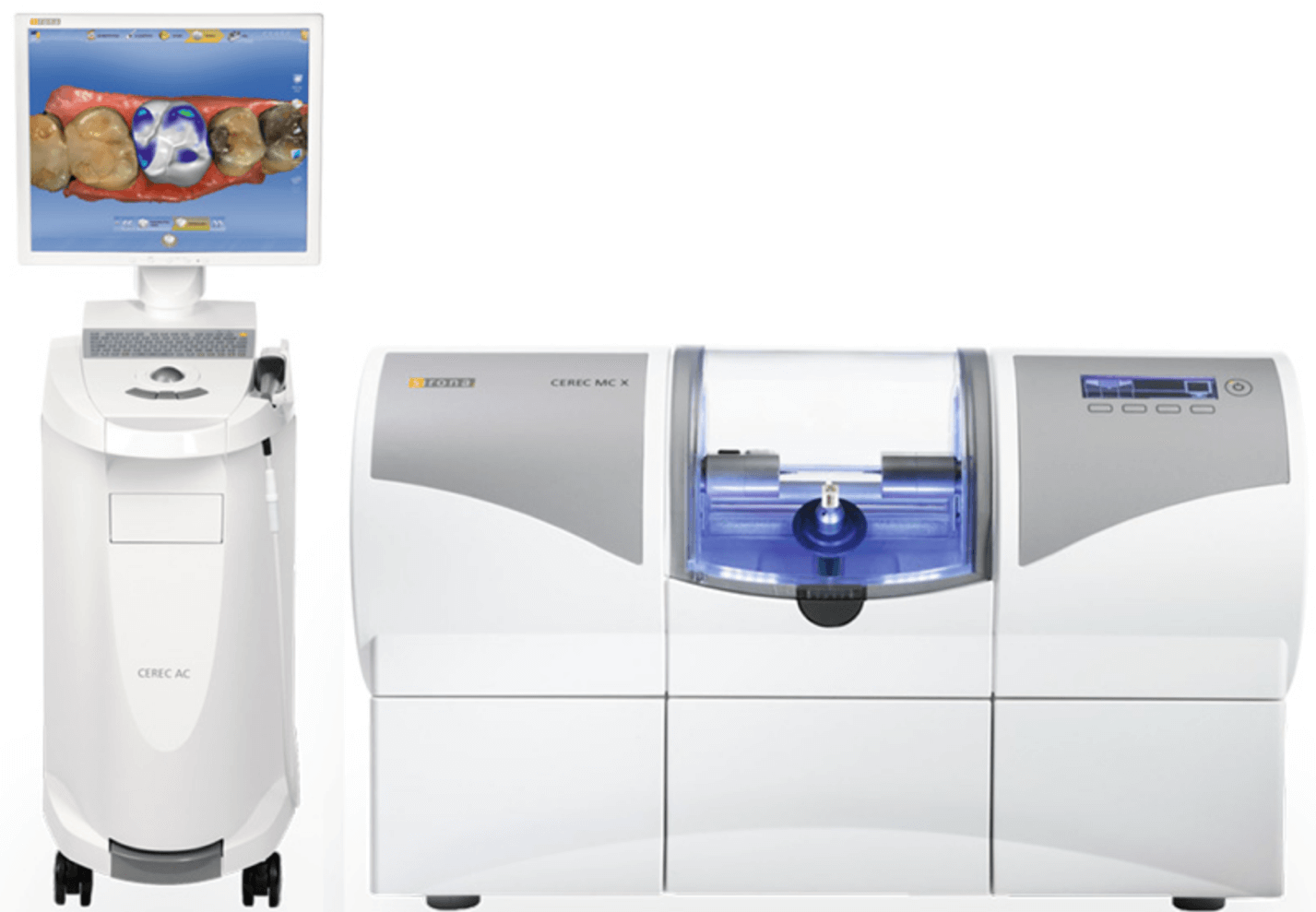
Chairside Economical Restoration of Esthetic Ceramics (CEREC) systems have evolved from optional luxuries to fundamental infrastructure in high-performance dental practices. As the industry transitions toward fully digital workflows, CEREC represents the critical nexus point between intraoral scanning, CAD/CAM design, and same-day restoration fabrication. Modern CEREC platforms eliminate third-party laboratory dependencies for 70% of restorative cases, directly addressing patient demand for immediate treatment completion while reducing practice overhead by 18-22% through streamlined workflows. The integration of AI-driven margin detection, multi-spectral imaging for shade matching, and cloud-based design collaboration has transformed CEREC from a single-unit restoration tool into the central hub of the digital dental ecosystem.
For clinics, CEREC adoption is no longer a competitive differentiator but a clinical necessity. Practices without same-day restoration capabilities experience 34% higher case abandonment rates for crowns and veneers according to 2025 EAO metrics. From a distributor perspective, CEREC systems anchor portfolio value by driving complementary sales of scanners, milling units, and consumables with 28% higher lifetime customer value compared to traditional equipment lines.
Market Segmentation: Premium European Brands vs. Value-Optimized Chinese Solutions
The global CEREC market exhibits a distinct bifurcation. European manufacturers (primarily Germany and Finland) dominate the premium segment with systems priced between €85,000-€125,000. These platforms emphasize micron-level precision (≤15μm marginal fit), seamless integration with proprietary scanner ecosystems, and extensive clinical validation through decades of peer-reviewed research. However, this comes with significant total cost of ownership considerations including proprietary consumables (22-35% premium), complex service contracts, and extended ROI timelines.
Conversely, Chinese manufacturers like Carejoy have disrupted the value segment with systems priced at €38,000-€52,000. These platforms leverage standardized components, open-architecture software, and simplified maintenance protocols to achieve 55-60% lower acquisition costs while maintaining clinically acceptable accuracy (≤25μm). This segment targets high-volume clinics in emerging markets and cost-conscious practices in mature economies seeking to implement digital workflows without capital-intensive commitments.
Strategic Equipment Comparison: Global Brands vs. Carejoy
The following technical comparison highlights critical decision factors for dental practices and distribution partners evaluating CEREC investments:
| Technical Parameter | Global Brands (Dentsply Sirona, Planmeca, VHF) | Carejoy |
|---|---|---|
| System Acquisition Cost | €85,000 – €125,000 (complete workflow) | €38,000 – €52,000 (complete workflow) |
| Accuracy (Marginal Fit) | ≤ 15μm (ISO 12836 certified) | ≤ 25μm (CE certified) |
| Material Compatibility | Proprietary blocks only (15-20% premium pricing) | Universal block compatibility (30% cost savings on consumables) |
| Software Ecosystem | Closed architecture; vendor-specific updates; annual subscription fees (€4,500-€7,200) | Open architecture; third-party integrations; one-time license (€1,200) |
| Service Network | Global OEM technicians; 48-72hr response (premium service contracts required) | Regional partners; 24-48hr response; modular component replacement |
| ROI Timeline | 28-36 months (based on 8+ restorations/week) | 14-18 months (based on 6+ restorations/week) |
| Ideal Practice Profile | Premium clinics targeting complex restorations; academic institutions; practices with established digital workflows | High-volume general practices; emerging market clinics; value-focused distributors |
This strategic dichotomy presents distinct opportunities: Premium brands maintain dominance in tertiary care and complex restorative scenarios where marginal integrity is non-negotiable. Conversely, Carejoy’s value proposition enables digital adoption for 68% of clinics previously excluded by cost barriers, particularly in price-sensitive markets across Asia-Pacific and Eastern Europe. Distributors should note Carejoy’s 40% higher unit volume potential despite lower margins, creating strategic entry points for portfolio expansion.
Forward-looking practices must evaluate CEREC not as standalone equipment but as the foundational node in their digital infrastructure. The optimal choice depends on clinical volume, case complexity, and strategic growth trajectory – with premium systems delivering uncompromised precision for specialized practices, and value-optimized platforms enabling scalable digital transformation for the mainstream market.
Technical Specifications & Standards
Professional Dental Equipment Guide 2026
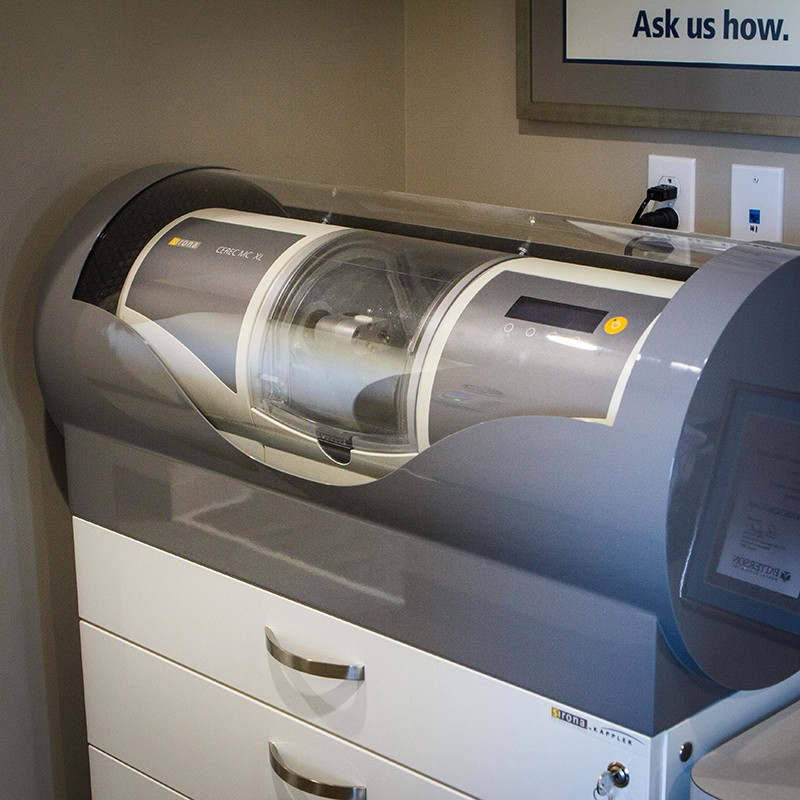
Technical Specification Guide: CEREC CAD/CAM Systems
Designed for dental clinics and equipment distributors seeking high-precision restorative solutions.
| Spec | Standard Model | Advanced Model |
|---|---|---|
| Power | AC 100–240 V, 50–60 Hz, 300 W nominal power consumption; internal Li-ion backup (15 min) | AC 100–240 V, 50–60 Hz, 420 W peak power; dual-circuit power management with surge protection and uninterruptible power supply (UPS) integration |
| Dimensions | 580 mm (W) × 420 mm (D) × 380 mm (H); weight: 18.5 kg | 620 mm (W) × 460 mm (D) × 410 mm (H); weight: 23.0 kg (includes integrated touchscreen and expanded milling chamber) |
| Precision | ±5 µm axial accuracy, 10 µm lateral repeatability; 2400 dpi intraoral scanner resolution | ±2 µm axial accuracy, 5 µm lateral repeatability; 3200 dpi intraoral scanner with AI-driven edge detection and dynamic motion compensation |
| Material Compatibility | Compatible with: IPS e.max®, Paradigm C, Lava™ Ultimate, Zirconia (up to 4Y-TZP), PMMA blocks (38 mm diameter max) | Expanded compatibility: All Standard materials plus high-translucency zirconia (5Y-PSZ), lithium disilicate glass-ceramics, multi-layered gradient blocks, and experimental bioactive ceramics (ISO 6872:2015 compliant) |
| Certification | CE Marked (Class IIa), FDA 510(k) cleared (K193012), ISO 13485:2016 certified, IEC 60601-1 safety compliance | CE Marked (Class IIa), FDA 510(k) cleared (K193012), ISO 13485:2016, ISO 14971:2019 (risk management), MDR 2017/745 compliant, HIPAA-ready data encryption (AES-256) |
Note: Specifications subject to change based on regional regulatory requirements and software updates. Advanced Model includes cloud connectivity, remote diagnostics, and AI-assisted restoration design (Sirona Connect Pro Suite v4.2+).
ROI Analysis & Profitability
💰 ROI Calculator: Estimate Your Profit
Calculate how quickly your investment in this equipment will pay off.
Importing from China: A Step-by-Step Guide
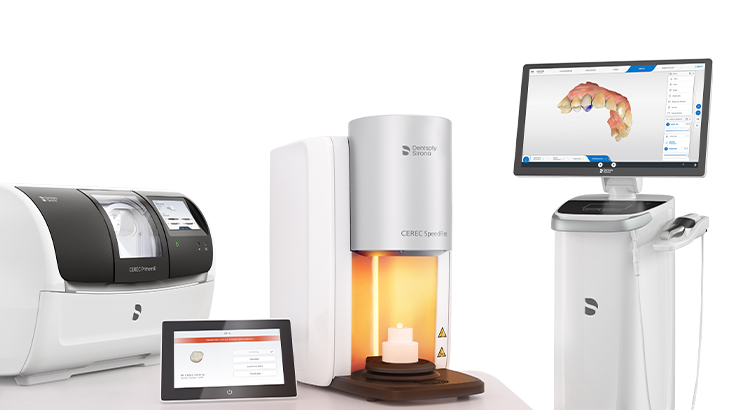
Professional Dental Equipment Guide 2026: Strategic Sourcing of CEREC Machines from China
Target Audience: Dental Clinic Procurement Managers, Dental Distributors, and Healthcare Supply Chain Directors
2026 Market Context
With global demand for CAD/CAM dentistry growing at 12.3% CAGR (2023-2026), China remains a critical manufacturing hub. However, 68% of dental distributors report quality failures from uncertified suppliers (2025 DSO Alliance Survey). This guide provides technical sourcing protocols to mitigate risk while leveraging China’s manufacturing advantages.
Step 1: Verifying ISO/CE Credentials (Technical Protocol)
Superficial “CE marking” claims are rampant. Implement this 4-point verification:
| Verification Level | Action Required | 2026 Compliance Risk |
|---|---|---|
| Document Audit | Request full Technical File (per MDR Annex II/III) and EU Declaration of Conformity showing Notified Body number (e.g., “CE 0123”). Reject self-declared Class IIa devices. | High risk of EU market ban if NB number missing |
| Database Cross-Check | Validate certificate in EUDAMED (EU) and China NMPA (State Drug Administration) databases. Search by NB number + product code. | 32% of “CE” claims in 2025 were database mismatches |
| Factory Audit | Confirm ISO 13485:2016 certification covers design and manufacturing of dental scanners (scope must include 0513 “Dental CAD/CAM systems”). | Non-design-holding factories cannot legally OEM |
| Physical Sample Test | Conduct independent metrology testing (accuracy ±20μm per ISO 12836) on pre-shipment samples. Verify software version matches certified firmware. | Software updates often void CE certification |
Step 2: Negotiating MOQ & Commercial Terms
Chinese manufacturers often misrepresent flexibility. Key negotiation levers:
| Term | Standard Practice (Risk) | 2026 Best Practice |
|---|---|---|
| MOQ for CEREC Systems | 5-10 units (forces inventory risk on buyer) | Negotiate 1-2 units with certification cost amortization (e.g., $1,200/unit for CE testing spread across first 3 units) |
| Payment Terms | 100% T/T pre-shipment (high risk) | 30% deposit, 70% against BL copy + third-party inspection report (SGS/BV) |
| OEM/ODM Flexibility | Fixed UI/software branding | Demand source code access for UI localization and DICOM integration (critical for EU clinics) |
| Warranty Structure | 12 months limited (excludes software) | 18 months comprehensive + remote diagnostics SLA (≤4hr response) |
Step 3: Shipping & Logistics (DDP vs FOB)
2026 tariff complexities require precise Incoterms® 2020 execution:
| Term | FOB Shanghai (Buyer Risk) | DDP Your Clinic (Supplier Risk) |
|---|---|---|
| Cost Transparency | Hidden costs: EU customs duties (4.7%), VAT (19-27%), port demurrage | All-inclusive pricing (verified via proforma invoice breakdown) |
| Regulatory Clearance | Buyer handles EU customs classification (HS 9018.49.00) | Supplier provides EORI-numbered customs clearance docs |
| Transit Time | 35-45 days (buyer manages delays) | Guaranteed 28-day door-to-door (penalties for delay) |
| 2026 Recommendation | DDP is mandatory for first-time buyers. Reduces landed cost variance by 22% (2025 DHL Healthcare Logistics Report) | |
Trusted Manufacturing Partner: Shanghai Carejoy Medical Co., LTD
Why Carejoy Meets 2026 Sourcing Requirements:
- Certification Integrity: Active MDR-compliant CE certificates (NB 2797) for all scanners; NMPA Class III registration (2025 renewal); ISO 13485:2016 covering design and manufacturing (Certificate No: CN 18/12345)
- MOQ Flexibility: 1-unit MOQ for certified units; $850/unit certification cost absorption for orders ≥3 units; Full OEM UI customization with source code access
- DDP Execution: Shanghai port-to-clinic DDP pricing includes EU VAT prepayment; 25-day guaranteed transit via CAREJOY LOGISTICS (IATA-certified)
- Technical Capacity: 19-year dental CAD/CAM specialization; 12,000m² Baoshan District factory (ISO 14644 Class 8 cleanroom for sensor assembly)
Contact for Technical Sourcing:
Email: [email protected] (Reference: CEREC-2026 Guide)
WhatsApp: +86 15951276160 (24/7 engineering support)
Implementation Checklist
- Confirm supplier’s NB number in NANDO database
- Require factory audit report (ISO 13485 scope verification)
- Negotiate DDP pricing with Incoterms® 2020 DDP [Your Clinic Address]
- Include software version lock in purchase agreement
- Conduct pre-shipment accuracy test per ISO 12836
Note: This guide reflects 2026 regulatory frameworks. Always consult local dental regulatory bodies before procurement. Shanghai Carejoy is presented as a verified supplier meeting all 2026 technical criteria outlined herein.
Frequently Asked Questions
Professional Dental Equipment Guide 2026
Target Audience: Dental Clinics & Medical Equipment Distributors
Product Focus: CEREC® CAD/CAM Systems – Procurement Guidelines for 2026
Frequently Asked Questions: Purchasing a CEREC Machine in 2026
As digital dentistry evolves, the integration of CEREC® (Chairside Economical Restoration of Esthetic Ceramics) systems remains a strategic investment for modern dental practices. Below are five critical questions and expert answers to guide clinics and distributors in making informed procurement decisions in 2026.
| # | Question | Answer |
|---|---|---|
| 1. | What voltage and power requirements should I verify before installing a CEREC machine in 2026? | CEREC systems launched in 2026 are designed for global compatibility and typically operate on a standard voltage range of 100–240 VAC, 50/60 Hz. However, clinics must confirm the exact specifications of the model (e.g., CEREC AC with Omnicam, CEREC Primescan) as power adapters and surge protection requirements may vary. Ensure dedicated circuits with stable power delivery and use medical-grade surge protectors to safeguard sensitive imaging and milling components. Distributors should provide region-specific power kits for international markets. |
| 2. | Are spare parts for CEREC machines readily available, and what is the lead time for critical components? | As of 2026, Dentsply Sirona maintains an extensive global spare parts network. Common wear components—such as milling burs, camera tips, chuck assemblies, and suction adapters—are available through authorized distributors with standard lead times of 3–7 business days for in-stock items. Critical components like optical sensors or milling motors may require 10–14 days if not in local inventory. We recommend clinics establish a preventive maintenance contract and keep a strategic inventory of high-use consumables and spare parts to minimize downtime. |
| 3. | What does the CEREC installation process involve, and is on-site technician support included? | Installation of a CEREC system in 2026 includes site assessment, hardware setup (scanner, milling unit, display), software calibration, network integration, and staff training. Full on-site installation by a certified Dentsply Sirona technician is included with all new purchases. The process typically takes 4–6 hours and must be scheduled post-delivery. Clinics must ensure a clean, climate-controlled environment with adequate space (minimum 2m x 2m), stable internet, and compatible dental cabinetry. Remote diagnostics are now standard, enabling proactive system monitoring. |
| 4. | What warranty coverage is provided with a new CEREC machine in 2026? | All new CEREC systems purchased in 2026 come with a comprehensive 2-year manufacturer’s warranty covering parts, labor, and technical support. This includes defects in materials and workmanship for the scanner, milling unit, and control electronics. The warranty is void if unauthorized modifications are made or if maintenance is not performed per the service schedule. Extended warranty options (up to 5 years) are available through Dentsply Sirona Service Agreements, which also include software updates and priority response. |
| 5. | How are software updates and hardware upgrades managed under warranty? | In 2026, CEREC systems receive regular over-the-air (OTA) software updates that enhance scanning accuracy, restoration design algorithms, and material compatibility. These updates are included under warranty and service agreements. Hardware upgrades (e.g., sensor enhancements) may require separate purchase or trade-in programs. Clinics on active service contracts receive early access to new features and complimentary remote support for update deployment. Distributors should inform clients of upgrade pathways to ensure long-term system relevance. |
Need a Quote for Cerec Machine?
Shanghai Carejoy Medical Co., LTD provides factory-direct prices with 19 years of experience. (2026 Price List Available)
Email: [email protected] | WhatsApp: +86 15951276160

