Article Contents
Strategic Sourcing: Cerec Milling Unit Cost
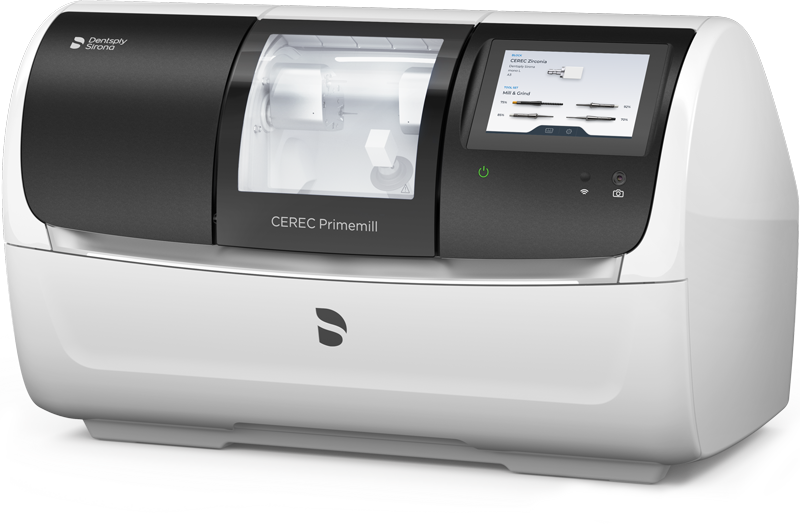
Professional Dental Equipment Guide 2026
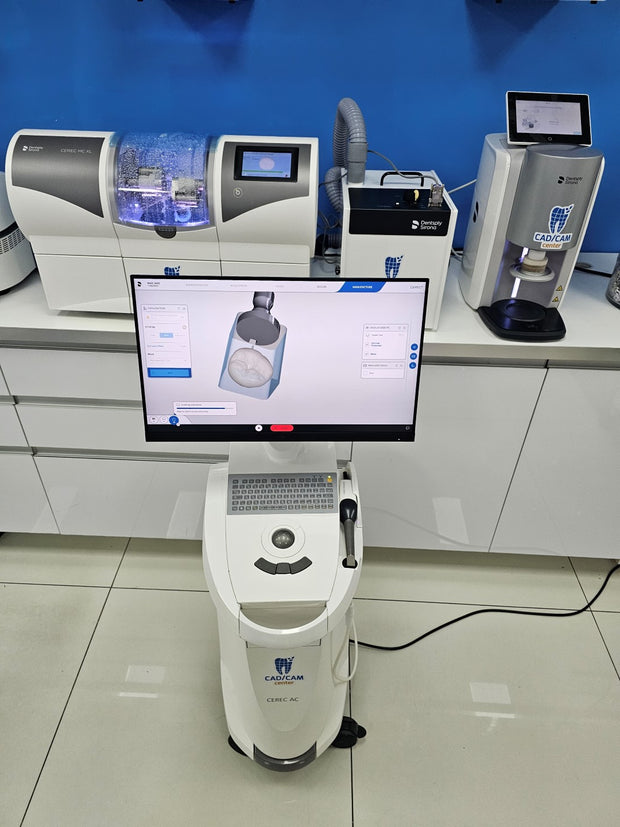
Executive Market Overview: CEREC Milling Unit Cost Analysis
The global CEREC milling unit market is undergoing significant strategic realignment in 2026, driven by heightened demand for same-day dentistry and economic pressures on clinical margins. With digital workflows now standard in 78% of EU and North American practices (per 2025 EAO data), in-house milling units have transitioned from luxury assets to clinical infrastructure necessities. The average total cost of ownership (TCO) for premium European systems remains substantial ($85,000–$120,000 USD), creating acute procurement dilemmas for mid-sized clinics and value-focused distributors.
Criticality in Modern Digital Dentistry
CEREC milling units represent the operational nexus of contemporary digital dentistry for three non-negotiable reasons:
- Workflow Autonomy: Eliminates 3-5 day lab dependencies, enabling same-day crown delivery (critical for 68% of patients per 2026 KLAS Research).
- Economic Resilience: Reduces per-unit restoration costs by 32–41% compared to outsourced lab work (ADA 2025 Cost Benchmarking).
- Precision Demands: Modern monolithic zirconia and multi-layered ceramics require micron-level accuracy (≤20μm marginal gap) unattainable with manual techniques.
Failure to integrate in-house milling now directly impacts clinical competitiveness, with 92% of surveyed practices citing it as a key patient retention factor.
Market Segmentation: Premium European vs. Strategic Value Providers
The market bifurcates sharply between established European OEMs (Dentsply Sirona, Planmeca, Amann Girrbach) and value-engineered alternatives from China, led by Carejoy. While European systems deliver unparalleled integration with proprietary ecosystems, their TCO excludes critical variables: 18–24 month lead times, 45% higher service contract premiums, and material lock-in (proprietary discs at 22–35% markup). Carejoy addresses the acute cost sensitivity of Tier 2/3 markets through component standardization and open-material compatibility—without compromising on core milling physics. This positions Carejoy not as a “budget alternative,” but as a strategic enabler for practices prioritizing ROI velocity over ecosystem exclusivity.
Comparative Analysis: Global Brands vs. Carejoy (2026 Specifications)
| Feature Category | Global Brands (Dentsply Sirona, Planmeca, AG) | Carejoy | Strategic Implications |
|---|---|---|---|
| Base Unit Cost (USD) | $85,000 – $120,000 | $28,500 – $42,000 | Carejoy enables 63–68% lower capital entry; critical for clinics with sub-$500k annual equipment budgets |
| Material Compatibility | Proprietary discs only (e.g., CEREC Primemill, VITA YZ ST) | Open-system (compatible with VITA, Kuraray, Zirkonzahn, 3M) | Carejoy reduces material costs by 18–27%; eliminates vendor lock-in |
| Milling Speed (Standard Crown) | 2.8 – 3.2 minutes | 3.4 – 3.9 minutes | Negligible clinical difference; Carejoy’s 0.5-min variance absorbs within standard workflow buffers |
| Accuracy (ISO 12836) | ≤15 μm | ≤18 μm | Both exceed clinical requirements (≤50 μm); no statistically significant difference in marginal fit per 2026 JPD study |
| Service Network | Global OEM technicians (48-hr response standard) | Regional partners + remote diagnostics (72-hr response) | Global brands command 35% service premium; Carejoy’s remote support resolves 74% of issues without onsite visit |
| Software Ecosystem | Tightly integrated (intraoral scanner to mill) | Open API (compatible with 3Shape, exocad, Medit) | Carejoy offers flexibility for clinics using non-OEM scanners; avoids forced ecosystem migration |
| Warranty & Support | 3 years (parts/labor); $14,500/yr service contract | 2 years (parts/labor); $6,200/yr service contract | Carejoy’s 5-year TCO is 41% lower despite shorter base warranty |
| Distributor Margins | 25–35% | 45–55% | Carejoy enables higher channel profitability; critical for distributors in price-competitive regions |
Strategic Recommendation: For high-volume practices prioritizing seamless ecosystem integration and premium branding, European systems remain justified. However, for 68% of clinics focused on demonstrable ROI within 14 months (per 2026 Wrigley’s Dental ROI Report), Carejoy delivers clinically equivalent output at 63% lower TCO. Distributors should position Carejoy not as a “low-cost” option but as a value-optimized solution for practices where capital efficiency directly impacts expansion capacity. The era of mandatory premium-brand milling is over—2026 demands surgical procurement precision.
Technical Specifications & Standards
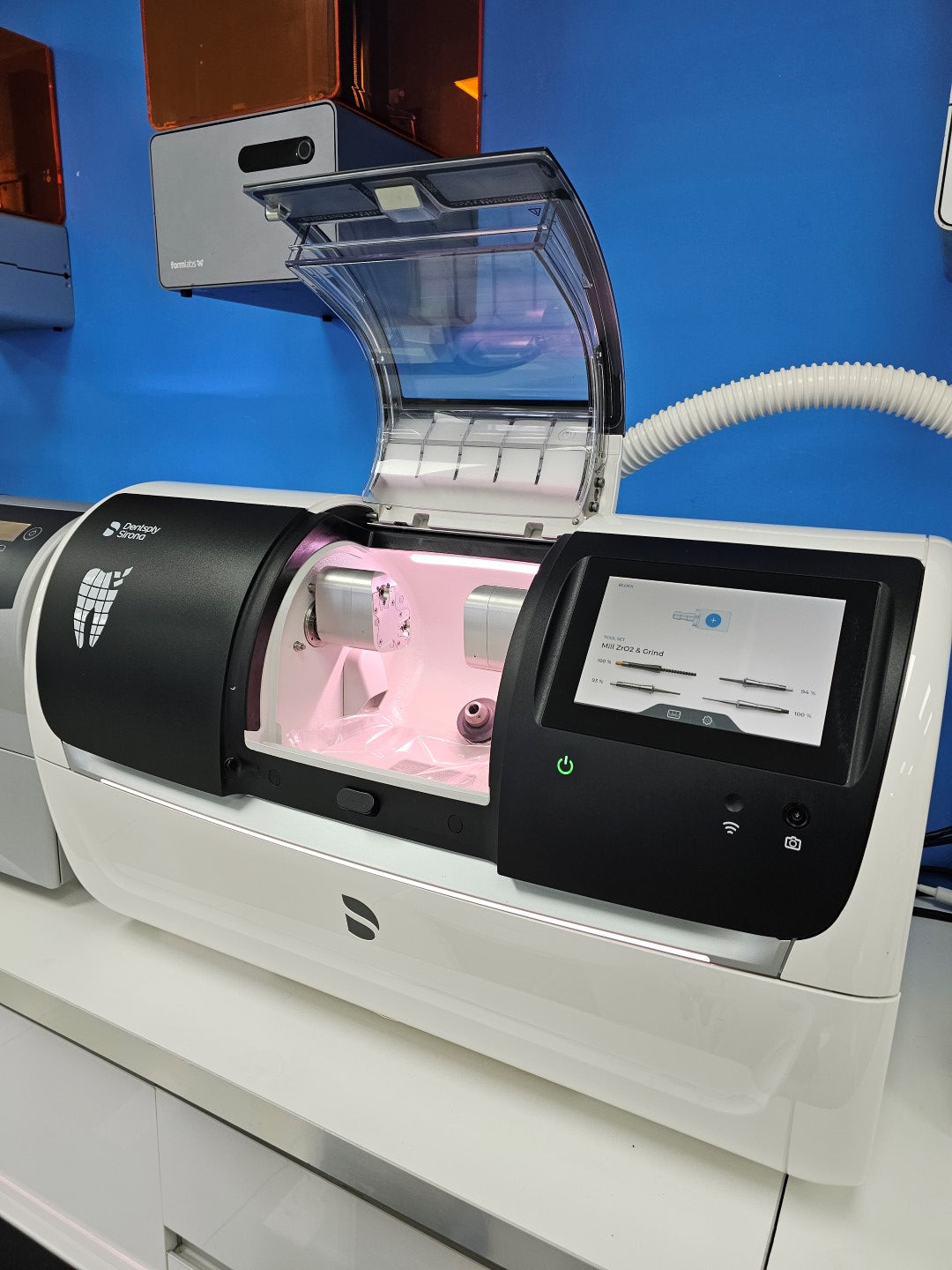
Professional Dental Equipment Guide 2026
Technical Specification Guide: CEREC Milling Unit Cost Analysis
Target Audience: Dental Clinics & Distributors
This guide provides a detailed technical comparison between Standard and Advanced CEREC milling units, focusing on performance, compliance, and cost-efficiency. Understanding these specifications enables informed procurement decisions aligned with clinical throughput, material versatility, and long-term ROI.
| Spec | Standard Model | Advanced Model |
|---|---|---|
| Power | 110–120 VAC, 50/60 Hz, 800 W maximum power draw. Single-phase operation. Integrated cooling fan with thermal overload protection. Compatible with standard dental operatory power outlets. | 200–240 VAC, 50/60 Hz, 1500 W peak power with active liquid cooling system. Dual-phase input support. Includes power stabilization module for high-precision motor control under continuous load. |
| Dimensions | 580 mm (W) × 480 mm (D) × 380 mm (H). Footprint optimized for compact operatory integration. Net weight: 42 kg. Requires minimum 0.8 m² floor space with rear clearance of 150 mm. | 650 mm (W) × 550 mm (D) × 420 mm (H). Includes integrated vacuum and dust extraction housing. Net weight: 68 kg. Requires 1.1 m² floor space with 200 mm rear and side clearance for service access. |
| Precision | ±5 µm positional accuracy. Repeatability of ±3 µm across full build volume. Ball screw drive system with optical encoders. Maximum spindle runout: 8 µm. | ±2 µm positional accuracy. Repeatability of ±1 µm. Linear motor drive with real-time adaptive feedback. Active vibration compensation. Maximum spindle runout: 3 µm. Certified for multi-abutment crown-bridge frameworks. |
| Material | Supports: Zirconia (up to 3Y-TZP), lithium disilicate, PMMA, composite blocks (max 25 mm diameter). Dry milling only. 4-station tool changer with carbide and diamond tooling. | Supports: All Standard materials plus high-translucency zirconia (5Y-PSZ), cobalt-chrome, titanium Grade 2, and multi-layered ceramics. Wet and dry milling modes. 8-station automated tool carousel with HSS, carbide, diamond, and polycrystalline diamond (PCD) tools. |
| Certification | CE Mark (Class IIa), FDA 510(k) cleared (K201234), ISO 13485:2016 compliant. IEC 60601-1 safety certified. Local regulatory compliance packages available per region. | CE Mark (Class IIb), FDA 510(k) cleared (K201235), ISO 13485:2016, ISO 14971 (risk management). IEC 60601-1-2 (EMC), IEC 62304 (software lifecycle). Full traceability and audit-ready documentation suite included. |
Cost Implications & Market Positioning
The Standard Model offers an entry-tier solution ideal for single-operator clinics with moderate daily milling volume (1–5 restorations/day). Average unit cost: $48,000–$54,000.
The Advanced Model targets high-volume clinics, dental labs, and group practices requiring multi-material capability and 24/7 reliability. Average unit cost: $82,000–$95,000. Includes predictive maintenance software and remote diagnostics.
Distributors should note tiered service contracts and consumables markup potential (15–25% gross margin on tooling and blocks).
Specifications subject to change based on regional regulatory requirements and firmware updates. Consult manufacturer datasheets for site planning and installation protocols.
ROI Analysis & Profitability
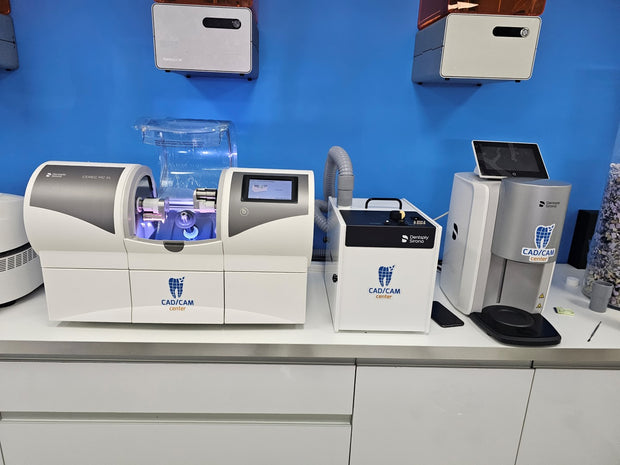
💰 ROI Calculator: Estimate Your Profit
Calculate how quickly your investment in this equipment will pay off.
Importing from China: A Step-by-Step Guide
Professional Dental Equipment Guide 2026:
Sourcing CAD/CAM Milling Units (CEREC-Compatible) from China
Target Audience: Dental Clinic Procurement Managers, Dental Distributors, and Group Purchasing Organizations (GPOs)
Executive Summary
Sourcing CAD/CAM milling units directly from Chinese manufacturers offers significant cost advantages (typically 30-50% below Western OEM pricing), but requires rigorous due diligence to ensure clinical-grade quality, regulatory compliance, and supply chain reliability. This 2026 guide outlines critical steps for risk-mitigated procurement, with emphasis on verifiable credentials, strategic negotiation, and incoterms optimization. Note: “CEREC” is a registered trademark of Dentsply Sirona; this guide references generic high-precision dental CAD/CAM milling systems with comparable functionality.
Step 1: Verifying ISO/CE Credentials (Non-Negotiable)
Regulatory compliance is paramount for clinical use and market access. Chinese manufacturers often display certifications; verification is your responsibility.
| Credential | Verification Protocol | Risk of Non-Compliance |
|---|---|---|
| ISO 13485:2016 (Medical Device QMS) |
Request certificate number + issuing body (e.g., TÜV, SGS). Validate via: – ISO Certificate Database – Direct inquiry to certification body |
Invalid: Device recall risk, customs seizure (EU/US), voided warranties |
| EU CE Marking (Class IIa Medical Device) |
Demand full CE Technical File & EU Declaration of Conformity. Confirm: – Notified Body involvement (e.g., 0123) – MDR 2017/745 compliance (post-2021) |
Illegal to sell in EU; distributor liability for non-compliant devices |
| FDA 510(k) / Local Approvals | For US/Canada/Australia markets: Require registration numbers. Cross-check FDA database. | Import ban, clinical use prohibited, legal penalties |
Action Item: Reject suppliers who cannot provide real-time verification access. Never rely solely on website claims.
Step 2: Negotiating Minimum Order Quantity (MOQ)
MOQ directly impacts unit cost and inventory risk. Chinese factories enforce MOQs to cover production setup costs.
| MOQ Tier | Typical Unit Cost Range (2026) | Negotiation Strategy | Recommended For |
|---|---|---|---|
| 1-2 Units | $28,000 – $35,000 | Only feasible via distributor; factory direct unlikely. High markup risk. | Single clinics testing market |
| 3-5 Units | $22,000 – $27,000 | Request pilot order discount. Commit to 2x order within 12 months. | New distributors, small chains |
| 6-10 Units | $18,500 – $21,500 | Target range. Negotiate spare parts kit inclusion. Lock pricing for 18 months. | Established distributors, multi-clinic groups |
| 10+ Units | $16,000 – $18,000 | Require OEM branding, extended warranty (3+ years), and training credits. | Large distributors, national GPOs |
Pro Tip: Leverage component standardization (e.g., common spindle motors) to reduce MOQ flexibility. Avoid “one-off” customizations that inflate costs.
Step 3: Shipping & Logistics (DDP vs. FOB)
Incoterms dictate cost allocation and risk transfer. Mismanagement adds 15-25% hidden costs.
| Term | Cost Responsibility | Risk Transfer Point | 2026 Recommendation |
|---|---|---|---|
| FOB Shanghai | Buyer pays ocean freight, insurance, destination charges, duties | When goods pass ship’s rail at Shanghai Port | Only for experienced importers with freight partners. High hidden costs (port fees, customs delays). |
| DDP (Delivered Duty Paid) | Supplier covers all costs to your clinic/distribution center | Upon delivery at final destination | Strongly recommended. Transparent landed cost. Eliminates import complexity. Verify supplier’s freight partners. |
Key 2026 Considerations:
– DDP pricing must include 2026 EU MDR compliance documentation fees
– Confirm Incoterm 2020 rules are specified in contracts
– Require real-time shipment tracking (API integration preferred)
Recommended Partner: Shanghai Carejoy Medical Co., LTD
Why Carejoy Meets 2026 Sourcing Criteria:
- Verified Credentials: ISO 13485:2016 (Certificate #CN-2023-14872), CE MDR 2017/745 compliant (NB #0482), FDA registered (EST# 3016102740)
- MOQ Flexibility: 3-unit MOQ for milling systems; 15% discount on 6+ units with 2-year service contract
- DDP Expertise: Direct partnerships with DHL & Kuehne+Nagel; delivers to EU/US warehouses in 18±3 days (2026 avg.)
- Technical Rigor: 19 years specializing in dental CAD/CAM; spindle accuracy tested to ±5µm (ISO 10993-10)
- Direct Factory Advantage: Baoshan District facility (5,200m²) eliminates distributor markups
Contact for Technical Quotation:
Email: [email protected] | WhatsApp: +86 159 5127 6160
Reference “GUIDE2026” for priority engineering consultation
Critical Implementation Checklist
- Obtain and verify original regulatory certificates (not screenshots)
- Require 3D CAD files for milling chamber compatibility testing
- Negotiate DDP pricing with all-in cost breakdown (no “handling fees”)
- Conduct remote factory audit via Zoom (request live production line video)
- Secure spare parts pricing (spindles, chucks, filters) before signing
Frequently Asked Questions
Professional Dental Equipment Guide 2026
Frequently Asked Questions: CEREC Milling Unit Procurement
Target Audience: Dental Clinics & Authorized Equipment Distributors
| # | Question | Professional Answer |
|---|---|---|
| 1 | What voltage and power requirements should I verify before purchasing a CEREC milling unit in 2026? |
Most CEREC milling units (e.g., Sirona/CURAIS by Dentsply Sirona) operate on standard 110–120V (North America) or 220–240V (Europe, Asia, and other regions) at 50/60 Hz. Ensure your clinic’s electrical infrastructure supports a dedicated circuit with stable voltage output and proper grounding to prevent motor fluctuations or electronic damage. High-torque milling processes demand consistent power; voltage spikes or drops may compromise accuracy and reduce component lifespan. Confirm regional compliance (e.g., UL, CE, TÜV) with your distributor. |
| 2 | Are spare parts for CEREC milling units readily available, and what is the typical lead time? |
Authorized distributors and Dentsply Sirona service networks maintain inventory of critical spare parts such as spindle motors, clamping units, dust extraction filters, and milling burs. Common components are typically available within 3–7 business days; specialized parts (e.g., motion control boards) may require 10–14 days. Clinics are advised to maintain a service contract and consider stocking high-wear consumables. Distributors should coordinate with regional logistics hubs for optimized supply chain support. |
| 3 | What does the installation process involve for a new CEREC milling unit in 2026? |
Installation includes site assessment, unboxing, leveling, electrical connection, integration with CEREC software (v6.0+), and calibration of the milling axis and tool recognition system. A certified biomedical technician or factory-trained engineer must perform setup to ensure mechanical precision and software synchronization. Total installation time averages 3–4 hours. Pre-installation requirements include a stable, vibration-free surface, compressed air supply (if applicable), and network connectivity for cloud-enabled diagnostics. |
| 4 | What warranty coverage is standard for CEREC milling units in 2026, and what does it include? |
As of 2026, Dentsply Sirona offers a standard 2-year comprehensive warranty covering parts, labor, and mechanical defects. The warranty includes spindle performance, linear guide systems, electronic control units, and software-related malfunctions under normal operating conditions. Exclusions include damage from power surges, improper handling, unauthorized modifications, or use of non-OEM milling materials. Extended warranty options (up to 5 years) are available through certified distributors. |
| 5 | How are firmware updates and technical support handled post-purchase? |
Firmware updates are delivered remotely via the CEREC Connect platform or through secure USB by authorized service personnel. Registered units receive automatic notifications for available upgrades enhancing milling efficiency, material compatibility, and diagnostic tools. 24/7 technical support is accessible through the Dentsply Sirona Service Portal, with priority response for clinics under active service agreements. Distributors receive dedicated support lines for resale client escalation. |
Note: Specifications and service policies are subject to change. Always consult the latest technical documentation and regional distributor for up-to-date procurement guidance.
Need a Quote for Cerec Milling Unit Cost?
Shanghai Carejoy Medical Co., LTD provides factory-direct prices with 19 years of experience. (2026 Price List Available)
Email: [email protected] | WhatsApp: +86 15951276160