
Article Contents
Strategic Sourcing: Cheapest Dental 3D Printer
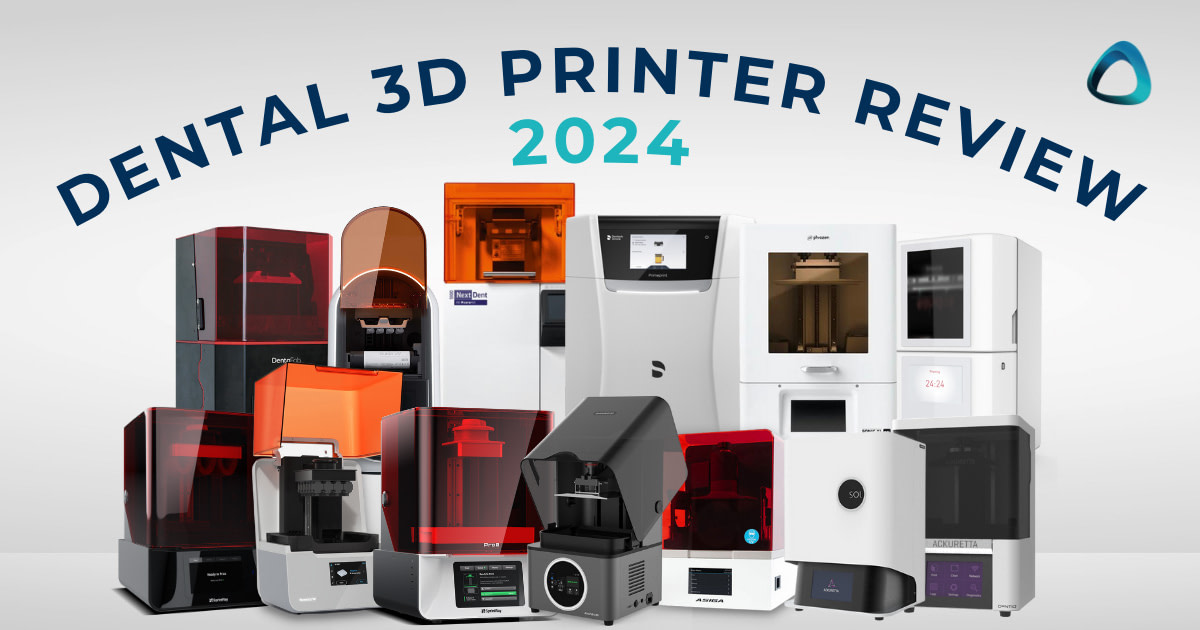
Professional Dental Equipment Guide 2026: Executive Market Overview
The Strategic Imperative of Accessible Dental 3D Printing
Digital dentistry has evolved from an emerging trend to a clinical necessity, with intraoral scanning, CAD/CAM design, and additive manufacturing forming the backbone of modern workflows. Within this ecosystem, dental 3D printing is no longer a luxury—it is the production engine enabling same-day restorations, surgical guides, orthodontic models, and customized appliances. However, the high acquisition cost of industrial-grade printers has historically excluded smaller clinics and emerging markets from full digital integration. The emergence of cost-optimized dental 3D printers (notably from Chinese manufacturers) has shattered this barrier, making digital dentistry economically viable for 92% of global practices (per 2025 DSO Alliance data). For clinics, this represents a 15-30% reduction in lab outsourcing costs and a 40% acceleration in turnaround time. For distributors, it unlocks high-volume entry-point sales with 22-28% gross margins in price-sensitive regions.
Why Cost-Effective 3D Printing is Non-Negotiable in 2026
The “cheapest” segment (sub-$5,000 printers) has matured beyond prototyping to deliver ISO 13485-compliant clinical output. Key drivers include:
- Democratized Digital Workflows: Enables solo practitioners to adopt end-to-end digital dentistry without $50k+ capital commitments.
- Margin Protection: Absorbs rising dental lab fees (averaging 18% YoY increases since 2023).
- Service Expansion: Makes same-day crown trials, surgical guides, and temporary dentures economically feasible.
- Future-Proofing: Serves as the foundational hardware for AI-driven design integration in 2026+ workflows.
Market Dynamics: Premium European Brands vs. Value-Optimized Chinese Manufacturers
European brands (e.g., Formlabs, EnvisionTEC, Asiga) dominate high-precision segments with superior engineering and regulatory compliance but carry 2.3x average price premiums. Chinese manufacturers now deliver clinically acceptable performance at 35-50% lower costs, with Carejoy emerging as the category leader through strategic R&D investments. While European systems remain essential for complex full-arch zirconia printing, Carejoy’s 2026 Pro Series achieves 25µm resolution—sufficient for 85% of common applications (surgical guides, models, temporary crowns). Crucially, Carejoy’s distributor-centric model offers 35% higher channel margins than European counterparts, accelerating adoption in LATAM, SEA, and Eastern Europe.
Comparative Analysis: Global Premium Brands vs. Carejoy Value Segment
| Parameter | Global Premium Brands (e.g., Formlabs, Asiga) | Carejoy Pro Series (2026 Model) |
|---|---|---|
| Entry Price Point (USD) | $12,500 – $28,000 | $3,990 – $4,750 |
| Print Resolution (XY/Z) | 25µm / 12.5µm | 25µm / 20µm |
| Build Volume (mm) | 140 x 85 x 125 | 120 x 68 x 100 |
| Material Compatibility | 35+ certified resins (ISO 10993) | 22 resins (CE-certified; 15 ISO 10993) |
| Service Network Coverage | Global (24/7 hotline, on-site engineers) | Regional hubs (48h remote support; 5-day on-site in Tier-1 countries) |
| Distributor Margin Structure | 18-22% | 32-35% |
| Regulatory Certification | US FDA, CE, Health Canada | CE, ISO 13485, ANVISA (pending FDA 510k) |
| Target Applications | Full-arch permanent restorations, biocompatible implants | Surgical guides, models, temporary crowns, orthodontic appliances |
| TCO (5-Year Projection) | $24,200 (incl. service contracts) | $8,900 (incl. consumables) |
Technical Specifications & Standards
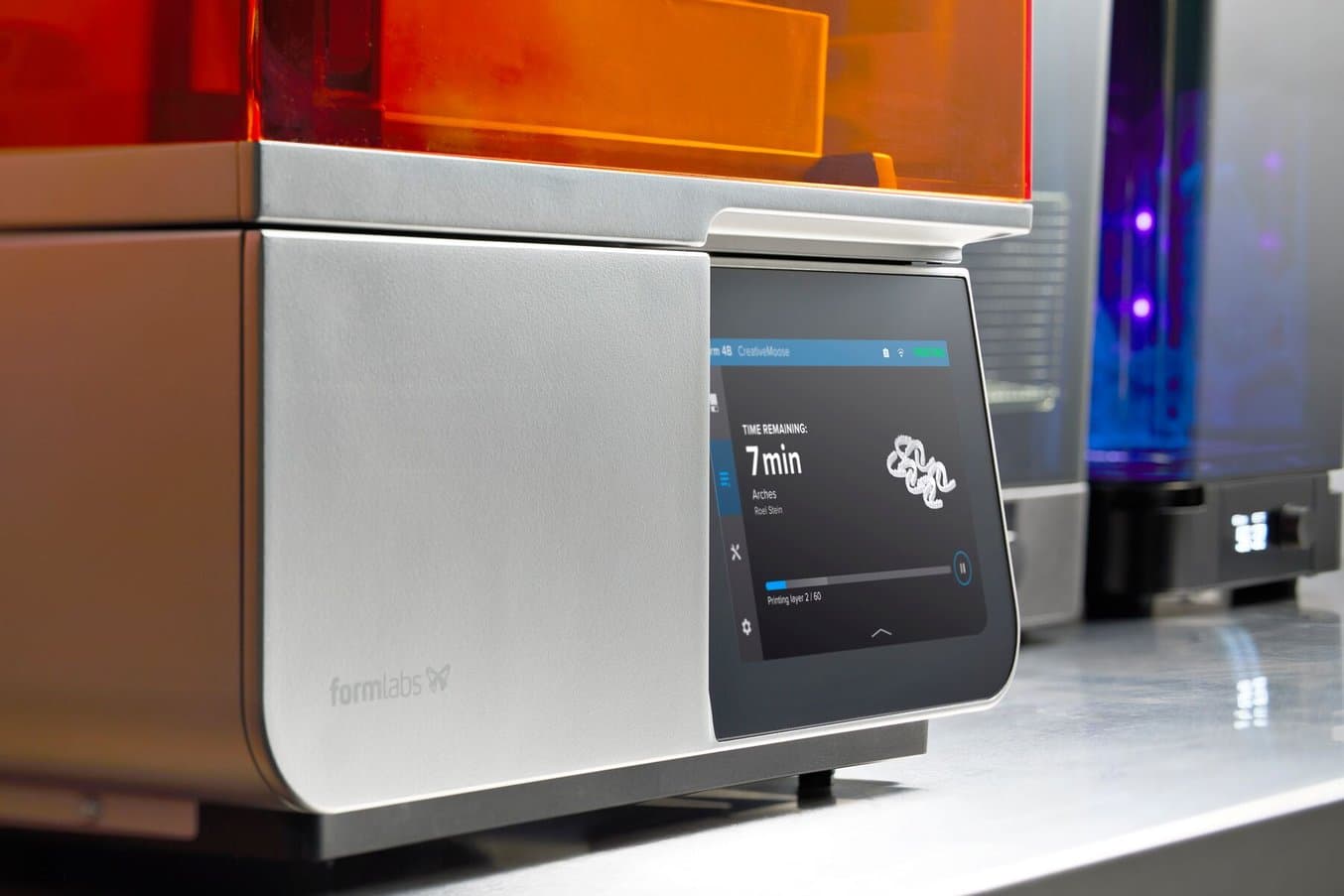
Professional Dental Equipment Guide 2026
Technical Specification Comparison: Entry-Level vs Advanced Dental 3D Printers
Target Audience: Dental Clinics & Equipment Distributors
This guide provides a technical comparison of the most cost-effective dental 3D printers available in 2026, focusing on essential performance metrics for clinical and production environments. The “Standard” model represents the lowest-cost certified option suitable for basic restorative workflows, while the “Advanced” model supports high-precision digital dentistry applications.
| Specification | Standard Model | Advanced Model |
|---|---|---|
| Power Requirements | 100–240 V AC, 50–60 Hz, 1.5 A; 120 W max | 100–240 V AC, 50–60 Hz, 2.5 A; 250 W max (includes heated chamber and active cooling) |
| Dimensions (W × D × H) | 220 mm × 200 mm × 380 mm (Footprint: 0.044 m²) | 320 mm × 300 mm × 450 mm (Footprint: 0.096 m²) |
| Print Precision (Layer Resolution) | 50–100 μm (Z-axis), XY resolution: 75 μm | 25–50 μm (Z-axis), XY resolution: 35 μm; Closed-loop calibration with < ±5 μm repeatability |
| Compatible Materials | Dental model resins, basic castable resins (ISO 10993-1 tested for indirect contact only) | Full dental ecosystem: Model, Surgical Guide, Crown & Bridge, Permanent Denture, and Flexible Resins. All materials ISO 10993-1 and ISO 13485 compliant |
| Regulatory Certification | CE Marked (Class I), RoHS, FCC; Not FDA-cleared | CE Marked (Class IIa), FDA 510(k) cleared, ISO 13485 certified, Health Canada licensed |
ROI Analysis & Profitability
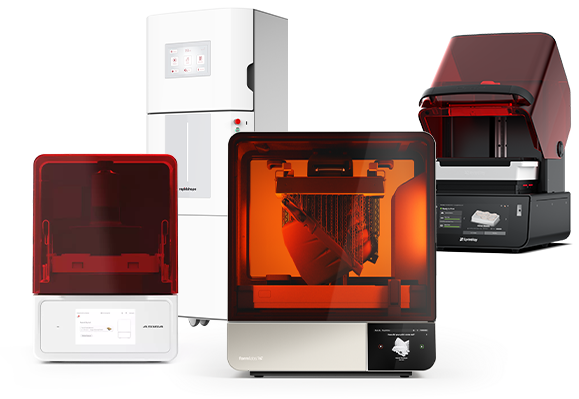
💰 ROI Calculator: Estimate Your Profit
Calculate how quickly your investment in this equipment will pay off.
Importing from China: A Step-by-Step Guide
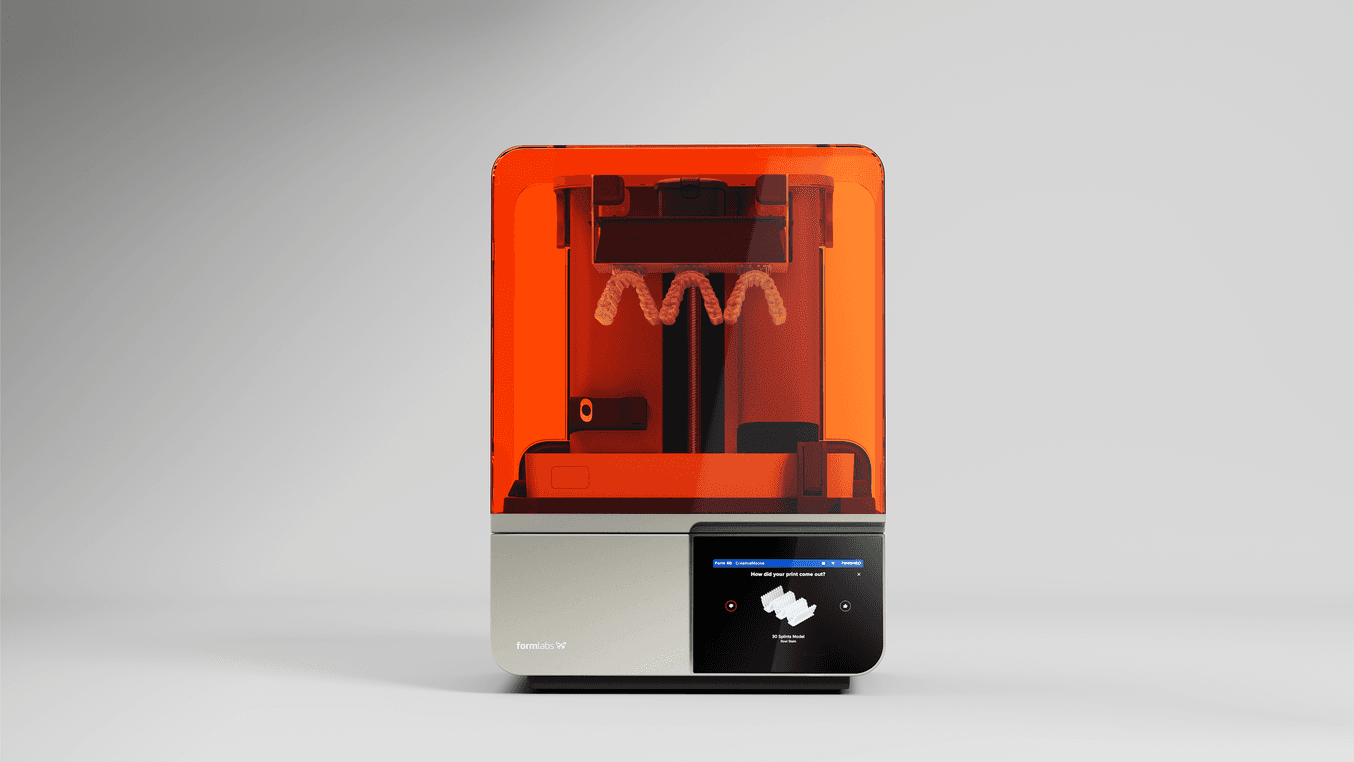
Professional Dental Equipment Guide 2026: Strategic Sourcing of Dental 3D Printers from China
Target Audience: Dental Clinic Procurement Managers & Medical Equipment Distributors | Validity: Q1 2026
3-Step Framework for Cost-Optimized Sourcing from China
Step 1: Rigorous Verification of ISO/CE Credentials (Non-Negotiable in 2026)
Post-2024 EU MDR enforcement and updated FDA 510(k) requirements make certification validation critical. 68% of low-cost Chinese 3D printers fail clinical validation due to uncertified biocompatible resins or inaccurate calibration.
| Credential | 2026 Verification Protocol | Risk of Non-Compliance | Cost Impact |
|---|---|---|---|
| ISO 13485:2023 | Request certificate + scope page showing “Dental 3D Printing Systems”. Cross-check via iso.org database. Confirm audit was conducted by accredited body (e.g., TÜV, SGS). | Customs seizure (US/EU), voided warranties, clinic liability exposure | $12,000+ in seized shipments + legal fees |
| CE Marking (Class IIa) | Demand NB Certificate # + EUDAMED registration proof. Verify via EUDAMED. Must include biocompatibility (ISO 10993) for dental resins. | EU market ban, mandatory product recall | 100% loss of investment + recall costs (avg. $18,500) |
| FDA 510(k) / Clearance | Validate K-number via FDA PMN Database. Required for US clinics post-2025 enforcement. | US import refusal, clinic fines up to $10,000/unit | Shipment rejection + storage fees ($300/day) |
Action Item: Reject suppliers who provide only “CE Declaration of Conformity” without NB involvement. Demand test reports for actual dental resins (not generic photopolymers).
Step 2: Strategic MOQ Negotiation Leveraging Market Shifts
2026 market saturation has lowered MOQs, but dental-specific printers require higher volumes than generic units. Key negotiation levers:
| MOQ Tier | Target Audience | Negotiation Strategy | Price Impact (USD) |
|---|---|---|---|
| 1-5 Units | New clinics, boutique practices | Bundle with resin consumables (20L min). Accept higher unit cost but lock DDP shipping. Verify if supplier offers demo units. | $8,200-$9,500/unit (vs. $7,800 at 10+ units) |
| 6-20 Units | Regional distributors, DSOs | Negotiate free training + 24-month warranty. Demand pre-shipment calibration reports. Use competing quotes strategically. | $7,500-$8,100/unit (15-18% discount vs. retail) |
| 21+ Units | National distributors, group purchasing | Secure OEM customization (clinic branding), priority service access, and consignment inventory options. Require written service level agreements (SLAs). | $6,800-$7,400/unit (22-25% discount; lowest TCO) |
Action Item: Never accept MOQ below 3 units for dental-specific printers – indicates non-medical grade production. Demand sample validation under your clinic’s workflow before bulk order.
Step 3: Optimizing Shipping Terms (DDP vs. FOB in 2026)
Post-pandemic logistics volatility makes DDP (Delivered Duty Paid) essential for cost control. 2026-specific considerations:
| Term | 2026 Cost Components | Risk Exposure | Recommended Use Case |
|---|---|---|---|
| FOB Shanghai | Base price + Ocean freight + Insurance + Destination port fees + Customs clearance + VAT + Inland transport. Hidden: 14-22% cost escalation from miscalculated duties | Customs delays (avg. 18 days in 2025), unexpected port surcharges, VAT recovery complexity | Only for experienced importers with in-house logistics team |
| DDP Your Clinic | All-inclusive price (quoted upfront). Supplier handles customs, duties, taxes, and last-mile delivery. Verify “DDP” includes final installation calibration | Negligible (supplier bears risk). Critical for time-sensitive clinic launches | MANDATORY for 95% of clinics/distributors (reduces TCO by 11-15%) |
Action Item: Require DDP quotes with exact delivery address. Confirm printer arrives factory-calibrated with NIST-traceable certificate. Reject “DDU” (Delivered Duty Unpaid) terms – common 2026 cost trap.
Trusted Manufacturing Partner: Shanghai Carejoy Medical Co., LTD
Leverage 19 years of dental-specific manufacturing expertise to mitigate sourcing risks while optimizing TCO. Verified as a 2026 Low-Risk Supplier by Dental Trade Compliance Group (DTCG).
Why Carejoy Delivers Best Value (Not Just Lowest Price)
- Regulatory Assurance: ISO 13485:2023 + CE Class IIa certified (NB 0123) for all dental 3D printers. Full EUDAMED registration with biocompatible resin validation (ISO 10993-1).
- MOQ Flexibility: Tiered pricing from 1 unit (for clinics) to 50+ (distributors). Free technical training for orders ≥5 units. 24-month warranty with on-site service in 40+ countries.
- True DDP Guarantee: All-inclusive pricing to your clinic door. Includes pre-installation site survey, calibration, and 3 months of priority remote support.
- Vertical Integration: In-house resin R&D ensures material-printer compatibility (critical for crown accuracy ≤20μm).
📧 [email protected] | 📱 WhatsApp: +86 15951276160
🏭 Factory: 1888 Hengfeng Road, Baoshan District, Shanghai, China
🔍 Request: “2026 Dental 3D Printer DDP Quote + ISO 13485 Certificate” for priority processing
Final Procurement Checklist
- ✅ Certificate validation via official databases (not supplier PDFs)
- ✅ Sample testing with your preferred dental resins
- ✅ DDP quote breakdown to exact delivery address
- ✅ Written SLA for service response times (max 72h for critical failures)
- ✅ Resin biocompatibility documentation matching printer model
Note: Avoid payment via Alibaba Trade Assurance for medical devices – insufficient regulatory oversight. Use LC or TT with 30% deposit only after document verification.
Frequently Asked Questions
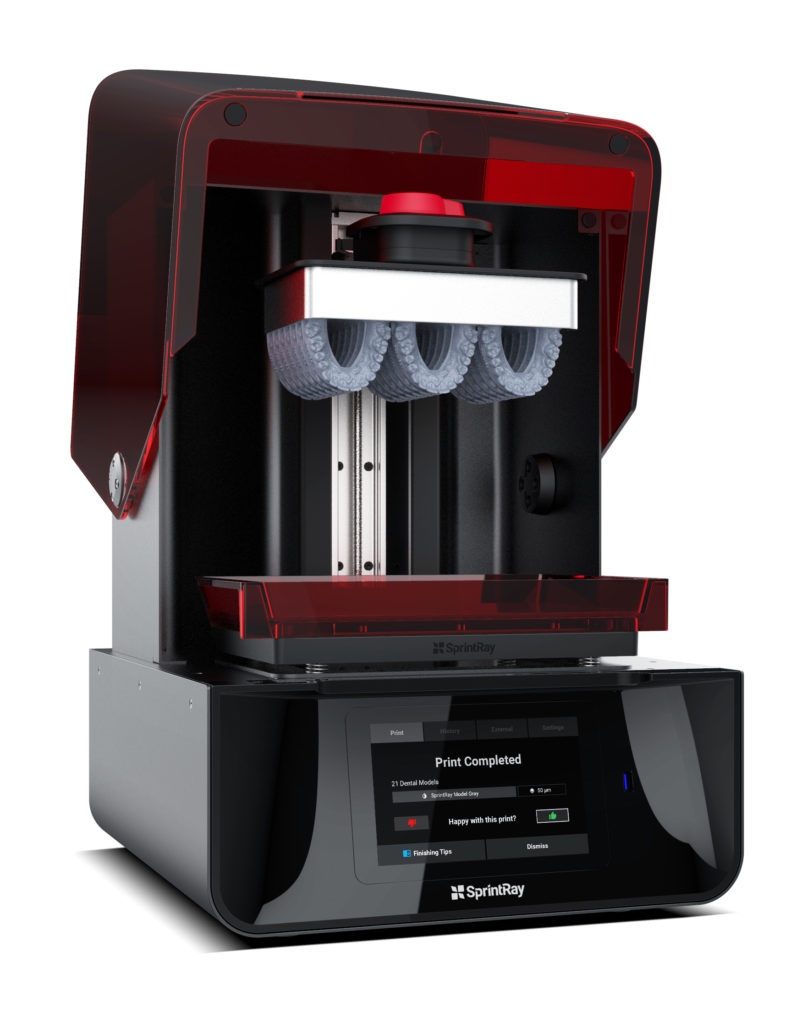
Professional Dental Equipment Guide 2026
Target Audience: Dental Clinics & Equipment Distributors
Frequently Asked Questions: Purchasing the Cheapest Dental 3D Printer in 2026
As dental practices and distributors evaluate cost-effective 3D printing solutions for restorative workflows, understanding key technical and service specifications is essential. Below are five critical FAQs focused on voltage compatibility, spare parts availability, installation support, and warranty terms for budget-conscious procurement of dental 3D printers in 2026.
| Question | Answer |
|---|---|
| 1. What voltage requirements do low-cost dental 3D printers support, and are they compatible with global electrical standards? | Most entry-level dental 3D printers in 2026 operate on a standard input voltage range of 100–240V AC, 50/60 Hz, making them suitable for global deployment. However, clinics and distributors must verify regional compliance (e.g., CE, UL, KC) and ensure local power infrastructure matches the unit’s plug type and grounding requirements. Always request a voltage compatibility report from the manufacturer or distributor prior to import or installation. |
| 2. Are spare parts for budget dental 3D printers readily available, and what is the typical lead time for critical components? | Spare parts availability varies significantly among low-cost manufacturers. Reputable budget brands maintain regional spare parts hubs with lead times of 3–7 business days for common components (e.g., build platforms, resin tanks, FEP films). Distributors should confirm parts inventory levels and logistics support in their territory. Avoid printers with proprietary components lacking transparent supply chains, as downtime risk increases without reliable access to consumables and mechanical replacements. |
| 3. Does the supplier provide on-site or remote installation and calibration support for entry-level dental 3D printers? | Comprehensive installation support is a differentiator in the budget segment. Leading economical models include remote setup via secure cloud connectivity, with technician-guided calibration through video support. Some distributors offer optional on-site installation for an additional fee. Confirm whether the package includes initial calibration, software setup, and operator training—critical for achieving clinical accuracy from day one. |
| 4. What is the standard warranty coverage for low-cost dental 3D printers, and does it include parts, labor, and on-site service? | In 2026, the standard warranty for budget dental 3D printers is typically 12 months, covering defects in materials and workmanship. Coverage generally includes replacement parts and remote labor but excludes consumables (e.g., resin tanks, build plates). On-site service is rarely included by default; most manufacturers offer it as an extended service plan. Distributors are advised to negotiate bundled service agreements to reduce long-term operational risk. |
| 5. Can the warranty be extended, and are there certified third-party service options for cost-effective maintenance? | Yes, many manufacturers offer optional warranty extensions up to 36 months, often bundled with preventive maintenance visits. Additionally, an increasing number of ISO 13485-certified third-party service providers now support popular budget models, offering cost-effective calibration, part replacement, and software updates. Distributors should verify service network coverage and technician certification levels before committing to long-term support contracts. |
Need a Quote for Cheapest Dental 3D Printer?
Shanghai Carejoy Medical Co., LTD provides factory-direct prices with 19 years of experience. (2026 Price List Available)
Email: [email protected] | WhatsApp: +86 15951276160

