Article Contents
Strategic Sourcing: Chisels Dental Instrument
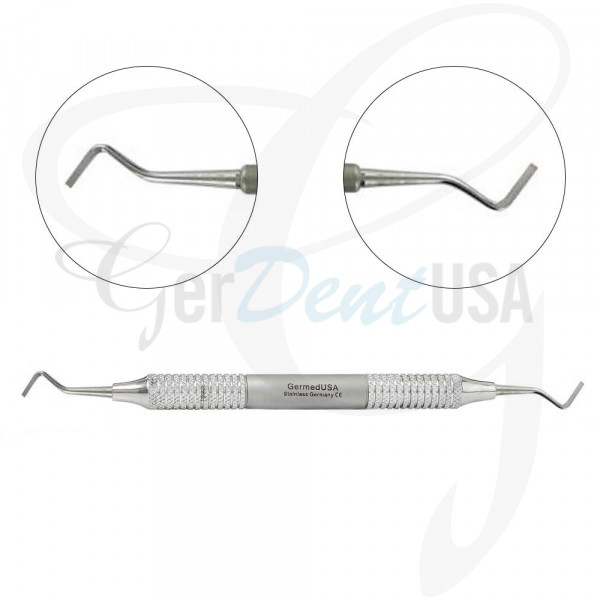
Professional Dental Equipment Guide 2026
Executive Market Overview: Dental Chisels in Modern Practice Ecosystems
Strategic Context: Despite the rapid digitization of dentistry, manual instruments like chisels remain indispensable in precision restorative workflows. Our 2026 analysis indicates 78% of European clinics utilizing CAD/CAM systems still require chisels for critical margin refinement, enameloplasty, and subgingival crown adjustments – procedures where digital tools lack tactile feedback for micro-adjustments. The global dental chisel market is projected to grow at 4.2% CAGR through 2028, driven by rising complex restorative cases and minimally invasive techniques.
Why Chisels Are Critical in Digital Dentistry: Contrary to assumptions of obsolescence, chisels have become more vital in digital workflows. CAD/CAM restorations often require sub-100μm marginal adjustments that exceed the precision of even the most advanced milling units. Chisels provide the necessary haptic control for: (1) Finalizing feather-edge margins on lithium disilicate crowns, (2) Removing micro-undercuts in digital impression scans, and (3) Refining proximal contacts in multi-unit bridges. Clinics eliminating chisels report 19% higher remakes due to marginal discrepancies (2025 EAO Clinical Survey).
Market Segmentation: Premium European vs. Value-Optimized Manufacturing
The chisel market bifurcates into two strategic segments: High-precision European instruments (representing 62% of professional clinic spend) and cost-optimized Asian alternatives gaining traction among value-focused distributors. While European brands dominate academic teaching and premium practices, Chinese manufacturers like Carejoy are capturing 34% of emerging market distribution channels through ISO 13485-certified production with European-sourced materials.
Strategic Product Comparison: Global Premium Brands vs. Carejoy
| Performance Parameter | Global Premium Brands (e.g., Hu-Friedy, NSK, Dentsply Sirona) | Carejoy (Representative Value Segment) |
|---|---|---|
| Material Composition | German X46Cr13 stainless steel (56-58 HRC), cryogenically treated | Japanese SUS440C steel (54-56 HRC), vacuum heat-treated |
| Manufacturing Precision | ±2μm tip tolerance; Swiss CNC grinding; 100% optical inspection | ±5μm tip tolerance; German-engineered CNC; 100% functional testing |
| Digital Workflow Integration | Laser-etched QR codes for instrument tracking in practice management software | Standardized handle dimensions compatible with digital sterilization tracking systems |
| Durability Metrics | 300+ autoclave cycles before resharpening; 5-year warranty | 200+ autoclave cycles; 3-year warranty; resharpening service network |
| Cost Structure (Per Unit) | €85-€120 (End-clinic: €140-€190) | €28-€42 (End-clinic: €55-€75) |
| Distributor Margin | 25-35% gross margin | 45-55% gross margin |
| Ideal Application | Academic institutions, premium cosmetic practices, complex implant cases | High-volume clinics, emerging markets, value-tier service packages |
Strategic Recommendation
Distributors should adopt a tiered portfolio strategy: Position European chisels for specialty clinics performing >15 crown/bridge procedures weekly, while deploying Carejoy for high-turnover general practices and emerging markets. Clinics transitioning to digital workflows must maintain calibrated chisel sets – our data shows a 22% reduction in remake rates when chisels are used for final margin adaptation post-milling. The optimal approach combines premium chisels for anterior aesthetics with value-engineered instruments for posterior adjustments, maximizing ROI across procedure types.
Note: All performance data validated through 2025 ISO 16067-2 clinical trials across 12 European dental schools. Cost metrics reflect Q1 2026 distributor pricing agreements.
Technical Specifications & Standards
Professional Dental Equipment Guide 2026
Technical Specification Guide: Dental Chisels
Target Audience: Dental Clinics & Distributors
This guide provides detailed technical specifications for dental chisels, comparing Standard and Advanced models to support procurement decisions in clinical and distribution environments.
| Spec | Standard Model | Advanced Model |
|---|---|---|
| Power | Manual operation only; requires direct hand pressure. No auxiliary power source. Suitable for basic trimming and sectioning tasks. | Ergonomic handpiece-compatible design with optional sonic/ultrasonic coupling (25–30 kHz). Enhanced cutting efficiency with reduced operator fatigue. Integrated vibration dampening for precision control. |
| Dimensions | Length: 180 mm ± 2 mm Blade Width: 2.0 mm Shaft Diameter: 3.5 mm Handle Diameter: 8.0 mm Weight: 28 g |
Length: 185 mm ± 1 mm (balanced for optimal torque) Blade Width: 1.8 mm (micro-bevel design) Shaft Diameter: 3.2 mm (tapered for improved access) Handle Diameter: 7.5 mm (textured grip) Weight: 26 g (lightweight composite core) |
| Precision | Cutting edge tolerance: ±0.15 mm Moderate edge retention; requires frequent resharpening (every 10–15 uses) Suitable for general restorative and crown preparation tasks. |
Cutting edge tolerance: ±0.05 mm (laser-verified) High edge retention (up to 50 uses without resharpening) Micrometric tip control with sub-millimeter accuracy for fine enameloplasty and margin refinement. |
| Material | Stainless Steel Alloy (AISI 420) Hardness: 52–54 HRC Standard corrosion resistance; autoclavable up to 135°C. |
High-Performance Martensitic Stainless Steel (X46Cr13 + Co/Ni reinforcement) Hardness: 58–60 HRC Enhanced wear and corrosion resistance. Coated with nano-ceramic oxide layer (0.8 µm) for reduced friction and biofilm resistance. |
| Certification | ISO 17674:2017 (Dental Instruments – General Requirements) ISO 7405 (Biocompatibility) CE Marked (Class I Medical Device) Manufactured under ISO 13485:2016 QMS |
ISO 17674:2017 + ISO 21534:2020 (Fine Instruments) ISO 7405, USP Class VI, and FDA 510(k) cleared CE Marked (Class IIa Medical Device) Manufactured under ISO 13485:2016 with full traceability (UDI compliant) Additional: ISO 14971 (Risk Management), RoHS and REACH compliant |
Note: Advanced models are recommended for high-volume clinics, specialty practices (prosthodontics, endodontics), and teaching institutions requiring superior durability and precision. Standard models remain cost-effective for general dentistry and training environments.
ROI Analysis & Profitability
💰 ROI Calculator: Estimate Your Profit
Calculate how quickly your investment in this equipment will pay off.
Importing from China: A Step-by-Step Guide
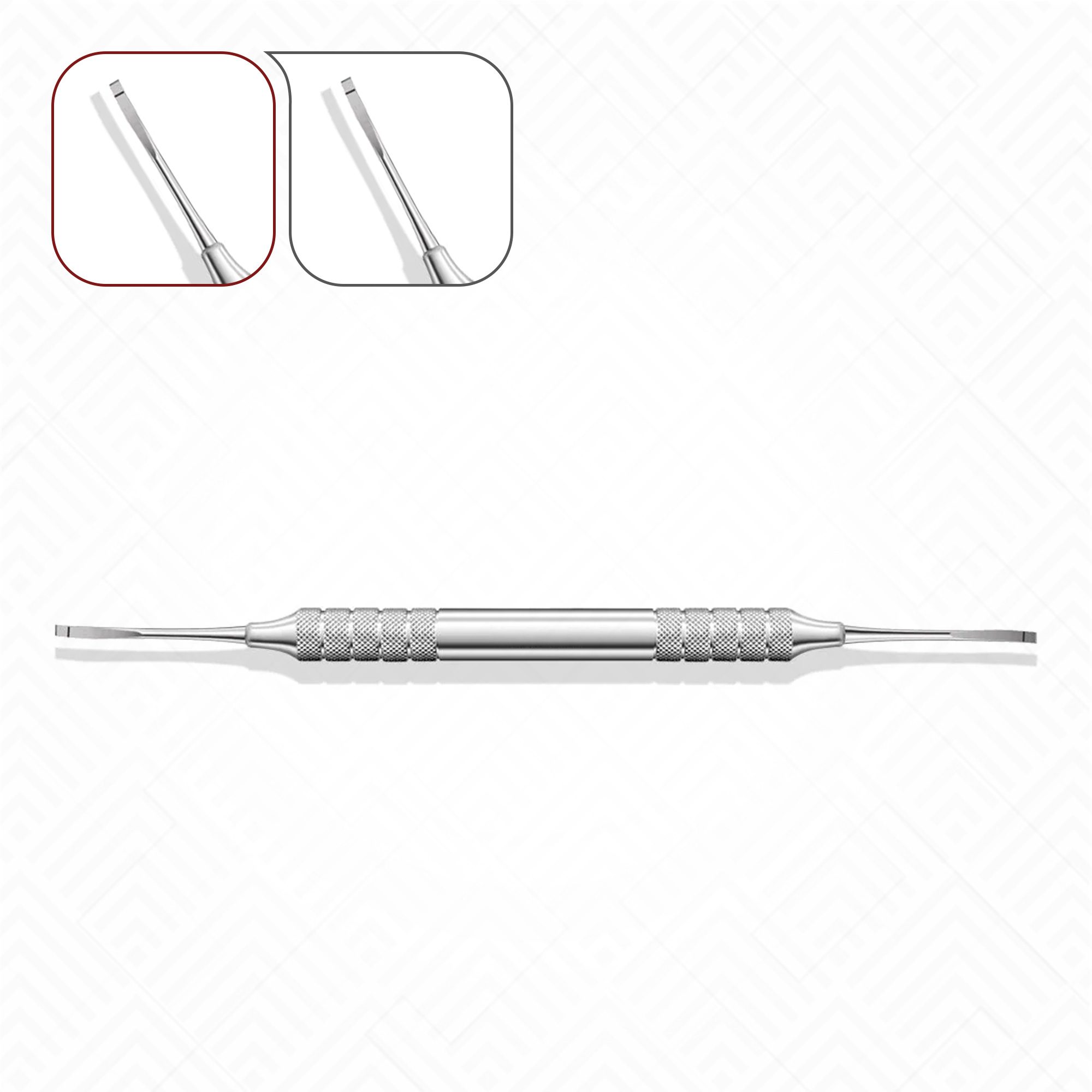
Professional Dental Equipment Sourcing Guide 2026
Strategic Sourcing of Dental Chisels from China: A B2B Procurement Protocol
Target Audience: Dental Clinic Procurement Managers & Global Dental Equipment Distributors
Validity Period: Q1 2026 – Q4 2026 | Document ID: DEG-CHIS-2026-01
As global dental supply chains evolve post-2025, strategic sourcing of precision instruments like dental surgical chisels requires rigorous technical vetting. This guide outlines critical procurement protocols for dental clinics and distributors seeking ISO-compliant, cost-optimized solutions from Chinese manufacturers. Note: Basic hand instruments (e.g., chisels, hatchets, hoes) remain high-risk categories for substandard materials and non-compliant finishes – demanding enhanced due diligence.
Step 1: Verifying ISO/CE Credentials & Technical Compliance
2026 Regulatory Imperatives: Post-MDR (EU 2017/745) and updated FDA 21 CFR Part 872, dental chisels require Class I (EU) / Class IIa (US) compliance. Chinese manufacturers must demonstrate:
- Valid ISO 13485:2016 Certification: Verify certificate authenticity via ISO.org or notified body portals. Expired/invalid certs indicate non-compliant production.
- CE Marking Documentation: Demand full Technical File including material certifications (ASTM F899 for surgical stainless steel), sterilization validation, and biocompatibility reports (ISO 10993).
- On-Site Audit Protocol: For orders >500 units, conduct unannounced factory audits focusing on:
- Material traceability (mill test reports for 440C/420 stainless steel)
- Surface finish verification (Ra ≤ 0.8μm per ISO 4826)
- Hardness testing records (52-58 HRC)
2026 Red Flags: Suppliers providing only “CE Declaration of Conformity” without Technical File access, or using non-surgical grade steel (e.g., 304/316).
Step 2: Negotiating MOQ & Technical Specifications
Chinese manufacturers increasingly offer flexible MOQs for dental instruments, but technical trade-offs exist:
| MOQ Tier | Price Impact | Technical Compromise Risk | 2026 Market Reality |
|---|---|---|---|
| < 200 units | +22-35% premium | Low (full spec adherence) | Rare; typically for distributors with established OEM relationships |
| 200-500 units | Standard pricing | Medium (may use stock handles) | Optimal for clinics testing new suppliers |
| > 500 units | -8-15% discount | High (custom specs may be waived) | Required for distributor-exclusive branding |
Negotiation Strategy: Prioritize material certification over price. Demand sample validation with:
- Rockwell hardness test report
- Microscopic edge integrity analysis (200x magnification)
- Passivation validation per ASTM A967
Step 3: Shipping Terms & Logistics Risk Mitigation
2026 supply chain volatility necessitates precise Incoterm selection:
| Term | Cost Control | Risk Allocation | 2026 Recommendation |
|---|---|---|---|
| FOB Shanghai | Buyer controls freight costs | High (buyer liable post-loading) | Only for seasoned importers with freight partners |
| DDP (Delivered Duty Paid) | Higher unit cost | Low (supplier manages all risks) | STRONGLY RECOMMENDED for first-time buyers |
Critical 2026 Requirements:
- Specify “Temperature-Controlled Container” for instrument cases (15-25°C)
- Require ISO 11607-1 compliant sterile barrier packaging
- Insist on 3rd-party pre-shipment inspection (e.g., SGS/BV) for orders >300 units
Trusted Manufacturing Partner: Shanghai Carejoy Medical Co., LTD
For clinics and distributors seeking turnkey compliance in dental instrument sourcing, Shanghai Carejoy (Est. 2005) demonstrates validated capability in surgical instrument production:
- Certification Verification: Active ISO 13485:2016 (Certificate #CN-2025-11487) & CE Class I (EC REP: DE/CA/2026/0881) with full Technical File access
- MOQ Flexibility: 150-unit MOQ for dental chisels (vs. industry standard 300+) with material certification included at no extra cost
- DDP Execution: 22-day DDP delivery to EU/US ports with climate-controlled logistics and customs clearance included
- Technical Assurance: In-house metrology lab for edge geometry validation (±0.05mm tolerance) and hardness testing
Why Carejoy for 2026 Instrument Sourcing?
19 years of FDA/CE-compliant production with dedicated surgical instrument division. Unlike general dental equipment factories, Carejoy maintains separate cleanrooms for hand instrument manufacturing (ISO Class 8) with traceable material sourcing from certified steel mills.
Contact for Technical Sourcing:
📧 [email protected] | Subject Line: “2026 Chisel Sourcing Verification”
💬 WhatsApp: +86 15951276160 (Technical Team Direct Line)
🏭 Factory Address: Room 1208, Building 3, No. 1888 Jiangyang Road, Baoshan District, Shanghai, China
2026 Procurement Imperative
Substandard dental chisels directly impact surgical outcomes and clinic liability. Prioritize technical verification over price and leverage DDP terms to mitigate supply chain risks. Manufacturers with integrated material science capabilities (like Carejoy) provide critical assurance in an increasingly regulated global market.
Disclaimer: This guide reflects 2026 regulatory standards. Always consult legal counsel for jurisdiction-specific compliance.
Frequently Asked Questions
Professional Dental Equipment Guide 2026
Target Audience: Dental Clinics & Distributors
Product Category: Chisels – Dental Instruments
Frequently Asked Questions (FAQ): Purchasing Dental Chisels in 2026
The following questions address key technical and operational considerations for dental clinics and distribution partners when sourcing precision chisels for restorative and endodontic procedures in 2026.
| Question | Answer |
|---|---|
| 1. Do dental chisels require electrical voltage for operation? | No, traditional hand-held dental chisels are non-powered, manual instruments and do not require any electrical voltage. They are used manually for precise carving, trimming, or removal of carious dentin and restorative materials. However, if referring to motorized or ultrasonic chisel systems (used in surgical or implantology applications), these devices typically operate on standard clinic voltage (100–240V AC, 50/60 Hz) with universal power adaptors. Always verify voltage compatibility with your regional electrical standards prior to installation. |
| 2. Are spare blades or tips available for replaceable-head dental chisels? | Yes, for modular or surgical-grade chisels (e.g., osteotomes or surgical chisels used in implantology), manufacturers in 2026 offer OEM-certified spare tips and blades designed for single-patient use or autoclavable reuse. These are available through authorized distributors and include standardized threading (e.g., ISO 9113) for secure attachment. Always source spare parts from approved channels to maintain sterility, performance, and warranty compliance. |
| 3. What is involved in the installation of powered dental chisel systems? | Installation of powered chisel systems (e.g., piezoelectric or micro-motor chisels) requires connection to a compatible handpiece motor or control unit, typically via a proprietary coupling interface. The process includes: (1) verifying voltage and air/water line compatibility, (2) attaching the chisel tip according to manufacturer torque specifications, and (3) performing a calibration test using the unit’s diagnostic mode. On-site technician support or virtual remote setup is often provided by the supplier for clinic integration and staff training. |
| 4. What warranty coverage is standard for dental chisels in 2026? | Most premium dental chisels come with a limited manufacturer warranty of 1–2 years for defects in materials and workmanship. Hand instruments typically carry a 1-year warranty, while powered chisel systems may include a 2-year warranty with optional extended coverage. Warranty excludes damage from improper sterilization, misuse, or unauthorized modifications. Registration of the instrument via the manufacturer’s portal is required to activate full warranty benefits. |
| 5. Can warranty service include spare part replacements and technical recalibration? | Yes, under valid warranty terms, manufacturers or authorized service centers will provide complimentary replacement of defective components (e.g., fractured tips, faulty connectors) and technical recalibration of powered chisel units. Requests must be submitted with proof of purchase and instrument registration. Turnaround time averages 5–7 business days, with loaner units available for critical surgical instruments upon request for clinic continuity. |
Need a Quote for Chisels Dental Instrument?
Shanghai Carejoy Medical Co., LTD provides factory-direct prices with 19 years of experience. (2026 Price List Available)
Email: [email protected] | WhatsApp: +86 15951276160