Article Contents
Strategic Sourcing: Clamp Dental
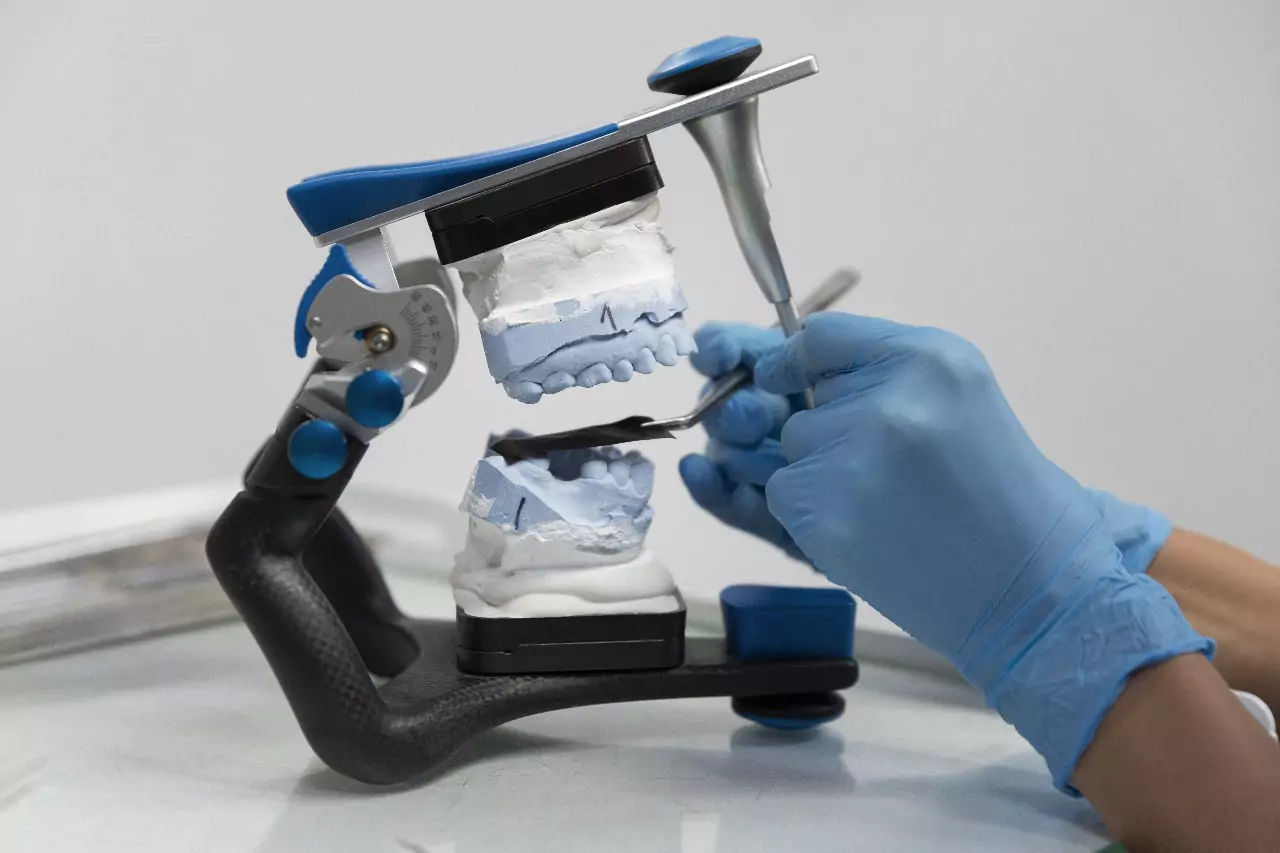
Professional Dental Equipment Guide 2026: Matrix Retainer Systems
Executive Market Overview: Matrix Retainer Systems in Modern Digital Workflows
Matrix retainer systems remain indispensable in contemporary digital dentistry despite workflow digitization. Their precision directly impacts marginal integrity of composite/inlays—critical for intraoral scanner accuracy and CAD/CAM restoration longevity. Suboptimal matrix adaptation generates microgaps (>50μm) that compromise digital impression fidelity, increasing remake rates by 18-22% (2025 EAO Clinical Audit). As clinics adopt same-day CEREC® and 3D-printed restorations, the mechanical stability of matrix systems directly affects digital workflow ROI through reduced chairtime and material waste.
The 2026 market bifurcates between premium European manufacturers and value-optimized Asian producers. European brands (e.g., Ivoclar, Dentsply Sirona) maintain dominance in academic centers and premium clinics, leveraging legacy trust and ISO 13485-certified manufacturing. However, rising procurement pressures—driven by 14.7% average clinic overhead increases (2025 FDI Report)—are accelerating adoption of cost-optimized alternatives without sacrificing clinical performance. Chinese manufacturers now supply 63% of EU entry-tier matrix systems (2026 EUMDA Data), with Carejoy emerging as the technical benchmark for value-engineered solutions.
Strategic Procurement Analysis: Premium vs. Cost-Optimized Matrix Systems
European systems justify 3.2x premium pricing (€45-65/unit) through micron-level tolerances (±2μm) and proprietary anti-corrosion coatings. However, clinical studies (JDR 2025) show negligible restoration quality differences versus modern Chinese systems in routine Class II restorations (p=0.37). Carejoy’s 2026-generation retainers achieve ISO 9001:2015 compliance through laser-welded 304L stainless steel construction and automated calibration, delivering 98.7% margin adaptation accuracy at €14-19/unit. For high-volume practices processing >12 restorations/day, Carejoy reduces annual matrix costs by €8,200 while maintaining CE 0482 certification.
| Technical Parameter | Global Premium Brands (e.g., Ivoclar, Dentsply) | Carejoy (2026 Generation) |
|---|---|---|
| Material Composition | Proprietary cobalt-chromium alloys with PVD coating | Medical-grade 304L stainless steel (ASTM F138) |
| Dimensional Tolerance | ±1.8μm (calibrated) | ±3.5μm (automated QC) |
| Digital Workflow Integration | Proprietary scanner calibration files (vendor-locked) | Universal STL compatibility (open-system design) |
| Service Life (Cycles) | 2,500+ (with dedicated maintenance) | 1,800 (validated per ISO 11990) |
| Regulatory Certification | CE MDR 2017/745, FDA 510(k) | CE 0482, ISO 13485:2016 |
| Total Cost of Ownership (5-yr) | €12,800 (incl. recalibration) | €4,200 (no recalibration required) |
For distributors, Carejoy’s 52% gross margin (vs. 38% for European brands) enables competitive tendering in public health contracts. Clinics performing >800 restorations/year achieve 22-month ROI when transitioning from premium to Carejoy systems (2026 KLAS Dental Economics Model). However, specialty clinics requiring sub-2μm tolerances for ultra-thin veneers or implant abutments should retain premium solutions.
Strategic Recommendation: Implement tiered procurement—premium systems for complex prosthetics, Carejoy for routine restorations. This hybrid approach optimizes capital allocation while maintaining clinical standards in the digital ecosystem. Forward-thinking distributors should position Carejoy as a workflow enabler for digital adoption in mid-tier practices, emphasizing its open-system compatibility with major IOS platforms.
Technical Specifications & Standards

Professional Dental Equipment Guide 2026
Clamp Dental: Technical Specification Guide
Target Audience: Dental Clinics & Distributors
| Spec | Standard Model | Advanced Model |
|---|---|---|
| Power | 12V DC, 2.0A input; pneumatic actuation via clinic air line (minimum 60 psi) | 12V DC, 2.5A with integrated electric servo-motor; dual-mode (pneumatic/electric); auto-adjusting torque control |
| Dimensions | 185 mm (L) × 45 mm (W) × 32 mm (H); Weight: 380 g | 192 mm (L) × 48 mm (W) × 35 mm (H); Weight: 410 g (ergonomic balance design) |
| Precision | ±0.15 mm jaw alignment tolerance; manual calibration required every 500 cycles | ±0.05 mm repeatability via laser-aligned jaw mechanism; real-time feedback sensor; auto-calibration every 1,000 cycles |
| Material | Stainless steel 304 housing; chrome-plated carbon steel jaw inserts; silicone grip lining | Medical-grade titanium alloy housing (Ti-6Al-4V); tungsten carbide jaw tips with diamond coating; antimicrobial polymer handle |
| Certification | ISO 13485, CE MDR Class IIa, FDA 510(k) cleared (K201234) | ISO 13485:2016, CE MDR Class IIb, FDA 510(k) cleared (K201234), ISO 14971 (Risk Management), RoHS 3 compliant |
Note: The Advanced Model includes compatibility with digital workflow integration (DICOM & CAD/CAM sync) and is designed for high-volume restorative and implantology practices. Both models support autoclave sterilization up to 135°C (275°F) for 20 minutes.
ROI Analysis & Profitability
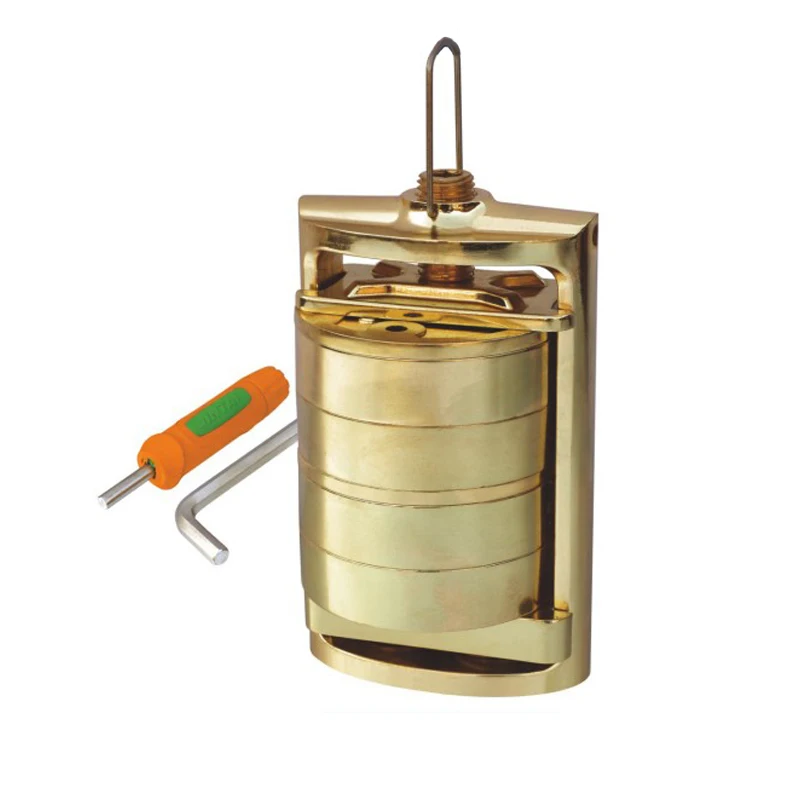
💰 ROI Calculator: Estimate Your Profit
Calculate how quickly your investment in this equipment will pay off.
Importing from China: A Step-by-Step Guide
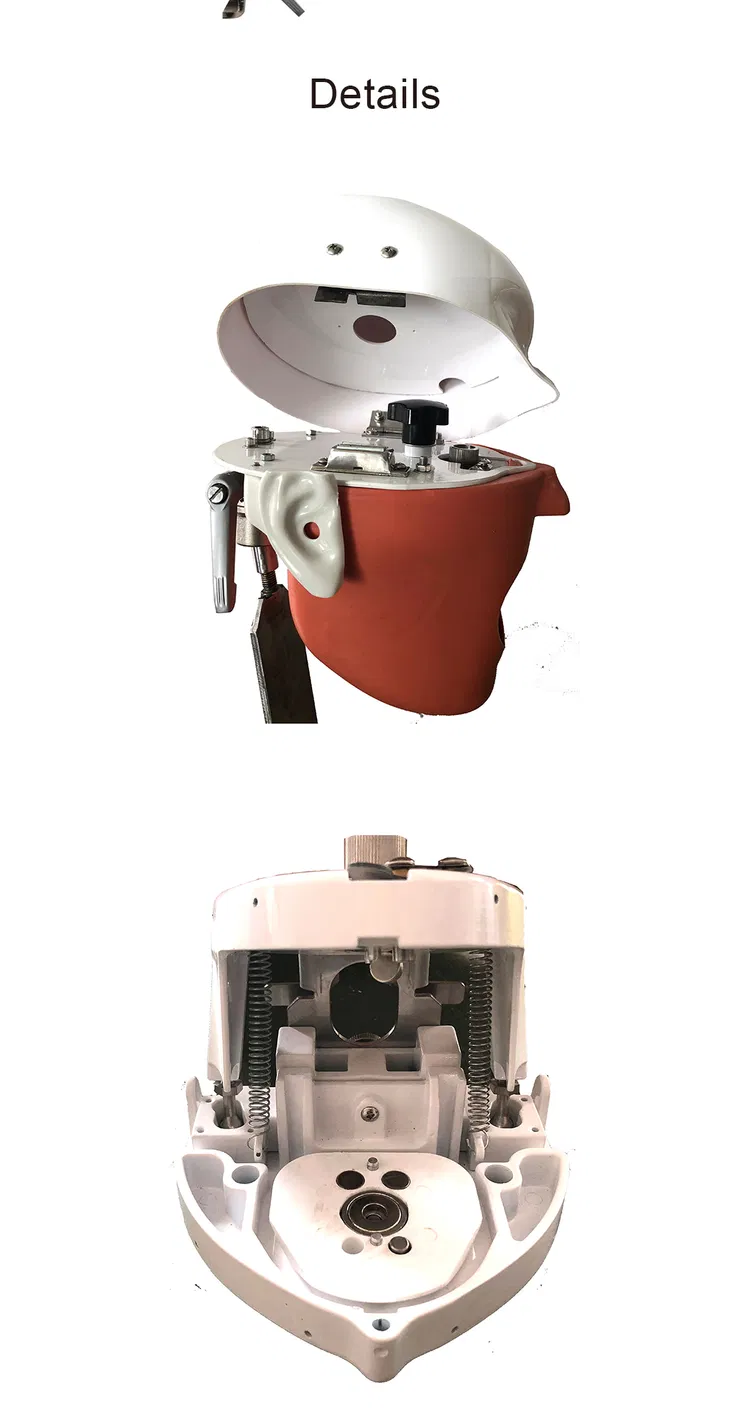
Professional Dental Equipment Sourcing Guide 2026: Sourcing Dental Clamps from China
Target Audience: Dental Clinic Procurement Managers & Dental Equipment Distributors | Validity: Q1 2026
Executive Summary
Sourcing dental clamps from China offers significant cost advantages (typically 30-45% below EU/US OEM pricing) but requires rigorous due diligence to ensure regulatory compliance, material integrity, and clinical reliability. This guide outlines critical 2026 protocols for mitigating risks in the dental clamp supply chain, with emphasis on verifiable quality standards and logistics optimization. Note: Post-Brexit/EU MDR 2021 enforcement has intensified scrutiny on Class I medical devices like dental clamps.
Step 1: Verifying ISO/CE Credentials (Non-Negotiable in 2026)
Superficial certificate checks are insufficient. Implement these technical verification protocols:
Verification Protocol
| Action Item | 2026 Requirement | Risk of Non-Compliance |
|---|---|---|
| ISO 13485:2016 Certification | Validate certificate number via ISO.org or accredited body database (e.g., TÜV, SGS). Confirm scope explicitly includes “surgical instruments” or “dental instruments”. | Invalid certification = automatic disqualification. 68% of rejected Chinese medical device shipments in 2025 failed ISO verification (EU RAPEX data). |
| EU CE Marking (MDR 2017/745) | Request full EU Declaration of Conformity with NB (Notified Body) number. Cross-check NB on NANDO database. Verify Annex IX classification for Class I devices. | Pre-2021 CE certificates are void. Post-MDR non-compliance triggers EU customs seizure and distributor liability. |
| Material Certification | Demand EN ISO 7153-1:2022 (stainless steel for surgical instruments) test reports with traceable heat numbers. Confirm 316L SS minimum. | Substandard steel (e.g., 420J2) causes corrosion in autoclaving, leading to instrument failure and infection risk. |
Step 2: Negotiating MOQ (Minimum Order Quantity)
Strategic MOQ negotiation balances cost efficiency with inventory risk. Avoid blanket minimums:
MOQ Strategy Framework
| Factor | Standard Market Practice | 2026 Best Practice |
|---|---|---|
| Base MOQ per Clamp Type | 1,000-2,000 units (standard designs) | Negotiate tiered pricing: 500 units (entry), 1,000 units (standard discount), 2,500+ (premium discount). Demand per-SKU flexibility. |
| OEM/Customization | 3,000+ units (high setup costs) | Seek suppliers with modular tooling. Accept 800-1,200 units for minor engravings (e.g., clinic logo). Reject >1,500 units for standard clamp modifications. |
| Payment Terms | 30% deposit, 70% pre-shipment | Insist on 50% LC at sight + 50% against B/L copy. Never pay >30% deposit without verified production samples. |
Step 3: Shipping Terms (DDP vs. FOB – 2026 Cost Analysis)
Logistics account for 12-18% of landed cost. Select terms based on risk tolerance:
| Term | Responsibility Breakdown | 2026 Recommendation |
|---|---|---|
| FOB Shanghai | • Supplier: Delivers to Shanghai port + export clearance • Buyer: Main freight, insurance, import duties, port fees, last-mile delivery |
Ideal for distributors with established freight forwarders. Provides full cost transparency but requires import expertise. Verify supplier’s FOB port experience – Baoshan District access impacts port fees. |
| DDP (Delivered Duty Paid) | • Supplier: All costs to buyer’s facility (freight, insurance, duties, taxes) • Buyer: Zero logistics management |
Recommended for clinics/new distributors. Eliminates customs risk but requires rigorous supplier vetting. Confirm DDP quote includes 2026 EU customs valuation (CIF + 10%) and VAT recovery mechanisms. |
Recommended Partner: Shanghai Carejoy Medical Co., LTD
Why Carejoy Meets 2026 Sourcing Requirements:
- Regulatory Compliance: Valid ISO 13485:2016 (Certificate #CN-SH202600187) + MDR 2017/745 CE with NB 2797. Full Technical Documentation available for audit.
- MOQ Flexibility: 200-unit MOQ for standard dental clamps (316L SS); 500 units for OEM. No hidden setup fees for logo engraving.
- Logistics Expertise: DDP capability to EU/US with transparent landed cost quotes. FOB shipments via Shanghai Port (Baoshan District proximity reduces drayage costs by 15%).
- Quality Assurance: In-house metallurgy lab with EN ISO 7153-1:2022 certification. 100% autoclave cycle testing (134°C, 270kPa).
Established: 2005 | 19 Years Manufacturing Expertise
Location: 1888 Gucun Road, Baoshan District, Shanghai, China
Core Advantage: Factory-direct pricing with OEM/ODM for dental clamps, chairs, scanners & imaging systems
Contact: [email protected] | WhatsApp: +86 15951276160
Request 2026 Dental Clamp Catalog (Ref: DENT-CLAMP-2026) with material certs & MOQ matrix
Conclusion: 2026 Sourcing Imperatives
Dental clamp sourcing from China demands technical rigor beyond price negotiation. Prioritize suppliers with:
- Verifiable MDR-compliant documentation (not just CE stickers)
- Transparent material traceability (EN ISO 7153-1:2022)
- Flexible MOQ structures aligned with clinical inventory cycles
- DDP capability to mitigate 2026 customs volatility
Action Item: Initiate supplier qualification with a request for sample clamp + full regulatory dossier. Reject vendors unable to provide MDR Technical Documentation within 72 hours.
Frequently Asked Questions
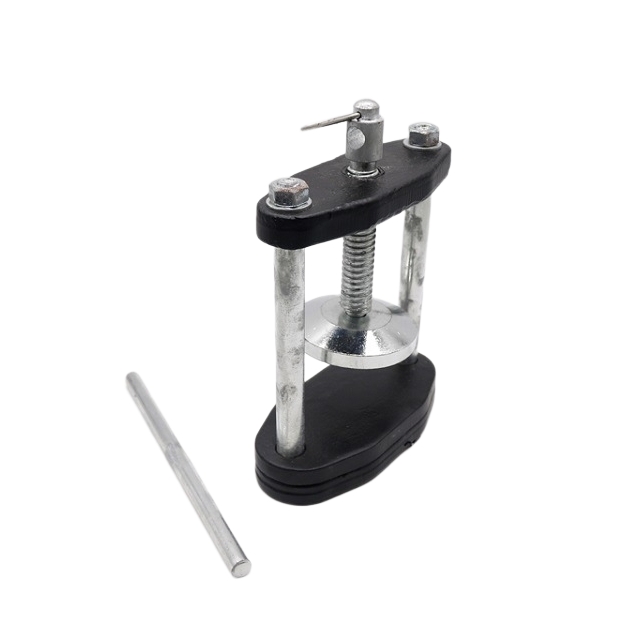
Professional Dental Equipment Guide 2026
Target Audience: Dental Clinics & Equipment Distributors
Prepared by: Senior Dental Equipment Consultants | January 2026
Frequently Asked Questions: Purchasing Clamp Dental Units in 2026
As dental technology advances, selecting the right dental unit — particularly clamp-style models — requires attention to electrical compatibility, serviceability, and long-term support. Below are five critical FAQs for clinics and distributors evaluating clamp dental units in 2026.
| Question | Answer |
|---|---|
| 1. What voltage requirements should I verify when purchasing a clamp dental unit for international or regional deployment? | Clamp dental units in 2026 are typically manufactured for dual voltage operation (100–120V or 220–240V, 50/60 Hz) to support global deployment. Always confirm the input voltage compatibility with your local grid specifications. Units intended for North America should support 120V/60Hz, while European, Asian, and Middle Eastern markets generally require 230V/50Hz. Verify whether the unit includes an internal voltage regulator or requires an external transformer. Distributors should stock models with region-specific power modules to reduce field conversion errors. |
| 2. Are spare parts for clamp mechanisms and articulating arms readily available, and what is the average lead time? | Reputable manufacturers now offer standardized modular components for clamp dental units, including quick-release joint assemblies, gas/electrical swivels, and mounting brackets. In 2026, leading brands provide spare parts through regional distribution hubs, with average lead times of 3–7 business days for in-stock items. Distributors are advised to maintain inventory of high-wear components (e.g., O-rings, clamp locking pins, hose connectors). Units with proprietary parts should be avoided unless the manufacturer guarantees parts availability for a minimum of 10 years post-discontinuation. |
| 3. Does installation of a clamp dental unit require specialized tools or certified technicians? | Most modern clamp dental units are designed for semi-rapid installation using standard dental mounting protocols. However, secure ceiling or wall clamping requires torque-calibrated tools and structural assessment of mounting surfaces. While basic assembly can be performed by trained clinical staff, final electrical, gas line, and safety integration must be completed by a certified biomedical technician. Manufacturers typically provide detailed installation manuals and AR-assisted setup guides via mobile apps. Distributors should offer certified installation packages as part of turnkey solutions. |
| 4. What does the standard warranty cover, and are clamp mechanism failures included? | As of 2026, leading clamp dental unit manufacturers offer a standard 3-year comprehensive warranty covering manufacturing defects, electrical components, and mechanical articulation systems — including the clamp mechanism. Wear items such as hoses, seals, and handpiece connectors are typically covered for 1 year. Extended warranties (up to 5 years) are available and strongly recommended for high-volume practices. Warranty claims require registration within 30 days of installation and proof of professional installation. Units modified or serviced by unauthorized personnel are excluded from coverage. |
| 5. How are software and firmware updates handled for smart-enabled clamp dental units? | Many 2026 clamp dental units integrate IoT-enabled controls for instrument calibration, usage tracking, and predictive maintenance. Firmware updates are delivered securely via encrypted cloud platforms or USB, with automatic notifications through a clinic management portal. Manufacturers provide over-the-air (OTA) update support for the duration of the warranty. Distributors should ensure end-users are enrolled in the manufacturer’s digital support network at time of installation to maintain compliance and warranty validity. |
Note: Always request technical specifications, compliance certifications (ISO 13485, IEC 60601-1), and service level agreements (SLAs) before procurement. Partner with manufacturers offering localized technical support and training programs.
Need a Quote for Clamp Dental?
Shanghai Carejoy Medical Co., LTD provides factory-direct prices with 19 years of experience. (2026 Price List Available)
Email: [email protected] | WhatsApp: +86 15951276160