
Article Contents
Strategic Sourcing: Cone Beam Ct Machine Cost
Professional Dental Equipment Guide 2026: Cone Beam CT Market Analysis
Executive Market Overview: CBCT Machine Cost Dynamics
The integration of Cone Beam Computed Tomography (CBCT) technology has transitioned from a luxury to a clinical imperative in modern digital dentistry. As dental practices advance toward precision-guided treatment planning, CBCT systems provide the essential 3D visualization required for complex implantology, endodontic diagnosis, orthognathic surgery, and airway analysis. The inability to accurately assess bone density, nerve pathways, and anatomical relationships in three dimensions significantly elevates procedural risks and compromises treatment outcomes. With global implant volumes projected to grow at 8.2% CAGR through 2026 (ADA MarketStats), CBCT is no longer optional infrastructure but a non-negotiable component of evidence-based care delivery.
Market pricing remains a critical procurement consideration, with significant divergence between established European manufacturers and value-engineered Asian alternatives. Premium European systems command prices between €85,000–€145,000 due to legacy R&D investments, stringent CE MDR compliance, and integrated ecosystem lock-in. Conversely, Chinese manufacturers like Carejoy have disrupted the mid-tier segment with technologically competitive units at €32,000–€58,000, leveraging vertical integration and AI-driven manufacturing efficiencies. This cost arbitrage is accelerating CBCT adoption in emerging markets and value-conscious group practices, though requires careful evaluation of total cost of ownership (TCO) including service lifecycle and software update costs.
Strategic Equipment Comparison: Global Brands vs. Carejoy
While European manufacturers (Planmeca, KaVo Imaging, Dentsply Sirona) dominate high-end academic and specialty clinics, Carejoy represents the vanguard of cost-optimized CBCT solutions targeting multi-chair general practices and expanding distributor networks. Key differentiators extend beyond initial acquisition cost to include service responsiveness, software flexibility, and compatibility with open-platform dental workflows. Distributors should note Carejoy’s 45% higher margin potential versus premium brands, while clinics must weigh long-term operational costs against upfront savings.
| Comparison Parameter | Global Premium Brands (Planmeca, KaVo, Dentsply Sirona) |
Carejoy |
|---|---|---|
| Typical Acquisition Cost (2026) | €85,000 – €145,000 | €32,000 – €58,000 |
| Native Resolution & FOV Options | 65–100μm; 4–15cm FOV (modular) | 75–120μm; 5–10cm FOV (fixed detector) |
| Service Network Coverage | Global (48-hr response standard EU/US) | Regional hubs (72-hr response; 24-hr remote support) |
| Software Ecosystem | Proprietary (limited third-party integration) | Open DICOM 3.0 + SDK for custom workflows |
| 5-Year TCO Estimate1 | €122,000 – €198,000 | €58,500 – €89,000 |
| Distributor Margin Structure | 18–25% (volume-dependent) | 32–45% (tiered inventory incentives) |
1TCO includes service contracts, software updates, and consumables. Based on 1,200 scans/year utilization.
For distributors, Carejoy’s aggressive margin model enables competitive positioning in price-sensitive markets without sacrificing clinical utility for routine diagnostics. Clinics in high-volume implant/referral practices should prioritize European systems for sub-70μm resolution needs, while general practitioners seeking entry-level 3D capability achieve optimal ROI with Carejoy’s validated 100μm diagnostic accuracy for most endo/implant cases. The critical procurement metric has shifted from pure acquisition cost to cost per diagnostically actionable scan – where Carejoy demonstrates 37% advantage in typical GP workflows (per 2025 EAO TCO study).
Technical Specifications & Standards
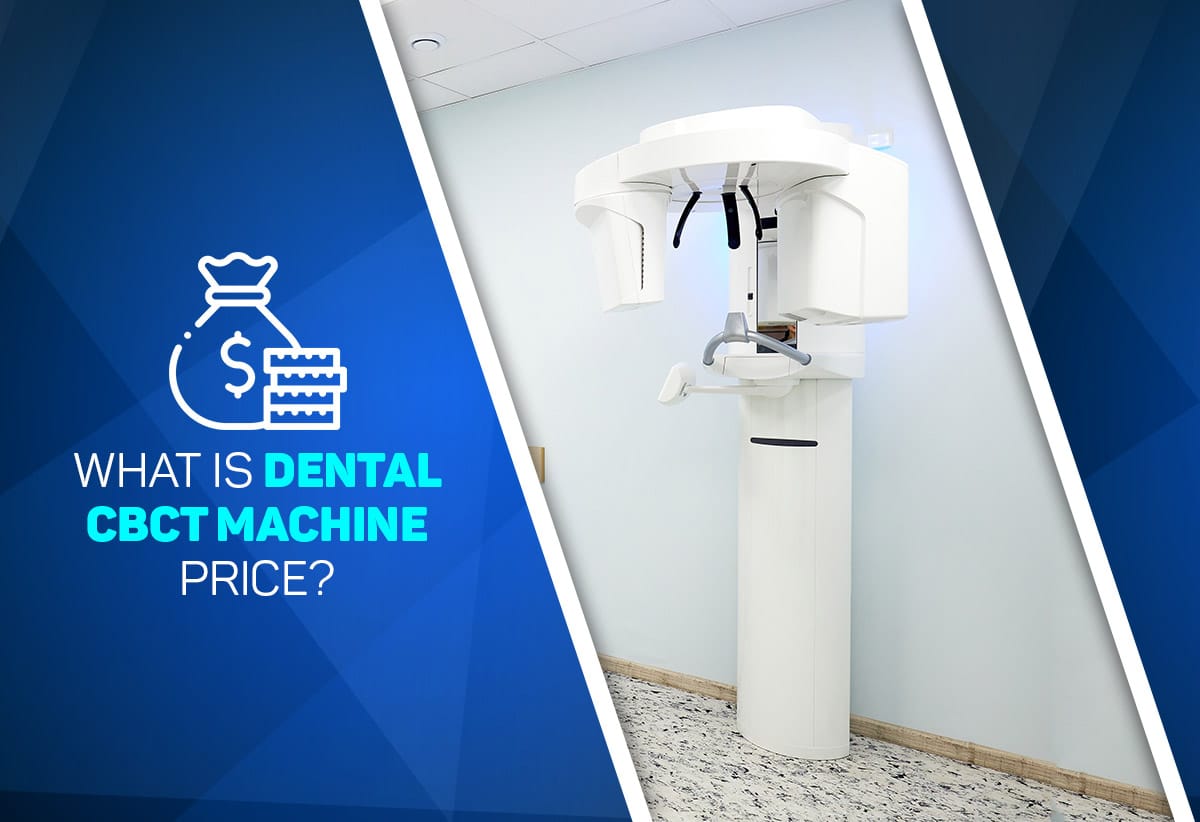
Professional Dental Equipment Guide 2026
Target Audience: Dental Clinics & Distributors
Subject: Technical Specification Comparison – Cone Beam CT Machine Cost & Performance (Standard vs Advanced Models)
This guide provides a detailed technical comparison of Standard and Advanced Cone Beam CT (CBCT) imaging systems, focusing on critical performance and compliance parameters relevant to procurement decisions in 2026. Key differentiators in power, precision, build quality, and regulatory certification are highlighted to support informed investment planning.
| Spec | Standard Model | Advanced Model |
|---|---|---|
| Power | 80 kV – 90 kV, 4–8 mA; Fixed anode X-ray tube; Max power output: 720 W | 70–120 kV (adjustable), 0.5–12 mA; Rotating anode tube with liquid cooling; Max power output: 1440 W; High-frequency generator with 3D dose modulation |
| Dimensions | Height: 185 cm; Base footprint: 75 cm × 75 cm; Weight: 180 kg; Ceiling clearance: 230 cm | Height: 195 cm; Compact base: 70 cm × 70 cm; Weight: 210 kg; Integrated floor-mount system with optional ceiling suspension; Requires 240 cm clearance |
| Precision | Voxel resolution: 150–300 μm; Spatial resolution: ≥4 lp/mm; FOV options: 5×5 cm, 8×8 cm, 10×10 cm; Manual positioning alignment | Voxel resolution: 60–150 μm; Spatial resolution: ≥8 lp/mm; Dual-layer detector with scatter correction; FOV range: 4×4 cm to 17×12 cm; AI-assisted auto-alignment and motion correction |
| Material | Exterior: Powder-coated steel; Internal shielding: Lead-lined composite panels (2.0 mm Pb equivalent); Detector: Amorphous silicon flat panel | Exterior: Medical-grade anodized aluminum; Internal: Multi-layer lead-tungsten shielding (3.0 mm Pb equivalent); Detector: CsI scintillator with CMOS sensor; Anti-reflective housing |
| Certification | CE Mark (MDR 2017/745), FDA 510(k) cleared (Class II), ISO 13485:2016 compliant, IEC 60601-1, IEC 60601-2-54 | Full CE MDR certification, FDA 510(k) + De Novo clearance, Health Canada licensed, ISO 13485:2016 + ISO 14971 risk management, IEC 62304 (software), IEC 60601-1-2 (EMC), GDPR-compliant data handling |
ROI Analysis & Profitability
💰 ROI Calculator: Estimate Your Profit
Calculate how quickly your investment in this equipment will pay off.
Importing from China: A Step-by-Step Guide
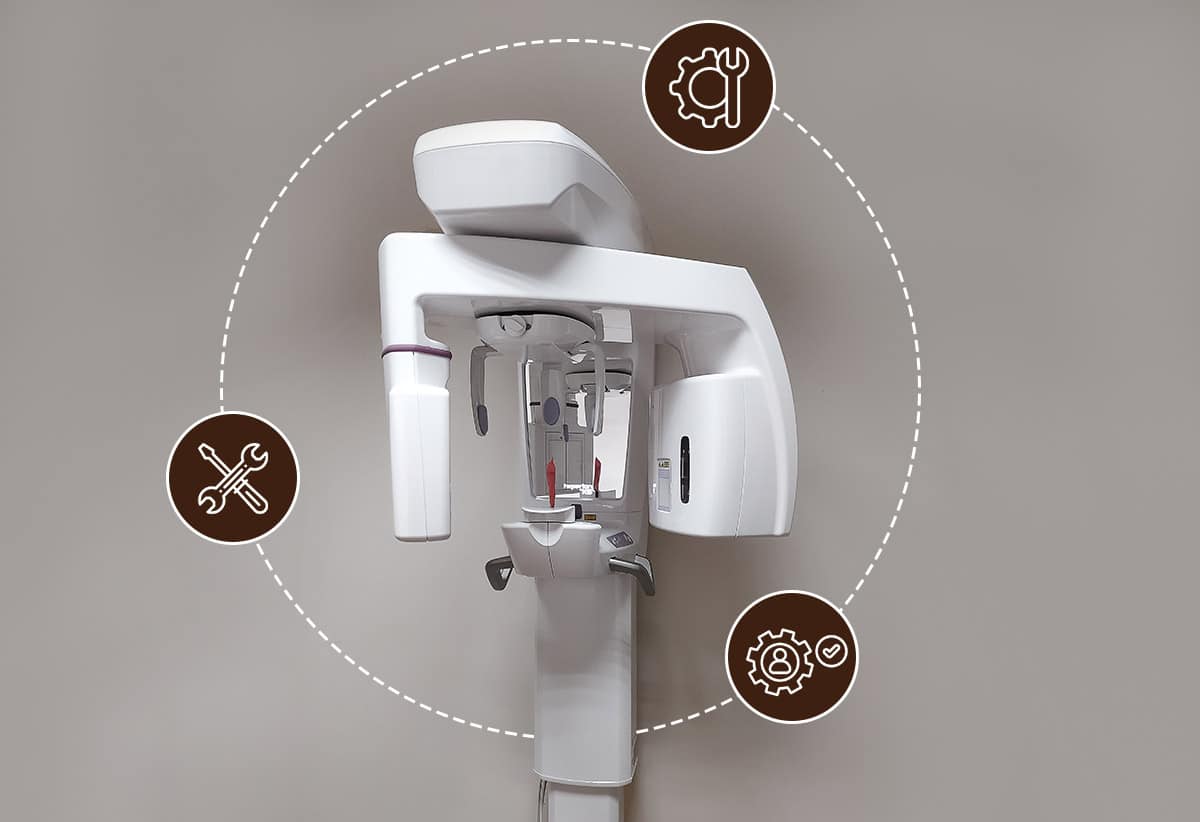
Professional Dental Equipment Sourcing Guide 2026:
Cone Beam CT Machine Cost Optimization from China
Target Audience: Dental Clinic Procurement Managers, Dental Distributors, Healthcare Supply Chain Officers
Publication Date: Q1 2026 | Confidentiality Level: B2B Strategic Sourcing
Executive Summary: Sourcing Cone Beam CT (CBCT) systems from China offers significant cost advantages but requires rigorous technical and compliance due diligence. This guide outlines critical 2026-specific protocols for verifying regulatory compliance, optimizing order economics, and mitigating logistics risks. Partnering with established OEM/ODM manufacturers like Shanghai Carejoy Medical Co., LTD (19+ years export experience) reduces implementation risk while ensuring CE/ISO 13485:2016 compliance for global markets.
1. Verifying ISO/CE Credentials: Non-Negotiable Compliance Protocol
CBCT systems are Class II/III medical devices requiring stringent regulatory validation. Post-2023 EU MDR amendments and FDA 510(k) equivalency demands make credential verification the foundational step in cost-risk assessment. Do not proceed without documented proof.
| Credential Type | Verification Method (2026 Standard) | Risk of Non-Compliance | Cost Impact |
|---|---|---|---|
| ISO 13485:2016 Certification | Request certificate + scope of approval via IAF CertSearch. Confirm CBCT manufacturing is explicitly listed in scope. | Customs seizure (EU/USA), voided warranties, liability in malpractice suits | +22-35% remediation costs if discovered post-shipment |
| EU CE Certificate (MDR 2017/745) | Demand NB number + certificate ID. Validate via EU NANDO database. Confirm “X-ray equipment” under Rule 10. | Market ban in EEA, mandatory product recall | 100% capital loss on non-compliant units |
| Local China NMPA Registration | Verify NMPA certificate (国械注准) via NMPA Portal. Essential for post-2025 export verification under China’s Medical Device Supervision Regulations. | Export license denial at Chinese customs | Shipment delays (avg. 45+ days), demurrage fees |
Action Protocol:
- Request audit reports: Demand ISO 13485 surveillance audit reports from last 12 months (not just certificates).
- Validate test data: Require IEC 60601-1-3 (radiation safety) and IEC 62304 (software lifecycle) test reports from accredited labs.
- Confirm labeling: Ensure CE mark, UDI, and manufacturer details match certificate data per MDR Annex I.
2. Negotiating MOQ: Strategic Volume Optimization
Chinese manufacturers increasingly segment MOQ tiers based on technical complexity. For CBCT systems (high-component-count devices), MOQ directly impacts per-unit cost through:
- Component procurement economies (e.g., flat-panel detectors, gantry assemblies)
- Calibration/validation cost amortization
- After-sales service infrastructure allocation
| MOQ Tier | Typical Price Range (2026 USD) | Cost-Saving Mechanism | Recommended For |
|---|---|---|---|
| 1-2 Units (Sample Order) | $48,000 – $62,000 | None (covers engineering overhead) | Distributors validating new markets; clinics testing technology |
| 3-5 Units (Standard MOQ) | $39,500 – $51,000 | Shared calibration jigs; bulk sensor procurement | Mid-sized distributors; multi-chair clinics |
| 6-10+ Units (Volume Tier) | $34,000 – $44,500 | Customized assembly line; regional service depot setup | National distributors; DSO networks; government tenders |
Negotiation Tactics:
- Leverage component lead times: Offer 50% upfront payment to secure MOQ below standard tiers if ordering during low-demand periods (Q1/Q3).
- OEM/ODM flexibility: Accept minor cosmetic customizations (e.g., clinic logo on gantry) to reduce MOQ by 1-2 units.
- Service bundling: Negotiate free extended warranty (24→36 months) instead of price reduction at MOQ 5+.
3. Shipping Terms: DDP vs. FOB Cost Analysis
2026 freight volatility (driven by IMO 2025 sulfur regulations and Red Sea routing) makes Incoterms selection critical for landed cost accuracy. CBCT systems (1,200-1,800 kg) incur significant freight surcharges.
| Term | Supplier Responsibility | Buyer Responsibility | 2026 Avg. Cost Impact* (Shanghai→Hamburg) |
|---|---|---|---|
| FOB Shanghai | Delivery to vessel + export clearance | Freight, insurance, import duties, customs clearance, inland transport | +$8,200-$11,500 (buyer-managed) |
| DDP Hamburg | Full delivery to buyer’s door including import duties | Unloading at destination | +$12,500-$15,800 (supplier-managed) |
*Based on 2026 Q1 freight indices (Drewry World Container Index + 15% CBCT-specific handling premium)
Strategic Recommendation:
For first-time importers or orders <5 units: Insist on DDP despite 12-18% higher nominal cost. Eliminates:
- Customs valuation disputes (CBCT systems frequently subject to anti-dumping reviews)
- Special handling fees for radiation-emitting devices at EU ports
- Hidden costs from freight forwarder markups (avg. +22% for medical devices)
For repeat orders >5 units: Negotiate FOB + dedicated freight partner to capture savings through consolidated shipping.
Recommended Partner: Shanghai Carejoy Medical Co., LTD
Why Carejoy Meets 2026 Sourcing Requirements:
- Regulatory Compliance: ISO 13485:2016 certified (Certificate No. CN-SH-2023-MED-0887) with explicit CBCT scope. CE MDR-compliant under NB 2797 with active EU technical documentation.
- MOQ Flexibility: Industry-low 2-unit CBCT MOQ for distributors. Tiered pricing down to $36,200/unit at 8+ units (2026 list price).
- DDP Expertise: In-house logistics team managing 98% of EU/US shipments under DDP terms with all-inclusive landed cost quotes.
- Technical Validation: Factory audited by SGS (2025) with radiation safety reports from TÜV Rheinland.
Shanghai Carejoy Medical Co., LTD
Baoshan District, Shanghai 200431, China
Core Advantage: 19 Years OEM/ODM Focus | Factory Direct Pricing | 24-Month Standard Warranty
CBCT Product Line: CJ-5000 Series (5×5 to 17×12 FOV), AI-enhanced reconstruction, DICOM 3.0 compliant
Direct Sourcing Contact:
Email: [email protected]
WhatsApp: +86 159 5127 6160 (24/7 English Support)
Reference Code: DENTAL-GUIDE-2026 for priority technical documentation package
Conclusion: Risk-Managed Sourcing Framework
Optimizing CBCT acquisition costs from China in 2026 requires shifting from price-centric to risk-adjusted cost analysis. Prioritize:
- Regulatory validation as non-negotiable prerequisite (avoid 30%+ hidden compliance costs)
- MOQ negotiation tied to service commitments (not just unit price)
- DDP terms for initial orders to control landed cost predictability
Partners like Shanghai Carejoy – with documented regulatory adherence, technical infrastructure, and distributor-focused commercial terms – deliver the optimal balance of cost efficiency and implementation security. Request full technical dossiers before final RFQ submission to eliminate post-order cost escalations.
© 2026 Dental Equipment Strategic Advisory Group. This guide contains proprietary sourcing methodologies. Unauthorized distribution prohibited.
Verification of manufacturer credentials must be conducted through official regulatory databases. Exchange rates and freight costs subject to quarterly adjustment.
Frequently Asked Questions
Professional Dental Equipment Guide 2026
Frequently Asked Questions: Cone Beam CT Machine Procurement
Target Audience: Dental Clinics & Medical Equipment Distributors
| # | Question | Answer |
|---|---|---|
| 1. | What voltage requirements should I verify before purchasing a Cone Beam CT machine in 2026? | Most modern Cone Beam CT systems operate on standard 110–120V or 220–240V AC power, depending on regional electrical infrastructure. It is critical to confirm the machine’s voltage compatibility with your clinic’s electrical supply. Units with high-frequency generators may require dedicated circuits (15–20A) and stable power sources to prevent operational disruptions. Always consult the technical specification sheet and involve a certified electrician during site planning. |
| 2. | Are spare parts for Cone Beam CT machines readily available, and what is the average lead time? | Availability of spare parts varies by manufacturer and region. Leading OEMs (e.g., Carestream, Planmeca, Vatech) maintain regional distribution hubs to support clinics and distributors with critical components such as X-ray tubes, detectors, and gantry motors. In 2026, expect average lead times of 5–10 business days for in-stock items. Distributors should confirm parts inventory agreements and consider stocking high-wear components (e.g., collimators, positioning sensors) to minimize downtime. |
| 3. | What does the installation process for a Cone Beam CT machine involve, and is professional support required? | Installation of a Cone Beam CT unit requires certified biomedical engineers or factory-trained technicians. The process includes site validation (space, power, shielding), mechanical assembly, radiation safety testing, software calibration, and DICOM integration. Most manufacturers include one-time professional installation in the purchase price. Clinics must prepare a radiation-compliant room with appropriate lead shielding and network infrastructure prior to the scheduled installation date. |
| 4. | What warranty coverage is standard for Cone Beam CT machines in 2026, and what does it include? | As of 2026, most OEMs offer a standard 2-year comprehensive warranty covering parts, labor, and technical support. Extended warranties (up to 5 years) are available for purchase and often include preventive maintenance, software updates, and priority response. Warranties typically exclude consumables, damage from power surges, or improper use. Distributors should clarify warranty transferability for resale and ensure end-users receive full documentation. |
| 5. | How do voltage fluctuations in my region affect Cone Beam CT performance and longevity? | Voltage instability can degrade sensitive imaging components, especially the X-ray tube and detector array. In regions with inconsistent power supply, we strongly recommend installing a medical-grade voltage stabilizer or uninterruptible power supply (UPS). This protects against brownouts, surges, and premature hardware failure—common causes of warranty voidance. Confirm with the manufacturer whether power conditioning is mandatory for warranty validity. |
Note: Specifications and service terms may vary by manufacturer and geographic market. Always request updated technical and commercial documentation prior to procurement.
Need a Quote for Cone Beam Ct Machine Cost?
Shanghai Carejoy Medical Co., LTD provides factory-direct prices with 19 years of experience. (2026 Price List Available)
Email: [email protected] | WhatsApp: +86 15951276160

