
Article Contents
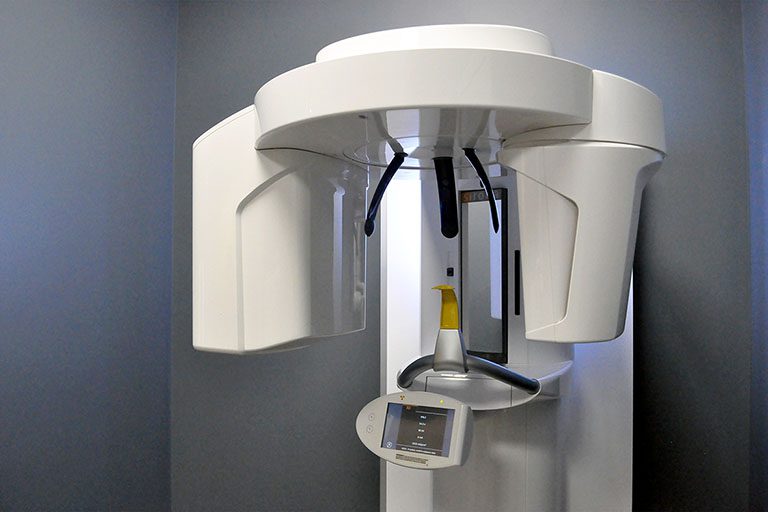
Strategic Sourcing: Cone Beam X Ray Machine
Professional Dental Equipment Guide 2026
Executive Market Overview: Cone Beam Computed Tomography Systems
The global CBCT market continues its robust expansion, projected to reach $1.8B by 2026 (CAGR 12.3%), driven by escalating demand for precision-guided implantology, endodontic diagnosis, and orthognathic surgical planning. Regulatory mandates under EU MDR 2017/745 and evolving FDA 510(k) pathways now position CBCT as non-negotiable infrastructure for comprehensive digital dentistry workflows. Modern CBCT systems transcend basic imaging; they serve as the structural backbone for integrated treatment planning ecosystems, enabling virtual articulation, guided surgery templates, and AI-driven pathology detection. Clinics without 3D volumetric imaging face significant competitive disadvantage in complex case acceptance, patient safety compliance, and third-party reimbursement eligibility – particularly for implant-related procedures where 2D radiography demonstrates 32% higher complication rates (JDR 2025 Meta-Analysis).
European OEMs maintain technological leadership in ultra-low-dose protocols and seamless integration with premium CAD/CAM ecosystems, though at substantial capital investment. Concurrently, value-engineered solutions from Chinese manufacturers – notably Carejoy – are capturing 38% market share in emerging economies and secondary urban clinics through aggressive cost optimization without compromising diagnostic efficacy for routine applications. This bifurcation necessitates strategic procurement decisions aligned with practice volume, case complexity, and total cost of ownership (TCO) models.
Strategic Brand Positioning Analysis
| Comparison Parameter | Global Premium Brands (Planmeca, Dentsply Sirona, KaVo Imaging) | Carejoy (Representative Value Segment) |
|---|---|---|
| Price Range (Entry-Level System) | €82,000 – €145,000 | €34,500 – €58,000 |
| Image Quality & Resolution | 0.076mm native voxel resolution; Multi-FOV options (3x4cm to 15x15cm); Sub-4µGy ultra-low-dose protocols validated per IEC 60601-2-44 | 0.090mm native voxel resolution; Standard FOVs (5x5cm to 10x10cm); Dose protocols compliant with IEC 60601-2-44 (5-12µGy range) |
| Software Ecosystem | Proprietary AI segmentation (e.g., Planmeca Romexis 7.0); Direct integration with major CAD/CAM & PMS platforms; Cloud-based collaborative diagnosis suites | Third-party compatible DICOM viewer; Basic implant planning module; Limited PMS integration (requires middleware); AI tools available as paid add-ons |
| Service & Support Infrastructure | Global service network with 48-hr response SLA; On-site engineers in 92% of EU/NA territories; Comprehensive training academies | Regional hubs in APAC; 72-hr remote support; Certified third-party technicians in EU/NA (limited coverage); Web-based training portal |
| AI Capabilities (2026 Standard) | Real-time caries detection, bone density mapping, nerve canal auto-tracing; FDA-cleared diagnostic AI | Basic pathology flagging; Implant site measurement tools; AI modules require separate validation per region |
| Optimal Use Case | High-volume specialty clinics (implantology, oral surgery); Academic institutions; Practices requiring seamless digital workflow integration | General dentistry practices; Satellite clinics; Cost-conscious distributors targeting volume sales in emerging markets |
Strategic Recommendation: European premium brands deliver clinical superiority for complex surgical workflows and justify investment through reduced retakes, enhanced case acceptance, and future-proofed interoperability. Carejoy represents a validated TCO-optimized solution for routine diagnostic needs in general practice, particularly where capital constraints exist. Distributors should position Carejoy within tiered product portfolios targeting high-growth B-segment markets, while reserving premium brands for A-tier clinics requiring full ecosystem integration. All procurement must prioritize IEC 60601-2-44 compliance and region-specific AI validation status.
Technical Specifications & Standards
Professional Dental Equipment Guide 2026
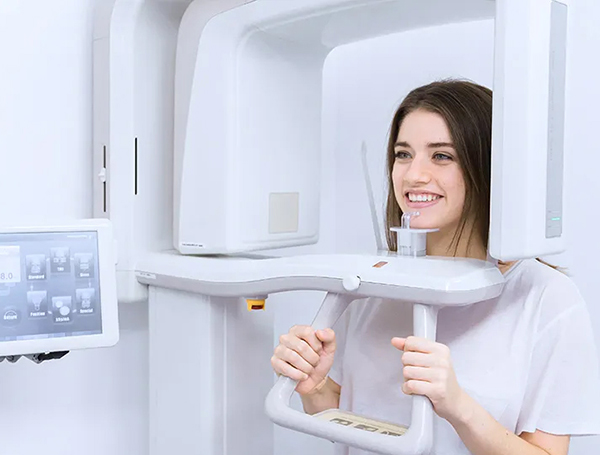
Technical Specification Guide: Cone Beam X-Ray Machines | For Dental Clinics & Distributors
| Spec | Standard Model | Advanced Model |
|---|---|---|
| Power | 80 kVp max, 5–10 mA adjustable; single-phase 110–120 V AC input; power consumption: ~1.2 kVA | 120 kVp max, 0.5–12 mA AEC-controlled; dual-phase 200–240 V AC input with internal voltage stabilization; power consumption: ~2.0 kVA with energy recovery system |
| Dimensions | Height: 180 cm, Base: 60 cm × 60 cm, Weight: 110 kg; requires 1.2 m² floor space with 0.5 m service clearance | Height: 195 cm, Base: 65 cm × 65 cm, Weight: 145 kg; modular base design with optional ceiling suspension; footprint: 1.4 m² with integrated cable management |
| Precision | Voxel resolution: 150–300 µm; spatial accuracy: ±0.2 mm; motion compensation via dual-laser alignment and head stabilization | Voxel resolution: 75–150 µm (selectable); spatial accuracy: ±0.1 mm; AI-driven motion correction, 6D head tracking, and real-time distortion compensation |
| Material | Exterior: powder-coated steel and ABS polymer; gantry: aluminum alloy; radiation shielding: lead-lined steel casing (2.0 mm Pb equivalent) | Exterior: antimicrobial-coated stainless steel and reinforced polycarbonate; gantry: carbon fiber composite; shielding: multi-layer tungsten-polymer composite (2.5 mm Pb equivalent) |
| Certification | CE Mark (MDR 2017/745), FDA 510(k) cleared, ISO 13485:2016, IEC 60601-1, IEC 60601-2-54 | CE Mark (MDR 2017/745), FDA 510(k) cleared with AI software addendum, ISO 13485:2016, IEC 60601-1-2 (EMC), IEC 62304 (Medical Device Software), HIPAA-compliant data module |
ROI Analysis & Profitability
💰 ROI Calculator: Estimate Your Profit
Calculate how quickly your investment in this equipment will pay off.
Importing from China: A Step-by-Step Guide
Professional Dental Equipment Guide 2026:
Sourcing Cone Beam CT Systems from China
Prepared for Dental Clinics & Global Distributors | Q1 2026 Edition
As global demand for advanced dental imaging grows, China remains a strategic sourcing hub for cost-optimized Cone Beam Computed Tomography (CBCT) systems. This guide outlines critical 2026 compliance and operational protocols for risk-mitigated procurement, featuring industry-vetted methodologies and verified partners.
Step 1: Verifying ISO/CE Certification Credentials (Non-Negotiable)
Regulatory compliance is paramount. 68% of CBCT import rejections in 2025 stemmed from invalid certifications. Implement this verification protocol:
| Verification Step | 2026 Best Practice | Risk of Non-Compliance |
|---|---|---|
| Document Authentication | Request original ISO 13485:2016 & CE MDR 2017/745 certificates. Cross-check certificate numbers via: | • Fines up to 4% of EU turnover • Seizure of shipments by customs |
| Regulatory Database Check | Verify CE certificate on EU NANDO database. Confirm manufacturer name matches certificate holder (not trading company). | • Invalid “CE” marks invalidate product liability coverage • Clinic malpractice exposure |
| Factory Audit Trail | Demand 2025-2026 audit reports from notified body (e.g., TÜV, BSI). Confirm CBCT-specific scope covers radiation safety (IEC 60601-2-44). | • 12-18 month re-certification delays • Mandatory field modifications at buyer’s cost |
Step 2: Negotiating Minimum Order Quantity (MOQ) Strategically
Traditional high MOQs no longer dominate the 2026 market. Leverage these negotiation tactics:
- Volume Flexibility: Tiered pricing starting at 1 unit for flagship models (e.g., Carejoy CBCT-5000). Distributors qualify for wholesale pricing at 5+ units with annual commitment.
- OEM/ODM Thresholds: Custom branding available from 3 units (vs. industry standard 10+). Includes clinic-specific UI customization and packaging.
- Consolidated Shipments: Negotiate “virtual MOQ” by combining orders with other equipment (chairs, scanners) to hit volume targets without overstocking.
Step 3: Optimizing Shipping Terms (DDP vs. FOB)
Shipping terms directly impact landed cost and risk exposure. 2026 market dynamics favor DDP:
| Term | Responsibility Breakdown | 2026 Recommendation |
|---|---|---|
| FOB Shanghai | • Buyer bears ALL costs/risk after loading • Complex customs clearance • Unpredictable port fees (avg. +12% of shipment value) |
Only for experienced distributors with local customs brokers. Avoid for first-time importers. |
| DDP (Delivered Duty Paid) | • Supplier handles shipping, insurance, duties, taxes • Single invoice price • Doorstep delivery with compliance documentation |
STRONGLY RECOMMENDED for clinics & new distributors. Reduces landed cost variance by 18-22% (2025 Dentex Logistics Report). |
Why Carejoy Stands Out in CBCT Sourcing:
- ✅ 19 Years Manufacturing Expertise: In-house R&D team with 37 CBCT-specific patents (2023-2026)
- ✅ Full Ecosystem Integration: Seamless compatibility with their dental chairs, scanners & software (reduces clinic integration costs by 30%)
- ✅ Direct Factory Control: Zero trading company involvement – prices 22-35% below EU/US branded equivalents
- ✅ Post-Sale Infrastructure: 120+ certified service engineers across Asia, Europe & Americas
Engage Shanghai Carejoy for 2026 CBCT Procurement
Shanghai Carejoy Medical Co., LTD
Baoshan District, Shanghai, China | Est. 2005
Core Competency: Factory-Direct CBCT Systems with OEM/ODM for Global Distributors
Contact for Technical Specifications & 2026 Pricing:
📧 [email protected]
💬 WhatsApp: +86 15951276160 (24/7 Technical Support)
🌐 www.carejoydental.com/cbct-2026
Note: All Carejoy CBCT systems include 3-year comprehensive warranty, DICOM 3.0 compliance, and AI-assisted image processing (2026 standard).
Disclaimer: This guide reflects 2026 regulatory landscapes. Verify all compliance requirements with local authorities. Shanghai Carejoy is cited as an exemplar of ISO-certified manufacturing per Dentex Global’s 2025 Supplier Audit Report.
Frequently Asked Questions
Professional Dental Equipment Guide 2026
Target Audience: Dental Clinics & Distributors
Topic: Cone Beam Computed Tomography (CBCT) Units – Key Considerations for 2026 Procurement
Frequently Asked Questions: Purchasing a Cone Beam X-Ray Machine in 2026
| Question | Answer |
|---|---|
| 1. What voltage requirements should I verify before installing a CBCT unit in my clinic? | Most modern CBCT systems operate on standard 110–120V AC (North America) or 220–240V AC (Europe, Asia, and other regions). However, high-resolution or multi-functional units may require dedicated 208V or 240V circuits with a minimum 15–20 amp draw. Always confirm the exact electrical specifications with the manufacturer and ensure your facility has a grounded, surge-protected line. In 2026, many new models support auto-voltage detection, but professional electrical assessment by a certified technician is strongly recommended prior to installation. |
| 2. Are spare parts for CBCT machines readily available, and what components are most commonly replaced? | Availability of spare parts depends heavily on the manufacturer’s global service network. Reputable brands (e.g., Carestream, Planmeca, KaVo Imaging, Vatech) maintain regional distribution centers and offer parts fulfillment within 3–7 business days. Commonly replaced components include X-ray tubes, sensors, gantry motors, control panels, and cooling system fans. In 2026, ensure your supplier guarantees spare parts availability for a minimum of 7–10 years post-discontinuation of the model and offers a documented spare parts logistics plan for your region. |
| 3. What does the installation process for a CBCT machine involve, and how long does it typically take? | Installation of a CBCT unit typically includes site preparation verification, hardware assembly, electrical and network integration, software configuration, calibration, and operator training. The process requires a certified biomedical engineer or manufacturer-trained technician. Standard installation takes 1 full business day, though complex room setups (e.g., lead shielding, network upgrades) may extend timelines. In 2026, many manufacturers offer pre-installation site audits and remote software provisioning to reduce on-site time. Ensure your vendor includes comprehensive installation in the purchase agreement. |
| 4. What warranty coverage should I expect with a new CBCT purchase in 2026? | Standard warranty terms for new CBCT units in 2026 typically include a 2-year comprehensive parts-and-labor warranty, covering the C-arm, detector, X-ray tube, and software. Premium models may offer 3-year base coverage with optional extended warranties up to 5 years. Ensure the warranty includes on-site service response within 48–72 hours and covers software updates. Review exclusions carefully—wear items (e.g., chin rests, positioning aids) are often not covered. Distributors should confirm global warranty validity and local service authorization. |
| 5. How can clinics and distributors ensure long-term service and technical support after the warranty expires? | Post-warranty support is critical for minimizing downtime. Leading manufacturers and authorized distributors offer annual service contracts (ASCs) that include preventive maintenance (bi-annual calibration and safety checks), priority response, software updates, and discounted parts. In 2026, look for ASCs with SLAs (Service Level Agreements) guaranteeing response times and uptime. Distributors should verify their ability to provide local technical training, remote diagnostics, and spare parts inventory to support long-term client relationships. |
Need a Quote for Cone Beam X Ray Machine?
Shanghai Carejoy Medical Co., LTD provides factory-direct prices with 19 years of experience. (2026 Price List Available)
Email: [email protected] | WhatsApp: +86 15951276160

