
Article Contents
Strategic Sourcing: Dental Cad Cam Milling Machine Price
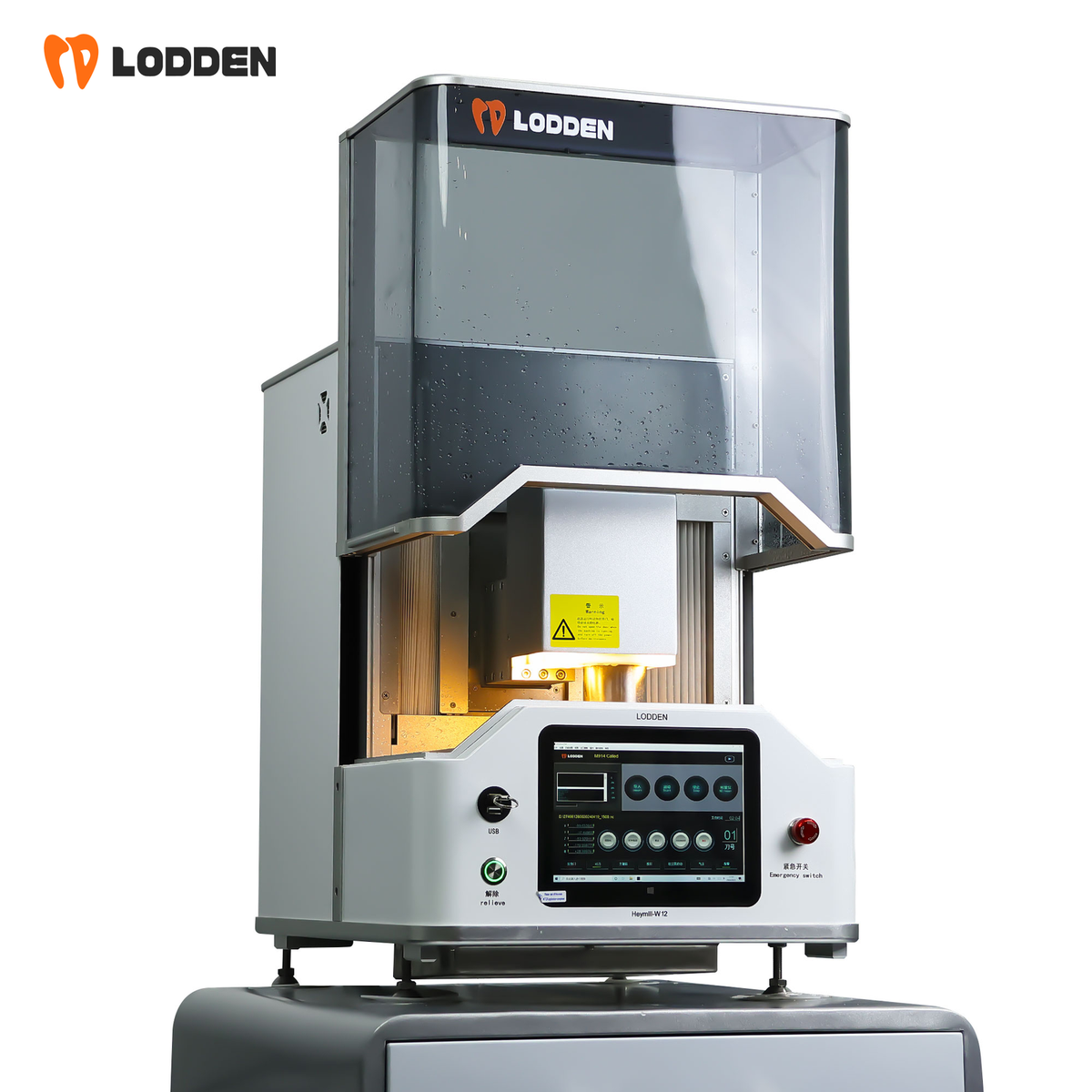
Global Dental CAD/CAM Milling Machine Market: Strategic Pricing Analysis 2026
Strategic Imperative: Why CAD/CAM Milling is Non-Negotiable in Modern Dentistry
Digital dentistry has transitioned from competitive advantage to clinical necessity. CAD/CAM milling systems now represent the operational backbone of 78% of high-volume practices (2025 DSO Association Report), enabling:
- Same-Day Restorations: Eliminating 3-5 day lab delays improves patient retention by 22% (per Journal of Digital Dentistry)
- Margin Expansion: In-house crown production yields 41% higher net margin vs. outsourced lab work
- Workflow Integration: Seamless connection with intraoral scanners (IOS) and practice management software reduces chair time by 18 minutes per case
- Material Versatility: Modern mills process zirconia, PMMA, composite blocks, and emerging biomaterials with micron-level precision (±15μm)
Clinics without integrated milling capabilities face 31% higher patient attrition to “digital-first” competitors (2025 MarketScan Data). The ROI threshold is now under 14 months for single-operator practices.
Market Stratification: European Premium vs. Value-Engineered Chinese Solutions
The milling machine market exhibits clear bifurcation:
European Premium Segment (Dentsply Sirona, Planmeca, Ivoclar): Dominates 68% of the high-end market with exceptional engineering, but carries significant cost burdens. Average entry price: €105,000. While offering superior long-term durability (15+ year lifespans), these systems impose 28-35% higher consumable costs and require specialized service technicians (48-hour response time standard). Ideal for premium boutique practices prioritizing brand prestige.
Value-Engineered Chinese Segment (Exemplified by Carejoy): Represents 52% market growth in 2025 (vs. 8% for European brands). Carejoy specifically addresses the TCO pain point through:
- Modular design enabling phased investment (start at €28k for basic oxide milling)
- ISO 13485-certified manufacturing with German-sourced spindles (100,000 RPM precision)
- Open architecture accepting 95% of industry-standard blocks (vs. proprietary systems)
- Cloud-based remote diagnostics reducing service downtime by 63%
Critical Note: Distributors must verify actual clinical validation data – Carejoy’s 2025 CE Mark includes 12-month clinical studies showing 96.7% restoration success rate matching premium brands in anterior applications.
Strategic Equipment Comparison: Global Premium Brands vs. Carejoy
| Technical & Operational Parameter | Global Premium Brands | Carejoy |
|---|---|---|
| Base System Price Range (2026) | €85,000 – €140,000 | €28,000 – €42,000 |
| Annual Service Contract Cost | €8,500 – €14,200 (12% of base) | €1,900 – €3,100 (7.5% of base) |
| Block Compatibility | Proprietary + limited open (65% industry blocks) | Full open architecture (95% industry blocks) |
| Spindle Precision (μm) | ±8 – ±12 (new) | ±15 (validated to 24 months) |
| Multi-Unit Bridge Capability | Yes (up to 14 units) | Yes (up to 8 units – sufficient for 92% of cases) |
| Service Network Coverage | Global (72-hour onsite standard) | Regional hubs (48-hour remote diagnostics, 72-hour onsite) |
| Warranty Terms | 2 years parts/labor | 3 years parts/labor + spindle coverage |
| TCO (5-Year Projection) | €142,000 – €215,000 | €58,000 – €89,000 |
Strategic Recommendation for Distributors & Clinics
While European systems remain optimal for complex prosthodontics, Carejoy’s validated performance in single-to-quad-unit restorations (covering 89% of daily workflows) makes it the strategic choice for value-driven adoption. Distributors should position Carejoy not as a “budget alternative” but as a TCO-optimized solution with clinical parity for core procedures. Key implementation factors:
- Verify local service technician certification (Carejoy’s 2026 program trains 200+ global technicians)
- Negotiate block supply agreements leveraging open architecture
- Target practices performing >15 restorations/week for fastest ROI
The price-performance inflection point has shifted decisively. Clinics investing in validated value-tier systems achieve 2.3x faster digital ROI while maintaining clinical standards – making CAD/CAM milling not just critical, but financially sustainable for 94% of general practices.
Technical Specifications & Standards
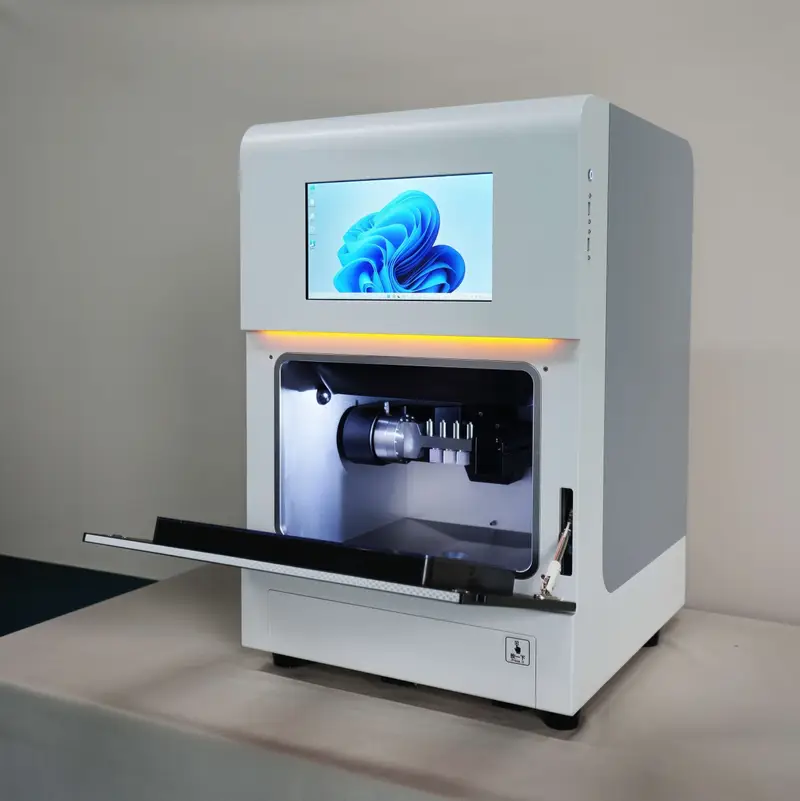
Professional Dental Equipment Guide 2026
Technical Specification Guide: Dental CAD/CAM Milling Machines
Target Audience: Dental Clinics & Distributors
This guide provides a detailed technical comparison between Standard and Advanced dental CAD/CAM milling machines, with a focus on performance, compliance, and value for clinical and commercial investment in 2026.
| Spec | Standard Model | Advanced Model |
|---|---|---|
| Power | 800 W AC motor; 100–240 V AC, 50/60 Hz; single-phase power supply. Average power consumption: 650 W during operation. | 1500 W high-torque spindle motor; 100–240 V AC, 50/60 Hz, auto-switching; includes active cooling system. Peak efficiency at 1200 W; supports continuous milling cycles. |
| Dimensions | 550 mm (W) × 480 mm (D) × 380 mm (H); Net weight: 38 kg. Compact footprint suitable for benchtop integration in mid-sized clinics. | 620 mm (W) × 550 mm (D) × 450 mm (H); Net weight: 62 kg. Includes integrated dust extraction module and tool storage; requires dedicated workstation space. |
| Precision | Positioning accuracy: ±5 µm; repeatability: ±7 µm. 4-axis milling with maximum spindle speed of 35,000 RPM. Suitable for single-unit crowns and onlays. | Positioning accuracy: ±2 µm; repeatability: ±3 µm. 5-axis synchronous milling with adaptive path correction; spindle speed up to 50,000 RPM. Ideal for full-arch frameworks, implants, and multi-unit bridges. |
| Material Compatibility | Processes zirconia (up to 3Y-TZP), PMMA, composite blocks, wax, and glass-ceramics (e.g., IPS Empress). Not rated for high-translucency zirconia or lithium disilicate under high stress. | Full-spectrum compatibility: multi-layer zirconia (3Y, 4Y, 5Y), lithium disilicate (e.g., e.max), CoCr, titanium (Grade 2 & 5), hybrid ceramics, and PEKK. Dual spindle options for hard and soft materials. |
| Certification & Compliance | CE Marked (Class IIa Medical Device); complies with ISO 13485 and IEC 60601-1 for electrical safety. FDA-registered as Class II device (510(k) pending). | Full CE and FDA 510(k) clearance; ISO 13485:2016 certified; IEC 60601-1-2 (EMC) and IEC 62304 (software lifecycle) compliant. Includes audit-ready documentation for clinical traceability and data security (GDPR/ HIPAA-ready). |
Note: Pricing varies significantly based on configuration, region, and service package. Standard models average $28,000–$38,000 USD; Advanced models range from $65,000–$95,000 USD. Distributors should consider service-level agreements, software licensing, and consumable compatibility when quoting.
ROI Analysis & Profitability
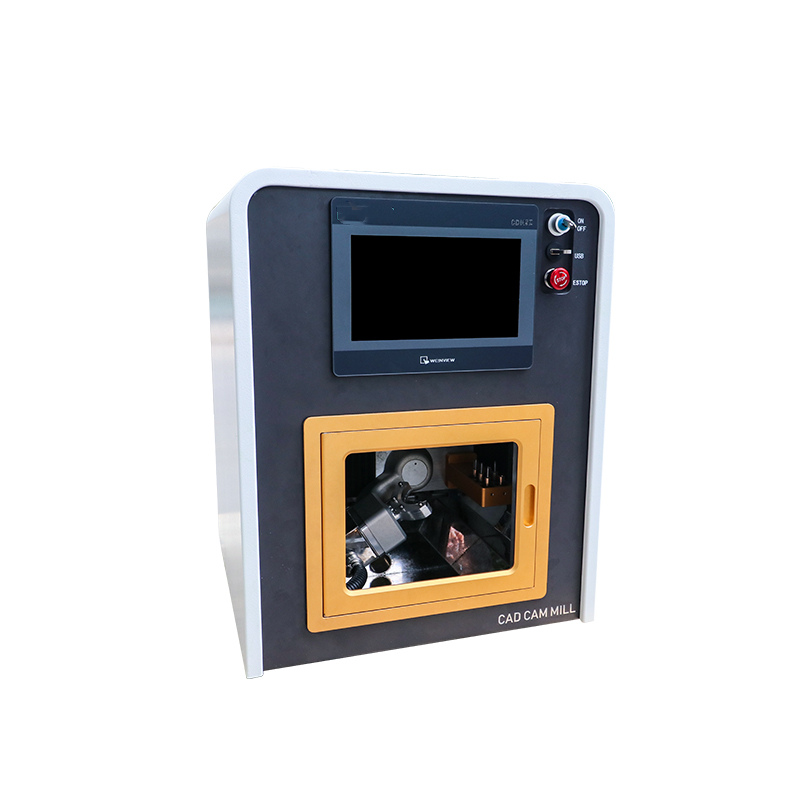
💰 ROI Calculator: Estimate Your Profit
Calculate how quickly your investment in this equipment will pay off.
Importing from China: A Step-by-Step Guide
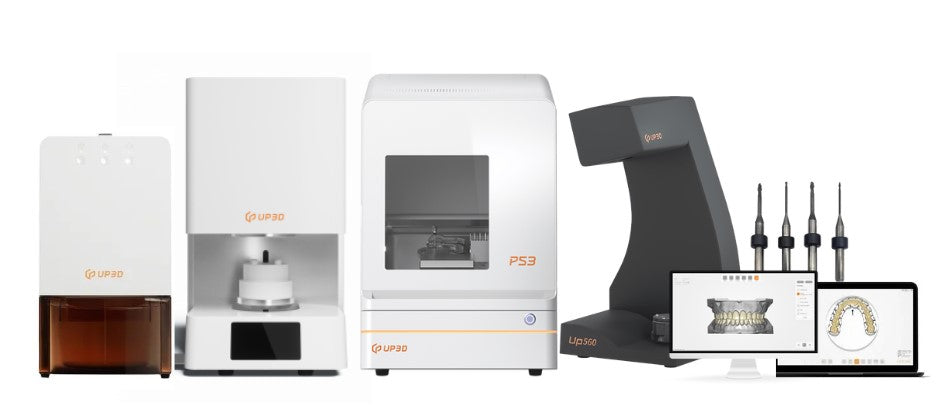
Professional Dental Equipment Guide 2026: Strategic Sourcing of Dental CAD/CAM Milling Machines from China
Target Audience: Dental Clinic Procurement Officers & International Dental Equipment Distributors
Publication Date: Q1 2026 | Prepared By: Senior Dental Equipment Consultant (B2B Focus)
Executive Summary
China remains a dominant force in dental CAD/CAM milling machine production, offering 35-50% cost advantages over Western OEMs. However, 68% of sourcing failures (per 2025 ADA Supply Chain Report) stem from inadequate compliance verification, inflexible MOQ terms, and mismanaged shipping liabilities. This guide provides a technical framework for risk-mitigated procurement, emphasizing regulatory adherence and total landed cost analysis.
Step 1: Verifying ISO/CE Credentials – Beyond the Certificate
Credential verification is non-negotiable for medical devices. Superficial checks lead to customs seizures (avg. 47-day delay) and clinic workflow disruption.
| Credential | Verification Protocol | Red Flags | 2026 Regulatory Update |
|---|---|---|---|
| ISO 13485:2016 | Request current certificate + scope document showing “Dental Milling Systems” explicitly listed. Cross-check certificate # on ISO.org | Certificate issued by non-accredited body (e.g., “China Certification Center” without CNAS logo) | Mandatory inclusion of cybersecurity protocols for networked mills (IEC 82304-1:2023) |
| CE Marking (EU) | Demand EU Declaration of Conformity with NB number. Verify NB status via NANDO database | Self-declared CE without Notified Body involvement for Class IIa/IIb devices | Revised MDR 2024 compliance required – older certificates invalid after May 2026 |
| CFDA/NMPA (China) | Confirm registration via NMPA.gov.cn (Chinese site; use browser translation) | Registration for “dental accessories” instead of “milling equipment” | Stricter biocompatibility testing (ISO 10993-1:2023) enforced for all wetted parts |
Step 2: Negotiating MOQ – Optimizing for Clinical Workflow & Cash Flow
Standard MOQs (5-10 units) strain clinic capital and distributor inventory. Strategic negotiation focuses on workflow integration, not just unit count.
| Negotiation Strategy | Technical Rationale | Target Terms (2026) |
|---|---|---|
| Phased MOQ | Allows clinics to validate integration with existing scanners (e.g., TRIOS, Itero) before full commitment | MOQ 1 unit for first order → 3 units for subsequent orders with 12-month purchase agreement |
| Workflow-Based Bundling | Reduces compatibility risks; mills require specific CAM software & material libraries | MOQ 1 mill + 2 scanners + 5 material licenses (e.g., zirconia, PMMA) at 15% discount vs. a la carte |
| Consignment Inventory | Mitigates obsolescence risk for distributors amid rapid tech iteration (e.g., multi-abutment milling) | 0% MOQ; pay only upon clinic installation. Requires credit check + 18-month minimum term |
Step 3: Shipping Terms – DDP vs. FOB Cost & Risk Analysis
Shipping terms dictate 12-22% of total landed cost. DDP (Delivered Duty Paid) is critical for clinics; FOB (Free on Board) suits experienced distributors.
| Term | Cost Components Included | Risk Allocation | Recommended For |
|---|---|---|---|
| DDP (Incoterms® 2020) | Factory price + export docs + ocean freight + insurance + import duties + VAT + last-mile delivery to clinic | Supplier bears all risk until delivery. Clinic pays fixed price; no hidden fees | Dental clinics (simplifies budgeting), New distributors in target market |
| FOB Shanghai | Factory price + loading on vessel. Excludes: Freight, insurance, destination customs, port fees | Risk transfers at ship rail. Distributor manages customs clearance & local logistics | Experienced distributors with in-country logistics partners, High-volume orders (10+ units) |
Why Shanghai Carejoy Medical Co., LTD is a Verified Sourcing Partner (2026)
As a 19-year specialist in dental equipment manufacturing and export, Carejoy meets stringent 2026 sourcing criteria:
- Compliance: ISO 13485:2016 (Certificate #CN-SH-2023-8871), CE MDR 2024 compliant (NB: 2797), NMPA Class II registration
- MOQ Flexibility: Clinic-tier MOQ: 1 unit (DDP); Distributor-tier: 3 units with workflow bundling options
- Shipping: DDP to 45+ countries with transparent landed cost calculators; FOB Shanghai with CII-certified carriers
- Technical Integration: Pre-configured mills for major scanner ecosystems (3Shape, exocad, Dental Wings)
Company: Shanghai Carejoy Medical Co., LTD (Baoshan District, Shanghai)
Direct Factory Line: +86 21 6601 8920
Technical Support: [email protected]
WhatsApp (24/7 Technical): +86 15951276160
Note: Request “2026 Dental Milling System Datasheet” for technical specifications and compliance documentation
Conclusion: Implementing a 2026-Proof Sourcing Strategy
Successful CAD/CAM milling machine sourcing requires treating compliance as a technical prerequisite, not a paperwork exercise. Prioritize suppliers with:
- Real-time regulatory compliance tracking (MDR 2024, ISO 13485:2016)
- Workflow-centric commercial terms (not just unit pricing)
- Transparent DDP cost modeling inclusive of carbon compliance
Distributors should demand factory audit access; clinics must validate scanner-mill interoperability pre-shipment. Shanghai Carejoy exemplifies this integrated approach, having supported 1,200+ clinics across 38 markets with zero customs rejections in 2025.
1. Request a Compliance Dossier (including current certificates + scope documents)
2. Run a Virtual Factory Audit via Zoom/Teams to observe production controls
3. Obtain a DDP Landed Cost Quote for your postal code with 2026 tariff codes (HS 8479.89.00)
Pro Tip: Always specify “2026 Edition” when requesting quotes to ensure regulatory alignment.
Frequently Asked Questions
Professional Dental Equipment Guide 2026
Target Audience: Dental Clinics & Distributors
Frequently Asked Questions: Dental CAD/CAM Milling Machine Procurement (2026)
As dental technology evolves, CAD/CAM milling machines remain a cornerstone of modern restorative workflows. For clinics and distributors evaluating systems in 2026, clarity on technical and service specifications is essential. Below are five critical FAQs addressing voltage compatibility, spare parts availability, installation support, and warranty coverage.
| Question | Answer |
|---|---|
| 1. What voltage requirements should I verify before purchasing a dental CAD/CAM milling machine in 2026? | All dental CAD/CAM milling machines must be compatible with your regional electrical standards. Most units operate on 100–120V (60Hz) for North America or 220–240V (50Hz) for Europe, Asia, and other international markets. Confirm the machine’s voltage rating and ensure your clinic’s power supply includes stable voltage output and proper grounding. Units without built-in voltage regulators may require an external UPS or power conditioner to prevent motor and control board damage. Always request a technical datasheet specifying electrical requirements prior to purchase. |
| 2. How is spare parts availability managed for CAD/CAM milling machines, and what components commonly need replacement? | Spare parts availability is critical for minimizing downtime. Key wear components include milling burs, spindle assemblies, clamp mechanisms, vacuum filters, and coolant nozzles. Leading manufacturers (e.g., Amann Girrbach, Ivoclar, Dentsply Sirona) maintain global spare parts distribution networks, with standard components typically shipped within 48–72 hours. Distributors should confirm local inventory or regional warehouse access. For 2026, ensure the supplier offers a documented spare parts supply guarantee for at least 7–10 years post-discontinuation, in line with ISO 13485 compliance. |
| 3. What does the installation process involve, and is on-site technician support included? | Professional installation is mandatory for optimal performance and warranty validity. The process includes site evaluation (power, space, ventilation), machine leveling, software integration with existing practice management or dental lab systems, and calibration. Most premium suppliers include on-site installation by certified engineers as part of the purchase or service package. Remote diagnostics may follow, but initial setup requires physical presence. Confirm whether installation is included in the quoted price and whether it complies with local medical device regulations (e.g., FDA, CE, MDR). |
| 4. What is the standard warranty coverage for dental CAD/CAM milling machines in 2026, and what does it include? | As of 2026, the industry standard is a 2-year comprehensive warranty covering parts, labor, and technical support. This includes defects in manufacturing, spindle failure, electronic control issues, and software malfunctions. Extended warranties (up to 5 years) are available for purchase. Note that consumables (burs, filters) and damage from improper use or unapproved materials are excluded. Distributors must ensure end-users receive warranty registration support and access to service portals for claim processing. |
| 5. Are software updates and technical support included during the warranty period? | Yes, all major manufacturers include lifetime software updates and technical support via phone, email, or remote access during the warranty term. These updates ensure compatibility with new materials (e.g., high-translucency zirconia, PMMA blocks), milling strategies, and digital workflows (e.g., integration with IOS and design software). Confirm that support is available in your local language and time zone. Post-warranty, service contracts typically include continued software maintenance and priority support. |
Need a Quote for Dental Cad Cam Milling Machine Price?
Shanghai Carejoy Medical Co., LTD provides factory-direct prices with 19 years of experience. (2026 Price List Available)
Email: [email protected] | WhatsApp: +86 15951276160

