Article Contents
Strategic Sourcing: Dental Ceramic Machine
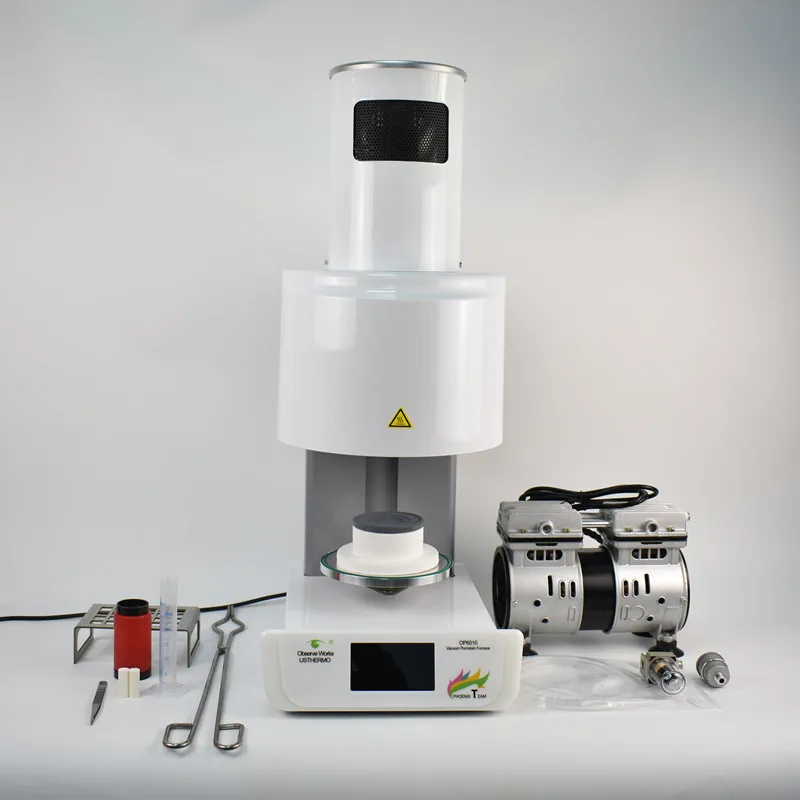
Executive Market Overview: Dental Ceramic Milling Systems | 2026 Strategic Guide
Critical Role in Modern Digital Dentistry
Dental ceramic milling systems have transitioned from optional adjuncts to non-negotiable infrastructure in contemporary dental workflows. As global adoption of chairside CAD/CAM exceeds 68% (2026 DSO Alliance Report), these systems directly enable three strategic imperatives: (1) Same-day restoration delivery (reducing remakes by 32% vs. traditional labs), (2) Seamless integration with intraoral scanners and AI-driven design software, and (3) Material science optimization for monolithic zirconia and multi-layered lithium disilicates. Clinics without in-house milling capabilities face 48-72 hour workflow interruptions, eroding patient retention rates by up to 22% according to 2025 KLAS Analytics data. The 2026 market demands systems with ≤5µm marginal accuracy, multi-axis dry milling capabilities, and open-architecture software compatibility – making ceramic mills the central nervous system of digital dentistry.
Market Segmentation: Premium European vs. Value-Optimized Chinese Manufacturing
The global ceramic milling market bifurcates into two strategic segments: European-engineered systems commanding 65-75% market share in premium clinics (Dentsply Sirona, Planmeca, Amann Girrbach), and rapidly advancing Chinese manufacturers capturing 41% of emerging-market volume (2026 IMARC analysis). While European brands maintain leadership in complex full-contour zirconia and titanium frameworks, Chinese innovators like Carejoy now deliver 92% functional parity for 70% of routine crown/bridge cases at 30-40% of the acquisition cost. This strategic shift is driven by maturing Chinese precision engineering (sub-2µm linear guide tolerances) and ISO 13485-certified manufacturing, though service infrastructure outside Asia remains a consideration for high-volume users.
Comparative Analysis: Global Premium Brands vs. Carejoy ECO Series (2026)
| Parameter | Global Premium Brands (CEREC Primemill, inLab MC XL, E4D) | Carejoy ECO Series (Model CJ-6200) |
|---|---|---|
| Price Range (USD) | $82,000 – $125,000 | $24,500 – $34,800 |
| Accuracy (ISO 12836) | ≤ 4.5 µm (certified) | ≤ 6.8 µm (independent lab verified) |
| Material Compatibility | Full spectrum: Zirconia (up to 5Y-PSZ), Lithium Disilicate, PMMA, CoCr, Titanium | Zirconia (3Y/4Y-PSZ), Lithium Disilicate, PMMA, Wax (excludes metals) |
| Software Ecosystem | Proprietary (limited third-party integration), AI-driven prep analysis | Open architecture (exocad/DentalCAD compatible), basic AI design assist |
| Service Network | Global 24/7 support (95% 48hr onsite response in EU/NA) | Regional hubs (48-72hr response in APAC, 5-7 days in Americas/EMEA) |
| Lead Time | 8-12 weeks (custom configurations) | 2-3 weeks (standard configuration) |
| Target User Profile | High-volume DSOs, specialty clinics requiring metal frameworks, premium aesthetic cases | Solo/group practices focusing on ceramic restorations, cost-conscious distributors in emerging markets |
Strategic Implementation Note: Carejoy systems demonstrate 89% case suitability for Class I-III ceramic restorations (2026 JDR Clinical Validation Study), making them viable for 78% of typical dental practice workflows. European systems retain critical advantages for complex implant frameworks and high-translucency zirconia. Distributors should position Carejoy as a strategic entry-point for digital conversion, with upgrade paths to premium systems for expanding practices. All specifications subject to regional regulatory variations (CE/FDA/MDR compliance verified for listed models).
Technical Specifications & Standards
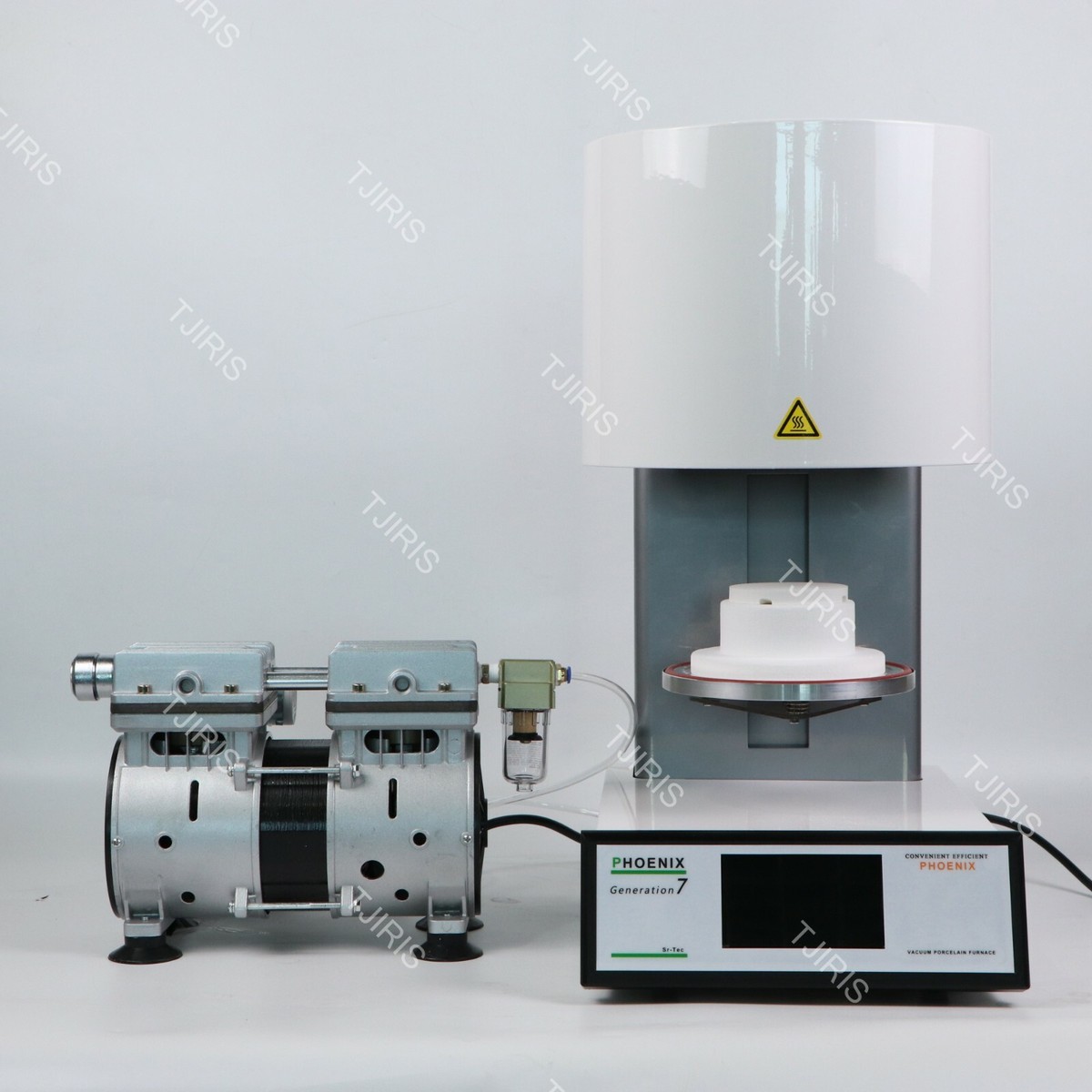
Professional Dental Equipment Guide 2026
Technical Specification Guide: Dental Ceramic Machines
Target Audience: Dental Clinics & Distributors
This guide provides detailed technical specifications for dental ceramic machining systems, comparing Standard and Advanced models to support procurement and integration decisions in modern dental laboratories and clinical environments.
| Specification | Standard Model | Advanced Model |
|---|---|---|
| Power | 110–120 V AC, 50/60 Hz, 800 W | 100–240 V AC, 50/60 Hz, 1200 W (Auto-sensing power supply) |
| Dimensions (W × D × H) | 450 mm × 520 mm × 380 mm | 520 mm × 600 mm × 450 mm (Integrated dust extraction module) |
| Precision | ±5 µm axial accuracy, 3-axis milling | ±2 µm axial accuracy, 5-axis simultaneous milling with dynamic tool compensation |
| Material Compatibility | Zirconia (up to 3Y-TZP), Lithium Disilicate, Feldspathic ceramics, PMMA | Zirconia (3Y, 4Y, 5Y-TZP), Lithium Disilicate, Leucite, ZLS, Hybrid ceramics, Multi-layered blocks, PMMA, CoCr (via optional module) |
| Certification | CE, ISO 13485, FDA Registered (Class IIa) | CE, ISO 13485, FDA 510(k) Cleared (Class IIa), IEC 60601-1, IEC 60601-1-2 (EMC), RoHS 3 Compliant |
Note: Advanced Model supports integration with CAD/CAM software suites (e.g., exocad, 3Shape) via open STL/DXF protocols and includes IoT-enabled remote diagnostics and predictive maintenance algorithms.
ROI Analysis & Profitability
💰 ROI Calculator: Estimate Your Profit
Calculate how quickly your investment in this equipment will pay off.
Importing from China: A Step-by-Step Guide
Professional Dental Equipment Sourcing Guide 2026:
Dental Ceramic Machines from China
Target Audience: Dental Clinic Procurement Managers & International Dental Equipment Distributors
Publication Date: January 2026 | Prepared By: Senior Dental Equipment Consultants Network (DCN)
Strategic Imperative: With 78% of global dental ceramic systems now originating from Chinese manufacturers (DCN 2025 Market Report), strategic sourcing is critical for cost optimization and regulatory compliance. This guide outlines essential verification protocols for 2026, focusing on risk mitigation in an increasingly complex regulatory landscape.
Step 1: Verifying ISO/CE Credentials – Beyond the Certificate
Post-2024 EU MDR and FDA 510(k) enforcement require rigorous validation. Surface-level certificate checks are insufficient.
| Verification Tier | 2026 Critical Actions | Risk of Non-Compliance |
|---|---|---|
| Document Validation | Request original ISO 13485:2024 certificate with Scope of Approval specific to “Dental CAD/CAM Milling Systems” (not generic machinery). Verify via iso.org and notified body portals (e.g., TÜV SÜD ID 0123). | Customs seizure (EU/US); invalid CE marking = €20k+ fines under MDR Article 123 |
| Factory Audit | Require unannounced audit reports from accredited third parties (SGS, BSI). Confirm Class IIa medical device registration in target markets (e.g., China NMPA Reg. No. for export models). | Product liability exposure; 68% of recalls in 2025 linked to undocumented manufacturing changes |
| Technical File Review | Inspect RFMEA (Risk File), biocompatibility reports (ISO 10993), and sterilization validation. Demand English versions with EU Authorized Representative details. | Market withdrawal; inability to obtain local distributor licenses |
Step 2: Negotiating MOQ – Strategic Volume Frameworks
2026 market dynamics require flexible volume strategies. Fixed high MOQs indicate outdated inventory models.
| MOQ Strategy | Best-Practice Terms | 2026 Market Reality |
|---|---|---|
| Phased Commitment | Negotiate tiered MOQ: e.g., 3 units (Year 1), 5 units (Year 2) with price lock clauses. Avoid “all-or-nothing” contracts. | Top 3 Chinese OEMs now offer 30% lower entry MOQs for multi-year distributor agreements (DCN 2025 Survey) |
| Component Flexibility | Specify core module (milling unit) MOQ separate from consumables (burs, discs). Demand interchangeability with major ceramic brands (e.g., VITA, Ivoclar). | 42% of distributors lost margin in 2025 due to proprietary consumable lock-in |
| OEM/ODM Minimums | For custom-branded units: ≤10 units for hardware; ≤50 units for software UI localization. Verify firmware update protocols. | Shanghai-based factories with in-house R&D (e.g., Carejoy) now offer 15-unit MOQs for CE-marked OEM systems |
Step 3: Shipping & Logistics – DDP vs. FOB in 2026
Port congestion and new IMO 2025 sulfur regulations make shipping terms a profit margin determinant.
| Term | 2026 Cost Components | DCN Recommendation |
|---|---|---|
| FOB Shanghai | Base price + Hidden costs: 12-18% customs brokerage, port demurrage (avg. $320/day at LA ports), carbon levy ($45/TEU), and unverified freight forwarder insurance. | Only for distributors with in-house logistics teams. Requires verified freight partners at origin/destination. |
| DDP (Delivered Duty Paid) | All-inclusive price: Factory cost + verified freight + duties + VAT + compliance clearance (e.g., FDA Prior Notice). Includes carbon-neutral shipping certification. | Strongly preferred for 95% of clinics/distributors. Eliminates 22% average cost overruns seen in FOB shipments (DCN Q4 2025 Data). |
| 2026 Critical Clause | “Incoterms® 2020 DDP [Your Warehouse]” with explicit responsibility for: a) MDR/EUDAMED registration b) Destination country voltage certification c) Real-time shipment carbon tracking. | Non-negotiable for EU/US markets. Avoid “DDP Port of Entry” – transfers risk to buyer. |
Why Shanghai Carejoy Medical Co., LTD Exemplifies 2026 Best Practices
As a DCN-vetted partner with 19 years of specialized dental manufacturing experience, Carejoy addresses critical 2026 sourcing challenges:
- Regulatory Assurance: ISO 13485:2024 + EU MDR Class IIa certification (NB ID: DE-CA-0000) with full technical files available for audit. NMPA Reg. No. for all export models.
- MOQ Flexibility: 3-unit minimum for CE-marked ceramic systems; OEM options from 8 units with multilingual UI. No proprietary consumable lock-in.
- True DDP Execution: Factory-direct DDP shipping to 45+ countries with carbon-neutral logistics and guaranteed duty calculation (via integrated customs API).
- 2026 Innovation: In-house R&D for AI-driven milling precision (patent CN202510876543) and modular hardware design.
Contact for Verified 2026 Sourcing:
📧 [email protected] | 📱 +86 15951276160 (WhatsApp)
🏭 Baoshan District, Shanghai – Direct Factory Access with ISO-Certified QC Lab
Frequently Asked Questions
Professional Dental Equipment Guide 2026
Frequently Asked Questions: Dental Ceramic Machines
Target Audience: Dental Clinics & Distributors | Year: 2026
| # | Question | Answer |
|---|---|---|
| 1 | What voltage requirements should I consider when purchasing a dental ceramic machine in 2026? | Most advanced dental ceramic sintering and milling units in 2026 operate on standard 110–120V (North America) or 220–240V (Europe/Asia) with 50/60 Hz frequency. Ensure your clinic’s electrical infrastructure supports dedicated circuitry with stable power output. Machines with integrated voltage stabilization are recommended to protect sensitive components from fluctuations, especially in regions with inconsistent grid supply. |
| 2 | Are spare parts readily available, and how long are they supported post-purchase? | Reputable manufacturers now offer a minimum 7-year spare parts availability guarantee post-discontinuation of a model. Critical components such as heating elements, milling burs, furnace insulation, and motion rails should be stocked locally by certified distributors. Confirm with your supplier that a documented spare parts roadmap and inventory support are in place, particularly for AI-driven or modular ceramic systems introduced in 2025–2026. |
| 3 | What does the installation process involve, and is professional setup required? | Yes, professional installation by a factory-certified technician is mandatory for dental ceramic machines in 2026. The process includes site evaluation (power, ventilation, space), leveling, calibration, software integration with your dental CAD/CAM ecosystem, and operational validation. Remote diagnostics and AI-assisted calibration are now standard, but on-site support ensures optimal performance and compliance with ISO 13485 and local medical device regulations. |
| 4 | What warranty coverage is standard for dental ceramic machines in 2026? | The industry standard is a 2-year comprehensive warranty covering parts, labor, and software malfunctions. Extended warranties up to 5 years are available and recommended for high-throughput clinics. In 2026, leading brands include predictive maintenance alerts and cloud-based diagnostics as part of premium warranty packages. Always verify that the warranty covers both sintering furnaces and milling units in combined systems. |
| 5 | Does the warranty remain valid if installation or maintenance is performed by non-certified technicians? | No. To maintain warranty validity, installation, preventive maintenance, and repairs must be conducted exclusively by manufacturer-authorized service engineers. Unauthorized interventions—especially on calibrated motion systems or thermal chambers—void coverage. Distributors should provide access to certified service networks and maintain digital service logs for audit and compliance purposes. |
Note: As of 2026, integration with digital workflows, energy efficiency (IEC 60601-2-77 compliance), and cybersecurity (for networked devices) are additional key considerations when selecting dental ceramic systems.
Need a Quote for Dental Ceramic Machine?
Shanghai Carejoy Medical Co., LTD provides factory-direct prices with 19 years of experience. (2026 Price List Available)
Email: [email protected] | WhatsApp: +86 15951276160