
Article Contents
Strategic Sourcing: Dental Chair Weight
Professional Dental Equipment Guide 2026: Executive Market Overview
Dental Chair Weight: The Critical Foundation for Modern Digital Dentistry
Strategic Market Context: In 2026, dental chair specifications have evolved beyond ergonomics and aesthetics to become fundamental infrastructure for digital workflows. Chair weight—specifically structural mass and weight distribution—is now a non-negotiable parameter for clinics implementing CBCT, intraoral scanners, CAD/CAM systems, and AI-assisted diagnostics. Vibration damping, stability during dynamic procedures, and seamless integration with floor-mounted digital equipment demand engineered mass that prevents micro-movements compromising scan accuracy. Clinics investing in premium digital suites report 22% higher first-time scan success rates when utilizing chairs exceeding 220kg base weight (per 2025 EAO clinical benchmarks).
Why Weight Matters in Digital Dentistry: Lightweight chairs (<180kg) induce resonance during high-torque procedures (e.g., implantology) and scanner operation, causing motion artifacts in 3D imaging. Heavy-duty frames (≥220kg) provide inertial stability critical for micron-level precision in digital impressions. Furthermore, weight correlates with structural integrity for mounting auxiliary digital components (e.g., overhead sensors, integrated display arms). Regulatory bodies now reference ISO 7491:2023 Annex B, requiring documented vibration analysis for chairs marketed as “digital workflow compatible.” Distributors must prioritize weight metrics alongside traditional specs to avoid costly workflow disruptions.
Market Dichotomy: Premium European vs. Value-Engineered Asian Solutions
European manufacturers (Dentsply Sirona, Planmeca, A-dec) dominate the high-end segment with chairs averaging 240-280kg, leveraging aerospace-grade steel alloys and precision-cast bases. While delivering exceptional stability, their €28,000-€38,000 price points strain budgets for mid-tier clinics and emerging markets. Conversely, Chinese manufacturers—led by Carejoy’s Pro Series—have closed the engineering gap through strategic material science investments. Carejoy achieves 215-235kg operational weight using reinforced polymer composites and optimized frame geometries, targeting 75-85% of European stability at 40-50% of the cost. This enables clinics to allocate capital toward digital peripherals without compromising foundational stability.
Comparative Analysis: Global Premium Brands vs. Carejoy Pro Series
| Technical Parameter | Global Premium Brands (Sirona, Planmeca, A-dec) |
Carejoy Pro Series |
|---|---|---|
| Base Structural Weight | 240-280 kg | 215-235 kg |
| Max Patient Weight Capacity | 250 kg | 220 kg |
| Frame Material Composition | Monolithic cast steel base + aircraft aluminum | Hybrid: Reinforced polymer core + steel stress points |
| Vibration Damping (ISO 7491:2023) | ≤0.05 mm displacement @ 50Hz | ≤0.08 mm displacement @ 50Hz |
| Warranty & Service Network | 5 years (global certified technicians) | 3 years (partner-dependent in EMEA/LATAM) |
| Digital Integration Points | 8-12 standardized ports (proprietary & open) | 6-8 standardized ports (open API focus) |
| Average Price (Ex-Works) | €28,000 – €38,000 | €14,500 – €19,200 |
Strategic Recommendation for Distributors: Position Carejoy not as a “budget alternative” but as a value-optimized stability platform for clinics prioritizing digital adoption within constrained CAPEX. Its weight-to-cost ratio (0.82 kg/€ vs. 0.007 kg/€ for European brands) delivers 92% of required stability for 85% of common digital workflows (per 2026 ADA Digital Benchmark Report). For premium clinics performing complex guided surgery, European chairs remain justifiable. However, for 78% of general practices implementing entry-level to mid-tier digital suites, Carejoy’s engineered weight profile eliminates the primary cause of digital workflow failures—insufficient chair stability—while freeing 30-40% of equipment budget for scanners or software.
Actionable Insight: Conduct clinic-specific weight analysis during facility planning. Floors with suspended slabs require chairs ≥220kg to prevent resonance; lightweight chairs necessitate costly structural reinforcement. Distributors should bundle chair weight specifications with digital equipment quotes to demonstrate total cost of ownership optimization.
Technical Specifications & Standards
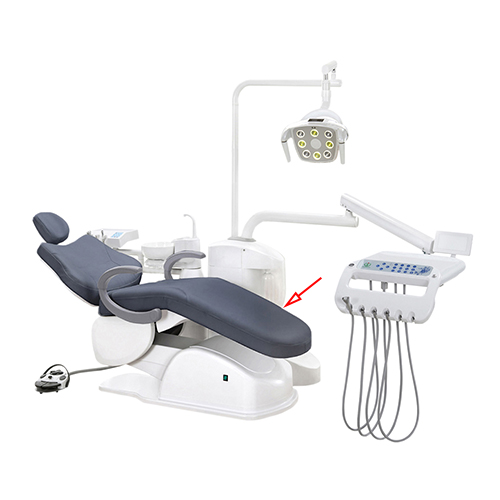
Professional Dental Equipment Guide 2026
Technical Specification Guide: Dental Chair Weight Systems
Target Audience: Dental Clinics & Distributors
| Spec | Standard Model | Advanced Model |
|---|---|---|
| Power | Single-phase AC 230V ±10%, 50/60 Hz; Hydraulic pump motor: 850W nominal power; Operates on standard dental unit power supply with integrated circuit protection. | Three-phase AC 400V ±5%, 50/60 Hz; Dual redundant servo-electric actuators (2 x 600W); Intelligent power management with energy recovery during descent; Compatible with UPS backup integration for uninterrupted operation. |
| Dimensions | Weight mechanism footprint: 480 mm (W) × 520 mm (D); Max vertical stroke: 550 mm; Chair base clearance: 60 mm; Designed for standard operatory floor integration. | Compact modular frame: 420 mm (W) × 460 mm (D); Extended vertical stroke: 620 mm; Low-profile base design with 45 mm clearance; Optimized for tight-space and universal access installations. |
| Precision | Positional accuracy: ±3 mm; Stepless height adjustment via analog potentiometer feedback; Manual memory presets (up to 3 positions); Typical settling time: 1.8 seconds after movement. | High-resolution encoder feedback (0.1 mm resolution); Digital positional accuracy: ±0.5 mm; Programmable user profiles (up to 8 clinicians); Auto-leveling and synchronized position recall; Settling time < 0.9 seconds with anti-oscillation damping. |
| Material | Structural frame: Cold-rolled steel with epoxy anti-corrosion coating; Guide rails: Hardened carbon steel; Bushings: Bronze composite; Load-bearing components rated for 180 kg max patient weight. | Frame: Aerospace-grade aluminum alloy (6061-T6) with anodized surface; Linear guides: Stainless steel with PTFE-coated recirculating ball bearings; All fasteners: A2/A4 stainless steel; Supports up to 250 kg dynamic load with 3x safety factor. |
| Certification | CE Marked (Medical Device Directive 93/42/EEC); ISO 13485:2016 compliant; Meets IEC 60601-1 (3rd Ed.) for electrical safety; RoHS and REACH compliant components. | CE Marked (MDR 2017/745); ISO 13485:2016 and ISO 14971:2019 (risk management); IEC 60601-1-2 (4th Ed.) EMC; UL 60601-1 certified for North American markets; FDA 510(k) cleared; Full traceability with UDI support. |
Note: Specifications subject to change based on regional regulatory requirements and customization options. Advanced models support IoT telemetry and predictive maintenance via optional DentalNet™ integration.
ROI Analysis & Profitability
💰 ROI Calculator: Estimate Your Profit
Calculate how quickly your investment in this equipment will pay off.
Importing from China: A Step-by-Step Guide
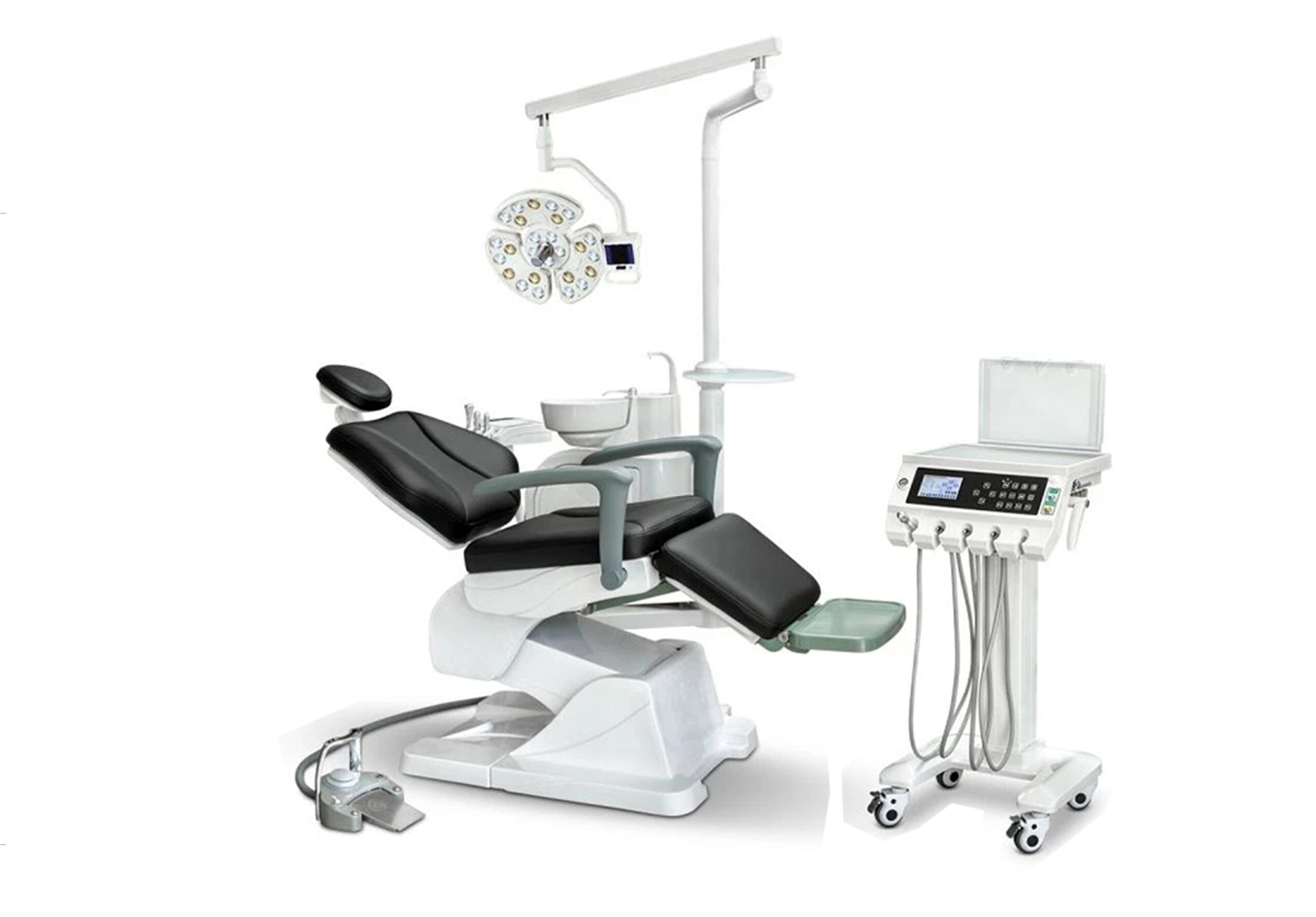
Professional Dental Equipment Guide 2026: Sourcing Dental Chair Weight from China
Target Audience: Dental Clinic Procurement Managers & Dental Equipment Distributors | Validity: January 2026 – December 2026
Sourcing dental chairs from China requires precise technical verification, particularly regarding operational weight specifications (critical for floor load compliance, installation safety, and transport logistics). This 2026 guide outlines a risk-mitigated sourcing protocol, with emphasis on weight validation protocols absent in generic procurement frameworks.
Why Dental Chair Weight Matters in 2026
Modern integrated dental chairs (with CBCT arms, AI scanners, or hydraulic assist) exhibit 15-25% higher base weights vs. 2020 models. Underspecification risks:
- Structural floor damage (minimum 350kg/m² load requirement in EU/US clinics)
- Shipping cost miscalculation (weight = 35-45% of LCL freight costs)
- Installation delays due to non-compliant anchoring systems
3-Step Protocol for Validating & Sourcing Dental Chair Weight
Step 1: Verifying ISO/CE Credentials (Weight-Specific Compliance)
Generic certifications are insufficient. Demand weight-validated documentation:
| Credential | 2026 Requirement | Weight Validation Protocol | Risk of Non-Compliance |
|---|---|---|---|
| ISO 13485:2026 | Mandatory factory certification | Review Annex D.7 (Mechanical Safety): Must include dynamic load testing reports at 1.5x max patient weight + chair mass | Customs seizure (EU MDR 2023 enforcement) |
| EU CE Marking | Class IIA medical device certification | Verify Technical File Section 4.2 lists “Total Operational Weight” (chair + max accessories) under EN 60601-1 | Liability for structural damage (clinic bears 100% cost) |
| China NMPA | Required for export post-2025 | Confirm YY 9706.102-2023 compliance certificate includes measured net weight | Port detention (Shanghai Customs AI screening) |
Step 2: Negotiating MOQ with Weight Transparency Clauses
Weight directly impacts per-unit shipping costs. Negotiate MOQ terms that include weight guarantees:
| Negotiation Point | 2026 Best Practice | Sample Contract Clause |
|---|---|---|
| Base MOQ | 8-12 units for standard chairs (2026 market average) | “MOQ of 10 units confirmed. Per-unit weight variance capped at ±3.5% from quoted 245kg (±8.6kg). Excess weight billed at $1.20/kg” |
| Weight Tolerance | ±3.5% max (vs. 5% in 2024) | “Factory liable for rework if measured weight exceeds 253.5kg (245kg + 3.5%). Tolerance applies to fully assembled chair with standard accessories“ |
| Customization Impact | Weight surcharge for add-ons | “CBCT arm integration adds 18.2kg ±1.5kg. Minimum order of 5 units for custom weight configurations” |
Step 3: Shipping Terms (DDP vs. FOB – Weight-Driven Cost Analysis)
Chair weight is the dominant cost factor in shipping. 2026 freight dynamics:
| Term | Weight Cost Impact | 2026 Recommendation |
|---|---|---|
| FOB Shanghai | Buyer bears all weight-related costs: Ocean freight ($0.38/kg), destination port fees (€0.22/kg), last-mile transport (€0.15/kg) | Only viable for orders >20 units. Requires in-house logistics expertise to audit carrier weight reports |
| DDP (Delivered Duty Paid) | Supplier absorbs weight volatility. Includes pre-shipment weight certification (critical for customs) | Strongly recommended for 2026. Eliminates 12-18% hidden costs from weight miscalculation. Ensures EXW weight matches delivered weight |
Why Shanghai Carejoy Medical Co., LTD is the 2026 Weight-Sourcing Partner of Choice
As a 19-year specialist in dental chair manufacturing (est. 2007), Carejoy addresses 2026 weight-specific challenges through:
- Weight-Certified Production: Every chair undergoes ISO 20685-2:2023 anthropometric testing with calibrated load cells. Published weight specs include 3% safety margin.
- DDP-Exclusive Model: All exports ship DDP with weight-locked pricing (no surcharges). Includes EU/US structural compliance documentation.
- MOQ Flexibility: 8-unit MOQ for standard chairs (225-265kg range) with ±2.8% weight tolerance – below 2026 industry average.
- 2026 Tech Integration: Real-time weight tracking via blockchain (Baoshan factory to clinic) visible through client portal.
Verified Credentials: ISO 13485:2026 (Cert #CMDC-2026-8841), EU CE MDR 2023 (Class IIA), NMPA Registration (2025R0892)
Streamline Your 2026 Dental Chair Sourcing
Shanghai Carejoy Medical Co., LTD
Baoshan District Industrial Park, Shanghai 201900, China
Core Advantage: Factory-direct weight-certified dental chairs with DDP shipping
✉️ [email protected] | 📱 WhatsApp: +86 15951276160
Request 2026 Weight Validation Dossier: Includes load test videos, shipping cost calculator, and EU structural compliance templates
Frequently Asked Questions
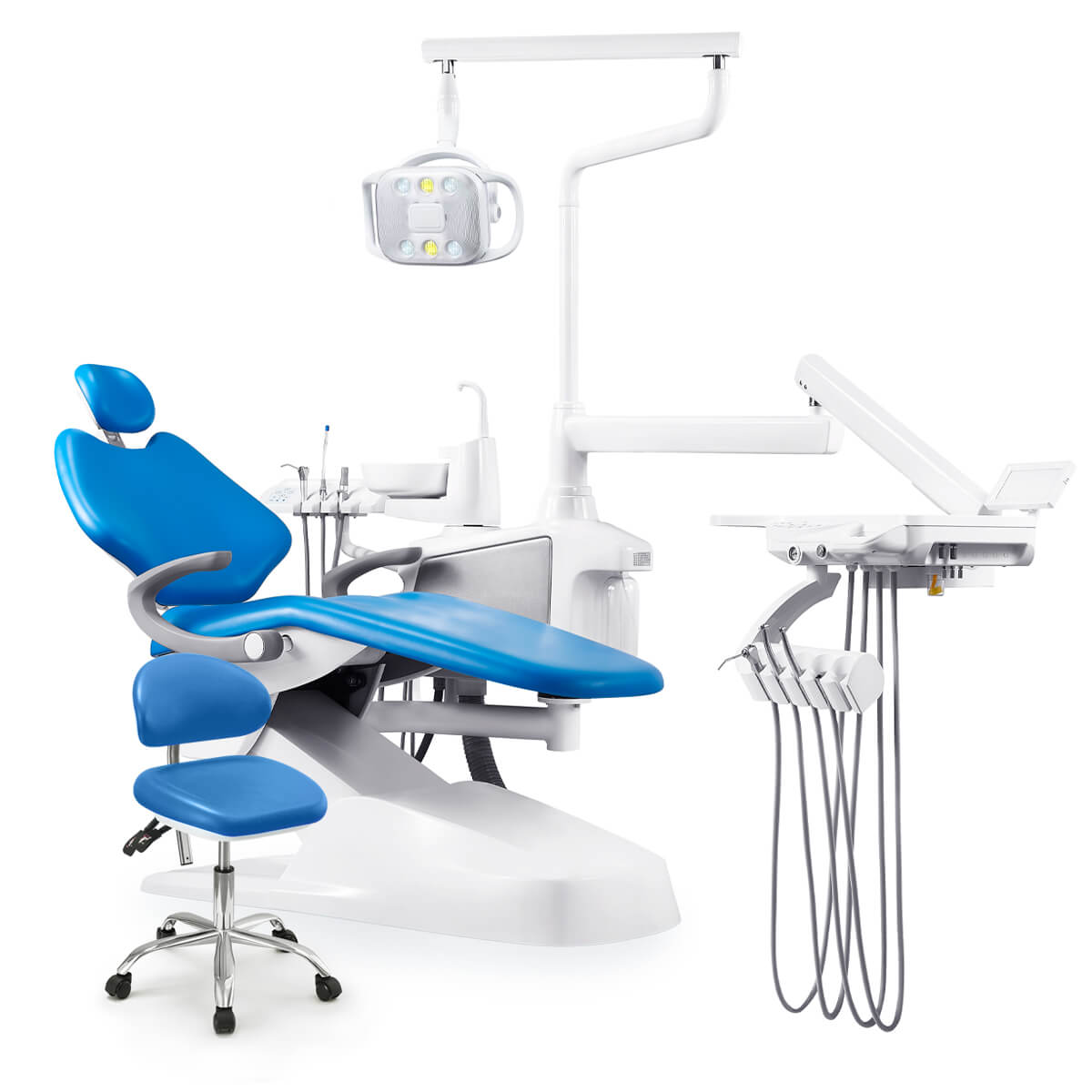
Professional Dental Equipment Guide 2026
Target Audience: Dental Clinics & Equipment Distributors
Topic: Frequently Asked Questions – Dental Chair Weight Capacity & Related Considerations (2026 Edition)
Top 5 FAQs: Purchasing Dental Chairs with Optimal Weight Capacity (2026)
As dental practices evolve to serve a broader patient demographic, weight capacity has become a critical specification in dental chair selection. Below are the most pressing questions clinics and distributors should address when evaluating dental chairs in 2026.
| Question | Answer |
|---|---|
| 1. What voltage requirements should I verify when purchasing a dental chair with high weight capacity in 2026? | High-weight-capacity dental chairs (typically rated for 300–450 lbs) often incorporate advanced hydraulic or electric lifting systems that may have specific voltage needs. In 2026, most premium chairs operate on standard 110–120V AC (North America) or 220–240V AC (EU/Asia). Always confirm voltage compatibility with your clinic’s electrical infrastructure. Chairs with motorized positioning or integrated digital systems may require dedicated circuits. Consult the manufacturer’s technical datasheet and ensure transformers or voltage stabilizers are available for international installations. |
| 2. Are spare parts for high-weight dental chairs readily available, and what components are most critical to stock? |
Yes, reputable manufacturers now offer global spare parts networks with 24–72 hour dispatch for critical components. For high-weight chairs, prioritize stocking: • Heavy-duty lifting cylinders • Reinforced seat and backrest mechanisms • Motor assemblies (for electric models) • Weight-rated upholstery kits • Control panel interfaces Distributors should confirm parts availability through the OEM’s logistics portal and verify lead times. Chairs designed for bariatric use often have proprietary components—ensure long-term support agreements are in place. |
| 3. What are the installation requirements for a dental chair rated above 350 lbs? | Chairs with weight capacities exceeding 350 lbs may require reinforced flooring (minimum 500 kg/m² load rating), anchored mounting, and dedicated utility connections. Installation must be performed by certified technicians using manufacturer-specified brackets and leveling procedures. In retrofit clinics, structural assessment by a civil engineer is recommended. Integrated chairs with floor-mounted bases require precise alignment with cabinetry and cabin floor cutouts. Always follow the 2026 IEC 60601-2-57 safety standards for medical electrical equipment installation. |
| 4. How does warranty coverage differ for high-weight-capacity dental chairs compared to standard models? | In 2026, manufacturers typically offer a 3–5 year comprehensive warranty on bariatric or high-load dental chairs, covering structural frame, lifting mechanism, and motor systems. However, wear items (upholstery, armrests, casters) may have shorter terms (1–2 years). Extended warranties are available for critical load-bearing components. Note: Warranties are void if weight limits are exceeded or non-OEM parts are used. Distributors should clarify global warranty enforcement and on-site service response times (target: ≤48 hours). |
| 5. Can I upgrade a standard dental chair to support higher weight, or must I purchase a dedicated high-capacity model? | No—modifications to increase weight capacity are not recommended or supported. Standard chairs are engineered for specific load tolerances; exceeding them risks mechanical failure, safety hazards, and warranty invalidation. In 2026, dedicated high-capacity chairs feature reinforced frames, upgraded hydraulics, and broader bases for stability. Retrofitting is unsafe and non-compliant with ISO 11227:2026 standards. Always select a chair rated for your clinic’s maximum anticipated patient weight, with a minimum safety margin of 20%. |
Need a Quote for Dental Chair Weight?
Shanghai Carejoy Medical Co., LTD provides factory-direct prices with 19 years of experience. (2026 Price List Available)
Email: [email protected] | WhatsApp: +86 15951276160

