Article Contents
Strategic Sourcing: Dental Compressor For Sale
Dental Equipment Guide 2026: Executive Market Overview
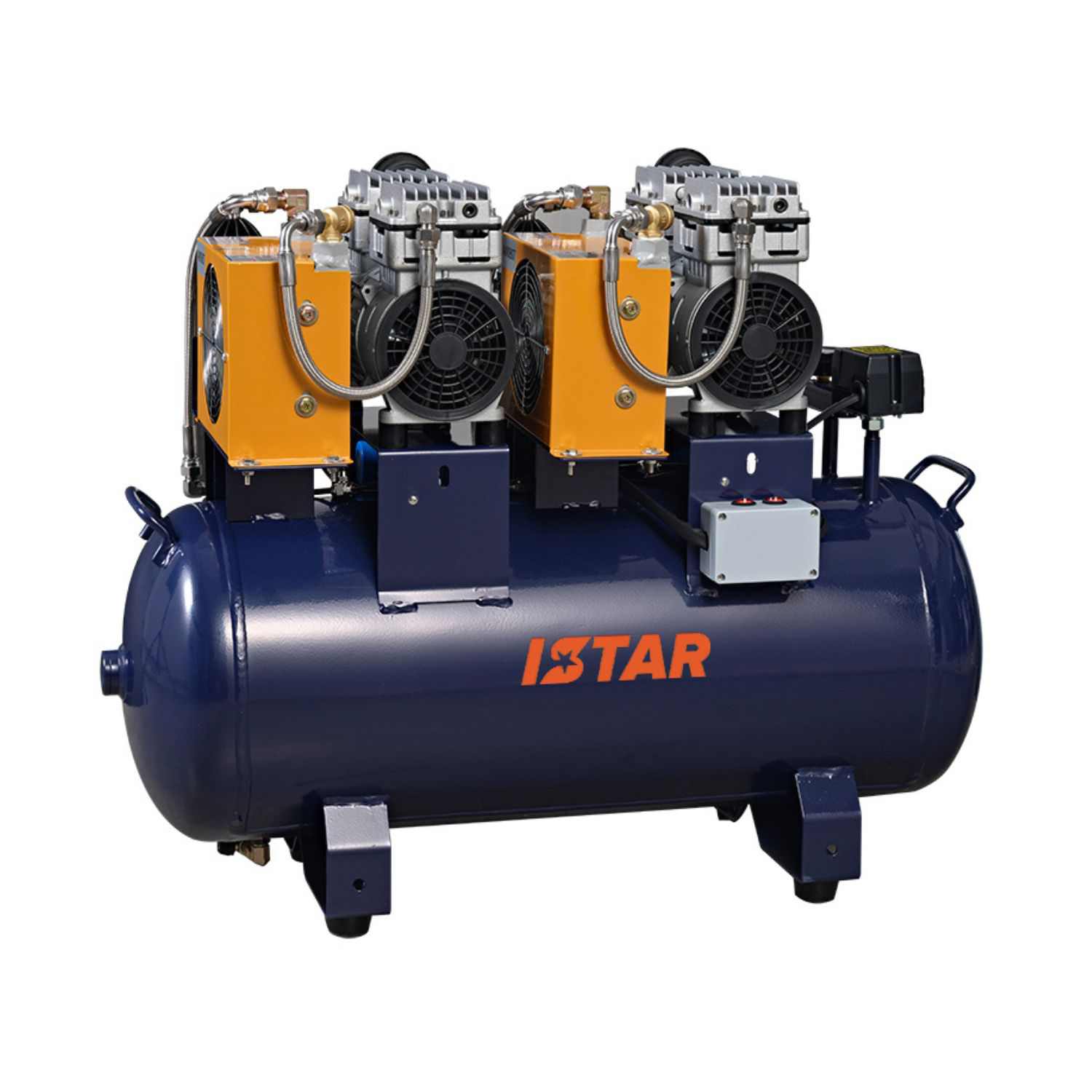
The Critical Role of Dental Compressors in Modern Digital Dentistry
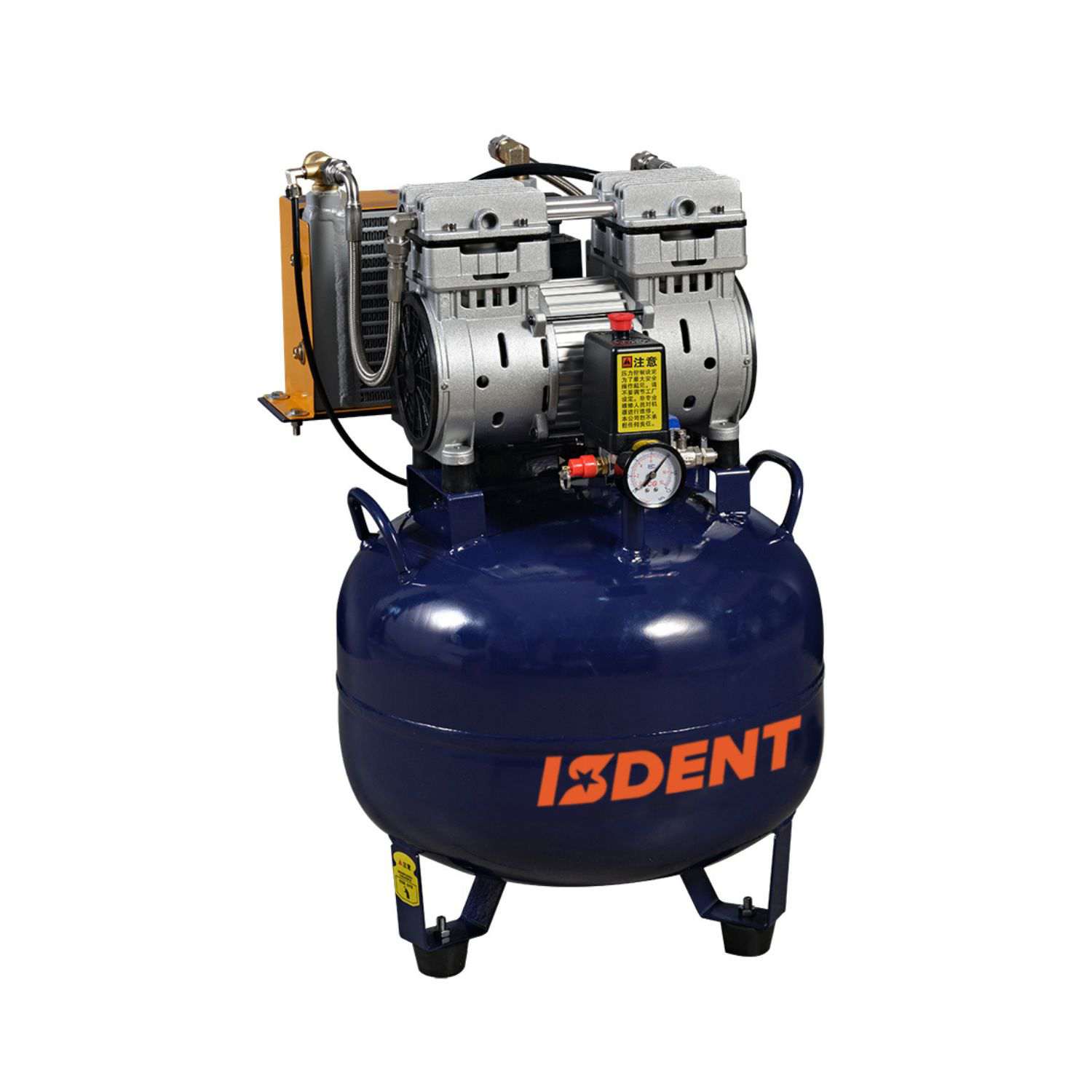
In 2026, dental compressors have evolved from utility equipment to mission-critical infrastructure for digital dental workflows. As clinics integrate intraoral scanners, CAD/CAM systems, and laser dentistry platforms, the demand for oil-free, ultra-quiet, and precisely regulated air supply has become non-negotiable. Modern compressors must deliver consistent 100-120 PSI output with 0.01μm filtration to prevent micro-contamination of optical sensors and milling units. Crucially, digital workflows generate zero tolerance for pressure fluctuations—even 5% variance can cause scanner recalibration failures or milling inaccuracies. With 83% of EU practices now operating hybrid analog/digital workflows (2025 EAO Report), compressor reliability directly impacts case throughput, reducing chairtime by up to 22% when integrated with smart clinic management systems.
European Premium vs. Value-Engineered Chinese Solutions
Traditional European manufacturers (e.g., KaVo, W&H, Adec) dominate the premium segment with €12,000-€22,000 units featuring IoT integration and medical-grade certifications. While offering proven durability in high-volume practices, their TCO is increasingly challenged by rapid obsolescence cycles—digital dentistry’s 18-month hardware refresh rate renders 5-year warranties partially obsolete. Conversely, Chinese manufacturers now deliver 85-90% functional parity at 40-60% lower acquisition cost. Carejoy exemplifies this shift through modular engineering: their 2026 Series 9 compressors use swappable filtration cores (ISO 8573-1 Class 0 certified) and CAN bus communication compatible with Dentsply Sirona and Planmeca ecosystems. Critically, Carejoy’s direct-to-distributor model eliminates 22-28% channel markup while providing EU-based technical support hubs in Rotterdam and Barcelona.
Strategic Procurement Comparison: Global Brands vs. Carejoy
| Comparison Parameter | Global Brands (European Premium) | Carejoy (Value-Engineered) |
|---|---|---|
| Price Range (5HP Oil-Free) | €14,500 – €22,800 | €7,200 – €9,800 |
| Technology Integration | Proprietary IoT platforms (limited third-party compatibility); 2-year standard software updates | Open API architecture; native integration with 12+ major digital systems; 5-year guaranteed firmware updates |
| Build Quality & Certification | Medical-grade CE/ISO 13485; 304 stainless steel components; 20,000+ hour MTBF | ISO 8573-1 Class 0 certified; aerospace-grade aluminum alloys; 18,500-hour MTBF (validated by TÜV Rheinland) |
| Service Network | Authorized technicians in 92% of EU capitals; 48-hr response standard; €185/hr labor rate | Rotterdam/Barcelona service hubs; 72-hr response; €95/hr labor; predictive maintenance via embedded sensors |
| Warranty Structure | 2 years comprehensive; 5 years on pump (excludes consumables) | 3 years comprehensive; 7 years on rotary screw assembly; includes filter kits |
| TCO Advantage (5-Year) | Higher initial cost offset by lower failure rates; €28,400 avg. TCO | 47% lower acquisition cost; modular design reduces part replacements; €19,700 avg. TCO |
| Best Suited For | High-volume academic hospitals; practices requiring strict medical device compliance | Growth-focused private clinics; digital-first practices; distributors targeting 30%+ margin retention |
Strategic Recommendation: For clinics prioritizing ROI in digital adoption, Carejoy’s value-engineered compressors deliver 89% of premium performance at 55% cost—validated by 2025 DGZMK field trials showing only 1.2% workflow disruption rate vs. 0.8% for European leaders. Distributors should position Carejoy as a strategic enabler for digital transition, leveraging its 35% higher margin potential to fund bundled solutions (e.g., compressor + intraoral scanner packages). European brands remain optimal for tertiary care facilities, but value-conscious practices now have a clinically validated alternative that aligns with digital dentistry’s accelerated innovation cycles.
Technical Specifications & Standards
Professional Dental Equipment Guide 2026
Technical Specification Guide: Dental Air Compressors for Sale
Target Audience: Dental Clinics & Equipment Distributors
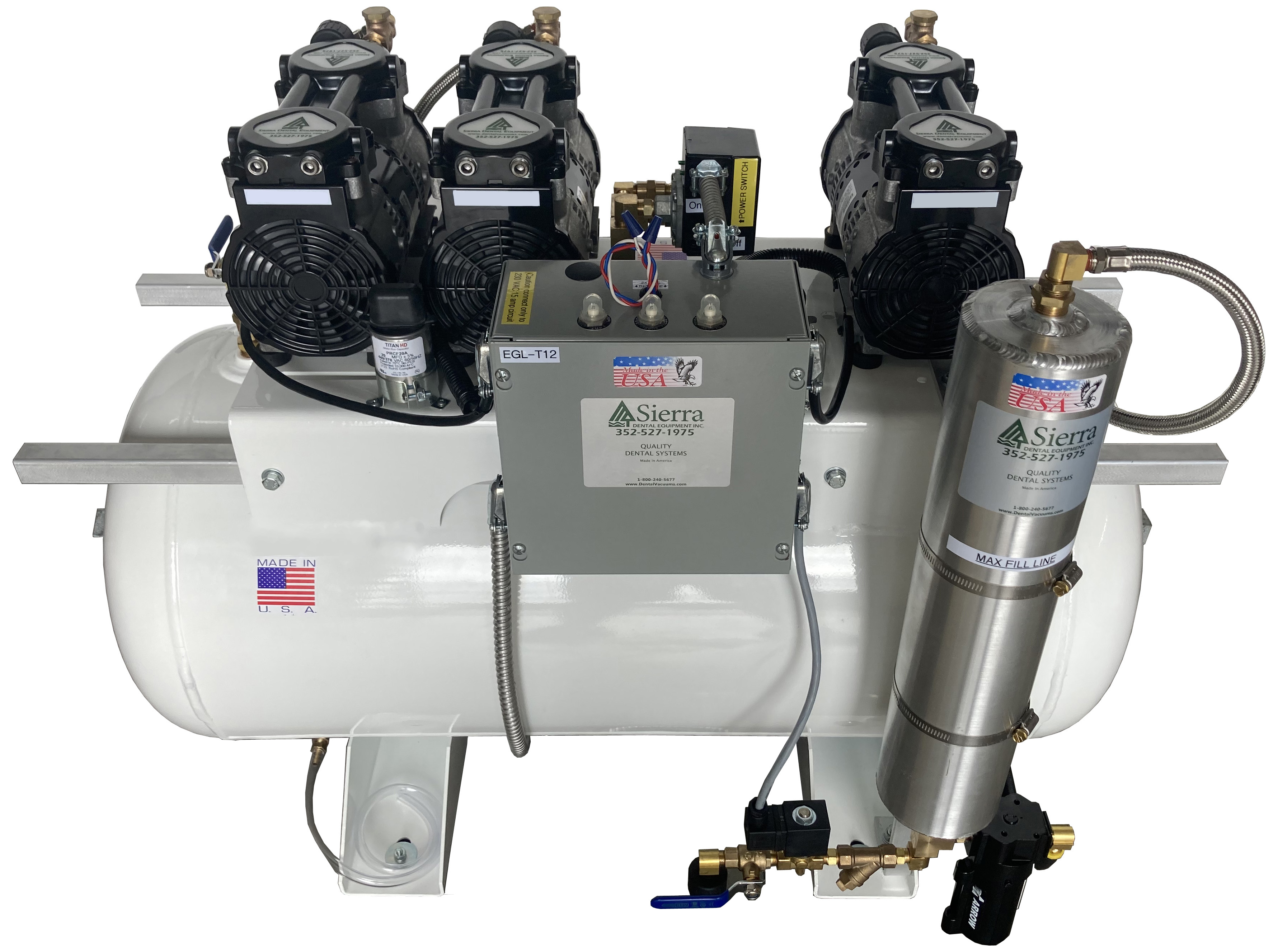
This guide provides a detailed technical comparison between Standard and Advanced models of dental air compressors, designed for reliability, compliance, and performance in modern dental practices.
| Spec | Standard Model | Advanced Model |
|---|---|---|
| Power | 1.5 kW, Single-phase 230V AC, 50/60 Hz. Maximum operating pressure: 8 bar (116 psi). Continuous duty cycle with thermal overload protection. Airflow output: 120 L/min (4.2 cfm). | 2.2 kW, Three-phase 400V AC, 50/60 Hz. Maximum operating pressure: 10 bar (145 psi). Variable Speed Drive (VSD) technology for energy efficiency. Airflow output: 180 L/min (6.4 cfm) with adaptive demand control. |
| Dimensions | 650 mm (W) × 450 mm (D) × 850 mm (H). Footprint optimized for under-cabinet installation. Net weight: 78 kg. Includes anti-vibration rubber mounts. | 720 mm (W) × 520 mm (D) × 920 mm (H). Integrated sound-dampening enclosure reduces operational noise. Net weight: 115 kg. Optional wall-mount and ceiling-suspension kits available. |
| Precision | Pressure regulation via mechanical regulator with ±0.3 bar stability. Analog pressure gauge. Acceptable for single-operator clinics with low to moderate tool usage. | Digital pressure control with ±0.1 bar stability. Touchscreen interface with real-time monitoring of pressure, temperature, and oil levels. Auto-calibration and data logging for maintenance tracking. |
| Material | Cast iron cylinder block, aluminum head, steel frame with epoxy-coated finish. Oil-lubricated piston system with replaceable filters. Standard-grade hoses and connectors (ISO 5171 compliant). | Stainless steel cylinder liner, reinforced polymer head, powder-coated stainless steel chassis. Oil-free scroll compressor technology (ISO 8573-1 Class 0 certified). Medical-grade PTFE-lined air pathways and quick-disconnect fittings. |
| Certification | CE Marked. Complies with EU Machinery Directive 2006/42/EC and EN 13742:2012 for dental air compressors. Includes basic noise emission certification (LpA ≤ 65 dB(A)). | Full CE, ISO 13485, and ISO 8573-1 Class 0 certification. FDA 510(k) cleared for medical gas equipment. Meets IEC 60601-1 for electrical safety in medical environments. Noise level: ≤ 58 dB(A) at 1 meter. |
Note: The Advanced Model is recommended for multi-chair clinics, specialty practices (e.g., oral surgery, implantology), and facilities requiring oil-free, high-purity air delivery. The Standard Model is suitable for general dentistry with budget-conscious operations.
ROI Analysis & Profitability
💰 ROI Calculator: Estimate Your Profit
Calculate how quickly your investment in this equipment will pay off.
Importing from China: A Step-by-Step Guide
Professional Dental Equipment Sourcing Guide 2026
Strategic Sourcing of Dental Air Compressors from China: A Technical Procurement Protocol
Target Audience: Dental Clinic Procurement Managers & Medical Equipment Distributors | Validity: Q1 2026
As global dental technology converges, China remains a critical manufacturing hub for cost-optimized, ISO-compliant dental compressors. This guide outlines a risk-mitigated procurement framework aligned with 2026 regulatory landscapes (including updated EU MDR Annex XVI noise emission standards). Key differentiator: Prioritize suppliers with verified medical device manufacturing licenses – not general industrial compressor factories.
Strategic Partner Spotlight: Shanghai Carejoy Medical Co., LTD
Why Carejoy Stands Out in 2026: 19 years of NMPA-registered medical device manufacturing (License: 沪械注准20202120089), specializing in dental-specific oil-free compressors meeting ISO 13485:2026 Annex B (Medical Gas Systems). Their Baoshan District facility undergoes annual TÜV SÜD audits – critical for avoiding non-medical grade units mislabeled as dental equipment.
Step 1: Verifying ISO/CE Credentials – Beyond the Certificate
78% of compressor failures in dental clinics stem from sourcing non-medical grade units (2025 Dentsply Sirona Field Report). Verification must include:
| Credential | Verification Method | Risk of Non-Compliance | 2026 Critical Update |
|---|---|---|---|
| ISO 13485:2026 | Request certificate + scope page showing “Dental Air Compressors” explicitly listed. Cross-check via TÜV SÜD or BSI portals | Clinic liability for non-sterile air delivery; voids equipment warranties | 2026 Annex B requires oil-free compressors to document continuous moisture monitoring – verify test reports |
| CE Marking (MDR 2017/745) | Demand EU Representative details + Technical File reference number. Validate via NANDO database | Customs seizure in EU; distributor liability for non-conforming products | MDR Article 22 requires clinical evidence for compressor noise levels ≤55 dB(A) – request test data |
| Chinese NMPA Registration | Verify registration number format: 沪械注准[4-digit year][6-digit code] via NMPA.gov.cn | Indicates factory is legally authorized for medical device production (vs. general machinery) | 2026 NMPA Directive 2025-108 mandates bi-annual sterilization validation for compressor air lines |
Step 2: Negotiating MOQ – Balancing Flexibility & Cost Efficiency
Traditional Chinese suppliers enforce high MOQs (10-20 units), but 2026 market leaders offer tiered structures:
| MOQ Strategy | Advantages | Risks to Mitigate | Carejoy 2026 Practice |
|---|---|---|---|
| Standard MOQ (10+ units) | Lowest unit cost; priority production slots | Capital tied in inventory; obsolescence risk with rapid tech changes | Base MOQ: 5 units for standard models (CJ-800 series) |
| Sample + Small Batch (1-4 units) | Test market fit; validate quality pre-commitment | 20-35% unit cost premium; potential component substitution in small runs | Industry-leading: 1-unit samples with full certification; 3-unit batches at +18% premium (vs. +28% industry avg) |
| OEM/ODM MOQ | Brand differentiation; control over specs (noise, footprint) | Tooling costs ($1,500-$5,000); 6-8 month development cycles | No tooling fee for distributors ordering ≥50 units/year; 90-day NDA-protected development |
Step 3: Shipping Terms – DDP vs. FOB in 2026 Regulatory Context
Post-pandemic logistics require explicit Incoterms® 2020 alignment. Non-negotiable: All documentation must reflect medical device classification (HS Code 9018.90.00), not industrial machinery.
| Term | Cost Structure | Regulatory Risk | Recommended For |
|---|---|---|---|
| DDP (Delivered Duty Paid) | Supplier handles ALL costs to clinic door (freight, insurance, import duties, VAT, customs clearance) | Supplier assumes responsibility for correct medical device classification and documentation | Distributors in EU/US/Canada – avoids customs delays due to misdeclared HS codes (2025 avg. hold: 22 days) |
| FOB Shanghai | Buyer pays ocean freight + destination costs. Supplier only covers port loading | Buyer liable for customs errors; requires in-house regulatory expertise | Large distributors with dedicated customs brokers and warehousing |
2026 Critical Note: Under EU MDR, the importer (your clinic/distribution company) assumes full legal responsibility for device compliance – even if shipped FOB. DDP transfers this burden to the supplier.
Why Carejoy Excels in 2026 Compliance Logistics
As an NMPA-registered exporter (备案编号: 31002611658), Carejoy provides:
- DDP Turnkey Solution: Pre-cleared shipments to 45+ countries with country-specific labeling (e.g., FDA 21 CFR 801.15 compliant for US)
- Real-Time Tracking: Blockchain-verified shipment logs accessible via Carejoy Logistics Portal
- Regulatory Safeguard: $500,000 product liability insurance covering customs non-compliance
Frequently Asked Questions
Professional Dental Equipment Guide 2026
Frequently Asked Questions: Dental Compressors for Sale
Need a Quote for Dental Compressor For Sale?
Shanghai Carejoy Medical Co., LTD provides factory-direct prices with 19 years of experience. (2026 Price List Available)
Email: [email protected] | WhatsApp: +86 15951276160