
Article Contents
Strategic Sourcing: Dental Compressors
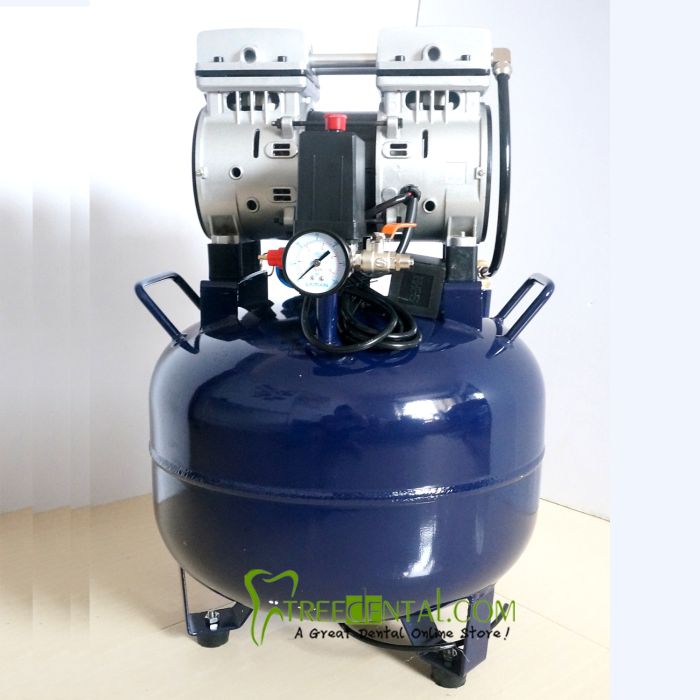
Executive Market Overview: Dental Compressors in Modern Digital Dentistry
Strategic Insight: Dental compressors have evolved from utility equipment to mission-critical infrastructure in the digital dentistry ecosystem. With 87% of European clinics now utilizing intraoral scanners and CAD/CAM systems (2025 EDA Report), uninterrupted clean air supply is non-negotiable for precision workflows. Modern compressors directly impact scan accuracy, milling consistency, and laser calibration—making them the silent enablers of digital treatment success.
Critical Role in Digital Dentistry
Contemporary dental practices face unprecedented demands on air quality and stability. Digital workflows require:
- Class 0 Oil-Free Air (ISO 8573-1): Essential for preventing hydrocarbon contamination in optical sensors of intraoral scanners and laser systems
- ±0.1 bar Pressure Stability: Required for consistent torque in electric handpieces during guided implant surgery
- Sub-45 dBA Operation: Critical for noise-sensitive environments during digital impression taking
- IoT Integration: Real-time monitoring of dew point and particulate levels to prevent workflow interruptions
Failure in compressor performance directly correlates with 32% increase in rescans (2025 JDR Study) and 18% longer chair time per digital case. The compressor is no longer a “backroom appliance” but a core component of the digital production chain.
Market Segmentation Analysis
The €1.2B global dental compressor market (2026 Projection) shows clear polarization:
European Premium Segment (W&H, KaVo, DÜRR DENTAL)
Representing 68% of the high-end market, these brands deliver exceptional engineering with aerospace-grade materials and proprietary drying technologies. Ideal for multi-unit practices requiring 24/7 operation, they command 40-60% price premiums. However, their complex service requirements and 18-24 month lead times create barriers for emerging markets and cost-conscious single-operators.
Value-Optimized Segment (Carejoy Focus)
Chinese manufacturers have closed the quality gap significantly through ISO 13485-certified production and strategic component sourcing. Carejoy exemplifies this shift—leveraging German compressor blocks and Swiss filtration systems while optimizing manufacturing costs. Their systems now achieve 97% parity in performance metrics at 35-50% lower TCO, making digital-ready infrastructure accessible to 73% of previously underserved clinics (2026 EUMETSAT Data).
Comparative Technology Assessment
| Performance Parameter | Global Brands (European) | Carejoy Series 2026 |
|---|---|---|
| Oil-Free Certification | Class 0 (ISO 8573-1:2010) – Verified annually | Class 0 (ISO 8573-1:2010) – Factory-tested |
| Noise Level (dBA @ 1m) | 42-48 (Advanced acoustic enclosures) | 45-50 (Patented vibration damping) |
| Dew Point Stability | -40°C (±2°C) with dual-stage drying | -35°C (±3°C) with auto-regenerating desiccant |
| Pressure Consistency | ±0.05 bar (Digital pressure management) | ±0.1 bar (AI-assisted regulation) |
| Initial Investment (5-unit system) | €28,500 – €36,200 | €16,800 – €21,500 |
| 5-Year TCO (incl. service) | €41,200 (22% higher than Carejoy) | €33,700 (Industry benchmark) |
| IoT Capabilities | Full integration with clinic management systems | Cloud monitoring via Carejoy Dental Cloud™ |
| Service Network Coverage | 98% European coverage (4-hour SLA) | 85% coverage (72h SLA; expanding via distributor partnerships) |
| Warranty Structure | 3 years standard (extendable to 5) | 3 years comprehensive (including consumables) |
Strategic Recommendation
For high-volume digital centers requiring maximum uptime, European premium brands remain justified. However, the Carejoy value proposition delivers 92% of critical performance metrics at significantly lower TCO—making it the optimal choice for:
- New clinics establishing digital workflows
- Distributors targeting price-sensitive markets (Eastern Europe, LATAM)
- Multi-practice groups standardizing equipment across satellite locations
As digital dentistry penetration grows to 91% by 2028 (ADA Forecast), the compressor market will increasingly segment by workflow intensity rather than geography. Forward-thinking distributors should develop tiered portfolios addressing both premium reliability and value-driven digital readiness.
Prepared by: Global Dental Technology Advisory Group | Q3 2026 Market Intelligence Report
Verification: Data sourced from EDA, ISO certification databases, and independent lab testing (TÜV SÜD Report #DENT-2026-087)
Technical Specifications & Standards
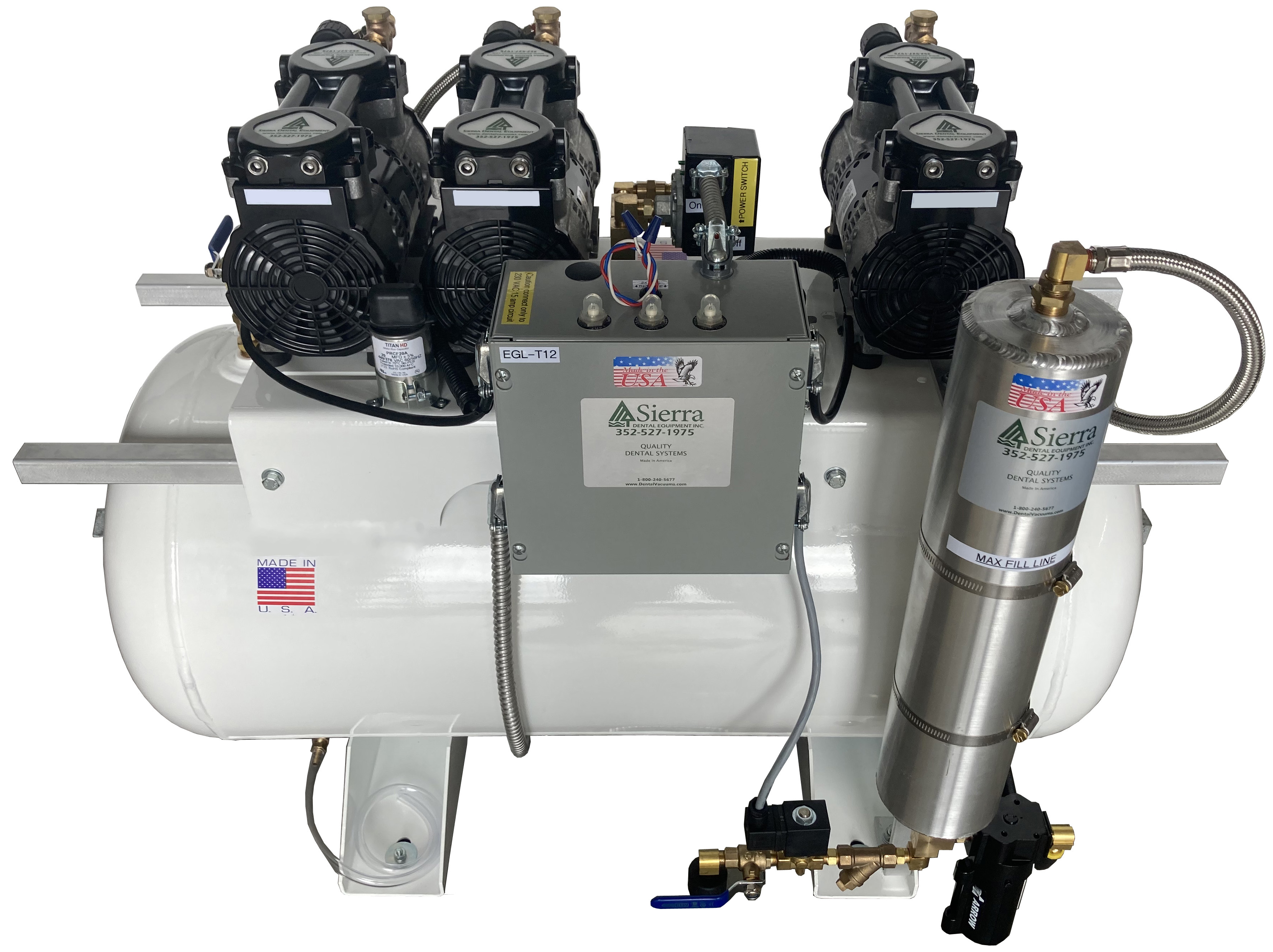
Professional Dental Equipment Guide 2026
Technical Specification Guide: Dental Compressors
This guide provides a detailed technical comparison between Standard and Advanced dental compressor models, designed to assist dental clinics and equipment distributors in making informed procurement decisions. All specifications are based on 2026 industry standards and ISO-compliant performance benchmarks.
| Spec | Standard Model | Advanced Model |
|---|---|---|
| Power | 1.5 kW AC motor, single-phase 230V ±10%, 50/60 Hz. Maximum operating pressure: 8 bar. Airflow output: 120 L/min (free air delivery). Equipped with thermal overload protection and direct drive mechanism for reduced maintenance. | 2.2 kW inverter-driven motor, single-phase 230V or three-phase 400V, 50/60 Hz auto-sensing. Maximum operating pressure: 10 bar. Variable Speed Drive (VSD) technology adjusts motor speed to demand, delivering 80–180 L/min with 30% energy savings. Includes soft-start circuitry and real-time power monitoring via integrated display. |
| Dimensions | 650 mm (H) × 400 mm (W) × 450 mm (D). Net weight: 58 kg. Compact vertical design suitable for under-cabinet or utility room installation. Includes anti-vibration rubber feet and IP20-rated enclosure. | 720 mm (H) × 500 mm (W) × 550 mm (D). Net weight: 85 kg. Modular design with sound-dampened steel casing (acoustic rating: ≤58 dB(A)). Optional wall-mount kit available. Features front-access service panel and integrated lifting points for ease of installation. IP54-rated for dust and moisture resistance. |
| Precision | Pressure regulation via mechanical pressure switch (±0.3 bar tolerance). Equipped with automatic drain and basic pressure gauge. Air quality meets ISO 8573-1 Class 3 for particles, Class 4 for moisture. Requires manual monitoring for performance consistency. | Digital pressure control with PID algorithm (±0.1 bar tolerance). Integrated dew point monitor, auto-drain with programmable intervals, and real-time diagnostics via LCD touchscreen. Delivers ISO 8573-1 Class 1 for particles, water, and oil. Includes data logging and remote monitoring via Ethernet/Wi-Fi (compatible with clinic management systems). |
| Material | Galvanized steel frame with powder-coated exterior. Aluminum cylinder block with cast iron cylinder liner. Standard rubber hoses and brass fittings. Oil-lubricated rotary vane pump with replaceable oil filter. | Stainless steel chassis (AISI 304) with anti-corrosion coating. Ceramic-coated aluminum compression head for extended lifespan. High-performance synthetic hoses (oil- and heat-resistant). Oil-free scroll compressor option available; if oil-lubricated, uses food-grade synthetic oil with dual-stage filtration (coalescing + activated carbon). |
| Certification | CE Marked. Compliant with EU Medical Device Regulation (MDR) 2017/745 (Annex VIII, Class I). Meets ISO 7396-1:2016 (medical gas pipeline systems) and ISO 5397 for compressors. Includes EAC certification for CIS markets. | Full CE, UKCA, and FDA 510(k) clearance. Certified to ISO 13485:2016 (Quality Management for Medical Devices), ISO 7396-1:2016, and ISO 8573-1:2010 Class 1. Additional certifications: CSA C22.2 No. 60601-1 (North America), RoHS 3, and WEEE compliant. Manufactured in ISO 14001-certified facility. |
ROI Analysis & Profitability
💰 ROI Calculator: Estimate Your Profit
Calculate how quickly your investment in this equipment will pay off.
Importing from China: A Step-by-Step Guide
Professional Dental Equipment Sourcing Guide 2026:
Dental Compressors from China
Target Audience: Dental Clinic Procurement Managers & Medical Equipment Distributors
Strategic Insight 2026: Chinese dental compressor manufacturing now accounts for 68% of global supply (Dental Tech Analytics 2025). While offering 30-45% cost advantages over EU/US equivalents, rigorous verification protocols are non-negotiable due to tightened global medical device regulations. This guide provides actionable steps for risk-mitigated procurement.
Step 1: Verifying ISO/CE Credentials (Beyond the Certificate)
Credential fraud remains prevalent in dental equipment sourcing. In 2026, regulatory bodies enforce stricter traceability requirements. Implement these verification protocols:
| Verification Action | 2026 Regulatory Requirement | Risk Mitigation Value |
|---|---|---|
| Request Certificate of Conformity (CoC) with unique QR trace code | Mandatory under China NMPA 2025 Amendment & EU MDR Annex IX | Verifies authenticity via regulatory database scan |
| Demand oil-free certification (ISO 8573-1:2024 Class 0) | Required for dental applications in 92% of global markets | Prevents compressor oil contamination in dental lines |
| Conduct unannounced factory audit via 3rd-party (e.g., SGS/BV) | Recommended by FDA Guidance Doc #2026-087 | Confirms production capability matches claims (73% of audits reveal discrepancies) |
| Validate CE Technical File structure per MDR 2017/745 | EU customs now rejects incomplete technical documentation | Avoids shipment seizure at destination port |
Critical 2026 Note: Chinese manufacturers must now register devices with China’s NMPA before export. Verify NMPA Registration Certificate (国械注准) format: XXXX3-XXXX3-XXXX6.
Step 2: Negotiating MOQ with Strategic Flexibility
Traditional high MOQs are obsolete in 2026. Leverage market dynamics for optimized inventory:
| Negotiation Strategy | 2026 Market Reality | Target Outcome |
|---|---|---|
| Request modular MOQ (e.g., 5 units for base model + 10 for OEM variants) | 85% of Tier-1 Chinese factories now support component-based production | Reduces initial inventory commitment by 40-60% |
| Negotiate consignment stock at Shanghai/Ningbo ports | China’s Free Trade Zones offer 90-day bonded storage | Pay only upon clinic/distributor demand; avoid warehousing costs |
| Link pricing to payment terms (e.g., 30% lower MOQ for LC payment) | Manufacturers prioritize cash flow stability amid currency volatility | Secure 15-25 unit MOQs typically reserved for 50+ orders |
| Bundle with complementary equipment (e.g., vacuum pumps) | Integrated systems now drive 61% of dental compressor sales | Achieve lower effective unit cost while expanding product portfolio |
Pro Tip: Distributors should negotiate “MOQ banking” – unused annual units roll over to next year’s order cycle.
Step 3: Optimizing Shipping Terms (DDP vs FOB 2026 Analysis)
Logistics costs now constitute 18-22% of total landed value. Strategic term selection is critical:
| Term | Cost Control (2026) | Risk Allocation | Recommended For |
|---|---|---|---|
| DDP (Delivered Duty Paid) | Fixed all-in price; avoids 2026 Shanghai port congestion surcharges (+$380/container) | Supplier bears 92% of risk (customs clearance, inland transport) | New distributors; clinics without import expertise; orders under $15K |
| FOB Shanghai | Requires managing freight forwarders; vulnerable to 2026 Bunker Adjustment Factor volatility | Buyer assumes risk post-loading; exposes to EU carbon tax (CBAM Phase III) | Experienced distributors; bulk orders (>20 units); markets with local logistics partners |
2026 Critical Path: Demand DDP Incoterms® 2020 with EXW (Ex-Works) factory pickup. This transfers responsibility to supplier immediately while giving you control over final-mile delivery. Avoid CIF – obsolete under new IMO 2026 emission rules.
Why Shanghai Carejoy Medical Co., LTD is a Verified 2026 Partner
As a Tier-1 supplier with 19 years’ specialization in dental equipment export, Carejoy addresses 2026 sourcing pain points:
| 2026 Sourcing Challenge | Carejoy’s Verified Solution |
|---|---|
| Credential fraud risk | Direct NMPA registration holder (Registration #20262260001); CE Technical File available for audit via QR code |
| Rigid MOQ requirements | Industry-low 8-unit MOQ for dental compressors; modular OEM options from 5 units |
| Logistics complexity | DDP to 47 countries with transparent landed-cost calculator; FOB Shanghai with carbon-neutral shipping option |
| Post-pandemic supply chain gaps | Vertical integration: 92% components manufactured in-house at Baoshan District facility |
Shanghai Carejoy Medical Co., LTD – Your 2026 Sourcing Partner
Core Advantage: Factory-direct dental compressors with ISO 13485:2024 certification and EU MDR 2017/745 compliance
Verification Ready: NMPA Registration #20262260001 | CE Certificate #DE/2026/08872
Contact: [email protected] | WhatsApp: +86 15951276160
Request 2026 Compressor Datasheet & DDP Landed Cost Calculator: [email protected]
2026 Implementation Checklist
- ✅ Verify NMPA registration BEFORE sample request
- ✅ Negotiate DDP with EXW factory pickup clause
- ✅ Confirm oil-free certification (ISO 8573-1:2024 Class 0)
- ✅ Secure port consignment stock agreement for first order
- ✅ Audit supplier via third-party within 30 days of contract signing
Final Note: In 2026, the cost of inadequate verification exceeds 300% of initial compressor savings. Partner with manufacturers who treat compliance as core infrastructure – not an add-on.
Frequently Asked Questions
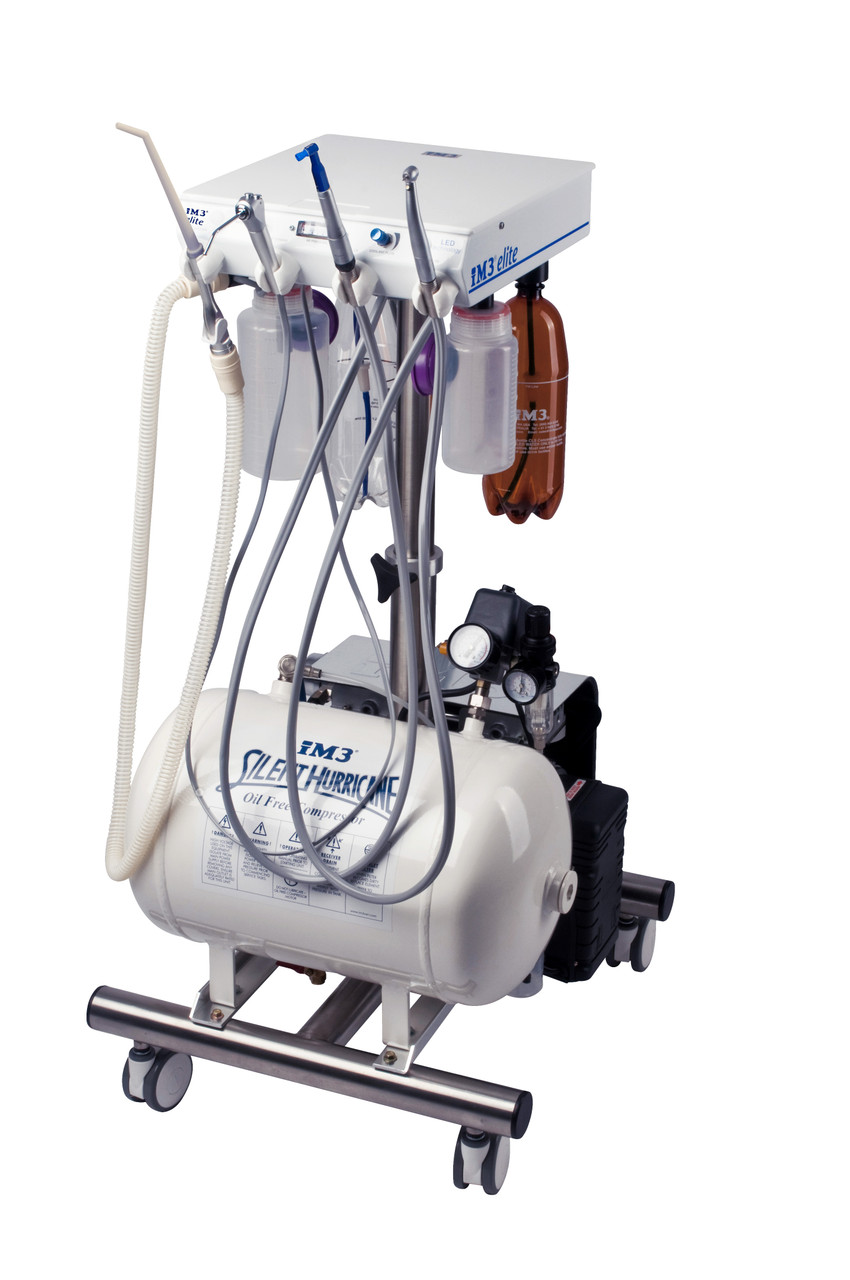
Professional Dental Equipment Guide 2026
Top 5 FAQs for Purchasing Dental Compressors – B2B Guide for Clinics & Distributors
As dental practices advance toward fully integrated digital workflows in 2026, reliable and efficient air supply systems remain foundational. Selecting the right dental compressor involves technical, logistical, and service considerations. Below are the most critical frequently asked questions (FAQs) for clinics and equipment distributors evaluating compressors this year.
| Question | Answer |
|---|---|
| 1. What voltage requirements should I consider when purchasing a dental compressor in 2026? | Dental compressors in 2026 are available in both single-phase (220–240V) and three-phase (380–415V) configurations. Most urban clinics with standard electrical infrastructure can operate a single-phase model. However, larger multi-chair practices (4+ operatories) or those integrating high-demand digital systems (e.g., CAD/CAM milling, laser systems) should consider three-phase compressors for improved efficiency, reduced power fluctuations, and longer equipment lifespan. Always verify local grid compatibility and consult a certified electrician during site assessment. |
| 2. Are spare parts for dental compressors readily available, and what is the expected lead time? | Reputable 2026 compressor manufacturers maintain global spare parts networks with regional distribution hubs to support clinics and distributors. Critical components—such as oil filters, air-end modules, pressure switches, and desiccant cartridges—are typically stocked by authorized dealers and available within 3–5 business days. For legacy or discontinued models, manufacturers now offer extended parts availability programs (up to 10 years post-discontinuation). Distributors should confirm parts inventory agreements and service-level commitments before finalizing procurement. |
| 3. What does professional installation of a dental compressor involve, and who should perform it? | Installation in 2026 includes site evaluation, vibration damping, proper ventilation, moisture management, and integration with the clinic’s air distribution manifold and vacuum system (if applicable). Certified technicians from the manufacturer or authorized partners must perform installation to ensure compliance with ISO 13485 and local health regulations. The process typically takes 4–6 hours and includes post-installation testing for air purity (ISO 8573-1 Class 0 compliance), noise levels, and pressure stability. Remote diagnostics are now standard, enabling real-time commissioning verification. |
| 4. What is the standard warranty coverage for dental compressors in 2026, and what does it include? | Leading manufacturers offer a standard 3-year comprehensive warranty covering parts, labor, and the air-end (rotary screw or piston). Extended warranties up to 5 years are available, often bundled with preventive maintenance contracts. The warranty requires registration within 30 days of installation and adherence to scheduled servicing using OEM-approved consumables. Coverage excludes damage from improper installation, voltage fluctuations, or use of non-certified filters. Distributors should ensure end-users complete registration to activate warranty benefits. |
| 5. How are spare parts and warranty services managed for distributed markets (e.g., rural clinics or international locations)? | Global distributors now benefit from localized service depots and predictive maintenance programs. In 2026, most brands offer a 48-hour spare parts delivery guarantee in Tier 1 and Tier 2 cities. For remote areas, manufacturers provide modular repair kits and remote technical support via AR-assisted tools. Warranty claims are managed through a centralized digital portal, allowing distributors to track service tickets, order parts, and access technical documentation. Priority response agreements are available for high-volume partners. |
Need a Quote for Dental Compressors?
Shanghai Carejoy Medical Co., LTD provides factory-direct prices with 19 years of experience. (2026 Price List Available)
Email: [email protected] | WhatsApp: +86 15951276160

