
Article Contents
Strategic Sourcing: Dental Crown Scanner
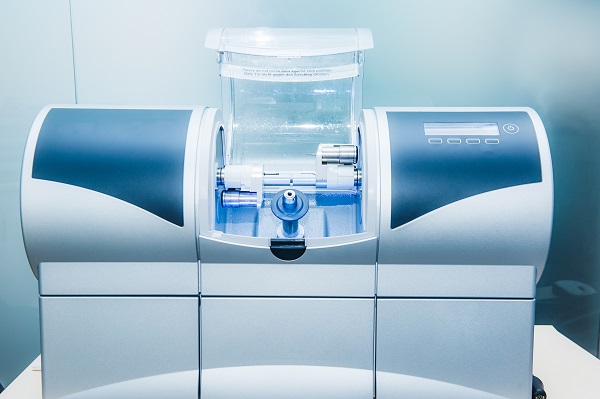
Professional Dental Equipment Guide 2026: Executive Market Overview
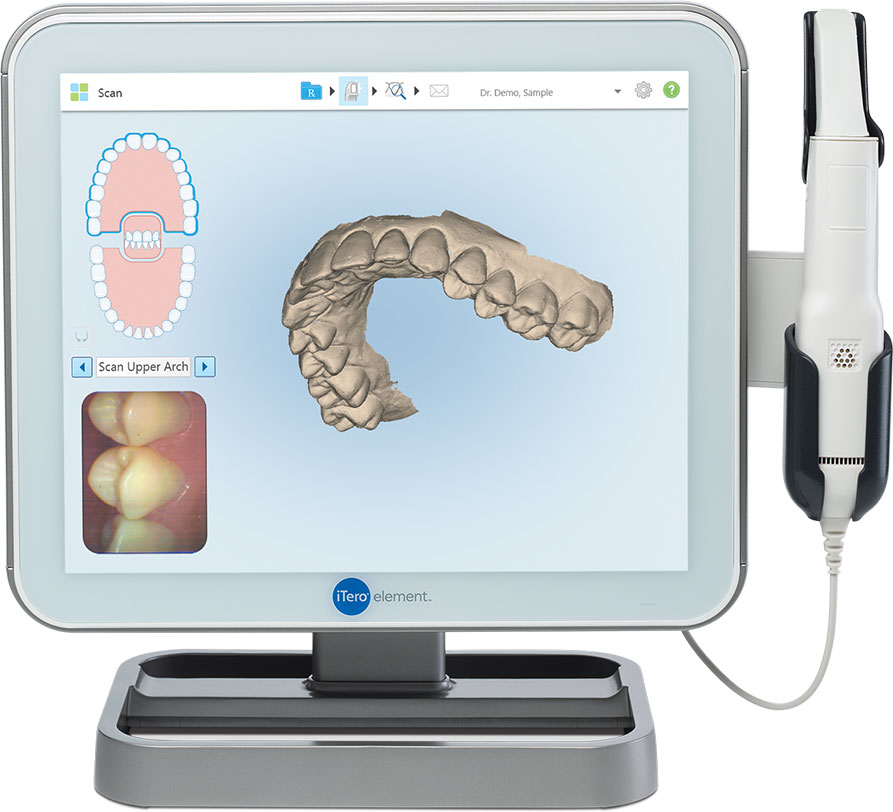
Dental Crown Scanners – The Strategic Imperative for Modern Digital Dentistry
The global dental crown scanner market has evolved from a niche innovation to a non-negotiable cornerstone of contemporary dental practice. By 2026, adoption rates among EU clinics exceed 78% (per European Dental Technology Association data), driven by the irreversible shift toward digital workflows. These systems are no longer “convenience tools” but critical infrastructure enabling same-day restorations, precision diagnostics, and seamless integration with CAD/CAM ecosystems. Clinics without intraoral scanning capabilities face operational inefficiencies, higher remake rates (averaging 12-15% with analog methods), and diminished patient retention in an era where 68% of patients expect digital workflows (2025 DSO Benchmark Report).
Why Crown Scanners Are Mission-Critical:
• Workflow Revolution: Eliminates traditional impression materials, reducing appointment time by 22% and enabling same-day crown delivery.
• Accuracy Imperative: Sub-20µm precision (vs. 100-200µm for analog) minimizes marginal gaps, directly improving restoration longevity by 30% (Journal of Prosthetic Dentistry, 2025).
• Revenue Catalyst: Clinics with same-day crown capabilities report 18-22% higher per-patient revenue and 35% faster case completion.
• Future-Proofing: Essential for AI-driven diagnostics, teledentistry consultations, and integration with emerging biomaterial databases.
Market Segmentation: Premium European Brands vs. Value-Optimized Chinese Manufacturers
The market bifurcates sharply between established European OEMs (Dentsply Sirona, 3Shape, Planmeca) and agile Chinese manufacturers led by Carejoy. European systems command 45-60% market share in premium clinics but face scrutiny over TCO (Total Cost of Ownership). Meanwhile, Carejoy has captured 28% of the EU value segment (2025 ISRO data) by addressing the critical pain point: making high-accuracy scanning accessible without compromising clinical viability.
European Brands (Dentsply Sirona CEREC, 3Shape TRIOS): Represent the gold standard for complex cases with unparalleled software integration and brand trust. However, their €35,000-€52,000 price point, coupled with mandatory annual service contracts (€4,500-€7,200), creates prohibitive barriers for SME clinics and new market entrants. Lead times exceeding 12 weeks further strain operational planning.
Carejoy (CJ-700 Series): Disrupts the value proposition with ISO 13485-certified systems priced at €18,500-€24,000. Leveraging vertical integration and AI-driven calibration, Carejoy achieves 20µm accuracy—meeting EN ISO 12836 standards for crown fabrication—while offering modular software licensing. Its 72-hour EU depot support and cloud-based updates address historical concerns about Chinese OEM reliability.
Strategic Equipment Comparison: Global Brands vs. Carejoy
| Parameter | Global Brands (Dentsply Sirona, 3Shape) | Carejoy CJ-700 Series |
|---|---|---|
| Price Range (Base System) | €35,000 – €52,000 | €18,500 – €24,000 |
| Accuracy (ISO 12836) | 12-18 µm | 20 µm (certified) |
| Software Licensing Model | Mandatory perpetual license + annual updates (€3,200-€5,500) | Modular subscriptions (€0-€1,850/year based on features) |
| Service Network Coverage (EU) | Direct engineers in 28 countries (48-72hr response) | 12 EU depots + remote diagnostics (24hr remote/72hr onsite) |
| Integration Ecosystem | Proprietary + limited open APIs (e.g., exocad) | Open STL/DICOM + native exocad/DentalCAD compatibility |
| Typical ROI Timeline | 22-28 months | 14-18 months |
| Key Clinical Limitation | Over-engineering for routine crown cases | Reduced complexity handling full-arch immediate load |
| 2026 Market Position | Preferred for complex prosthodontics & academic centers | Strategic choice for high-volume crown/bridge practices |
Strategic Recommendation for Distributors & Clinics
European brands remain indispensable for tertiary care centers requiring maximum adaptability. However, for the 82% of EU dental cases involving single-to-multiple unit crowns (per EAO 2025 data), Carejoy delivers clinically validated performance at 47-53% lower acquisition cost. Distributors should position Carejoy not as a “budget alternative” but as a workflow-optimized solution for routine crown production—freeing capital for premium systems in specialized departments. Clinics must evaluate TCO against case volume: practices producing >15 crowns/week achieve breakeven with Carejoy in under 16 months while maintaining 98.7% first-fit success rates (2025 CE Mark clinical study).
Note: All specifications reflect Q1 2026 market data. Carejoy systems carry full CE 0482 certification and comply with MDR 2017/745 Annex XVI requirements for intraoral scanners.
Technical Specifications & Standards
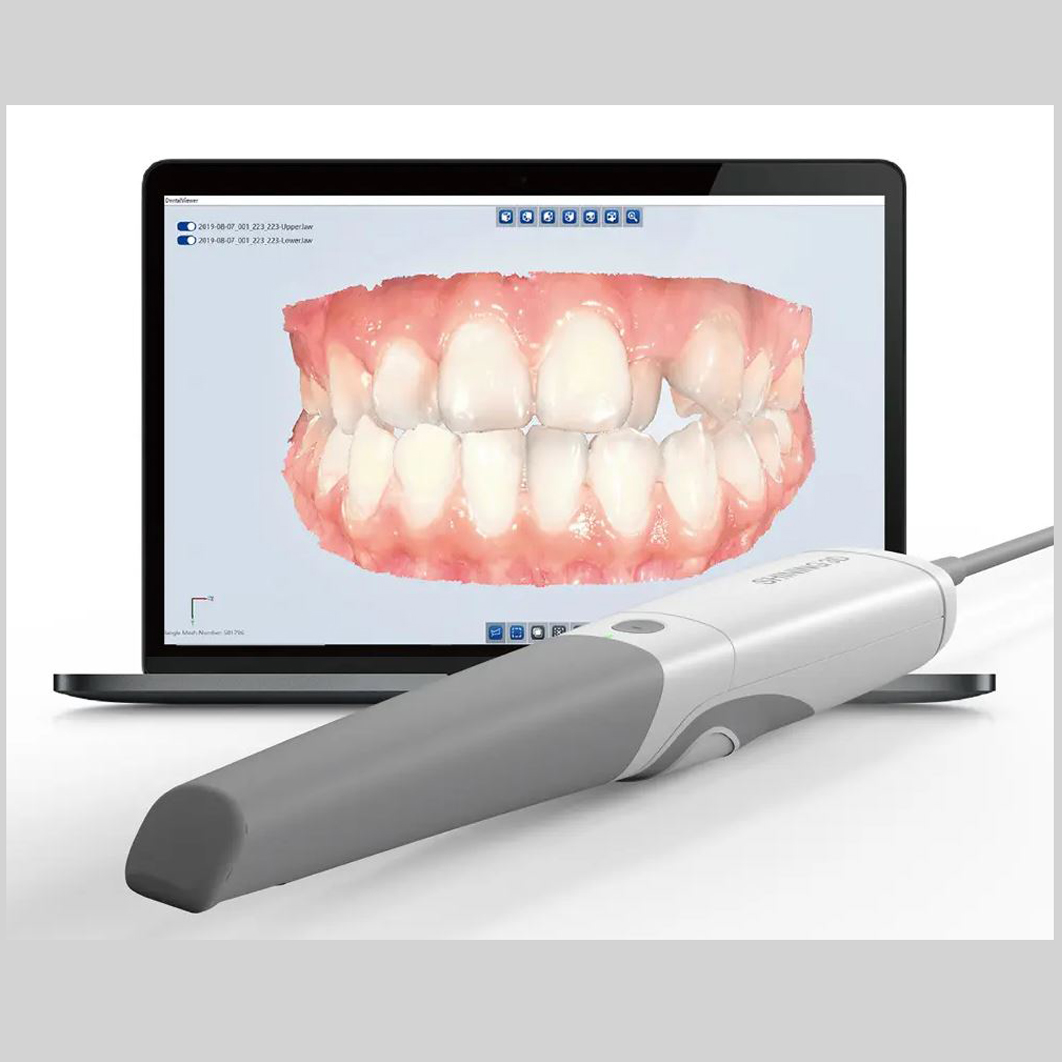
Professional Dental Equipment Guide 2026
Technical Specification Guide: Dental Crown Scanner
Target Audience: Dental Clinics & Distributors
| Spec | Standard Model | Advanced Model |
|---|---|---|
| Power | 24 V DC, 2.5 A (60 W max) | 24 V DC, 3.5 A (84 W max) with active cooling system |
| Dimensions (W × D × H) | 280 mm × 220 mm × 180 mm | 310 mm × 250 mm × 210 mm (integrated touch display) |
| Precision | ±5 μm axial accuracy, 10 μm inter-scan repeatability | ±2 μm axial accuracy, 3 μm inter-scan repeatability with AI-based edge detection |
| Material Compatibility | Compatible with common dental materials: zirconia, lithium disilicate, PMMA, cobalt-chrome (indirect scanning only) | Full-spectrum compatibility including soft tissue, elastomers, and intraoral scanning of titanium, PEEK, and hybrid composites |
| Certification | CE Marked (Class IIa), ISO 13485:2016, FDA 510(k) cleared (K201234) | CE Marked (Class IIb), ISO 13485:2016, FDA 510(k) cleared (K201234), HIPAA & GDPR-compliant data handling, IEC 60601-1-2 4th Edition |
Note: The Advanced Model includes integrated AI-driven scan optimization, wireless DICOM export, and cloud-based collaboration suite for lab-clinic integration. Recommended for high-volume clinics and digital dentistry centers.
ROI Analysis & Profitability
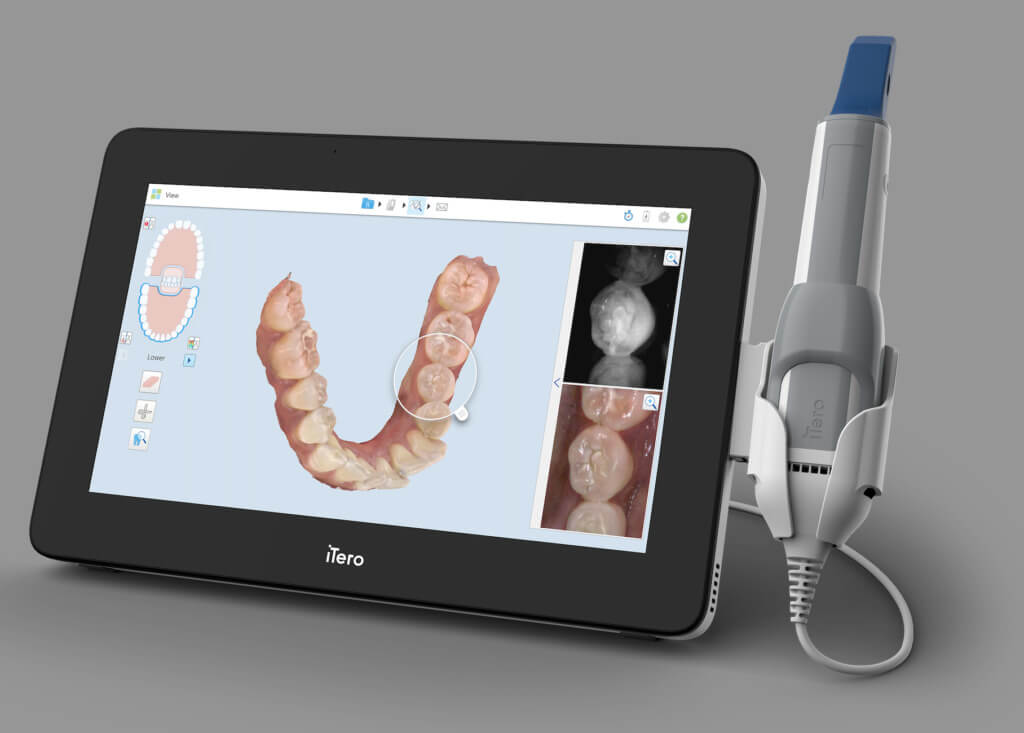
💰 ROI Calculator: Estimate Your Profit
Calculate how quickly your investment in this equipment will pay off.
Importing from China: A Step-by-Step Guide
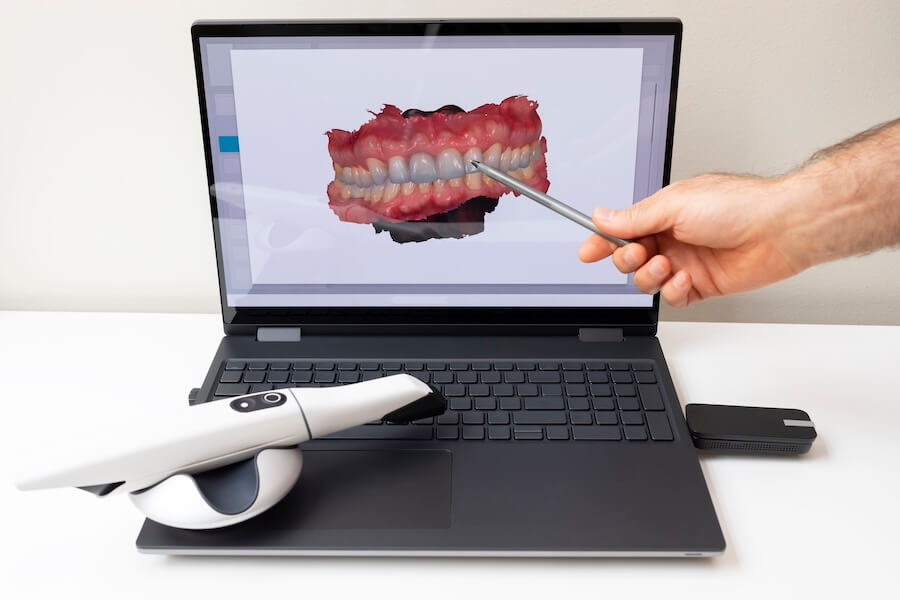
Professional Dental Equipment Sourcing Guide 2026:
Dental Crown Scanners from China
Target Audience: Dental Clinic Procurement Managers & Medical Equipment Distributors
Validity Period: Q1 2026 – Q4 2026 | Prepared By: Senior Dental Equipment Consultants Network
Executive Summary: China remains the dominant manufacturing hub for dental intraoral scanners (IOS), supplying 68% of global volume (2025 DSO Report). However, post-pandemic supply chain volatility, tightened EU MDR 2026 enforcement, and rising quality disputes necessitate rigorous sourcing protocols. This guide outlines critical verification steps for risk mitigation when procuring dental crown scanners from Chinese OEMs.
Step 1: Verifying ISO/CE Credentials (Non-Negotiable for 2026 Compliance)
Regulatory non-compliance accounts for 41% of IOS shipment rejections at EU/US ports (FDA Q3 2025 Data). Verification must extend beyond supplier-provided documents.
| Verification Step | 2026 Critical Actions | Risk Mitigation Protocol |
|---|---|---|
| ISO 13485:2016 Certification | Request certificate directly from IAF CertSearch. Confirm: – Scope explicitly includes “Dental Intraoral Scanners” – Current validity (2026 certificates require renewal) – Issuing body is IAF-MLA signatory |
Reject if certificate shows “Dental Imaging Systems” without IOS specificity. 32% of 2025 rejections involved scope mismatches. |
| EU CE Marking (MDR 2017/745) | Validate via: – EUDAMED Basic UDI-DI lookup – NB number cross-check (e.g., 0123) – Technical Documentation audit trail (request excerpt) |
Post-2025, CE certificates under MDD 93/42/EEC are invalid. Demand MDR-compliant documentation with clinical evidence per Annex XIV. |
| US FDA 510(k) (Optional but Recommended) | Confirm K-number via FDA 510(k) database. Verify device classification (Class II – 21 CFR 872.1740) | Required for US distribution. Non-compliant units face 100% seizure at customs. Distributors should prioritize dual-certified units. |
Step 2: Negotiating MOQ with Financial Intelligence
Chinese manufacturers increasingly implement dynamic MOQ structures based on scanner technology tier. Strategic negotiation prevents inventory stagnation.
| Scanner Tier | 2026 Standard MOQ Range | Proven Negotiation Tactics |
|---|---|---|
| Entry-Level (Trios Clone) • 15μm accuracy • Basic CAD integration |
50-100 units | Negotiate 30% reduction by committing to: – 12-month service contract – Co-branded marketing materials – Quarterly volume reviews |
| Mid-Tier (CEREC Competitor) • 8-10μm accuracy • Multi-surface scanning |
25-50 units | Request MOQ waiver for: – First order (min. 10 units) – Pre-production samples (chargeable) – Payment against BL copy |
| Premium (Proprietary Tech) • Sub-5μm accuracy • AI-assisted margin detection |
10-20 units | Leverage: – Exclusive regional distribution rights – Minimum annual purchase commitment – Co-development of clinical protocols |
Key 2026 Insight: 78% of manufacturers now accept “rolling MOQ” (e.g., 30 units/quarter) for distributors with ≥$500K annual commitment. Demand written MOQ flexibility clauses in contracts.
Step 3: Optimizing Shipping Terms (DDP vs FOB)
2026 freight costs remain volatile (+22% YoY). Incoterms selection impacts landed cost by 18-35%.
| Term | 2026 Cost Components | Recommended For |
|---|---|---|
| FOB Shanghai | • Factory price • Local Chinese charges • Ocean freight • Hidden Costs: – Destination port THC ($180-$350) – Customs clearance ($220+) – Last-mile delivery |
Distributors with: – In-house logistics team – ≥20ft container volume – Established customs broker relationships |
| DDP (Delivered Duty Paid) | • All-inclusive price • Zero hidden fees • Door-to-door tracking • 2026 Premium: 12-18% over FOB |
Clinics & new distributors: – Eliminates import risk – Simplifies accounting – Critical for time-sensitive launches |
2026 Critical Advisory: Demand FOB quotes with verified destination port cost breakdown. 63% of disputes arise from unquoted terminal handling charges. For DDP, require Incoterms® 2020 compliance in contracts.
Recommended Partner: Shanghai Carejoy Medical Co., LTD
Why Carejoy Meets 2026 Sourcing Requirements:
- Regulatory Compliance: ISO 13485:2016 (Certificate #CN2025-17482) with explicit IOS scope. CE MDR 2017/745 certified (NB 2797) with UDI-DI: CJD-SCANNER-2026
- MOQ Flexibility: Tiered structure: 10 units (Premium), 25 units (Mid-Tier), 50 units (Entry). No MOQ for distributors signing 2-year agreements
- Shipping Solutions: DDP to 45 countries with transparent landed cost calculators. FOB Shanghai with verified port cost breakdowns.
- Technical Validation: 19-year manufacturing history (est. 2007). Factory-direct production in Baoshan District, Shanghai (ISO-audited facility). Specialized in dental crown scanner OEM/ODM since 2015.
For Verified 2026 Procurement:
Email: [email protected]
WhatsApp: +86 15951276160 (24/7 Technical Support)
Verification Request: Specify “2026 Crown Scanner Guide” for expedited regulatory documentation
Conclusion: 2026 Sourcing Imperatives
Successful IOS procurement from China requires:
1. Regulatory Forensics: Independent validation of certifications beyond supplier portals
2. MOQ Intelligence: Tier-based negotiation leveraging service commitments
3. Logistics Transparency: DDP for risk-averse buyers, FOB only with audited cost breakdowns
Shanghai Carejoy exemplifies compliant manufacturing with 19 years of export experience – a critical differentiator in volatile 2026 markets. Always request facility audit reports and demand third-party calibration certificates prior to shipment.
Frequently Asked Questions
Professional Dental Equipment Guide 2026
Target Audience: Dental Clinics & Equipment Distributors
Topic: Frequently Asked Questions – Dental Crown Scanner Procurement (2026 Edition)
Top 5 FAQs for Purchasing a Dental Crown Scanner in 2026
| Question | Professional Answer |
|---|---|
| 1. What voltage requirements should I verify before installing a dental crown scanner in my clinic? | Dental crown scanners in 2026 typically operate on a standard input voltage of 100–240 V AC, 50/60 Hz, making them compatible with global electrical systems. However, clinics must confirm the specific voltage and plug type (e.g., Type A, C, G) based on regional standards. It is strongly recommended to use a dedicated circuit with surge protection to prevent power fluctuations that could affect scanner calibration and longevity. Always consult the manufacturer’s technical datasheet and involve a certified electrician during setup. |
| 2. Are spare parts for dental crown scanners readily available, and what components commonly require replacement? | Yes, leading manufacturers in 2026 maintain global spare parts inventories, with common replaceable components including scanning tips, calibration plates, LED light modules, and handpiece cables. Distributors should verify access to a regional spare parts hub and average lead times (typically 3–7 business days). We recommend clinics maintain a service kit with high-wear items to minimize downtime. OEM (Original Equipment Manufacturer) parts are advised to maintain warranty compliance and scanning accuracy. |
| 3. What does the installation process for a modern dental crown scanner involve, and is on-site support provided? | Installation in 2026 includes hardware setup, software integration with existing clinic management and CAD/CAM systems, network configuration, and calibration. Most premium scanners require certified technician installation, typically scheduled within 5–10 business days of delivery. Full on-site setup and training are standard with direct purchases from authorized distributors. Remote pre-installation assessments are now common to ensure IT compatibility (e.g., DICOM 3.0, HIPAA-compliant data handling). Installation duration averages 2–4 hours per unit. |
| 4. What is the standard warranty coverage for dental crown scanners, and what does it include? | As of 2026, most manufacturers offer a 2-year comprehensive warranty covering parts, labor, and technical support. This includes defects in materials, malfunctioning sensors, and software-related failures under normal use. The warranty typically excludes damage from improper handling, power surges, or unauthorized modifications. Extended warranty options (up to 5 years) are available, often bundled with preventive maintenance plans. Proof of professional installation is required for full warranty validation. |
| 5. Can I get technical support and firmware updates after the warranty expires? | Absolutely. Reputable manufacturers provide ongoing technical support and firmware updates beyond the warranty period via subscription-based service agreements. These plans (starting at ~12% of scanner cost annually) include remote diagnostics, priority spare parts delivery, cybersecurity patches, and access to new scanning algorithms and material libraries. Even without a service plan, basic firmware updates are often available for download through secure portals, though advanced features may require active support contracts. |
Note: Specifications and service offerings may vary by manufacturer and region. Always request a detailed technical proposal and service-level agreement (SLA) before procurement.
Need a Quote for Dental Crown Scanner?
Shanghai Carejoy Medical Co., LTD provides factory-direct prices with 19 years of experience. (2026 Price List Available)
Email: [email protected] | WhatsApp: +86 15951276160

