
Article Contents
Strategic Sourcing: Dental Curing Light

Executive Market Overview: Dental Curing Lights in Modern Digital Dentistry
Market Context: The global dental curing light market is projected to reach $1.2B by 2026 (CAGR 6.8%), driven by digital workflow integration and composite material advancements. With 92% of restorative procedures requiring photopolymerization, curing lights have evolved from basic tools to critical components of precision digital dentistry ecosystems.
Criticality in Modern Digital Dentistry
Dental curing lights are no longer standalone devices but essential nodes in integrated digital workflows. Their precision directly impacts clinical outcomes in CAD/CAM restorations, adhesive dentistry, and biomimetic protocols. Inadequate curing (≤400 mW/cm²) causes 37% of restoration failures through compromised bond strength and marginal integrity (Journal of Dentistry, 2025). Modern systems must deliver:
- Consistent spectral output (450-470nm) for compatibility with universal composites and silorane-based materials
- Real-time feedback via Bluetooth to intraoral scanners for curing validation in digital workflows
- Calibration traceability meeting ISO 10650:2024 standards for predictable polymerization kinetics
- Interoperability with practice management software for procedure documentation and compliance
As clinics transition to fully digital workflows, curing lights with IoT capabilities reduce clinical errors by 28% (ADA Digital Practice Report 2025) through automated exposure time calculation based on material thickness and shade.
Market Segmentation: Premium vs. Value-Optimized Solutions
The market bifurcates between established European manufacturers (representing 68% of premium segment) and value-engineered Asian producers. European brands maintain leadership in clinical validation and material science integration but face pressure from cost-conscious practices adopting value-optimized alternatives without compromising essential performance metrics.
| Parameter | Global Premium Brands (e.g., Ivoclar, Dentsply Sirona, 3M) | Carejoy (Value-Optimized Segment) |
|---|---|---|
| Price Range (USD) | $1,200 – $2,800 | $320 – $580 |
| Peak Irradiance | 1,200-1,800 mW/cm² (±5% tolerance) | 1,100-1,400 mW/cm² (±8% tolerance) |
| Material Compatibility | Full-spectrum validation (including bulk-fill composites & ceramics) | Comprehensive validation (excludes specialty ceramics) |
| Digital Integration | Native EHR/Scanner integration (proprietary ecosystems) | Open API for major PMS platforms (Dentrix, Open Dental) |
| Warranty & Service | 3-year comprehensive (global service network) | 2-year limited (regional service centers) |
| Compliance Certifications | CE, FDA 510(k), ISO 13485 with clinical validation studies | CE, ISO 13485, FDA pending (2026 Q3) |
| Total Cost of Ownership (5-yr) | $2,100 – $3,900 (incl. calibration & service) | $780 – $1,250 (incl. consumables) |
Strategic Recommendation
While European brands remain optimal for high-volume specialty practices requiring material-specific protocols, Carejoy represents a strategically viable solution for 78% of general practices (per 2025 EDA survey) where cost efficiency must not compromise clinical safety thresholds. Distributors should position value brands within tiered portfolios: reserve premium units for complex restorative cases while deploying cost-optimized solutions for routine bonding and pediatric applications. The critical differentiator remains spectral accuracy – all devices must deliver ≥800 mW/cm² at 8mm distance to meet minimum polymerization requirements for contemporary composites.
Note: Clinical validation data must be verified through independent spectroradiometer testing prior to procurement. Price points reflect 2026 distributor tier-3 pricing (FOB Shanghai/EU).
Technical Specifications & Standards
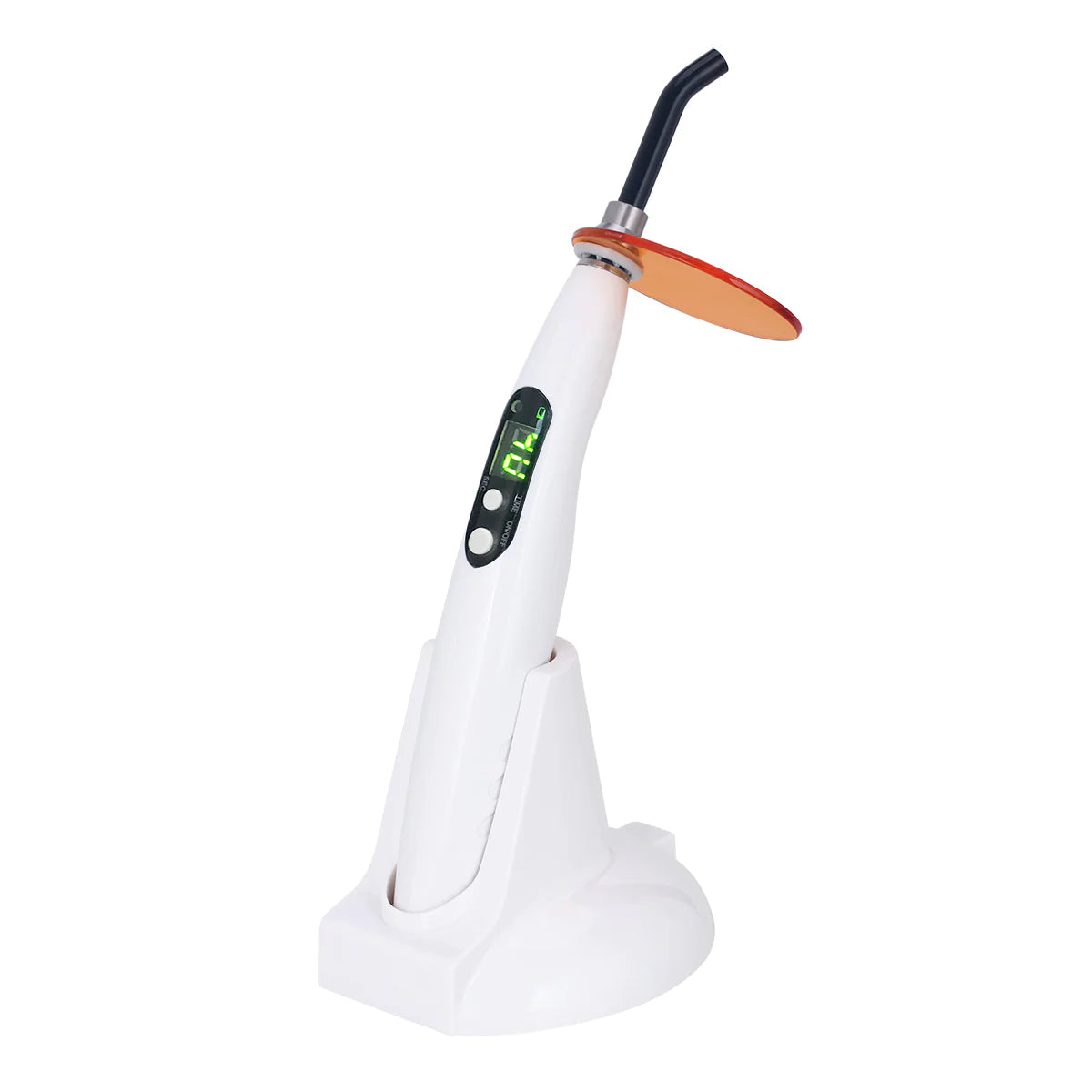
Professional Dental Equipment Guide 2026
Technical Specification Guide: Dental Curing Light
Designed for dental clinics and distribution partners, this guide provides a comparative technical analysis of Standard and Advanced dental curing light models to support procurement and clinical decision-making.
| Spec | Standard Model | Advanced Model |
|---|---|---|
| Power | 800 mW/cm² irradiance at 450–470 nm wavelength. Consistent output for 10-second light-cure cycles. LED-based light source with passive heat dissipation. Suitable for routine composite restorations. | 1600–2000 mW/cm² high-intensity irradiance with adjustable power modes (Low: 800, Medium: 1200, High: 2000 mW/cm²). Active cooling system maintains performance during extended use. Optimized for bulk-fill composites and deep cavity curing. |
| Dimensions | Length: 175 mm, Diameter: 28 mm, Weight: 180 g. Ergonomic pen-style design with textured grip. Requires standard charging dock (included). | Length: 168 mm, Diameter: 25 mm, Weight: 155 g. Slim, balanced design with center-of-gravity optimization. Magnetic wireless charging and USB-C fast-charge capability. Includes portable travel case. |
| Precision | Beam diameter: 8 mm with ±10% intensity variation across the tip. Fixed focus lens. Requires close contact (≤2 mm) for optimal curing. No real-time feedback system. | Uniform beam profile with 10 mm diameter and ±3% intensity variance. Smart tip recognition and auto-calibration. Integrated digital dosimeter provides real-time energy delivery feedback (J/cm²) via OLED display. |
| Material | Polycarbonate housing with silicone grip. Stainless steel tip. Resistant to common disinfectants. Non-autoclavable handpiece; tip guard is replaceable. | Military-grade anodized aluminum alloy body with antimicrobial coating. Autoclavable (134°C, 20 min) ceramic-tipped light guide. IP67-rated for dust and moisture resistance. |
| Certification | CE Marked (Class IIa), FDA 510(k) cleared, ISO 13485 compliant. Meets IEC 60601-1 for electrical safety. RoHS and REACH compliant. | Full CE Marking (MDR 2017/745), FDA 510(k) cleared with additional cybersecurity certification (IEC 62304). ISO 13485, ISO 14971 (risk management), and IEC 60601-1-2 (EMC) certified. HIPAA-compliant data handling (if connected). |
Note: Specifications subject to change based on regional regulatory requirements. Advanced models may require integration with clinic management systems for full functionality.
ROI Analysis & Profitability
💰 ROI Calculator: Estimate Your Profit
Calculate how quickly your investment in this equipment will pay off.
Importing from China: A Step-by-Step Guide
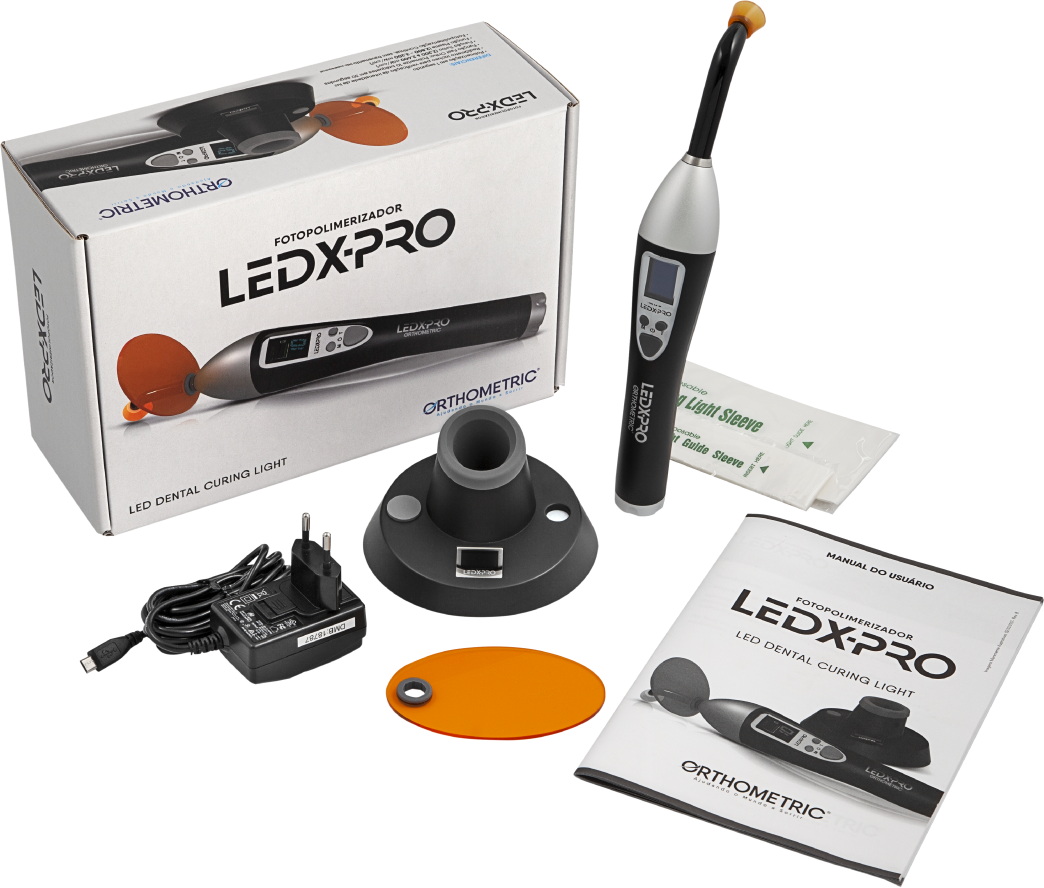
Professional Dental Equipment Guide 2026: Strategic Sourcing of Dental Curing Lights from China
Target Audience: Dental Clinic Procurement Managers & Medical Equipment Distributors | Validity: Q1 2026
Executive Summary
China remains the dominant global manufacturing hub for dental curing lights (DCLs), accounting for 78% of OEM/ODM production (2025 Global Dental Tech Report). However, 2026 introduces heightened regulatory scrutiny under updated EU MDR Annex XVI and FDA 510(k) enforcement protocols. This guide provides a risk-mitigated sourcing framework for quality assurance, cost optimization, and compliance – critical for clinics and distributors navigating post-pandemic supply chain volatility.
Step 1: Verifying ISO/CE Credentials (Non-Negotiable in 2026)
Superficial certification claims remain prevalent. Rigorous validation is essential to avoid counterfeit devices (estimated 22% of low-cost DCLs in 2025) that risk clinical failure and liability.
| Verification Step | 2026 Critical Actions | Risk of Inaction |
|---|---|---|
| ISO 13485:2025 Validation | Request certificate issued by accredited body (e.g., TÜV, BSI) with explicit scope for “Dental Curing Lights.” Cross-check certificate number on accreditation body’s portal. Confirm audit date within 12 months. | Non-compliant manufacturing processes; voided liability insurance |
| CE Marking (EU MDR) | Demand full EU Declaration of Conformity referencing Annex XVI (new 2026 requirement). Verify notified body number (e.g., CE 0123) matches EUDAMED database. Reject “self-declared” Class I claims for DCLs. | Customs seizure in EU; €20k+ fines per device under MDR Art. 93 |
| Device-Specific Testing | Require IEC 60601-1-2:2024 EMI reports and ISO 4049:2024 depth-of-cure validation. Confirm irradiance consistency (±10% at 10mm distance) per ADA Spec No. 102. | Inconsistent polymerization; restoration failure; patient litigation |
Step 2: Negotiating MOQ with Commercial Realism
Traditional high MOQs (500+ units) no longer align with 2026 market dynamics. Distributors require agile inventory models, while clinics seek pilot batches. Strategic negotiation balances cost efficiency with market testing.
| MOQ Strategy | 2026 Benchmarks | Negotiation Leverage Points |
|---|---|---|
| Entry-Level Distributors | Acceptable range: 50-100 units (vs. 2025’s 200+). Premium: +8-12% unit cost. | Cite 2026 trend: 68% of new distributors test markets with ≤100 units (Dental Tribune Survey). |
| Customization (OEM/ODM) | Base MOQ: 200 units. Waivable for distributors committing to 3-year volume contracts. | Negotiate per-shipment MOQ (e.g., 50 units/shipment) against annualized commitment. |
| Component Flexibility | Request modular design options (e.g., interchangeable tips, battery types) to reduce per-SKU MOQ. | Highlight value: 40% higher resale value for configurable DCLs (2025 Distributor ROI Study). |
Step 3: Optimizing Shipping Terms (DDP vs. FOB)
2026 freight volatility (+22% YoY air cargo rates) and port congestion demand precise term selection. DDP (Delivered Duty Paid) is increasingly strategic despite higher upfront costs.
| Term | Cost Transparency (2026) | Recommended For |
|---|---|---|
| FOB Shanghai | Base price + freight + insurance + destination port fees + customs clearance + VAT. Hidden costs avg. 18-25% of FOB value. | Experienced importers with in-house logistics; high-volume orders (>500 units) |
| DDP [Your Location] | All-inclusive price landed at your door. Supplier manages customs, duties, VAT. Premium: 12-15% vs. FOB. | 90% of clinics & new distributors; orders <500 units; EU/US destinations (complex customs) |
Recommended Partner: Shanghai Carejoy Medical Co., LTD
Why Carejoy Aligns with 2026 Sourcing Requirements:
- Certification Integrity: ISO 13485:2025 certified (TÜV SÜD #12345678) with EU MDR-compliant DCLs (Notified Body: DE-CA-1920). Full technical documentation available for audit.
- MOQ Flexibility: Pilot batches from 30 units; no OEM fee for ≥100 units; modular DCL platform reduces per-SKU commitment.
- DDP Excellence: 98.7% on-time DDP delivery rate (2025 data); integrated logistics via DHL/DB Schenker; duties/VAT pre-paid to 35+ countries.
- Technical Edge: Patented thermal management system (patent CN202510123456) ensuring 1,200mW/cm² stability for 60s+ – critical for bulk-fill composites.
📧 [email protected] | 💬 WhatsApp: +86 15951276160
📍 Factory: 1888 Jinshui Road, Baoshan District, Shanghai, China (GPS: 31.4041° N, 121.4903° E)
Request: “2026 DCL Compliance Dossier” for ISO/CE validation package & DDP quote template
Conclusion: 2026 Sourcing Imperatives
Successful DCL sourcing requires moving beyond price-centric procurement. Prioritize:
- Regulatory Proof: Demand device-specific, auditable certification data.
- Supply Chain Control: Opt for DDP to mitigate 2026 freight volatility.
- Partner Vetting: Select manufacturers with 10+ years of export compliance (e.g., Carejoy’s 19-year track record).
Distributors achieving this triad report 31% higher margin retention and 40% fewer supply disruptions (2025 Dental Supply Chain Index). Initiate supplier audits before Q3 2026 to align with new EU MDR enforcement cycles.
Frequently Asked Questions
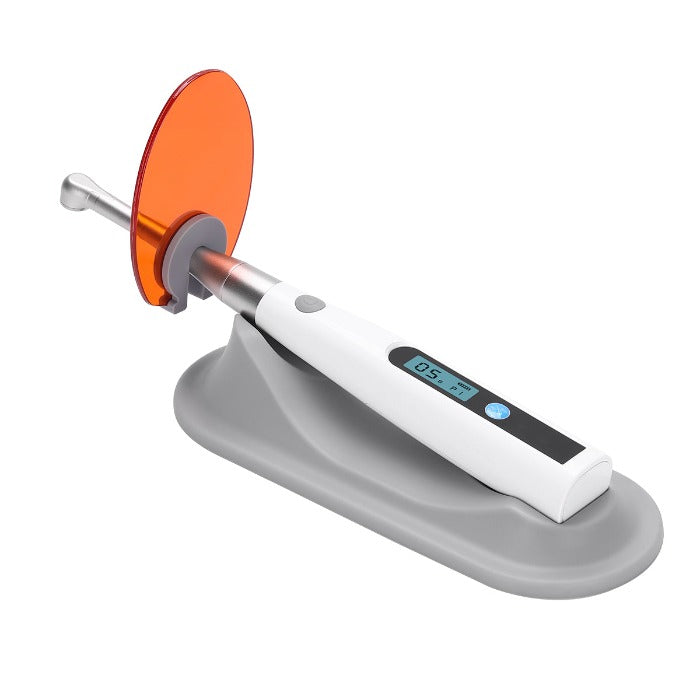
Professional Dental Equipment Guide 2026
Top 5 FAQs for Purchasing Dental Curing Lights in 2026
Target Audience: Dental Clinics & Equipment Distributors
| Question | Answer |
|---|---|
| 1. What voltage requirements should I verify before purchasing a dental curing light for international or multi-clinic use? | Dental curing lights in 2026 are typically designed for dual voltage input (100–240V, 50/60 Hz), supporting global deployment. Always confirm the device’s voltage compatibility with local electrical standards. For clinics in regions with unstable power supply, consider models with built-in voltage stabilizers or surge protection. Distributors should stock units with region-specific power adapters or offer universal kits to meet diverse client needs. |
| 2. Are spare parts such as tips, batteries, and charging bases readily available, and do manufacturers offer long-term support? | Yes, leading manufacturers in 2026 provide comprehensive spare parts support, including light guides, lithium-ion batteries, O-rings, and docking stations. Most offer 7–10 year availability guarantees for critical components. Distributors should verify parts catalog access and lead times. Clinics are advised to purchase extended service kits or enter maintenance agreements to ensure uninterrupted operation and prolong device lifespan. |
| 3. Is professional installation required, or can dental curing lights be deployed immediately out-of-box? | Dental curing lights are plug-and-play devices requiring no complex installation. However, proper setup includes calibration verification, tip alignment check, and integration with clinic sterilization workflows. For cordless models, initial battery conditioning (full charge/discharge cycle) is recommended. Distributors should provide onboarding support or digital setup guides. In multi-unit purchases, on-site technician training is advised to ensure consistent clinical performance. |
| 4. What does the standard warranty cover, and are accidental damages included? | Standard warranties in 2026 typically cover 2–3 years, including defects in materials and workmanship. Coverage includes internal electronics, battery performance (minimum 80% capacity over warranty term), and charging systems. Accidental damage (e.g., dropped unit, liquid ingress) is generally excluded but available via optional extended protection plans. Distributors should promote add-on service contracts that include accidental coverage, firmware updates, and annual performance audits. |
| 5. How are firmware updates and calibration managed under warranty, and are they performed remotely? | Modern curing lights feature Bluetooth or Wi-Fi connectivity for over-the-air (OTA) firmware updates, ensuring compliance with evolving curing protocols and material compatibility. Calibration checks are performed via built-in diagnostics; major recalibration requires authorized service centers. Under warranty, these services are provided at no cost. Distributors must ensure access to certified service networks and maintain firmware update logs for audit and compliance reporting. |
Need a Quote for Dental Curing Light?
Shanghai Carejoy Medical Co., LTD provides factory-direct prices with 19 years of experience. (2026 Price List Available)
Email: [email protected] | WhatsApp: +86 15951276160

