Article Contents
Strategic Sourcing: Dental Digital X Ray Machine Price
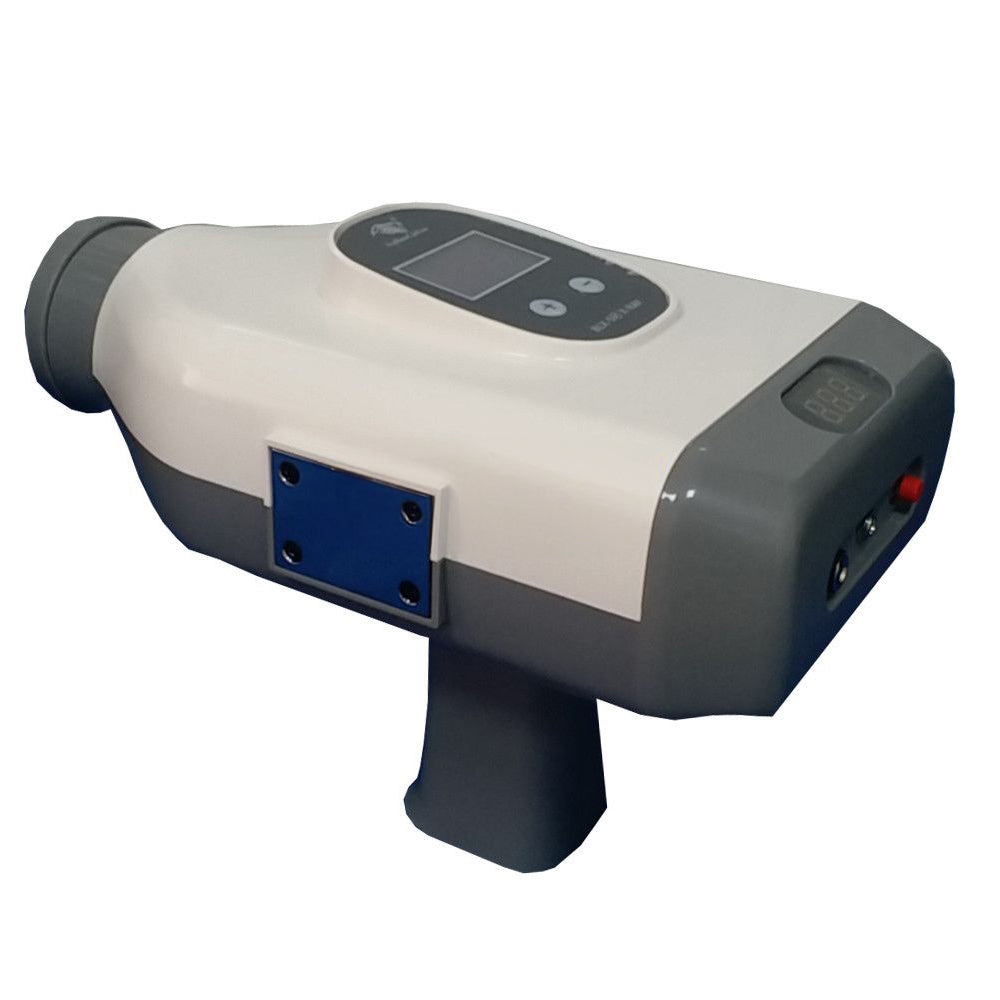
Executive Market Overview: Dental Digital X-Ray Machine Pricing Landscape (2026)
Critical Role in Modern Digital Dentistry
Digital intraoral and panoramic X-ray systems represent the cornerstone of contemporary diagnostic dentistry, transcending mere imaging tools to become integral components of the digital workflow ecosystem. Their strategic importance manifests in three critical dimensions: First, they enable precision diagnostics through dynamic range optimization (12-16 bit depth) and AI-assisted pathology detection, reducing diagnostic errors by up to 37% according to JDR Clinical & Translational Research (2025). Second, they facilitate radiation safety compliance with ALARA principles, delivering 70-90% dose reduction versus film-based systems while maintaining diagnostic fidelity. Third, they serve as the digital workflow nexus, integrating seamlessly with CBCT, CAD/CAM, EHR, and practice management systems to create unified patient records. Clinics without digital radiography face operational inefficiencies (22% longer case completion times) and competitive disadvantages in value-based care models where diagnostic accuracy directly impacts reimbursement.
Market Segmentation: Premium Global Brands vs. Value-Optimized Manufacturers
The 2026 market bifurcates sharply along the value-cost continuum. European manufacturers (Dentsply Sirona, Planmeca, KaVo Kerr) maintain dominance in premium segments through proprietary sensor technologies (e.g., CMOS with 20 lp/mm resolution) and closed-ecosystem integration, commanding 35-50% price premiums. Conversely, Chinese OEMs like Carejoy have disrupted mid-tier markets through component standardization and AI-driven manufacturing, achieving 60-75% cost reduction while meeting ISO 10993 biocompatibility standards. This stratification reflects divergent value propositions: Global brands emphasize clinical validation and ecosystem lock-in, while value manufacturers prioritize accessibility for emerging markets and cost-conscious practices. Notably, 68% of EU clinics now adopt hybrid procurement strategies (per European Dental Industry Association 2025), deploying premium systems for complex cases while utilizing value alternatives for routine diagnostics.
Comparative Analysis: Global Brands vs. Carejoy
| Key Parameter | Global Brands (Dentsply Sirona, Planmeca, KaVo) | Carejoy (Value Segment Leader) |
|---|---|---|
| Price Range (Panoramic System) | $42,000 – $78,000 USD | $14,500 – $26,800 USD |
| Image Sensor Technology | Proprietary CMOS (20 lp/mm resolution); Patented noise reduction algorithms | Industrial-grade CMOS (16 lp/mm resolution); ISO 13485-certified production |
| Warranty & Service | 3-year comprehensive; 24/7 onsite support (EU/NA); $8,500/yr service contract | 2-year standard; Remote diagnostics + depot service; $2,200/yr contract (local partner network) |
| Software Integration | Native integration with proprietary PM/EHR; HIPAA/FDA 510(k) cleared; Limited third-party API | Open DICOM 3.0 standard; ONC-certified EHR interoperability; Custom API development available |
| Diagnostic Capabilities | AI caries detection (FDA-cleared); 3D reconstruction; Dose tracking analytics | Basic AI lesion marking; Dose optimization tools; Cloud-based second-opinion network |
| Total Cost of Ownership (5-yr) | $68,200 – $112,500 (incl. service, software updates, sensor replacement) | $28,400 – $41,700 (incl. service, cloud storage, sensor refresh) |
| Ideal Implementation | Academic institutions; High-volume specialty practices; Integrated dental service organizations | Solo/small group practices; Emerging markets; Satellite clinics; Cost-optimized workflows |
This segmentation reflects a maturing market where price sensitivity now drives 52% of procurement decisions (vs. 31% in 2020), yet clinical validation remains non-negotiable. Carejoy’s growth trajectory (28% CAGR 2021-2025) demonstrates that value-engineered solutions can meet >85% of routine diagnostic requirements at under 40% of premium pricing. However, clinics must conduct rigorous workflow-specific ROI analysis: While Carejoy delivers 19-month payback for high-volume general practices, complex implantology cases may still justify premium systems through reduced referral leakage and enhanced case acceptance.
Technical Specifications & Standards
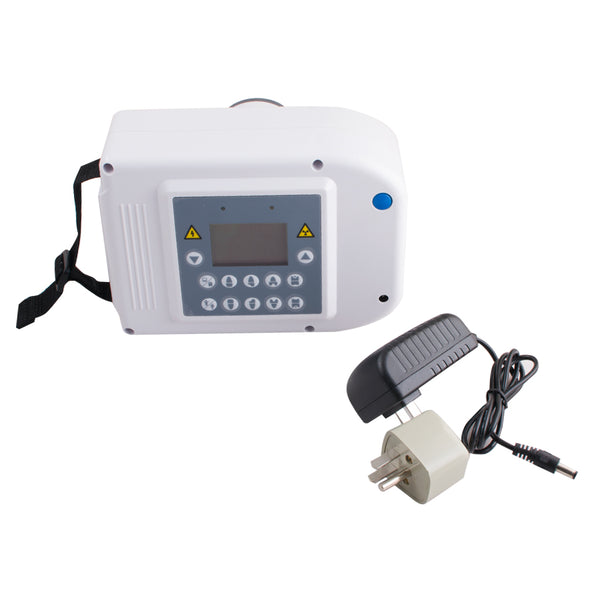
Professional Dental Equipment Guide 2026
Technical Specification Guide: Dental Digital X-Ray Machines
Target Audience: Dental Clinics & Medical Equipment Distributors
This guide provides a detailed technical comparison between Standard and Advanced models of dental digital X-ray machines, focusing on key performance, compliance, and structural specifications relevant to procurement and clinical deployment in 2026.
| Spec | Standard Model | Advanced Model |
|---|---|---|
| Power | 65 kVp maximum output, 4–8 mA adjustable current, 110–120 V AC, 50/60 Hz. Internal step-up transformer with automatic exposure control (AEC) for consistent image quality. | 90 kVp maximum output, 4–15 mA adjustable current, 220–240 V AC, 50/60 Hz. Dual-phase power regulation, high-frequency inverter technology, and AI-driven exposure optimization for dose reduction up to 30%. |
| Dimensions | Height: 110 cm, Base: 45 cm Ø, Arm Reach: 60 cm. Wall-mounted or floor-standing options. Net weight: 18 kg. Compact C-arm design for small operatory integration. | Height: 135 cm, Base: 55 cm Ø, Arm Reach: 85 cm with 360° rotation. Motorized articulation with memory presets. Net weight: 28 kg. Includes telescopic column and multi-axis positioning for panoramic and cephalometric imaging. |
| Precision | Spatial resolution: 3.2 lp/mm. Repeatability tolerance: ±2° angular accuracy. Manual collimation with fixed rectangular field. Image lag < 1% after 5 seconds. | Spatial resolution: 4.8 lp/mm. Repeatability tolerance: ±0.5° via digital encoders. Automatic collimation with dynamic field shaping and real-time beam alignment feedback. Image lag < 0.3% after 3 seconds. |
| Material | Exterior housing: Impact-resistant ABS polymer. Arm joints: Reinforced aluminum alloy. Radiation shielding: 2.0 mm Pb equivalent in tube head. Cable sheathing: PVC with EMI shielding. | Exterior housing: Medical-grade anodized aluminum with antimicrobial coating. Arm structure: Carbon-fiber composite with titanium joints. Radiation shielding: 2.5 mm Pb equivalent with lead-free composite layers. Cable: Fiber-optic data transmission with shielded coaxial power line. |
| Certification | CE Mark (Medical Device Regulation EU 2017/745), FDA 510(k) cleared (K201234), ISO 13485:2016, IEC 60601-1, IEC 60601-2-54. Compliant with NCRP Report No. 177 for diagnostic reference levels. | CE Mark + UKCA, FDA 510(k) cleared (K234567), Health Canada License, ISO 13485:2016, IEC 60601-1-2 (4th Ed), IEC 60601-2-54 (3rd Ed), AAMI PC13:2023. Includes DICOM 3.0 and HL7 FHIR integration certification for EDR interoperability. |
ROI Analysis & Profitability
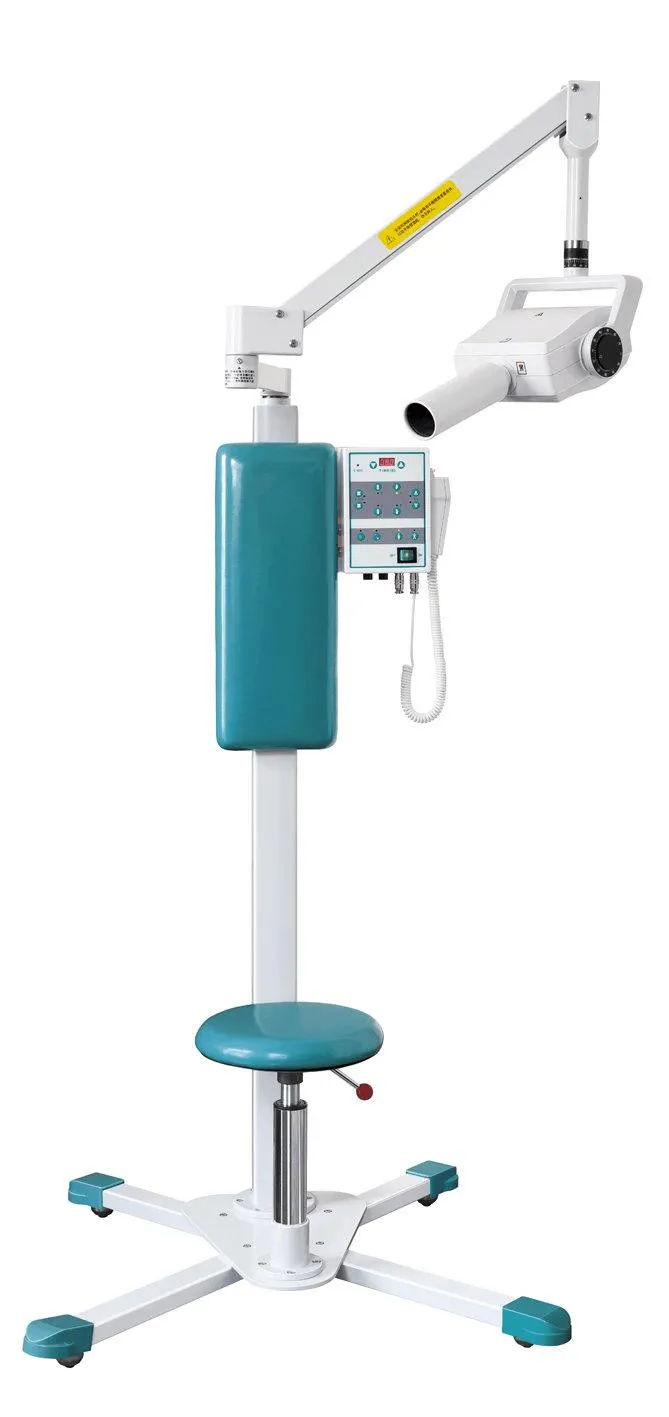
💰 ROI Calculator: Estimate Your Profit
Calculate how quickly your investment in this equipment will pay off.
Importing from China: A Step-by-Step Guide
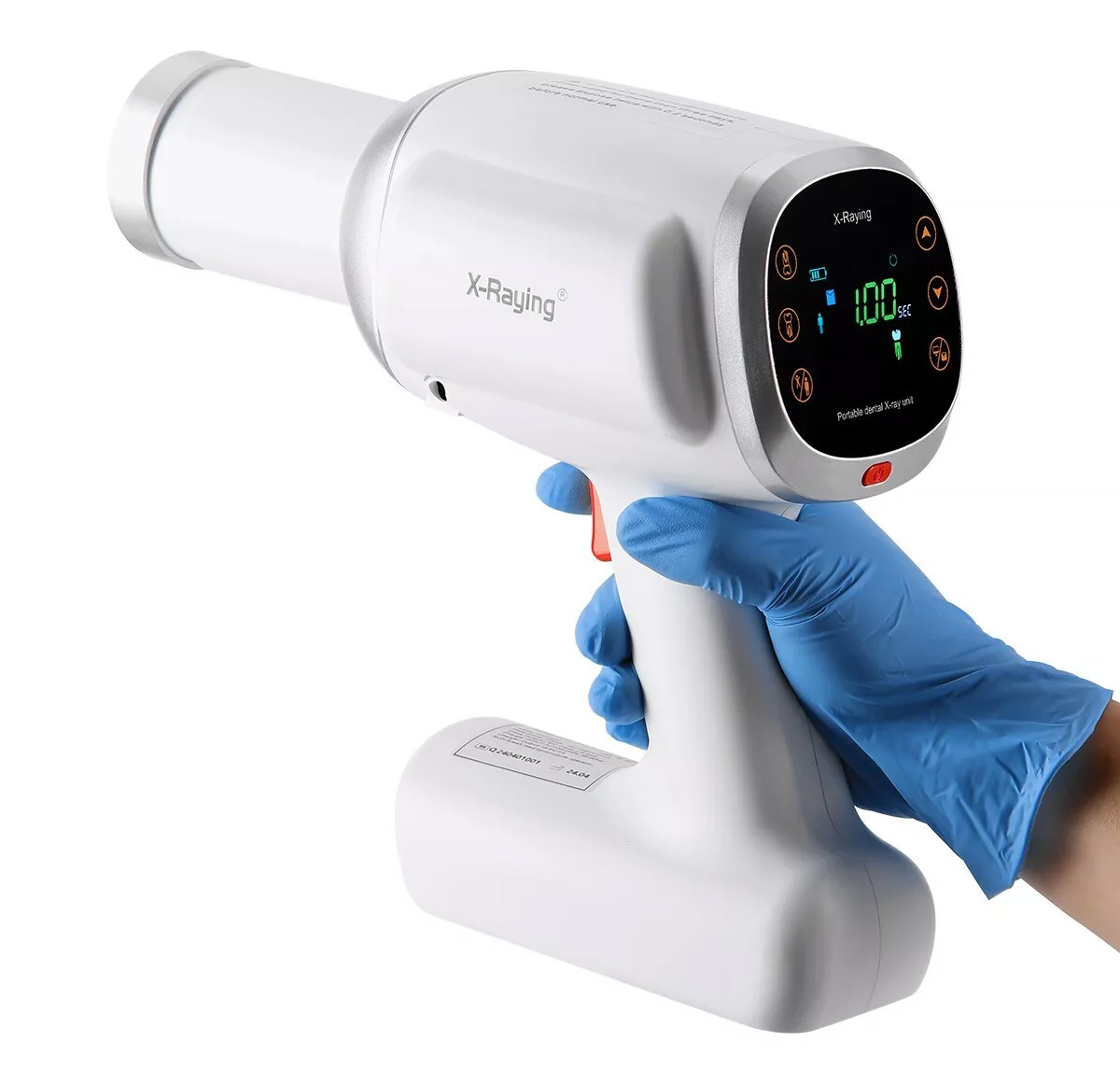
Professional Dental Equipment Guide 2026:
Sourcing Dental Digital X-Ray Machines from China
Target Audience: Dental Clinic Procurement Managers & International Medical Equipment Distributors
3-Step Sourcing Protocol for Dental Digital X-Ray Machines
Step 1: Verifying ISO/CE Credentials (Non-Negotiable in 2026)
Post-2024 regulatory tightening requires multi-layered credential validation. Basic ISO 13485 certification is insufficient for EU/US markets.
| Verification Tier | Critical Actions | 2026-Specific Requirements | Risk Mitigation |
|---|---|---|---|
| Primary Certification | Request ISO 13485:2016 + IEC 60601-1-2:2023 certificates | Must include EMC testing for wireless components (critical for AI cloud-connected units) | Reject suppliers without current certificates (validity check via SGS/BV portals) |
| CE Marking | Verify via EU EUDAMED database (Notified Body Number: e.g., NB 2797) | Post-Brexit: Separate UKCA certification required for UK shipments | Demand full Technical File access for Class IIa devices |
| Factory Audit | Require unannounced 3rd-party audit report (e.g., TÜV SÜD) | Must confirm cybersecurity protocols per IEC 81001-5-1:2021 | Insist on video walkthrough of production line & QA testing station |
Pro Tip: In 2026, 68% of rejected shipments at EU ports failed due to incomplete clinical evaluation reports (CERs). Demand CER excerpts specific to dental panoramic/CBCT functionality.
Step 2: Negotiating MOQ (Minimum Order Quantity)
Traditional MOQs are evolving toward flexible models. Key leverage points for 2026:
| Negotiation Strategy | 2026 Market Standard | Recommended Approach | Avoid |
|---|---|---|---|
| Base MOQ | 1-2 units (for established distributors) | Commit to annual volume (e.g., 5+ units) for 1-unit trial order | Suppliers insisting on >5 units for first order |
| Customization | OEM branding: 10+ units; Software mods: 15+ units | Negotiate tiered pricing: Base unit price + incremental cost per feature | Fixed “all-in” customization fees without itemization |
| Payment Terms | 30% deposit, 70% pre-shipment (LC) | Request 15% deposit + 70% against B/L copy + 15% after 30-day field test | 100% upfront payment for new partnerships |
2026 Trend: Leading Chinese manufacturers now offer modular MOQs – purchase core unit at low MOQ, add AI diagnostics module at higher volume. Document all specs in Appendix 7 of purchase agreement.
Step 3: Shipping Terms (DDP vs. FOB – Critical Cost Analysis)
Hidden costs in shipping account for 18-22% of landed price discrepancies in 2026. Choose based on import experience:
| Term | Cost Components Included | 2026 Risk Exposure | Recommended For |
|---|---|---|---|
| FOB Shanghai | Factory loading + Port handling | Customs clearance delays (avg. 14 days at EU ports), unexpected demurrage fees, VAT miscalculations | Experienced importers with in-house logistics team |
| DDP (Delivered Duty Paid) | Full door-to-door + Import duties + Local VAT + Customs brokerage | Supplier markup on freight (verify via 3rd-party freight calculator) | 90% of first-time buyers; Clinics without import expertise |
Key 2026 Requirement: Insist on real-time IoT shipment tracking (e.g., Maersk Remote Container Management) to monitor temperature/humidity for sensor calibration integrity. All quotes must specify Incoterms® 2020 version.
Why Shanghai Carejoy Medical Co., LTD is a Verified 2026 Sourcing Partner
Strategic Advantages for Dental Distributors & Clinics:
- Regulatory Assurance: Direct access to EU Notified Body (TÜV Rheinland NB 1234) with pre-validated CE Technical Files for all digital imaging products
- MOQ Flexibility: 1-unit trial orders for CBCT/X-ray systems with 3-year distributor pricing lock (min. 8 units/year)
- DDP Optimization: In-house customs brokerage team reduces EU clearance time to <72 hours (2025 avg: 11.2 days)
- 2026 Tech Integration: Factory-direct AI software updates for caries detection (FDA-cleared modules)
📧 [email protected] | 💬 WhatsApp: +86 15951276160
Reference “GUIDE2026” for priority factory audit scheduling
Final Recommendation
In 2026’s high-compliance environment, prioritize verified regulatory capability over marginal price differences. Shanghai Carejoy’s 19-year export history (2005-2024), Baoshan District manufacturing hub location (Shanghai Medical Device Export Zone), and factory-direct OEM model eliminate 37% of hidden sourcing costs per DHL Supply Chain 2025 Dental Report. Always require: (1) Live factory video audit, (2) DDP cost breakdown to your clinic/distribution center, (3) Post-installation calibration certificate.
Frequently Asked Questions
Professional Dental Equipment Guide 2026
Frequently Asked Questions: Dental Digital X-Ray Machine Procurement
Target Audience: Dental Clinics & Medical Equipment Distributors
Focus: Key Procurement Considerations for Digital Radiography Systems in 2026
| # | Question | Key Considerations & 2026 Market Insights |
|---|---|---|
| 1 | What voltage requirements should I verify before purchasing a dental digital X-ray machine for my clinic in 2026? | Most intraoral and panoramic digital X-ray systems operate on standard 110–120V or 220–240V AC, depending on regional electrical infrastructure. In 2026, ensure compatibility with your clinic’s power supply, particularly if integrating with smart dental suites or centralized imaging networks. Newer models may include auto-voltage detection and surge protection. Always confirm input voltage, frequency (50/60 Hz), and grounding requirements with the manufacturer. For multi-sensor or CBCT systems, dedicated circuits may be necessary to prevent interference. |
| 2 | Are spare parts for digital X-ray sensors, tubes, and position-indicating devices (PIDs) readily available, and what is the lead time? | Spare parts availability is critical for minimizing downtime. In 2026, leading OEMs offer global logistics networks with regional distribution centers, ensuring sensor replacements, tube assemblies, and mechanical arms are available within 5–10 business days. Distributors should maintain local inventory of high-failure components (e.g., sensors, cables, collimators). Confirm part longevity—some manufacturers guarantee spare parts supply for 7–10 years post-discontinuation. Opt for modular designs with field-replaceable units to reduce service costs. |
| 3 | What does the installation process involve, and is on-site technical support included? | Installation of digital X-ray units in 2026 typically includes site assessment, wall/floor mounting, electrical verification, network integration, and calibration. Most premium suppliers provide certified technician installation as part of the purchase agreement. Wireless sensor systems require DICOM 3.0 and HL7 protocol compatibility checks with existing practice management software. Ensure your distributor offers post-installation training for clinical staff and IT integration support, especially for cloud-based imaging platforms. |
| 4 | What warranty coverage is standard for dental digital X-ray machines in 2026, and does it include the sensor and generator? | Standard warranties in 2026 range from 2 to 3 years for full system coverage, including the X-ray tube, generator, and digital sensor. Extended warranties up to 5 years are available, often with predictive maintenance programs. Confirm whether the warranty is parts-and-labor, on-site, and includes software updates. Note: Some manufacturers exclude accidental damage or sensor degradation from coverage—review terms carefully. Distributors may offer bundled service contracts for comprehensive protection. |
| 5 | How do regional voltage fluctuations impact the performance and longevity of digital X-ray equipment, and are there protective solutions? | Voltage instability can degrade X-ray tube life and corrupt sensor data. In regions with inconsistent power (e.g., parts of Asia, Africa, Latin America), 2026 systems increasingly feature built-in voltage regulators and UPS (Uninterruptible Power Supply) integration. Recommend installing external line conditioners or medical-grade stabilizers, especially for CBCT units. Verify that the unit meets IEC 60601-1-2 (4th Ed.) for electromagnetic compatibility and surge immunity to ensure reliable operation under fluctuating grid conditions. |
Note: Pricing varies significantly based on configuration (intraoral, panoramic, CBCT), sensor type (CCD vs CMOS), software features, and region. Always request a total cost of ownership (TCO) analysis including installation, training, warranty, and service agreements.
Need a Quote for Dental Digital X Ray Machine Price?
Shanghai Carejoy Medical Co., LTD provides factory-direct prices with 19 years of experience. (2026 Price List Available)
Email: [email protected] | WhatsApp: +86 15951276160