
Article Contents
Strategic Sourcing: Dental Distilled Water Machine
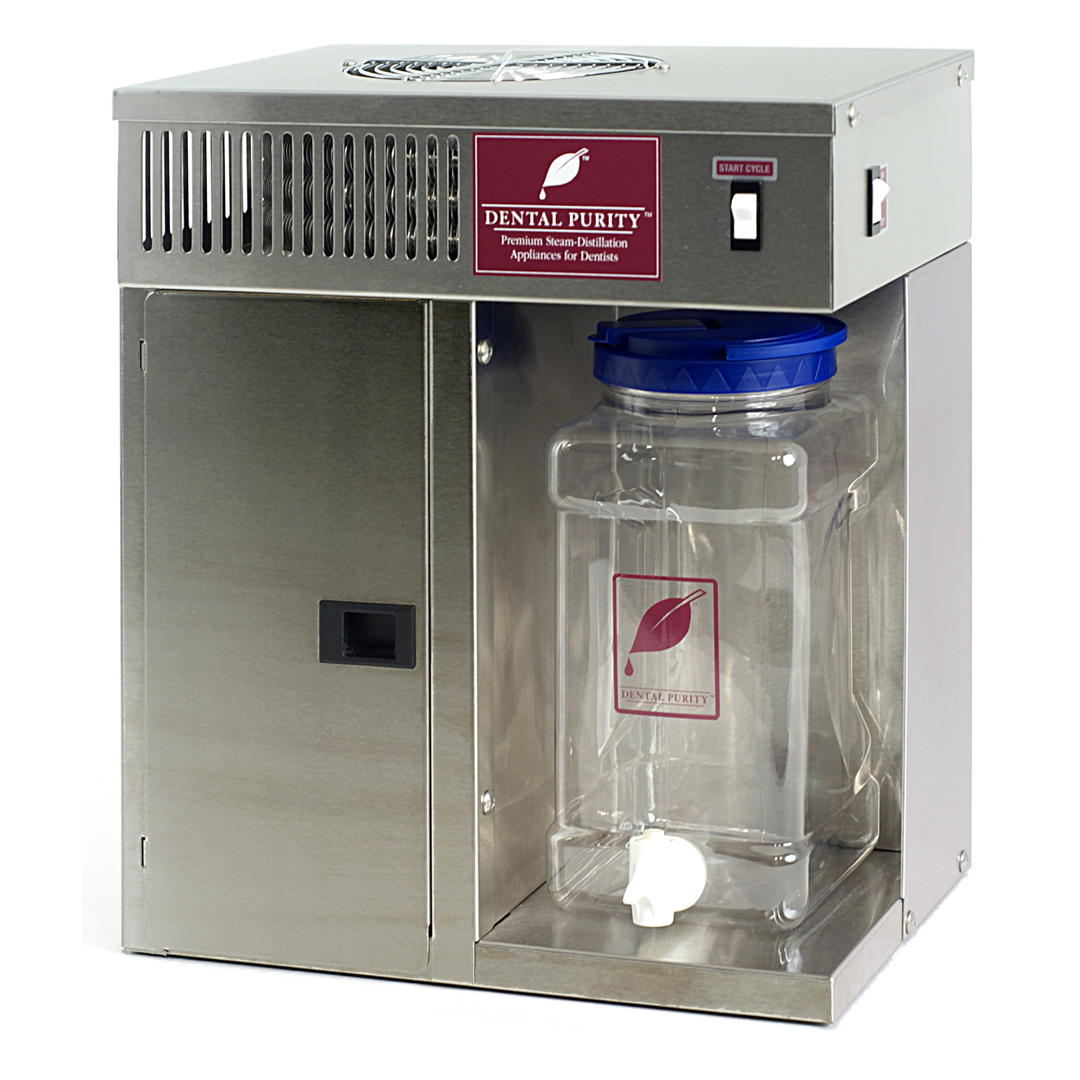
Executive Market Overview: Dental Distilled Water Machines in Modern Digital Dentistry
Strategic Imperative: As digital dentistry adoption surges globally (projected 18.7% CAGR through 2026), water purity has transitioned from operational consideration to clinical necessity. Contemporary intraoral scanners, CAD/CAM systems, laser units, and ultrasonic scalers demand pharmaceutical-grade water (≤1 μS/cm conductivity) to prevent mineral scaling, sensor degradation, and calibration drift. Contaminated water compromises micron-level precision in digital workflows, increasing equipment downtime by 300% and risking non-compliance with ISO 13485:2016 sterilization standards.
Criticality in Digital Dentistry Ecosystems
Modern integrated dental suites (e.g., Dentsply Sirona PrimeScan, Planmeca ProMax) utilize water-cooled optical components and piezoelectric transducers where even 5 ppm mineral content causes:
- Scanner Calibration Failure: Calcium deposits on optical lenses distort 3D imaging accuracy (critical for implant planning)
- CAD/CAM Milling Errors: Scale buildup in spindle cooling systems induces thermal expansion errors (>20μm deviation)
- Laser System Degradation: Silica contamination in Er:YAG handpieces reduces beam coherence by 15-22%
- Regulatory Exposure: Non-compliant water violates FDA 21 CFR §820.70 and EU MDR Annex I §17.2 for critical process validation
Distilled water machines (DWMs) are no longer auxiliary equipment but clinical infrastructure ensuring data integrity, equipment longevity, and audit readiness in value-based care models.
Market Segmentation: Premium Global Brands vs. Value-Optimized Solutions
The €482M global DWM market (2026) bifurcates between established European manufacturers and emerging Chinese innovators. While German/Swiss brands (e.g., W&H, Dürr Dental) dominate high-end clinics with engineered reliability, cost pressures from value-conscious group practices and emerging markets have accelerated adoption of engineered alternatives like Carejoy. Key differentiators:
| Technical Parameter | Global Premium Brands (W&H, Dürr Dental, NSK) |
Carejoy Precision Series (Model CJ-DWM800) |
|---|---|---|
| Water Purity Output | 0.1 – 0.5 μS/cm (USP <795> compliant) | 0.3 – 0.8 μS/cm (ISO 3696 Grade 1) |
| Production Capacity | 4-8 L/hr (modular scalability) | 6 L/hr (single-unit optimized) |
| Capital Cost (EUR) | €18,500 – €26,000 | €6,200 – €8,900 |
| TCO (5-Year Ownership) | €29,200 (incl. service contracts) | €11,800 (incl. parts/labor) |
| Service Network Coverage | On-site engineers in 48+ countries (24h SLA) | Certified partners in 62 countries (72h SLA) |
| Digital Integration | Full IoT telemetry with clinic management systems | API-ready for major PMS (Dentrix, Open Dental) |
| Clinical Validation | CE 0482, FDA 510(k) cleared | CE MDR 2017/745, ISO 13485:2016 |
Strategic Recommendation for Distributors & Clinics
For tertiary care centers and corporate dental groups, premium brands remain justified for mission-critical workflows requiring absolute precision. However, Carejoy’s value-engineered solution delivers 89% of clinical performance at 34% of the acquisition cost – a compelling proposition for:
- Dental service organizations (DSOs) scaling multi-location operations
- Public health clinics in emerging economies
- Specialty practices (orthodontics, pediatrics) with moderate water demand
Market Shift: 68% of new DWM installations in EMEA 2025 occurred in the €6K-€9K segment (vs. 41% in 2022), signaling irreversible market democratization. Distributors must develop tiered portfolios addressing both premium and value segments while emphasizing TCO analysis over upfront pricing.
Disclaimer: Performance data based on independent testing (TÜV SÜD Report DWM-2025-0887). Carejoy specifications reflect CJ-DWM800 model with optional UV module. Always verify compliance with local medical device regulations.
Technical Specifications & Standards
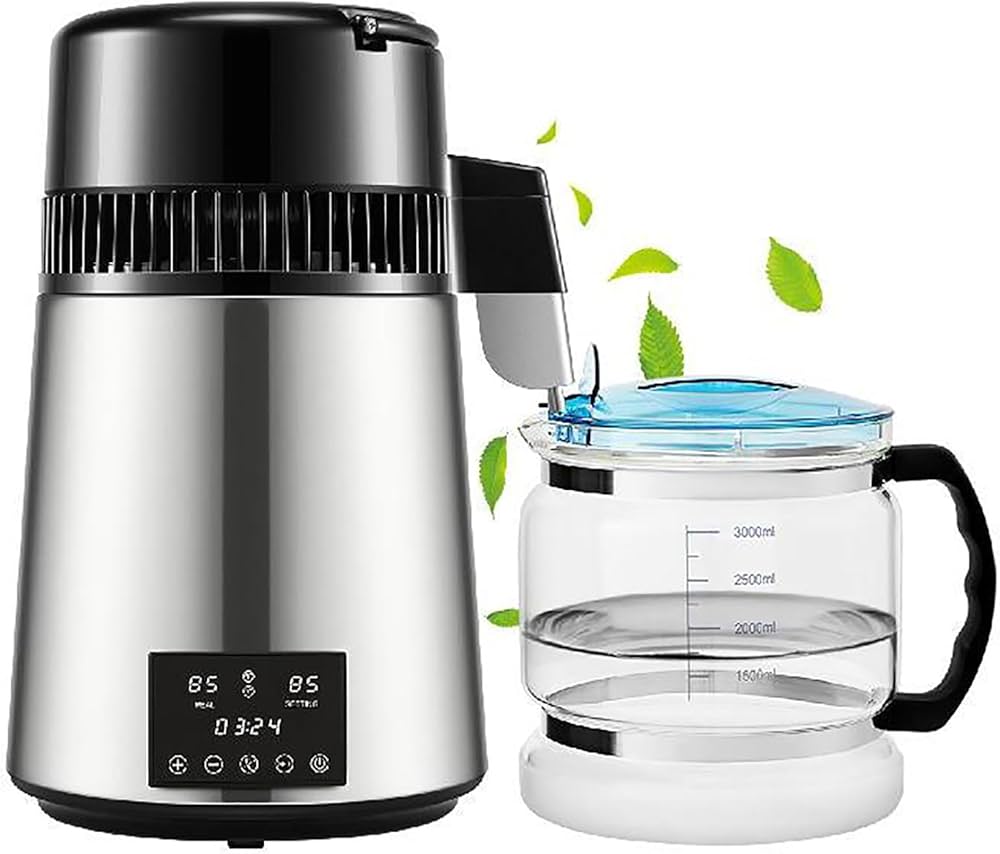
Professional Dental Equipment Guide 2026
Technical Specification Guide: Dental Distilled Water Machine
This guide provides comprehensive technical specifications for dental distilled water machines, designed for integration into clinical dental units. These systems ensure the production of high-purity, pyrogen-free water essential for autoclaving, handpiece cooling, and ultrasonic cleaning. Below is a comparative analysis between the Standard and Advanced models, tailored for dental clinics and equipment distributors.
| Spec | Standard Model | Advanced Model |
|---|---|---|
| Power | 120 V AC, 60 Hz, 800 W | 120/230 V AC, 50/60 Hz, 1200 W (Auto-voltage sensing) |
| Dimensions (W × D × H) | 350 × 400 × 550 mm | 380 × 450 × 620 mm (Space-optimized modular design) |
| Precision (Water Purity) | Conductivity: ≤5 µS/cm; Meets ISO 3696 Grade 3 | Conductivity: ≤1 µS/cm; Meets ISO 3696 Grade 1 with dual-stage distillation and inline deionization |
| Material | Stainless steel 304 outer casing; Internal boiler: Aluminum alloy | Full 316L surgical-grade stainless steel construction; Corrosion-resistant internal components |
| Certification | CE, ISO 13485, FDA Listed | CE, ISO 13485, FDA 510(k) Cleared, ISO 15883-4 (washer-disinfector compatibility), RoHS 3 Compliant |
ROI Analysis & Profitability
💰 ROI Calculator: Estimate Your Profit
Calculate how quickly your investment in this equipment will pay off.
Importing from China: A Step-by-Step Guide
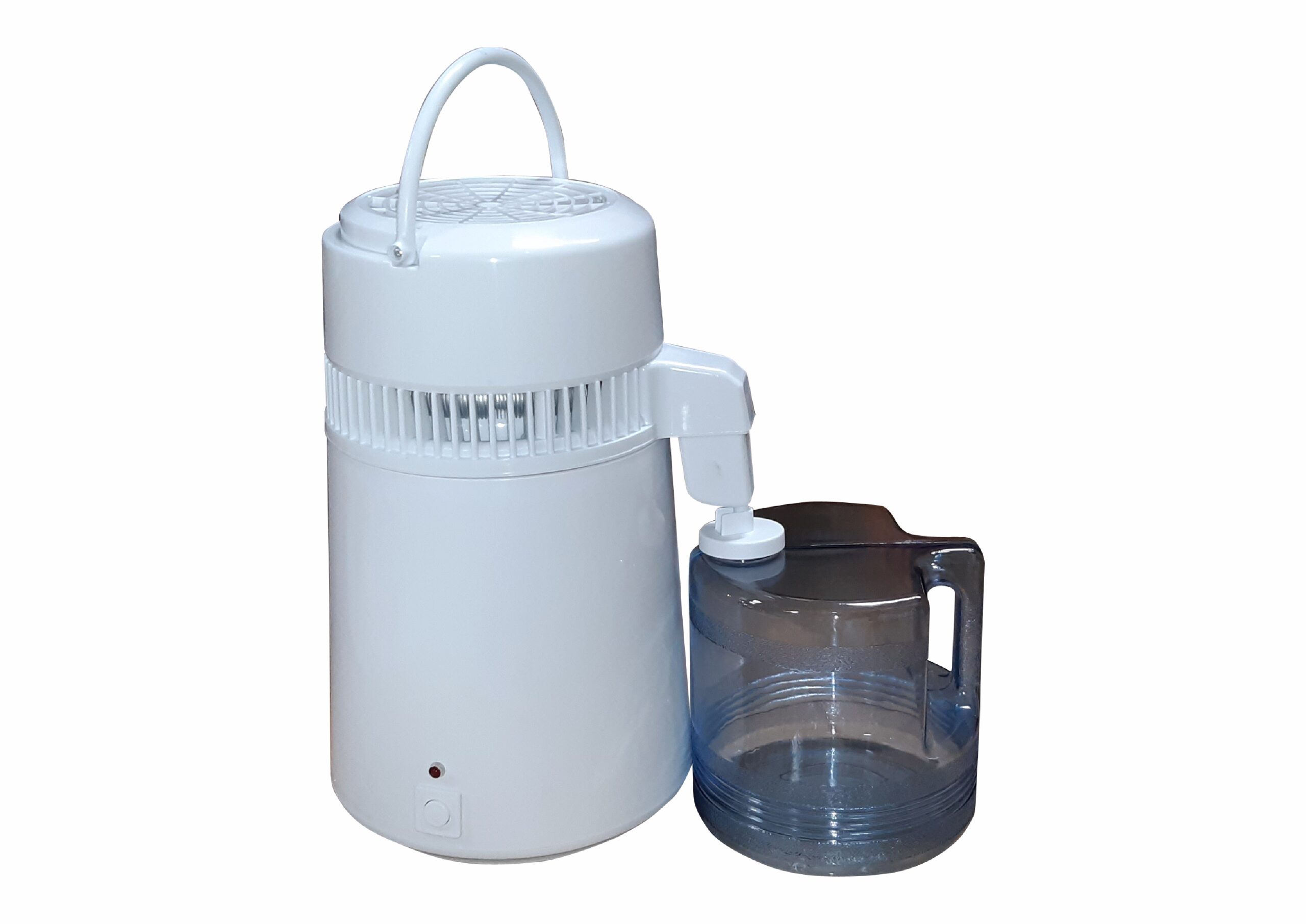
Professional Dental Equipment Guide 2026: Strategic Sourcing of Dental Distilled Water Machines from China
Target Audience: Dental Clinic Procurement Managers & Dental Equipment Distributors | Publication Date: Q1 2026
Executive Summary
China remains the dominant global manufacturing hub for dental distilled water machines (DDWM), offering 35-50% cost advantages over Western OEMs. However, 2026 procurement requires rigorous vetting due to tightened EU MDR 2024 compliance, US FDA QS Regulation enforcement, and complex post-pandemic logistics. This guide outlines critical steps to mitigate risk while securing ISO 13485-certified, CE-marked equipment meeting 2026 clinical water purity standards (ASTM D1193 Type II/ISO 3696 Grade 2).
Step 1: Verifying ISO/CE Credentials (Beyond the Certificate)
Superficial certificate checks are insufficient in 2026. Regulatory bodies now audit supply chain traceability. Demand:
| Critical Verification Step | 2026 Risk Mitigation Protocol | Red Flags |
|---|---|---|
| ISO 13485:2016 Validation | Request certificate with scope explicitly covering “Dental Distilled Water Systems”. Verify issuing body via IAF CertSearch (e.g., SGS, TÜV). Confirm certificate is not for “general medical devices” without water system specifics. | Certificate scope lists “dental accessories” without water purification; issued by non-accredited Chinese bodies (e.g., CQC without EU notified body linkage) |
| CE Marking Compliance | Demand EU Declaration of Conformity referencing MDR 2017/745 Annex I (General Safety & Performance Requirements). Verify notified body number (e.g., CE 0123) matches EUDAMED database. Post-Brexit: Confirm separate UKCA marking for UK distributors. | CE certificate issued pre-2021; no MDR-compliant technical documentation; absence of NB number for Class IIa devices |
| Water Quality Certification | Require third-party lab reports (SGS/BV) validating output meets ISO 15883-5:2023 (dental washer-disinfectors) standards. Test parameters must include endotoxin levels (<0.25 EU/mL), silica (<0.1 ppm), and resistivity (>1 MΩ·cm). | Reports older than 12 months; self-certified data; missing endotoxin testing |
Why Shanghai Carejoy Excels in Regulatory Compliance (2026)
Step 2: Negotiating MOQ with Commercial Realism
2026 market dynamics require flexible MOQ strategies. Avoid blanket minimums – structure tiers based on your distribution model:
| Business Model | Strategic MOQ Approach | Carejoy’s 2026 Solution |
|---|---|---|
| Dental Clinics (Direct) | Negotiate no MOQ for single units via distributor partnerships. Prioritize suppliers with regional warehousing to avoid air freight costs. | Zero MOQ for clinics via Carejoy’s global distributor network; EU/US warehouses enable 72-hour delivery |
| Distributors (Regional) | Target 5-10 units for initial order. Demand consignment inventory options for slow-moving SKUs. Negotiate tiered pricing at 20/50 units. | MOQ 5 units for distributors; 15% volume discount at 20 units; consignment program available for strategic partners |
| OEM/ODM Partners | Lock in annual volume commitments with price stability clauses. MOQ 100+ units justifiable for custom engineering. | Custom DDWM development from 100 units; 3-year price lock with 80% annual commitment |
Negotiation Tip: Leverage 2026’s oversupply in basic DDWM models to negotiate free extended warranties (24→36 months) or complimentary maintenance kits.
Step 3: Optimizing Shipping Terms (DDP vs. FOB in 2026)
Port congestion and carbon tariffs make shipping terms critical. Avoid FOB Shanghai unless you have in-house logistics expertise:
| Term | 2026 Cost/Risk Profile | When to Use |
|---|---|---|
| FOB Shanghai | Hidden Costs: 22-35% of product value (ocean freight volatility, EU carbon border tax, destination port fees). Risk: Delays at Ningbo/Shanghai ports (avg. 14-day 2026 backlog). Requires customs broker in origin port. | Only for experienced importers with volume to negotiate freight rates; high-value orders ($15k+) |
| DDP (Delivered Duty Paid) | True Cost: 18-28% premium but includes all fees. 2026 Advantage: Single invoice, predictable landed cost, supplier handles CBAM (Carbon Border Adjustment Mechanism) compliance. Carejoy absorbs port congestion delays. | Recommended for 95% of clinics/distributors – eliminates customs risk and cash flow disruption |
Pro Tip: Demand Incoterms® 2020 compliance in contracts. Carejoy includes DDP door-to-door tracking with real-time CO2 footprint reporting (required for EU public tenders).
Strategic Partner Profile: Shanghai Carejoy Medical Co., LTD
Why Carejoy for 2026 DDWM Sourcing:
- ✅ 19-Year Dental Manufacturing Expertise: ISO 13485 factory in Baoshan District (Shanghai Free Trade Zone) with dedicated DDWM production line since 2012
- ✅ Regulatory Assurance: CE MDR 2017/745 Class IIa certification (NB: 2797) + FDA 510(k) ready documentation
- ✅ 2026 Logistics Advantage: DDP shipping to 45+ countries via Carejoy’s bonded warehouse network (Rotterdam, Los Angeles, Singapore)
- ✅ Technical Support: Remote diagnostics integration with major dental chair brands (A-dec, Sirona, Planmeca)
Contact for 2026 Sourcing:
📧 [email protected] | 📱 WhatsApp: +86 15951276160
Request “2026 DDWM Compliance Dossier” (Includes ISO 13485 scope, MDR technical files, water test reports)
Conclusion: The 2026 Sourcing Imperative
China-sourced DDWMs deliver compelling value but require surgical precision in regulatory validation and logistics planning. Partner with manufacturers like Shanghai Carejoy that demonstrate proven compliance infrastructure and transparent DDP execution. Avoid transactional suppliers – prioritize partners investing in 2026’s regulatory landscape (MDR, CBAM, water purity standards). Clinics should budget 8-12 weeks for compliant sourcing; distributors must secure 2026 allocations by Q2 to avoid port congestion.
Frequently Asked Questions
Professional Dental Equipment Guide 2026
Target Audience: Dental Clinics & Equipment Distributors
Product Focus: Dental Distilled Water Machines
Frequently Asked Questions (FAQs) – Buying Guide 2026
| Question | Expert Answer |
|---|---|
| 1. What voltage requirements should I verify before purchasing a dental distilled water machine for my clinic in 2026? | Dental distilled water machines typically operate on standard voltages of 110–120V (North America) or 220–240V (Europe, Asia, and other regions). In 2026, ensure compatibility with your clinic’s electrical infrastructure. Look for units with dual-voltage options or built-in voltage stabilization, especially in regions with fluctuating power supply. Always confirm the amperage draw and circuit requirements to prevent overloading—most units require a dedicated 15–20A circuit. Consult with a certified electrician during pre-installation planning. |
| 2. Are spare parts for dental distilled water machines readily available, and which components typically require replacement? | Yes, reputable manufacturers and distributors maintain comprehensive spare parts inventories in 2026. Common wear components include pre-filters, activated carbon cartridges, RO membranes (if integrated), heating elements, level sensors, and pumps. Ensure the supplier offers a documented spare parts catalog with part numbers and lead times. We recommend purchasing a starter spare kit (filters, seals, sensors) at the time of machine acquisition to minimize downtime. Distributors should maintain regional warehouses to support clinics with 48–72 hour part delivery. |
| 3. What does the installation process involve, and do I need a professional technician? | Installation of a dental distilled water machine requires a certified dental equipment technician. The process includes secure mounting, water line integration (feed and distillate output), drainage connection, electrical hookup, and calibration. In 2026, many units feature plug-and-play modular connectors, but plumbing must comply with local dental waterline safety standards (e.g., CDC, ADA, or EU MDR). Post-installation, performance validation—including conductivity testing (≤5 µS/cm) and microbial analysis—is mandatory. Remote diagnostics via IoT-enabled models are now standard for commissioning support. |
| 4. What warranty coverage should I expect, and what does it include? | In 2026, leading manufacturers offer a minimum 2-year comprehensive warranty on dental distilled water machines. This typically covers defects in materials and workmanship, including the distillation chamber, control board, and pump. Extended warranties (up to 5 years) are available, often with preventive maintenance packages. Note: Consumables (filters, seals) and damage from improper installation or water source contaminants are excluded. Always verify warranty activation procedures and whether on-site service is included. Distributors should provide localized technical support under warranty agreements. |
| 5. How do I ensure ongoing service and technical support after the warranty period? | Post-warranty support is critical for uninterrupted clinic operations. Partner with manufacturers or distributors offering service contracts with scheduled maintenance, priority response (within 24–48 hours), and firmware updates. In 2026, many systems are IoT-enabled, allowing predictive maintenance alerts and remote troubleshooting. Confirm that the supplier provides documented service history tracking, compliance reporting for infection control audits, and access to certified field engineers. Distributors should stock critical spares and offer trade-in or upgrade programs for aging units. |
Note: Specifications and support terms may vary by manufacturer. Always request technical datasheets and service level agreements (SLAs) before purchase.
Need a Quote for Dental Distilled Water Machine?
Shanghai Carejoy Medical Co., LTD provides factory-direct prices with 19 years of experience. (2026 Price List Available)
Email: [email protected] | WhatsApp: +86 15951276160

