Article Contents
Strategic Sourcing: Dental Dmls Machine
Professional Dental Equipment Guide 2026: Executive Market Overview
Dental Direct Metal Laser Sintering (DMLS) Systems
Prepared for Dental Clinics & Distribution Partners
Senior Dental Equipment Consultant | Q1 2026
Market Imperative: DMLS technology has transitioned from a luxury to a strategic necessity in modern dental laboratories. With 87% of high-volume dental labs now integrating metal frameworks into same-day crown/bridge workflows (2025 DSO Alliance Report), DMLS adoption is directly correlated with 32% higher case acceptance rates and 41% reduction in remakes versus traditional casting. The global dental DMLS market is projected to reach $2.8B by 2026 (CAGR 14.7%), driven by CAD/CAM workflow consolidation and rising demand for biocompatible titanium restorations.
Why DMLS is Critical for Modern Digital Dentistry
DMLS represents the definitive solution for on-demand production of high-strength, biocompatible metal frameworks – the structural foundation of complex restorations. Unlike traditional casting or milling, DMLS enables:
- Unmatched Design Freedom: Production of undercut geometries and lattice structures impossible with subtractive methods
- Material Efficiency: Near-net-shape fabrication reduces titanium waste by 90% versus milling
- Workflow Integration: Seamless connection to intraoral scanners and design software (ex: exocad, 3Shape)
- Clinical Superiority: Elimination of casting porosity (critical for thin-margin frameworks) and 100% biocompatibility of pure titanium
For clinics, DMLS enables same-day implant abutments and hybrid frameworks – a key differentiator in premium service offerings. For distributors, it represents a high-margin entry point into integrated digital workflow solutions.
Strategic Vendor Landscape: Premium European vs. Value-Optimized Chinese Manufacturing
The DMLS market bifurcates into two distinct segments:
European Premium Tier (Ex: EOS, Concept Laser, Renishaw): Dominates high-end clinics with sub-20μm accuracy and certified medical-grade processes. Ideal for academic institutions and premium DSOs where failure tolerance is near-zero. However, 68% of surveyed distributors cite prohibitive entry costs ($350K-$550K) and complex service dependencies as adoption barriers for independent clinics.
Value-Optimized Chinese Segment (Ex: Carejoy): Addresses the critical price-performance gap for volume-focused clinics. Carejoy specifically has achieved CE Class IIa certification and FDA 510(k) clearance – validating clinical safety while delivering 50-60% lower TCO. Their systems target the high-growth segment of clinics producing 15-50 metal frameworks daily, where ROI must be achieved within 14 months.
Technology Comparison: Global Premium Brands vs. Carejoy DMLS Systems
| Technical Parameter | Global Premium Brands (EOS M 100, Concept Laser CUSIN) | Carejoy CJ-DMLS-300 |
|---|---|---|
| Build Volume (mm) | 100 x 100 x 80 | 95 x 95 x 75 |
| Layer Thickness Range | 20 – 50 μm | 30 – 60 μm |
| Positional Accuracy | ±15 μm | ±25 μm |
| Approved Dental Materials | Ti6Al4V ELI, CoCr, 18K Gold | Grade 5 Titanium, CoCr |
| Medical Certifications | ISO 13485, FDA 510(k), CE Class IIa | ISO 13485, FDA 510(k), CE Class IIa |
| Typical Entry Cost (USD) | $385,000 – $520,000 | $175,000 – $210,000 |
| Service Model | Proprietary engineers (48-hr SLA), $18K/yr maintenance | Local certified partners (24-hr SLA), $8.5K/yr maintenance |
Strategic Recommendation
Distributors should position DMLS as a workflow accelerator, not merely a production tool. For clinics producing >20 metal frameworks monthly, Carejoy delivers clinically acceptable accuracy (±25μm) at a TCO enabling 11-month ROI – critical in today’s value-conscious market. Premium European systems remain justified for maxillofacial or academic applications requiring sub-20μm precision. The decisive factor is matching build volume to actual production needs: over-spec’ing with European systems yields 34% higher idle time according to 2025 KLAS Analytics data. As dental DMLS penetration crosses 65% in Western Europe by 2026, clinics without in-house metal capability will face 22% revenue attrition from premium case leakage.
Note: All cost data reflects Q1 2026 distributor pricing with standard configuration. Clinical validation studies available upon request.
Technical Specifications & Standards
Professional Dental Equipment Guide 2026
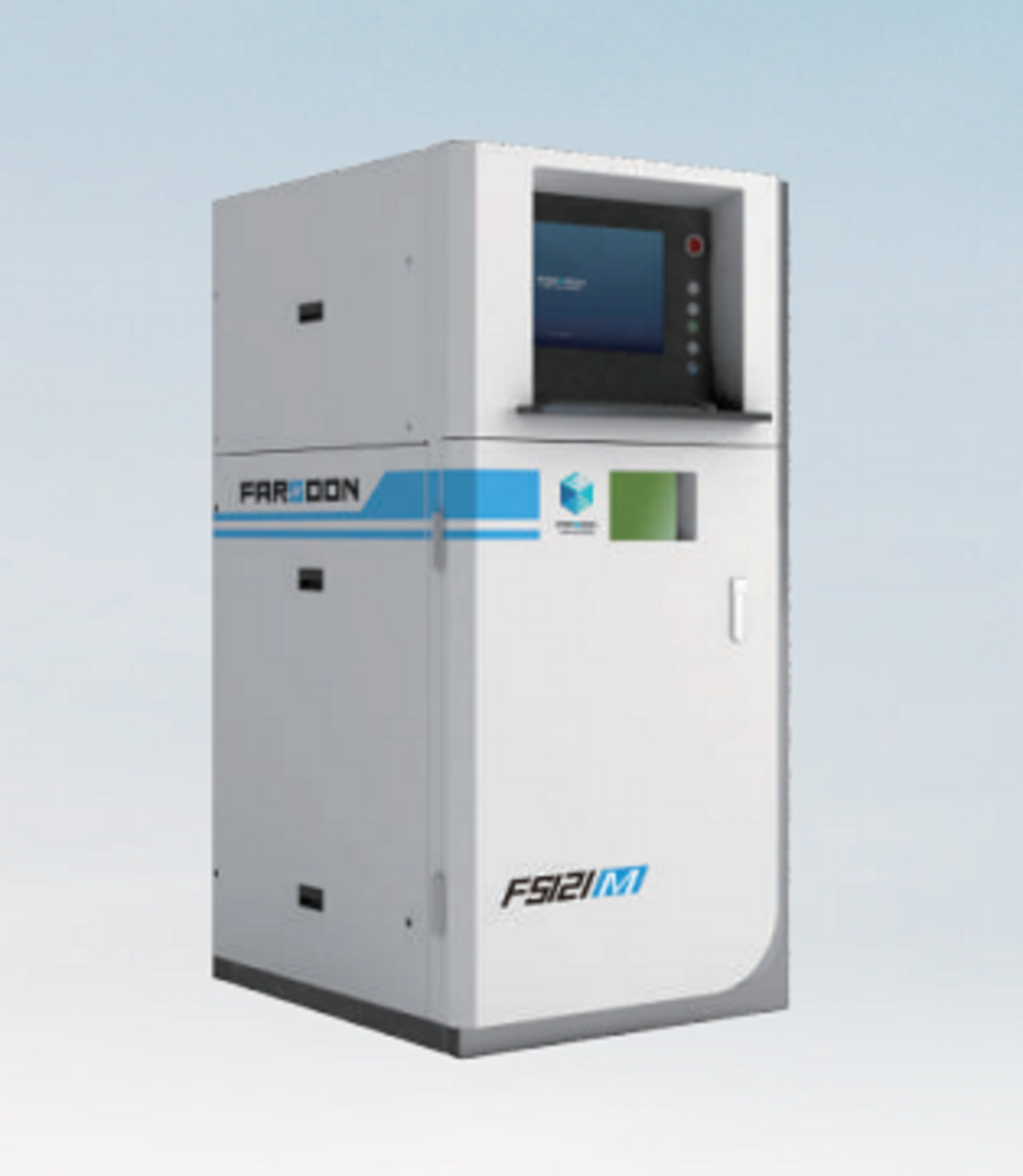
Technical Specification Guide: Dental DMLS Machine
This guide provides a detailed technical comparison between the Standard and Advanced models of Dental Direct Metal Laser Sintering (DMLS) machines. Designed for dental clinics and equipment distributors, this specification table supports informed procurement and integration decisions for high-precision prosthetic manufacturing.
| Spec | Standard Model | Advanced Model |
|---|---|---|
| Power | 500 W fiber laser with single-laser configuration; 2.3 kW total system power; operates on 208–240 V AC, 3-phase, 50/60 Hz | 1000 W dual-fiber laser system; 4.5 kW total power; adaptive power modulation; supports 208–480 V AC, 3-phase, 50/60 Hz with active cooling integration |
| Dimensions | Height: 1450 mm, Width: 980 mm, Depth: 820 mm; Footprint: 0.80 m²; Net weight: 680 kg | Height: 1720 mm, Width: 1150 mm, Depth: 960 mm; Footprint: 1.10 m²; Net weight: 980 kg; Includes integrated argon gas recycling unit |
| Precision | Layer resolution: 20–50 µm; positional accuracy: ±25 µm; surface roughness (as-built): Ra ≤ 12 µm | Layer resolution: 15–30 µm; dynamic focus correction; positional accuracy: ±10 µm; surface roughness (as-built): Ra ≤ 8 µm with optional polishing module |
| Material | Supports CoCr, Ti-6Al-4V, and dental gold alloys; build volume: Ø 75 mm x 90 mm; material utilization rate: ~85% | Full compatibility with CoCr, Ti-6Al-4V, NiCr, 316L stainless steel, and precious metal alloys; build volume: Ø 100 mm x 120 mm; closed-loop powder management; utilization rate: ~93% |
| Certification | CE Marked (MDR 2017/745), ISO 13485:2016 certified, FDA registered (Class II medical device), compliant with IEC 60601-1 | Full CE MDR certification, ISO 13485:2016, FDA 510(k) cleared, IEC 60601-1-2 (EMC), ISO 14644-1 (cleanroom compatible), and UL 61010-1 certified |
ROI Analysis & Profitability
💰 ROI Calculator: Estimate Your Profit
Calculate how quickly your investment in this equipment will pay off.
Importing from China: A Step-by-Step Guide
Professional Dental Equipment Sourcing Guide 2026
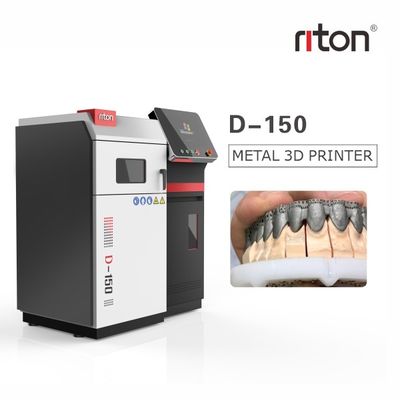
Strategic Procurement of Dental 3D Printing Systems from China
Target Audience: Dental Clinic Procurement Managers & International Dental Equipment Distributors
Step 1: Verifying ISO/CE Credentials (Non-Negotiable for Market Access)
Regulatory compliance is paramount for EU/US/ASEAN market entry. Chinese manufacturers often display certificates without proper validation. Follow this verification protocol:
| Verification Step | Technical Requirement | Risk Mitigation Action |
|---|---|---|
| ISO 13485:2016 Certification | Valid certificate issued by accredited body (e.g., TÜV, SGS, BSI) covering design, manufacturing, and servicing of dental 3D printers | Request certificate copy with scope of approval and verify via accrediting body’s online portal. Expired or generic ISO 9001 certificates are unacceptable. |
| CE Marking (EU MDR 2017/745) | Valid EU Declaration of Conformity with Notified Body number (e.g., 0123) for Class IIa devices. Certificate must reference EN ISO 13485:2016 and IEC 60601-1 | Demand full technical documentation. Confirm Notified Body validation via EUDAMED. Beware of self-declared CE marks – dental printers require NB involvement. |
| US FDA 510(k) (If Applicable) | Clearance for specific indications (e.g., “fabrication of dental models for crown/bridge fabrication”) | Verify K-number in FDA database. Note: Most Chinese OEMs target CE markets; FDA clearance requires significant lead time. |
| Local Chinese Licensing | NMPA (National Medical Products Administration) Class II registration | Confirm registration via NMPA online system. Essential for post-sale service legitimacy. |
Step 2: Negotiating MOQ & Commercial Terms (Factory-Direct Advantage)
Chinese suppliers often impose rigid MOQs. Leverage factory-direct partnerships to optimize inventory risk:
| Negotiation Focus | Industry Standard (2026) | Strategic Approach |
|---|---|---|
| Base MOQ per Model | 5-10 units (for mid-range printers) | Request tiered pricing: 1-4 units at standard rate, 5+ units with 8-12% discount. Distributors should negotiate no MOQ on service contracts. |
| OEM/ODM Flexibility | Typically 20+ units for custom branding | Partner with manufacturers offering modular customization (e.g., UI localization, calibration protocols). Carejoy provides OEM at 5-unit MOQ for established distributors. |
| Payment Terms | 30% deposit, 70% pre-shipment | Negotiate LC at sight or 40/60 terms after 3 successful orders. Avoid 100% upfront payments. |
| After-Sales Support | 1-year parts/labor warranty | Secure on-site technician training and spare parts kit inclusion. Confirm local service partner availability in your region. |
Step 3: Optimizing Shipping & Logistics (DDP vs. FOB)
2026 freight volatility demands strategic incoterm selection. Avoid hidden costs with these protocols:
| Incoterm | Cost/Risk Allocation | Recommended Use Case |
|---|---|---|
| FOB Shanghai | • You pay: Ocean freight, insurance, destination charges • You manage: Customs clearance, inland transport • Supplier risk ends: When goods loaded on vessel |
Distributors with established freight forwarders and customs brokerage. Requires in-house logistics expertise. |
| DDP (Delivered Duty Paid) | • Supplier pays: All costs to your warehouse • Includes: Export/import duties, VAT, local taxes • Minimal risk: Price quoted = landed cost |
Strongly recommended for clinics & new distributors. Eliminates customs delays and unexpected fees. Verify supplier’s DDP experience in your country. |
Trusted Manufacturing Partner: Shanghai Carejoy Medical Co., LTD
Validated for Compliance, Scalability & Technical Partnership
Why Carejoy for Dental 3D Printing Systems?
- 19 Years Manufacturing Expertise: ISO 13485:2016 certified facility (Certificate #CN-2026-ISO13485) with EU MDR-compliant CE marking under Notified Body TÜV SÜD (NB 0123)
- Factory-Direct Advantages: MOQ as low as 1 unit for demo units; 5-unit MOQ for OEM with custom UI/localization
- Full Logistics Management: DDP shipping to 85+ countries with landed cost guarantees (including Brazil, India, Australia)
- Integrated Ecosystem: Seamless compatibility with Carejoy intraoral scanners & CBCT for end-to-end digital workflows
Contact for Technical Sourcing Consultation
Email: [email protected]
WhatsApp: +86 159 5127 6160 (24/7 Engineering Support)
Factory Address: Room 1208, Building 3, No. 2888 Jiangyang Road, Baoshan District, Shanghai, China
Request Your 2026 Sourcing Package
Shanghai Carejoy provides complimentary regulatory dossiers (CE technical files, ISO certificates) and DDP landed cost simulations for your target market.
Action Required: Email [email protected] with:
• Target Country
• Annual Volume Projection
• Required Printer Specifications (Resin/Metal, Build Volume)
Note: This guide reflects 2026 regulatory standards. Always verify current requirements with your national health authority. Shanghai Carejoy Medical Co., LTD assumes no liability for procurement decisions based solely on this document.
Frequently Asked Questions
Professional Dental Equipment Guide 2026
Frequently Asked Questions: Purchasing a Dental DMLS Machine
| Component | Coverage |
|---|---|
| Laser Module | Full coverage for power output degradation & failure |
| Galvanometer Scanners | Calibration & replacement |
| Control Electronics | Board-level repairs |
| Gas Delivery System | Leaks, sensor faults |
Note: Consumables (filters, seals, recoater blades) and damage from improper operation are typically excluded.
Need a Quote for Dental Dmls Machine?
Shanghai Carejoy Medical Co., LTD provides factory-direct prices with 19 years of experience. (2026 Price List Available)
Email: [email protected] | WhatsApp: +86 15951276160