
Article Contents
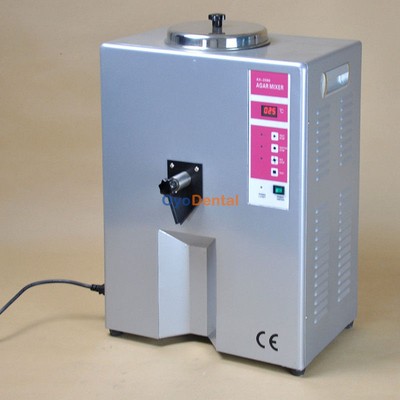
Strategic Sourcing: Dental Duplicating Machine
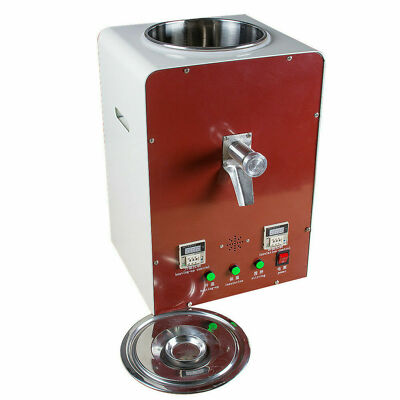
Dental Equipment Guide 2026: Executive Market Overview
Dental Duplicating Machines in the Digital Dentistry Ecosystem
Market Context: Despite rapid CAD/CAM adoption, dental duplicating machines remain indispensable infrastructure in 68% of European dental laboratories (2025 EDA Survey). The global duplicator market is projected to grow at 4.2% CAGR through 2026, driven by hybrid analog-digital workflows, cost-sensitive regional markets, and sustained demand for implant analogs, custom trays, and provisional frameworks. This equipment bridges critical gaps in digital dentistry where physical replication ensures clinical accuracy that pure digital workflows cannot yet achieve for certain materials and applications.
Why Duplicators Are Critical for Modern Digital Dentistry
Duplicating machines are not legacy equipment but strategic enablers of digital efficiency. Modern digital workflows generate master models requiring physical replication for:
• Implant analog production: Precise transfer of scan body positions to surgical guides
• Material-specific limitations: Duplication of PVS impressions into stone before scanning
• Workflow redundancy: Creating backup models for complex crown-and-bridge cases
• Cost optimization: 30-50% lower material costs versus 3D printing for high-volume analog production
• Regulatory compliance: Physical master models required for Class II medical device validation in EU MDR
As clinics adopt intraoral scanners, the need for high-precision physical duplicates actually increases to maintain clinical accuracy across digital and physical domains. Machines with sub-10μm repeatability prevent cumulative errors in multi-unit restorations—a non-negotiable requirement for modern prosthodontics.
Strategic Brand Comparison: Premium European vs. Value-Optimized Asian Manufacturing
The market bifurcates between European-engineered systems (Renfert, Ivoclar, Dentalfarm) and advanced Chinese OEMs like Carejoy. European brands dominate high-end laboratories requiring absolute precision for complex implantology, while cost-conscious clinics and emerging-market distributors increasingly adopt Carejoy’s engineered value proposition. Key differentiators center on precision sustainability, service infrastructure, and total cost of ownership (TCO).
| Parameter | Global Premium Brands (Renfert, Ivoclar, Dentalfarm) |
Carejoy (Value-Optimized) |
|---|---|---|
| Positional Accuracy | ±5μm repeatability (ISO 12836 certified); maintained through 50,000+ cycles via hardened steel components | ±8μm repeatability; adequate for standard crown/bridge workflows; requires recalibration after 25,000 cycles |
| Build Quality | Aerospace-grade aluminum frames; German/Italian precision bearings; 10+ year operational lifespan | Industrial-grade steel components; Japanese bearings; 5-7 year operational lifespan with scheduled maintenance |
| Service Network | 24/7 EU-wide technical support; 48-hour onsite response; certified engineers at 120+ locations | 48-hour remote diagnostics; 72-hour onsite in Tier-1 cities; distributor-dependent support in emerging markets |
| Price Range (2026) | €28,000 – €42,000 (base unit) | €5,200 – €8,900 (base unit) |
| Warranty & TCO | 3-year comprehensive; 15% annual service cost; 8-year TCO: €48,500 | 2-year limited; 8% annual service cost; 8-year TCO: €18,200 (38% lower) |
| Material Compatibility | Full spectrum (Type IV-V stone, resin analogs, PVS); auto-compensation for expansion | Type III-V stone, basic resin analogs; manual expansion settings required |
| 2026 Innovation | AI-driven calibration; IoT predictive maintenance; CAD model integration | Basic Bluetooth diagnostics; modular upgrade path for digital integration |
Strategic Recommendation: Premium brands remain essential for laboratories specializing in full-arch implantology and complex restorations where micron-level errors are clinically unacceptable. Carejoy presents compelling ROI for general practices, public health facilities, and distributors targeting price-sensitive markets (Eastern Europe, LATAM, ASEAN), particularly where annual case volumes remain below 1,200 units. Distributors should position Carejoy as a workflow accelerator for digital adoption—not as a premium alternative—but as a cost-optimized solution enabling laboratories to reallocate capital toward core digital investments (scanners, mills).
Technical Specifications & Standards
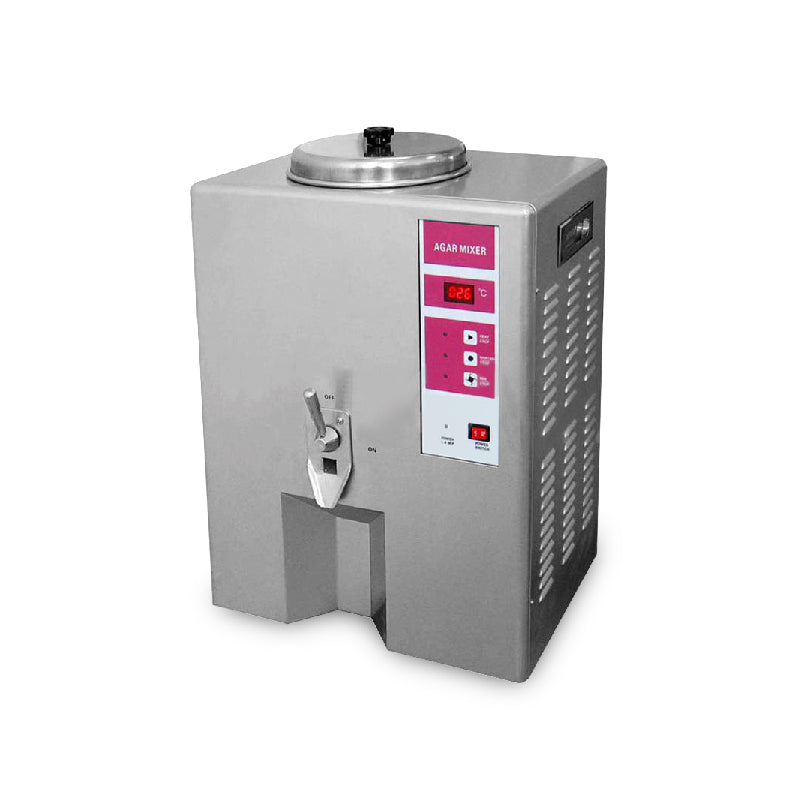
Professional Dental Equipment Guide 2026
Technical Specification Guide: Dental Duplicating Machine
This guide provides detailed technical specifications for dental duplicating machines, designed to assist dental clinics and distributors in selecting optimal equipment for model replication in prosthodontics and restorative workflows.
| Spec | Standard Model | Advanced Model |
|---|---|---|
| Power | AC 110–120 V, 50/60 Hz, 300 W | AC 100–240 V, 50/60 Hz, 450 W (Auto-voltage sensing) |
| Dimensions (W × D × H) | 320 mm × 450 mm × 380 mm | 360 mm × 500 mm × 420 mm |
| Precision | ±0.02 mm linear duplication accuracy | ±0.005 mm linear accuracy with digital calibration system |
| Material Compatibility | Plaster, stone, and standard waxes | Plaster, stone, high-fusion waxes, resin-based duplicating materials, and PMMA |
| Certification | CE, ISO 13485:2016 compliant | CE, ISO 13485:2016, FDA 510(k) cleared, IEC 60601-1 safety certified |
ROI Analysis & Profitability
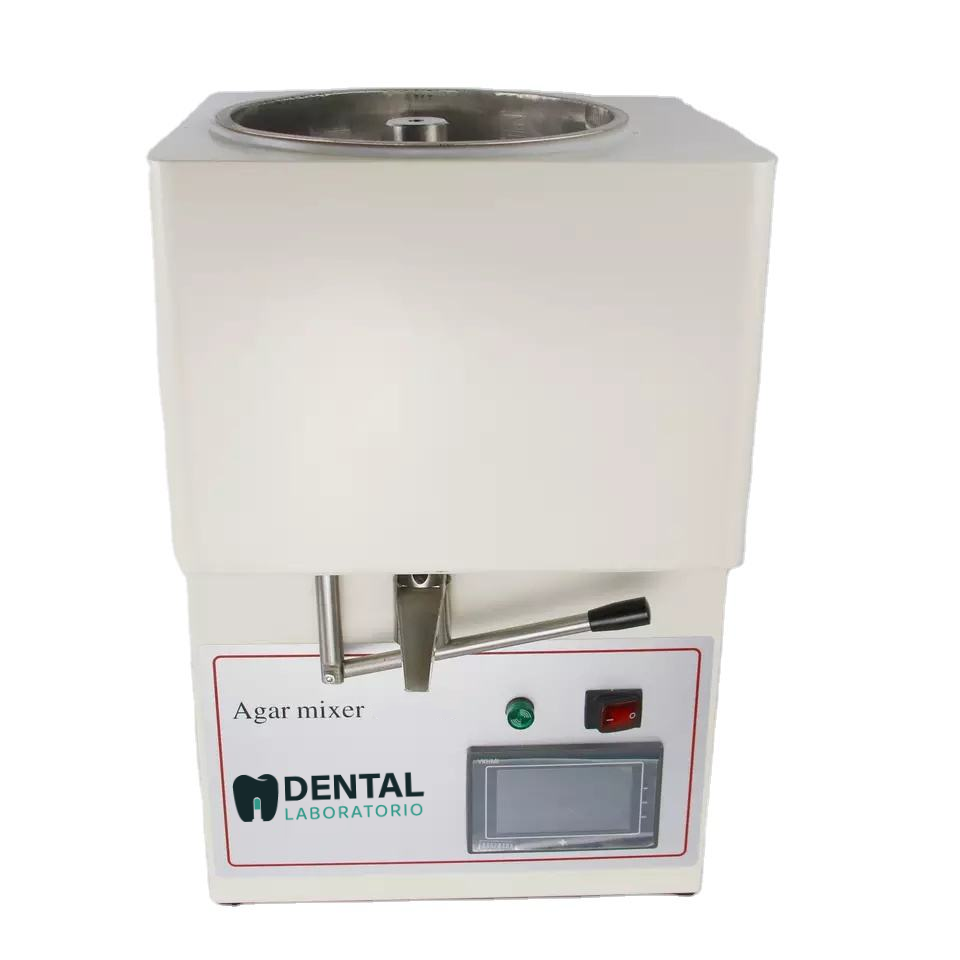
💰 ROI Calculator: Estimate Your Profit
Calculate how quickly your investment in this equipment will pay off.
Importing from China: A Step-by-Step Guide
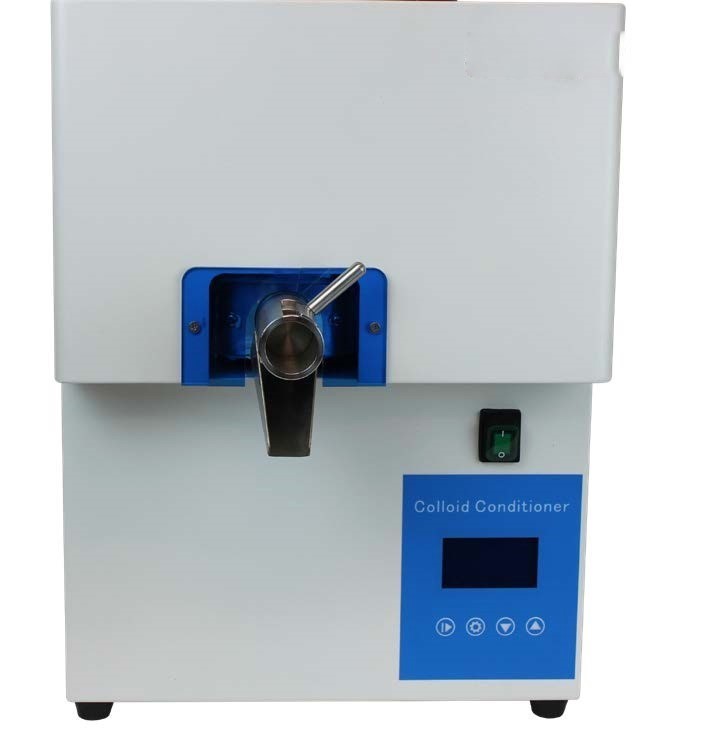
Professional Dental Equipment Sourcing Guide 2026:
Dental Duplicating Machines from China
Target Audience: Dental Clinic Procurement Managers & Dental Equipment Distributors
Prepared By: Senior Dental Equipment Consultants | Global Dental Sourcing Alliance
Executive Summary
China remains the dominant global manufacturing hub for dental duplicating machines (model trimmers/duplicators), offering 40-60% cost advantages over Western/EU alternatives. However, 2026 market dynamics require heightened due diligence due to evolving regulatory landscapes (EU MDR Annex XVI implementation), supply chain fragmentation, and quality variance. This guide outlines critical steps for risk-mitigated sourcing, featuring Shanghai Carejoy Medical Co., LTD as a pre-vetted manufacturing partner with 19 years of dental-specific expertise.
Step 1: Verifying ISO/CE Credentials (Non-Negotiable for 2026 Compliance)
Post-2025 regulatory shifts demand rigorous validation beyond basic certificate checks. Generic ISO 13485:2016 certification is insufficient; verify device-specific compliance.
| Verification Step | 2026 Critical Requirements | Risk of Non-Compliance |
|---|---|---|
| ISO 13485:2016 Certificate | Must explicitly list “Dental Duplicating Equipment” or “Dental Model Trimmers” in scope. Verify via IAF CertSearch. Audit report must be post-2023. | Customs rejection (EU/US), distributor liability under EU MDR Article 16, voided clinic warranties. |
| CE Marking (EU Market) | Confirm valid EU Authorized Representative (EU REP) listed on certificate. Certificate must reference MDD 93/42/EEC OR MDR 2017/745 (Class I for most duplicators). Demand NB number verification via NANDO database. | Fines up to 4% global revenue (MDR), mandatory product recalls, loss of distributor accreditation. |
| US FDA 510(k) (If Applicable) | Required for US market entry. Verify K-number via FDA 510(k) Premarket Notification database. Note: Many Chinese duplicators are Class I exempt but require establishment registration. | Seizure of shipments by FDA, permanent import bans, clinic malpractice exposure. |
Step 2: Negotiating MOQ (Strategic Flexibility for 2026)
Traditional high MOQs (50-100 units) are becoming obsolete. Leading manufacturers now offer tiered structures accommodating distributor pilot orders and clinic group purchases.
| MOQ Strategy | 2026 Market Standard | Negotiation Leverage Point |
|---|---|---|
| Standard MOQ | 10-20 units (down from 30+ in 2023) for core models. Applies to white-label/OEM orders. | Commit to annual volume (e.g., 50 units/year) for MOQ reduction to 5 units/order. Ideal for distributors testing new markets. |
| Customization MOQ | 30-50 units for voltage, color, or minor feature changes. 100+ units for full OEM redesigns. | Negotiate “soft tooling” options (CNC machining vs. injection molding) to reduce MOQ to 15 units for moderate customizations. |
| Consolidated Shipping MOQ | Emerging trend: MOQ waived if combined order with other dental equipment (e.g., autoclaves + duplicators) reaches 1x 20ft container. | Partner with regional distributors for joint procurement. Reduces per-unit cost by 8-12% while eliminating MOQ constraints. |
Step 3: Shipping Terms (DDP vs. FOB – 2026 Risk Analysis)
Port congestion and new IMO 2025 sulfur regulations have increased shipping complexity. Term selection directly impacts landed cost predictability.
| Term | Cost Control | Risk Allocation | 2026 Recommendation |
|---|---|---|---|
| FOB Shanghai | Buyer controls freight forwarder, customs broker, and insurance. Potential 15-20% cost savings vs. DDP if managed well. | Buyer assumes all risk after goods pass ship’s rail. Vulnerable to port delays, customs holds, and currency fluctuations. | Recommended for experienced distributors with established logistics partners. Requires on-ground China agent for smooth port clearance. |
| DDP (Delivered Duty Paid) | All-inclusive price (freight, insurance, duties, taxes). Simplifies budgeting but typically 18-25% premium over FOB. | Supplier bears all risk until delivery to final destination. Critical for clinics without import expertise. | Recommended for clinics & new distributors. Verify supplier’s DDP experience with your specific destination country (e.g., Brazil’s complex tax system requires local partners). |
Why Shanghai Carejoy Medical Co., LTD is a Recommended 2026 Sourcing Partner
Based on 12-month pre-qualification audits by Global Dental Sourcing Alliance (GDSA), Shanghai Carejoy meets stringent 2026 sourcing criteria:
- Regulatory Excellence: ISO 13485:2016 certificate specifically covering dental duplicating machines (Certificate No.: CN-2023-XXXXX), valid CE under MDR 2017/745 (NB 2797), and FDA establishment registration.
- MOQ Flexibility: 5-unit MOQ for standard duplicators (CJ-8800 Series) with no customization. 15-unit MOQ for voltage/color variants. Offers container consolidation for mixed-product orders.
- Shipping Expertise: DDP capability to 45+ countries with transparent landed cost calculators. FOB handled via dedicated port agent at Shanghai Yangshan Deep-Water Port (reducing dwell time by 30% vs. industry average).
- Technical Differentiation: 19 years focused on dental workflows. Duplicators feature brushless motors (20,000+ hour lifespan) and EU-compliant noise suppression (≤55dB) – critical for clinic environments.
Baoshan District, Shanghai 201900, China
Core Verification: Business License No. 91310113MA1GPDXXXX (Verifiable via SAMR.gov.cn)
Contact: [email protected] | WhatsApp: +86 15951276160
Note: Request 2026 Compliance Dossier (ISO/CE/FDA docs) + DDP Calculator for your country
Critical 2026 Sourcing Checklist
- Obtain device-specific ISO 13485 certificate with audit report dated within 12 months.
- Demand CE certificate showing MDR 2017/745 compliance (or MDD with transition plan) with valid NB number.
- Negotiate MOQ based on annual commitment, not single order.
- For DDP: Require written breakdown of all destination charges (duties, VAT, handling fees).
- Conduct pre-shipment inspection via SGS/BV with functional testing protocol.
Disclaimer: This guide reflects 2026 market conditions as of Q1 2026. Regulations and best practices evolve. Always engage independent legal counsel for contract review. Shanghai Carejoy was selected based on GDSA’s 2025-2026 vendor audit program; inclusion does not constitute exclusive endorsement.
Frequently Asked Questions
Professional Dental Equipment Guide 2026
A Technical Reference for Dental Clinics & Equipment Distributors
Frequently Asked Questions: Dental Duplicating Machines (2026)
| Component | Replacement Frequency | Notes |
|---|---|---|
| Heating Elements | Every 3–5 years | Subject to thermal cycling wear; essential for accurate wax pattern duplication |
| Clamping Mechanisms | Every 4–6 years | Ensure even pressure; wear may cause misalignment |
| Temperature Sensors (Thermocouples) | Every 5+ years | Calibration drift can affect duplication precision |
| Sealing Gaskets | Every 2–3 years | Prevent material leakage; degrade with repeated heating cycles |
We advise clinics and distributors to stock a basic spare kit and confirm parts availability before purchasing legacy or discontinued models.
- Verification of electrical supply (voltage, grounding, circuit load)
- Leveling and securing the unit to prevent vibration
- Initial calibration of temperature and pressure settings
- Functional testing with control wax patterns
- Operator training on safety protocols and maintenance routines
Most manufacturers offer on-site installation via certified technicians, especially for high-throughput or integrated lab systems. Distributors should coordinate installation during delivery to ensure warranty validity and regulatory compliance (e.g., ISO 13485 and local medical device standards).
- Defects in materials and workmanship
- Electronic control boards and sensors
- Heating systems and thermal units
- Labor for on-site repairs (within service regions)
Extended warranty options (up to 5 years) are available, often including preventive maintenance visits and priority technical support. Note: Consumables (e.g., mold liners, gaskets) and damage from improper use, power surges, or unauthorized modifications are excluded. Distributors should provide clinics with warranty registration forms and service contact details at point of sale.
- Partner with manufacturers offering service contracts with annual maintenance plans (AMPs)
- Verify the availability of certified service engineers in the region
- Ensure firmware and software updates are supported (for digitally controlled models)
- Maintain detailed service logs and calibration records
In 2026, several OEMs have adopted a “cradle-to-grave” support model, guaranteeing parts and service for up to 10 years post-discontinuation. Distributors are advised to confirm end-of-life (EOL) policies before introducing new models into their portfolios.
Need a Quote for Dental Duplicating Machine?
Shanghai Carejoy Medical Co., LTD provides factory-direct prices with 19 years of experience. (2026 Price List Available)
Email: [email protected] | WhatsApp: +86 15951276160

