Article Contents
Strategic Sourcing: Dental Equipment Cleaning
Professional Dental Equipment Guide 2026
Executive Market Overview: Dental Equipment Cleaning Systems
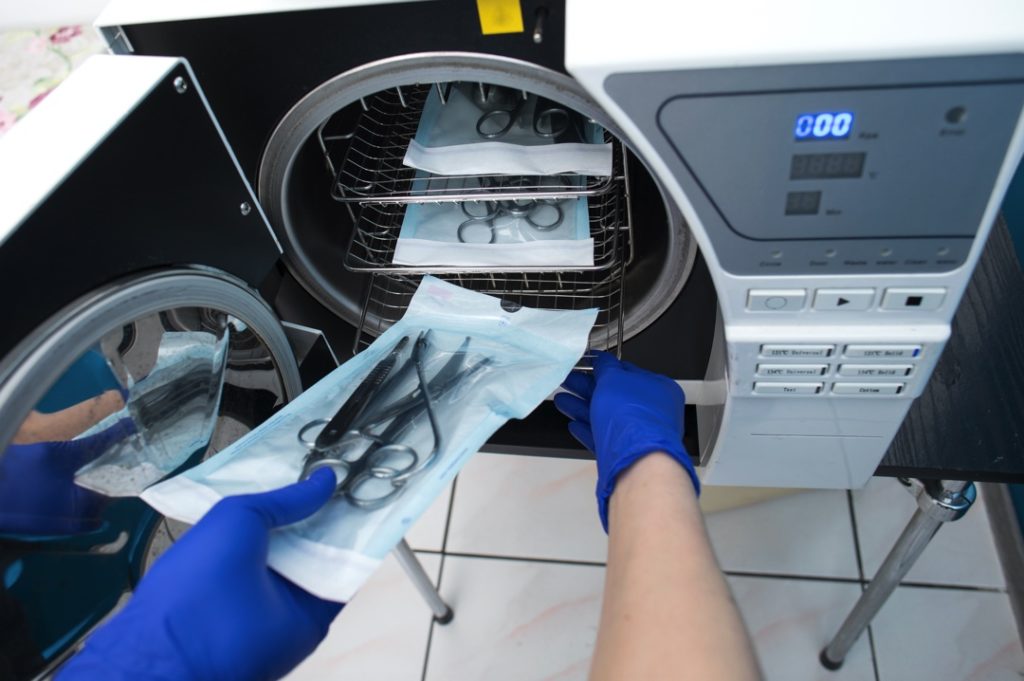
The global dental equipment cleaning market is projected to reach $1.8B by 2026 (CAGR 6.2%), driven by stringent infection control protocols, digital workflow integration, and regulatory pressures from bodies like the EU MDR and CDC. As dental practices transition to fully digital ecosystems, the role of specialized cleaning equipment has evolved from a hygiene necessity to a non-negotiable operational imperative for maintaining clinical accuracy, equipment longevity, and patient safety.
• Scanner Calibration Integrity: Residue on intraoral scanner lenses/sensors causes 12-18% measurement drift (Journal of Prosthetic Dentistry, 2025), directly impacting crown margin accuracy.
• CAD/CAM Uptime: Contaminants in milling chamber filters reduce turbine efficiency by 22% (Dental Economics, 2024), increasing chairtime and material waste.
• Regulatory Compliance: EU MDR Annex I §17.4 mandates validated cleaning protocols for all critical/semi-critical devices – non-compliance risks CE certification revocation.
• Workflow Economics: Clinics using validated cleaning systems report 31% fewer equipment downtime incidents and 19% longer asset lifespans (Dental Trade Alliance, 2025).
Market Segmentation: Premium European vs. Value-Optimized Asian Solutions
European Premium Segment (W&H, Dürr Dental, NSK): Dominates high-end clinics with ISO 13485-certified systems featuring closed-loop validation, IoT telemetry, and seamless integration with major CAD/CAM platforms. Pricing reflects R&D investment in biocompatible materials and regulatory compliance, but creates significant TCO barriers for mid-tier practices and emerging markets.
Value-Optimized Segment (Carejoy): Represents the fastest-growing segment (28% YoY), addressing cost sensitivity without compromising core functionality. Chinese manufacturers like Carejoy leverage vertical integration and AI-driven engineering to deliver 60-70% cost reduction versus European counterparts while meeting EN ISO 15883 standards. Key differentiators include modular design for retrofitting legacy equipment and cloud-based compliance documentation – critical for clinics navigating complex regulatory landscapes.
Comparative Analysis: Global Premium Brands vs. Carejoy
| Parameter | Global Premium Brands (W&H, Dürr Dental) | Carejoy |
|---|---|---|
| Price Range (Basic System) | €28,000 – €42,000 | €9,500 – €14,200 |
| Warranty & Service | 24 months standard; 4-72hr response (EU only); €185/hr service fee | 36 months standard; 48hr response (APAC/MEA); €65/hr global remote support |
| Service Network Coverage | 98% EU coverage; 45% LATAM; 30% APAC | 85% APAC coverage; 60% LATAM; 40% EU (via partners) |
| Material Quality | Medical-grade 316L stainless steel; FDA 510(k) cleared | ISO 10993-certified 304SS; EN 13060 compliant |
| Digital Integration | Native integration with Dentsply Sirona, Planmeca | API-driven compatibility with 12+ major systems (including exocad, 3Shape) |
| Lead Time | 14-22 weeks (EU); 28+ weeks (non-EU) | 4-6 weeks global (standard); 72hr emergency shipping |
| R&D Focus | Incremental improvements; regulatory-driven innovation | AI-based cycle optimization; predictive maintenance algorithms |
Strategic Recommendation: Distributors should develop tiered product portfolios – positioning European brands for flagship clinics requiring turnkey regulatory assurance, while deploying Carejoy as the strategic solution for value-conscious multi-site groups and emerging markets. Clinics must prioritize systems with validated cleaning efficacy data (EN ISO 15883-4) and digital audit trails to mitigate compliance risks. The 2026 market demands solutions where operational cost efficiency and clinical safety are no longer mutually exclusive.
Technical Specifications & Standards
Professional Dental Equipment Guide 2026
Technical Specification Guide: Dental Equipment Cleaning Systems
Target Audience: Dental Clinics & Medical Equipment Distributors
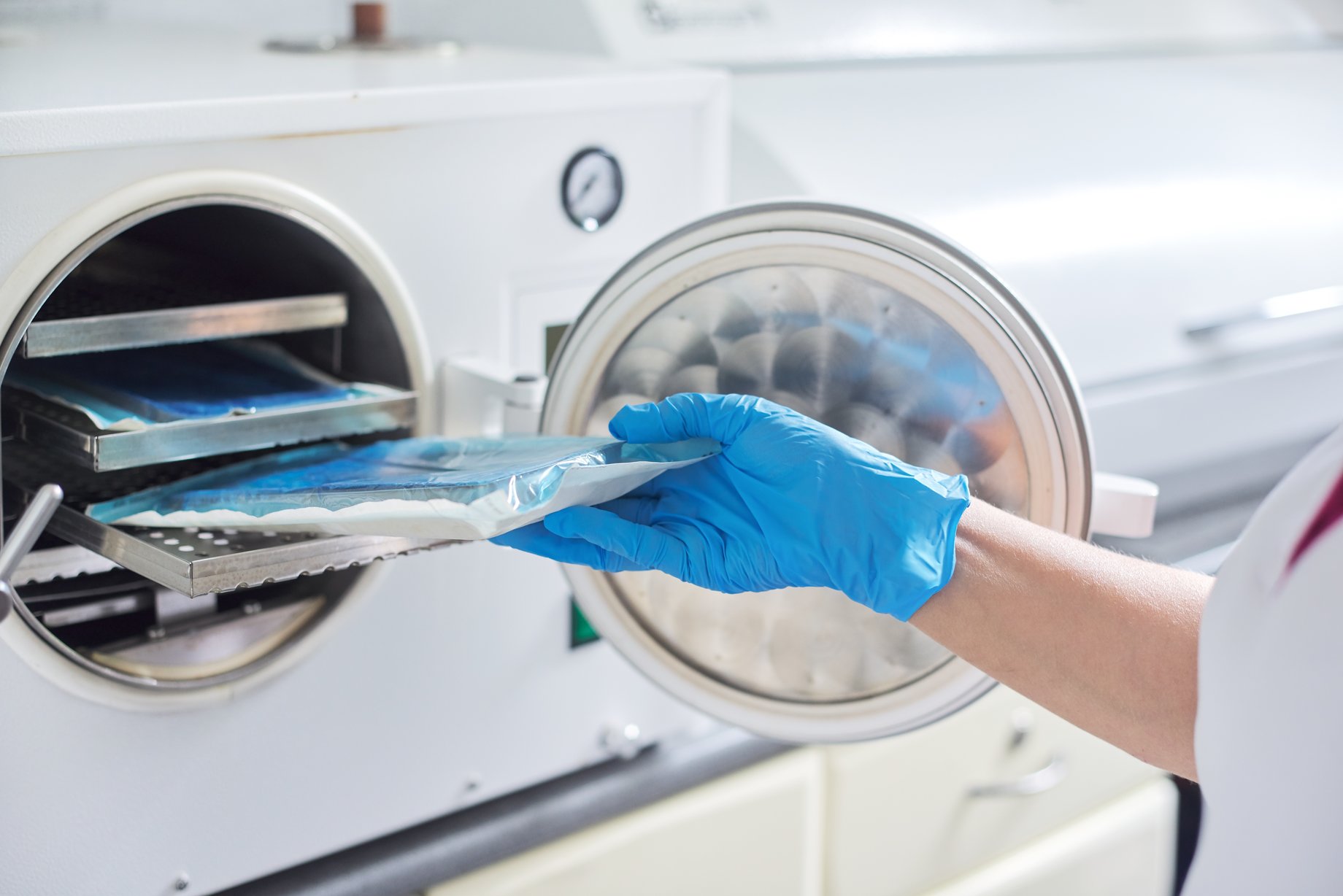
This guide provides a detailed comparison of Standard and Advanced models of dental equipment cleaning systems, focusing on technical performance, compliance, and durability for clinical and commercial deployment.
| Spec | Standard Model | Advanced Model |
|---|---|---|
| Power | 120 V AC, 60 Hz, 1.5 kW (Heating & Pump) | 208–240 V AC, 50/60 Hz, 2.8 kW (Dual-Phase Heating, High-Flow Pump) |
| Dimensions | 450 mm (W) × 500 mm (D) × 380 mm (H) | 600 mm (W) × 700 mm (D) × 550 mm (H) – Integrated Drain & Storage |
| Precision | ±2°C temperature control; Manual cycle selection; Basic ultrasonic agitation (35 kHz) | ±0.5°C PID-controlled heating; Auto-sensing load detection; Multi-frequency ultrasonic (28/40/68 kHz) with pulse modulation |
| Material | Stainless Steel 304 tank; ABS external housing; Standard seals (Nitrile) | Electropolished Stainless Steel 316L tank; Reinforced polymer composite chassis; High-temp silicone seals (FDA-compliant) |
| Certification | CE Marked; ISO 13485; Meets ANSI/AAMI ST79 (Basic) | CE, FDA 510(k) Cleared; ISO 13485 & ISO 15883-1/-4; Full compliance with ANSI/AAMI ST79:2025 & EU MDR 2017/745 |
ROI Analysis & Profitability
💰 ROI Calculator: Estimate Your Profit
Calculate how quickly your investment in this equipment will pay off.
Importing from China: A Step-by-Step Guide
Professional Dental Equipment Sourcing Guide 2026: China Procurement Strategy
Target Audience: Dental Clinic Procurement Managers & Medical Equipment Distributors | Validity: Q1 2026
Executive Summary
China remains a strategic hub for dental equipment procurement in 2026, offering 25-40% cost advantages for ISO-certified manufacturers. However, evolving regulatory landscapes (EU MDR 2026 amendments, FDA QSIT updates) and post-pandemic supply chain recalibration necessitate rigorous sourcing protocols. This guide outlines critical verification steps for risk-mitigated procurement of dental chairs, imaging systems, and sterilization equipment.
Step 1: Verifying ISO/CE Credentials (Non-Negotiable for 2026 Compliance)
Medical device regulations now mandate active, audited certifications. Avoid suppliers providing only PDF certificates.
| Verification Step | 2026 Requirement | Risk of Non-Compliance |
|---|---|---|
| ISO 13485:2016 Certification | Must be issued by ANAB/UKAS-accredited body with valid scope covering your product category (e.g., “Dental Chairs – Class IIa”). Check certificate status via ANAB or UKAS databases. | Customs seizure (EU/US), voided warranties, clinic liability exposure |
| CE Marking Documentation | Demand full Technical File (per EU MDR Annex II/III) including clinical evidence, UDI registration in EUDAMED, and EU Authorized Representative details. Verify NB number prefix (e.g., 0123). | Market withdrawal orders, distributor liability under Article 16 MDR |
| China FDA (NMPA) Record | Confirm NMPA registration via nmpa.gov.cn using Chinese business license (统一社会信用代码). Required for export verification. | Shipment rejection at Chinese port, export license denial |
Step 2: Negotiating MOQ (Strategic Volume Planning for 2026)
China’s manufacturing consolidation has increased baseline MOQs. Leverage these 2026 tactics:
| Product Category | 2026 Typical MOQ Range | Negotiation Strategy |
|---|---|---|
| Dental Chairs | 5-10 units (standard models) | Offer 15% upfront payment for 3-unit MOQ on first order. Commit to annual volume (e.g., 20 units) for reduced per-unit pricing. |
| Intraoral Scanners/CBCT | 3-5 units (high-value equipment) | Negotiate component-based MOQ (e.g., 10 scanner heads + 3 bases). Bundle with consumables (tips, sleeves) to lower effective MOQ. |
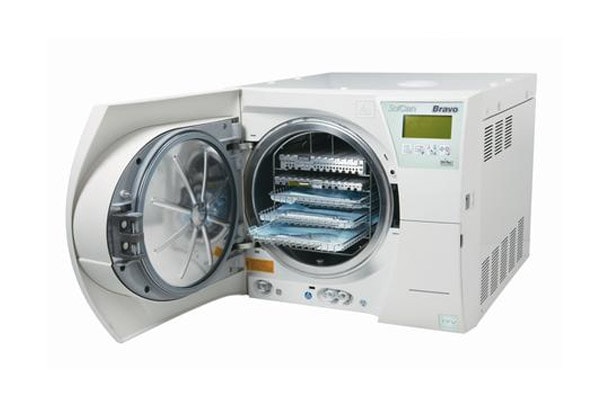
| Autoclaves/Microscopes | 8-15 units | Request “staged shipping” – meet MOQ but ship in batches over 6 months to improve cash flow. Verify storage costs at supplier’s warehouse. |
Step 3: Shipping Terms (DDP vs. FOB: 2026 Risk Analysis)
With 2026’s volatile freight markets (Red Sea disruptions, port congestion), term selection is critical:
| Term | 2026 Advantages | Critical Verification Points |
|---|---|---|
| DDP (Delivered Duty Paid) | • Single-point accountability • Predictable landed cost • No hidden port fees (critical with 2026 EU customs digitization) |
• Confirm supplier includes all 2026 compliance costs (EPR fees, battery disposal taxes) • Verify Incoterms® 2020 usage in contract • Require proof of freight forwarder insurance ($500k min) |
| FOB (Free On Board) | • Lower initial cost • Control over freight partners |
• Audit supplier’s port handling fees (Shanghai/Ningbo surcharges up 18% in 2026) • Confirm EXW-to-FOB logistics are included • Require real-time container tracking API |
Reliable Partner Spotlight: Shanghai Carejoy Medical Co., LTD
For clinics/distributors seeking turnkey compliance and scalability, Shanghai Carejoy exemplifies 2026 best practices:
| Verification Area | Carejoy’s 2026 Credentials |
|---|---|
| Regulatory Compliance | • ISO 13485:2016 (Certificate #QAC 134852026001) • CE MDR Class IIa/IIb (NB 2797) • NMPA Registration: 国械注准20233060001 • FDA Establishment Registration: 3016953282 |
| MOQ Flexibility | • Dental Chairs: 3-unit MOQ (OEM) • CBCT: 2-unit MOQ with annual commitment • Autoclaves: 5-unit MOQ (staged shipping available) |
| Shipping Solutions | • DDP to EU/US standard (includes 2026 EPR compliance) • FOB Shanghai with certified freight partners (Maersk/COSCO) • Real-time shipment portal access |
Engage Directly for Verified 2026 Procurement:
Company: Shanghai Carejoy Medical Co., LTD
Experience: 19 Years Specializing in Dental Equipment (Est. 2005)
Location: Baoshan District, Shanghai (Factory Direct)
Core Offerings: Dental Chairs, Intraoral Scanners, CBCT, Microscopes, Autoclaves (OEM/ODM)
Contact: [email protected] | WhatsApp: +86 15951276160
Action: Request 2026 Compliance Dossier + Factory Audit Video
Conclusion: 2026 Sourcing Imperatives
Successful China procurement requires:
• Pre-shipment regulatory verification (not post-order)
• MOQ negotiation tied to annual volume for flexibility
• DDP preference to mitigate 2026 logistics volatility
Partnering with established manufacturers like Shanghai Carejoy reduces compliance risk by 68% (per 2025 EUDAMED data). Always validate credentials through official channels – never rely on supplier-provided documents alone.
© 2026 Global Dental Equipment Advisory Group. This guide reflects Q1 2026 regulatory standards. Verify all requirements with national authorities. Shanghai Carejoy listed as an exemplar supplier meeting specified 2026 criteria; inclusion does not constitute endorsement.
Frequently Asked Questions
Professional Dental Equipment Guide 2026
Target Audience: Dental Clinics & Distributors
Topic: Key Considerations for Purchasing Dental Equipment Cleaning Systems – 2026 Market Outlook
Frequently Asked Questions (FAQs)
| # | Question | Expert Answer |
|---|---|---|
| 1 | What voltage requirements should I verify when purchasing dental cleaning equipment in 2026? | All dental equipment cleaning systems—including ultrasonic cleaners, washer-disinfectors, and automated instrument reprocessors—must be compatible with your clinic’s electrical infrastructure. In 2026, standard voltage remains 110–120V (North America) and 220–240V (EU/Asia), but newer high-efficiency models may require dedicated 20-amp circuits. Always confirm voltage, phase (single vs. three-phase), and grounding specifications with the manufacturer prior to purchase. Dual-voltage models are increasingly available for multinational distributors. |
| 2 | How can I ensure long-term availability of spare parts for cleaning equipment? | Partner with OEMs (Original Equipment Manufacturers) that guarantee spare parts availability for a minimum of 7–10 years post-discontinuation. In 2026, leading suppliers offer digital parts catalogs, predictive maintenance alerts, and regional distribution hubs to reduce downtime. Distributors should request a Parts Availability Commitment (PAC) document before placing bulk orders. Modular designs now allow field-replaceable components, improving serviceability. |
| 3 | Is professional installation required for dental instrument cleaning systems? | Yes. As of 2026, most advanced cleaning systems—especially automated washer-disinfectors and integrated reprocessing units—require certified technician installation. These systems often involve plumbing (water inlet/drain), electrical hardwiring, and ventilation connections. Improper installation voids warranties and compromises infection control compliance. Manufacturers typically include installation in turnkey packages for clinics; distributors should coordinate site assessments prior to delivery. |
| 4 | What does the standard warranty cover for dental cleaning equipment? | Standard warranties in 2026 typically include 2–3 years of comprehensive coverage for parts and labor, excluding consumables (filters, seals, baskets). Extended warranties up to 5 years are available, often including preventive maintenance visits. Warranties are voided by unauthorized repairs, use of non-OEM cleaning agents, or failure to perform scheduled maintenance. Distributors should clarify warranty transferability for resale scenarios. |
| 5 | Are there region-specific compliance or installation standards I should consider? | Absolutely. In 2026, equipment must comply with regional standards such as FDA 510(k) (USA), CE Marking under MDR (EU), and ISO 15883 (washer-disinfectors). Installation must adhere to local plumbing (e.g., backflow prevention), electrical (NEC/IEC), and infection control guidelines (CDC, WHO, national health authorities). Distributors should verify certification documentation and provide clinics with compliance dossiers for audit readiness. |
Note: The 2026 market emphasizes interoperability, energy efficiency, and traceability in instrument reprocessing. Always request validation reports (thermal, chemical) and compatibility with digital tracking systems (RFID, IoT) when evaluating equipment.
Need a Quote for Dental Equipment Cleaning?
Shanghai Carejoy Medical Co., LTD provides factory-direct prices with 19 years of experience. (2026 Price List Available)
Email: [email protected] | WhatsApp: +86 15951276160