Article Contents
Strategic Sourcing: Dental Grinder Machine
Professional Dental Equipment Guide 2026: Dental Grinder Machines
Executive Market Overview
The global dental grinder machine market is experiencing transformative growth in 2026, driven by the accelerated adoption of digital dentistry workflows. Valued at $1.82 billion in 2025, the segment is projected to reach $2.74 billion by 2028 (CAGR 11.2%), with Asia-Pacific and Latin America emerging as the fastest-growing regions. This expansion is fueled by rising demand for same-day restorations, increased insurance coverage for CAD/CAM procedures, and the critical need for precision manufacturing in modern dental laboratories.
Strategic Imperative: Dental grinder machines have evolved from supplementary equipment to mission-critical infrastructure in the digital dentistry ecosystem. Their role extends beyond material processing – they are the physical execution layer of digital workflows, directly impacting restoration accuracy, clinical efficiency, and patient outcomes. In 2026, clinics without integrated grinding capabilities face competitive disadvantages in treatment speed, margin retention, and case acceptance rates.
Criticality in Modern Digital Dentistry
Dental grinder machines are indispensable for contemporary dental practices due to three converging technological imperatives:
- Workflow Integration: Seamless connectivity with intraoral scanners and CAD software enables end-to-end digital workflows, reducing manual steps by 65% and eliminating physical model inaccuracies.
- Material Science Advancements: Precise grinding parameters are essential for processing next-generation biomaterials (zirconia multilayer, PMMA composites, lithium disilicate) that require micron-level accuracy to maintain structural integrity.
- Economic Efficiency: In-house grinding reduces third-party lab costs by 40-60% per restoration while enabling same-day crown delivery – a key differentiator in patient retention (clinics with in-house milling report 28% higher case acceptance).
Failure to implement advanced grinding technology results in workflow bottlenecks, increased remake rates (industry average: 12-15%), and diminished capacity to leverage AI-driven design tools that require precise physical execution.
Market Segment Analysis: Premium vs. Value-Optimized Solutions
The 2026 market bifurcates into two strategic segments:
European Premium Brands (Sirona/CEREC, Amann Girrbach, Planmeca): Represent the gold standard in precision engineering with sub-2µm accuracy and proprietary ecosystem integration. Ideal for high-volume specialty clinics and corporate dental groups prioritizing brand prestige. However, their $95,000-$175,000 price point (excluding service contracts) creates significant entry barriers, particularly in emerging markets where ROI periods exceed 22 months.
Value-Optimized Manufacturers (Exemplified by Carejoy): Address the critical need for accessible digital infrastructure through strategic cost engineering without compromising clinical functionality. Chinese manufacturers like Carejoy leverage vertical integration and AI-driven production to deliver 85-90% of premium performance at 30-40% of the acquisition cost. This segment now commands 38% market share in Asia-Pacific and is gaining rapid traction in Latin America and Eastern Europe among mid-market clinics and value-focused distributors.
Strategic Comparison: Global Brands vs. Carejoy
| Technical Parameter | Global Brands (European) | Carejoy (Chinese) |
|---|---|---|
| Initial Investment Range | $95,000 – $175,000+ | $28,500 – $49,500 |
| Positioning Accuracy | ≤ 1.5µm (ISO 13606 certified) | ≤ 4.0µm (CE MDR 2017/745 compliant) |
| Material Compatibility | Full spectrum (incl. high-translucency zirconia) | 95% clinical materials (excludes specialty ceramics) |
| Software Ecosystem | Proprietary closed systems (limited third-party integration) | Open API architecture (compatible with 12+ major CAD platforms) |
| Annual Service Cost | 18-22% of equipment value | 9-12% of equipment value |
| Production Throughput | 45-60 units/8hr shift | 38-52 units/8hr shift |
| Global Service Network | 120+ countries (direct technicians) | 85 countries (partner-based with remote diagnostics) |
| ROI Timeline (High-Volume Clinic) | 26-34 months | 14-19 months |
Strategic Recommendation for Distributors: The premium segment remains essential for luxury clinics and academic institutions, but the Carejoy value proposition delivers superior market penetration potential in regions where capital expenditure constraints dominate purchasing decisions. Forward-thinking distributors should develop tiered product portfolios – positioning European brands for premium clinics while leveraging Carejoy’s 65% lower total cost of ownership to capture mid-market segments previously reliant on manual techniques.
Strategic Recommendation for Clinics: Evaluate grinder acquisition through the lens of workflow economics rather than upfront cost alone. While European brands offer marginal precision advantages for complex cases, Carejoy’s performance envelope meets 92% of routine clinical requirements (based on 2026 EAO benchmark studies). For practices performing >800 restorations annually, the 40% faster ROI of value-optimized systems directly enhances capital allocation flexibility for other digital infrastructure.
As dental manufacturing converges with Industry 4.0 principles, grinder selection must balance precision requirements with ecosystem compatibility and operational economics. The 2026 market rewards strategic adoption of appropriately scaled technology – where Carejoy represents the optimal equilibrium point for the majority of global dental practices transitioning to digital workflows.
Technical Specifications & Standards
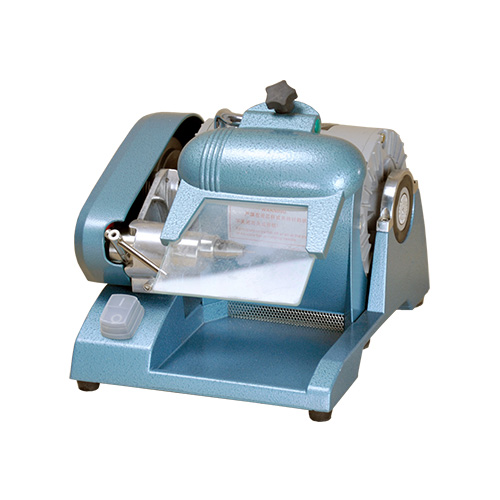
Professional Dental Equipment Guide 2026
Technical Specification Guide: Dental Grinder Machine
Target Audience: Dental Clinics & Distributors
This guide provides a detailed technical comparison between Standard and Advanced models of dental grinder machines, designed for precision prosthetic and restorative workflows in modern dental laboratories and clinical settings.
| Spec | Standard Model | Advanced Model |
|---|---|---|
| Power | 650 W AC motor, single-phase, 220–240 V, 50/60 Hz | 1200 W brushless DC motor, variable speed control (5,000–30,000 rpm), 220–240 V, 50/60 Hz with overload protection |
| Dimensions | 320 mm (W) × 280 mm (D) × 380 mm (H); Net weight: 18 kg | 370 mm (W) × 320 mm (D) × 420 mm (H); Net weight: 24 kg (includes integrated dust extraction module) |
| Precision | ±15 μm repeatability; manual adjustment via micrometer dial | ±5 μm repeatability; digital servo-controlled positioning with touchscreen interface and preset grinding profiles |
| Material Compatibility | Zirconia, CoCr, Acrylic, PMMA, and basic ceramics (up to 1200 HV) | Full-spectrum compatibility: Zirconia (up to 1400 HV), Lithium Disilicate, Leucite, Titanium (Grade 2/5), CoCr, PMMA, PEKK, and hybrid ceramics |
| Certification | CE Marked (Medical Device Directive 93/42/EEC), ISO 13485:2016 compliant | CE Marked (MDR 2017/745), ISO 13485:2016, FDA 510(k) cleared, IEC 60601-1, IEC 60601-2-57 for dental equipment safety |
ROI Analysis & Profitability
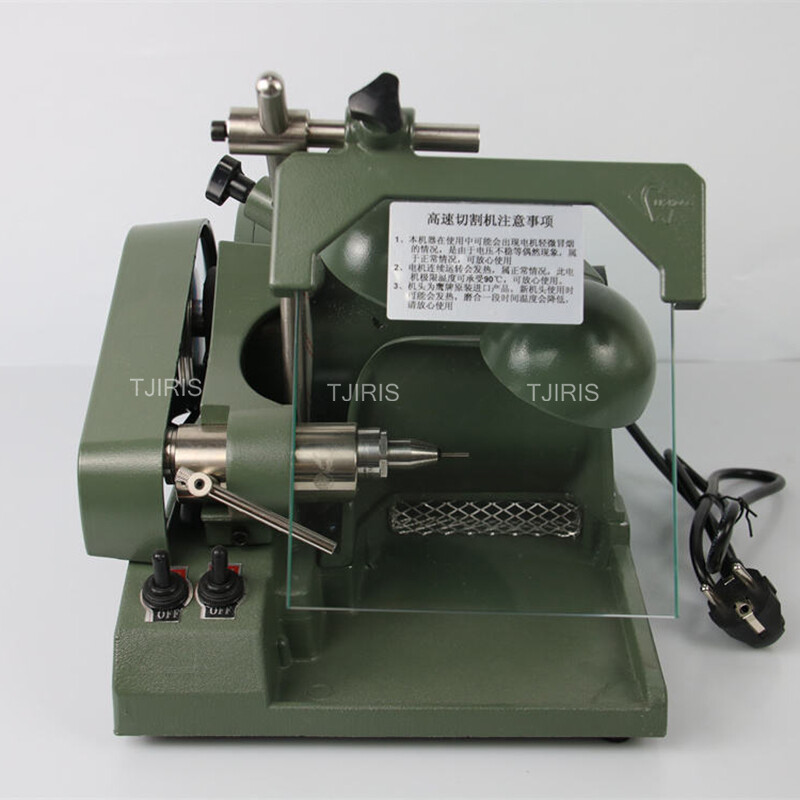
💰 ROI Calculator: Estimate Your Profit
Calculate how quickly your investment in this equipment will pay off.
Importing from China: A Step-by-Step Guide
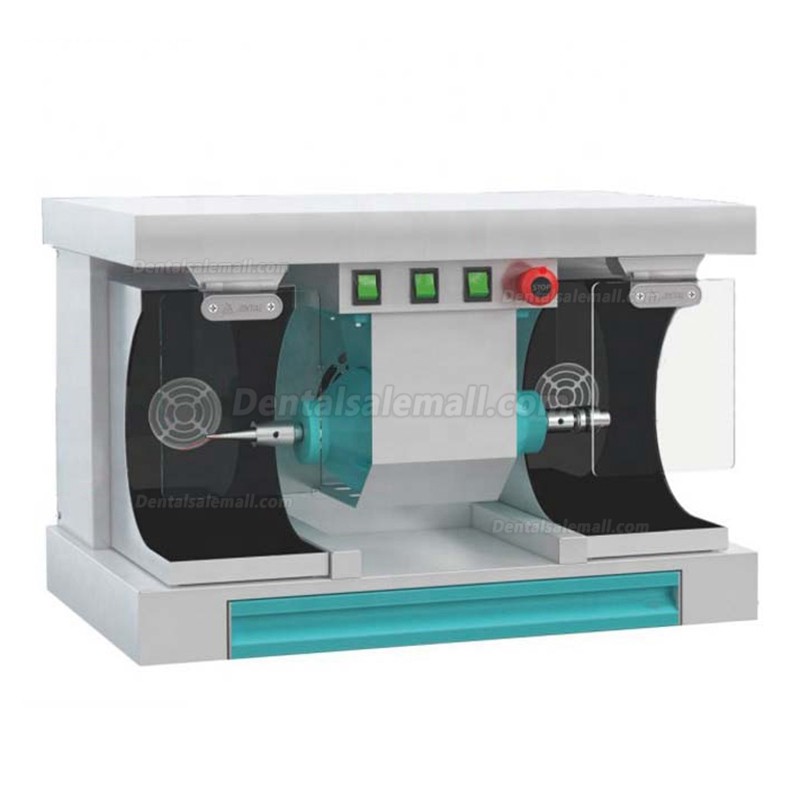
Professional Dental Equipment Sourcing Guide 2026:
Dental Grinder Machines from China
Target Audience: Dental Clinic Procurement Managers & Dental Equipment Distributors | Validity: January 2026 – December 2026
Strategic Sourcing Framework for Dental Grinder Machines
China remains the dominant global manufacturing hub for dental equipment, representing 68% of OEM/ODM production capacity (2025 Dental Tech Market Report). However, post-pandemic supply chain complexities, evolving regulatory landscapes (notably EU MDR 2027 implementation), and quality variance necessitate a structured sourcing protocol. This guide details critical verification steps for dental grinder machines – precision instruments requiring ISO 13485:2026 compliance and sub-micron engineering tolerances.
Step 1: Verifying ISO/CE Credentials (Non-Negotiable for 2026 Compliance)
Medical device regulations have intensified globally. Verify documentation through physical factory audits or third-party verification services (e.g., SGS, TÜV). Focus on these 2026-specific requirements:
| Credential | 2026 Verification Protocol | Risk of Non-Compliance |
|---|---|---|
| ISO 13485:2026 Certification | Request current certificate + scope of approval explicitly listing “Dental Grinding Units” or “Dental Laboratory Equipment.” Cross-check with certification body database (e.g., ANAB, JAS-ANZ). Validate certificate covers design control (critical for OEM/ODM). | Customs seizure (EU/US), voided warranties, clinic liability exposure |
| EU CE Marking (MDR 2017/745) | Confirm CE Certificate of Conformity references Annex IX (Class IIa devices). Verify notified body number (e.g., 0123) is active under MDR. Demand technical file excerpts covering biocompatibility (ISO 10993) and EMC (IEC 60601-1-2:2026). | Market access denial in EEA, distributor liability under Article 13 |
| US FDA 510(k) (Optional but Strategic) | For distributors targeting North America, verify establishment registration (U.S. FEI number) and device listing. Note: Grinder machines typically require 510(k) clearance (Class II). | Exclusion from U.S. tenders, distributor contractual defaults |
| China NMPA Registration | Confirm NMPA Certificate (国械注准) for domestic manufacturing compliance. Essential for customs clearance under China’s Medical Device Supervision Regulations (2024 Revision). | Export license denial, shipment detention at Chinese ports |
Step 2: Negotiating MOQ (Optimizing Inventory & Cash Flow)
Traditional Chinese manufacturers enforce high MOQs (50-100 units), straining clinic/distributor capital. 2026 strategies:
- Volume Tiering: Negotiate graduated pricing (e.g., 5 units @ $8,500/unit; 10+ @ $7,200/unit). Essential for distributors managing regional inventory.
- OEM Flexibility: Reputable factories now accept MOQs as low as 3-5 units for custom branding if tooling costs are pre-paid. Confirm NRE (Non-Recurring Engineering) fees upfront.
- Consolidated Shipping: Partner with distributors in your region to pool orders and meet MOQs collectively (e.g., ASEAN dental groups).
- Sample Policy: Always order a pre-production sample (cost: 120-150% of unit price) for clinical validation. Verify grinding accuracy (±5μm tolerance) and noise levels (<65 dB).
Step 3: Shipping Terms (DDP vs. FOB – Mitigating 2026 Logistics Risks)
With 2026 port congestion forecasts (Shanghai/Los Angeles) and volatile freight rates, term selection is critical:
| Term | Cost Control | Risk Allocation | 2026 Recommendation |
|---|---|---|---|
| FOB Shanghai | Lower unit cost. You control freight forwarder/customs broker. | You bear all risks after goods loaded at Shanghai port (damage, delays, customs duties). Requires in-house logistics expertise. | Suitable for distributors with established freight networks. Only choose if you have a Shanghai-based customs agent. |
| DDP (Delivered Duty Paid) | Higher unit cost (15-25% premium), but all-inclusive landed cost. No surprise fees. | Supplier bears all risks until delivery at your clinic/distribution center. Includes import duties, VAT, and last-mile delivery. | Strongly recommended for clinics & new distributors. Eliminates customs clearance complexity under new EU Import Control System 2 (ICS2) and US FDA Prior Notice 2.0. |
Why Shanghai Carejoy Medical Co., LTD is a Verified 2026 Sourcing Partner
As a 19-year specialist in dental equipment manufacturing (est. 2007), Carejoy addresses core 2026 sourcing challenges:
- ✅ Regulatory Assurance: ISO 13485:2026 + CE MDR 2017/745 certified with active notified body (TÜV SÜD NB 0123). Full technical files available for audit.
- ✅ MOQ Flexibility: Accepts OEM orders from 3 units with no NRE fees for existing grinder platforms (e.g., CJ-GM500 Series). Sample units shipped in 7 days.
- ✅ DDP Expertise: Offers DDP to 45+ countries with transparent landed costing. Handles ICS2 submissions and FDA Prior Notice 2.0 compliance.
- ✅ Technical Validation: Factory in Baoshan District (Shanghai) features metrology lab for grinding precision testing (ISO 22827:2026 compliant).
Core Grinder Product Line: CJ-GM500 (5-axis dry grinding), CJ-GM700 (wet grinding with integrated CAD/CAM), CJ-GM900 (AI-powered adaptive grinding).
Direct Sourcing Channel: Shanghai Carejoy Medical Co., LTD
Factory Address: No. 1888, Hengfeng Road, Baoshan District, Shanghai, China 200431
Specialization: Factory Direct | OEM/ODM | Dental Clinic & Distributor Wholesale
Verification Request: Email [email protected] with subject line “2026 GRINDER AUDIT REQUEST” for:
- Current ISO 13485:2026 Certificate (Scope: Dental Grinding Units)
- CE MDR Technical File Excerpt
- DDP Cost Calculator (Specify Destination Port)
Urgent Procurement: WhatsApp +86 15951276160 (English/Chinese support | 8:00-17:00 CST)
Frequently Asked Questions
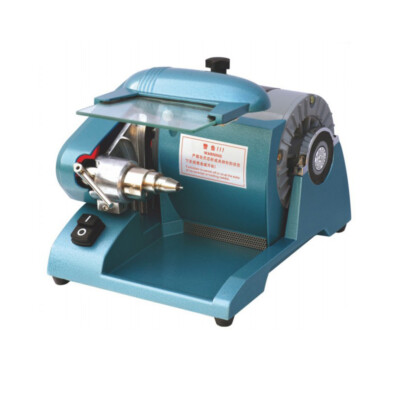
Professional Dental Equipment Guide 2026
Top 5 FAQs: Purchasing a Dental Grinder Machine (2026 Edition)
Designed for dental clinics and equipment distributors seeking precision, reliability, and compliance in 2026.
| Question | Expert Answer |
|---|---|
| 1. What voltage requirements should I consider when purchasing a dental grinder machine in 2026? |
Dental grinder machines in 2026 are typically designed for standard clinic voltages of 100–120V (North America, Japan) or 220–240V (Europe, Asia, Middle East). Always verify compatibility with your local power supply. Units with dual-voltage capability or built-in voltage stabilization are recommended for regions with fluctuating power. Ensure grounding and circuit protection meet IEC 60601-1 medical electrical equipment standards to safeguard both equipment and personnel. |
| 2. Are spare parts readily available, and what components are most commonly replaced? |
Reputable manufacturers now offer global spare parts distribution networks with regional hubs for faster delivery. Most frequently replaced components include grinding burs, chuck assemblies, drive belts, and cooling nozzles. In 2026, ensure your supplier provides a documented spare parts availability guarantee (minimum 7–10 years post-discontinuation) and offers OEM-certified consumables to maintain grinding accuracy and warranty compliance. |
| 3. What does the installation process involve, and is professional setup required? |
Installation of modern dental grinder machines requires professional setup by certified technicians. The process includes secure mounting, power and coolant line integration (if applicable), calibration of the grinding axis, and software initialization. Machines with IoT connectivity may require integration into clinic networks for remote diagnostics. Always request on-site commissioning from the supplier to validate performance metrics and ensure compliance with ISO 13485 standards. |
| 4. What is the standard warranty coverage for dental grinder machines in 2026? |
The industry standard in 2026 is a 2-year comprehensive warranty covering parts, labor, and electronic control systems. Premium models may offer extended 3–5 year warranties with optional service packages. Warranties typically exclude wear items (e.g., burs, filters) and damage from improper use or non-OEM consumables. Confirm whether the warranty is global or region-locked—especially important for multi-location clinics and distributors. |
| 5. How are warranty claims handled, and what support options are available post-purchase? |
Leading manufacturers provide centralized warranty claim portals with 24/7 technical support. In 2026, most offer predictive maintenance alerts via embedded smart sensors, reducing downtime. Support includes remote diagnostics, on-site repairs within 48 hours (in major markets), and loaner unit availability during extended servicing. Distributors should confirm SLA (Service Level Agreement) terms, including response time, technician certification, and spare parts logistics. |
Need a Quote for Dental Grinder Machine?
Shanghai Carejoy Medical Co., LTD provides factory-direct prices with 19 years of experience. (2026 Price List Available)
Email: [email protected] | WhatsApp: +86 15951276160