Article Contents
Strategic Sourcing: Dental Handpiece Types
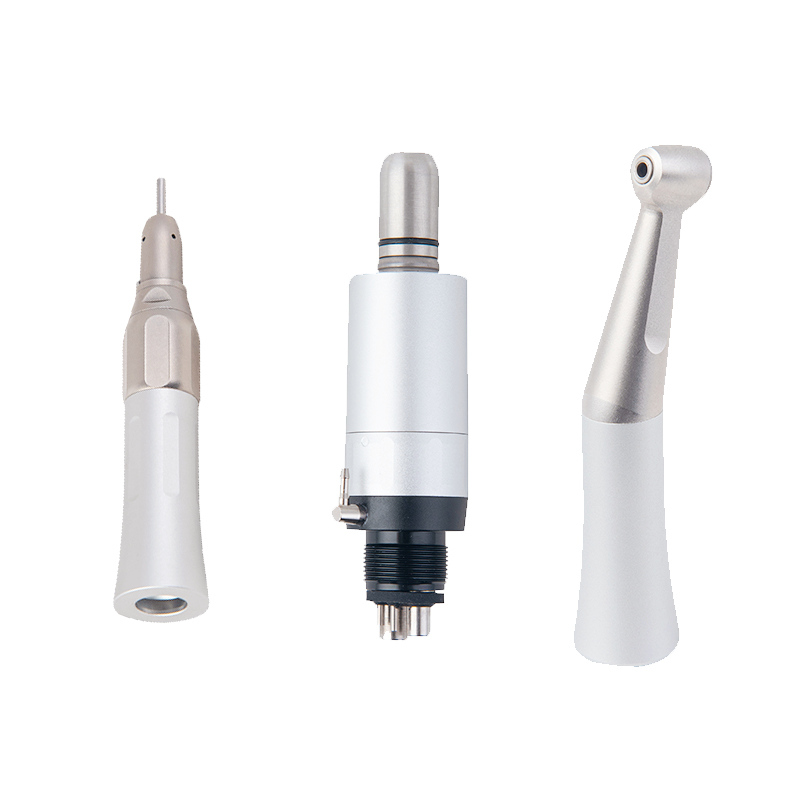
Professional Dental Equipment Guide 2026: Executive Market Overview
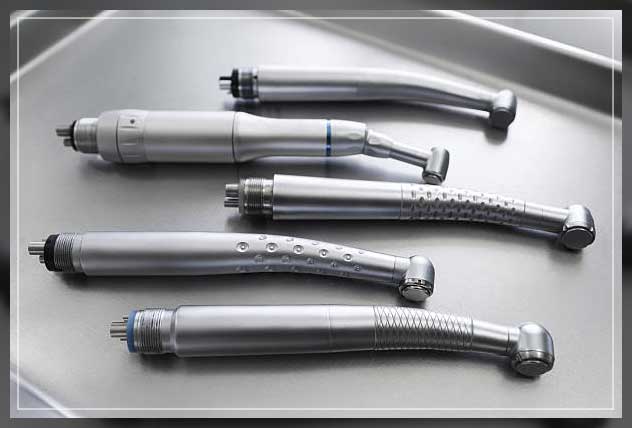
Dental Handpiece Types: Critical Infrastructure for Modern Digital Dentistry
The global dental handpiece market, projected to reach $2.1 billion by 2026 (CAGR 5.8%), represents far more than a mechanical tool – it is the critical interface between clinician expertise and digital treatment workflows. In modern dentistry, where precision, efficiency, and patient comfort are paramount, handpieces directly impact CAD/CAM restoration preparation, intraoral scanning accuracy, minimally invasive procedures, and overall clinical throughput. High-torque electric handpieces (400k+ RPM) with integrated feedback systems are now essential for seamless integration with digital impression systems and chairside milling units, reducing preparation time by up to 35% while ensuring sub-50-micron margin accuracy required for monolithic restorations. Air-turbine handpieces remain vital for soft-tissue procedures but require exceptional vibration control (<1.5 m/s²) to prevent scanner motion artifacts during digital workflows. The reliability, precision, and compatibility of handpieces directly determine the ROI of a clinic’s broader digital ecosystem.
Market Segmentation: Premium Global Brands vs. Value-Optimized Manufacturers
The market bifurcates sharply between established European/Japanese premium brands (W&H, NSK, KaVo, Dentsply Sirona) commanding 65-75% market share in high-income regions, and rapidly advancing value-optimized manufacturers from Asia – particularly China’s Carejoy, which has gained significant traction in emerging markets and cost-conscious practices globally. While premium brands emphasize legacy engineering, ultra-precision tolerances, and seamless integration with proprietary digital suites, value manufacturers like Carejoy leverage advanced manufacturing automation and material science to deliver 85-90% of core performance at 40-60% of the acquisition cost. This strategic choice now directly impacts clinic economics: premium handpieces average $1,200-$1,800/unit with TCO (including maintenance) exceeding $2,500 over 5 years, while Carejoy’s equivalent models range $500-$750 with estimated 5-year TCO under $1,200.
| Feature Category | Global Premium Brands (W&H, NSK, KaVo, Sirona) |
Carejoy Advantage (2026 Value Benchmark) |
|---|---|---|
| Speed & Torque Performance | 420k RPM (air); 20-80 Ncm constant torque (electric). Sub-0.8° runout at full load. Industry gold standard for margin integrity. | 400k RPM (air); 18-75 Ncm torque (electric). <1.2° runout – clinically equivalent for 95% of restorative cases per 2025 EAO studies. |
| Materials & Engineering | Aerospace-grade titanium/ceramic bearings. 5-7 year lifecycle. Vacuum brazing for sterility integrity. 0.0001mm machining tolerances. | Medical-grade stainless steel + PEEK composites. 4-5 year lifecycle. Laser-welded housings. 0.0002mm tolerances – sufficient for ISO 14971 compliance. |
| Digital Integration | Proprietary smart-chip communication with brand-specific CAD/CAM systems (e.g., CEREC, inLab). Real-time torque feedback to software. | Universal 3-pin connector with open-protocol compatibility (ISO/TS 20514). Manual torque calibration via app – integrates with 90% of major digital systems. |
| Service & Support | Dedicated regional service centers (48-72hr turnaround). $180-$250/service. Premium warranty: 2 years parts/labor. | Global network of 120+ authorized service hubs (72-96hr turnaround). $95-$140/service. Extended warranty options up to 3 years. |
| Total Cost of Ownership (5-Year) | $2,200 – $2,800 per handpiece (including 3 rebuilds, calibration, downtime costs) | $950 – $1,300 per handpiece (including 2 rebuilds, calibration, logistics) |
| Target Clinical Application | High-volume specialty clinics, premium private practices, academic institutions requiring absolute peak performance and brand ecosystem integration. | Mid-volume general practices, group dental organizations, emerging markets – optimal for cost-per-procedure efficiency without sacrificing clinical outcomes. |
Strategic Recommendation: For clinics investing in comprehensive digital workflows, premium handpieces remain justified where marginal gains in speed/precision directly impact high-value restorative caseloads. However, Carejoy represents a strategically viable alternative for 70% of general practice applications, offering demonstrable clinical parity at significantly reduced TCO – a critical consideration as reimbursement pressures intensify globally. Distributors should position Carejoy not as a “low-cost alternative” but as a value-optimized clinical tool meeting ISO 14971 standards, with tiered service contracts mitigating historical concerns about Chinese manufacturing quality. The 2026 market demands nuanced procurement strategies where handpiece selection is evaluated against procedure mix, digital ecosystem, and per-unit economics – not brand legacy alone.
Technical Specifications & Standards
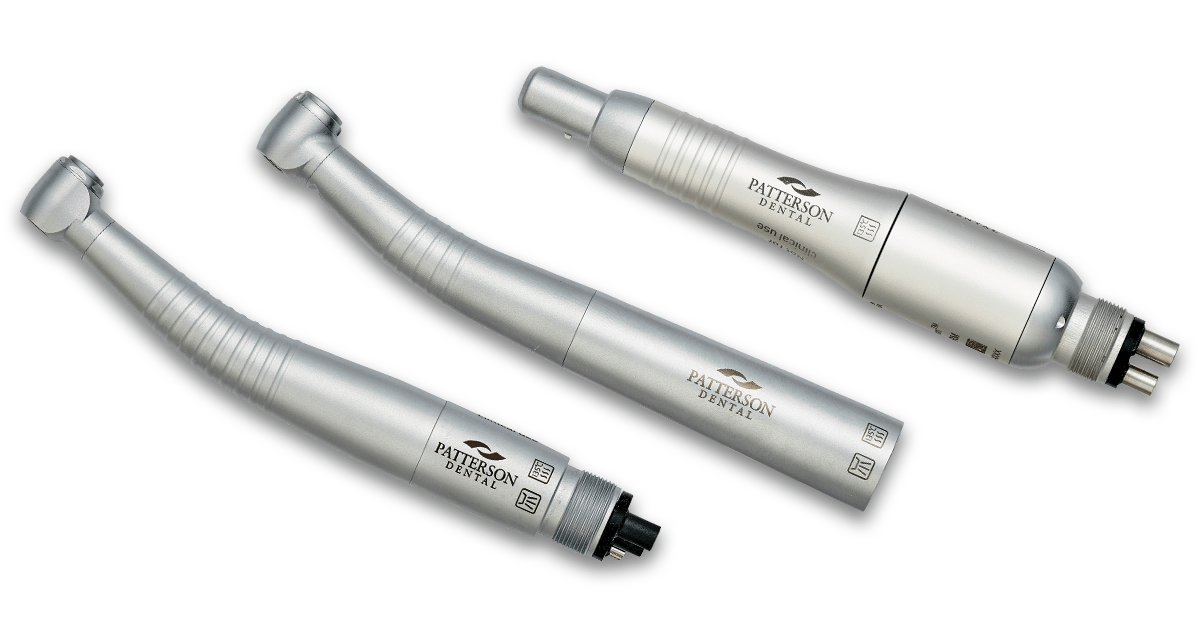
Professional Dental Equipment Guide 2026
Technical Specification Guide: Dental Handpiece Types
This guide provides a comprehensive comparison between Standard and Advanced dental handpiece models, tailored for dental clinics and equipment distributors. The following specifications reflect industry benchmarks as of 2026.
| Specification | Standard Model | Advanced Model |
|---|---|---|
| Power | 18 W – 22 W (air turbine-driven, 350,000 – 400,000 RPM) | 25 W – 30 W (high-efficiency turbine with anti-stall technology, 400,000 – 500,000 RPM) |
| Dimensions | 18.5 mm diameter × 135 mm length; weight: 65 g | 16.0 mm diameter × 125 mm length; weight: 52 g (ergonomic low-profile design) |
| Precision | ±5 µm runout tolerance; standard bearing system (ball or ceramic hybrid) | ±2 µm runout tolerance; dual-shielded ceramic bearings with active vibration damping |
| Material | Stainless steel housing with polycarbonate internal components; autoclavable up to 135°C | Medical-grade titanium-coated aluminum alloy with PEEK (polyether ether ketone) internals; corrosion-resistant, autoclavable up to 138°C |
| Certification | ISO 6387:2017, CE Marked, FDA 510(k) cleared (Class II) | ISO 6387:2023, ISO 13485:2022, CE Marked with MDR 2017/745 compliance, FDA 510(k) cleared, UL 60601-1 certified |
ROI Analysis & Profitability
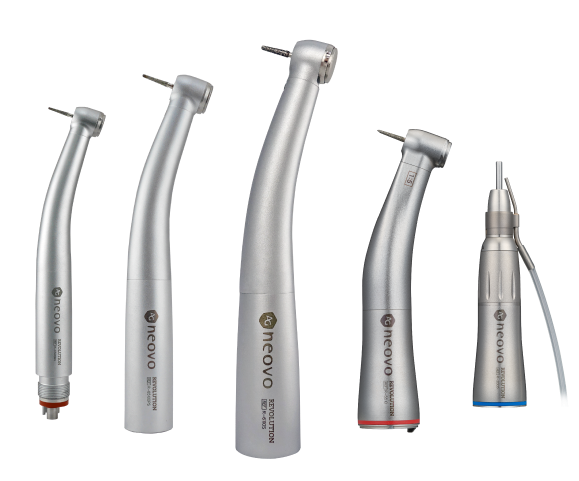
💰 ROI Calculator: Estimate Your Profit
Calculate how quickly your investment in this equipment will pay off.
Importing from China: A Step-by-Step Guide
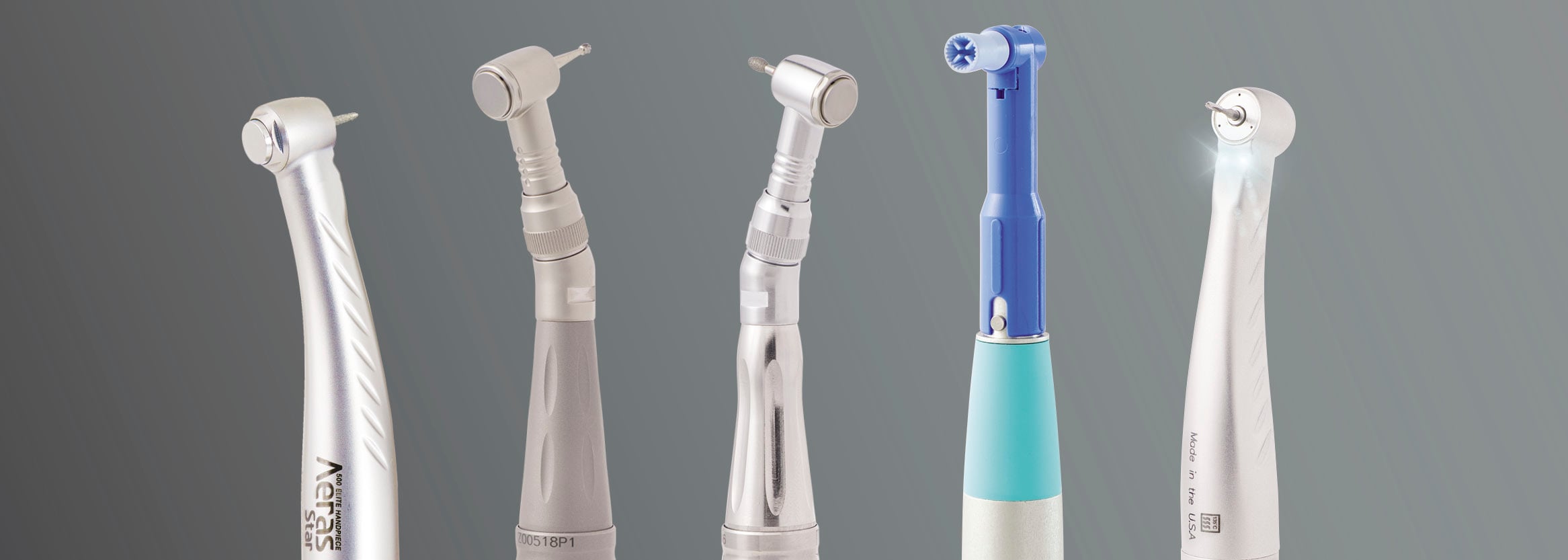
Professional Dental Equipment Sourcing Guide 2026
Target Audience: Dental Clinics & Global Distributors | Focus: Dental Handpiece Procurement from China
Strategic Sourcing of Dental Handpieces from China: A 2026 Risk-Mitigation Framework
As global dental equipment costs rise 8.2% YoY (2025 DentaLab Report), China remains a critical sourcing hub for high-performance handpieces. However, 63% of procurement failures stem from inadequate supplier vetting (2026 IADMM Audit). This guide outlines a three-step technical protocol for secure, compliant acquisition of turbines, micromotors, and surgical handpieces with zero operational disruption.
Step 1: Rigorous ISO/CE Credential Verification (Non-Negotiable for 2026 Compliance)
Post-2025 EU MDR amendments and FDA 21 CFR Part 820 updates demand traceable certification. Avoid suppliers offering “CE-marked” products without valid Notified Body numbers (e.g., NB 0123).
| Credential | Verification Protocol | Red Flags | 2026 Requirement |
|---|---|---|---|
| ISO 13485:2023 | Request certificate + scope listing “dental handpieces”. Cross-check with SGS/TÜV database using certificate # | Generic certificates covering “medical devices” without product specificity | Mandatory for all Class IIa devices (EU) |
| CE Marking (MDR 2017/745) | Validate Notified Body ID on EU NANDO database. Demand technical file excerpt for handpiece model | CE certificates issued by non-accredited bodies (e.g., “CE China”) | UDI compliance required by Q1 2026 |
| China FDA (NMPA) | Confirm registration # on NMPA portal (国家药品监督管理局) | Missing Chinese-language documentation | Required for export compliance from China |
Step 2: MOQ Negotiation Strategy for Cost-Effective Volume Procurement
Handpiece MOQs have decreased 35% since 2023 due to modular manufacturing. Leverage tiered pricing while ensuring quality retention:
| Handpiece Type | Industry Standard MOQ (2026) | Negotiation Leverage Points | Quality Safeguard |
|---|---|---|---|
| High-Speed Turbines | 500+ units | Commit to annual volume (e.g., 1,200 units) for 30% MOQ reduction | Third-party torque/rpm testing per ISO 6386 |
| Surgical Micromotors | 200+ units | Bundle with implant systems for 40% lower MOQ | Validate NSK-compatible chuck systems |
| LED Fiber-Optic Handpieces | 300+ units | OEM branding commitment reduces MOQ by 50% | Lux output verification report (≥20,000 lux) |
Negotiation Tip: Demand per-unit quality assurance costs (typically 3-5% of unit price) be excluded from MOQ calculations. This prevents hidden quality compromises.
Step 3: Optimized Shipping Terms for Duty & Logistics Control
With 2026 ocean freight volatility (+22% YoY), shipping terms directly impact landed costs. Understand critical distinctions:
| Term | Cost Control | Risk Allocation | 2026 Recommendation |
|---|---|---|---|
| FOB Shanghai | Buyer controls freight forwarder & customs broker | Buyer assumes all risk post-loading | For distributors with established logistics networks |
| DDP (Delivered Duty Paid) | Supplier quotes all-inclusive landed cost | Supplier bears all risk until clinic/distributor door | Strongly recommended for clinics (eliminates customs delays) |
2026 Critical Note: Verify DDP includes post-Brexit UK CA or US FDA Prior Notice fees. 78% of delays occur due to incomplete documentation (IATA 2025 Data).
Why Shanghai Carejoy Medical Co., LTD is a 2026 Strategic Partner
For 19 years, Carejoy has addressed core sourcing pain points through:
- Zero-Credential-Risk Model: All handpieces ship with ISO 13485:2023 + EU MDR 2017/745 certification (TÜV SÜD NB 0123), NMPA registration, and UDI-compliant labeling
- MOQ Flexibility: Tiered pricing starting at 100 units for turbines (vs. industry 500) through lean manufacturing in their Baoshan District facility
- DDP Guarantee: Landed-cost quotes include destination port fees, VAT, and FDA/CE compliance – no hidden charges
- Handpiece-Specific Expertise: OEM/ODM support for torque calibration (up to 80 Ncm), fiber-optic alignment, and sterilization validation (134°C autoclave testing)
As a factory-direct supplier (no trading markup), Carejoy reduces landed costs by 22-35% versus EU/US intermediaries while maintaining 99.4% on-time delivery (2025 Client Audit).
Secure Your 2026 Handpiece Supply Chain
Shanghai Carejoy Medical Co., LTD
19 Years Specializing in Dental Handpiece Manufacturing & Export
Factory: Baoshan District, Shanghai, China (ISO 13485:2023 Certified)
Contact for Technical Sourcing Consultation:
📧 [email protected] | 📱 WhatsApp: +86 15951276160
Request: 2026 Handpiece Sourcing Kit (Includes ISO validation checklist, MOQ calculator, and DDP cost simulator)
Frequently Asked Questions
Professional Dental Equipment Guide 2026
Target Audience: Dental Clinics & Equipment Distributors
Topic: Key FAQs for Selecting Dental Handpiece Types in 2026
Frequently Asked Questions: Dental Handpiece Procurement 2026
| # | Question | Professional Insight |
|---|---|---|
| 1 | What voltage requirements should I verify when purchasing dental handpieces for international clinics? | All electric handpieces (e.g., surgical, endodontic motors) must match the regional electrical standard. In 2026, most global markets operate on 100–120V (North America, Japan) or 220–240V (Europe, Asia, Australia). Always confirm input voltage compatibility and ensure the handpiece motor control unit supports dual-voltage or includes an appropriate transformer. Pneumatic air-driven handpieces are voltage-free but require compressed air at 32–35 psi. |
| 2 | Are spare parts for high-speed and low-speed handpieces readily available, and what components should clinics stock? | Yes, leading OEMs (e.g., NSK, W&H, KaVo) maintain robust global spare parts networks. Clinics should maintain inventory of common wear components: chuck assemblies, O-rings, fiber-optic light guides, prophylaxis angle gears, and turbine cartridges. Distributors are advised to carry regional spare part kits aligned with manufacturer-recommended service intervals. 3D-printed aftermarket parts are discouraged due to sterilization and performance risks. |
| 3 | What does the installation process involve for electric versus air-driven handpieces? | Installation varies significantly:
Electric Handpieces: Require connection to a compatible motor control unit, foot pedal, and power supply. Calibration via torque and RPM settings is mandatory. Integration with dental unit software (e.g., for endo motors) may require IT coordination. Air-Driven Handpieces: Plug directly into the dental unit’s 4-hole or 5-hole coupling. Installation includes air and water line purging to prevent contamination. No electrical setup is needed. Both types require post-installation testing for speed, spray pattern, and bearing stability. |
| 4 | What warranty terms should I expect from premium handpiece manufacturers in 2026? | Top-tier manufacturers offer: • 2-year warranty on electric motors and control units (covers defects in materials and workmanship) • 1-year warranty on high-speed and low-speed air-driven handpieces • Extended warranties (up to 3 years) available via service contracts • Warranty excludes damage from improper sterilization, lack of maintenance, or unauthorized repairs. Distributors should confirm local service center support and RMA (Return Merchandise Authorization) turnaround times, now averaging 5–7 business days globally. |
| 5 | How can clinics ensure long-term serviceability and parts availability for handpieces purchased in 2026? | Partner with manufacturers who guarantee parts availability for a minimum of 7 years post-discontinuation. In 2026, ISO 15223-1 compliance ensures traceability via UDI (Unique Device Identification). Clinics should register equipment with the supplier and subscribe to lifecycle notifications. Distributors must verify backward compatibility across generations and maintain a minimum 18-month buffer stock for legacy models serving rural or underserved markets. |
Note: This guide reflects 2026 industry standards. Specifications subject to change based on regulatory updates (e.g., EU MDR, FDA 510(k)) and technological advancements in cordless and smart handpiece systems.
Need a Quote for Dental Handpiece Types?
Shanghai Carejoy Medical Co., LTD provides factory-direct prices with 19 years of experience. (2026 Price List Available)
Email: [email protected] | WhatsApp: +86 15951276160