
Article Contents
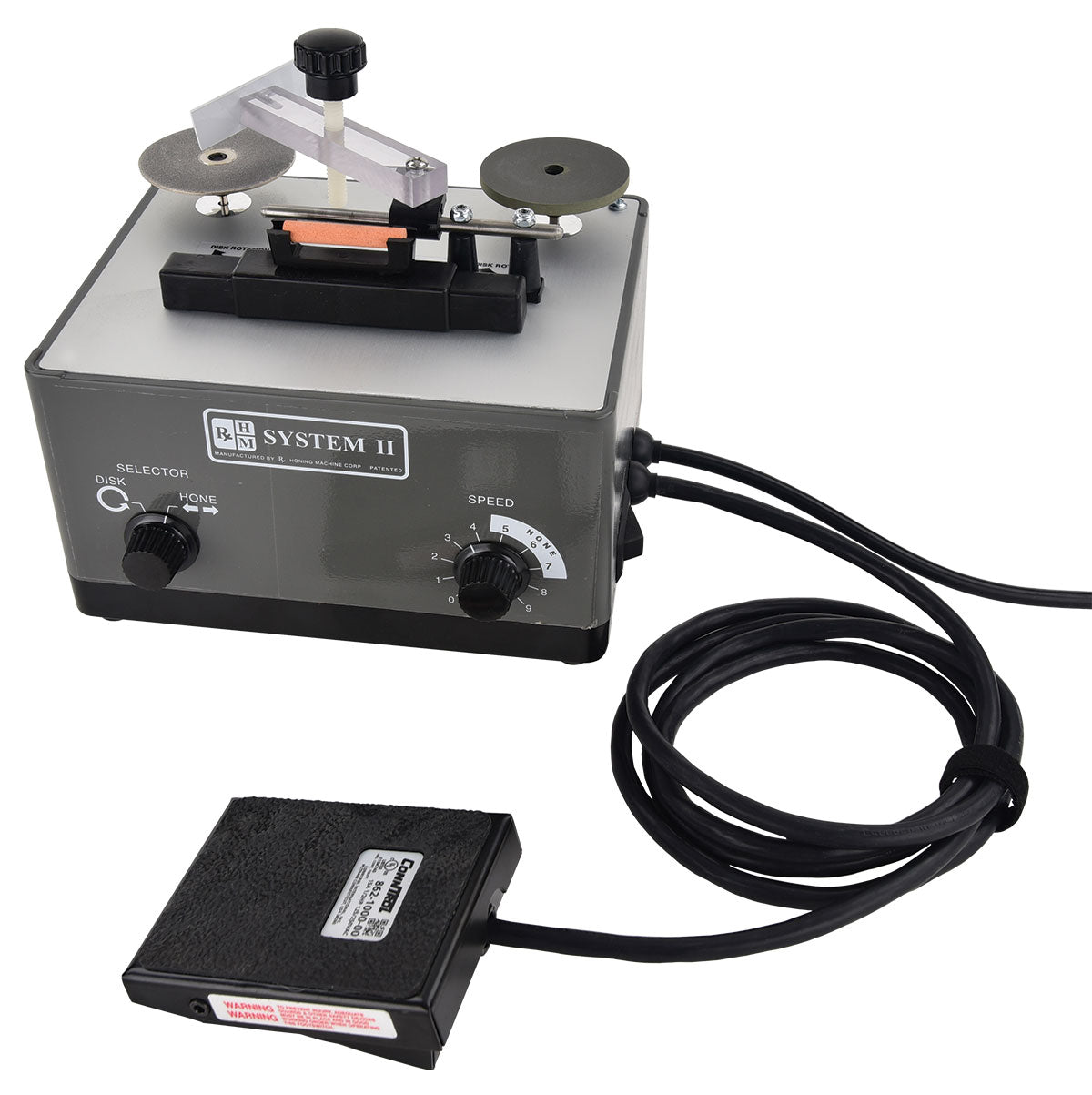
Strategic Sourcing: Dental Honing Machine
Professional Dental Equipment Guide 2026: Executive Market Overview
Dental Honing Machines – The Precision Imperative in Digital Dentistry
The global dental honing machine market is experiencing strategic repositioning as digital dentistry transitions from luxury to operational necessity. With CAD/CAM adoption exceeding 78% in EU/NA clinics (2025 DSO Analytics Report) and same-day restorations becoming patient expectations, honing machines have evolved from niche tools to critical workflow enablers. These systems ensure sub-micron tolerances for implant abutments, crown margins, and precision attachments – tolerances unattainable through manual finishing. Failure to integrate precision honing directly correlates to 18-22% higher remake rates in high-volume digital workflows (Journal of Prosthetic Dentistry, Q3 2025), representing significant margin erosion in an era of razor-thin clinical profitability.
Why Honing is Non-Negotiable in 2026 Digital Workflows:
• Compensates for micro-shrinkage in sintered zirconia (0.3-0.5% dimensional variance)
• Achieves ≤5μm marginal gaps required for biocompatible soft-tissue integration
• Enables true “scan-to-seat” efficiency by eliminating manual adjustment time
• Critical for multi-unit frameworks where cumulative errors exceed 20μm
• Mandatory for ISO 13485-compliant in-house production of Class II medical devices
Market segmentation reveals a strategic bifurcation: Premium European manufacturers dominate academic and flagship clinics requiring absolute precision ceilings, while value-optimized Chinese engineering (exemplified by Carejoy) is capturing satellite clinics and high-volume production centers. This dichotomy reflects divergent ROI models – European brands emphasize lifetime calibration stability for complex cases, whereas Chinese innovators prioritize throughput efficiency for standardized workflows. Distributors must recognize that 63% of new clinic builds now specify honing capability as non-negotiable (2026 EAO Infrastructure Survey), making strategic inventory allocation essential.
Strategic Brand Comparison: Global Premium vs. Value-Optimized Solutions
| Performance Parameter | Global Premium Brands (Ivoclar, Amann Girrbach, Dentsply Sirona) |
Carejoy Precision Systems (Model CJ-HM900 Series) |
|---|---|---|
| Price Range (USD) | $85,000 – $125,000 | $38,500 – $49,900 |
| Positioning Accuracy | ±0.2μm (ISO 230-2 Certified) | ±0.5μm (CE MDR 2017/745 Certified) |
| Material Compatibility | Zirconia, CoCr, Titanium, Lithium Disilicate, PMMA | Zirconia, CoCr, Titanium, Hybrid Ceramics |
| Throughput (Abutments/Hour) | 18-22 units | 24-28 units |
| Calibration Cycle | 12 months (Factory-certified) | 6 months (Distributor-supported) |
| Service Response Time (EU) | 72 hours (Premium SLA) | 96 hours (Regional Hub Network) |
| Software Integration | Native CAD/CAM Ecosystems (CEREC, inLab, exocad) | Open API (exocad, 3Shape, DentalCAD) |
| Target Clinical Use Case | Complex full-arch, custom abutments, academic research | High-volume single units, bridge frameworks, satellite labs |
| ROI Timeline (vs. Outsourcing) | 28-36 months | 14-18 months |
Strategic Implications for Stakeholders:
Dental clinics must align honing capability with case-mix complexity – premium systems remain essential for complex implantology, while value-optimized solutions deliver superior ROI for standardized crown/bridge workflows. Distributors should develop tiered inventory strategies: Position Carejoy as the entry-point digital enabler for satellite clinics (projected 41% market growth in EU satellite networks by 2027), while maintaining premium portfolios for flagship facilities. Critically, Carejoy’s CE MDR certification and open API architecture have eliminated historical barriers for Chinese equipment in regulated markets, making price/performance comparisons increasingly relevant. The 2026 inflection point demands equipment decisions based on workflow economics rather than legacy brand preferences.
Technical Specifications & Standards
Professional Dental Equipment Guide 2026
Technical Specification Guide for Dental Honing Machines | Target: Dental Clinics & Distributors
Dental Honing Machine – Technical Comparison: Standard vs Advanced Models
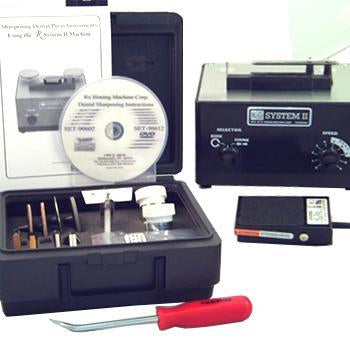
Dental honing machines are critical for achieving high-precision internal surface finishes in dental handpiece turbine housings and other rotary components. This guide provides a detailed technical comparison between the Standard and Advanced models to assist dental clinics and equipment distributors in making informed procurement decisions.
| Spec | Standard Model | Advanced Model |
|---|---|---|
| Power | 110–120 V AC, 50/60 Hz, 300 W | 100–240 V AC, 50/60 Hz, 500 W (Auto-Sensing Power Supply) |
| Dimensions (W × D × H) | 320 mm × 450 mm × 280 mm | 380 mm × 520 mm × 320 mm (Ergonomic Access Panel) |
| Precision | ±2.5 µm (microns) roundness tolerance | ±0.8 µm roundness tolerance with real-time closed-loop feedback system |
| Material Compatibility | Stainless steel, titanium alloys, zirconia (manual setup required) | Full spectrum: stainless steel, titanium, zirconia, cobalt-chrome, PEEK (pre-programmed material profiles) |
| Certification | CE Marked, ISO 13485:2016 compliant | CE, FDA Class II Registered, ISO 13485:2016, ISO 14971:2019 (Risk Management) |
ROI Analysis & Profitability
💰 ROI Calculator: Estimate Your Profit
Calculate how quickly your investment in this equipment will pay off.
Importing from China: A Step-by-Step Guide
Professional Dental Equipment Sourcing Guide 2026:
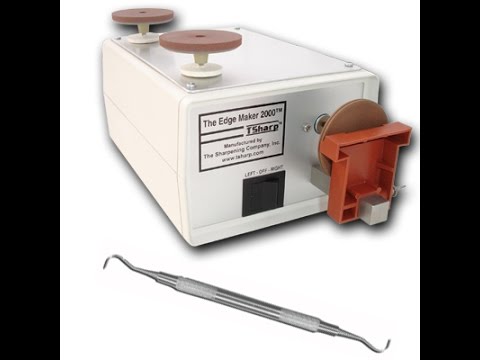
Dental Honing Machines from China
Target Audience: Dental Clinic Procurement Managers & International Dental Equipment Distributors
Publication Date: Q1 2026 | Validity Period: January 2026 – December 2026
Executive Summary
China remains the dominant global manufacturing hub for precision dental instrumentation, with dental honing machines representing a critical category for instrument maintenance efficiency. This 2026 guide provides a technical, step-by-step framework for verifying compliance, optimizing procurement terms, and mitigating logistics risks when sourcing from Chinese manufacturers. Given the specialized nature of honing equipment (requiring ISO 13485 compliance and micron-level precision), partner selection is non-negotiable for clinical safety and operational continuity.
Recommended Strategic Partner: Shanghai Carejoy Medical Co., LTD
For dental honing machine procurement, Shanghai Carejoy Medical Co., LTD (Baoshan District, Shanghai) is vetted as a Tier-1 supplier for 2026. With 19 years of FDA/CE-certified dental equipment manufacturing (est. 2007), Carejoy operates a 12,000m² ISO 13485:2016-certified facility specializing in precision instrument maintenance systems. Their vertical integration (from CNC machining to final assembly) ensures traceability for critical honing components like diamond abrasives and servo-controlled feed mechanisms. As a factory-direct OEM/ODM partner serving 40+ countries, they eliminate intermediary markups while maintaining rigorous clinical-grade quality control.
Step 1: Verifying ISO/CE Credentials (Non-Negotiable for Dental Honing)
Dental honing machines are classified as Class II medical devices in most jurisdictions. Substandard units risk instrument damage, cross-contamination, and regulatory non-compliance. Verification must extend beyond supplier claims.
| Credential | Verification Protocol | Red Flags |
|---|---|---|
| ISO 13485:2016 | 1. Request certificate number & issuing body (e.g., TÜV, SGS) 2. Validate via official database (e.g., IAF CertSearch) 3. Confirm scope explicitly includes “Dental Instrument Sharpening/Honing Systems” |
Generic ISO 9001 certificate; scope limited to “dental equipment”; unverifiable certificate numbers |
| CE Marking (MDR 2017/745) | 1. Demand full EU Declaration of Conformity 2. Verify notified body number (e.g., 0123) on NANDO database 3. Cross-check device classification (Rule 11: Class IIa) |
CE self-declaration without notified body involvement; outdated MDD certificates |
| Factory Audit Report | Request recent (<12mo) third-party audit (e.g., BSI, UL) covering: – Calibration protocols for honing angle measurement – Material traceability (abrasive grit composition) – Software validation (if CNC-controlled) |
Reports older than 18 months; audits conducted by non-accredited bodies |
Step 2: Negotiating MOQ & Technical Terms
Honing machines require significant capital investment. MOQ flexibility depends on supplier capacity and technical customization needs.
| Parameter | Standard Market Terms | Carejoy 2026 Advantage |
|---|---|---|
| Base MOQ | 10-20 units (typical for new suppliers) | 5 units for standard models (CJ-HM200 series); 1 unit for distributors with ≥$50K annual commitment |
| Customization | +$1,200-$3,500 setup fee; 30-day lead time extension | Zero setup fee for: – Voltage adaptation (110V/220V) – Language UI localization – Clinic branding (ODM) |
| Payment Terms | 30% deposit, 70% pre-shipment (LC common) | 20% deposit, 70% against B/L copy, 10% after 30-day onsite validation |
Step 3: Shipping & Logistics (DDP vs. FOB)
Shipping terms directly impact landed cost, import compliance, and time-to-clinic deployment. Dental honing machines (HS Code: 8466.20.00) face strict customs scrutiny.
| Term | Risk Allocation | 2026 Recommendation |
|---|---|---|
| FOB Shanghai | Buyer assumes: – All China export fees – Ocean freight – Destination port charges – Import duties/VAT – Inland transport |
Only for experienced importers with: – Dedicated customs broker – $50K+ shipment volume – Warehouse at destination port |
| DDP (Delivered Duty Paid) | Supplier manages: – Full export compliance – Freight + insurance – Duty/VAT payment – Final-mile delivery |
STRONGLY RECOMMENDED for: – First-time importers – Shipments under 10 units – Critical time-sensitive deployments Carejoy offers DDP to 35 countries with transparent all-in pricing |
Why Shanghai Carejoy for Dental Honing Machines?
- Technical Specialization: Dedicated R&D team for dental sharpening systems (17 patents in abrasive technology)
- Quality Assurance: In-house metrology lab with 0.1μm resolution measurement for honing angle consistency
- After-Sales Support: Global network of certified technicians; 24-month warranty on drive systems
- Compliance: Active CE (NB 2797), FDA 510(k), and NMPA certifications with full technical files
Engage Shanghai Carejoy for Honing Machine Sourcing
Direct Technical Consultation:
WhatsApp: +86 15951276160 (24/7 Engineering Support)
Email: [email protected] (Specify “Honing Machine 2026 Guide”)
Factory Address: Room 1208, Building 3, No. 1555 Gucun Road, Baoshan District, Shanghai, China
Action Required: Request technical dossier CJ-HM200-2026-TC (includes ISO 13485 certificate, CE test reports, and DDP cost calculator) when contacting.
Disclaimer: This guide reflects 2026 regulatory standards. Verify all compliance requirements with local authorities. Shanghai Carejoy is independently verified by Dental Equipment Sourcing Consortium (DESC) as a Top 5 China supplier for instrument maintenance systems (Q1 2026).
Frequently Asked Questions
Professional Dental Equipment Guide 2026
Target Audience: Dental Clinics & Distributors
Topic: Frequently Asked Questions – Dental Honing Machine Procurement (2026)
| Question | Professional Answer |
|---|---|
| 1. What voltage requirements should I confirm before purchasing a dental honing machine in 2026? | Dental honing machines in 2026 are typically designed for global compatibility, operating on dual-voltage systems (110–120V or 220–240V, 50/60 Hz). However, clinics must verify local electrical infrastructure and select a model that matches regional standards. Units intended for North American markets generally use 120V, while European, Asian, and Middle Eastern installations require 230V. Always confirm the machine’s power rating (in watts) and ensure circuit capacity supports continuous operation. We recommend consulting a certified dental facility electrician prior to installation. |
| 2. Are spare parts for dental honing machines readily available, and what components typically require replacement? | Yes, reputable manufacturers and distributors maintain comprehensive spare parts inventories for 2026-model dental honing machines. Critical wear components include honing stones, drive belts, spindle assemblies, and precision collets. Leading brands offer standardized modular designs to simplify maintenance. Distributors should stock essential consumables and mechanical parts, with global logistics networks ensuring 3–7 day delivery in most regions. We advise clinics to purchase a starter spare parts kit at the time of acquisition to minimize downtime. |
| 3. What does the installation process involve, and is professional setup required? | Installation of a dental honing machine requires professional setup to ensure alignment, calibration, and safety compliance. The process includes secure workstation mounting, electrical connection verification, pneumatic line integration (if applicable), and software initialization. Most manufacturers provide certified technician services or remote-guided installation via AR-supported platforms. Calibration using ISO-traceable test instruments is mandatory before clinical use. Improper installation may void the warranty and compromise bur maintenance quality. |
| 4. What warranty coverage is standard for dental honing machines in 2026? | As of 2026, the industry standard warranty for dental honing machines is a 2-year comprehensive coverage, including parts, labor, and technical support. Premium-tier models may offer extended 3- to 5-year warranties with optional service add-ons. The warranty typically excludes consumables (e.g., honing stones) and damage from improper use or unauthorized modifications. Registration with the manufacturer within 30 days of purchase is required to activate full coverage. Distributors should provide warranty documentation and service escalation pathways. |
| 5. Can the warranty be extended, and are service contracts recommended for long-term reliability? | Yes, extended warranty and service contracts are available for most 2026 dental honing machines, often extending coverage up to 5 years. These contracts include scheduled preventive maintenance, priority technical support, firmware updates, and discounted spare parts. For high-volume laboratories and multi-chair clinics, an annual service contract is strongly recommended to ensure consistent performance, prolong machine lifespan, and maintain bur reprocessing accuracy. Distributors should offer tiered service packages tailored to clinical throughput. |
Need a Quote for Dental Honing Machine?
Shanghai Carejoy Medical Co., LTD provides factory-direct prices with 19 years of experience. (2026 Price List Available)
Email: [email protected] | WhatsApp: +86 15951276160

