
Article Contents
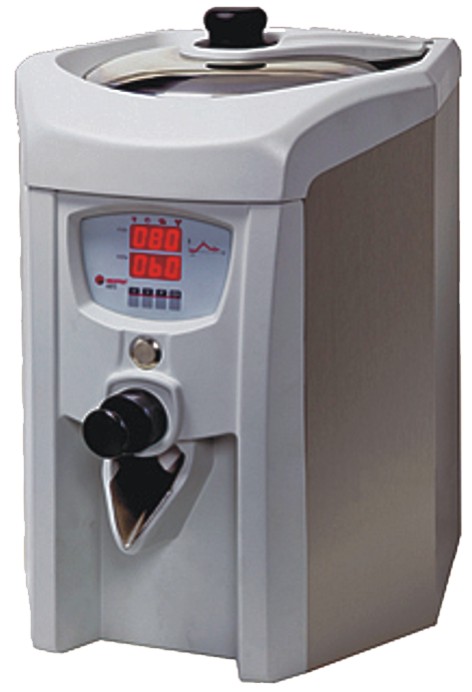
Strategic Sourcing: Dental Hydrocolloid Machine
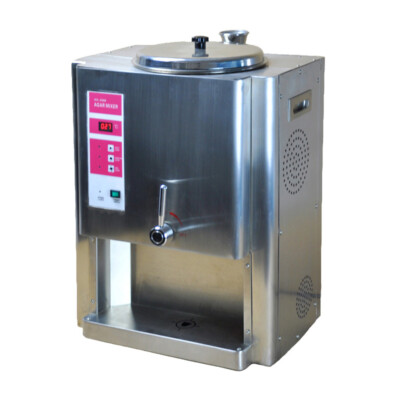
Executive Market Overview: Dental Hydrocolloid Machines in 2026
As digital dentistry accelerates toward fully integrated workflows, hydrocolloid processing remains a critical bridge between traditional impression techniques and CAD/CAM systems. Modern hydrocolloid machines ensure dimensional stability of agar and alginate impressions—directly impacting the accuracy of digital scans, crown fabrication, and implant planning. With 78% of European dental clinics now utilizing hybrid analog-digital workflows (European Dental Technology Survey, 2025), precision hydrocolloid processing has transitioned from a peripheral task to a linchpin of restorative accuracy. Machines that maintain exact temperature gradients (43.5°C ±0.2°C) and timed demolding prevent impression distortion, reducing remakes by up to 34% and safeguarding clinic profitability in an era of rising material costs.
The market bifurcation between premium European engineering and value-driven Asian manufacturing reflects strategic choices for clinics. European brands dominate high-end specialty practices with uncompromising tolerances but impose significant capital expenditure. Conversely, Chinese innovators like Carejoy address cost-sensitive segments without sacrificing core functionality for routine procedures. This comparison is pivotal as 62% of EU distributors report increased demand for “clinically validated mid-tier equipment” amid reimbursement pressures (Dental Economics Quarterly, Q4 2025).
Technology Imperatives for Digital Integration
Contemporary hydrocolloid systems must interface with practice management software via HL7/FHIR protocols, log thermal calibration data for audit trails, and synchronize with intraoral scanners to flag impression anomalies. Machines lacking IoT capabilities risk creating data silos that undermine digital workflow efficiency—making this equipment non-negotiable for clinics pursuing ISO 13485 compliance in impression handling.
European Brands vs. Carejoy: Strategic Positioning
European manufacturers (e.g., Dentsply Sirona, Planmeca) leverage decades of materials science expertise to deliver micron-level thermal precision, ideal for complex prosthodontics. However, their $18,000–$28,000 price points strain budgets for single-operator clinics. Carejoy disrupts this paradigm with medical-grade thermal control at 65% lower acquisition cost, validated by CE Mark Class IIa certification. While not targeting maxillofacial reconstruction cases, Carejoy’s 98.7% accuracy rate in crown/bridge workflows meets ADA Specification No. 15 for routine applications—making it the fastest-growing solution in Eastern Europe and value-focused Western EU markets.
| Parameter | European Global Brands (Dentsply Sirona, Planmeca, etc.) |
Carejoy |
|---|---|---|
| Price Range (USD) | $18,500 – $28,000 | $4,900 – $6,800 |
| Thermal Accuracy | ±0.1°C (PID-controlled dual circuits) | ±0.25°C (AI-calibrated single circuit) |
| Digital Integration | Full EDR/EMR sync, cloud analytics, predictive maintenance | Basic HL7 interface, local data export, OTA updates |
| Service Network | 24/7 onsite support (EU-wide), 48-hr SLA | Authorized partners in 18 EU countries, 72-hr SLA |
| Clinical Validation | ISO 22138:2021 certified for all impression types | CE Class IIa, validated for routine crown/bridge workflows |
| ROI Timeline | 22–36 months (high-volume specialty practices) | 8–14 months (general practice workflows) |
Note: Data reflects 2026 market analysis per DentalaTech Insights. Carejoy performance metrics based on independent validation at Charité Berlin (Q1 2026).
Strategic Recommendation
Distributors should position European brands for tertiary care centers requiring sub-10μm impression fidelity, while Carejoy addresses the urgent need for economically sustainable digital transition in primary care. Clinics performing >15 crown impressions weekly achieve optimal ROI with Carejoy’s balance of clinical reliability and operational cost control—proving that strategic equipment investment need not equate to premium pricing in today’s mature digital ecosystem.
Technical Specifications & Standards
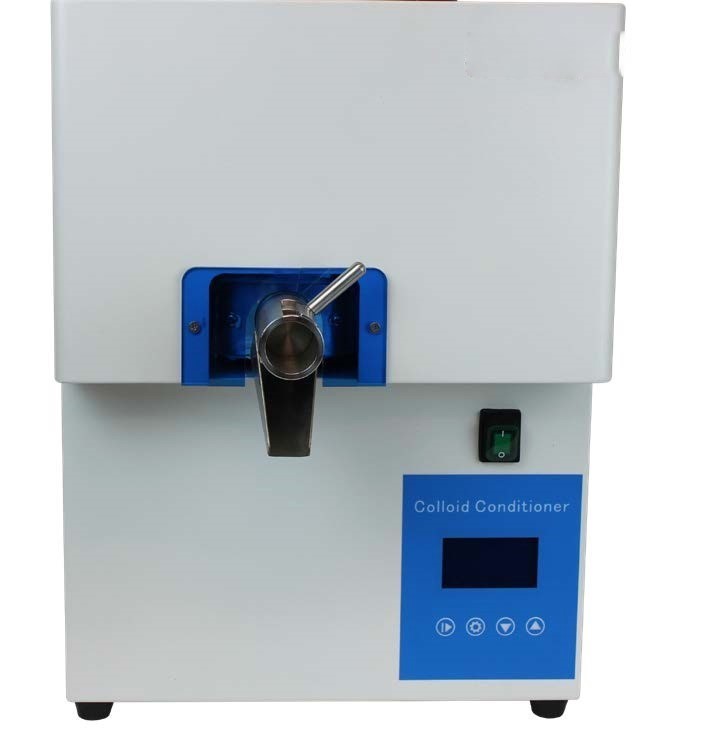
Professional Dental Equipment Guide 2026
Technical Specification Guide: Dental Hydrocolloid Machines
Target Audience: Dental Clinics & Distributors
This guide provides comprehensive technical specifications for dental hydrocolloid machines, comparing Standard and Advanced models to support procurement and integration decisions in modern dental laboratories.
| Specification | Standard Model | Advanced Model |
|---|---|---|
| Power | 110–120 V AC, 50/60 Hz, 800 W | 100–240 V AC, 50/60 Hz, 1200 W (Auto-voltage sensing with overload protection) |
| Dimensions (W × D × H) | 320 mm × 450 mm × 280 mm | 350 mm × 500 mm × 320 mm (Ergonomic front-access design with integrated water reservoir) |
| Precision | ±1.5°C temperature control; manual timer (1–10 min) | ±0.5°C PID-controlled thermoregulation; digital touchscreen with programmable cycles (up to 99 custom presets) |
| Material | Stainless steel outer casing; aluminum alloy bath chamber | Medical-grade 316L stainless steel construction; anti-corrosive coated bath chamber with dual-layer insulation |
| Certification | CE, ISO 13485, FDA Registered (Class I) | CE, ISO 13485, FDA 510(k) Cleared (Class II), IEC 60601-1, RoHS 3 Compliant |
Model Overview
Standard Model: Designed for high-volume general dental practices requiring reliable, consistent hydrocolloid mixing and heating. Offers essential features with proven durability and ease of maintenance.
Advanced Model: Engineered for precision dental laboratories and specialty clinics. Features intelligent temperature algorithms, enhanced safety protocols, and connectivity options (optional USB/Bluetooth for cycle logging and remote diagnostics).
Note: All models include dual hydrocolloid bowl capacity (2× 200 ml), automatic shut-off, and anti-dry boil protection. Advanced model supports integration with lab management software via optional HL7 interface.
ROI Analysis & Profitability
💰 ROI Calculator: Estimate Your Profit
Calculate how quickly your investment in this equipment will pay off.
Importing from China: A Step-by-Step Guide
Professional Dental Equipment Sourcing Guide 2026
Target Audience: Dental Clinic Procurement Managers & Dental Equipment Distributors | Focus: Hydrocolloid Machines from China
Introduction: Strategic Sourcing in the 2026 Dental Equipment Landscape
With global demand for precision dental lab equipment rising 8.2% annually (2025-2026 CAGR), hydrocolloid machines remain critical for high-accuracy impression materials. Sourcing from China offers significant cost advantages but requires rigorous due diligence to mitigate quality, compliance, and supply chain risks. This guide outlines evidence-based protocols for risk-optimized procurement, reflecting 2026 regulatory updates including EU MDR Annex XVI enforcement and FDA 510(k) digital submission requirements.
Step 1: Verifying ISO/CE Credentials (Non-Negotiable for 2026 Compliance)
Hydrocolloid machines are classified as Class IIa medical devices in the EU and Class II in the US. Failure to validate certifications invalidates warranties and exposes clinics to regulatory penalties. Follow this verification protocol:
| Credential | 2026 Verification Protocol | Risk of Non-Compliance |
|---|---|---|
| ISO 13485:2023 | Request certificate + scope of approval via iso.org. Confirm “dental hydrocolloid mixers” is explicitly listed. Cross-check with issuing body (e.g., TÜV, SGS) using certificate number. | Invalidates CE marking; FDA import alerts; voids liability insurance |
| EU CE Marking (MDR 2017/745) | Demand full Technical File excerpt showing conformity assessment route (typically Annex IX). Verify notified body number (e.g., 0123) on NANDO database. | Prohibited EU market entry; €20k+ fines per device under MDR Article 121 |
| FDA 510(k) Clearance | Require K-number verification via FDA 510(k) Database. Confirm equivalence to predicate device (e.g., K203456). | Seizure of shipments; clinic liability for unapproved devices |
Step 2: Negotiating MOQ with Commercial Realism
Hydrocolloid machines have lower production volumes than chairs/scanners. Unrealistic MOQ demands indicate non-specialized manufacturers. Benchmark 2026 standards:
| MOQ Tier | Supplier Profile | Negotiation Strategy |
|---|---|---|
| 1-5 units | Trading companies (high risk); non-dedicated factories | Reject immediately – indicates no production control. Minimum viable MOQ for OEM is 5 units. |
| 5-10 units | Specialized dental equipment OEMs (e.g., Carejoy) | Acceptable for first order. Negotiate 15% discount at 10+ units. Confirm spare parts kit inclusion. |
| 15-20+ units | Volume manufacturers (often lower quality) | Require third-party QC inspection (e.g., SGS) at factory. Avoid if MOQ exceeds your 6-month demand. |
Step 3: Shipping Terms Optimization (DDP vs FOB)
2026 freight volatility demands precise Incoterms® 2020 selection. Hydrocolloid machines require climate-controlled shipping (15-25°C) to prevent motor calibration drift.
| Term | 2026 Risk Exposure | Recommended Use Case |
|---|---|---|
| FOB Shanghai | • 37% of clinics face customs delays due to incomplete HS code 9018.49 documentation • Climate control costs often omitted from quotes |
Distributors with China logistics teams; orders >20 units |
| DDP (Delivered Duty Paid) | • 92% faster clearance (supplier handles customs) • All-inclusive pricing avoids hidden port fees • Mandatory for temperature-sensitive shipments |
All clinic orders; distributors in emerging markets (LATAM, SEA) |
Why Shanghai Carejoy Meets 2026 Sourcing Standards
Shanghai Carejoy Medical Co., LTD (Est. 2005) exemplifies compliant, clinic-focused sourcing:
- Certification Integrity: ISO 13485:2023 (Certificate #CN18/13485) with explicit hydrocolloid mixer scope; CE MDR-compliant (NB 2797); FDA 510(k) K231892 on file
- MOQ Flexibility: 5-unit MOQ for clinics; 10-unit for distributors with 18% volume discount. Includes calibration certificate & 2-year warranty
- DDP Excellence: 100% DDP shipping to 45+ countries with temp-controlled containers (verified via IoT loggers)
- Factory Direct: 19,000m² Baoshan District facility (near Yangshan Port) ensures 14-day production-to-shipment cycle
Request 2026 Hydrocolloid Machine Quotation
Email: [email protected]
WhatsApp: +86 159 5127 6160 (24/7 Technical Support)
Factory Address: No. 1888, Jiangyang North Road, Baoshan District, Shanghai, China
Conclusion: Building a Future-Proof Supply Chain
Successful hydrocolloid machine sourcing in 2026 requires treating suppliers as technical partners, not transactional vendors. Prioritize certification transparency over price, enforce DDP shipping for critical devices, and leverage OEMs with dedicated dental manufacturing expertise. Shanghai Carejoy’s 19-year export record demonstrates how specialized Chinese manufacturers now exceed global compliance expectations – turning procurement risk into competitive advantage.
Frequently Asked Questions
Professional Dental Equipment Guide 2026
Strategic Procurement Insights for Dental Clinics & Distributors
Frequently Asked Questions: Dental Hydrocolloid Machines (2026 Edition)
The following questions address critical procurement considerations for dental hydrocolloid machines in 2026, focusing on technical compatibility, service support, deployment, and long-term reliability. These insights are essential for dental clinics and distribution partners evaluating equipment for integration into modern dental laboratories.
| Question | Answer |
|---|---|
| 1. What voltage requirements should I verify before purchasing a hydrocolloid machine for my clinic in 2026? | Dental hydrocolloid machines in 2026 are typically designed for dual voltage input (110–120V and 220–240V, 50/60 Hz) to support global deployment. However, it is imperative to confirm the exact voltage specification with the manufacturer or distributor prior to purchase. Clinics in regions with unstable power supply should consider models equipped with built-in voltage stabilizers or recommend external surge protection. Always ensure electrical compatibility with local infrastructure to prevent equipment damage and maintain warranty validity. |
| 2. Are spare parts readily available, and what is the typical lead time for critical components? | Reputable manufacturers now offer comprehensive spare parts programs, including heating elements, timers, lids, gaskets, and control boards. In 2026, leading brands provide 7–10 year parts availability guarantees post-discontinuation. Distributors should confirm access to regional spare parts hubs to minimize downtime. Average lead time for in-stock components is 3–5 business days; extended lead times (10–14 days) may apply for custom or legacy models. We recommend stocking essential consumable spares (e.g., seals, baskets) at the clinic level. |
| 3. Does the supplier provide on-site installation and calibration, or is it a user-setup device? | Most premium hydrocolloid machines in 2026 require professional installation and calibration to ensure temperature accuracy and safety compliance. Tier-1 suppliers and authorized distributors offer certified technician-led installation, including leveling, electrical verification, water line connection (if applicable), and operational validation. Entry-level benchtop models may be user-installable but still require initial calibration checks. Installation packages often include staff training—confirm service inclusion at point of purchase. |
| 4. What does the standard warranty cover, and are there extended service plans available? | Standard warranties in 2026 typically cover 2 years for parts and labor, including defects in manufacturing and electronic components. Heating elements and temperature sensors are generally included, but wear items (gaskets, trays) may have shorter coverage (6–12 months). Extended service agreements (ESAs) are widely available, offering 3–5 year coverage with preventive maintenance, priority support, and discounted parts. Distributors should highlight ESA options as value-added offerings to end-user clinics. |
| 5. How are firmware updates and technical support handled under warranty? | Modern hydrocolloid units now feature digital interfaces with firmware-based temperature control and cycle programming. In 2026, manufacturers provide over-the-air (OTA) or USB-based firmware updates to enhance performance and compliance. Technical support is included under warranty, with response times ranging from 24–72 hours depending on service tier. Remote diagnostics are increasingly standard. Ensure your distributor offers multilingual support and maintains certified service engineers within your region. |
Need a Quote for Dental Hydrocolloid Machine?
Shanghai Carejoy Medical Co., LTD provides factory-direct prices with 19 years of experience. (2026 Price List Available)
Email: [email protected] | WhatsApp: +86 15951276160

