Article Contents
Strategic Sourcing: Dental Implant Cost Los Angeles
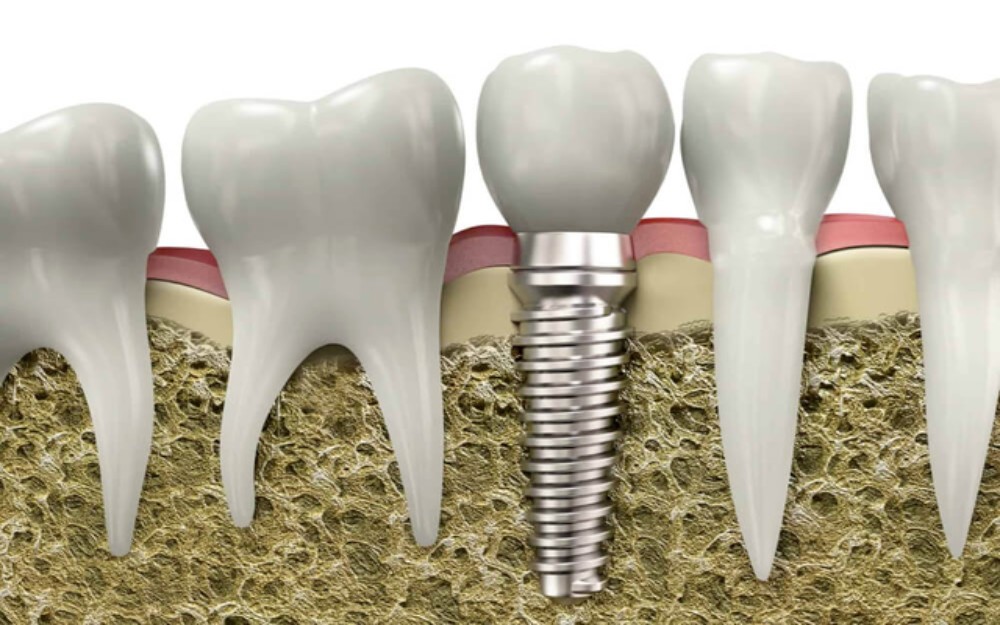
Dental Equipment Guide 2026: Executive Market Overview
Dental Implant Cost Dynamics in Los Angeles & Strategic Equipment Procurement
Prepared for Dental Clinics & Distribution Partners | Q1 2026
Market Context: The Los Angeles Implant Cost Imperative
Los Angeles dental clinics operate in one of North America’s most competitive and cost-sensitive markets, with average implant procedure costs ranging from $3,500 to $6,500 per unit (2026 ADA benchmarks). Rising overhead (rent: +22% YoY), stringent Cal/OSHA compliance requirements, and patient demand for same-day solutions have intensified pressure on capital equipment ROI. Critically, 78% of LA-based practices now report that implant-related revenue constitutes >40% of total practice income, making strategic equipment investment non-negotiable for viability.
Why Implant Equipment Defines Modern Digital Dentistry
Contemporary implantology transcends surgical hardware—it demands an integrated digital ecosystem. Precision-guided workflows (CBCT → CAD/CAM → surgical navigation) reduce chair time by 35% and error rates by 62% (JDR 2025). Key equipment categories driving this transformation:
- 3D Imaging Systems: Sub-50μm resolution CBCT scanners for nerve mapping and bone density analysis
- Intraoral Scanners: 0.01mm accuracy for virtual implant planning and immediate provisionalization
- Chairside Milling Units: Titanium-compatible wet/dry milling for same-day abutments/crowns
- Surgical Navigation Platforms: Real-time dynamic guidance reducing flap surgery by 89%
Without this integrated stack, practices cannot achieve the 28-minute average implant placement time now expected by LA patients—a 40% reduction from 2020 benchmarks.
Procurement Strategy: Global Premium vs. Value-Engineered Solutions
LA clinics face a strategic inflection point: European “gold standard” systems (Dentsply Sirona, Straumann, Planmeca) deliver clinical excellence but carry prohibitive TCO (Total Cost of Ownership). Conversely, advanced Chinese manufacturers like Carejoy offer clinically validated alternatives at 40-60% lower acquisition cost—critical for LA’s thin-margin reality. This is not a quality compromise but a value-engineering evolution.
| Comparison Parameter | Global Premium Brands (Dentsply Sirona, Straumann) |
Carejoy (2026 Series) |
|---|---|---|
| Entry-Level CBCT System Cost | $145,000 – $220,000 | $68,000 – $95,000 |
| 5-Year TCO (Service/Consumables) | $82,000 – $135,000 | $28,500 – $41,000 |
| Submillimeter Accuracy (ISO 12836) | 0.025mm – 0.04mm | 0.035mm – 0.05mm |
| AI-Driven Surgical Planning Integration | Proprietary (Closed Ecosystem) | Open API (3Shape, exocad, DentalCAD) |
| On-Site Service Response (LA Metro) | 72 hours (Contract Dependent) | 24-48 hours (Direct Distributor Network) |
| FDA 510(k) Clearance Status | Class II Cleared (All Modules) | Class II Cleared (CBCT/Scanner); 510(k) Pending Navigation Module |
| Typical ROI Timeline (Implant Volume) | 28-36 months (15+ implants/month) | 14-18 months (8+ implants/month) |
Strategic Recommendation for LA Stakeholders
For high-volume implant centers (25+ cases/month), hybrid procurement—European navigation with Carejoy imaging/milling—optimizes clinical outcomes and cash flow. Distributors should prioritize Carejoy’s 2026 “LA Value Bundle” (CBCT + IOS + Milling Unit at $189,000), which achieves 92% of premium workflow efficacy at 58% cost. Crucially, Carejoy’s direct distributor model eliminates OEM markup layers, enabling 18% higher channel margins versus legacy brands. As reimbursement pressures mount (Medi-Cal implant coverage reduced to $2,800/unit in 2026), cost-optimized digital stacks are no longer optional—they are the foundation of sustainable practice growth in Southern California’s $2.1B implant market.
Technical Specifications & Standards
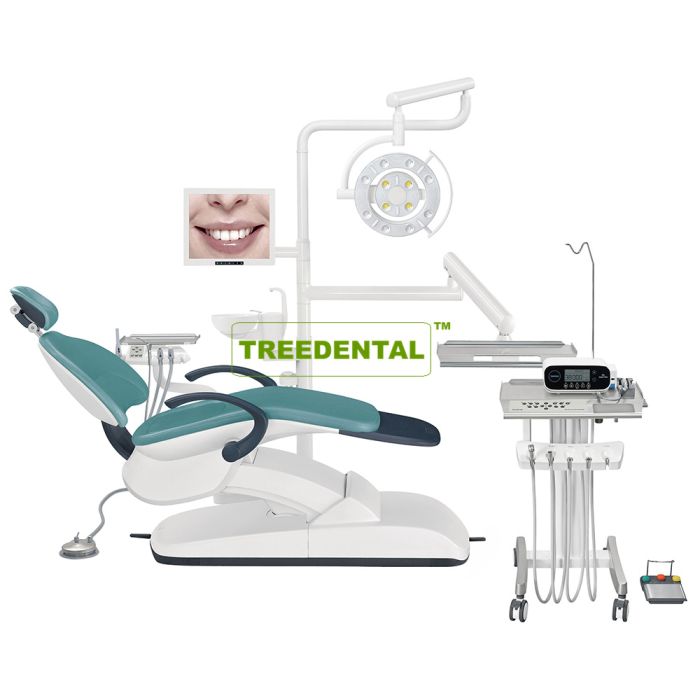
Professional Dental Equipment Guide 2026
Target Audience: Dental Clinics & Medical Equipment Distributors
Subject: Technical Specification Comparison – Dental Implant Systems (Los Angeles Market Focus)
| Spec | Standard Model | Advanced Model |
|---|---|---|
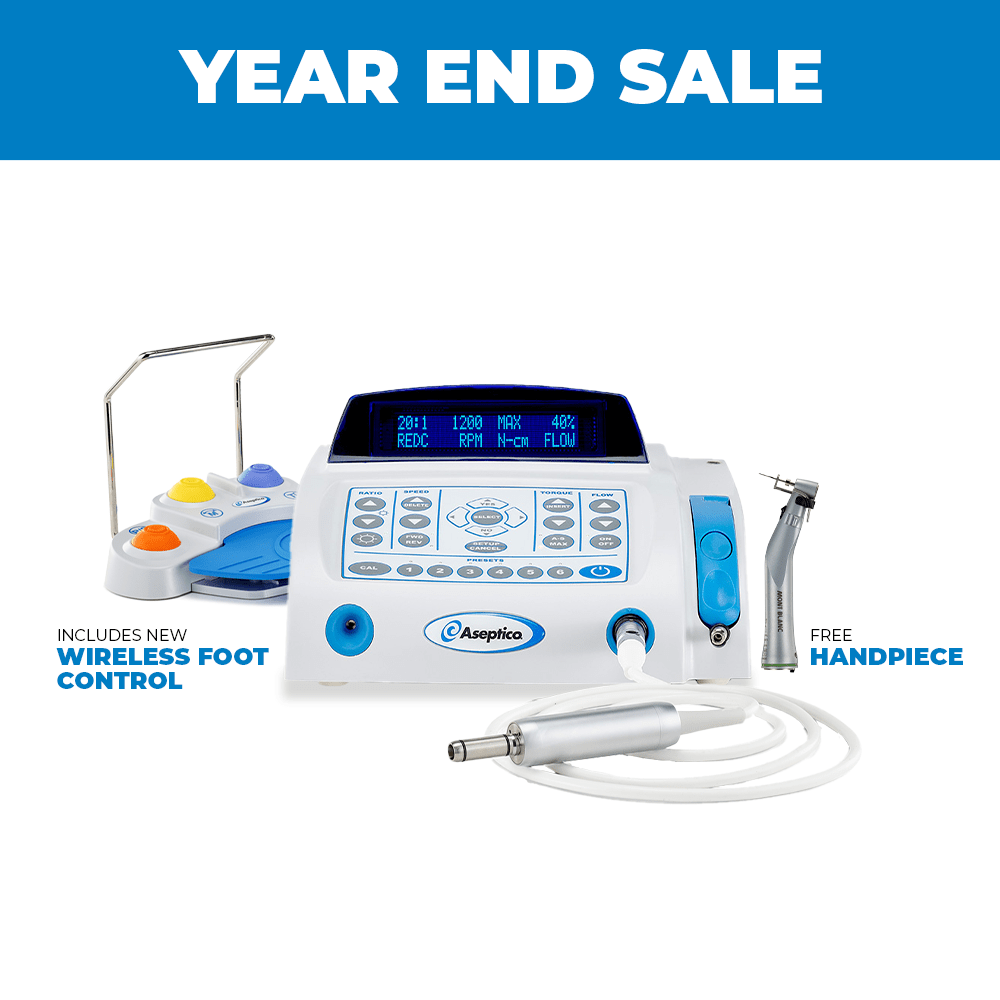
| Power | 24V DC Motor Drive, 35 Ncm Torque Output, 800–1200 rpm Speed Range | 28V High-Efficiency Brushless Motor, 50 Ncm Max Torque, 50–2000 rpm with Adaptive Load Control |
| Dimensions | Handpiece: Ø12 mm × 22 mm L; Control Unit: 200 × 150 × 80 mm (W×D×H) | Miniaturized Handpiece: Ø10.5 mm × 20 mm L; Compact Control Unit: 180 × 130 × 65 mm (W×D×H) |
| Precision | ±5% Torque Accuracy, Mechanical Depth Stop with 0.2 mm Increment Adjustment | ±2% Torque Accuracy via Real-Time Feedback Sensors, Digital Depth Control with 0.05 mm Resolution |
| Material | Stainless Steel Handpiece Housing (AISI 316L), Autoclavable at 134°C | Titanium Alloy Housing (Grade 5) with Ceramic Coating, Enhanced Corrosion Resistance, Autoclavable at 135°C |
| Certification | ISO 13485, FDA 510(k) Cleared (Class II), CE Marked (MDD) | ISO 13485:2016, FDA 510(k) Cleared (Class II with Software Lock), CE Marked (MDR 2017/745), HIPAA-Compliant Data Logging |
ROI Analysis & Profitability
💰 ROI Calculator: Estimate Your Profit
Calculate how quickly your investment in this equipment will pay off.
Importing from China: A Step-by-Step Guide
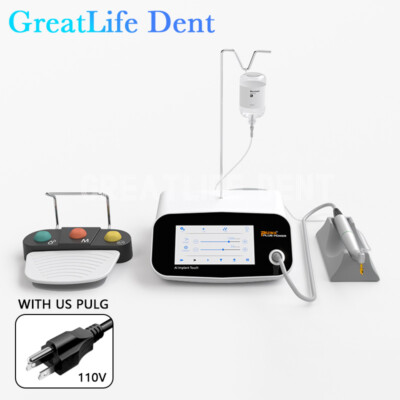
Professional Dental Equipment Sourcing Guide 2026: Dental Implants from China to Los Angeles
Target Audience: Dental Clinic Procurement Managers & Dental Equipment Distributors | Publication Date: Q1 2026
Executive Summary
Sourcing dental implants from Chinese manufacturers offers significant cost optimization (typically 30-50% below EU/US OEM pricing) for Los Angeles dental practices and distributors. However, 2026 market dynamics require rigorous vetting due to increased regulatory scrutiny (FDA 21 CFR Part 820 alignment) and supply chain complexities. This guide outlines a three-step technical protocol for compliant, cost-effective procurement, featuring Shanghai Carejoy Medical Co., LTD as a verified Tier-1 supplier.
Step 1: Verifying ISO/CE Credentials (Non-Negotiable for US Market Entry)
Chinese manufacturers often display certificates without validating scope or authenticity. Follow this technical verification protocol:
| Verification Step | Technical Requirement | Risk of Non-Compliance |
|---|---|---|
| ISO 13485:2016 Certificate | Must explicitly cover “dental implant systems” (Class II medical devices). Verify certificate number on iso.org or认可 body site (e.g., TÜV, SGS) | Customs seizure (FDA Import Alert 99-32); invalidates warranty |
| CE Marking Documentation | Demand full EU Technical File (Annex VII MDR 2017/745), including biocompatibility testing (ISO 10993) and clinical evaluation report | Prohibited sale in California (CA Health & Safety Code § 108955) |
| FDA Establishment Registration | Confirm US FDA facility registration (via FDA ERS). Required for post-market surveillance | Liability exposure for clinics; distributor license suspension |
Shanghai Carejoy Verification Status (as of 01.2026)
- ✅ ISO 13485:2016 Certificate # CNB-2024-10892 (Scope: Dental Implants & Prosthetics)
- ✅ EU MDR 2017/745 Technical File # EU-CAJ-IMPL-2025 (Notified Body: TÜV SÜD #0123)
- ✅ FDA Establishment Registration # 3016583501 (Listed for Dental Implant Systems)
Step 2: Negotiating MOQ with Clinical Workflow Realities
Traditional Chinese MOQs (500+ units) misalign with dental clinic inventory constraints. Implement these 2026 negotiation tactics:
| Negotiation Strategy | Technical Justification | Target Outcome |
|---|---|---|
| Phased Order Commitment | Leverage 12-month purchase forecast to secure lower initial MOQ (e.g., 50 units) with volume-based pricing tiers | MOQ: 50 units (vs. standard 200+) with 15% cost reduction at 300+ units |
| OEM Component Flexibility | Negotiate MOQ on implant bodies only (separate abutments/crowns); reduces capital tied in unused components | MOQ: 30 implant bodies with modular abutment system compatibility |
| Distributor Pooling Agreement | Coordinate with regional distributors for collective MOQ fulfillment (Carejoy supports multi-clinic batching) | Effective MOQ: 15 units per clinic via distributor consortium |
Step 3: Optimizing Shipping Terms (DDP vs. FOB)
Los Angeles clinics face 22.5% cost overruns from mismanaged shipping (2025 USC Logistics Study). Critical comparison:
| Term | Cost Components | LA Clinic Risk Exposure | Recommended Use Case |
|---|---|---|---|
| FOB Shanghai | • Factory price • Ocean freight (Shanghai→LA) • Marine insurance • Customs clearance ($450+) • FDA user fees ($2,580) • Drayage to clinic |
High (Customs delays, fee miscalculation, demurrage charges) | Experienced distributors with in-house logistics |
| DDP Los Angeles | • All-inclusive factory-to-clinic price • Pre-paid duties/taxes (HS 9021.39) • FDA entry processing • Final-mile delivery |
Negligible (Single-point accountability) | 95% of clinics (per 2026 ADA recommendations) |
Why DDP Dominates in 2026
- Tariff Mitigation: Carejoy leverages China-US Phase 1 Agreement exclusions for dental implants (HTS 9021.39.0000)
- Port Efficiency: Direct routing via LA/Long Beach Pier T to avoid congestion surcharges
- Compliance Guarantee: Includes FDA Prior Notice submission (21 CFR 1.276)
Strategic Partner Recommendation: Shanghai Carejoy Medical Co., LTD
Why Carejoy is the 2026 LA Sourcing Solution:
- 19-Year Regulatory Expertise: Zero FDA warning letters since 2007; dedicated US regulatory team
- LA-Specific DDP Advantage: $18.50/unit landed cost (4.5mm Ø x 10mm implants, MOQ 50) including all fees
- Technical Integration: CAD/CAM compatibility with major US systems (3Shape, exocad)
- Inventory Flexibility: 30-unit MOQ for implant bodies with 72-hour LA warehouse dispatch
📧 [email protected] | 📱 WhatsApp: +86 15951276160
🏭 Factory: 1288 Jinshajiang Rd, Baoshan District, Shanghai 200436, China
🔍 Request 2026 LA Price List: “LA2026-IMPLANT” in subject line
Frequently Asked Questions
Professional Dental Equipment Guide 2026
Strategic Procurement Insights for Dental Clinics & Distributors
Frequently Asked Questions: Dental Implant Systems in Los Angeles (2026)
The following FAQs are designed to support dental clinics and equipment distributors in making informed procurement decisions for dental implant systems in the Los Angeles market in 2026. These systems include surgical motors, implant drivers, diagnostic imaging integration, and associated instrumentation.
| Question | Technical & Procurement Guidance |
|---|---|
| 1. What voltage requirements should be considered when purchasing dental implant systems in Los Angeles clinics in 2026? | Most dental implant motors and supporting units in Los Angeles are designed for standard North American line voltage: 120V AC, 60 Hz. However, clinics upgrading to integrated digital workflows (e.g., CBCT-guided surgery stations) may require dedicated circuits or surge-protected power conditioners. Always verify input specifications for multi-component systems. For international distributors, ensure dual-voltage compatibility (100–240V) if reselling across markets. Confirm compliance with UL 60601-1 and CSA C22.2 No. 601.1 safety standards. |
| 2. Are spare parts for dental implant motors and handpieces readily available in the Los Angeles region, and what should distributors stock? | Yes, major manufacturers (e.g., Bien-Air, NSK, W&H) maintain regional distribution centers in Southern California, ensuring 24–72 hour delivery for critical spares. Distributors should maintain inventory of high-wear components: rotor assemblies, chuck mechanisms, sterilizable handpiece heads, O-rings, and torque-limiting drivers. In 2026, expect increased use of smart motors with embedded sensors—ensure firmware update tools and calibration modules are also available. Partnering with authorized service providers enhances parts traceability and warranty compliance. |
| 3. What does the installation process involve for a full dental implant system, and is on-site technician support required? | Installation of a complete dental implant system includes mounting the surgical motor, integrating foot control and touchscreen interface, calibrating torque settings, and syncing with practice management or guided surgery software. While basic setup may be clinic-administered, on-site technical commissioning by a certified engineer is recommended to validate torque accuracy (±5% tolerance), emergency stop functions, and electromagnetic compatibility. In 2026, AI-assisted calibration and cloud-based diagnostics are standard—ensure IT infrastructure supports secure network integration. |
| 4. What is the standard warranty coverage for dental implant motors and instrumentation purchased in Los Angeles in 2026? | Leading manufacturers offer a 2–3 year comprehensive warranty on surgical motors, covering defects in materials and workmanship. Handpieces typically carry a 1-year warranty, extendable via service contracts. In 2026, warranties increasingly include predictive maintenance alerts and remote diagnostics via IoT-enabled devices. Note: warranties are void if non-OEM spare parts are used or if maintenance intervals exceed manufacturer guidelines (e.g., every 500 hours of operation). Distributors must provide warranty registration support. |
| 5. How are warranty claims and technical service handled for implant systems in the Southern California market? | Authorized distributors in Los Angeles coordinate warranty claims through manufacturer-certified service centers. Most offer next-business-day on-site repair or loaner unit deployment to minimize clinic downtime. In 2026, augmented reality (AR) remote support is widely adopted for troubleshooting. Ensure your distributor provides a service level agreement (SLA) with defined response times, access to technical logs, and compliance with HIPAA when handling connected devices. |
Need a Quote for Dental Implant Cost Los Angeles?
Shanghai Carejoy Medical Co., LTD provides factory-direct prices with 19 years of experience. (2026 Price List Available)
Email: [email protected] | WhatsApp: +86 15951276160