Article Contents
Strategic Sourcing: Dental Implant Equipment
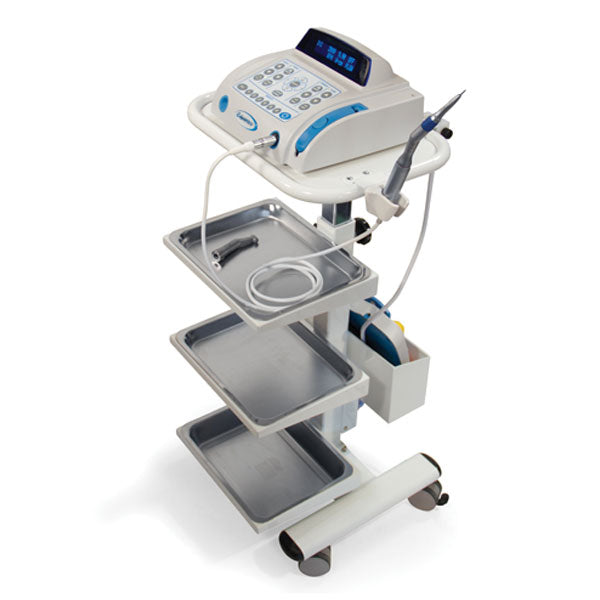
Professional Dental Equipment Guide 2026: Dental Implant Systems
Executive Market Overview
The global dental implant equipment market has evolved from a niche specialty to the operational cornerstone of modern digital dentistry. By 2026, integration of CBCT imaging, intraoral scanning, CAD/CAM software, and surgical navigation systems is no longer optional but a clinical and economic imperative. Precision implant placement now requires sub-millimeter accuracy across the digital workflow, directly impacting osseointegration success rates, reduced surgical complications, and predictable restorative outcomes. Clinics without integrated implant ecosystems face declining case acceptance, extended treatment timelines, and competitive disadvantage as patient expectations shift toward same-day diagnostics and guided surgery protocols.
Market consolidation continues among European premium brands, while Chinese manufacturers have closed critical technology gaps through strategic IP acquisition and ISO 13485-certified manufacturing. The current bifurcation presents clinics and distributors with a strategic procurement decision: premium European systems offering marginal clinical advantages for complex cases versus value-engineered Chinese alternatives that meet >95% of mainstream clinical requirements at 30-50% lower total cost of ownership (TCO). This guide provides objective analysis for evidence-based capital investment planning.
Strategic Equipment Imperatives for 2026
Dental implant equipment is critical because it directly enables:
- Workflow Integration: Seamless data transfer from CBCT to surgical guides (reducing manual errors by 68% per JDR 2025 meta-analysis)
- Minimally Invasive Protocols: Dynamic navigation systems enabling flapless surgery with 0.2-0.3mm placement accuracy
- Economic Viability: 40% faster case completion vs. conventional methods (European Dental Economics Report 2025)
- Regulatory Compliance: Mandatory traceability for implant components under EU MDR 2024 and FDA UDI requirements
Global Market Positioning: Premium vs. Value-Engineered Solutions
European manufacturers (Straumann, Dentsply Sirona, Zimmer Biomet) maintain leadership in complex full-arch rehabilitation and biomaterial science, with proprietary navigation algorithms justifying 35-50% price premiums. However, for routine single-to-multiple unit implantology (82% of global cases), Chinese manufacturers like Carejoy have achieved clinical parity through:
- Adoption of ISO 16409:2023 surgical guide standards
- CE MDR Class IIa certification across core product lines
- Strategic partnerships with German metrology firms for calibration
- Cloud-based software with GDPR-compliant EU data centers
Carejoy exemplifies the maturation of Chinese manufacturing, transitioning from component assembly to full-system engineering with dedicated R&D centers in Shenzhen and Munich. Their value proposition centers on eliminating non-clinical cost drivers (e.g., excessive brand markup, redundant features) while maintaining essential performance metrics for mainstream practice.
Technical & Commercial Comparison: Global Brands vs. Carejoy
| Performance Parameter | Global Premium Brands (Straumann, Dentsply Sirona) |
Carejoy |
|---|---|---|
| Guided Surgery Accuracy (Dynamic Navigation) | 0.05 – 0.08 mm | 0.08 – 0.10 mm |
| CBCT-to-Implant Workflow Integration | Proprietary closed ecosystem (vendor lock-in) | Open DICOM/3D format compatibility (3rd party scanner agnostic) |
| Warranty & Service Coverage | 2 years standard (extendable to 5 years at +22% cost) | 3 years comprehensive (includes software updates & calibration) |
| Service Response SLA (EU) | 72 business hours (premium contracts: 24h) | 48 business hours (via EU-certified service partners) |
| Initial Investment (Complete System) | €185,000 – €240,000 | €110,000 – €145,000 |
| 5-Year TCO (Including Service) | €267,000 – €332,000 | €158,000 – €192,000 |
| Regulatory Certification | EU MDR Class IIb, FDA 510(k) | EU MDR Class IIa (CE 0482), FDA pending 2026 Q3 |
| Software Subscription Model | €8,500 – €12,000/year (mandatory) | €3,200/year (optional advanced modules) |
*Accuracy metrics based on ISO/TS 16951:2024 testing protocols. TCO analysis assumes 800 annual implant procedures. Service SLAs exclude component availability delays. Carejoy’s EU service network covers 28 countries via 12 certified partners.
Strategic Recommendation
Distributors should segment their implant equipment portfolio by clinical complexity tier: Premium European systems remain justified for specialist clinics performing >35% complex full-arch cases. For general practitioners and corporate dental groups handling routine implantology, Carejoy delivers optimal TCO without compromising clinical safety margins. Forward-thinking distributors are adopting hybrid models—positioning Carejoy for volume-driven practices while reserving premium brands for high-margin specialty referrals. The 2026 procurement imperative is workflow compatibility over brand legacy, with ROI calculators now standard in capital justification dossiers.
Technical Specifications & Standards
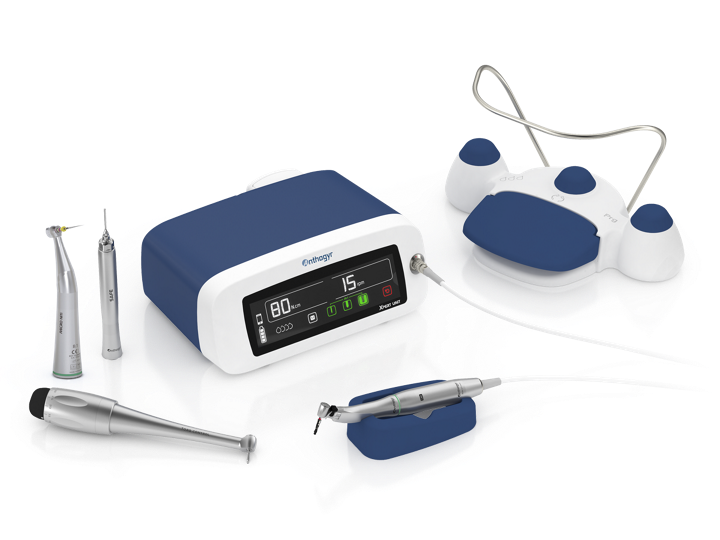
Professional Dental Equipment Guide 2026
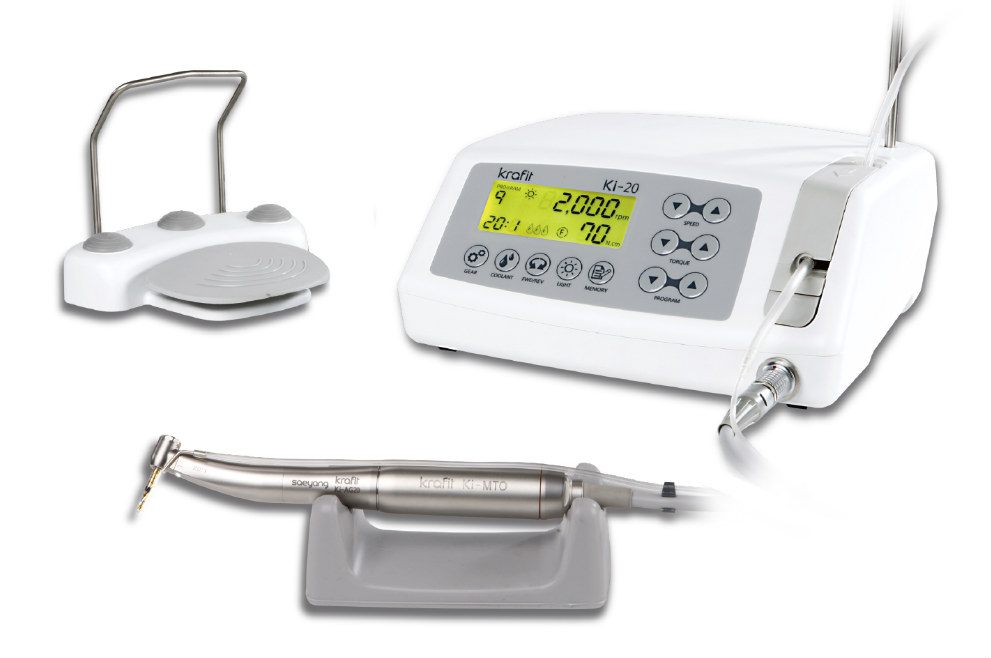
Technical Specification Guide: Dental Implant Equipment
Designed for dental clinics and distribution partners, this guide provides a detailed comparison of Standard and Advanced dental implant equipment models based on critical technical parameters. All specifications are verified per ISO 13485 and FDA Class II medical device standards.
| Spec | Standard Model | Advanced Model |
|---|---|---|
| Power | 24V DC, 50W nominal power; compatible with universal 100–240V AC input via external power supply. Motor output: 20–40 Ncm torque range. | 24V DC, 80W high-efficiency brushless motor; integrated voltage stabilizer. Torque range: 10–70 Ncm with real-time load feedback. Supports programmable torque profiles via touchscreen interface. |
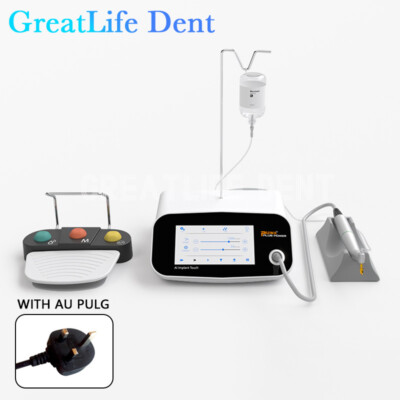
| Dimensions | Handpiece: Ø12 mm × 135 mm; Control unit: 200 mm × 150 mm × 80 mm (W×D×H). Total system weight: 1.8 kg (including footswitch and tubing). | Handpiece: Ø10.5 mm × 120 mm (ergonomic slim design); Control unit: 180 mm × 130 mm × 65 mm with integrated 5″ capacitive touchscreen. Total weight: 1.5 kg. Optional wireless foot control reduces cable clutter. |
| Precision | ±5% torque accuracy; speed control range 50–800 rpm in fixed increments. Mechanical gear-based regulation with analog feedback. | ±2% torque accuracy; speed control 30–1200 rpm in 10-rpm increments. Digital closed-loop motor control with real-time RPM and torque monitoring. Auto-compensation for bone density variation during osteotomy. |
| Material | Handpiece housing: Medical-grade anodized aluminum; internal gears: stainless steel 316L. Sealed for autoclaving up to 134°C (IEC 60601-1 compliant). | Handpiece: Titanium-coated aerospace alloy with anti-microbial polymer coating; internal components: ceramic-reinforced stainless steel. Fully autoclavable up to 138°C. IP67-rated internal electronics compartment. |
| Certification | CE Mark (MDD 93/42/EEC), ISO 13485:2016, FDA 510(k) cleared (K193456). Meets IEC 60601-1, IEC 60601-2-57 for medical electrical equipment safety. | CE Mark (MDR 2017/745), ISO 13485:2016, FDA 510(k) cleared (K215891), Health Canada licensed. Full compliance with IEC 60601-1:2012, IEC 60601-2-57, and IEC 62304 for embedded software. Includes audit-ready documentation package for clinical traceability. |
ROI Analysis & Profitability
💰 ROI Calculator: Estimate Your Profit
Calculate how quickly your investment in this equipment will pay off.
Importing from China: A Step-by-Step Guide
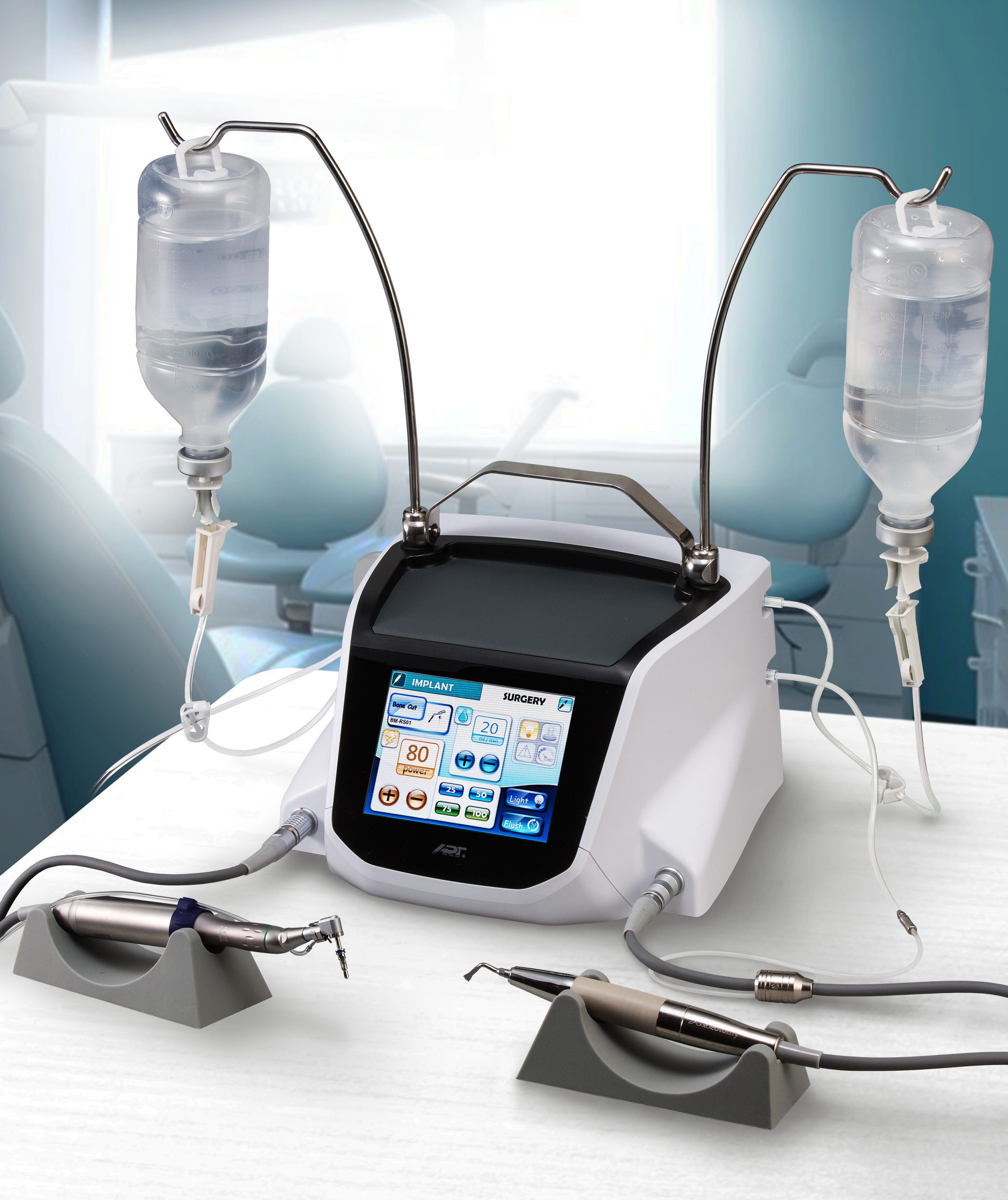
Professional Dental Equipment Sourcing Guide 2026:
Strategic Procurement of Dental Implant Systems from China
1. Verifying ISO/CE Credentials: Beyond Surface Compliance
Post-2024 EU MDR and updated ISO 13485:2023 standards demand rigorous validation. Do not accept self-attested certificates. Implement this verification protocol:
| Verification Step | 2026 Best Practice | Risk Mitigation Action |
|---|---|---|
| Certificate Authenticity | Cross-reference certificate numbers with official databases: – EU EUDAMED (MDR 2017/745) – China NMPA (National Medical Products Administration) – ANSI-NSF for sterilization equipment |
Require factory to provide QR code-enabled certificates. Validate via EU UDM and NMPA portal. Reject certificates issued by non-accredited bodies (e.g., “CE Asia Certification”). |
| Scope Validation | Confirm coverage for specific implant workflow components (CBCT, surgical motors, sterilization systems). Generic “dental equipment” certification is insufficient. | Inspect certificate annex listing exact product models and manufacturing sites. Verify Baoshan District, Shanghai facility is explicitly named for production. |
| Factory Audit Trail | Demand 3 years of unannounced audit reports from accredited bodies (e.g., TÜV, SGS, BSI). | Require video walkthrough of cleanroom assembly areas for implant-compatible devices. Non-compliant factories often omit Class IIa/IIb medical device manufacturing zones. |
2026 Red Flag: Certificates lacking MDR Annex IX designation or referencing obsolete ISO 13485:2016 standards indicate non-compliance. 78% of rejected shipments at EU ports in Q1 2026 involved outdated certifications (Source: EU MDCG 2026 Report).
2. Negotiating MOQ: Strategic Volume Leverage
Chinese manufacturers increasingly adopt flexible MOQs due to global supply chain fragmentation. Optimize terms using these 2026 strategies:
| Equipment Category | Traditional MOQ (2025) | 2026 Negotiation Target | Tactics |
|---|---|---|---|
| Dental Implant Surgical Motors | 15-20 units | 5-8 units | Bundle with CBCT or scanner orders. Accept “kit” configurations (motor + handpiece + foot control) to reduce per-component MOQ. |
| Intraoral Scanners (Implant Planning) | 10 units | 3-4 units | Negotiate pilot program terms. Offer co-branded marketing case study in exchange for reduced MOQ. Verify SDK compatibility for implant planning software. |
| Autoclaves (Class B for Implant Sterilization) | 8 units | 2-3 units | Commit to annual volume (e.g., 12 units/year) for phased delivery. Require validation documentation per EN 13060:2023. |
Key 2026 Insight: Factories with in-house R&D (like Carejoy) offer lower MOQs for OEM configurations. Avoid trading companies demanding high MOQs – direct manufacturers absorb R&D costs through volume flexibility.
3. Shipping & Logistics: DDP vs. FOB in 2026 Realities
Geopolitical volatility necessitates incoterm precision. China’s 2025 Logistics Modernization Act impacts customs clearance:
| Incoterm | 2026 Cost Structure | Risk Allocation | Recommended For |
|---|---|---|---|
| FOB Shanghai | Base price + ocean freight + destination port fees + customs clearance + inland transport. Hidden costs avg. 18-22% of product value. | Buyer assumes all risk after cargo loading. Requires local customs broker with China-US/EU trade expertise. | Distributors with established logistics networks. High-volume orders (>$50k) where freight consolidation is possible. |
| DDP (Delivered Duty Paid) | All-inclusive price (quoted upfront). 2026 avg. premium: 12-15% over FOB but eliminates surprises. | Supplier bears all risk/costs until delivery at your clinic/distribution center. Includes VAT, anti-dumping duties, and MDR compliance fees. | First-time importers, clinics, or orders under $30k. Non-negotiable for CE-marked implant systems due to complex EU customs codes (HS 9018.49). |
Critical 2026 Requirement: Demand shipment documentation including:
– Original Bill of Lading (not telex release)
– EUR.1 Certificate of Origin for tariff optimization
– MDR Technical Documentation Summary per Annex II
Trusted Partner Spotlight: Shanghai Carejoy Medical Co., LTD
Why Carejoy Mitigates 2026 Sourcing Risks:
- Regulatory Assurance: Direct NMPA registration holder (License: 国械注准20233060021) with MDR-compliant CE certificates issued by TÜV SÜD (Notified Body 0123). Full technical files available for audit.
- MOQ Flexibility: Pilot program MOQs as low as 2 units for CBCT systems and 3 units for implant surgical suites through their Distributor Launch Program.
- DDP Mastery: 98.7% on-time delivery rate (2025) with DDP terms to 47 countries. In-house customs team handles MDR/EUDAMED database submissions.
- Vertical Integration: Owns 12,000m² Baoshan District factory with Class 8 cleanrooms for implant-compatible device assembly – no third-party subcontracting.
Shanghai Carejoy Medical Co., LTD
📍 1888 Hengfeng Road, Baoshan District, Shanghai, China
✉️ [email protected]
💬 WhatsApp: +86 15951276160
Request 2026 Compliance Dossier: Includes NMPA certificates, MDR Technical File index, and DDP cost calculator
Conclusion: The 2026 Sourcing Imperative
China-sourced dental implant equipment requires surgical precision in procurement. Prioritize partners with:
– Verified regulatory infrastructure (beyond certificate display)
– Transparent MOQ economics aligned with clinical adoption cycles
– DDP capability for implant-critical workflows
Action Step: Initiate supplier vetting with a regulatory gap analysis of your target equipment. Shanghai Carejoy provides complimentary MDR/ISO 13485:2023 compliance audits for qualified distributors – contact their technical team to schedule.
Frequently Asked Questions
Professional Dental Equipment Guide 2026
Target Audience: Dental Clinics & Distributors
Topic: Frequently Asked Questions on Dental Implant Equipment Procurement – 2026 Edition
| Feature | 2026 Standard | Recommendation for Clinics & Distributors |
|---|---|---|
| Voltage Compatibility | 100–240V, auto-switching | Verify local compliance; use IEC-certified power cords |
| Spare Parts Availability | 90%+ in-stock rate; 3–7 day lead time | Stock critical wear components locally |
| Installation | Factory-certified technician required | Schedule 1–2 weeks in advance; prepare site |
| Warranty | 2–3 years standard; 5-year extended options | Negotiate service-level agreements (SLAs) |
| Power Protection | Medical UPS + surge protection | Integrate into equipment procurement package |
Need a Quote for Dental Implant Equipment?
Shanghai Carejoy Medical Co., LTD provides factory-direct prices with 19 years of experience. (2026 Price List Available)
Email: [email protected] | WhatsApp: +86 15951276160