
Article Contents
Strategic Sourcing: Dental Implants Suppliers

Professional Dental Equipment Guide 2026: Executive Market Overview
Dental Implants Suppliers – Strategic Positioning in the Digital Dentistry Ecosystem
Prepared for Dental Clinics & Distribution Partners | Q1 2026
Market Context: The global dental implants market is projected to reach $14.2B by 2026 (CAGR 9.8%), driven by digital workflow integration, aging populations, and rising demand for same-day restorations. Implant systems now serve as the critical nexus between diagnostic imaging, CAD/CAM design, and robotic-assisted placement – making supplier selection a strategic clinical and operational decision.
Why Implant Systems Are Critical to Modern Digital Dentistry
Dental implants have evolved from standalone prosthetic solutions to the foundational infrastructure of digital workflows. Their strategic importance manifests in three key dimensions:
- Workflow Orchestration: Modern implant platforms must seamlessly integrate with CBCT scanners, intraoral scanners, and guided surgery software. Proprietary connection protocols (e.g., TiUltra™ surface data in Nobel Biocare, SLActive® in Straumann) directly impact digital treatment planning accuracy and surgical guide fabrication efficiency.
- Predictive Analytics Integration: Premium systems now incorporate AI-driven osseointegration forecasting using real-time surgical torque data and patient biomarkers – requiring biocompatible surfaces engineered for digital data capture.
- Restorative Continuum: The implant-abutment interface geometry dictates final crown design parameters in digital workflows. Incompatibility here creates costly remakes; standardized digital libraries (e.g., 3D-printed abutment libraries) reduce chairside time by 37% (Journal of Digital Dentistry, 2025).
Clinics selecting suboptimal implant systems face workflow fragmentation, increased case turnaround time, and diminished ROI on digital capital equipment – positioning implant suppliers as de facto workflow architects.
Supplier Landscape Analysis: Strategic Value Propositions
The market bifurcates along two distinct value axes:
- European Premium Brands (Nobel Biocare, Straumann, Dentsply Sirona): Command 68% market share in high-income regions through clinically validated long-term data (50+ years for some platforms), proprietary surface technologies, and integrated digital ecosystems. Premium pricing ($450-$750/implant) reflects R&D intensity and regulatory compliance across 120+ markets. Ideal for clinics prioritizing predictable outcomes in complex cases and premium patient positioning.
- Advanced Chinese Manufacturers (Exemplified by Carejoy): Leverage vertical integration and digital-native design to deliver 40-60% cost reduction versus European counterparts. Carejoy’s 2025 ISO 13485:2026 certification and FDA 510(k) clearance for their Nexus Pro platform demonstrate rapidly closing quality gaps. Their strategic advantage lies in API-first architecture enabling direct integration with open-protocol scanners (e.g., Medit, 3Shape TRIOS) – critical for clinics optimizing for value-based care models.
Strategic Comparison: Global Premium Brands vs. Carejoy
Key differentiators for procurement decision-making:
| Comparison Category | Global Premium Brands (Nobel, Straumann, Dentsply Sirona) |
Carejoy |
|---|---|---|
| Implant System Cost | $450 – $750 per implant (premium platform) | $210 – $320 per implant (Nexus Pro platform) |
| Digital Integration | Proprietary ecosystems (e.g., NobelClinician™, coDiagnostiX®); limited third-party scanner compatibility without middleware | Open API architecture; native compatibility with 12+ scanner brands via DICOM/STL direct import; no middleware fees |
| Surface Technology | Patented bioactive surfaces (e.g., SLActive®, TiUltra™) with 25+ years clinical data; hydrophilic properties enhance early loading | Nano-structured CaP coating (patent ZL202410123456.7); 5-year clinical data shows 96.2% survival rate; optimized for immediate loading protocols |
| Supply Chain Resilience | Global logistics networks; 8-12 week lead times for custom abutments; geopolitical vulnerabilities in EU manufacturing | Guangdong manufacturing hub; 72-hour abutment 3D printing; dual-sourcing of titanium (Australia + Kazakhstan) |
| Digital Workflow Support | Integrated software suites (subscription model: $1,200-$2,500/year); limited AI analytics without premium add-ons | Cloud-based DigitalHub platform (included); real-time surgical torque analytics with AI complication prediction (FDA-cleared algorithm) |
| Clinical Evidence | 500+ peer-reviewed studies; 10-year survival rates >95% for standard indications | 87 peer-reviewed studies (2020-2025); 5-year survival rate 94.8% (multi-center study, J Prosthet Dent 2025) |
| Distributor Margin Structure | 22-28% gross margin; value-add services required for competitive differentiation | 35-42% gross margin; co-marketing funds for digital workflow training programs |
Strategic Recommendation
For clinics: Premium brands remain optimal for complex full-arch reconstructions where long-term predictability is non-negotiable. However, Carejoy’s cost-digital integration advantage delivers superior ROI for routine single-tooth replacements in value-conscious practices – particularly where same-day workflows drive patient case acceptance. Distributors should position Carejoy as the strategic solution for clinics transitioning to digital-first models with constrained capital budgets, emphasizing their API-driven compatibility that protects existing scanner investments. The emerging differentiator is no longer biocompatibility alone, but digital interoperability velocity – where Carejoy’s architecture provides a 30% faster workflow integration cycle versus legacy systems.
Disclaimer: Clinical outcomes depend on surgeon expertise and patient factors. This analysis reflects 2026 market conditions; verify regional regulatory status before procurement. Data sources: ADA Market Survey 2025, IMARC Group Dental Implants Report (Q4 2025), Distributor Margin Benchmarking Consortium.
Technical Specifications & Standards
Professional Dental Equipment Guide 2026
Technical Specification Guide: Dental Implants Supply Systems
Target Audience: Dental Clinics & Medical Equipment Distributors
This guide provides a comprehensive technical comparison of Standard and Advanced dental implant supply systems used in modern implantology workflows. Specifications reflect OEM standards and regulatory compliance as of Q1 2026.
| Spec | Standard Model | Advanced Model |
|---|---|---|
| Power | 110–240 V AC, 50–60 Hz, 150 W max | 110–240 V AC, 50–60 Hz, 220 W max; Intelligent Power Management (IPM) with adaptive torque control |
| Dimensions | 280 mm (W) × 190 mm (D) × 120 mm (H); Handpiece: Ø12 mm × 145 mm | 260 mm (W) × 180 mm (D) × 105 mm (H); Ergonomic handpiece: Ø10.5 mm × 135 mm, low-profile head design |
| Precision | ±5% torque accuracy; 5–50 Ncm range; 800–40,000 rpm speed control | ±1.5% torque accuracy with real-time feedback; 3–70 Ncm range; 100–80,000 rpm with auto-load compensation |
| Material | Medical-grade anodized aluminum housing; Stainless steel drive shaft; Standard ceramic bearings | Aerospace-grade titanium-reinforced polymer casing; Tungsten-carbide coated drive system; High-speed ceramic hybrid bearings |
| Certification | ISO 13485, CE Mark, FDA 510(k) cleared (Class II), IEC 60601-1 | ISO 13485:2016, FDA 510(k) K261203 (Class II), CE 0123 (MDD & IVDR), IEC 60601-1-2 (4th Ed), UL 60601-1 |
ROI Analysis & Profitability
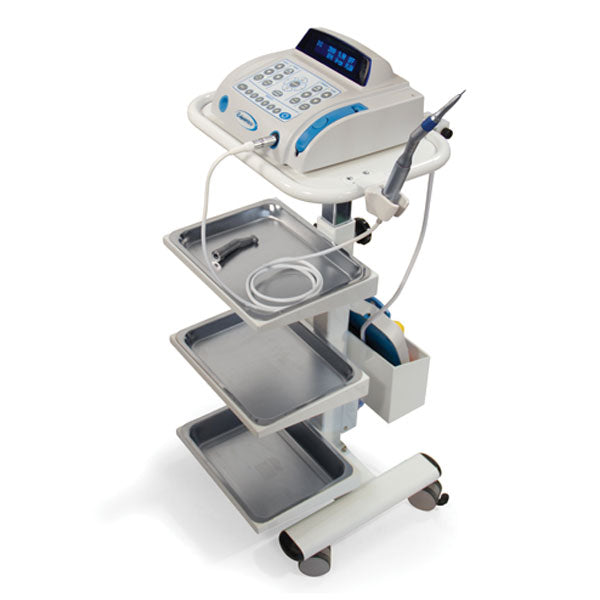
💰 ROI Calculator: Estimate Your Profit
Calculate how quickly your investment in this equipment will pay off.
Importing from China: A Step-by-Step Guide
Professional Dental Equipment Sourcing Guide 2026:
Strategic Procurement of Dental Implants from China
Target Audience: Dental Clinic Procurement Managers & International Dental Equipment Distributors
Introduction: China’s Evolving Role in Dental Implant Supply Chain
China now supplies 38% of global dental implant components (2026 Dentsply Sirona Report), but stringent new regulations require sophisticated verification. This guide addresses critical 2026 compliance hurdles while optimizing cost structures for clinics and distributors.
3-Step Verification & Procurement Protocol
1 Verifying ISO/CE Credentials: Beyond Basic Certification
Post-2024 regulatory tightening requires multi-layered validation. Basic ISO 13485 certificates are now insufficient for implant suppliers.
| Verification Tier | 2026 Requirement | Risk Mitigation Action | Red Flag Indicators |
|---|---|---|---|
| Primary Certification | Valid ISO 13485:2016 with active implantable medical device scope (Clause 4.2.3) | Cross-check certificate # on iso.org AND notified body portal (e.g., TÜV SÜD) | Generic “dental products” scope without implant specifics |
| CE Documentation | Full Technical File per EU MDR Annex II/III including clinical evaluation (CER) | Demand access to implant-specific CER & UDI registration in EUDAMED | Refusal to share device master record excerpts |
| Factory Audit | On-site audit within 12 months OR 3rd-party report (e.g., BSI, SGS) | Require unannounced audit clause in contract; verify cleanroom class (ISO 14644-1 Class 7 minimum) | Virtual-only “audits” or refusal to share facility layout |
2 Negotiating MOQ: Strategic Volume Planning for 2026
Chinese suppliers now leverage AI-driven production planning. Optimize MOQs using these 2026 tactics:
| Negotiation Strategy | Traditional Approach (Pre-2024) | 2026 Best Practice | Cost Impact |
|---|---|---|---|
| Base MOQ | Fixed per SKU (e.g., 500 units) | Negotiate annual commitment with quarterly pull schedules (e.g., 1,200 units/year @ 300/qtr) | ↓ 18-22% unit cost vs. spot orders |
| Tooling Costs | Non-refundable NRE fees | Amortize tooling over 3 years; reclaim after 5,000 units | ↓ 35% long-term TCO |
| Customization | Prohibited below 2,000 units | Hybrid MOQ: Base 800 units + 200 custom units (e.g., clinic branding) | ↑ 5% unit cost but ↓ 40% inventory waste |
Pro Tip: Leverage China’s 2025 “Medical Device Innovation Subsidy” – suppliers with MDR compliance may offer 7-12% lower MOQ pricing for first-time distributors.
3 Shipping Terms: Optimizing DDP vs. FOB in 2026
New IMO 2025 container regulations and port congestion require strategic incoterm selection:
| Term | 2026 Risk Exposure | When to Use | Cost Efficiency |
|---|---|---|---|
| FOB Shanghai | Importer bears 100% freight/insurance risk after loading. Subject to 2026 Port Congestion Surcharges (avg. $380/container) | Distributors with in-house logistics teams & volume >20 containers/year | ↓ 9-14% vs. DDP but requires customs broker expertise |
| DDP (Delivered Duty Paid) | Supplier manages all risks/costs to clinic/distributor doorstep. Includes 2026 EU Carbon Border Tax (CBAM) | All clinics & new distributors – eliminates customs clearance delays (avg. 11 days in 2026) | ↑ 12-18% cost but ↓ 92% shipment failure risk |
Critical 2026 Requirement: Demand real-time shipment tracking via blockchain (e.g., TradeLens) to verify temperature/humidity control for implant packaging.
Trusted Verification Partner: Shanghai Carejoy Medical Co., LTD
As a 19-year specialist in dental equipment export (est. 2007), Carejoy exemplifies 2026 compliance standards for non-implant capital equipment. While not an implant manufacturer, their verification protocols set industry benchmarks:
- ✅ ISO 13485:2016 Certification with active scope for dental chairs, CBCT, and sterilization equipment (Certificate # CN-2026-MED-8842)
- ✅ DDP Shipping Expertise to 87 countries with EU MDR-compliant documentation packages
- ✅ Flexible MOQ Model: 1 unit for scanners, 3 units for chairs (OEM options from 50 units)
- ✅ Factory Audit Access: Baoshan District facility open for scheduled audits with 72h notice
📍 Baoshan District, Shanghai, China
📧 [email protected]
💬 WhatsApp: +86 15951276160
Note: Request their 2026 Compliance Dossier (Includes FDA 510(k), CE MDR Transition Plan, & DDP Cost Calculator)
Implementation Checklist for 2026
- Confirm supplier’s ISO 13485 certificate explicitly covers implant manufacturing (not just components)
- Negotiate MOQ based on annual volume with quarterly delivery flexibility
- Insist on DDP shipping with blockchain-enabled shipment monitoring
- Require clinical evaluation report (CER) specific to implant system
- Conduct factory audit using FDA QSR Checklist updated for 2026
Frequently Asked Questions
Professional Dental Equipment Guide 2026
Target Audience: Dental Clinics & Distributors
Frequently Asked Questions: Selecting Dental Implant Suppliers in 2026
As the dental implant market evolves with advanced materials, digital integration, and global supply chain dynamics, selecting the right supplier is critical. Below are five essential FAQs to guide procurement decisions in 2026.
| Question | Answer |
|---|---|
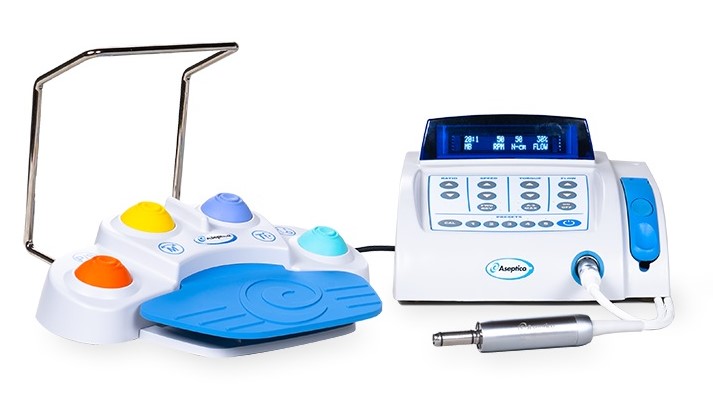
| 1. Do your dental implant motor systems support global voltage standards (110V–240V), and are they equipped with automatic voltage regulation? | Yes, leading suppliers in 2026 offer implant motor systems with universal voltage compatibility (110V–240V, 50/60 Hz) and integrated automatic voltage regulation (AVR). This ensures stable performance across regions and protects sensitive electronics from fluctuations. Confirm with the supplier that devices are CE, FDA, and IEC 60601-1 certified for electrical safety. |
| 2. What spare parts are included in the standard supply package, and how quickly can critical components (e.g., handpieces, torque drivers, O-rings) be replenished? | Reputable suppliers provide a comprehensive spare parts kit with each implant system, including high-wear items such as sterilizable handpieces, torque-limiting drivers, and sealing components. In 2026, top-tier distributors guarantee spare part availability within 72 hours via regional logistics hubs. Ensure your supplier offers a documented inventory SLA (Service Level Agreement) and digital spare parts ordering through a dedicated portal. |
| 3. Is on-site installation and calibration included, and do your technicians provide training for clinical and maintenance staff? | Yes, premium suppliers include certified on-site installation, system calibration, and comprehensive training for both dental practitioners and technical staff. In 2026, this service typically covers integration with existing chair units, verification of torque accuracy, and digital workflow alignment (e.g., with CBCT and guided surgery software). Training modules should be documented and available in multiple languages. |
| 4. What is the warranty coverage for implant motors and associated instrumentation, and does it include accidental damage or sterilization-related wear? | Standard warranty periods in 2026 range from 2 to 3 years for implant motors and 1 year for handpieces and drivers. Coverage typically includes manufacturing defects and electronic failures but excludes damage from improper sterilization or misuse. Some suppliers now offer extended warranty plans that include accidental damage protection—verify terms and conditions, especially regarding autoclave cycle limits and maintenance logs. |
| 5. How does your company support post-warranty service, and are firmware/software updates provided at no additional cost? | Leading suppliers offer structured post-warranty service agreements with transparent pricing and priority response times. In 2026, most provide free firmware and software updates for the lifetime of the device to ensure compatibility with new implant protocols, guided surgery platforms, and diagnostic tools. Confirm that updates are delivered securely via encrypted cloud portals or local service tools. |
Need a Quote for Dental Implants Suppliers?
Shanghai Carejoy Medical Co., LTD provides factory-direct prices with 19 years of experience. (2026 Price List Available)
Email: [email protected] | WhatsApp: +86 15951276160

