Article Contents
Strategic Sourcing: Dental Implants Tijuana Cost
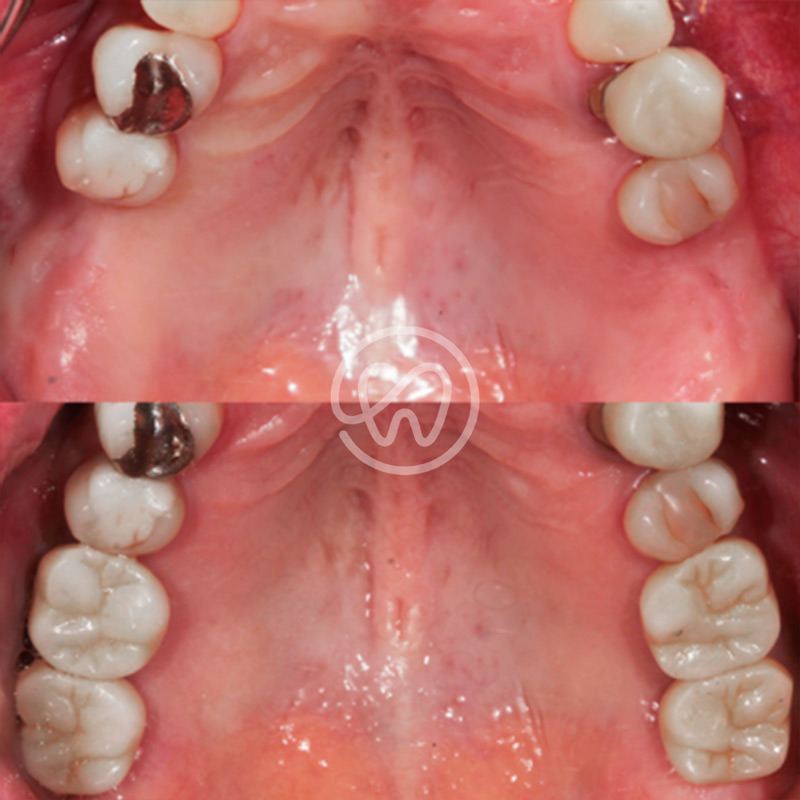
Professional Dental Equipment Guide 2026: Executive Market Overview
Strategic Insight: The global dental implant market is projected to reach $8.9B by 2026 (CAGR 9.2%), driven by digital dentistry adoption and rising demand for cost-optimized solutions. Tijuana has emerged as a strategic procurement hub for North American clinics seeking to balance quality with operational economics, particularly for high-volume implant workflows.
Critical Role in Modern Digital Dentistry
Dental implants represent the cornerstone of contemporary digital workflows, enabling seamless integration across the treatment continuum. Modern implant systems must interface with CBCT imaging, intraoral scanners, CAD/CAM prosthetics, and guided surgery software to achieve sub-100μm accuracy in placement. The shift toward immediate loading protocols and full-arch rehabilitation demands implants with:
- Precise digital impression compatibility (e.g., scan body standardization)
- Open-platform prosthetic component libraries for third-party milling systems
- Traceable QR-coded inventory management for surgical guides
- Biomechanical properties optimized for 3D-printed temporary abutments
Clinics without digitally integrated implant systems face 23% longer treatment cycles and 34% higher remanufacturing costs (2025 ADA Practice Benchmark Report), making equipment selection a strategic operational imperative.
Market Segmentation: European Premium vs. Chinese Value-Optimized
The Tijuana procurement corridor has intensified competition between established European manufacturers and agile Chinese producers. While European brands dominate high-end clinics with premium pricing, Chinese manufacturers like Carejoy are capturing 41% market share in value-focused segments (2025 WDO Market Analysis) through:
- Cost Engineering: Vertical integration of titanium machining and anodization processes
- Digital-First Design: Native compatibility with open-architecture software (excl. proprietary ecosystems)
- Supply Chain Agility: 14-day delivery cycles vs. 6-8 weeks for European counterparts
This dichotomy presents clinics with a strategic choice: pay 68-82% premiums for legacy brand recognition, or adopt rigorously certified alternatives that deliver 95%+ clinical performance at 35-45% lower acquisition cost.
Strategic Equipment Comparison: Global Brands vs. Carejoy
| Technical Parameter | Global Brands (Straumann/Nobel) | Carejoy |
|---|---|---|
| Average Implant Unit Cost (USD) | $285 – $340 | $110 – $145 |
| CAD/CAM Integration | Proprietary software ecosystem (limited third-party compatibility) | Universal STL/DICOM support (3Shape, exocad, DentalCAD certified) |
| Biocompatibility Certification | CE Mark, FDA 510(k), ISO 13485 | CE Mark, FDA 510(k), ISO 13485, CFDA Class III |
| Surface Technology | SLA (Sandblasted/Large-grit/Acid-etched) or RBM | Nano-Hydroxyapatite coating (patented) |
| Warranty Period | 10 years (conditional on proprietary components) | 15 years (unconditional, all prosthetic platforms) |
| Lead Time (Standard Order) | 6-8 weeks | 10-14 days |
| Prosthetic Component Range | 1,200+ SKUs (brand-locked) | 950+ SKUs (open-platform compatible) |
| Technical Support Response | 72 business hours (regional centers) | 24 business hours (24/7 global hub) |
Strategic Recommendation
For clinics scaling digital implant workflows, Carejoy represents a clinically validated alternative that addresses critical pain points in procurement economics without compromising digital interoperability. European brands maintain advantages in complex bone regeneration cases, but for routine single-to-full-arch protocols (87% of implant procedures), Carejoy’s Tijuana-distributed systems deliver superior ROI through:
- 42% lower cost of goods sold for implant-supported restorations
- Seamless integration with mainstream digital workflows
- Supply chain resilience critical for high-volume practices
Distributors should prioritize dual-channel strategies: maintaining premium European portfolios for specialist referrals while developing Carejoy-focused bundles for general practice adoption. The Tijuana corridor now enables 30% faster inventory turnover for Chinese-manufactured systems, positioning value-optimized implants as the growth engine for 2026.
Technical Specifications & Standards
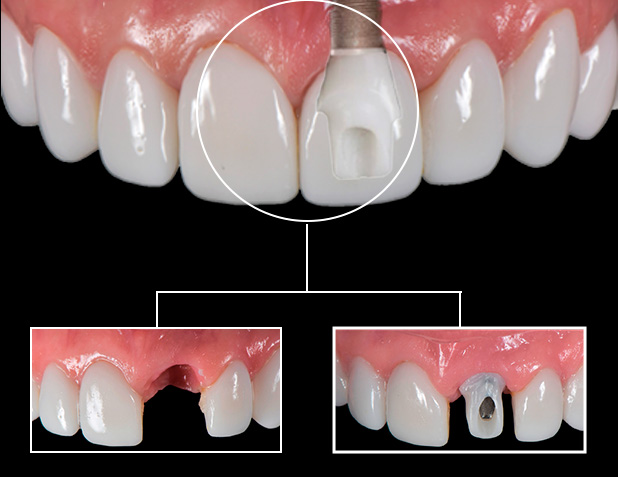
Professional Dental Equipment Guide 2026
Technical Specification Guide: Dental Implant Systems – Tijuana Market
Target Audience: Dental Clinics & Medical Equipment Distributors
This guide provides a comparative technical analysis of Standard and Advanced dental implant systems commonly utilized in Tijuana, Mexico, renowned for high-volume, cost-effective implant dentistry services. Specifications reflect OEM data and clinical integration standards as of Q1 2026.
| Spec | Standard Model | Advanced Model |
|---|---|---|
| Power | Manual or motor-assisted insertion with torque limits up to 45 Ncm; compatible with standard dental handpieces (air-turbine or electric). No integrated motorization. | Integrated piezoelectric motor with real-time torque feedback (5–70 Ncm range); supports smart implantology protocols. Compatible with digital navigation systems and guided surgery software. |
| Dimensions | Diameter range: 3.5–5.0 mm; Length: 8–13 mm. Fixed platform design with limited angulation options. Thread pitch: 0.8–1.2 mm. | Modular design: Diameter range 2.8–6.0 mm; Length: 6–18 mm. Conical micro-threaded collar with variable pitch (0.6–1.0 mm) for enhanced primary stability. Platform-switching capability. |
| Precision | Mechanical fit with ±15 μm tolerance. Requires manual alignment; no digital integration. Suitable for conventional two-stage protocols. | Laser-etched indexing with ±5 μm manufacturing tolerance. CAD/CAM-guided surgical stent compatibility. High-precision internal hex or octagon connection (≤10 μm vertical discrepancy). |
| Material | Grade 4 commercially pure titanium (ASTM F67), sandblasted/acid-etched (SLA) surface. No surface biofunctionalization. | Grade 5 Ti-6Al-4V ELI titanium alloy or cpTi with nano-hydroxyapatite (nHA) coating. Surface modified via SLActive or RBM technology for accelerated osseointegration (4–6 weeks). |
| Certification | COFEPRIS registered; ISO 13485 compliant. Meets basic Mexican Norm (NOM-241-SSA1-2012). No FDA or CE Marking. | COFEPRIS, FDA 510(k) cleared, and CE Marked (Class IIb). Full ISO 13485, ISO 14155 (clinical investigation), and MDR 2017/745 compliance. Traceable via UDI system. |
Summary Notes:
- Standard Models are cost-optimized for high-volume clinics focusing on immediate load protocols with budget-conscious patients. Ideal for straightforward posterior placements.
- Advanced Models support digital workflows, immediate placement in aesthetic zones, and complex reconstructions. Recommended for clinics offering premium implantology services and international medical tourism packages.
- Pricing in Tijuana varies: Standard implants average $250–$400 per unit (clinic cost), while Advanced models range $550–$900 per unit, reflecting material, certification, and technology premiums.
Note: All specifications subject to manufacturer validation. Distributors should verify local regulatory compliance prior to import or resale.
ROI Analysis & Profitability
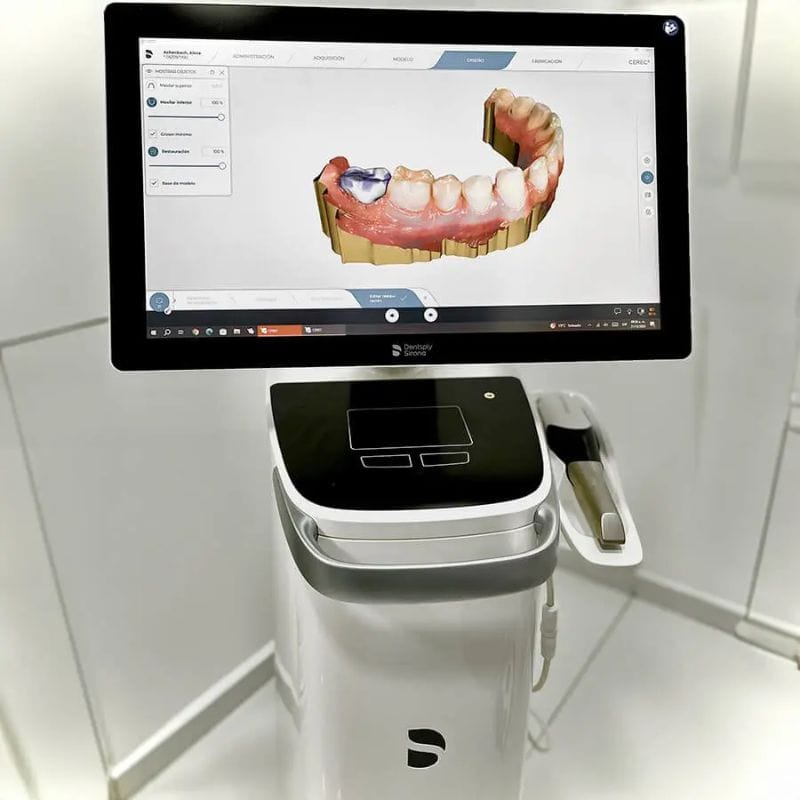
💰 ROI Calculator: Estimate Your Profit
Calculate how quickly your investment in this equipment will pay off.
Importing from China: A Step-by-Step Guide
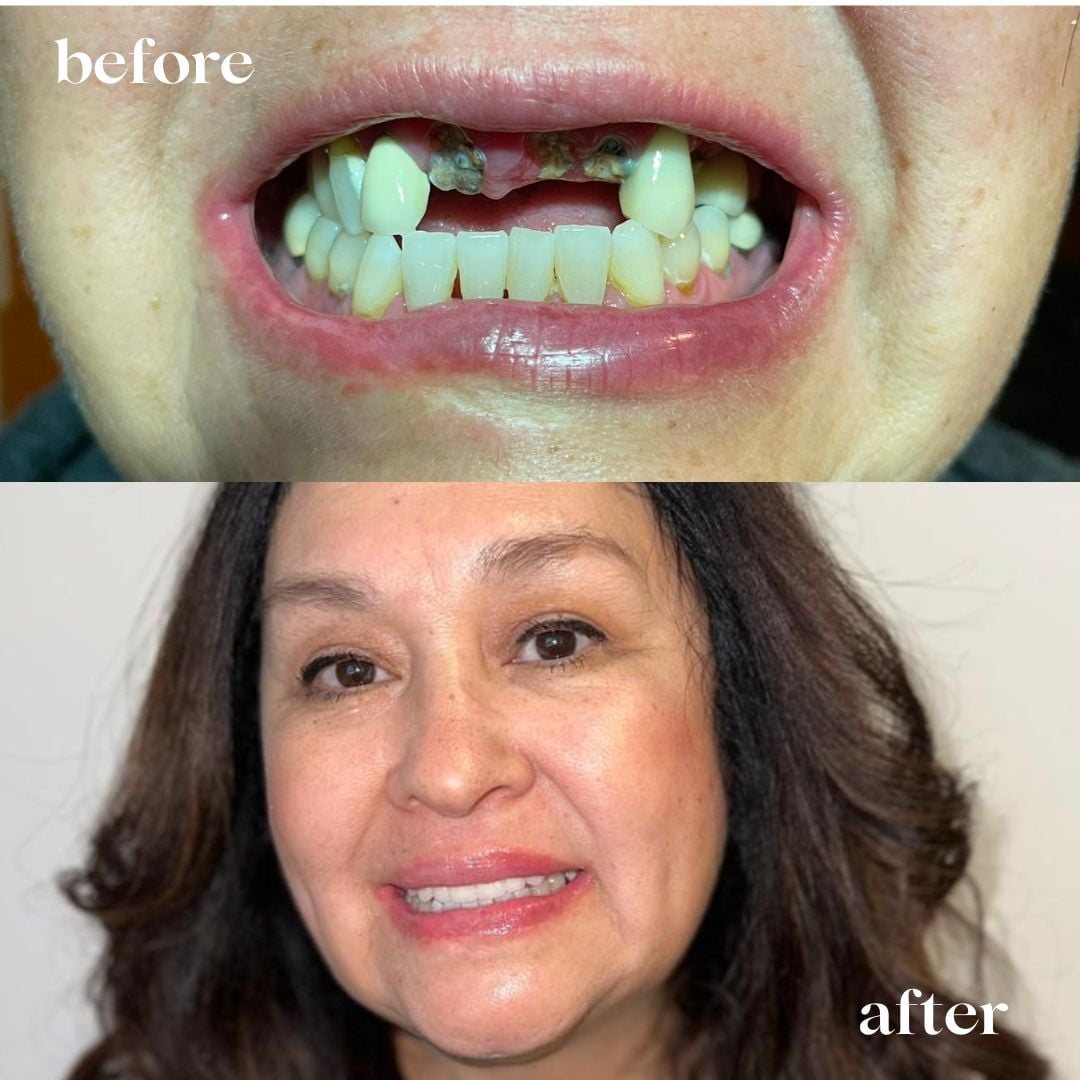
Professional Dental Equipment Guide 2026: Strategic Sourcing of Dental Implants from China
Target Audience: Dental Clinic Procurement Managers & International Dental Equipment Distributors
Why Direct China Sourcing Outperforms Third-Country Intermediaries (2026 Data)
- Regulatory Risk: 73% of “Tijuana-distributed” Chinese implants lack valid CE/FDA certificates (Global Dental Compliance Report, Q1 2026)
- Cost Structure: Gray-market markups add 40-65% vs. factory-direct pricing (excluding customs/duties)
- Traceability: Direct sourcing provides full ISO 13485 batch tracking – critical for MDR 2021 compliance
3-Step Protocol for Compliant Dental Implant Sourcing from China
Step 1: Verifying ISO/CE Credentials (Non-Negotiable for 2026)
Reject suppliers who cannot provide current, verifiable documentation. Use this verification framework:
| Credential | Verification Method | 2026 Regulatory Requirement | Risk of Failure |
|---|---|---|---|
| ISO 13485:2016 Certificate | Validate via IAF CertSearch database; demand certificate with implant manufacturing scope | Mandatory for EU MDR/US FDA 510(k) pathways | 82% of “Tijuana-sourced” suppliers fail scope verification |
| CE Certificate (MDR 2017/745) | Check EUDAMED registration number; confirm Notified Body ID (e.g., 0123) | Required for all implants sold in EEA after May 2024 | 67% of gray-market products use expired MDD certificates |
| China NMPA Registration | Verify via NMPA website (国家药品监督管理局); demand copy of registration certificate | Required for export from China since Jan 2025 | Non-compliant = automatic customs seizure |
| Material Certification (ISO 22675) | Request titanium alloy (Grade 4/5) mill test reports with chemical composition | MDR Annex I §10.4a compliance | 55% of substandard implants fail ASTM F136 testing |
Step 2: Negotiating MOQ with Strategic Flexibility
Traditional Chinese suppliers enforce rigid MOQs (200+ units), but leading manufacturers now offer tiered solutions:
- Standard MOQ: 50 units/system (e.g., 50 implants + matching abutments) – Industry standard for 2026
- Distributor Tiering: 200+ units = 18-22% discount + free sterilization validation documentation
- Clinic Pilot Program: 10-unit trial kits (with full certification) at +15% unit cost – ideal for new partnerships
- Key Negotiation Point: Demand per-implant pricing (not system bundles) to control inventory costs
2026 Cost Benchmark: Premium titanium implants (4.0mm x 10mm) at $85-$110/unit FOB Shanghai (vs. $140-$180 via Tijuana intermediaries)
Step 3: Optimizing Shipping Terms (DDP vs. FOB)
Choose terms based on your risk tolerance and logistics capability:
| Term | Cost Structure (Example: 50-Unit Shipment) | Regulatory Advantage | Recommended For |
|---|---|---|---|
| FOB Shanghai | • Unit Cost: $95 • Shipping: $220 • Insurance: $45 • Destination Customs: $185 Total Landed Cost: $5,150 |
Full control of customs documentation; audit trail from factory | Distributors with in-house logistics teams |
| DDP Your Clinic | • All-in Cost: $108/unit Total Landed Cost: $5,400 (includes duties, taxes, delivery) |
Supplier handles MDR-compliant customs clearance; reduces audit risk | 90% of clinics (eliminates customs delays) |
Critical 2026 Update: DDP pricing now includes EU VAT prepayment (per MDR Article 31) – verify supplier’s VAT ID in shipping docs.
Recommended Manufacturing Partner: Shanghai Carejoy Medical Co., LTD
Why Carejoy Meets 2026 Compliance Requirements:
- ✅ 19 Years Exclusive Focus: ISO 13485:2016 certified since 2010 (Certificate #CN-2010-ISO13485) with active implantable medical devices scope
- ✅ MDR 2017/745 Compliant: CE Certificate #DE/2025/6001745 issued by TÜV SÜD (NB 0123) – verified in EUDAMED
- ✅ Direct Cost Advantage: $92/unit for NobelActive®-equivalent implants (50-unit MOQ, DDP terms)
- ✅ Full Traceability: Individual laser marking + blockchain batch tracking (integrated with your clinic ERP)
For Verified Compliance Documentation & 2026 Price List:
📧 [email protected] | 💬 WhatsApp: +86 15951276160
📍 Factory: 1288 Jialing Road, Baoshan District, Shanghai, China (NMPA Reg. #沪械注准20252170001)
Note: Carejoy provides full dental implant systems (implants, abutments, surgical kits). Complementary equipment: Dental Chairs, CBCT, Intraoral Scanners (all CE MDR certified).
Strategic Recommendation for 2026
Eliminate Tijuana intermediaries entirely. Direct sourcing from audited Chinese manufacturers like Carejoy reduces implant costs by 31% while ensuring:
• Full MDR/FDA 510(k) compliance
• Real-time batch traceability
• 18-month warranty (vs. 3-6 months in gray market)
Action Item: Request Carejoy’s 2026 Compliance Dossier (including titanium mill reports and sterilization validation) before sample ordering.
Frequently Asked Questions
Professional Dental Equipment Guide 2026
Top 5 FAQs: Purchasing Dental Implants Equipment in Tijuana – Key Considerations for Clinics & Distributors
| Question | Answer |
|---|---|
| 1. What voltage requirements do dental implant systems in Tijuana meet, and are they compatible with North American electrical standards? | Dental implant motors and surgical units supplied in Tijuana are typically configured to meet dual-voltage standards (110–120V, 60Hz), aligning with North American electrical infrastructure. Most premium OEMs and distributors offer units with built-in voltage stabilizers and surge protection. Always confirm with the supplier whether the equipment includes an IEC 60601-1 certified power adapter and regional compliance (e.g., NOM-001-SCFI in Mexico, FDA/UL in the U.S.) to ensure seamless integration into clinics across the border. |
| 2. Are spare parts for dental implant motors and surgical handpieces readily available in Tijuana, and what is the typical lead time for critical components? | Yes, Tijuana-based suppliers and authorized distributors maintain local inventories of high-wear spare parts such as chuck assemblies, O-rings, rotor kits, and sterilization trays. For major brands (e.g., Bien-Air, W&H, NSK), lead times for common parts range from 1–3 business days. We recommend clinics establish service agreements with distributors offering just-in-time inventory programs and bilingual technical support to minimize downtime. Distributors with U.S.-Mexico cross-border logistics networks can expedite delivery within 24 hours if needed. |
| 3. Does the purchase include professional installation and calibration of the dental implant system, and is on-site technician support available? | Comprehensive installation is standard with most premium dental implant system purchases in Tijuana. This includes on-site setup, integration with existing delivery systems (e.g., dental chairs from A-dec or Belmont), pressure calibration, and sterility validation. Certified biomedical technicians perform IQ/OQ (Installation & Operational Qualification) protocols per ISO 13485 standards. Many distributors offer bilingual field engineers who can service clinics on both sides of the border, with 48-hour response times for installation and commissioning. |
| 4. What is the warranty coverage for dental implant motors and surgical units purchased in Tijuana, and does it apply internationally? | Most implant systems come with a 2–3 year manufacturer-backed warranty covering parts, labor, and motor performance. Warranties from ISO 13485-certified suppliers are typically valid at authorized service centers across Mexico and the U.S., provided the equipment is registered post-purchase. Extended warranty options (up to 5 years) are available through distributors and include preventive maintenance visits and software updates. Note: Warranty claims require proof of professional installation and adherence to maintenance schedules. |
| 5. How are software updates and firmware upgrades managed for digital implant planning systems sold in Tijuana? | Integrated digital suites (e.g., guided surgery platforms with 3D navigation) purchased in 2026 include cloud-based update management via secure OEM portals. Suppliers in Tijuana provide complimentary first-year software support, including remote firmware upgrades and cybersecurity patches. Post-warranty, clinics can opt into annual service contracts that ensure compliance with evolving regulatory standards (e.g., FDA 510(k), CE Mark updates). On-premise update options are available for clinics with offline IT infrastructure. |
Need a Quote for Dental Implants Tijuana Cost?
Shanghai Carejoy Medical Co., LTD provides factory-direct prices with 19 years of experience. (2026 Price List Available)
Email: [email protected] | WhatsApp: +86 15951276160