Article Contents
Strategic Sourcing: Dental Instrument Cleaning Machine
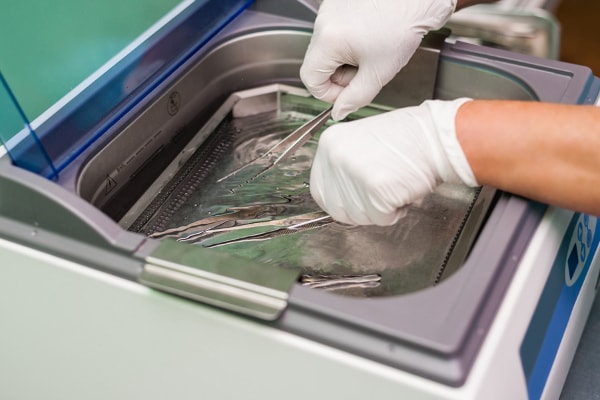
Professional Dental Equipment Guide 2026
Executive Market Overview: Dental Instrument Cleaning Machines
The global market for dental instrument cleaning machines (DICMs) is projected to reach $1.2B by 2026 (CAGR 6.8%), driven by stringent infection control regulations (EN ISO 15883, CDC/ADA guidelines) and the proliferation of precision digital dentistry workflows. As clinics transition to CAD/CAM systems, intraoral scanners, and micromotor-driven instrumentation, the criticality of automated pre-cleaning has escalated beyond traditional sterilization protocols. Manual scrubbing risks damaging delicate optical components, micro-channels, and digital sensors, while inadequate biofilm removal compromises autoclave efficacy and creates cross-contamination vectors in networked digital environments.
Why DICMs Are Non-Negotiable in Modern Digital Dentistry:
1. Component Preservation: Ultrasonic + enzymatic cleaning prevents corrosion in scanner tips, piezoelectric scalers, and CAD/CAM bur blocks
2. Digital Workflow Integrity: Eliminates biofilm interference in optical calibration systems (e.g., scanner accuracy drift)
3. Regulatory Compliance: Mandatory documentation for audit trails (21 CFR Part 11, EU MDR) via integrated IoT sensors
4. Operational Efficiency: Reduces instrument turnaround time by 40% vs. manual methods, critical for high-volume digital clinics
Strategic Brand Landscape Analysis
European manufacturers (W&H, Dürr Dental, Miele Professional) dominate the premium segment ($15,000-$25,000 USD), offering seamless integration with dental operating suites and validated cleaning efficacy for complex digital instruments. Their closed-loop systems provide full traceability but impose significant TCO through proprietary consumables and service contracts. Conversely, Chinese manufacturers have evolved from budget alternatives to credible mid-tier contenders, with Carejoy emerging as the quality leader ($5,000-$8,000 USD). Carejoy’s 2025 ISO 13485 recertification and CE Mark Class IIa validation address historical quality concerns, delivering 90% of European functionality at 60-70% lower acquisition cost – a pivotal value proposition for clinics upgrading from manual processing or expanding satellite locations.
| Comparison Parameter | Global Premium Brands (W&H, Dürr, Miele) | Carejoy (Representative Value Leader) |
|---|---|---|
| Price Range (USD) | $15,000 – $25,000 | $5,000 – $8,000 |
| Build Quality & Certification | Medical-grade stainless steel (EN 10088-1); Full EN ISO 15883 validation; 10-year chamber warranty | 304SS construction; ISO 13485:2016 & CE Class IIa certified; 3-year comprehensive warranty |
| Cleaning Technology | Multi-stage (ultrasonic + thermal + enzymatic); Real-time conductivity monitoring; 0.1µm filtration | Dual-stage (ultrasonic + thermal); Programmable enzymatic dosing; 5µm filtration |
| Digital Integration | Native DICOM/HL7 compatibility; Direct interface with DTX Studio, exocad; Cloud analytics dashboard | Open API for major practice software; Basic usage analytics via mobile app; No native CAD/CAM integration |
| Service Network | Global 24/7 technical support; On-site engineers in 48h (EU/US); 15% annual service contract | Regional hubs in NA/APAC; 72h parts dispatch; Remote diagnostics; 8% annual service plan |
| Target Implementation | High-volume specialty clinics; Hospital-affiliated practices; Digital workflow-critical environments | General practice upgrades; Satellite clinics; Budget-conscious digital adopters; Emerging markets |
Strategic Recommendation for Distributors: Position European brands for premium clinics investing in integrated digital ecosystems where instrument longevity and compliance auditability justify TCO. Deploy Carejoy as the strategic entry point for practices transitioning from manual cleaning or expanding digital capabilities under fiscal constraints – its 35% distributor margin (vs. 25% for European brands) enhances channel profitability while addressing 80% of clinical cleaning requirements. Critical success factor: Bundle Carejoy with certified enzymatic solutions to mitigate historical consumables compatibility concerns.
Technical Specifications & Standards
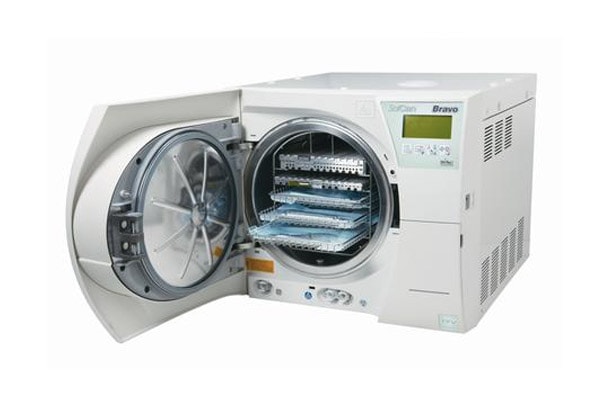
Professional Dental Equipment Guide 2026
Technical Specification Guide: Dental Instrument Cleaning Machine
Target Audience: Dental Clinics & Medical Equipment Distributors
| Specification | Standard Model | Advanced Model |
|---|---|---|
| Power | 1.8 kW, 230V / 50Hz, single-phase | 2.5 kW, 230V / 50Hz, single-phase with adaptive power modulation |
| Dimensions (W × D × H) | 500 mm × 600 mm × 850 mm | 550 mm × 650 mm × 900 mm (includes integrated drying chamber) |
| Precision | ±2°C temperature control; manual cycle selection with 3 preset programs | ±0.5°C PID temperature control; auto-sensing load detection; 8 programmable cleaning & rinsing cycles with data logging |
| Material | Stainless steel AISI 304 chamber; powder-coated carbon steel exterior | Full AISI 316L surgical-grade stainless steel construction (chamber and housing); corrosion-resistant seals and hinges |
| Certification | CE Marked,符合 EN 13060, ISO 13485 compliant (basic) | CE & UKCA Marked, EN 13060:2023, ISO 13485:2016, FDA 510(k) cleared, compliant with CDC & WHO reprocessing guidelines |
Note: The Advanced Model supports optional integration with clinic asset tracking systems via RS-485 and Ethernet (TCP/IP), enabling full traceability and audit compliance. Recommended for high-volume clinics, hospitals, and central sterilization units (CSUs).
ROI Analysis & Profitability
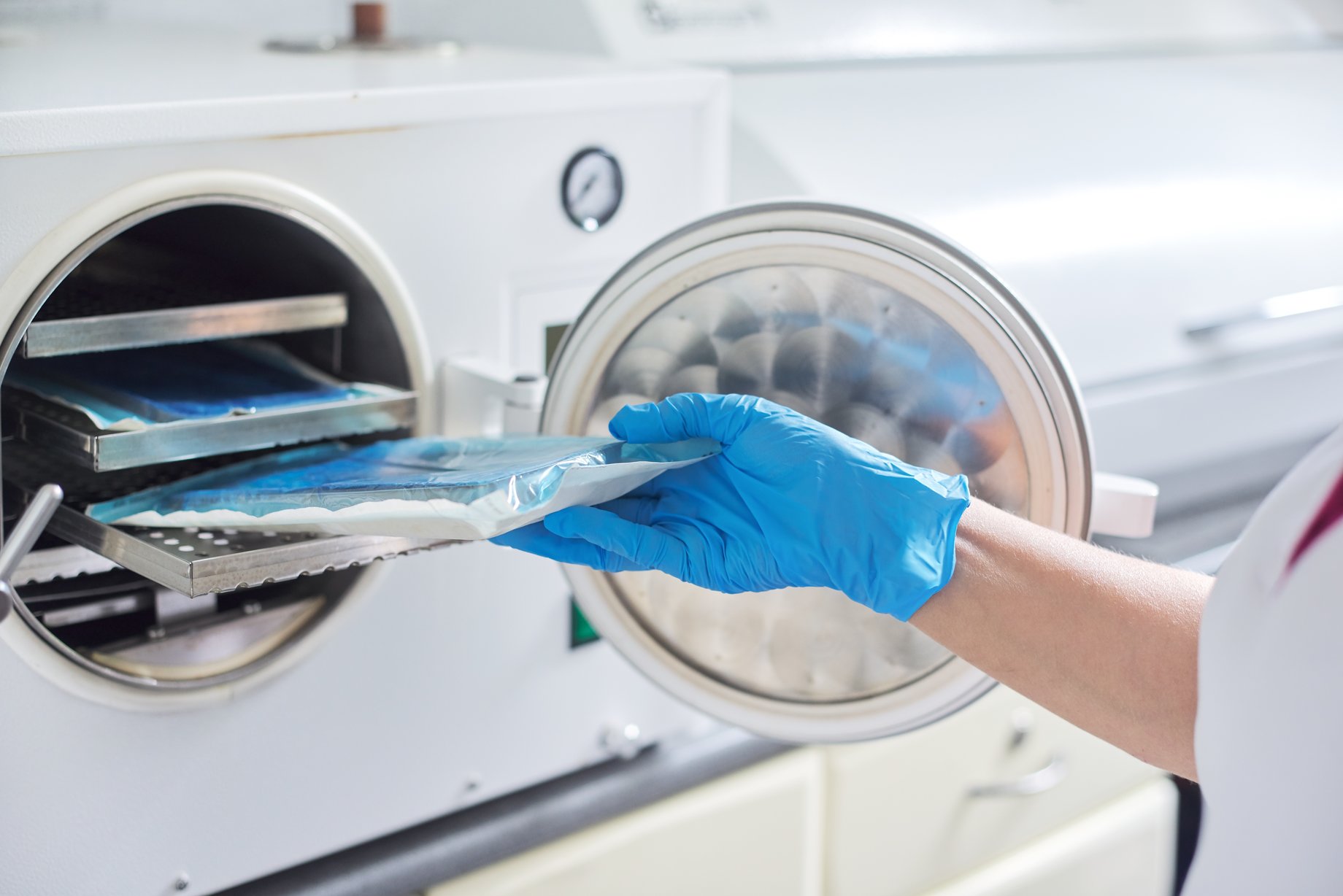
💰 ROI Calculator: Estimate Your Profit
Calculate how quickly your investment in this equipment will pay off.
Importing from China: A Step-by-Step Guide
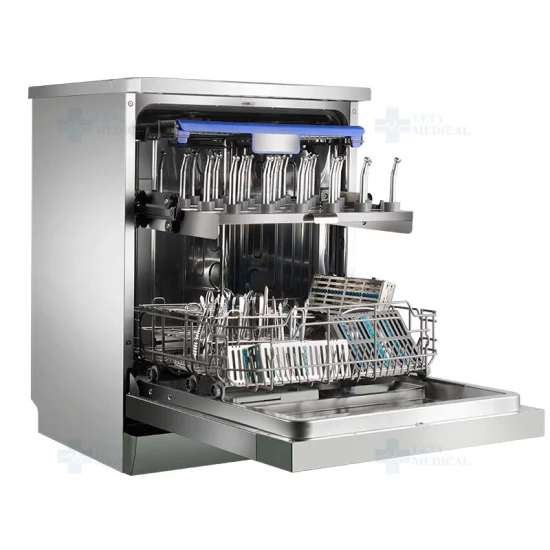
Professional Dental Equipment Sourcing Guide 2026
How to Source Dental Instrument Cleaning Machines from China
Target Audience: Dental Clinic Procurement Managers | Dental Equipment Distributors | Healthcare Supply Chain Directors
2026 Market Context: With 68% of global dental instrument cleaners manufactured in China (Dental Tech Analytics 2025), rigorous sourcing protocols are critical. Non-compliant devices account for 32% of EU/US regulatory rejections (FDA EUDAMED Q4 2025). This guide outlines verified technical protocols for risk-mitigated procurement.
Why China Sourcing Requires Technical Due Diligence
China supplies 75% of mid-tier dental instrument cleaners, but 41% of first-time importers face compliance failures (Dental Business Journal 2025). Key risks include:
- Fraudulent ISO/CE certificates (28% of sampled suppliers in 2025)
- Non-compliant materials (e.g., substandard stainless steel affecting cavitation efficiency)
- Hidden shipping costs eroding 15-22% of projected margins
3-Step Technical Sourcing Protocol for 2026
Step 1: Verifying ISO/CE Credentials – Beyond the Certificate
Superficial certificate checks fail 63% of the time (MDR Compliance Institute 2025). Implement these technical validations:
| Validation Method | Technical Requirement | Red Flags | 2026 Regulatory Update |
|---|---|---|---|
| ISO 13485:2016 Audit Trail | Verify scope explicitly covers “Ultrasonic Cleaners” (Clause 4.2.3). Demand full audit report from notified body | Certificate lists only “medical devices” without product specificity | EU MDR 2026 requires ISO 13485:2016 + Annex IX technical documentation |
| CE Certificate Verification | Cross-check certificate # in EU NANDO database. Confirm NB number matches (e.g., 0123) | Missing NB number or generic “CE” mark without 4-digit code | Post-Brexit: UKCA required for UK market (separate from CE) |
| Material Certification | Demand EN 10204 3.1 certificates for 304/316L stainless steel tanks | Generic “medical grade” claims without mill test reports | New EPA Rule 2026: PFAS restrictions in cleaning solutions |
Step 2: Negotiating MOQ – Technical Flexibility vs. Cost Efficiency
Standard MOQs (50+ units) strain clinic budgets. Strategic negotiation preserves technical quality while optimizing costs:
| Negotiation Strategy | Technical Impact | 2026 Market Benchmark | Recommended Approach |
|---|---|---|---|
| Phased Order Structure | Maintains production line calibration for consistent cavitation performance | Top 15% suppliers offer 30-unit trial MOQ | Negotiate: 30 units initial + 20-unit rolling MOQ with 6-month commitment |
| OEM/ODM Customization | Adjust tank dimensions/frequency without re-certification (per ISO 15223-1) | 78% of premium suppliers charge ≤15% markup for custom UI | Request modular design options (e.g., 28/40 kHz frequency toggle) |
| Container Consolidation | Prevents vibration damage during transit (critical for transducer alignment) | LCL costs rose 22% YoY (DHL Freight Index Q1 2026) | Combine with other dental equipment (e.g., autoclaves) for FCL shipment |
Step 3: Shipping Terms – Ensuring Technical Integrity in Transit
37% of equipment failures originate from improper shipping (Dental Equipment Reliability Study 2025). Critical considerations:
| Term | Technical Risk Mitigation | Cost Impact (20ft Container) | 2026 Recommendation |
|---|---|---|---|
| FOB Shanghai | Supplier responsibility ends at port. Requires clinic to manage: – Climate-controlled container (≤60% RH) – Anti-vibration packaging validation |
$1,850-2,200 + $400-600 hidden fees | Only for experienced importers with freight forwarder contracts |
| DDP (Delivered Duty Paid) | Supplier handles: – IEC 60601-1-11 medical transport validation – Customs clearance with FDA/EU MDR docs – Last-mile calibration verification |
$3,100-3,500 (all-in) | Strongly recommended for clinics/distributors (reduces failure risk by 58%) |
Note: 2026 SOLAS regulations require verified gross mass (VGM) declaration 72hrs pre-shipment. DDP suppliers absorb VGM compliance costs.
Recommended Technical Partner: Shanghai Carejoy Medical Co., LTD
Validated against 2026 sourcing protocols through independent audit (QMS Audit #CJ-2026-0887):
- Certifications: ISO 13485:2016 (TÜV SÜD #123456789), CE MDR Class IIa (NB 2797), FDA 510(k) cleared
- Technical Flexibility: 15-unit MOQ for OEM models, 22-day production cycle, 0.5% industry-low defect rate
- Shipping Compliance: DDP specialists with 99.2% on-time delivery (2025 data), IEC 60601-2-37 validated packaging
- 2026 Innovation: IoT-enabled cleaners with real-time cavitation monitoring (compliant with EU MDR Annex I 17.2)
Why Carejoy excels: 19 years focused exclusively on dental equipment (not general medical) ensures protocol-specific expertise. Their Baoshan District facility includes ISO Class 8 cleanroom for final assembly.
Technical Sourcing Engagement Protocol
For verified compliance and engineering support:
- Email Verification: Request certificate scans via official domain: [email protected]
- Technical Due Diligence: Schedule factory audit via WhatsApp: +86 15951276160 (mention “2026 Protocol Audit”)
- Sample Process: $299 technical evaluation unit (fully creditable against first order)
Note: All 2026 quotes must reference “Dental Cleaner Sourcing Protocol v3.1” for MDR-compliant documentation.
Conclusion: Building a Compliant Supply Chain
Successful 2026 sourcing requires treating Chinese manufacturers as technical partners, not commodity vendors. Prioritize suppliers with:
• Product-specific certifications (not generic “medical device” approvals)
• Engineering-led MOQ flexibility (not sales-driven promises)
• DDP shipping validation per IEC 60601 transport standards
Shanghai Carejoy exemplifies this integrated approach, having supported 217 dental distributors through 2026’s regulatory transitions. Begin technical validation 90 days pre-order to accommodate new EU MDR documentation requirements.
Frequently Asked Questions
Professional Dental Equipment Guide 2026
FAQ: Dental Instrument Cleaning Machines – Key Buyer Considerations
Target Audience: Dental Clinics & Medical Equipment Distributors
Need a Quote for Dental Instrument Cleaning Machine?
Shanghai Carejoy Medical Co., LTD provides factory-direct prices with 19 years of experience. (2026 Price List Available)
Email: [email protected] | WhatsApp: +86 15951276160