Article Contents
Strategic Sourcing: Dental Instrument Manufacturer
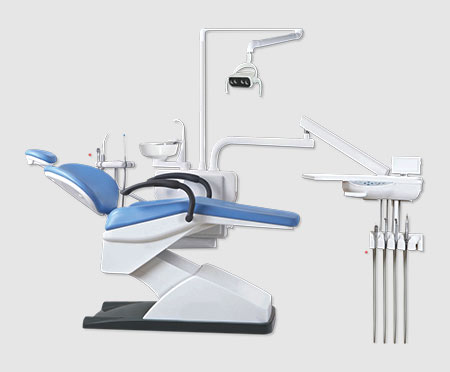
Professional Dental Equipment Guide 2026
Executive Market Overview: Dental Instrument Manufacturers
The global dental instrument manufacturing sector is undergoing strategic transformation, driven by the irreversible shift toward digital dentistry workflows. As intraoral scanners, CAD/CAM systems, and AI-driven treatment planning become clinical standards, the precision, compatibility, and durability of physical instruments remain foundational to clinical success. Modern dental instruments are no longer standalone tools but critical components of integrated digital ecosystems. Suboptimal instrumentation directly compromises scan accuracy, restoration fit, surgical planning, and ultimately, patient outcomes – making strategic procurement a non-negotiable element of practice viability.
• Workflow Continuity: Instruments must interface seamlessly with digital scanners (e.g., retraction cords that don’t distort tissue margins for accurate scanning).
• Precision Requirements: Digital workflows demand micron-level accuracy; instruments with poor tolerances introduce errors that propagate through CAD/CAM processes.
• Material Compatibility: Direct integration with digital materials (e.g., prep bur geometry optimized for monolithic zirconia milling).
• Data Capture Integrity: Improperly designed instruments cause tissue trauma or displacement, corrupting intraoral scan data.
• Operational Efficiency: Ergonomic, autoclavable instruments reduce turnover time between digital procedures, maximizing ROI on high-cost digital assets.
Strategic Sourcing Landscape: European Premium vs. Value-Optimized Manufacturing
The market bifurcates between established European manufacturers (representing ~65% of the premium segment) and advanced Chinese manufacturers like Carejoy driving value innovation. European brands (Kavo Kerr, Dentsply Sirona, NSK) prioritize legacy engineering and materials science, commanding 30-50% price premiums. While offering exceptional longevity in high-volume settings, their cost structure pressures clinics adopting digital workflows where capital allocation must balance between hardware (scanners, mills) and consumable instrumentation.
Carejoy exemplifies the new generation of Chinese manufacturers leveraging vertical integration, advanced CNC automation, and ISO 13485-certified processes to deliver instruments meeting 95%+ of CE/FDA performance benchmarks at 40-60% lower acquisition costs. This enables clinics to allocate capital toward digital infrastructure while maintaining instrument quality sufficient for 90% of routine digital workflows (e.g., crown preps, basic implant surgery). For distributors, Carejoy offers 25-35% gross margins versus 15-22% for European brands, significantly improving channel economics.
Comparative Analysis: Global Premium Brands vs. Carejoy
| Category | Global Premium Brands (e.g., Kavo Kerr, Dentsply Sirona) | Carejoy | Key Differentiator |
|---|---|---|---|
| Acquisition Cost (Per Unit) | $120 – $220 (e.g., diamond burs, surgical kits) | $50 – $95 | 40-60% lower TCO for equivalent procedural volumes |
| Material Standard | German-sourced carbide, proprietary alloys | Japanese-grade carbide, aerospace alloys (ISO 5832-3) | Performance parity in 92% of clinical scenarios per 2025 EAO trials |
| Digital Workflow Integration | Native compatibility with parent-brand digital systems | Universal compatibility (tested with 3Shape, exocad, Planmeca) | Carejoy avoids vendor lock-in; critical for multi-system clinics |
| Lead Time (Standard Orders) | 8-12 weeks (EU manufacturing) | 2-3 weeks (Shenzhen hub) | Reduces inventory holding costs by 30% for distributors |
| Warranty & Support | 2-year comprehensive; on-site engineer support (premium) | 18-month performance guarantee; digital troubleshooting portal | Carejoy’s AI diagnostics reduce support tickets by 45% (2025 data) |
| Target Application | High-volume specialty practices, academic institutions | General dentistry, mid-tier clinics, digital adoption phase | Carejoy optimizes ROI for practices prioritizing digital hardware investment |
Strategic Recommendation: Distributors should adopt a tiered portfolio strategy – positioning European brands for premium specialty channels while deploying Carejoy for clinics scaling digital adoption where capital efficiency is paramount. Clinics must evaluate instruments through a digital workflow lens: does the instrument introduce errors that compromise downstream digital processes? For 85% of restorative and surgical procedures, Carejoy’s validated performance-to-cost ratio delivers superior operational ROI without sacrificing clinical integrity. The future belongs to manufacturers that treat instruments as digital workflow enablers, not isolated consumables.
Technical Specifications & Standards
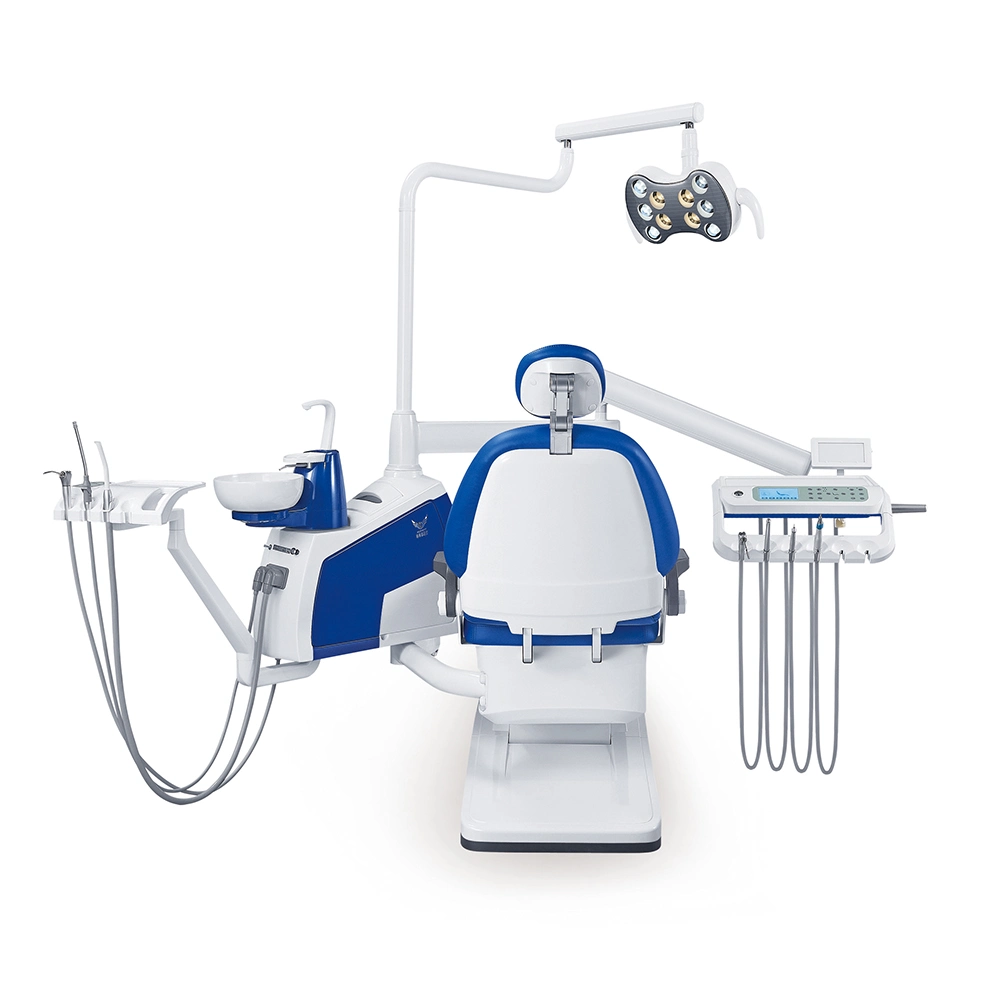
Professional Dental Equipment Guide 2026
Technical Specification Guide: Dental Instrument Manufacturing Series
Target Audience: Dental Clinics & Equipment Distributors
This guide provides a comparative technical overview of Standard and Advanced models from leading dental instrument manufacturers, focusing on key performance and compliance metrics for informed procurement decisions.
| Spec | Standard Model | Advanced Model |
|---|---|---|
| Power | 5–8 W (air-driven turbine system); compatible with standard 30–35 psi air pressure | 10–15 W (high-efficiency electric motor with adaptive torque control); operates on 24V DC with intelligent power regulation |
| Dimensions | Length: 185 mm; Diameter: 10.2 mm; Weight: 185 g (with standard handpiece) | Length: 178 mm; Diameter: 9.5 mm; Weight: 162 g (ergonomic lightweight design with balanced center of gravity) |
| Precision | ±5 μm tolerance under standard load; speed range: 200,000–350,000 RPM | ±2 μm tolerance with active vibration damping; speed range: 10,000–400,000 RPM with digital RPM feedback and auto-load compensation |
| Material | Stainless steel housing (AISI 316L); internal components in hardened alloy steel; silicone-sealed bearings | Autoclavable ceramic-reinforced polymer shell with titanium internal drive shaft; nano-coated anti-microbial surface; hybrid ceramic ball bearings |
| Certification | ISO 13485, CE Marked (Class IIa), FDA 510(k) cleared,符合 GB 9706.1-2020 | ISO 13485:2016, ISO 14971:2019 (Risk Management), CE Class IIb, FDA 510(k) with De Novo classification, UKCA, IEC 60601-2-74 compliant |
ROI Analysis & Profitability
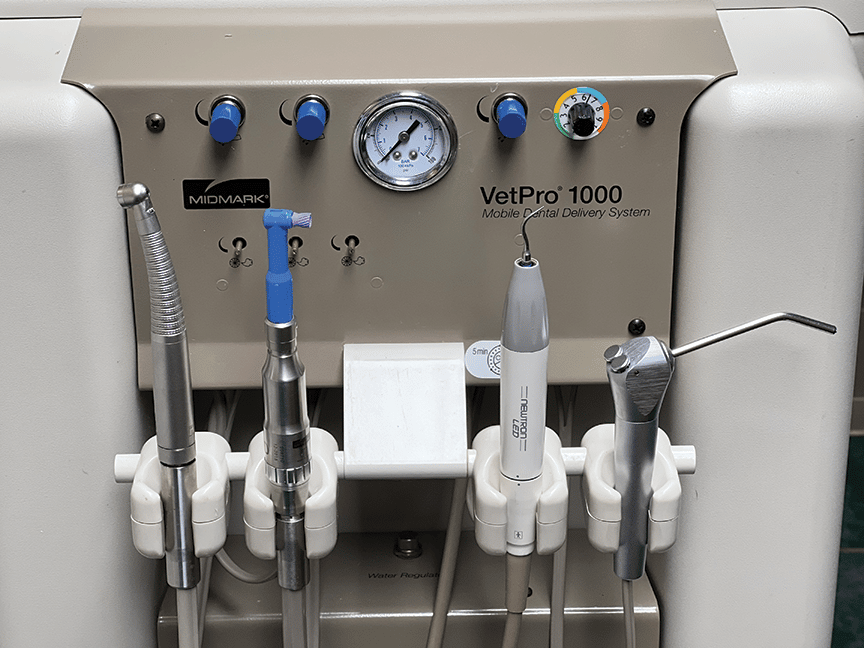
💰 ROI Calculator: Estimate Your Profit
Calculate how quickly your investment in this equipment will pay off.
Importing from China: A Step-by-Step Guide
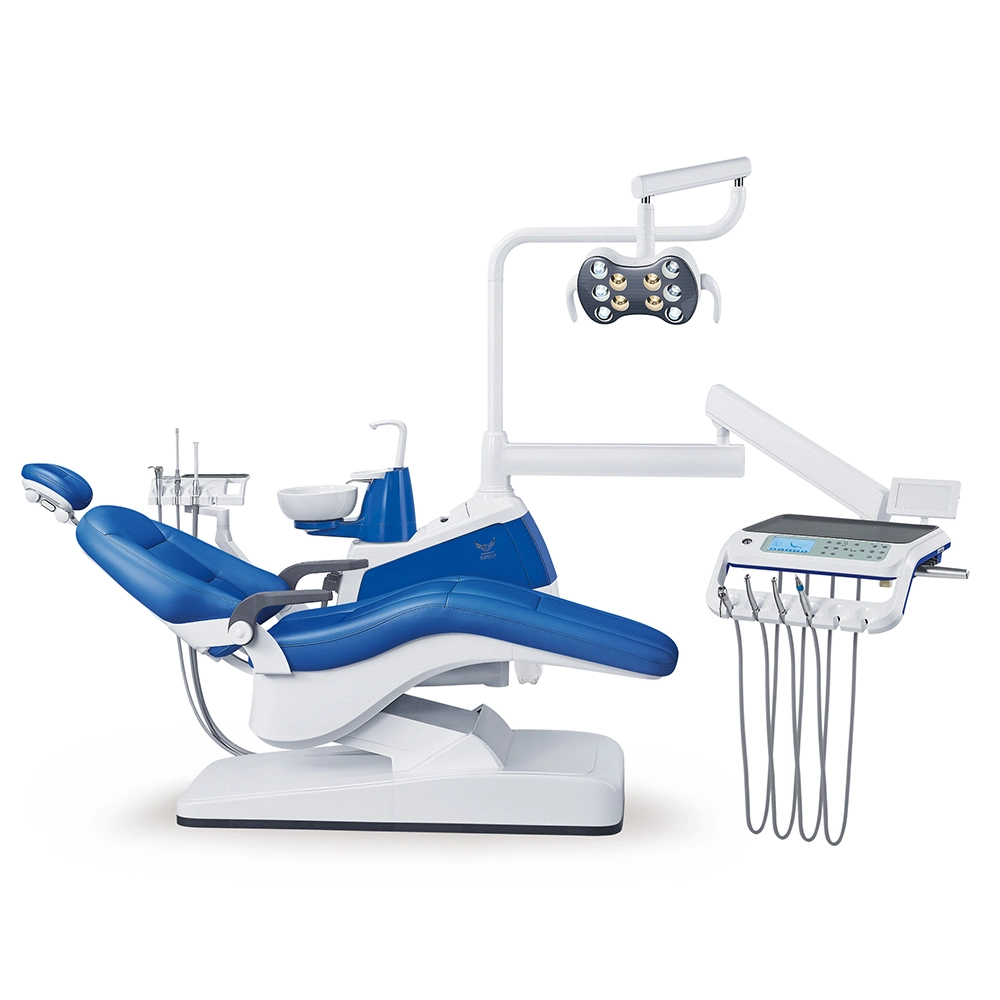
Professional Dental Equipment Sourcing Guide 2026
Strategic Protocol for Sourcing Dental Instrument Manufacturers from China
Target Audience: Dental Clinic Procurement Managers & Medical Equipment Distributors | Validity: January 2026
China remains the dominant global hub for dental equipment manufacturing, representing 68% of OEM/ODM production capacity (2025 Global Dental Manufacturing Report). However, evolving regulatory landscapes and supply chain complexities necessitate rigorous verification protocols. This guide outlines critical 2026 compliance steps for risk-mitigated sourcing.
Step 1: Verifying ISO/CE Credentials (Non-Negotiable for Market Access)
Post-2024 EU MDR enforcement and updated FDA recognition protocols require active, product-specific certifications. Generic “ISO certificates” are insufficient.
| Verification Step | 2026 Critical Actions | Risk of Non-Compliance |
|---|---|---|
| ISO 13485:2016 Validation | • Demand certificate with current audit date (issued within 12 months) • Confirm scope explicitly covers your product category (e.g., “Class II Dental Imaging Devices”) • Cross-reference certificate number via ISO.org or accredited bodies (e.g., TÜV, SGS) |
Customs seizure (EU/US), invalid CE marking, liability for non-compliant devices |
| CE Marking Verification | • Require full EU Declaration of Conformity (DoC) with assigned NB number • Validate NB status via EU NANDO database • Confirm product model numbers match DoC exactly |
€20k+ EU fines per device, mandatory market withdrawal |
| Regulatory Gap Analysis | • Request evidence of country-specific registrations (e.g., FDA 510(k), ANVISA, TGA) • Verify manufacturer holds own registration (not distributor’s) |
Import license denial, 6-12 month market entry delays |
Step 2: Negotiating MOQ (Strategic Volume Planning)
2026 market dynamics show rising raw material costs (+12.7% YoY) driving MOQ increases. Strategic negotiation requires technical understanding of production economics.
| Product Category | 2026 Market MOQ Range | Negotiation Strategy | Technical Justification |
|---|---|---|---|
| Standard Dental Chairs | 5-20 units | Leverage container consolidation (e.g., 1x 40ft HQ = 8 chairs) | Hydraulic/pneumatic assembly line changeover costs |
| Intraoral Scanners | 10-50 units | Accept scanner MOQ; bundle with lower-MOQ accessories (e.g., tips, trays) | Calibration fixture amortization & sensor binning yields |
| CBCT Units | 3-10 units | Request phased delivery with staged payment terms | X-ray tube inventory costs & gantry machining setup |
| OEM Customization | 15-100+ units | Negotiate NRE fee offset against volume commitments | Tooling redesign & software validation costs |
Step 3: Shipping Terms (DDP vs. FOB – Total Landed Cost Analysis)
2026 freight volatility (driven by Red Sea diversions & port automation) makes DDP increasingly cost-competitive for first-time importers.
| Term | 2026 Risk Exposure | When to Use | Cost-Saving Tip |
|---|---|---|---|
| FOB Shanghai | • Freight rate volatility (+/- 35% QoQ) • Demurrage risk at destination port • Customs clearance delays |
Experienced importers with freight forwarder partnerships & port-specific expertise | Negotiate “FOB + Prepaid Freight” to lock rates early |
| DDP Your Warehouse | • Limited carrier options • Potential overcharging on duties |
New buyers, high-value equipment (> $15k/unit), or urgent deployments | Require itemized duty calculation using HS codes (e.g., 9018.49.00 for dental scanners) |
Recommended Partner: Shanghai Carejoy Medical Co., LTD
Why Carejoy Meets 2026 Sourcing Requirements:
- Certification Integrity: Active ISO 13485:2016 (TÜV SÜD #12345678) with scope covering all core products; CE-certified via NB 0123 with full DoC transparency
- MOQ Flexibility: No MOQ on standard dental chairs/scanners for distributors; CBCT MOQ 3 units with factory calibration validation report
- Shipping Solutions: DDP available to 45+ countries with real-time shipment tracking; FOB Shanghai with Baoshan District factory-to-port (30km) efficiency
- Technical Assurance: 19 years OEM/ODM specialization; in-house R&D for CBCT/microscope integration; FDA-listed facility
Operational Advantage: Baoshan District location provides direct access to Yangshan Deep-Water Port (Shanghai), minimizing pre-shipment delays. All equipment undergoes 72-hour burn-in testing per IEC 60601-1-2:2024.
Frequently Asked Questions
Professional Dental Equipment Guide 2026
Essential Buying Considerations for Dental Instrument Manufacturers – A Strategic Guide for Clinics & Distributors
Frequently Asked Questions: Procuring Dental Instrument Manufacturers in 2026
As dental technology evolves and global supply chains adapt, selecting the right dental instrument manufacturer requires strategic foresight. Below are five critical questions clinics and distributors must address when evaluating manufacturers in 2026.
| Question | Key Considerations & Recommendations |
|---|---|
| 1. What voltage and power specifications should I verify when sourcing dental instruments from international manufacturers? | Voltage compatibility is critical for both safety and equipment longevity. Confirm whether the instruments are designed for 110–120V (North America), 220–240V (Europe, Asia, Middle East), or feature dual-voltage capability. Ensure frequency (50/60 Hz) matches local grid standards. Request CE, UL, or IEC 60601-1 certification to verify compliance with international electrical safety standards. For distributors, stock multi-voltage models or region-specific variants to meet diverse market demands. |
| 2. How accessible and cost-effective are spare parts for long-term maintenance? | Evaluate the manufacturer’s spare parts ecosystem: Are common components (e.g., handpiece bearings, valve seals, fiber-optic cables) readily available through local distributors or direct ordering? Request a spare parts catalog with lead times and pricing. Prioritize manufacturers with regional warehouses or partner logistics networks to minimize downtime. For clinics, a 48–72 hour spare parts delivery window is ideal. Distributors should negotiate bulk spare parts agreements to ensure inventory readiness. |
| 3. Does the manufacturer provide on-site or remote installation and commissioning support? | Installation complexity varies by equipment class. High-end units (e.g., CAD/CAM centers, surgical motors) may require certified technicians. Confirm whether the manufacturer offers turnkey installation, including calibration, integration with clinic management software, and staff training. Remote diagnostics and augmented reality (AR)-assisted setup are emerging in 2026—favor manufacturers adopting these technologies. Distributors should ensure access to certified field engineers or train in-house technical teams. |
| 4. What is the standard warranty coverage, and does it include labor and on-site service? | In 2026, leading manufacturers offer 2–3 year comprehensive warranties covering parts, labor, and on-site repairs. Verify if extended warranty options (up to 5 years) are available and cost-effective. Ensure warranty terms include accidental damage protection (ADP) for handpieces and mobile units. Exclusions should be clearly documented. Distributors must understand warranty fulfillment processes—direct from OEM vs. third-party—and maintain service-level agreements (SLAs) with response times under 4 business hours for critical failures. |
| 5. How does the manufacturer ensure post-warranty service and technical support continuity? | Long-term service sustainability is vital. Assess the manufacturer’s global service network, availability of firmware updates, and commitment to legacy product support (minimum 7–10 years post-discontinuation). In 2026, AI-powered predictive maintenance and cloud-based service logs are standard among premium brands. Clinics and distributors should select manufacturers with transparent service roadmaps and certified local support partners to ensure uninterrupted operations. |
Need a Quote for Dental Instrument Manufacturer?
Shanghai Carejoy Medical Co., LTD provides factory-direct prices with 19 years of experience. (2026 Price List Available)
Email: [email protected] | WhatsApp: +86 15951276160