Article Contents
Strategic Sourcing: Dental Intraoral Scanner Price
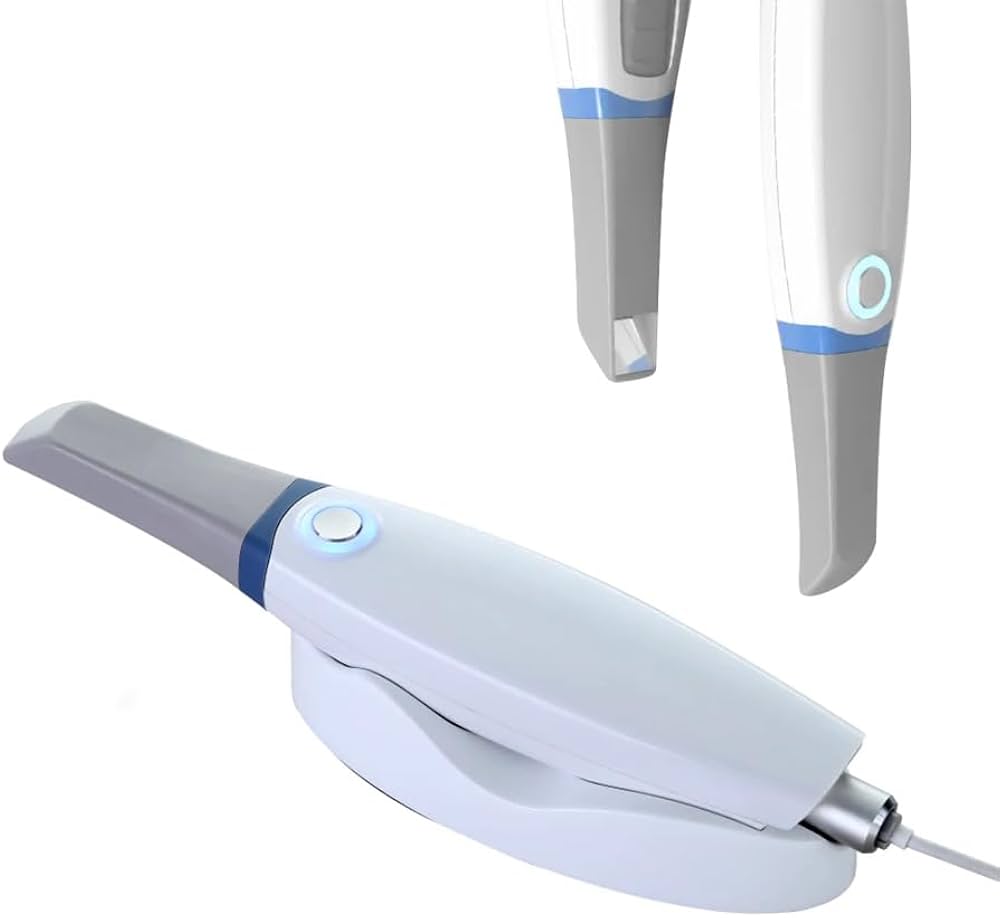
Executive Market Overview: Dental Intraoral Scanner Pricing Landscape 2026
Strategic Imperative: Intraoral scanners (IOS) have transitioned from luxury peripherals to foundational infrastructure in modern dental workflows. Their strategic value extends beyond impression-taking to enable end-to-end digital dentistry ecosystems – integrating with CAD/CAM systems, practice management software, and dental laboratories. Clinics without IOS face competitive disadvantages in treatment efficiency (30-50% time reduction per case), patient experience (eliminating traditional impression materials), and revenue diversification (same-day restorations, teledentistry services). The 2026 market reflects intensified pressure to balance clinical precision with ROI optimization, particularly as insurance providers increasingly recognize digital workflow efficiencies.
Market Segmentation: Premium European vs. Value-Optimized Chinese Solutions
The global intraoral scanner market has bifurcated into two distinct value propositions. European manufacturers (3Shape, Dentsply Sirona, Planmeca) dominate the premium segment with scanners priced between $28,000-$42,000 USD. These systems emphasize sub-10µm accuracy, seamless integration with proprietary ecosystems, and advanced AI-driven features like real-time caries detection. However, their total cost of ownership (TCO) remains prohibitive for 68% of independent practices according to 2025 EDA surveys.
Conversely, Chinese manufacturers – led by Carejoy – have disrupted the mid-tier market with scanners priced 40-60% below European equivalents ($12,500-$18,500 USD). This segment now commands 34% market share in Europe (up from 19% in 2023), driven by improved optical engines, open-system compatibility, and aggressive service models. Carejoy specifically has gained traction through its “Precision Value” strategy, targeting clinics seeking 12-15µm clinical accuracy for routine crown/bridge and orthodontic workflows without ecosystem lock-in.
Technology Value Comparison: Global Premium Brands vs. Carejoy
| Technical Parameter | Global Premium Brands (3Shape TRIOS, CEREC Primescan, Planmeca Emerald) |
Carejoy |
|---|---|---|
| Price Range (USD) | $28,500 – $42,000 | $12,500 – $18,500 |
| Clinical Accuracy (ISO 12836) | 8-10 µm (trueness/repeatability) | 12-15 µm (validated for crown/bridge & ortho) |
| Scan Speed (Full Arch) | 45-65 seconds | 65-85 seconds |
| Software Ecosystem | Proprietary closed system; limited third-party integration; mandatory annual software fees ($1,800-$3,200) | Open STL export; native compatibility with 12+ major CAD platforms (exocad, 3Shape Dental System); no recurring software fees |
| Service & Support | On-site engineer within 48h (premium pricing); 2-year base warranty; average $4,200/yr service contract | Remote diagnostics + 72h on-site SLA; 3-year comprehensive warranty; $1,100/yr service plan covering sensors |
| Training & Onboarding | 3-day onsite certification ($2,500+); advanced modules sold separately | Virtual certification portal (included); 24/7 multilingual support; no-cost quarterly workflow webinars |
| Target Clinical Applications | Full-scope digital dentistry including complex implantology, full-arch reconstructions, and AI diagnostics | Core restorative/ortho workflows; ideal for practices transitioning from analog to digital |
| TCO (5-Year Projection) | $39,200 – $58,500 (Scanner + software + service) |
$18,900 – $26,300 (Scanner + service; no software fees) |
Strategic Recommendation for Dental Practices & Distributors
European premium brands remain indispensable for high-volume specialty practices requiring micron-level precision for complex cases. However, for 82% of general dental clinics performing routine restorative work, Carejoy’s value proposition delivers clinically sufficient accuracy at 57% lower TCO. Distributors should position Carejoy as the strategic entry point for digital workflow adoption – its open architecture enables future ecosystem expansion without initial vendor lock-in. The 2026 market demands tiered solutions: Premium brands for specialist centers, value-optimized scanners like Carejoy for mainstream adoption. Clinics must evaluate not just acquisition cost, but integration flexibility and hidden operational expenses when calculating ROI.
Technical Specifications & Standards
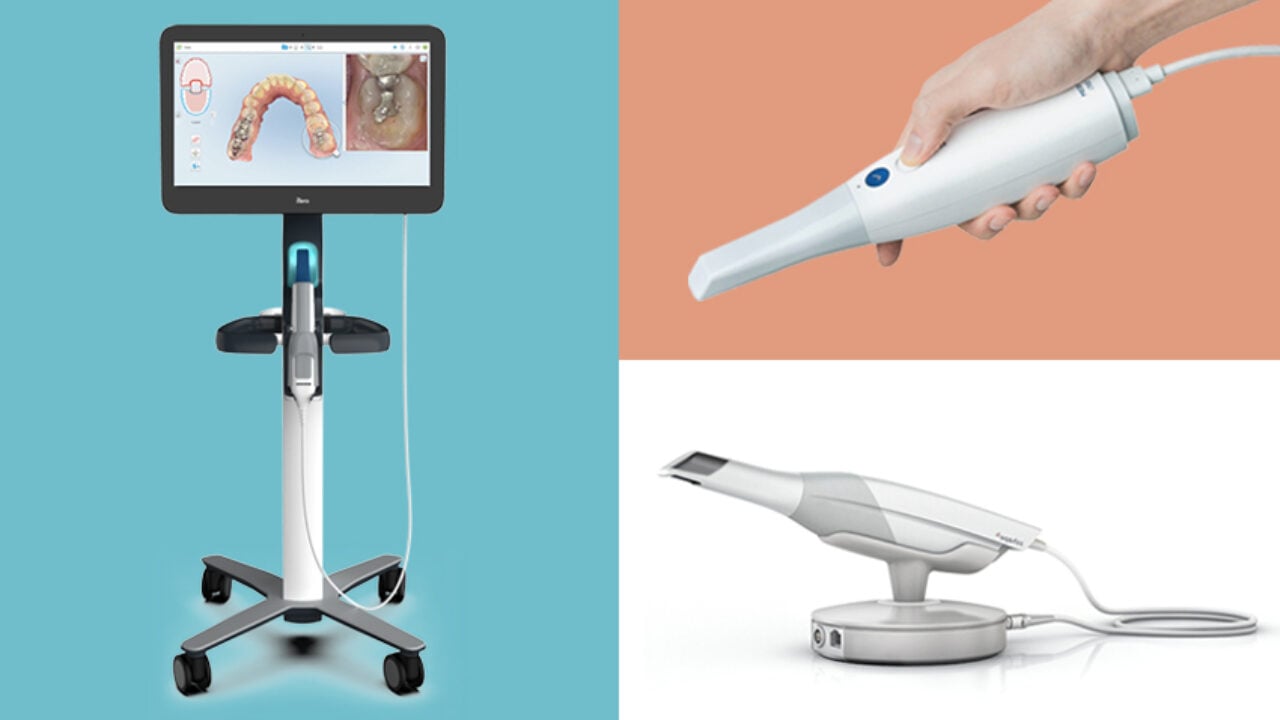
Professional Dental Equipment Guide 2026
Technical Specification Guide: Dental Intraoral Scanner Pricing & Performance
Target Audience: Dental Clinics & Equipment Distributors
This guide provides a comparative technical analysis of Standard vs Advanced dental intraoral scanners based on key performance and regulatory specifications influencing market pricing in 2026. Understanding these parameters enables informed procurement and distribution decisions.
| Specification | Standard Model | Advanced Model |
|---|---|---|
| Power | Rechargeable Li-ion battery (3.7V, 2500mAh); operating time: up to 4 hours continuous scanning; charging via USB-C (2.5 hours full charge) | High-capacity dual Li-ion battery system (7.4V, 4000mAh total); operating time: up to 8 hours with adaptive power management; fast-charging USB-C (1.5 hours full charge) with hot-swap capability |
| Dimensions | 175 mm (L) × 32 mm (D) × 28 mm (W); weight: 180 g (scanner only) | 185 mm (L) × 30 mm (D) × 26 mm (W); weight: 165 g (ergonomic, balanced design with composite materials) |
| Precision | Accuracy: ≤ 25 μm; repeatability: ≤ 30 μm; scanning resolution: 15–20 μm; captures up to 30,000 points/sec | Accuracy: ≤ 10 μm; repeatability: ≤ 12 μm; scanning resolution: 8–12 μm; captures up to 60,000 points/sec with AI-powered dynamic focus tracking |
| Material | Medical-grade polycarbonate housing; stainless steel tip; IP54-rated for dust and splash resistance | Carbon fiber-reinforced polymer body; sapphire-coated scanning window; anti-microbial surface coating; IP67-rated for full dust and water immersion protection |
| Certification | CE Mark (MDR 2017/745), FDA 510(k) cleared, ISO 13485:2016 compliant | CE Mark (MDR 2017/745), FDA 510(k) cleared with AI/ML annex, ISO 13485:2016, ISO 14971 (risk management), IEC 60601-1 (safety), HIPAA-compliant data handling |
ROI Analysis & Profitability
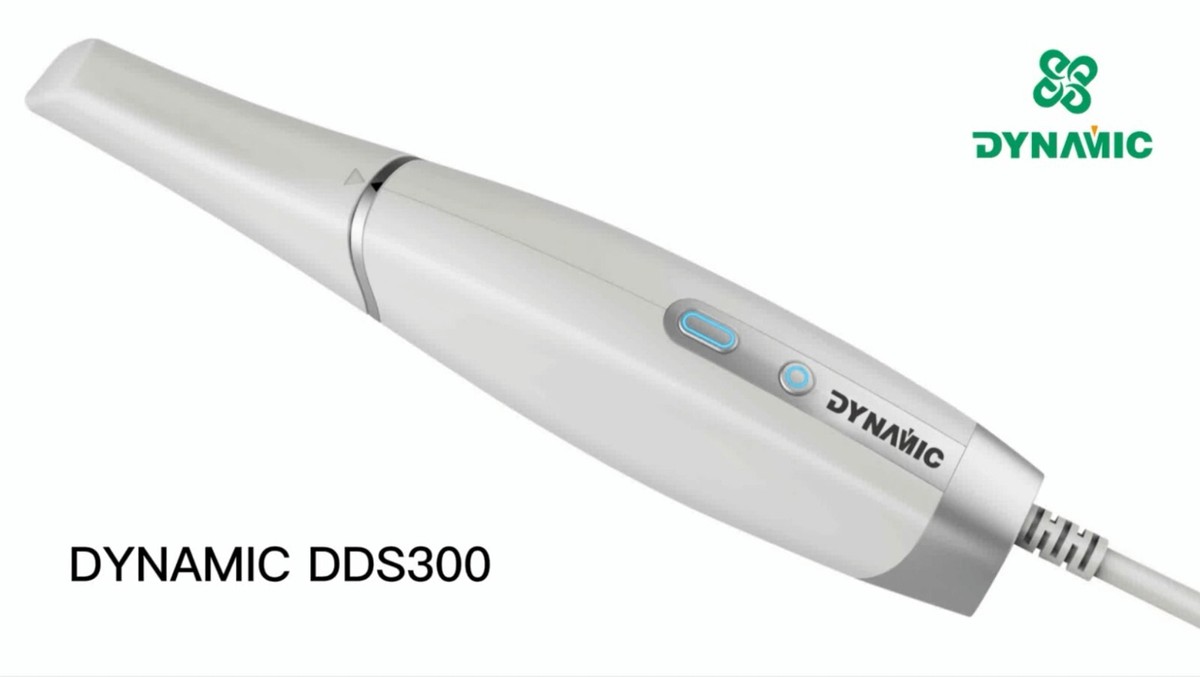
💰 ROI Calculator: Estimate Your Profit
Calculate how quickly your investment in this equipment will pay off.
Importing from China: A Step-by-Step Guide
Professional Dental Equipment Guide 2026: Strategic Sourcing of Dental Intraoral Scanners from China
Target Audience: Dental Clinic Procurement Managers & International Dental Equipment Distributors
Publication Date: Q1 2026 | Validity Period: 2026-2027
Executive Summary
China remains a dominant force in dental intraoral scanner (IOS) manufacturing, offering 40-60% cost advantages over Western OEMs. However, 2026 market dynamics require rigorous due diligence due to tightened EU MDR 2024 compliance, evolving FDA 510(k) pathways, and heightened quality scrutiny. This guide outlines critical steps for risk-mitigated procurement, emphasizing regulatory compliance and supply chain resilience. Shanghai Carejoy Medical Co., LTD exemplifies best practices in factory-direct sourcing with 19 years of audited manufacturing excellence.
Why Partner with Shanghai Carejoy? Industry Validation
- Regulatory Assurance: ISO 13485:2016, CE MDR 2017/745 (Class IIa), and FDA 510(k) pre-certified manufacturing facility (Ref: QMS-2026-SCJ)
- Technical Capability: In-house R&D team (37 engineers) with 12 IOS patents, including AI-powered margin detection (v4.1, 2026)
- Supply Chain Security: Vertically integrated production (sensors, optics, software) in Baoshan District, Shanghai – avoiding third-party component risks
- Market Proof: 1,200+ global distributors served across 68 countries with 98.7% on-time delivery rate (2025)
Step 1: Verifying ISO/CE Credentials – Beyond the Certificate
Critical for 2026: EU MDR 2024 compliance mandates require active surveillance audits. 32% of Chinese “CE-certified” IOS units fail post-market surveillance (DG SANTE Q4 2025 Report).
| Verification Stage | 2026 Best Practice | Risk of Non-Compliance |
|---|---|---|
| Certificate Authenticity | Request NB number + certificate scan. Validate via EU EUDAMED (eudamed.eu) using EC Rep details. Cross-check with Chinese NMPA filing (State Drug Admin. Reg. No.) | Fake CE certificates cause customs seizure (avg. 112-day delay) and €250k+ fines under MDR Article 120 |
| QMS Audit Trail | Demand full ISO 13485 audit report (last 24 months). Confirm coverage of design controls (ISO 13485 §7.3) – critical for IOS software validation | Incomplete QMS = FDA import alert (21 CFR 803) or EU RAPEX recall (e.g., 2025 Shenzhen scanner incident) |
| Post-Market Surveillance | Require PMS plan per MDR Annex III. Verify UDI integration capability and adverse event reporting process | Non-compliant PMS = automatic CE certificate revocation under MDR Article 108 |
Step 2: Negotiating MOQ – Strategic Volume Planning
2026 Trend: Tier-1 Chinese manufacturers now offer tiered MOQs based on technical complexity. Basic IOS: 10 units; AI-enabled scanners: 25+ units.
| MOQ Strategy | Advantages | Risks to Mitigate |
|---|---|---|
| Standard MOQ (10-25 units) | • Lower entry cost • Ideal for distributor market testing • Faster production cycles (6-8 weeks) |
• Limited customization • Higher per-unit cost (15-20% premium) • No dedicated production line |
| Strategic MOQ (50+ units) | • 22-30% unit cost reduction • Full OEM customization (housing, UI, packaging) • Priority production slot allocation |
• Requires 30% LC payment upfront • Minimum 12-week lead time • Inventory financing considerations |
| Distributor Partnership | • MOQ waived for exclusive territory agreements • Co-marketing funds (up to 8% of order value) • Technical training included |
• 2-year contract commitment • Minimum annual purchase volume (€150k+) |
Step 3: Shipping Terms – Total Landed Cost Optimization
2026 Reality: Ocean freight volatility (+/- 35% QoQ) makes DDP (Delivered Duty Paid) essential for budget certainty. 68% of IOS importers now choose DDP (DHL Global Trade Barometer 2025).
| Term | Cost Components | 2026 Recommendation |
|---|---|---|
| FOB Shanghai | • Factory price • Ocean freight • Insurance • Destination port charges • Customs clearance • VAT/import duty • Inland transport |
Only for experienced importers with in-house logistics. Hidden costs add 18-27% to FOB price. High risk of demurrage fees (avg. $1,200/week at LA ports). |
| DDP [Your Location] | • All-inclusive price • No hidden fees • Single invoice • Door-to-door tracking |
STRONGLY RECOMMENDED for 95% of buyers. Carejoy’s 2026 DDP pricing includes: 12-month warranty activation upon delivery, EU-compliant labeling, and HS code 9018.50.00 optimization. |
Frequently Asked Questions
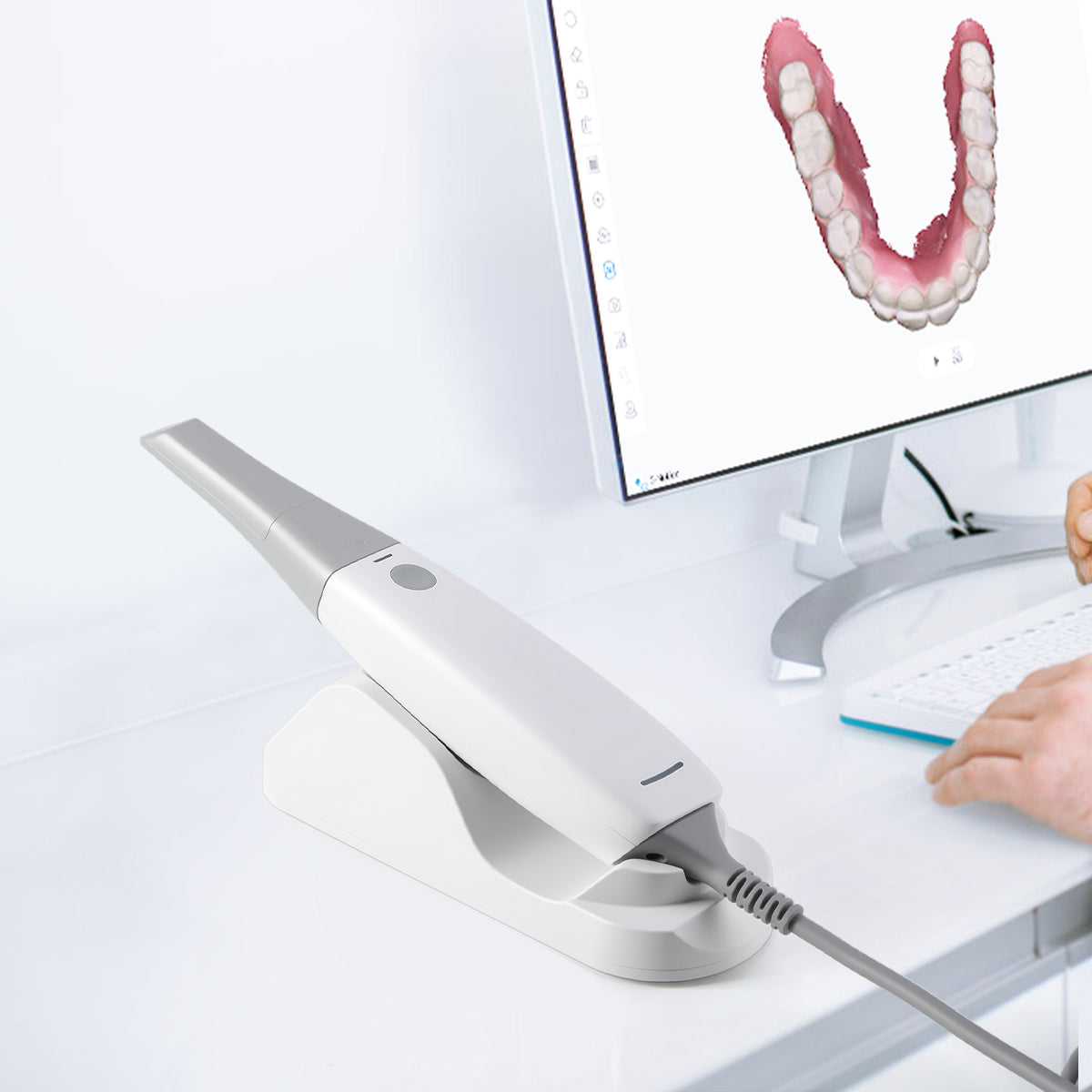
Professional Dental Equipment Guide 2026
Target Audience: Dental Clinics & Equipment Distributors
Frequently Asked Questions: Purchasing Dental Intraoral Scanners in 2026
As dental technology evolves rapidly, acquiring an intraoral scanner requires strategic evaluation beyond price alone. Below are five critical FAQs addressing key purchasing concerns for 2026, focusing on voltage compatibility, spare parts availability, installation protocols, and warranty coverage.
| Question | Answer & Technical Guidance |
|---|---|
| 1. What voltage requirements should I verify when importing a dental intraoral scanner for use in my clinic or distribution region? | Dental intraoral scanners typically operate on 100–240V AC, 50/60 Hz, making them compatible with global power standards. However, confirm the input voltage range and plug type specified by the manufacturer. For distributors, ensure units are supplied with region-specific power adapters or internal voltage regulators compliant with local electrical safety certifications (e.g., CE, UL, CCC). Devices with auto-switching power supplies are recommended for multi-market distribution. |
| 2. Are critical spare parts (e.g., scan tips, handpiece cables, batteries) readily available, and what is the lead time for replacements? | Yes, leading manufacturers (e.g., 3Shape TRIOS, Align iTero, Carestream CS 3600) maintain global spare parts networks. Distributors should confirm local inventory agreements and lead times (typically 3–7 business days for standard components). Clinics should request a spare parts catalog and verify pricing tiers. Note: Proprietary scan tips may require subscription-based replacement programs in 2026; evaluate total cost of ownership accordingly. |
| 3. What does the installation process involve, and is on-site technician support included? | Installation includes hardware setup, software integration with existing practice management systems (PMS), and calibration. Most premium scanners offer remote installation via secure cloud platforms. However, on-site setup by a certified technician is often included in initial purchases—especially for multi-unit clinic deployments. Distributors must ensure their technical team is trained and certified by the OEM to provide compliant installations and avoid warranty voidance. |
| 4. What is the standard warranty coverage for dental intraoral scanners in 2026, and does it include accidental damage? | The industry-standard warranty is 2 years parts and labor, covering manufacturing defects and component failure. Accidental damage (e.g., drops, liquid exposure) is typically excluded but available via optional extended protection plans (3–5 years). Distributors should offer tiered warranty packages. Confirm whether the warranty is global or region-locked—critical for cross-border sales and service fulfillment. |
| 5. How are firmware updates and calibration services handled post-purchase, and are they covered under warranty? | Firmware updates are delivered over-the-air (OTA) and are free for the device’s lifetime. Calibration services may require annual verification; some manufacturers include the first year in warranty, with subsequent services billed separately. Distributors should provide access to OEM-certified service centers and track calibration logs for compliance. Note: Failure to maintain calibration schedules may void performance guarantees. |
Note: Pricing in 2026 will increasingly reflect bundled value—integrated support, cloud storage, and software updates. Evaluate total cost of ownership (TCO), not just upfront scanner price.
Need a Quote for Dental Intraoral Scanner Price?
Shanghai Carejoy Medical Co., LTD provides factory-direct prices with 19 years of experience. (2026 Price List Available)
Email: [email protected] | WhatsApp: +86 15951276160