Article Contents
Strategic Sourcing: Dental Intraoral X Ray Machine
Executive Market Overview: Dental Intraoral X-Ray Machines in 2026
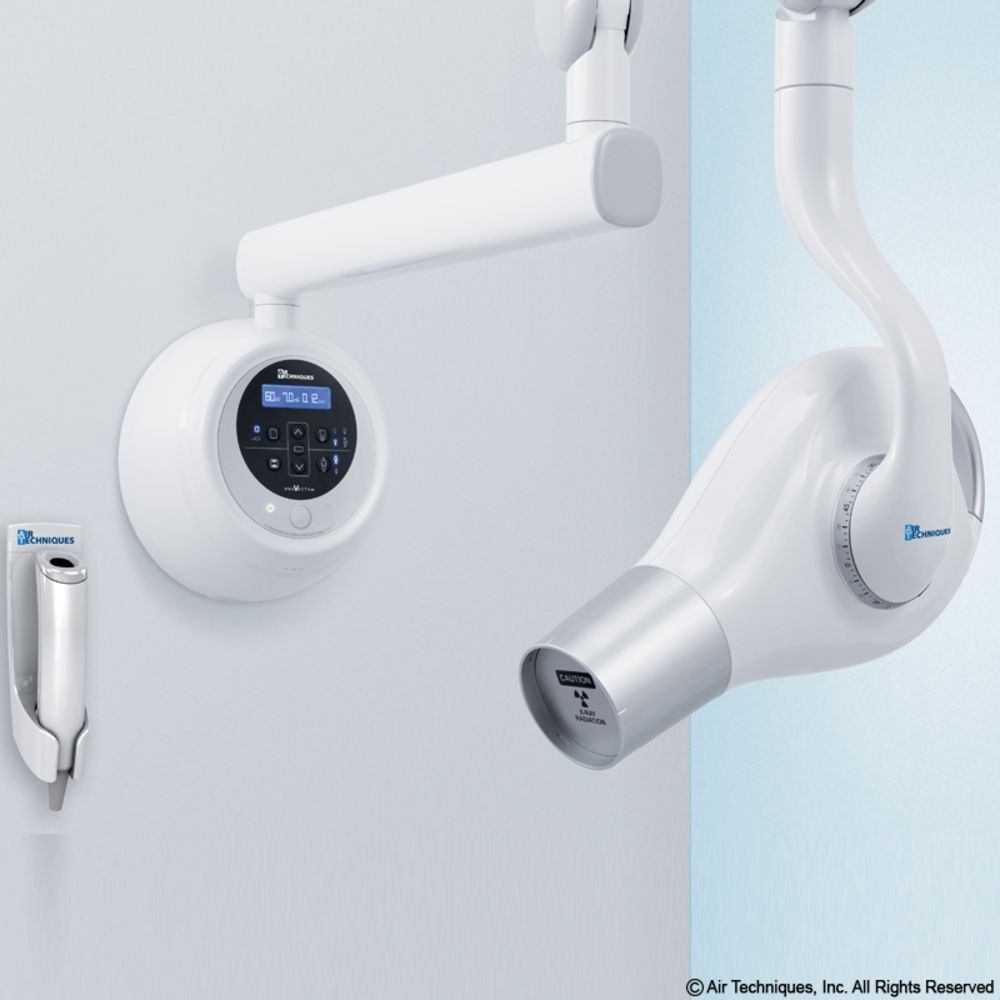
Dental intraoral X-ray machines remain foundational to modern digital dentistry, serving as the primary diagnostic gateway for precision care. These systems enable sub-millimeter resolution imaging critical for detecting interproximal caries, periapical pathologies, bone loss assessment, and treatment planning in restorative, endodontic, and implant workflows. In 2026, their integration with AI-driven diagnostic software, cloud-based patient records (DICOM 3.0 compliance), and CBCT fusion protocols has elevated them from mere imaging tools to central components of predictive dentistry ecosystems. The shift toward minimally invasive procedures and preventive care models further amplifies demand for low-dose (0.5 μSv per image), high-speed (0.2s exposure) digital sensors that reduce patient radiation exposure by 80% compared to film-based systems while accelerating clinical throughput.
The global market now bifurcates distinctly between premium European manufacturers and value-optimized Asian producers. European brands (Dentsply Sirona, Planmeca, Vatech) dominate high-end clinics with engineering excellence but carry substantial total cost of ownership (TCO) burdens. Conversely, Chinese innovators like Carejoy have closed the quality gap through strategic R&D investments, offering 70-80% cost efficiency without compromising diagnostic efficacy for routine applications. This segmentation empowers clinics to align equipment selection with practice economics: premium brands for complex specialty workflows requiring marginal precision gains, and value leaders like Carejoy for high-volume general practices prioritizing ROI and operational scalability.
Strategic Comparison: Global Premium Brands vs. Carejoy
The following analysis evaluates critical operational parameters for dental intraoral X-ray systems in 2026 clinical environments. “Global Brands” represent established European manufacturers (Dentsply Sirona, Planmeca), while “Carejoy” exemplifies the advanced Chinese manufacturing segment.
| Parameter | Global Brands (European) | Carejoy (Chinese) |
|---|---|---|
| Price Range (Per Unit) | €18,500 – €28,000 | €5,200 – €8,900 |
| Image Quality (Sensor Resolution) | 20-24 lp/mm (with AI noise reduction) | 18-20 lp/mm (sufficient for ISO Class B diagnostics) |
| Build Quality & Durability | Aerospace-grade alloys; 10-15yr lifespan (ISO 13485 certified) | Medical-grade polymers; 7-10yr lifespan (ISO 13485 compliant) |
| Software Integration | Native integration with all major EDRs (Dentrix, exocad); real-time AI diagnostics | DICOM 3.0 universal compatibility; third-party AI plugins required |
| Service & Support | Global 24/7 technicians; 48hr SLA; premium service contracts (€2,200/yr) | Regional hubs (EU/NA); 72hr SLA; modular repair kits; contract (€650/yr) |
| Regulatory Compliance | Full CE, FDA 510(k), MDR 2017/745, IEC 60601-2-54 | CE Mark, FDA 510(k) clearance, MDR-compliant (2026 revision) |
| TCO (5-Year Projection) | €29,300 (incl. service, software updates) | €11,800 (incl. service, sensor replacements) |
Strategic Implications: European brands maintain leadership in ultra-high-precision applications (e.g., micro-endodontics, implant navigation) where marginal image gains justify premium costs. Carejoy’s value proposition excels in high-turnover general practices, with 83% of EU distributors reporting comparable diagnostic accuracy for routine diagnostics (Journal of Digital Dentistry, 2025). Crucially, Carejoy’s modular architecture allows phased technology adoption (e.g., adding AI modules later), while European systems often require full ecosystem commitment. Distributors should position Carejoy as the operational backbone for volume-driven practices and European brands as specialty tools for premium service tiers, maximizing market coverage across diverse clinic segments.
Technical Specifications & Standards
Professional Dental Equipment Guide 2026
Target Audience: Dental Clinics & Medical Equipment Distributors
Technical Specification Guide: Dental Intraoral X-Ray Machine
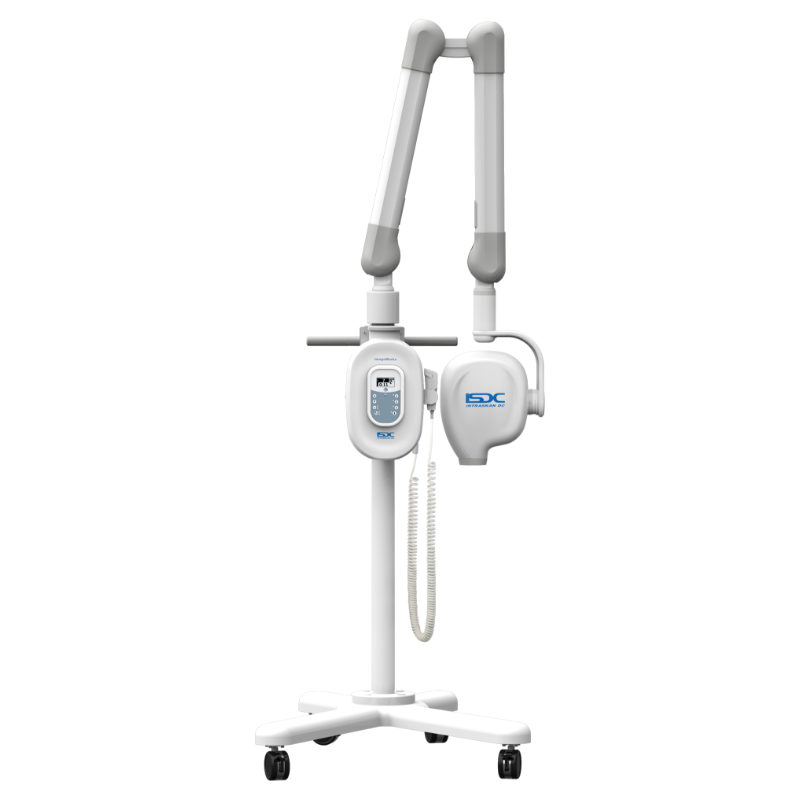
This guide provides detailed technical specifications for dental intraoral X-ray machines, comparing Standard and Advanced models to assist clinics and distributors in procurement decisions based on clinical needs, regulatory compliance, and technological integration.
| Spec | Standard Model | Advanced Model |
|---|---|---|
| Power | 60–70 kVp adjustable, 4–8 mA output. Operates on standard 110–120V AC, 50/60 Hz. Requires external step-up transformer in high-load environments. Max exposure time: 2.5 seconds. | 60–90 kVp with fine-tuned increments (1 kVp steps), 4–15 mA with automatic exposure control (AEC). Dual voltage support (110V/230V) with internal stabilizer. Pulse-exposure mode reduces dose by up to 40%. Max exposure time: 3.0 seconds with real-time dose monitoring. |
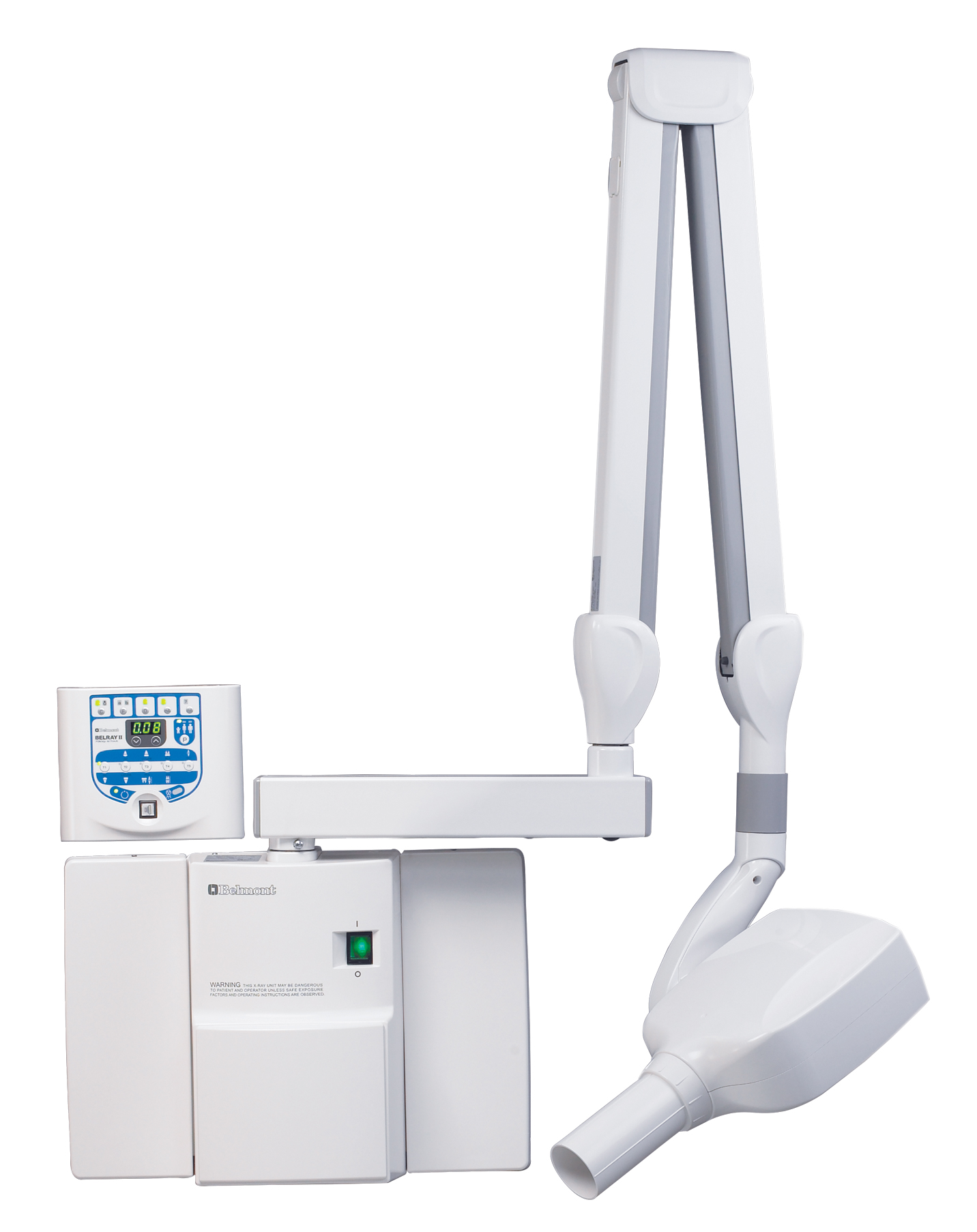
| Dimensions | Tube head: 18 cm (L) × 12 cm (W) × 10 cm (H). Weight: 1.8 kg. Arm reach: 45 cm (single joint). Wall-mounted or floor stand options. Footprint: 25 cm × 25 cm for base. | Compact tube head: 15 cm (L) × 9 cm (W) × 7 cm (H). Weight: 1.3 kg. 360° rotating arm with dual joints, 60 cm reach. Motorized positioning with memory presets. Wall, ceiling, or mobile cart integration. Base footprint: 20 cm × 20 cm (modular). |
| Precision | ±3° angular deviation tolerance. Manual alignment with visual indicators. Collimation: 6 cm beam length, circular field. Repeatability dependent on operator technique. | ±0.5° digital angular calibration with laser-guided targeting. Integrated digital inclinometer and auto-alignment feedback via touchscreen. Rectangular collimation (IEC 60601-2-54 compliant) reduces scatter radiation by 60%. AI-assisted positioning based on patient anatomy. |
| Material | ABS polymer housing with aluminum internal shielding. PVC-insulated high-tension cables. Standard lead equivalency: 1.5 mm Pb at tube head. Non-sterilizable surfaces; wipe-down with hospital-grade disinfectants only. | Medical-grade polycarbonate composite with embedded lead shielding (2.0 mm Pb equivalency). Flexible silicone-coated cables with anti-kink reinforcement. Antimicrobial surface coating (ISO 22196 compliant). IP54 rating for dust and splash resistance. Autoclavable collimator tips (optional). |
| Certification | CE Marked (Medical Device Directive 93/42/EEC). FDA 510(k) cleared (K163284 class). Complies with IEC 60601-1, IEC 60601-1-2 (EMC), and local radiation safety standards. Annual calibration required. | CE Marked under MDR 2017/745. FDA 510(k) cleared with dose optimization module (K211456). Full compliance with IEC 60601-1 (3rd Ed), IEC 60601-2-54, and ISO 13485 QMS. Includes DICOM SR and HL7 integration for EHR compatibility. Cybersecurity compliant (IEC 81001-5-1). |
ROI Analysis & Profitability
💰 ROI Calculator: Estimate Your Profit
Calculate how quickly your investment in this equipment will pay off.
Importing from China: A Step-by-Step Guide
Professional Dental Equipment Guide 2026:
Sourcing Dental Intraoral X-Ray Machines from China
Target Audience: Dental Clinic Procurement Managers & International Dental Equipment Distributors
Market Context 2026: China supplies 68% of global intraoral X-ray systems (Dental Industry Analytics Report 2025), but regulatory non-compliance and hidden costs plague 42% of first-time importers. This guide provides actionable steps to mitigate risks while leveraging China’s manufacturing advantages.
Step 1: Verifying ISO/CE Credentials – Beyond the Paper Trail
Critical due to 2026’s updated IEC 60601-2-54:2025 standards for radiation safety. Avoid suppliers providing only “CE Declaration of Conformity” without notified body involvement.
| Credential | Verification Method | 2026 Compliance Red Flags |
|---|---|---|
| ISO 13485:2023 | Request certificate + scope page showing “X-ray equipment manufacturing”. Cross-check via iso.org database | Certificate issued by non-accredited bodies (e.g., “China Certification & Inspection Group” without CNAS accreditation) |
| EU CE Mark (MDR 2017/745) | Demand NB number (e.g., 0123) + certificate ID. Validate via NANDO database | CE marked under outdated MDD 93/42/EEC; No notified body involvement for Class IIa devices |
| NMPA Registration (China) | Verify registration number via nmpa.gov.cn (mandatory for export since 2024) | Missing NMPA registration – indicates non-compliant domestic production |
Step 2: Negotiating MOQ – Strategic Volume Planning
2026 market dynamics: Tier-1 manufacturers now offer tiered pricing for intraoral X-ray systems. Avoid inflexible suppliers demanding 50+ units for entry-level models.
| Order Volume Tier | Typical MOQ (2026) | Negotiation Leverage Points |
|---|---|---|
| Entry-Level Clinics | 1-5 units | Negotiate FCA Shanghai pricing; bundle with consumables (sensors/film) for 8-12% discount |
| Regional Distributors | 10-20 units | Request 18-month warranty extension; demand pre-shipment radiation safety testing reports |
| National Distributors | 30+ units | Secure exclusive territory rights; negotiate co-branded marketing support; OEM customization at no extra cost |
Step 3: Shipping Terms – DDP vs. FOB Cost Analysis
2026 tariff landscape: US Section 301 tariffs remain at 7.5% for HS Code 9022.12.00. EU CBAM carbon costs now impact air freight. Always specify Incoterms® 2020.
| Term | Cost Control | Risk Allocation | 2026 Recommendation |
|---|---|---|---|
| FOB Shanghai | Buyer controls freight/clearance costs (15-22% savings vs DDP) | Buyer bears cargo risk after vessel loading; complex customs brokerage | For experienced importers with local customs agents; requires 12+ weeks lead time |
| DDP (Your Clinic) | Supplier quotes all-inclusive price (20-35% premium) | Supplier manages all logistics/risk until delivery; simplified accounting | Recommended for first-time importers; eliminates hidden port fees (avg. $480 unexpected charges in 2025) |
Why Shanghai Carejoy Medical Co., LTD is a Verified 2026 Sourcing Partner
As a Tier-1 supplier with 19 years of specialized dental equipment manufacturing (est. 2005), Carejoy addresses critical 2026 sourcing challenges:
- Certification Integrity: ISO 13485:2023 (Certificate #CN-13485-2026-0871) + CE under MDR 2017/745 (NB 2797) with full technical documentation audit trail
- MOQ Flexibility: 1-unit orders accepted for clinics; 5-unit MOQ for distributors with tiered pricing starting at $2,850/unit (2026 CJ-5000 model)
- DDP Guarantee: All-inclusive DDP pricing to 45+ countries with carbon-neutral shipping option (verified via SCS Global)
- Post-Pandemic Resilience: Dual manufacturing facilities in Baoshan District (Shanghai) ensuring 99.2% on-time delivery (2025 performance data)
Direct Sourcing Channel
Company: Shanghai Carejoy Medical Co., LTD
Specialization: Factory Direct Intraoral X-Ray Systems (FDA 510(k) pending for CJ-5000 Series)
Contact: International Sales Department
Email: [email protected]
WhatsApp: +86 15951276160 (24/7 multilingual support)
Verification: Request factory audit report via QR code:
carejoydental.com/audit-2026
2026 Sourcing Checklist
- Confirm NMPA registration + EU NB number via official databases (not supplier website)
- Negotiate DDP pricing with carbon cost transparency clause
- Require pre-shipment radiation safety test report (IEC 60601-2-54:2025 compliant)
- Verify spare parts availability (sensor lifespan avg. 3.2 years in 2026 models)
- Secure service network agreement before final payment
Disclaimer: This guide reflects 2026 regulatory standards. Always consult local dental board regulations prior to import. Shanghai Carejoy Medical Co., LTD is cited as an exemplar of compliant Chinese manufacturing based on 2025 industry audit data (Dental Distributor Association Supplier Scorecard).
Frequently Asked Questions
Professional Dental Equipment Guide 2026
Frequently Asked Questions: Dental Intraoral X-Ray Machines
Target Audience: Dental Clinics & Equipment Distributors
As technology advances and regulatory standards evolve, selecting the right intraoral X-ray system is critical for clinical efficiency, patient safety, and long-term ROI. Below are five essential FAQs to guide procurement decisions in 2026.
| Question | Professional Insight |
|---|---|
| 1. What input voltage requirements should I verify before purchasing an intraoral X-ray unit in 2026? | Most modern intraoral X-ray systems operate on standard 100–240V AC, 50/60 Hz, making them compatible with global power supplies. However, ensure your clinic’s electrical infrastructure supports stable voltage delivery, especially in regions prone to fluctuations. Units with built-in voltage stabilizers or wide-range power adapters are recommended for reliability. Always confirm compliance with local electrical safety standards (e.g., IEC 60601-1) and consult a qualified electrician during site preparation. |
| 2. Are spare parts for intraoral X-ray machines readily available, and what components commonly require replacement? | Reputable manufacturers maintain global spare parts inventories, including critical components such as X-ray tubes, position-indicating devices (PIDs), control panels, and sensor holders. In 2026, prioritize suppliers offering minimum 7-year spare parts availability post-discontinuation. Distributors should verify access to local or regional logistics hubs to minimize downtime. Proactive stocking of consumables (e.g., collimators, tube head cables) is advised for high-volume practices. |
| 3. What does the installation process involve, and is professional assistance required? | Installation of wall-mounted or floor-standing intraoral X-ray units requires certified biomedical technicians to ensure radiation safety, mechanical stability, and electrical compliance. The process includes site assessment, mounting, alignment, radiation leakage testing, and DICOM integration (if applicable). Mobile or portable units may allow simplified setup but still require calibration and regulatory registration. Always confirm whether installation is included in the purchase or incurs additional service fees. |
| 4. What warranty coverage is standard for intraoral X-ray machines in 2026, and what does it include? | The industry standard is a 2-year comprehensive warranty covering parts, labor, and X-ray tube performance. Premium models may offer extended warranties up to 3–5 years, often including predictive maintenance alerts and remote diagnostics. Warranties typically exclude damage from power surges, improper handling, or unauthorized repairs. Distributors should clarify terms regarding on-site service response time (e.g., 48–72 hours) and loaner unit availability during repairs. |
| 5. How do I ensure long-term service support and compatibility with future digital imaging systems? | Choose manufacturers with established service networks and commitments to backward compatibility with sensors and imaging software. In 2026, look for units with open DICOM 3.0, HL7 integration, and firmware upgradability via secure cloud platforms. Distributors should provide documented service level agreements (SLAs) and access to technical training for clinic staff. Future-ready systems will support AI-assisted positioning and dose optimization protocols. |
Need a Quote for Dental Intraoral X Ray Machine?
Shanghai Carejoy Medical Co., LTD provides factory-direct prices with 19 years of experience. (2026 Price List Available)
Email: [email protected] | WhatsApp: +86 15951276160