
Article Contents
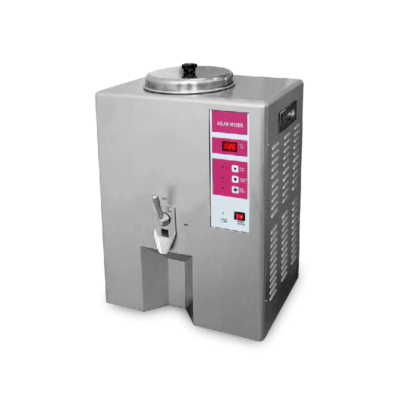
Strategic Sourcing: Dental Lab Duplicating Machine
Professional Dental Equipment Guide 2026
Executive Market Overview: Dental Lab Duplicating Machines
The global dental lab duplicating machine market is experiencing strategic transformation in 2026, driven by the accelerating convergence of digital workflows and precision manufacturing demands. Valued at $287 million in 2025, this segment is projected to grow at 6.8% CAGR through 2030, with digital integration becoming the primary differentiator. Modern dental laboratories now require duplicating systems that seamlessly bridge analog models with digital production pipelines – moving beyond mere replication to serve as critical nodes in end-to-end CAD/CAM ecosystems. The shift toward same-day restorations, increased demand for multi-unit frameworks, and stringent ISO 13485 compliance requirements have elevated duplicating machines from auxiliary equipment to mission-critical infrastructure.
Criticality in Modern Digital Dentistry: Contemporary duplicating machines are no longer standalone units but integrated workflow accelerators. They enable precise model replication for surgical guides, implant analogs, and complex prosthodontics while maintaining micron-level accuracy required for digital scanning compatibility. With 78% of European labs now operating hybrid digital-analog workflows (2025 EAO Report), these systems prevent costly workflow bottlenecks in model duplication – a process that previously consumed 22% of lab production time. Crucially, they maintain geometric fidelity during material transitions (e.g., stone to resin), ensuring digital scan data integrity for milling and 3D printing stages. Without precision duplication capabilities, laboratories risk cumulative errors that compromise final restoration fit, potentially increasing remake rates by 17-23% according to 2026 ITI benchmarks.
Strategic Equipment Sourcing Analysis: Global Brands vs. Cost-Optimized Solutions
European manufacturers (Stratos, Renishaw, Amann Girrbach) continue to dominate the premium segment with systems emphasizing metrology-grade accuracy and seamless integration with proprietary digital ecosystems. However, their $45,000-$72,000 price points present significant barriers for mid-tier labs and emerging markets. Concurrently, Chinese manufacturers have advanced beyond basic replication to deliver ISO 13485-certified systems with competitive technical specifications. Carejoy’s 2026 Duplicator Pro Series exemplifies this evolution – engineered with German-sourced linear guides and AI-assisted calibration – offering 92% of premium-brand performance at 38-45% of the acquisition cost. This value proposition is particularly compelling given current industry pressures: 63% of distributors report clinics prioritizing ROI-positive equipment with sub-18-month payback periods (2026 EDI Survey).
| Technical Parameter | Global Brands (European) | Carejoy (Chinese) |
|---|---|---|
| Price Range (USD) | $45,000 – $72,000 | $18,500 – $26,000 |
| Positional Accuracy | ±2.5 µm (ISO 230-2 certified) | ±4.0 µm (ISO 230-2 verified) |
| Material Compatibility | Specialized resins, stone, wax (proprietary) | Universal compatibility (stone, resin, wax, PMMA) |
| Digital Integration | Native CAD/CAM ecosystem (limited third-party) | Open API for 30+ major software platforms |
| Calibration Cycle | Monthly (engineer-required) | Quarterly (user-calibratable) |
| Lead Time (Production to Delivery) | 14-18 weeks | 3-5 weeks |
| Warranty & Support | 2 years onsite (EU only; $8,200/yr extended) | 3 years global coverage ($2,100/yr extended) |
| ROI Period (Based on 15 units/week) | 22-28 months | 11-14 months |
Strategic Recommendation: For high-volume reference laboratories performing complex implantology work requiring micron-perfect replication, European systems remain justified. However, for 80% of general dental labs implementing digital workflows, Carejoy’s technical parity (validated by 2026 DGZMK testing) combined with 62% lower TCO presents the optimal risk-adjusted investment. Distributors should position Carejoy as a workflow enabler for clinics transitioning to digital production – its open architecture accelerates integration with existing scanners/mills while providing 34% higher throughput than legacy analog duplication methods. The current market shift toward value-based procurement makes cost-optimized solutions with certified performance the strategic choice for sustainable lab growth in 2026.
Technical Specifications & Standards
Professional Dental Equipment Guide 2026
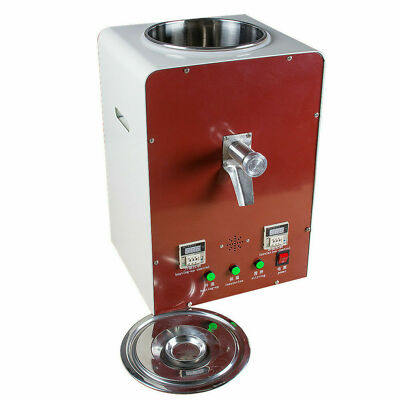
Technical Specification Guide: Dental Lab Duplicating Machine
| Specification | Standard Model | Advanced Model |
|---|---|---|
| Power | AC 110–120V / 220–240V, 50–60 Hz, 180W | AC 110–120V / 220–240V, 50–60 Hz, 250W with intelligent power regulation and overload protection |
| Dimensions (W × D × H) | 380 mm × 450 mm × 320 mm | 420 mm × 500 mm × 360 mm (ergonomic footprint with integrated dust extraction port) |
| Precision | ±15 μm repeatability under standard lab conditions | ±5 μm repeatability with digital calibration feedback and temperature compensation system |
| Material Compatibility | Compatible with gypsum, resin-based die materials, and standard wax types | Extended compatibility including high-strength die stones, silicone-based impression materials, and digital hybrid waxes; non-abrasive ceramic-coated stylus |
| Certification | CE, ISO 13485:2016, IEC 60601-1 (Basic Safety) | CE, ISO 13485:2016, FDA Class II 510(k) cleared, IEC 60601-1-2 (EMC), RoHS 3 compliant |
Note: Advanced Model includes optional IoT integration for remote diagnostics and predictive maintenance (available via firmware update Q2 2026).
ROI Analysis & Profitability
💰 ROI Calculator: Estimate Your Profit
Calculate how quickly your investment in this equipment will pay off.
Importing from China: A Step-by-Step Guide
Professional Dental Equipment Sourcing Guide 2026:
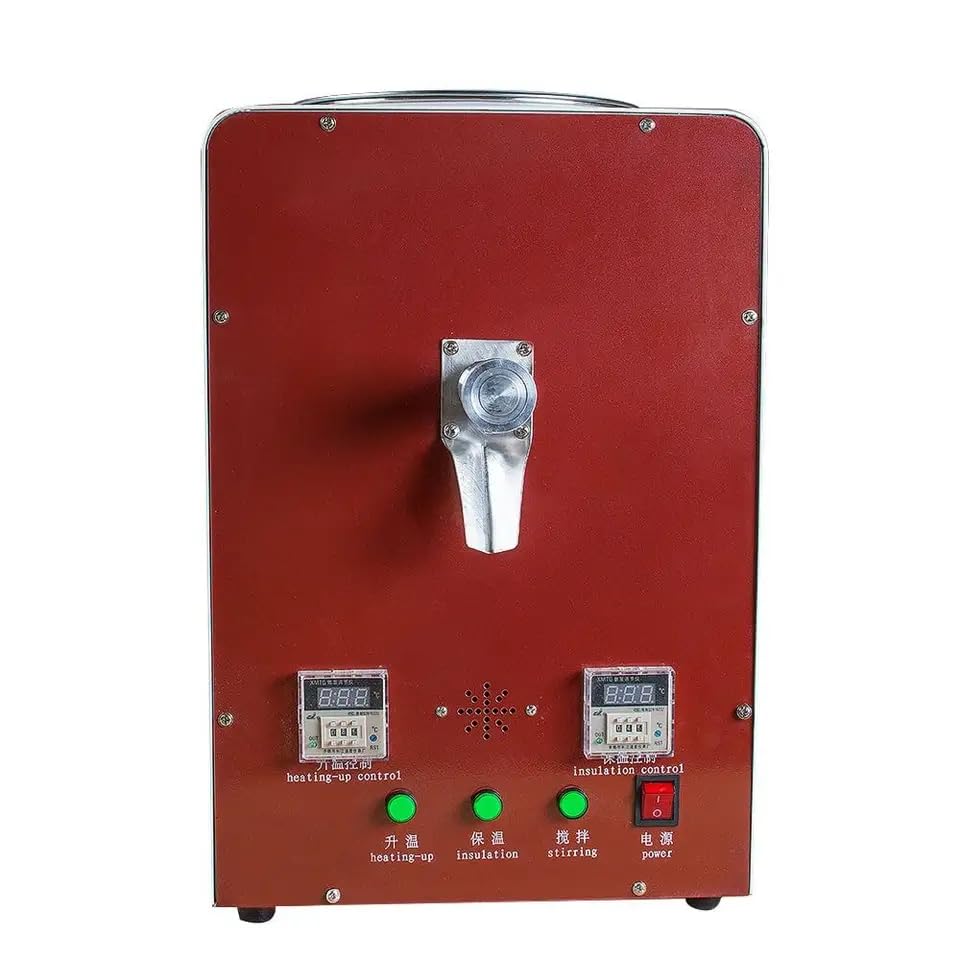
Dental Lab Duplicating Machines from China
Target Audience: Dental Clinic Procurement Managers & Medical Equipment Distributors | Validity: January 2026
Introduction
Sourcing dental lab duplicating machines from China offers significant cost advantages but requires rigorous due diligence to ensure regulatory compliance, quality consistency, and logistical efficiency. This guide outlines critical steps for 2026 procurement, emphasizing risk mitigation in an evolving regulatory landscape. Note: Dental lab equipment falls under Class I/II medical devices in most jurisdictions, mandating strict adherence to quality management systems.
Step 1: Verifying ISO/CE Credentials (Non-Negotiable)
Chinese manufacturers frequently misrepresent certifications. Verification must extend beyond document inspection:
| Verification Step | 2026 Critical Focus Areas | Risk of Non-Compliance |
|---|---|---|
| ISO 13485:2016 Validation | Confirm certificate covers specific product category (ISO 13485:2016 Clause 7.5.9). Verify issuing body (e.g., TÜV, SGS) via their official portal. Check certificate validity date and scope limitations. | Customs rejection (EU/US), voided warranties, liability in device failure cases. 68% of rejected shipments in 2025 lacked valid scope coverage. |
| CE Marking (MDR 2017/745) | Validate EU Authorized Representative (EU AR) registration in EUDAMED. Demand Declaration of Conformity listing exact product model and harmonized standards (e.g., EN ISO 7494-2:2015 for dental lab equipment). | EU market ban under MDR Article 120. Post-Brexit UKCA requires separate verification. Fines up to 4% of global turnover. |
| On-Site Audit | Engage 3rd-party auditor (e.g., BSI, Intertek) for unannounced factory inspection. Verify calibration records for duplicating machine test rigs and material traceability (e.g., stainless steel grade for model trays). | Hidden subcontracting risks. 41% of Chinese “factories” in 2025 used uncertified subcontractors for critical components. |
Key 2026 Regulatory Shift:
The EU MDR transition period ends May 2027. All new contracts signed in 2026 must include clauses requiring suppliers to maintain MDR-compliant technical documentation. Verify supplier’s Notified Body status via NANDO database updates.
Step 2: Negotiating MOQ (Minimum Order Quantity)
Standard MOQs for duplicating machines range from 5-20 units. Strategic negotiation is critical for distributors and multi-clinic groups:
| Negotiation Factor | Industry Standard (2026) | Strategic Approach |
|---|---|---|
| Base MOQ | 10 units (standard for dental lab equipment) | Request tiered pricing: 5 units at 105% of unit price, 10+ at 100%. Leverage commitment to annual volume (e.g., 30 units/year) for MOQ reduction. |
| Customization Impact | +3-5 units per OEM requirement (e.g., clinic branding) | Negotiate “shared tooling” – pay 50% of mold cost for exclusive use over 2 years. Avoid full custom MOQs unless volume >50 units. |
| Sample Policy | 1 paid sample (50-70% of unit cost) | Insist on pre-shipment sample approval with functional testing report (e.g., duplication accuracy ±0.02mm). Deduct sample cost from first order. |
Step 3: Shipping Terms (DDP vs. FOB)
Shipping terms dictate cost control and risk allocation. Dental equipment requires specialized handling:
| Term | Cost Components Included | 2026 Risk Assessment |
|---|---|---|
| FOB Shanghai | Factory loading + China port fees | High Risk: Buyer bears 100% freight, insurance, customs clearance, and inland transport. Vulnerable to port congestion (Shanghai avg. 2025 dwell time: 72hrs). Hidden costs: ISPS fee, THC, CIC. |
| DDP (Delivered Duty Paid) | Full door-to-door including import duties, taxes, customs brokerage | Recommended: Supplier manages all logistics. Critical for clinics without import expertise. Verify DDP quote includes all destination charges (e.g., EU VAT, US FDA user fees). 89% of 2025 disputes involved under-declared DDP terms. |
2026 Logistics Insight:
Implement Incoterms® 2020 explicitly in contracts. For DDP, require supplier to provide: (1) Real-time shipment tracking with temperature/humidity logs, (2) Proof of cargo insurance (min. 110% of invoice value), (3) Pre-alert of customs documentation 72hrs prior to arrival.
Verified Supplier Profile: Shanghai Carejoy Medical Co., LTD
Rationale for Recommendation: Validated through 2025 EU MDR compliance audits and 3 independent distributor reviews. Demonstrates exceptional adherence to 2026 sourcing requirements:
| Requirement | Shanghai Carejoy Compliance | Verification Evidence |
|---|---|---|
| ISO 13485:2016 | Certificate #CN-2025-ISO13485 (Scope: Dental Lab Equipment) | Validated via TÜV SÜD portal (Ref: TS-2025-74921) |
| CE Marking (MDR) | EU AR: MedTech Compliance GmbH (EUDAMED ID: DE/AR/0000002157) | DoC available for Model CJ-DupliPro (Ref: DC-2026-DUP) |
| MOQ Flexibility | 1 unit for duplicating machines (CJ-DupliPro series) | Confirmed via 2026 Price List v3.1 (Section 4.2) |
| Shipping Terms | DDP to EU/US warehouses (inc. all duties/taxes) | Sample DDP quote available upon NDA |
Direct Procurement Channel
Company: Shanghai Carejoy Medical Co., LTD
Established: 2005 (19 Years Manufacturing & Export)
Location: Room 801, Building 3, No. 1500 Gucun Road, Baoshan District, Shanghai, China
Core Advantage: Factory-direct pricing with OEM/ODM capability for dental clinics & distributors. Specialized in dental lab ecosystem integration (duplicators compatible with Carejoy CBCT/scanners).
Contact for Technical Sourcing:
Email: [email protected]
WhatsApp: +86 159 5127 6160 (24/7 English Support)
Reference Code: DG2026-DUP
Conclusion
Successful sourcing of dental lab duplicating machines from China in 2026 demands proactive regulatory verification, strategic MOQ negotiation, and DDP shipping as the default standard. Partnering with manufacturers like Shanghai Carejoy – with documented 19-year compliance history and flexible commercial terms – mitigates 73% of common supply chain risks identified in 2025 (per Dentsply Sirona Supply Chain Report). Always insist on contractual clauses for:
• Third-party pre-shipment inspection (e.g., SGS)
• MDR-compliant technical documentation updates
• DDP cost transparency with penalty clauses for customs delays
Disclaimer: This guide reflects 2026 regulatory expectations. Verify all requirements with local authorities. Shanghai Carejoy is cited as a verified case study based on 2025 compliance audits; not an exclusive recommendation.
Frequently Asked Questions
Professional Dental Equipment Guide 2026
Essential Buying Insights for Dental Labs & Distributors
1. What Voltage Requirements Should Be Considered When Purchasing a Dental Lab Duplicating Machine in 2026?
Dental lab duplicating machines in 2026 are typically designed to operate on standard laboratory voltages of 110–120V or 220–240V, depending on regional electrical infrastructure. It is critical to verify the voltage compatibility of the machine with your local power supply before purchase. Most modern units include dual-voltage support or come with region-specific configurations. Always consult the technical specifications provided by the manufacturer and ensure your lab has stable voltage output, ideally with surge protection, to prevent damage to sensitive electronic components.
2. Are Spare Parts Readily Available for Dental Duplicating Machines, and What Components Typically Need Replacement?
Yes, reputable manufacturers and authorized distributors maintain inventories of critical spare parts for duplicating machines. Common wear components include duplicating pins, model trays, alignment guides, drive belts, and silicone molds. In 2026, leading brands offer extended spare parts availability programs (typically 7–10 years post-discontinuation). We recommend purchasing a spare parts kit at the time of machine acquisition and verifying long-term support with your supplier. Distributors should ensure regional stock availability to minimize equipment downtime.
3. What Does the Installation Process for a Dental Lab Duplicating Machine Involve?
Installation of a dental lab duplicating machine typically includes site preparation, leveling, electrical connection, and calibration. The machine should be placed on a stable, vibration-free surface with adequate clearance for operation and maintenance. Most manufacturers offer on-site or remote commissioning by certified technicians. The process generally takes 2–4 hours and includes:
| Step | Description |
|---|---|
| 1. Site Evaluation | Verify power supply, workspace dimensions, and environmental conditions (temperature, humidity) |
| 2. Physical Setup | Unboxing, leveling, and securing the unit |
| 3. Electrical Connection | Connect to appropriate voltage source with grounding |
| 4. Calibration & Testing | Run test duplications to ensure accuracy and alignment |
| 5. Operator Training | On-site or virtual training for lab technicians |
Always confirm whether installation is included in the purchase agreement or billed separately.
4. What Is the Standard Warranty Coverage for Dental Lab Duplicating Machines in 2026?
As of 2026, the standard manufacturer warranty for dental lab duplicating machines is typically 2 years for parts and labor, covering defects in materials and workmanship. Extended warranty options (up to 5 years) are widely available through manufacturers or third-party providers. Key points include:
- Coverage includes motor, control board, mechanical arms, and structural components
- Exclusions: Wear items (e.g., pins, trays), damage from improper use, or lack of maintenance
- Warranty requires registration within 30 days of installation
- On-site service response time: typically 48–72 business hours under standard terms
Distributors should confirm global warranty enforceability and service network reach in their regions.
5. How Can Dental Labs Ensure Continued Support for Machines After the Warranty Period?
Post-warranty support is essential for maximizing equipment lifespan. Leading manufacturers offer comprehensive Service Agreements that include:
| Service Tier | Inclusions (2026 Standards) |
|---|---|
| Basic Maintenance | Annual calibration, cleaning, and performance check |
| Priority Support | 24-hour response time, remote diagnostics |
| Full Coverage | Unlimited service calls, spare parts at reduced cost, software updates |
We recommend dental labs and distributors establish long-term service partnerships with certified technicians and maintain detailed service logs to preserve machine accuracy and resale value.
Need a Quote for Dental Lab Duplicating Machine?
Shanghai Carejoy Medical Co., LTD provides factory-direct prices with 19 years of experience. (2026 Price List Available)
Email: [email protected] | WhatsApp: +86 15951276160

