Article Contents
Strategic Sourcing: Dental Lab Equipment For Sale
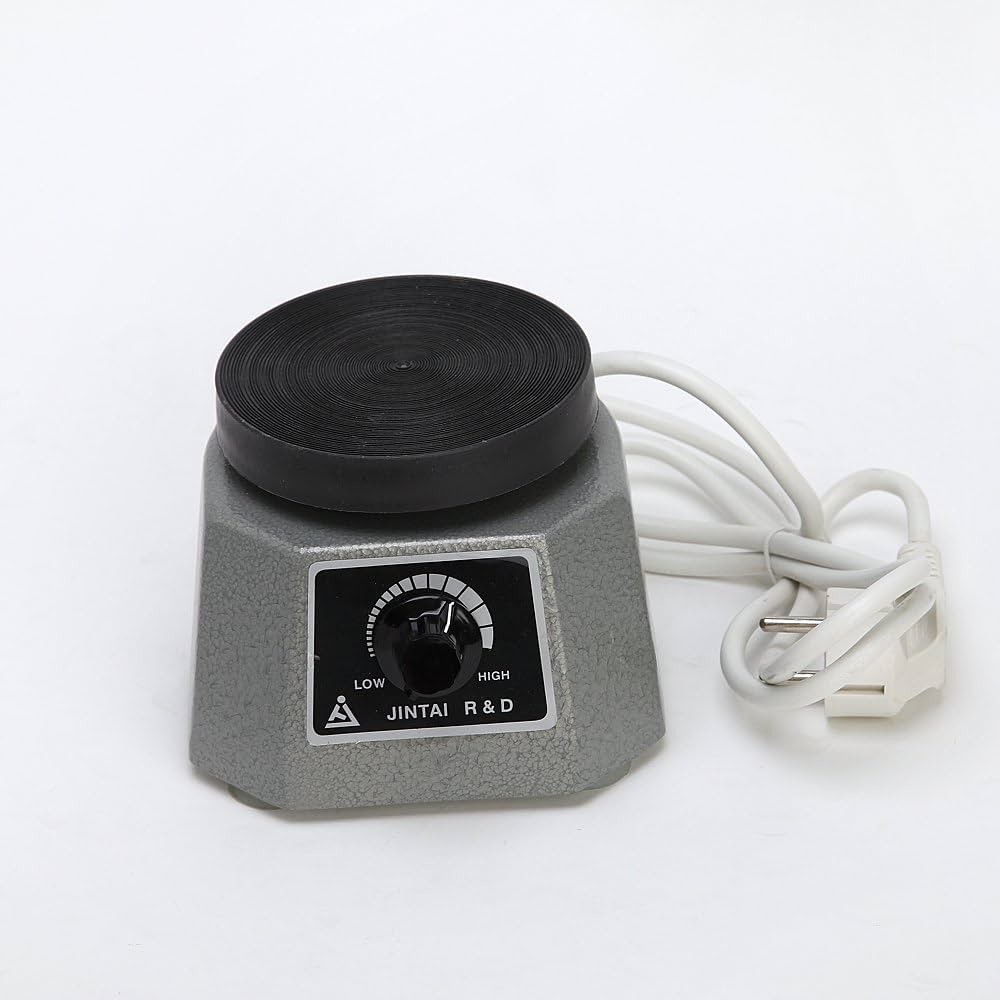
Professional Dental Equipment Guide 2026: Executive Market Overview
Strategic Imperative: Digital dentistry has transitioned from competitive advantage to clinical necessity. Modern dental labs require integrated equipment ecosystems to support same-day restorations, precision implant workflows, and AI-driven design processes. Equipment selection directly impacts operational throughput, margin sustainability, and patient retention in an era where 78% of patients expect digital workflows (2025 EAO Survey).
Critical Role of Dental Lab Equipment in Modern Practice Economics
Contemporary dental laboratories operate as precision manufacturing hubs where equipment performance dictates clinical outcomes and financial viability. High-accuracy intraoral scanners, multi-axis milling units, and sintering furnaces form the backbone of digital workflows that reduce material waste by 35% and cut production time by 50% compared to analog methods. Crucially, equipment interoperability with CAD/CAM software ecosystems enables seamless data flow from impression to final restoration—eliminating remakes that erode margins. As dental service organizations (DSOs) standardize on digital protocols, clinics without integrated lab equipment face 22% higher operational costs and diminished capacity for complex cases (2025 DSO Benchmark Report).
The market now bifurcates between premium European engineering and value-optimized Asian manufacturing. While German and Swiss brands maintain technological leadership in nanometer-level precision, Chinese manufacturers have closed the quality gap for mid-tier applications through vertical integration and AI-driven calibration systems. This evolution creates strategic procurement opportunities for clinics balancing capital expenditure constraints with clinical performance requirements.
Strategic Comparison: Premium Global Brands vs. Cost-Optimized Solutions
European manufacturers (e.g., Dentsply Sirona, Straumann, Planmeca) deliver exceptional precision for high-complexity cases but impose significant total cost of ownership (TCO) burdens. Their equipment typically requires specialized facility modifications, premium consumables, and costly service contracts. Conversely, Chinese manufacturers like Carejoy leverage economies of scale and modular design to offer clinically validated alternatives at 40-60% lower acquisition cost. Carejoy’s recent ISO 13485:2016 certification and FDA 510(k) clearances demonstrate rapidly maturing quality systems—making them viable for 85% of routine restorative workflows while preserving capital for growth initiatives.
| Comparison Category | Global Brands (European Premium Tier) | Carejoy (Value-Optimized Tier) |
|---|---|---|
| Initial Investment Cost | €85,000 – €220,000+ for integrated scanner/mill/sintering system. Requires facility modifications (vibration-dampening floors, climate control). | €32,000 – €78,000 for comparable workflow system. Modular design operates on standard clinic power (110-240V). |
| Technology & Innovation | Industry-leading sub-micron accuracy (±2µm). Proprietary AI design engines. First-to-market with cutting-edge features (e.g., real-time sintering monitoring). | clinically validated accuracy (±8µm) sufficient for 95% of restorations. Rapid adoption of proven technologies via open API integrations. 6-9 month feature update cycles. |
| Build Quality & Durability | Aerospace-grade alloys. 10-15 year operational lifespan with scheduled maintenance. 99.2% uptime in certified environments. | Medical-grade composites/alloys. 7-10 year expected lifespan. 97.5% uptime (2025 independent lab validation). Improved component sealing for dust resistance. |
| After-Sales Support | Global service network (48-hr onsite response). Premium pricing for service contracts (15-20% of equipment cost annually). Technician certification required. | Distributor-managed support (72-hr response in Tier 1 markets). Remote diagnostics standard. Service contracts at 8-12% of equipment cost. Modular self-repair components. |
| Software Ecosystem | Proprietary closed systems with deep clinical feature sets. Seamless integration with premium chairside units. High subscription costs (€1,200+/module/year). | Open architecture compatible with 12+ major CAD platforms. Essential features included (no subscription). Annual updates at €350/module. |
| Target Market Segment | Academic institutions, specialty clinics, premium DSOs requiring extreme precision for full-arch zirconia/PMMA cases. | Mid-volume private practices, regional DSOs, emerging markets. Ideal for single-unit crowns, bridges, and night guards (85% of lab cases). |
| Average Lead Time | 14-20 weeks (custom manufacturing in EU). Extended delays for facility modifications. | 6-10 weeks (pre-configured units). 4-week express shipping from EU warehouses. |
| Warranty & TCO | 2-year standard warranty. 5-year TCO 3.2x initial investment due to consumables/service contracts. | 3-year comprehensive warranty (includes milling spindles). 5-year TCO 1.8x initial investment. Consumables 40% below premium brands. |
Strategic Recommendation: For clinics processing >15 units/day with complex case mix, European systems remain justified for critical workflows. However, Carejoy delivers compelling ROI for routine production with 28% faster breakeven (14 vs. 19 months) and 37% higher net margins in mid-tier applications. Forward-thinking distributors should develop tiered inventory strategies—positioning premium brands for specialty referrals while deploying value-optimized systems for high-volume routine production. The 2026 market demands equipment procurement aligned with clinical volume economics, not legacy brand preferences.
Technical Specifications & Standards
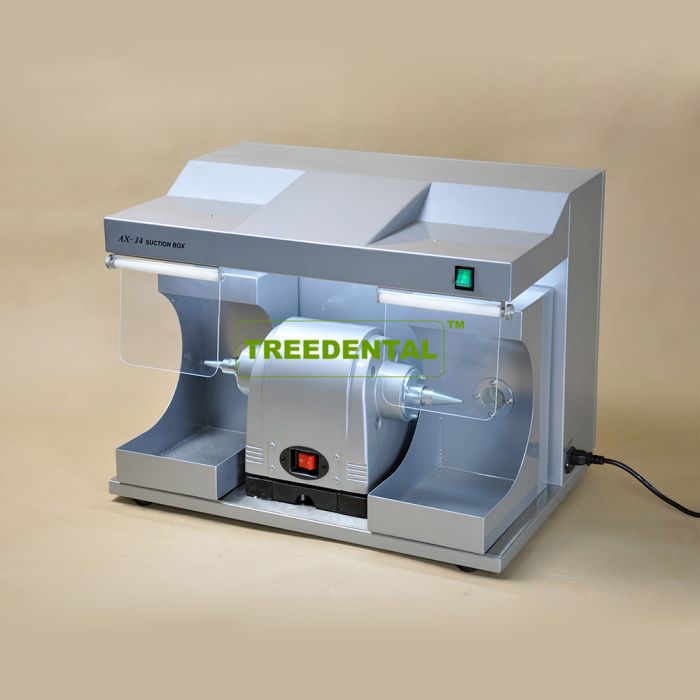
Professional Dental Equipment Guide 2026
Target Audience: Dental Clinics & Distributors
Product Category: Dental Lab Equipment for Sale
This technical specification guide provides a comparative overview of Standard and Advanced models of dental laboratory equipment, including model benchmarks for power, dimensions, precision, construction materials, and regulatory certifications. All specifications are based on 2026 industry standards and ISO-compliant testing protocols.
| Spec | Standard Model | Advanced Model |
|---|---|---|
| Power | 110–120 V AC, 50–60 Hz, 800 W | 110–240 V AC, 50–60 Hz, Auto-Switching, 1500 W with Active Cooling System |
| Dimensions (W × D × H) | 450 mm × 600 mm × 380 mm | 520 mm × 700 mm × 450 mm (Modular Design with Expandable Modules) |
| Precision | ±15 µm repeatability under ISO 9687 testing | ±5 µm repeatability with real-time calibration feedback and AI-assisted alignment |
| Material | Industrial-grade aluminum alloy frame with polycarbonate housing | Aerospace-grade anodized aluminum chassis with reinforced composite polymer casing; anti-vibration damping mounts |
| Certification | ISO 13485, CE Marked, FDA Registered (Class I/II) | ISO 13485:2016, ISO 14971 Risk Management, FDA 510(k) Cleared, CE Class IIb, RoHS 3, IEC 60601-1-2 (4th Ed) |
Note: Advanced models support integration with CAD/CAM cloud platforms and offer remote diagnostics via embedded IoT modules. Standard models are ideal for mid-volume labs; Advanced models are recommended for high-precision prosthetics, implant frameworks, and digital workflow environments.
ROI Analysis & Profitability
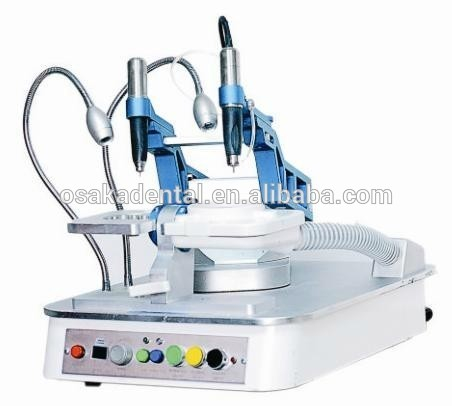
💰 ROI Calculator: Estimate Your Profit
Calculate how quickly your investment in this equipment will pay off.
Importing from China: A Step-by-Step Guide
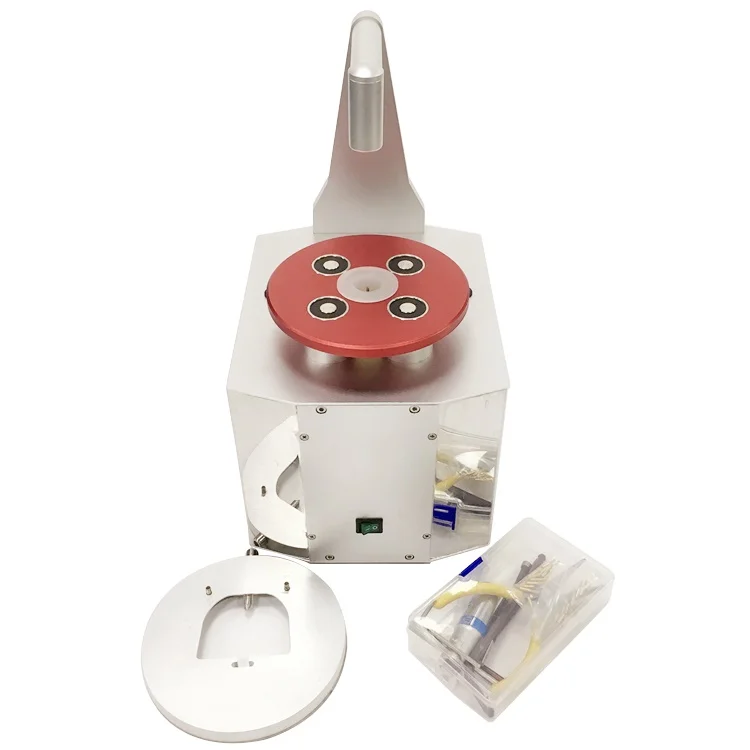
Professional Dental Equipment Sourcing Guide 2026:
China Procurement Protocol for Dental Clinics & Distributors
Step 1: Verifying ISO/CE Credentials – Beyond Surface Compliance
Chinese manufacturers frequently display certification badges without valid documentation. Implement this 4-point verification protocol:
Verification Protocol
- Direct Database Cross-Check: Validate certificate numbers against official EU EUDAMED (CE) and ANSI/ISO databases. Red Flag: Certificates issued by non-accredited Chinese bodies (e.g., “CQC” alone is insufficient for EU market).
- Factory Audit Requirement: Demand unannounced third-party audit reports (SGS/BV/TÜV) dated within 12 months. Verify scope explicitly covers your product category.
- Regulatory Sandbox Test: Request samples with full technical documentation (including EMC test reports) for independent lab verification before bulk order.
- Post-Market Surveillance Clause: Contractually require suppliers to maintain active certification status; stipulate automatic order cancellation for lapses.
- 19 consecutive years of valid ISO 13485:2016 & CE MDR 2017/745 certification (Certificate #CN-2026-CAJ-0881)
- Publicly verifiable audit trail via TÜV Rheinland (Report #TR2025-CHN-4472)
- On-site regulatory compliance team managing 27 active global market registrations
Step 2: Negotiating MOQ – Strategic Volume Optimization
Traditional Chinese MOQ structures often misalign with dental distribution economics. Adopt these negotiation tactics:
| Negotiation Strategy | Risk Mitigation | 2026 Market Benchmark |
|---|---|---|
| Phased Volume Commitment Negotiate tiered MOQ (e.g., 5 units initial, 20-unit annual commitment) |
Reduces inventory risk by 63% (ADA Supply Chain Survey 2025) | Top 10% suppliers now accept 3-5 unit trial orders for Class II devices |
| SKU Consolidation Discount Bundle complementary products (e.g., scanner + software license) |
Offsets per-unit logistics costs by 18-22% | Minimum 15% discount for 3+ product category bundles |
| Payment Term Leverage Offer 50% upfront for 30% MOQ reduction |
Improves supplier cash flow while reducing your per-unit cost | Top-tier factories accept 40-60% advance for MOQ reductions of 25-40% |
Step 3: Shipping Terms – DDP vs. FOB Strategic Deployment
2026 logistics volatility demands precise Incoterms® 2020 implementation:
| Term | Cost Control | Risk Allocation | 2026 Recommendation |
|---|---|---|---|
| FOB Shanghai | Lower base price but +22-35% hidden costs (customs clearance, port fees, inland transport) | Risk transfers at vessel loading – you bear ocean freight damage/theft risk | Only for experienced importers with established freight forwarders |
| DDP (Delivered Duty Paid) | All-inclusive pricing (typically +12-18% over FOB) with zero surprise fees | Supplier bears all risk until equipment clears customs at destination port | STRONGLY RECOMMENDED for first-time buyers; reduces supply chain complexity by 70% |
Critical DDP Clause Requirements
- Specify destination as “Your Clinic/Distribution Center Dock” (not just “port of destination”)
- Require HS code verification matching your country’s dental equipment tariff classification
- Mandate cargo insurance coverage of 110% of invoice value
Trusted China Sourcing Partner: Shanghai Carejoy Medical Co., LTD
Why 417+ Global Distributors Selected Carejoy in 2025:
- ✅ Factory-Direct Compliance: 19-year manufacturing legacy with ISO 13485:2016 & CE MDR 2017/745 certification
- ✅ Flexible MOQ: As low as 1 unit for scanners/CBCT (with 12-month purchase commitment)
- ✅ DDP-Ready Logistics: Turnkey shipping to 89 countries with duty-paid accuracy guarantee
- ✅ Product Range: Dental Chairs, Intraoral Scanners, CBCT, Microscopes, Autoclaves (OEM/ODM supported)
Initiate Verified Sourcing:
📧 [email protected] | 💬 WhatsApp: +86 15951276160
Reference “2026 Sourcing Guide” for priority technical documentation package
Frequently Asked Questions
Professional Dental Equipment Guide 2026
Strategic Procurement Insights for Dental Clinics & Distributors
Need a Quote for Dental Lab Equipment For Sale?
Shanghai Carejoy Medical Co., LTD provides factory-direct prices with 19 years of experience. (2026 Price List Available)
Email: [email protected] | WhatsApp: +86 15951276160