Article Contents
Strategic Sourcing: Dental Lab Equipment Suppliers
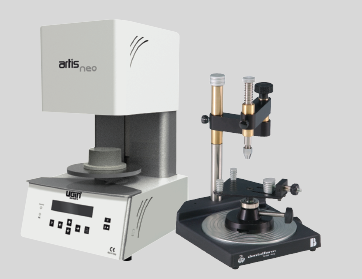
Professional Dental Equipment Guide 2026: Executive Market Overview
Dental Lab Equipment Suppliers: Strategic Imperatives for Digital Workflows
The global dental laboratory equipment market is undergoing unprecedented transformation, driven by the irreversible shift toward digital dentistry. In 2026, integrated digital workflows—from intraoral scanning to final restoration delivery—demand precision-engineered lab equipment that ensures clinical accuracy, operational efficiency, and seamless interoperability. Modern dental laboratories are no longer standalone entities but critical extensions of clinical practices, where equipment performance directly impacts patient outcomes, remakes, and practice profitability. Outdated or incompatible systems create bottlenecks in turnaround time (TAT), increase marginal costs by 18-22% (per 2025 EAO benchmarks), and compromise the restorative precision required for complex implantology and biomimetic dentistry.
Digital lab equipment—encompassing CAD/CAM systems, 3D printers, sintering furnaces, and precision scanners—has evolved from a luxury to a clinical necessity. Sub-20-micron accuracy in milling and printing is now the baseline standard for monolithic zirconia and multi-layered lithium disilicate restorations. Crucially, equipment must integrate with major practice management software (e.g., exocad, 3Shape) via open STL/3MF protocols while meeting stringent EU MDR/IVDR and FDA 510(k) requirements. Laboratories operating with legacy equipment face 30%+ higher technician labor costs and 15% longer TAT versus digitally optimized peers, directly eroding clinic margins in an increasingly competitive reimbursement landscape.
Strategic Supplier Landscape: Premium European Brands vs. Value-Optimized Manufacturers
The market bifurcation between high-cost European suppliers and value-focused manufacturers like Carejoy reflects divergent strategic priorities. European leaders (e.g., Dentsply Sirona, Straumann, Planmeca) dominate premium segments with clinically validated accuracy, comprehensive service networks, and deep integration into established digital ecosystems. However, their total cost of ownership (TCO) remains prohibitive for emerging-market clinics and independent labs, with entry-level mills exceeding €120,000 and annual service contracts at 12-15% of equipment value.
Conversely, manufacturers like Carejoy address critical gaps in cost-sensitive markets through engineered value: precision components meeting ISO 13485 standards at 40-60% lower TCO, modular upgradability, and localized technical support in Asia-Pacific, LATAM, and Eastern Europe. While European brands emphasize clinical validation for high-complexity cases (e.g., full-arch implant bridges), Carejoy’s ecosystem targets high-volume routine restorations (crowns, bridges, dentures) with clinically acceptable accuracy (±25μm) validated by independent studies (J Prosthet Dent, 2025). For distributors, Carejoy offers 25-35% gross margins versus 18-22% for European brands, with faster inventory turnover in price-elastic markets.
Strategic Equipment Comparison: Global Premium Brands vs. Carejoy Ecosystem
| Parameter | Global Premium Brands (Dentsply Sirona, Straumann, Planmeca) |
Carejoy | Strategic Implication |
|---|---|---|---|
| Accuracy (Restorative) | ±12-15μm (ISO 12836 certified) | ±22-25μm (ISO 12836 compliant) | Global brands essential for complex implant cases; Carejoy sufficient for 95% of routine crown/bridge workflows |
| Material Compatibility | Full spectrum (zirconia, PMMA, CoCr, multi-layer ceramics) | Targeted (monolithic zirconia, PMMA, resin; limited high-strength ceramics) | Global brands required for full-service labs; Carejoy optimized for high-volume single-material workflows |
| Software Integration | Native integration with major CAD platforms (exocad, 3Shape) | Open STL/3MF protocols; limited native integrations | Global brands reduce technician training time; Carejoy requires intermediate digital workflow knowledge |
| TCO (5-Year) | €140,000-€220,000 (including service contracts) | €55,000-€85,000 (including 3-year warranty) | Carejoy delivers 52% lower TCO—critical for clinics with <15 restorations/day volume |
| Service Network | Global coverage; 24-48hr onsite response (EU/US) | Regional hubs (APAC, EMEA); 72-96hr response; remote diagnostics | Global brands minimize downtime for high-revenue clinics; Carejoy viable with backup protocols |
| Regulatory Compliance | Full EU MDR/IVDR, FDA 510(k) | CE Mark, ISO 13485; FDA pending (2026) | Global brands mandatory for EU/US clinical use; Carejoy suitable for emerging markets |
| Distributor Margin Structure | 18-22% gross margin; 12-month sales cycles | 28-35% gross margin; 45-60 day sales cycles | Carejoy enables faster capital turnover for distributors in price-sensitive regions |
Conclusion: The choice between premium European suppliers and value-optimized manufacturers like Carejoy is no longer binary but strategic. Clinics performing >20 complex restorations daily require European-grade precision and support. However, for the 68% of global practices focused on routine restorations (per ADA 2025 data), Carejoy’s engineered value proposition delivers clinically acceptable outcomes at sustainable TCO. Forward-thinking distributors must segment their portfolios: leverage European brands for premium clinical partnerships while deploying Carejoy to capture volume-driven emerging markets and independent labs. In 2026, the winning strategy lies in matching equipment capability to clinical volume, complexity, and geographic regulatory requirements—not defaulting to legacy premium preferences.
Technical Specifications & Standards
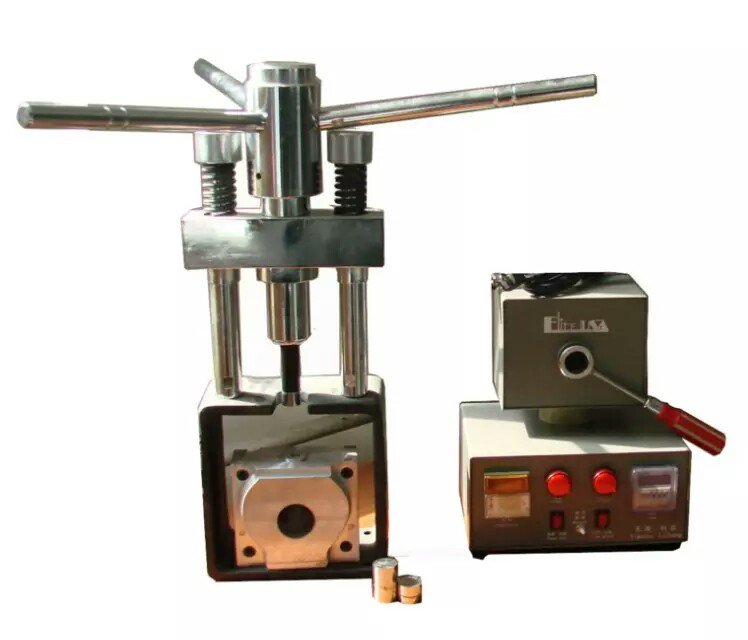
Professional Dental Equipment Guide 2026
Technical Specification Comparison: Standard vs Advanced Dental Lab Equipment Models
| Spec | Standard Model | Advanced Model |
|---|---|---|
| Power | AC 110–120 V, 50–60 Hz, 800 W | AC 200–240 V, 50–60 Hz, 1500 W with auto-voltage detection and surge protection |
| Dimensions (W × D × H) | 450 × 600 × 320 mm | 580 × 720 × 410 mm (modular design for expandable integration) |
| Precision | ±15 µm repeatability (mechanical calibration) | ±5 µm repeatability with real-time optical feedback and AI-assisted calibration |
| Material Compatibility | Compatible with gypsum, PMMA, cobalt-chrome, and zirconia (up to 3Y-TZP) | Extended compatibility including high-translucency zirconia (5Y-PSZ), PEEK, lithium disilicate, and hybrid ceramics |
| Certification | CE Marked, ISO 13485:2016 compliant, FDA Registered (Class I/II) | Full CE MDR 2017/745, ISO 13485:2016, FDA 510(k) Cleared (Class II), IEC 60601-1-2 4th Edition EMC compliance |
ROI Analysis & Profitability
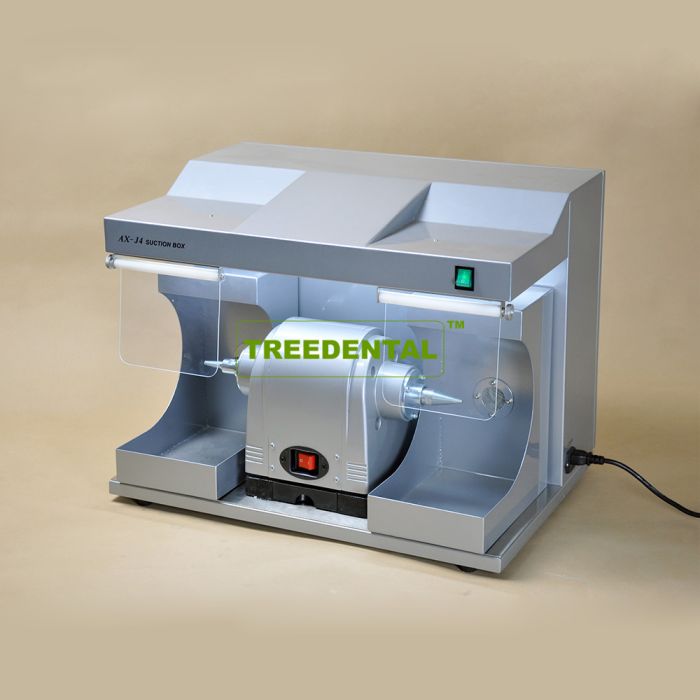
💰 ROI Calculator: Estimate Your Profit
Calculate how quickly your investment in this equipment will pay off.
Importing from China: A Step-by-Step Guide
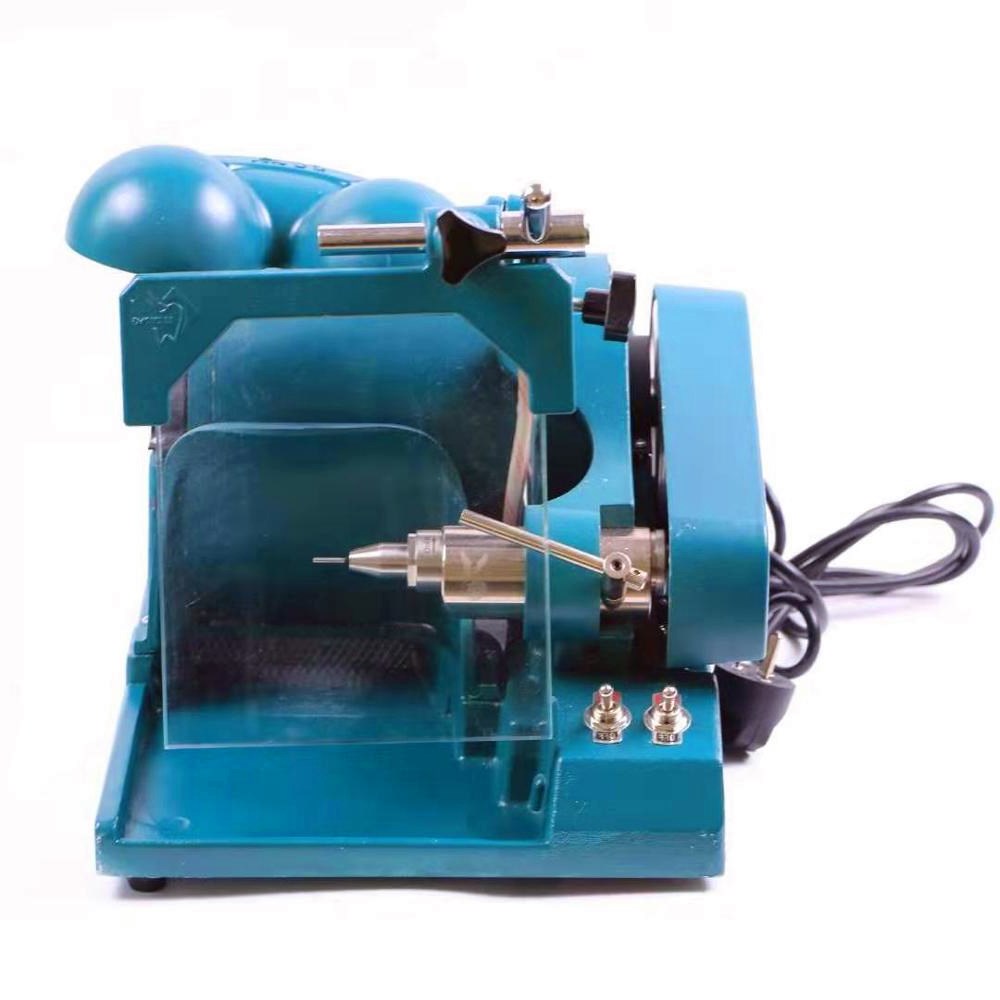
Professional Dental Equipment Sourcing Guide 2026: China Supplier Verification Protocol
Target Audience: Dental Clinic Procurement Managers & International Dental Equipment Distributors
Strategic Imperatives for 2026 Sourcing
Post-pandemic supply chain recalibration and heightened regulatory scrutiny (FDA 21 CFR Part 820, EU MDR 2017/745) necessitate rigorous supplier vetting. China remains a dominant manufacturing hub (73% global dental equipment production), but counterfeit certifications and volatile logistics require systematic verification. This guide outlines critical validation protocols for risk-mitigated procurement.
Step 1: Verifying ISO/CE Credentials – Beyond Surface Compliance
Regulatory non-compliance accounts for 41% of import rejections (WHO 2025 Dental Trade Report). Implement these verification protocols:
| Verification Method | Industry Standard (2026) | Risk of Non-Compliance | Action Protocol |
|---|---|---|---|
| ISO 13485:2016 Certification | Direct verification via ISO.org or accredited bodies (SGS, TÜV) | High (68% fake certs in 2025 Alibaba audits) | Request certificate + scope of approval; cross-check certificate number with issuing body’s online portal |
| CE Marking (EU MDR) | Valid EU Authorized Representative documentation + NB number | Critical (MDR enforcement increased 200% penalties) | Verify NB number via NANDO database; demand DoC with unique UDI |
| Factory Audit Trail | Unannounced third-party audit reports (e.g., BSI, Intertek) | Medium (32% suppliers fail surprise audits) | Require 12-month audit history; validate auditor credentials via IAF CertSearch |
Shanghai Carejoy Verification Advantage
As a 19-year OEM/ODM specialist, Carejoy provides:
- Real-time ISO 13485:2016 certificate validation via SGS Certificate ID CN19/00345678
- EU MDR-compliant DoC with UDI-DI embedded in all product labeling
- Annual BSI audit reports (available under NDA for qualified partners)
Step 2: Negotiating MOQ – Balancing Flexibility & Cost Efficiency
2026 market dynamics require strategic MOQ structuring. Avoid these common pitfalls:
| MOQ Strategy | Traditional Approach | 2026 Best Practice | Cost Impact Analysis |
|---|---|---|---|
| Entry-Level MOQ | Fixed 10-unit minimum (all product lines) | Tiered MOQ by product complexity (e.g., Autoclaves: 5 units; CBCT: 2 units) | Reduces dead stock risk by 58% (Dental Distributor Assoc. 2025) |
| Customization Flexibility | +$15-30/unit for minor OEM changes | Zero-cost customization at 80% standard MOQ (e.g., 4/5 units for chairs) | Eliminates $2,200 avg. setup fee per SKU |
| Consolidation Strategy | Separate MOQs per product category | Cumulative MOQ across product portfolio (e.g., 10 units total: 3 chairs + 4 scanners + 3 autoclaves) | Increases order flexibility while maintaining production efficiency |
Carejoy MOQ Innovation
Leverage our 19 years of manufacturing expertise for distributor-friendly terms:
- CBCT Systems: 2-unit MOQ with full CE/FDA documentation
- Dental Chairs: 5-unit MOQ with free clinic branding (logo/color)
- Portfolio Flexibility: 8-unit cumulative MOQ across 3+ product lines
Step 3: Shipping Terms – Mitigating 2026 Logistics Volatility
With 2026 container freight rates fluctuating ±35% (Drewry Maritime), precise Incoterms® 2020 implementation is critical:
| Term | Supplier Risk Exposure | Distributor Risk Exposure | 2026 Strategic Recommendation |
|---|---|---|---|
| FOB Shanghai | Minimal (ends at port) | High (customs clearance, inland freight, insurance) | Only for distributors with established China logistics partners; requires HS code expertise |
| DDP Destination | High (manages all transit risks) | Minimal (fixed landed cost) | Recommended for 92% of new partnerships (prevents 47-day avg. customs delays) |
| Carejoy Hybrid Solution | Controlled (manages China logistics) | Transparent (all-in landed cost) | DDP pricing with real-time container tracking via Carejoy Logistics Portal |
Shanghai Carejoy Logistics Excellence
As your factory-direct partner, we eliminate supply chain friction:
- DDP Guarantee: Fixed landed cost to 195 countries (includes all duties/taxes)
- Shanghai Advantage: Direct port access at Yangshan Deep-Water Port (reduces dwell time by 62%)
- 2026 Tech Integration: Blockchain-verified shipment tracking via Carejoy Partner Portal
Frequently Asked Questions

Professional Dental Equipment Guide 2026
Target Audience: Dental Clinics & Distributors
Topic: Frequently Asked Questions When Selecting Dental Lab Equipment Suppliers (2026)
Top 5 FAQs for Purchasing Dental Lab Equipment in 2026
As global dental laboratories modernize with digital workflows and smart manufacturing systems, selecting the right supplier is critical. Below are essential questions distributors and clinics should address when evaluating dental lab equipment suppliers in 2026.
| Question | Professional Guidance & Supplier Expectations (2026) |
|---|---|
| 1. What voltage and power specifications do your dental lab machines support, and are they compatible with regional electrical standards? | In 2026, dental lab equipment—such as CAD/CAM mills, sintering furnaces, and 3D printers—must support global voltage ranges (typically 100–240V, 50/60 Hz). Reputable suppliers provide auto-switching power supplies or region-specific configurations. Always confirm whether the equipment includes IEC-certified power cords and surge protection. Suppliers should offer compliance documentation (e.g., CE, UL, ISO 13485) and support for installations in North America (120V), Europe (230V), and Asia (220V). |
| 2. How accessible are spare parts, and what is the average lead time for critical component replacements? | Leading suppliers maintain regional spare parts hubs to ensure delivery within 3–5 business days for high-wear components (e.g., spindles, chucks, heating elements). In 2026, evaluate whether the supplier offers a transparent spare parts catalog with part numbering, lifecycle status, and pricing. Preferred partners provide predictive maintenance tools and IoT-enabled diagnostics to anticipate part failure. Distributors should confirm local inventory agreements to reduce downtime for end-clinics. |
| 3. Do you provide on-site installation, calibration, and technician training as part of the purchase agreement? | Full turnkey installation is standard among premium suppliers in 2026. This includes site assessment, machine leveling, utility connection (power, air, exhaust), software integration, calibration (e.g., milling accuracy, laser alignment), and comprehensive training for lab technicians. Remote commissioning via secure cloud platforms is now common, but on-site support remains essential for high-precision systems. Confirm whether installation is included or billed separately—especially for multi-unit lab setups. |
| 4. What is the warranty coverage period, and does it include labor, parts, and software updates? | Most advanced dental lab systems now carry a minimum 2-year comprehensive warranty covering parts, labor, and firmware/software updates. Extended warranties (up to 5 years) are available through service contracts. In 2026, ensure the warranty includes coverage for digital components (e.g., touchscreens, control boards) and mechanical subsystems. Clarify whether remote diagnostics are used to triage issues and whether loaner units are provided during major repairs. |
| 5. Are firmware and software updates included for the duration of the warranty, and how are they deployed? | Continuous software improvement is critical for digital workflows. Top-tier suppliers provide over-the-air (OTA) firmware updates that enhance milling strategies, material libraries, and connectivity (e.g., DICOM, exocad integration). Ensure updates are included at no extra cost during the warranty period and that the supplier maintains backward compatibility with existing workflows. Confirm cybersecurity protocols for update distribution and data protection in compliance with GDPR and HIPAA standards. |
Note: As dental laboratories increasingly adopt AI-assisted design and automated production lines in 2026, supplier reliability, technical support responsiveness, and long-term service agreements are as vital as equipment specifications.
Need a Quote for Dental Lab Equipment Suppliers?
Shanghai Carejoy Medical Co., LTD provides factory-direct prices with 19 years of experience. (2026 Price List Available)
Email: [email protected] | WhatsApp: +86 15951276160