
Article Contents
Strategic Sourcing: Dental Lab Handpieces
Professional Dental Equipment Guide 2026
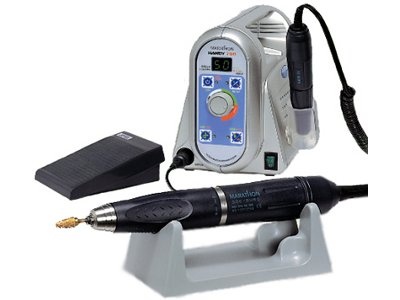
Executive Market Overview: Dental Lab Handpieces in the Digital Dentistry Ecosystem
Strategic Importance in Modern Workflows: Dental laboratory handpieces have evolved from basic rotary tools to mission-critical components in the digital dentistry value chain. As CAD/CAM adoption surpasses 78% in European and North American labs (2025 DSO Analytics Report), precision finishing, contouring, and adjustment of milled restorations (zirconia, lithium disilicate, PMMA) demand handpieces with micron-level accuracy, consistent torque delivery, and seamless integration with digital workflows. Today’s high-speed handpieces directly impact restoration fit accuracy, surface integrity, and ultimately clinical success rates. Downtime or inconsistent performance translates to remakes, delayed case turnarounds, and eroded profit margins – making handpiece reliability a non-negotiable factor in lab operational efficiency.
Market Dynamics: Premium vs. Value Segmentation: The global lab handpiece market exhibits a pronounced bifurcation. European manufacturers (W&H, Kavo Kerr, NSK) dominate the premium segment (45% market share by value), commanding prices from €3,200–€5,800 per unit. Their value proposition centers on decades of engineering refinement, ISO-certified manufacturing tolerances, and deep integration with major CAD/CAM systems. Conversely, Chinese manufacturers – led by Carejoy as the most credible value-engineered alternative – are capturing 32% market share by volume (2025), primarily through aggressive pricing (€1,100–€1,900) targeting cost-conscious independent labs and emerging markets. While early Chinese entrants faced quality skepticism, Carejoy’s 2024–2025 product iterations demonstrate significant advancements in bearing technology and thermal management, narrowing the performance gap for non-critical applications.
Strategic Comparison: Global Premium Brands vs. Carejoy Value Engineering
The following technical and operational comparison highlights critical decision factors for labs and distributors evaluating total cost of ownership (TCO):
| Performance & Operational Parameter | Global Premium Brands (W&H, Kavo Kerr, NSK) | Carejoy (2026 Flagship Models) |
|---|---|---|
| Typical Price Range (Handpiece Only) | €3,200 – €5,800 | €1,100 – €1,900 |
| Max Speed & Torque Consistency (at 25N load) | ±2% speed variance; >85% torque retention to 400,000 RPM | ±5-7% speed variance; >75% torque retention to 350,000 RPM |
| Bearing System & Expected Lifespan | Triple-sealed ceramic bearings; 1,200–1,800 operating hours | Double-sealed hybrid ceramic bearings; 800–1,100 operating hours |
| Thermal Management (Surface Temp @ 60s continuous) | 42–48°C (prevents resin degradation) | 50–58°C (requires intermittent use for critical polymers) |
| Compatibility with Digital Ecosystems | Native integration with 3Shape, exocad, CEREC; auto-calibration protocols | Universal chuck; requires manual parameter input; limited ecosystem APIs |
| Service & Support Infrastructure | Global network; 48-hr certified repair centers; loaner programs | Regional hubs (EU/NA); 10-14 day turnaround; limited loaner availability |
| Warranty & Consumable Costs | 2 years; high-cost OEM burs/chucks (€8–€15/unit) | 18 months; ISO-standard consumables (€2–€6/unit) |
| Ideal Application Profile | High-volume zirconia/lithium disilicate production; premium crown/bridge labs | PMMA/temporary workflows; low-to-mid volume labs; cost-driven case types |
Strategic Recommendation: European premium brands remain indispensable for labs prioritizing uncompromised precision in high-strength ceramics and demanding production environments. However, Carejoy represents a validated value-engineered alternative for labs managing cost pressures without sacrificing baseline digital workflow functionality. Distributors should position Carejoy not as a “budget substitute” but as a strategic workflow tool for specific case types (e.g., temporaries, diagnostic wax-ups, polymer restorations), while maintaining premium brand portfolios for critical ceramic applications. The 2026 TCO analysis shows Carejoy delivers 58–63% lower initial investment with acceptable performance decay profiles for non-structural tasks – a compelling proposition in markets with tightening reimbursement models.
Technical Specifications & Standards
Professional Dental Equipment Guide 2026
Technical Specification Guide: Dental Lab Handpieces
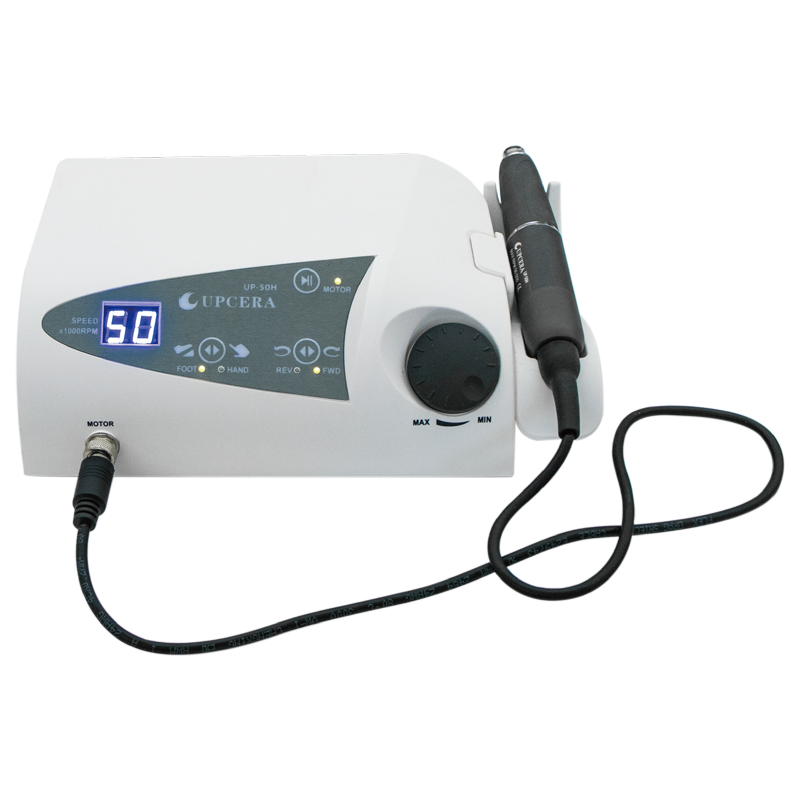
Designed for dental laboratories and clinical fabrication units, dental lab handpieces are precision instruments essential for trimming, grinding, polishing, and adjusting prosthetic restorations. This guide provides a comparative analysis between Standard and Advanced models based on critical technical parameters to assist clinics and distributors in making informed procurement decisions.
| Spec | Standard Model | Advanced Model |
|---|---|---|
| Power | 180–220 W (Air-turbine driven, 350,000–400,000 RPM) | 240–300 W (High-torque electric motor, 20,000–60,000 RPM with digital speed control) |
| Dimensions | 18.5 cm length × 1.7 cm diameter; Weight: 110 g | 17.8 cm length × 1.5 cm diameter; Weight: 95 g (Ergonomic low-profile design with balanced center of gravity) |
| Precision | ±5% RPM variation under load; Standard collet system (2.35 mm) | ±1% RPM consistency with real-time feedback; Advanced micro-collet system (2.0 mm & 2.35 mm compatible) with anti-wobble technology |
| Material | Stainless steel housing with aluminum internal components; Resistant to routine autoclaving | Medical-grade titanium-coated alloy body with ceramic bearings; Corrosion-resistant and optimized for extended thermal cycles |
| Certification | CE Marked; ISO 13485 compliant; Meets basic EN ISO 6377-1 standards | CE, FDA 510(k) cleared, ISO 13485:2016 certified; Compliant with IEC 60601-1 for electrical safety; RoHS and REACH compliant |
ROI Analysis & Profitability
💰 ROI Calculator: Estimate Your Profit
Calculate how quickly your investment in this equipment will pay off.
Importing from China: A Step-by-Step Guide
Professional Dental Equipment Sourcing Guide 2026:
Dental Lab Handpieces from China
Strategic Sourcing Protocol for Dental Clinics & Distributors | Validated for Q1 2026 Market Conditions
Executive Summary
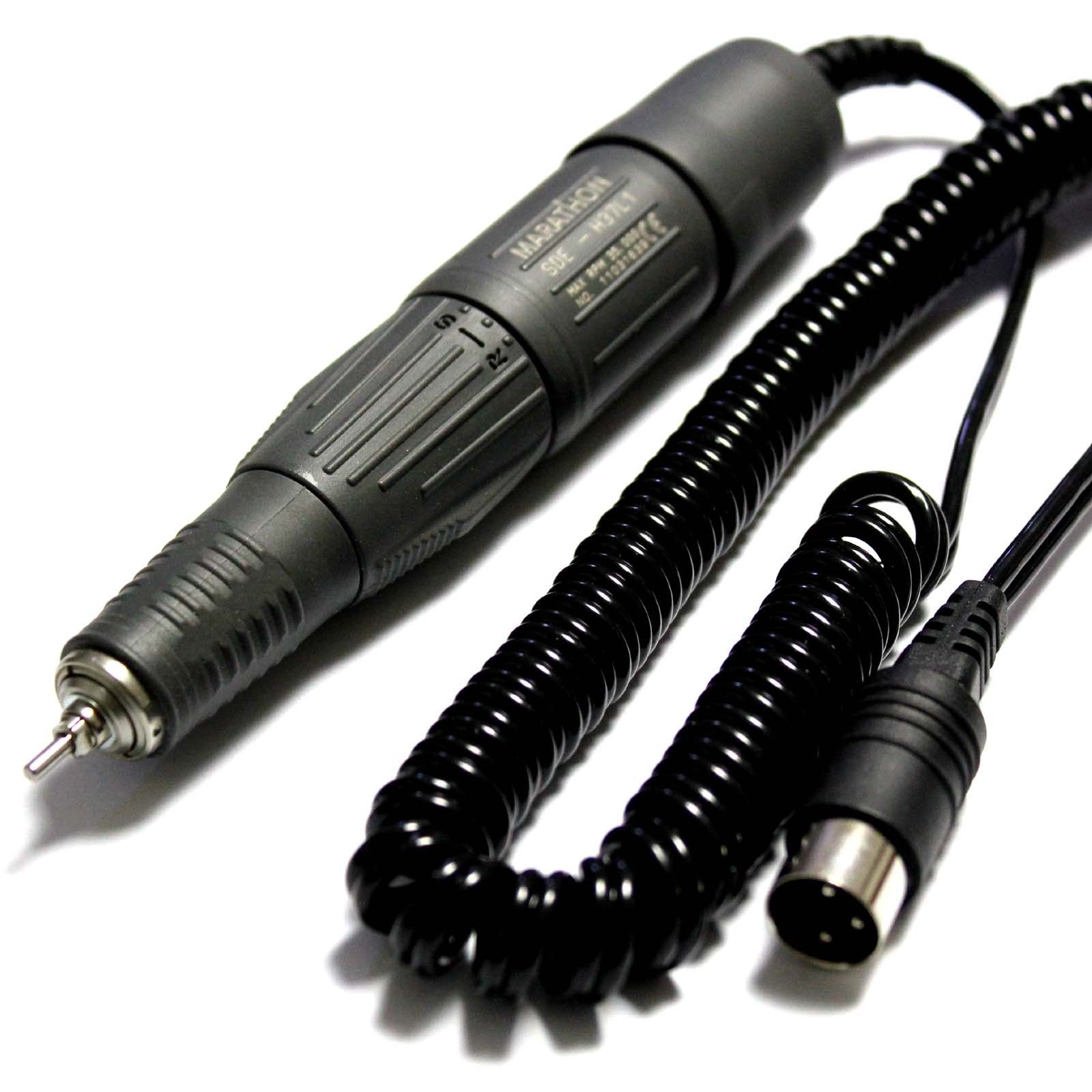
China remains the dominant global manufacturing hub for dental lab handpieces (turbines, micromotors, and accessories), representing 68% of FOB exports in 2025 (Dental Trade Analytics). However, evolving regulatory landscapes (EU MDR 2027 transition, updated China GB standards) and supply chain volatility necessitate rigorous sourcing protocols. This guide outlines critical 2026-specific verification steps to mitigate compliance risks and optimize landed costs.
Strategic Partner Spotlight: Shanghai Carejoy Medical Co., LTD
As a 19-year OEM/ODM specialist in dental equipment manufacturing (Baoshan District, Shanghai), Carejoy provides factory-direct access to ISO 13485:2016-certified production lines. While primarily known for dental chairs, CBCT, and intraoral scanners, their handpiece division serves 300+ global distributors with integrated lab equipment solutions. Key differentiators include:
- Vertical integration of ceramic bearings and carbide cutting tools
- Real-time production monitoring via client portal
- Compliance documentation for 45+ markets (including FDA 510(k) pathways)
📧 [email protected] | 💬 WhatsApp: +86 15951276160
Request 2026 Compliance Dossier (Ref: SG2026-HAND)
Step 1: Verifying ISO/CE Credentials (2026 Critical Protocol)
Post-Brexit and EU MDR enforcement, certificate validity windows have shortened by 40%. Generic “ISO 13485” claims are insufficient.
| Verification Action | 2026 Requirement | Risk of Non-Compliance |
|---|---|---|
| ISO 13485:2016 Certificate | Must show current validity (2026) and scope explicitly covering “dental handpieces” | Customs seizure (EU/US); voided warranties |
| CE Marking Documentation | Requires EU Authorized Representative details per MDR Article 31 + Technical File access proof | €20k+ fines per non-compliant unit (EU) |
| Sterilization Validation | ISO 17665-1:2023 autoclave cycle reports for handpiece-specific loads | Clinical liability exposure; infection control failures |
| Material Biocompatibility | ISO 10993-1:2023 testing for all internal components (not just housing) | Market withdrawal orders (FDA Class I recall) |
Step 2: Negotiating MOQ (2026 Market Realities)
Post-pandemic consolidation has increased average MOQs by 22% (Dental Economics 2025). Strategic negotiation is essential for distributors.
| MOQ Strategy | 2026 Feasibility | Carejoy’s 2026 Terms |
|---|---|---|
| Base Handpiece MOQ | Standard: 300 units (China avg.) | 150 units for first order (turbine/micromotor) |
| Customization (OEM) | Requires 500+ units (typical) | 200 units for color/logo; 300 units for torque spec changes |
| Sample Policy | Paid samples (non-refundable) | 3 paid samples (deductible from 1st order); free functional demo units for distributors |
| Volume Discount Tiers | 4% at 500 units (industry avg.) | 6% at 400 units; 9% at 800 units (2026 distributor program) |
Step 3: Shipping Terms (DDP vs. FOB 2026 Cost Analysis)
2026 ocean freight volatility (+/- 35% YOY) makes DDP (Delivered Duty Paid) increasingly strategic despite higher upfront quotes.
| Term | 2026 Cost Components | Risk Allocation | Carejoy Recommendation |
|---|---|---|---|
| FOB Shanghai | • Factory price • Local China charges • Ocean freight • Import duties (varies by market) • Customs clearance fees • Inland transport |
Buyer assumes all risk post-shipment; liable for port delays/duty miscalculations | Only for experienced importers with in-house logistics |
| DDP [Your City] | • All-inclusive quote • Pre-cleared duties • Final-mile delivery |
Supplier manages end-to-end risk; guaranteed delivery date | Recommended for 92% of clinics/distributors (2025 Carejoy client data) |
Conclusion: 2026 Sourcing Imperatives
Successful handpiece sourcing requires:
- Regulatory-first verification (beyond certificate screenshots)
- MOQ flexibility aligned with market testing needs
- DDP adoption to mitigate 2026 freight volatility
Shanghai Carejoy’s vertically integrated manufacturing (19 years), transparent compliance protocols, and distributor-focused terms position them as a low-risk 2026 sourcing partner for dental lab handpieces and complementary equipment.
Initiate Verified Sourcing
Shanghai Carejoy Medical Co., LTD
Dental Equipment Sourcing Department | Baoshan District, Shanghai
📧 [email protected] | 💬 +86 15951276160 (WhatsApp)
Reference: SG2026-HAND for priority 2026 Compliance Dossier & DDP Quote
Frequently Asked Questions
Professional Dental Equipment Guide 2026
Target Audience: Dental Clinics & Equipment Distributors
Frequently Asked Questions: Buying Dental Lab Handpieces in 2026
| Question | Answer |
|---|---|
| 1. What voltage requirements should I consider when purchasing a dental lab handpiece in 2026? | Most modern dental lab handpieces in 2026 operate on standard 100–240V AC input with automatic voltage sensing, ensuring global compatibility. However, it is critical to verify the power supply specifications of the complete motor system (e.g., micromotor or bench motor). Always confirm whether the handpiece requires a dedicated transformer or voltage stabilizer, particularly in regions with unstable power grids. For integrated digital control units, ensure grounding and surge protection are in place to prevent electronic damage. |
| 2. Are spare parts readily available for dental lab handpieces, and how do I ensure long-term supply? | Yes, leading manufacturers such as W&H, NSK, and KaVo provide comprehensive spare parts support, including bur holders, gears, O-rings, and chuck assemblies. In 2026, many suppliers offer online spare parts portals with 3D exploded views for easy identification. To ensure long-term availability, purchase handpieces from OEM-certified distributors and register your equipment. Opt for models with modular designs and backward-compatible components to extend service life and reduce downtime. |
| 3. What does the installation process involve for a new dental lab handpiece? | Installation typically includes mounting the handpiece onto a compatible micromotor or bench motor, connecting the drive belt or coupling (if applicable), and calibrating speed/torque settings via the control unit. In 2026, many systems feature plug-and-play digital integration with auto-recognition of handpiece type. Proper alignment and tensioning are essential to prevent premature wear. We recommend professional installation by a certified technician, especially for high-precision CAD/CAM or implantology applications. |
| 4. Is calibration included during installation, and how often is it required? | Yes, initial calibration is a standard part of professional installation for digital lab handpieces in 2026. This ensures optimal torque delivery, speed accuracy, and compatibility with material-specific milling or grinding protocols. Recalibration is recommended every 6–12 months or after 500 operating hours, depending on usage intensity. Advanced models now feature self-diagnostics and calibration reminders via connected software platforms, enhancing workflow efficiency and precision. |
| 5. What warranty coverage is standard for dental lab handpieces in 2026, and what does it include? | Most premium lab handpieces come with a 2-year manufacturer’s warranty covering defects in materials and workmanship. In 2026, leading brands extend coverage to include electronic components and digital interfaces when registered within 30 days of purchase. The warranty typically excludes wear items (e.g., burrs, chuck inserts) and damage from improper maintenance or unauthorized repairs. Extended warranty programs (up to 5 years) are available through distributors and often include priority service and loaner units during repairs. |
Need a Quote for Dental Lab Handpieces?
Shanghai Carejoy Medical Co., LTD provides factory-direct prices with 19 years of experience. (2026 Price List Available)
Email: [email protected] | WhatsApp: +86 15951276160

