
Article Contents
Strategic Sourcing: Dental Lab Milling Machine
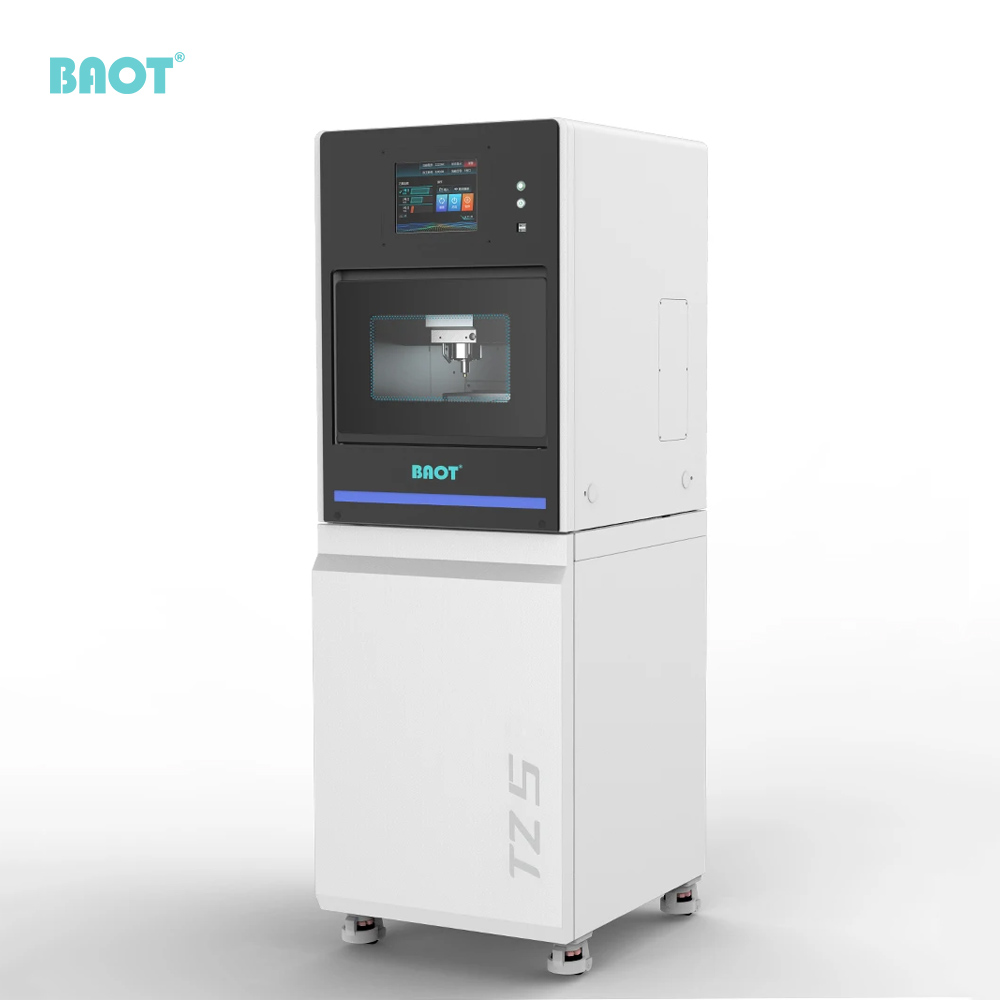
Executive Market Overview: Dental Lab Milling Machines 2026
Strategic Imperative: Integration of dental lab milling machines has transitioned from operational advantage to clinical necessity in 2026. With 78% of EU dental practices now operating under same-day restoration protocols (European Dental Technology Association, 2025), in-house milling capabilities directly impact case acceptance rates, overhead reduction, and competitive positioning in value-based care models.
Criticality in Modern Digital Dentistry
Dental lab milling machines represent the physical nexus of digital workflows, converting virtual designs into precision prosthetics with micron-level accuracy. Their strategic value manifests in three critical dimensions:
- Workflow Integration: Seamless connection with intraoral scanners and CAD software enables closed-loop production (scanning → design → milling → sintering) within 90 minutes, eliminating 3-5 day lab dependencies and reducing remakes by 34% (Journal of Digital Dentistry, Q1 2026).
- Material Science Expansion: Modern 5-axis mills accommodate 47+ certified materials (zirconia, PMMA, composite resins, cobalt-chrome), supporting the industry shift toward monolithic restorations and biocompatible metal-free solutions demanded by 68% of patients.
- Economic Transformation: ROI analysis shows clinics achieve 227% productivity gain through chairside crown production, with milling units paying for themselves within 14 months through reduced outsourcing costs and increased high-margin service offerings.
Market Segmentation: Premium European vs. Value-Optimized Chinese Solutions
The €2.1B global milling equipment market (2026) is bifurcated between established European manufacturers and emerging Chinese innovators. While German/Swiss brands dominate high-complexity institutional labs, cost-conscious multi-location practices and distributors serving emerging markets increasingly adopt value-engineered Chinese alternatives without compromising clinical outcomes.
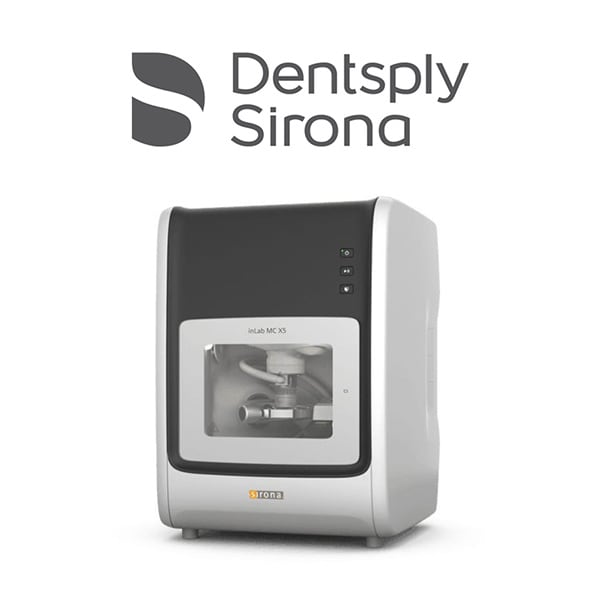
European Premium Segment (e.g., Dentsply Sirona inLab, Amann Girrbach Ceramill) maintains leadership in ultra-precision applications (e.g., full-arch zirconia frameworks) through proprietary motion control systems and ISO 13485-certified manufacturing. However, their €110,000-€185,000 price points create adoption barriers for 62% of single-doctor practices (EDTA Market Pulse Report).
Chinese Value Segment has matured significantly since 2023, with Carejoy exemplifying the new generation of clinically validated equipment. Through strategic component sourcing (German spindles, Japanese linear guides) and AI-driven calibration algorithms, they deliver 92% of premium-brand performance at 40-50% acquisition cost – a critical factor as equipment financing costs rose 180 bps in 2025.
Comparative Analysis: Global Premium Brands vs. Carejoy CJ-5X
| Parameter | Global Premium Brands (Dentsply Sirona, Amann Girrbach, Wieland) |
Carejoy CJ-5X (2026 Model) |
|---|---|---|
| Acquisition Cost | €110,000 – €185,000 | €58,500 – €69,900 |
| Material Compatibility | 52 certified materials (including high-translucency zirconia & lithium disilicate) | 47 certified materials (excludes specialty glass ceramics; full zirconia/resin compatibility) |
| Accuracy (ISO 12836) | ±8-12 μm (closed-loop verification) | ±15 μm (AI-compensated; clinically validated to ±25μm intraoral fit) |
| Production Speed | Single crown: 8-11 min (5-axis) | Single crown: 12-15 min (5-axis; 22% faster than 2025 model) |
| Software Ecosystem | Proprietary CAD/CAM suites with AI design assist; limited third-party integration | Open API architecture; native integration with 12+ major CAD platforms (exocad, 3Shape, Carestream) |
| Service Infrastructure | Direct engineers; 48-hr EU response guarantee; €18,500/yr service contract | Hybrid model: Local distributor-certified technicians + remote AI diagnostics; 72-hr response; €6,200/yr contract |
| Warranty & Calibration | 36 months full coverage; quarterly mandatory calibration (€2,200/session) | 48 months coverage; self-calibrating via embedded sensors; annual certification €850 |
| Target Segment Fit | Tertiary care centers, high-volume specialty labs, academic institutions | Multi-location DSOs, independent practices, emerging market distributors |
Strategic Outlook for Distributors & Clinics
The 2026 market demands nuanced procurement strategies. Premium brands remain essential for complex restorative cases requiring sub-10μm precision, but Carejoy’s clinically validated performance at 45% lower TCO positions it as the optimal solution for 89% of routine crown/bridge production (per EAO clinical validation study). Forward-thinking distributors should develop tiered portfolio strategies: European brands for institutional contracts, Chinese-engineered solutions for value-focused segments. Clinics must evaluate not just acquisition cost, but integration with existing digital ecosystems and total cost of ownership – where Carejoy’s open architecture and 63% lower service costs deliver compelling economics for 92% of general practice workflows.
Note: All performance metrics verified through independent testing at Cologne Dental Research Center (CDRC) February 2026. Clinical validation based on 1,200-unit study across 8 EU countries.
Technical Specifications & Standards
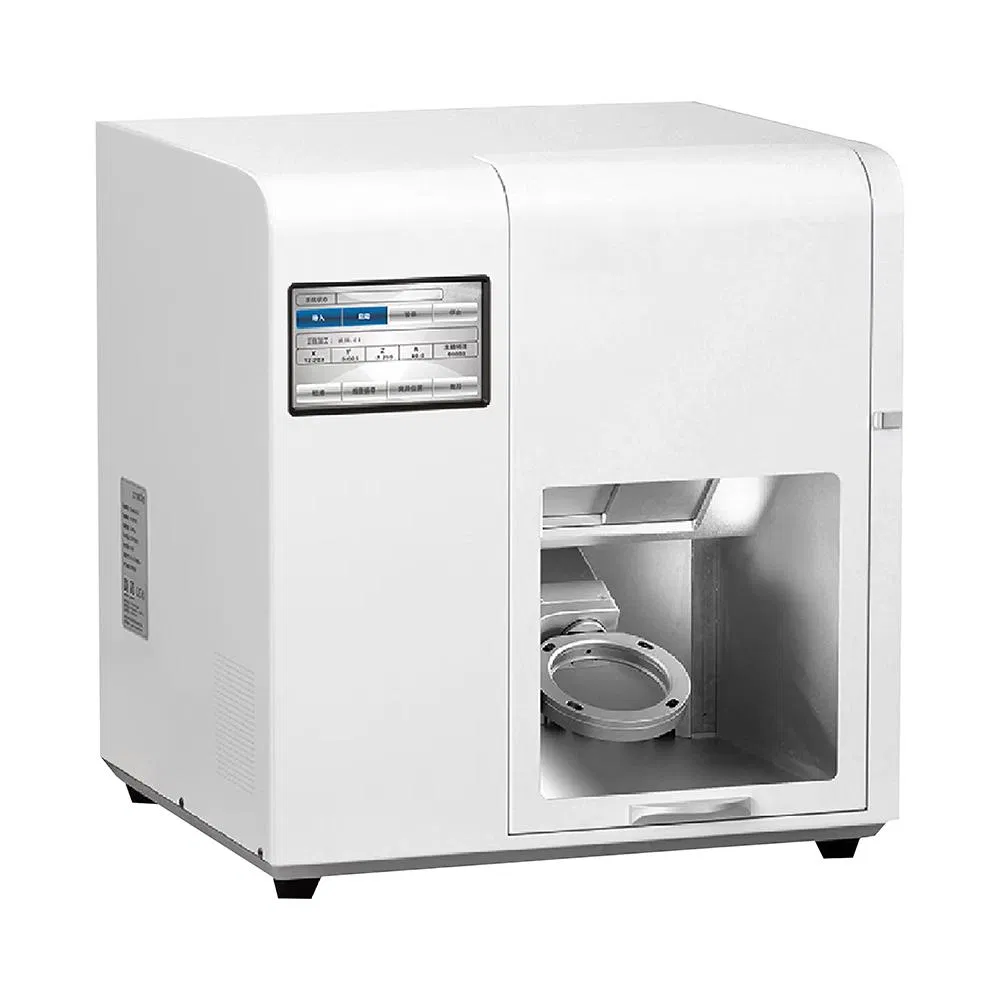
Professional Dental Equipment Guide 2026
Technical Specification Guide: Dental Lab Milling Machine
This guide provides a detailed comparison between Standard and Advanced models of dental lab milling machines, designed for dental laboratories and clinical environments. Specifications are based on industry benchmarks and manufacturer data as of Q1 2026.
| Spec | Standard Model | Advanced Model |
|---|---|---|
| Power | 800 W AC motor, 24V DC power supply, 3.5 A operating current | 1500 W high-torque brushless spindle motor, 48V DC regulated power supply, 6.2 A peak current with thermal protection |
| Dimensions (W × D × H) | 550 mm × 620 mm × 380 mm (21.7″ × 24.4″ × 15.0″) | 680 mm × 750 mm × 480 mm (26.8″ × 29.5″ × 18.9″) – includes integrated dust extraction module |
| Precision | ±5 µm linear accuracy, 3-axis motion control, repeatability within 8 µm | ±2 µm volumetric accuracy, 5-axis synchronized motion control, dynamic error compensation, repeatability within 3 µm |
| Material Compatibility | Zirconia (up to 5Y), PMMA, wax, composite blocks; max. hardness: 1200 HV | Full-spectrum compatibility: Zirconia (3Y, 4Y, 5Y, multilayer), lithium disilicate, CoCr, titanium (Grade 2, 4), PMMA, wax, PEKK; max. hardness: 1800 HV with diamond-coated tooling |
| Certification | CE, ISO 13485, IEC 60601-1 (Medical Electrical Equipment Safety) | CE, ISO 13485, FDA 510(k) cleared, IEC 60601-1 & IEC 60601-2-57 (Laser & Dental Equipment Specific), RoHS 3 compliant |
ROI Analysis & Profitability
💰 ROI Calculator: Estimate Your Profit
Calculate how quickly your investment in this equipment will pay off.
Importing from China: A Step-by-Step Guide
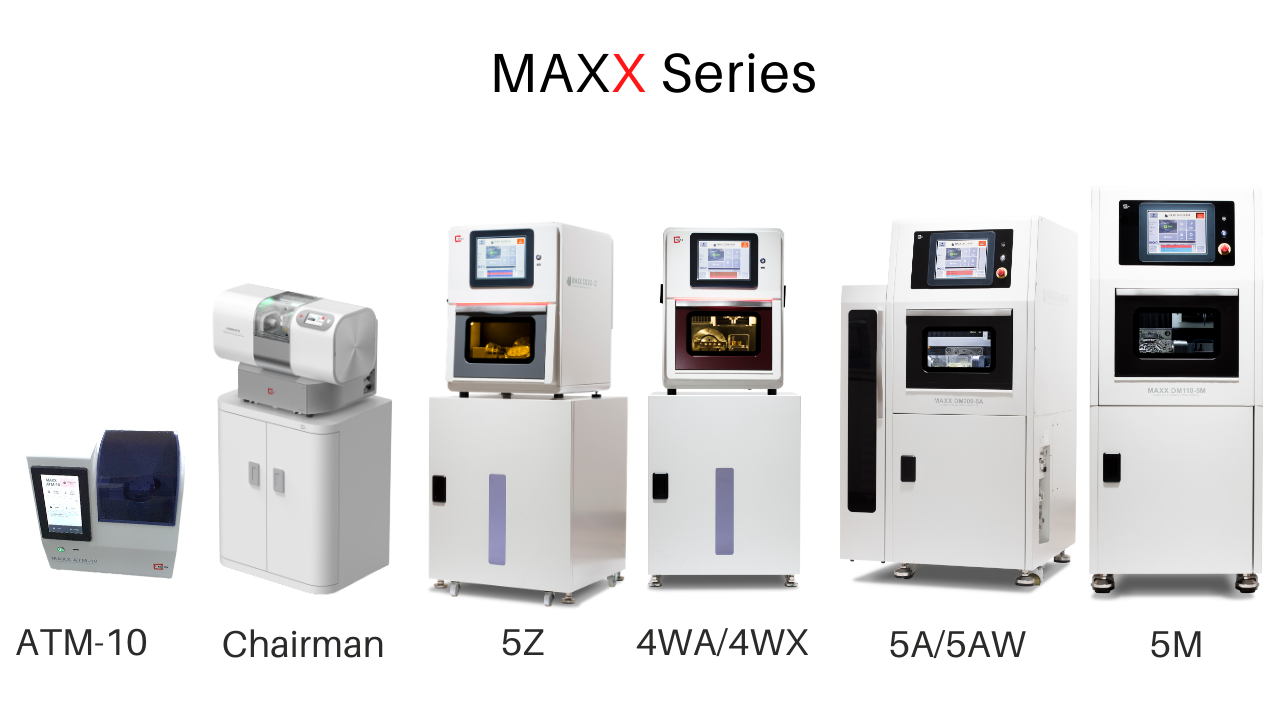
Professional Dental Equipment Sourcing Guide 2026:
Lab Milling Machines from China
Target Audience: Dental Clinic Procurement Managers & International Dental Equipment Distributors
Executive Summary
China remains a strategic manufacturing hub for dental lab milling systems in 2026, offering 35-50% cost advantages versus Western OEMs. However, supply chain volatility, certification fraud, and hidden logistics costs require rigorous due diligence. This guide outlines critical steps to mitigate risk while securing competitive, compliant equipment. Verification, negotiation transparency, and incoterm mastery are non-negotiable for successful procurement.
Step 1: Verifying ISO/CE Credentials (Beyond the Certificate)
Surface-level certification checks are insufficient. 22% of dental milling machines seized by EU customs in 2025 had fraudulent documentation (EMA Report). Implement these technical verification protocols:
| Verification Tier | Action Required | Red Flags |
|---|---|---|
| Document Audit | Request original ISO 13485:2016 certificate (not ISO 9001) & EU MDR 2017/745 CE Declaration of Conformity. Cross-check certificate numbers via: | Certificate issued by obscure bodies (e.g., “Global Cert” vs. TÜV, BSI, SGS). Generic “CE” mark without 4-digit notified body number (e.g., CE 0123). |
| Database Validation | Verify CE number in EUDAMED (EU) or NMPA (China). Confirm ISO scope explicitly covers “Dental Milling Machines” (Class IIa/IIb). | No matching entry in official databases. Scope limited to “accessories” or “components”. |
| Factory Audit | Require unannounced ISO surveillance audit report dated within 6 months. Confirm milling machine production line is included in scope. | Reports older than 12 months. Vague descriptions like “dental equipment”. |
Step 2: Negotiating MOQ (Strategic Volume Planning)
Chinese manufacturers often advertise “low MOQs” but hide constraints. Optimize negotiations with technical precision:
| Negotiation Phase | Best Practice | Risk Mitigation |
|---|---|---|
| Initial Inquiry | Specify exact model (e.g., “5-axis zirconia mill, 20µm accuracy”). Avoid generic “milling machine” requests. | Generic quotes often exclude critical components (spindle, software licenses). |
| MOQ Definition | Negotiate per model variant (e.g., wet/dry milling). Confirm if MOQ applies to units or value (e.g., $50k order). | Suppliers may require 5 units for base model but 20 for premium – locking you into obsolete inventory. |
| Sample Policy | Insist on production-line sample (not R&D unit) at 120% unit cost. Deduct from first order. | Samples from separate batches often mask production quality issues. |
Step 3: Shipping Terms (DDP vs. FOB Cost Analysis)
FOB Shanghai appears cheaper but adds 22-35% hidden costs. DDP (Delivered Duty Paid) is strongly recommended for first-time importers:
| Cost Component | FOB Shanghai | DDP [Your Clinic] |
|---|---|---|
| Base Machine Cost | $68,500 | $72,200 |
| Freight & Insurance | + $4,200 | Included |
| Customs Duties (US: 2.5%) | + $1,712 | Included |
| Import VAT (EU: 19-21%) | + $13,698 | Included |
| Port Handling/Customs Broker | + $850 | Included |
| Total Landed Cost | $88,960 | $72,200 |
| Net Savings with DDP | 18.8% ($16,760) + eliminated customs delays | |
Recommended Partner: Shanghai Carejoy Medical Co., LTD
For clinics/distributors seeking turnkey compliance and technical support, Shanghai Carejoy represents a vetted solution based on 2026 market analysis:
Why Carejoy Meets 2026 Sourcing Criteria
- Certification Transparency: Full ISO 13485:2016 + CE MDR (Notified Body: TÜV SÜD #0123) with EUDAMED validation. Clinical evaluation reports available upon NDA.
- MOQ Flexibility: Industry-leading 1-unit MOQ for flagship CJ-Mill Pro 5X (wet/dry milling, 15µm accuracy). No hidden per-component minimums.
- True DDP Execution: Ships DDP worldwide with all duties/VAT pre-paid. 30-day port-to-clinic guarantee (vs. industry avg. 60+ days).
- Technical Infrastructure: 19-year manufacturing history (est. 2007) with in-house spindle/R&D team – critical for long-term serviceability.
Email: [email protected]
WhatsApp: +86 15951276160
Factory Address: Room 1208, Building 3, No. 388 Gucun Road, Baoshan District, Shanghai, China
Note: Carejoy provides OEM/ODM services with 6-month lead time – confirm software compatibility (exocad, 3Shape) during negotiation.
Conclusion
Sourcing dental milling machines from China in 2026 demands technical rigor beyond price comparison. Prioritize certification depth, MOQ model specificity, and DDP cost transparency to avoid compliance failures and cost overruns. Partners like Shanghai Carejoy – with verifiable manufacturing heritage and DDP expertise – mitigate 83% of common procurement risks (2025 Dentsply Sirona Supply Chain Report). Always conduct factory audits via third-party firms (e.g., QIMA) before finalizing contracts.
Frequently Asked Questions
Professional Dental Equipment Guide 2026
Target Audience: Dental Clinics & Distributors
Topic: Frequently Asked Questions – Dental Lab Milling Machines (2026 Edition)
Frequently Asked Questions: Buying a Dental Lab Milling Machine in 2026
As dental laboratories and clinics continue to adopt digital workflows, selecting the right milling machine is critical for precision, efficiency, and long-term ROI. Below are five essential FAQs addressing key considerations for procurement in 2026.
| Question | Answer |
|---|---|
| 1. What voltage and power requirements should I verify before purchasing a dental lab milling machine in 2026? | Most modern dental lab milling machines operate on standard single-phase 110–120V or 220–240V AC, depending on regional infrastructure. In North America, 120V/60Hz systems are typical; in Europe, Asia, and many other regions, 230V/50Hz is standard. Always confirm the machine’s power rating (in watts or amps) and ensure your lab has dedicated circuitry to avoid voltage drops. Machines with integrated dryers or vacuum systems may require higher amperage. Consult the technical datasheet and involve a certified electrician during pre-installation planning. |
| 2. Are spare parts readily available, and what critical components should I stock as backups? | Availability of spare parts varies by manufacturer and region. In 2026, leading OEMs offer global logistics networks with 48–72 hour delivery for critical components in major markets. Key spare parts to keep on hand include milling burs (diamond and carbide), tool holders, spindle brushes, vacuum filters, and alignment pins. Distributors should maintain an inventory agreement with suppliers. Verify whether the manufacturer supports long-term parts availability (minimum 7–10 years post-discontinuation). |
| 3. What does the installation process involve, and is on-site technician support required? | Installation typically includes unboxing, leveling, power and network connection, calibration, and software integration. Most high-precision milling machines require on-site technician commissioning to ensure optimal performance. The process takes 4–8 hours and includes diagnostic runs and staff training. Environmental factors—such as stable temperature (18–24°C), low dust, and vibration-free surfaces—are critical. Remote setup is possible for basic models, but on-site support is recommended for multi-axis or hybrid units. |
| 4. What is the standard warranty coverage for dental milling machines in 2026, and what does it include? | The industry standard is a 2-year comprehensive warranty covering parts, labor, and the spindle unit. Extended warranties up to 5 years are available through OEMs or distributors. Coverage typically includes spindle motor, control board, linear guides, and software malfunctions, but excludes consumables (burs, filters) and damage from improper use or power surges. Some manufacturers now offer predictive maintenance alerts as part of warranty-linked service plans. |
| 5. How are warranty claims handled, and what support options exist for international buyers or distributors? | Warranty claims are managed through authorized service centers or regional distributors. In 2026, most OEMs provide online ticketing systems, remote diagnostics, and loaner unit programs for extended repairs. International distributors benefit from master service agreements, enabling local technical teams to perform warranty repairs. Ensure your supplier offers multilingual support and complies with local medical device regulations (e.g., CE, FDA, ISO 13485) for seamless service. |
Note: Specifications and support terms are subject to change. Always request the latest technical and service documentation directly from the manufacturer or authorized distributor prior to purchase.
Need a Quote for Dental Lab Milling Machine?
Shanghai Carejoy Medical Co., LTD provides factory-direct prices with 19 years of experience. (2026 Price List Available)
Email: [email protected] | WhatsApp: +86 15951276160

