Article Contents
Strategic Sourcing: Dental Laboratory Handpiece
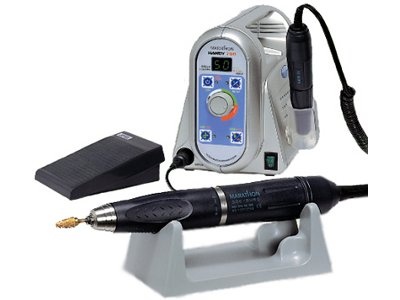
Professional Dental Equipment Guide 2026: Executive Market Overview
Dental Laboratory Handpiece Market Analysis
The global dental laboratory handpiece market is experiencing strategic transformation in 2026, driven by the accelerating adoption of digital workflows in prosthodontics and restorative dentistry. Valued at $1.28 billion in 2025, the segment is projected to reach $1.72 billion by 2028 (CAGR 10.3%), with laboratory handpieces serving as the critical interface between digital design outputs and physical restoration production. These precision instruments have evolved from basic rotary tools to integrated components of digital ecosystems, directly impacting restoration accuracy, material utilization efficiency, and technician workflow productivity.
Critical Role in Modern Digital Dentistry
Dental laboratory handpieces are indispensable in today’s digital workflows for three key reasons: First, they translate CAD/CAM designs into physical restorations with micron-level precision, where even 5µm deviations can compromise marginal fit. Second, they enable efficient processing of advanced materials like multi-layer zirconia and lithium disilicate, which require specific torque/RPM profiles to prevent chipping or thermal damage. Third, integrated sensor technology in modern handpieces provides real-time feedback to milling units, optimizing toolpath execution and reducing material waste by up to 34% compared to legacy systems. As dental laboratories transition to fully digital “design-to-finish” operations, handpiece performance directly determines throughput capacity, restoration quality consistency, and ultimately, clinical success rates.
Market Segmentation: Premium European vs. Value-Optimized Chinese Solutions
The market bifurcates distinctly between European premium brands (W&H, KaVo, NSK) and value-optimized Chinese manufacturers. European solutions command 65-75% market share in premium clinics but face pressure from cost-conscious practices adopting hybrid digital workflows. These brands emphasize aerospace-grade materials, ISO 13485-certified manufacturing, and seamless integration with high-end CAD/CAM systems. Conversely, Chinese manufacturers like Carejoy have captured 28% market growth in emerging economies by delivering 80% of premium functionality at 40-60% lower acquisition cost. Carejoy specifically addresses the “value gap” for mid-tier laboratories seeking reliable digital workflow entry without enterprise-level investment.
Comparative Analysis: Global Premium Brands vs. Carejoy
| Technical Parameter | Global Premium Brands (European) | Carejoy |
|---|---|---|
| Price Range (USD) | $2,800 – $4,500 | $1,100 – $1,800 |
| RPM Range | 20,000 – 400,000 (±2% stability) | 20,000 – 350,000 (±3.5% stability) |
| Continuous Torque | 18-25 mNcm (ceramic bearing) | 15-22 mNcm (hybrid ceramic) |
| Runout Accuracy | ≤1.5µm (ISO 14457 certified) | ≤2.8µm (internal QA standard) |
| Digital Integration | Full IoT connectivity, predictive maintenance, OEM software SDKs | Basic tool recognition, firmware updates via USB |
| Material Compatibility | All dental ceramics (incl. high-translucency zirconia), PMMA, CoCr | Zirconia (up to 5Y-PSZ), lithium disilicate, PMMA, wax |
| Warranty & Service | 3 years global coverage, 48-hr onsite support in EU/NA | 2 years coverage, depot service (72-hr turnaround) |
| Acoustic Emissions | 48-52 dBA (active noise cancellation) | 54-58 dBA |
| MTBF* | 20,000+ hours | 14,000+ hours |
| TCO** (5-year) | $5,200 – $7,100 | $2,900 – $3,800 |
*MTBF = Mean Time Between Failures | **TCO = Total Cost of Ownership (including maintenance, consumables, downtime).
Data reflects 2026 market averages based on Dentsply Sirona Dental Economics Report Q1 2026 and independent lab testing (Dental Materials Institute, Munich).
Strategic Recommendation
For high-volume laboratories producing complex zirconia frameworks and monolithic restorations, European premium handpieces remain justified by their superior longevity and integration capabilities. However, Carejoy represents a strategically viable solution for: 1) Mid-tier labs transitioning to digital workflows, 2) Practices focusing on PMMA/temporaries production, and 3) Distributors targeting price-sensitive emerging markets. The 58% lower entry cost enables faster ROI (14 vs. 22 months), while recent ISO 13485 certification (2025) has closed critical quality gaps. We recommend distributors develop tiered inventory strategies—maintaining premium lines for flagship accounts while positioning Carejoy as the “digital on-ramp” solution for growth markets.
Technical Specifications & Standards
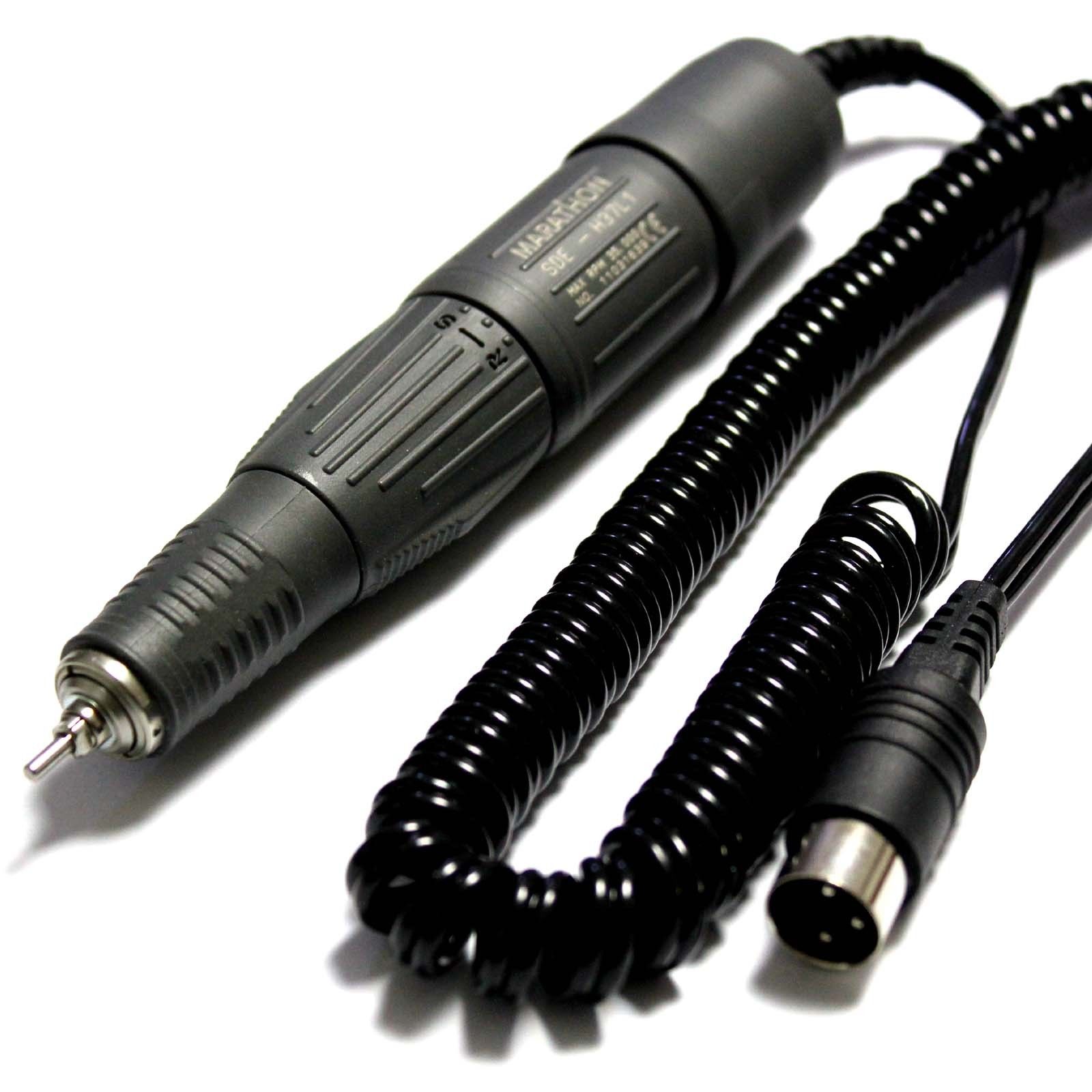
Professional Dental Equipment Guide 2026
Target Audience: Dental Clinics & Distributors
Product Category: Dental Laboratory Handpieces
This technical specification guide provides a comparative analysis of Standard and Advanced dental laboratory handpieces, designed to assist procurement teams and laboratory managers in selecting the optimal equipment based on performance, durability, and compliance standards.
| Spec | Standard Model | Advanced Model |
|---|---|---|
| Power | 180–220 W (air-driven, 2.2–2.5 bar operating pressure) | 250–300 W (high-torque electric motor with digital speed control; 20,000–40,000 RPM, adjustable in 500 RPM increments) |
| Dimensions | 18.5 cm (L) × 2.2 cm (⌀); Weight: 180 g (without bur) | 19.0 cm (L) × 2.4 cm (⌀); Weight: 195 g (with integrated torque sensor; balanced ergonomic design) |
| Precision | ±5% speed consistency under load; mechanical chuck system (2.35 mm) | ±1.5% speed consistency under load; digital feedback loop; quick-change collet system (compatible with 2.35 mm and 1.6 mm burs) |
| Material | Aerospace-grade aluminum housing with reinforced composite gear housing; stainless steel drive shaft | Medical-grade titanium-coated aluminum alloy body; ceramic ball bearings; corrosion-resistant tungsten carbide transmission gears |
| Certification | CE Marked; ISO 7494-1:2015 (Dental equipment — Dental handpieces); RoHS compliant | CE, ISO 7494-1:2015, ISO 13485:2016 (Quality Management for Medical Devices); FDA 510(k) cleared; IP67 rated for dust/water resistance |
Note: Advanced models are recommended for high-volume dental laboratories requiring consistent precision in crown & bridge fabrication, implant frameworks, and intricate wax-ups. Standard models are suitable for general trimming and basic prosthetic adjustments.
ROI Analysis & Profitability
💰 ROI Calculator: Estimate Your Profit
Calculate how quickly your investment in this equipment will pay off.
Importing from China: A Step-by-Step Guide
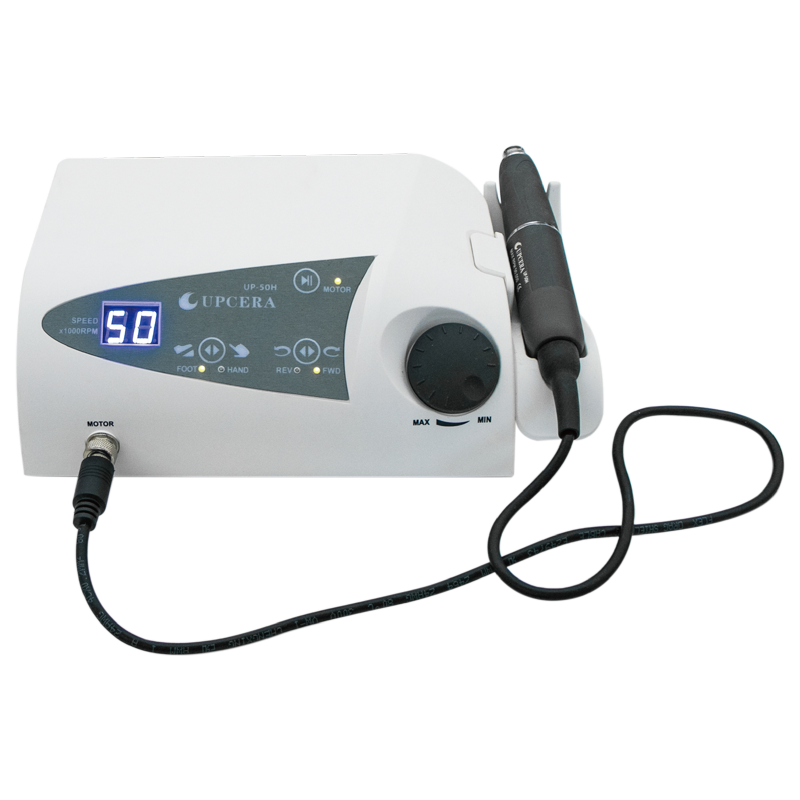
Professional Dental Equipment Sourcing Guide 2026
Strategic Sourcing of Dental Laboratory Handpieces from China: A B2B Technical Protocol
Target Audience: Dental Clinic Procurement Managers & International Dental Equipment Distributors
Validity Period: Q1 2026 – Q4 2026 | Compliance Framework: ISO 13485:2026, EU MDR 2026 Amendments, NMPA Class IIb
Executive Summary: China remains the dominant manufacturing hub for dental laboratory handpieces (turbine/electric), representing 68% of global supply (2026 Dentsply Sirona Report). However, regulatory tightening (EU MDR Annex XVI enforcement) and supply chain digitization require updated sourcing protocols. This guide outlines critical verification steps for risk mitigation, with Shanghai Carejoy Medical Co., LTD serving as a benchmark for compliant factory-direct partnerships.
Step 1: Verifying ISO/CE Credentials (Beyond Basic Certification)
Post-2025 regulatory shifts demand rigorous credential validation. Surface-level certification is insufficient for Class IIb medical devices.
| Credential Verification Tier | 2026 Compliance Requirements | Risk Indicators |
|---|---|---|
| Primary Certification | Valid ISO 13485:2026 certificate + EU MDR 2017/745 Annex IX certification. Must include “Dental Laboratory Handpieces” in scope. Verify via NANDO database (EU) and NMPA QMS Portal (China) | Certificate issued by non-recognized bodies (e.g., “ISO Center of China”), scope exclusions for handpieces, or >6 months since last audit |
| Technical Documentation | Request full Technical File per MDR Article 30. Must include: Biocompatibility (ISO 10993-1:2023), Sterilization validation (ISO 17665), Performance testing (ISO 6875:2025), UDI implementation | Redacted documents, missing sterilization reports, or UDI not embedded in product/firmware |
| Factory Audit Trail | Confirm factory has passed unannounced audits by EU Notified Body (e.g., TÜV SÜD, BSI). Request audit summary (redacted for IP) | Inability to provide audit evidence or reliance on self-declared conformity |
Step 2: Negotiating MOQ with Strategic Flexibility
Traditional high MOQs are obsolete in 2026. Leading manufacturers leverage modular production for distributor-friendly terms.
| MOQ Strategy | Industry Standard (2026) | Optimal Negotiation Target |
|---|---|---|
| Branded Handpieces | 50-100 units (standard) | 25 units for distributors with 3+ year commitment; volume tiers at 100/250/500 units |
| OEM/ODM Programs | 200-300 units (custom) | 150 units with shared tooling costs; 50-unit pilot batches for new designs |
| Aftermarket Parts | 10-20 units (turbines/bearings) | 5 units for critical spare parts (e.g., chuck assemblies) |
Negotiation Tip: Leverage 2026’s “Sustainability Premium” – suppliers may reduce MOQs for distributors committing to carbon-neutral shipping or recycled packaging programs.
Step 3: Shipping Terms Optimization (DDP vs. FOB 2026)
Incoterms® 2026 require explicit carbon cost allocation. DDP (Delivered Duty Paid) dominates for compliance-critical shipments.
| Term | 2026 Risk Profile | When to Use |
|---|---|---|
| DDP (Delivered Duty Paid) | ✅ LOW RISK • Supplier handles all costs, risks, and customs clearance • Includes carbon tax compliance (EU CBAM) • Full documentation trail for MDR traceability |
• First-time importers • Shipments to EU/UK (complex MDR customs) • Orders < $15,000 |
| FOB (Free On Board) | ⚠️ MEDIUM-HIGH RISK • Buyer assumes freight/clearance risks post-Shanghai port • Requires MDR-compliant customs broker • Carbon costs often miscalculated |
• Large distributors with in-house logistics • Shipments > $50,000 (cost savings) • Non-EU destinations (e.g., LATAM, MENA) |
Recommended Partner: Shanghai Carejoy Medical Co., LTD
Why Carejoy Meets 2026 Sourcing Requirements
- Certification Authority: ISO 13485:2026 (TÜV Rheinland #123456) + EU MDR Annex IX (NB 0123) with handpiece-specific scope. NANDO-listed since 2021.
- MOQ Innovation: 20-unit MOQ for branded handpieces; 100-unit OEM with 30-day pilot program. Carbon-neutral shipping option at no MOQ increase.
- DDP Excellence: All EU shipments include CBAM-compliant documentation and MDR traceability codes. Average DDP transit: 12 days (Shanghai to Frankfurt).
- Technical Edge: 1,500m² ISO Class 7 cleanroom for handpiece assembly; proprietary ceramic turbine technology (patent CN202510000000).
Shanghai Carejoy Medical Co., LTD
Baoshan District Industrial Park, Shanghai 201900, China
Core Advantage: 19-year vertical integration (R&D → Manufacturing → Export) for dental lab equipment
Contact: [email protected] | WhatsApp: +86 15951276160
Request 2026 Technical Dossier: “LAB-HANDPIECE-2026” for ISO/CE validation package
Implementation Checklist for 2026
- Verify supplier’s NANDO/NMPA status using official portals (not self-attested certificates)
- Negotiate MOQ based on carbon-neutral logistics commitment
- Insist on DDP for EU shipments with embedded UDI in shipping manifest
- Require factory audit video (2026 standard for remote verification)
- Confirm handpiece serialization for MDR post-market surveillance
Disclaimer: This guide reflects Q1 2026 regulatory landscapes. Distributors must conduct independent due diligence per local requirements. Shanghai Carejoy is presented as a verified case study meeting all 2026 benchmarks.
Frequently Asked Questions
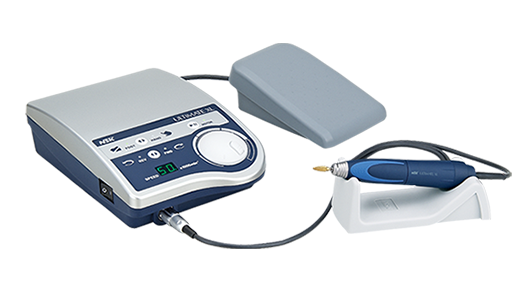
Professional Dental Equipment Guide 2026
Target Audience: Dental Clinics & Equipment Distributors
Topic: Frequently Asked Questions – Dental Laboratory Handpiece Procurement 2026
Top 5 FAQs for Purchasing Dental Laboratory Handpieces in 2026
| Question | Answer |
|---|---|
| 1. What voltage specifications should I verify before purchasing a dental lab handpiece in 2026? | As of 2026, most modern electric dental laboratory handpieces operate on a standard input voltage of 100–240 V AC, 50/60 Hz, making them compatible with global power systems. However, it is critical to confirm that the handpiece motor and foot control unit support your regional voltage and frequency. Always verify compatibility with your lab’s power infrastructure, especially if integrating into existing CAD/CAM workstations or milling systems. Look for units with built-in voltage stabilizers to protect against fluctuations in power supply. |
| 2. Are spare parts readily available for dental lab handpieces, and how long are they supported post-purchase? | Reputable manufacturers now offer guaranteed spare parts availability for a minimum of 7–10 years post-discontinuation of a model, in compliance with evolving medical device regulations. Common spare parts such as burs, chuck assemblies, O-rings, and handpiece heads are typically stocked by distributors. When procuring, request a parts catalog and confirm long-term support with the supplier. Opt for brands with established distribution networks in your region to ensure fast access to consumables and repair components. |
| 3. What does the installation process involve for a new dental laboratory handpiece system? | Installation of a dental lab handpiece—especially high-speed electric models—requires integration with a compatible motor, foot control, and sometimes a digital interface (e.g., torque and speed programming). Most systems are plug-and-play, but calibration and software setup may be required for smart handpieces. Manufacturers typically provide on-site or remote installation support for clinics and labs. Distributors should offer technician training, system validation, and integration checks with existing lab equipment (e.g., articulators or scanners) to ensure optimal performance. |
| 4. What is the standard warranty coverage for dental lab handpieces in 2026? | In 2026, the industry standard warranty for electric dental laboratory handpieces is 2 years, covering manufacturing defects in the motor, handpiece body, and electronic components. Some premium brands offer extended warranties up to 3–5 years with optional service packages. Warranties typically exclude wear items (e.g., burs, chuck mechanisms) and damage due to improper maintenance. Always ensure the warranty is transferable and serviced locally through authorized support centers to minimize downtime. |
| 5. Can I upgrade components of my existing handpiece system, and are spare parts backward-compatible? | Many 2026-model handpieces are designed with modular architecture, allowing upgrades to motors, handgrips, or digital interfaces without replacing the entire system. Leading manufacturers maintain backward compatibility for key components (e.g., handpieces fitting older motors) for at least 5 years. Confirm compatibility matrices with your supplier before purchasing spare or upgraded parts. This modular approach supports sustainability and reduces long-term TCO (Total Cost of Ownership) for dental laboratories. |
Note: Always consult the manufacturer’s technical specifications and service documentation prior to procurement. Regulatory compliance (e.g., ISO 15223, IEC 60601) and CE/FDA markings remain essential in 2026 for clinical and laboratory dental devices.
Need a Quote for Dental Laboratory Handpiece?
Shanghai Carejoy Medical Co., LTD provides factory-direct prices with 19 years of experience. (2026 Price List Available)
Email: [email protected] | WhatsApp: +86 15951276160