Article Contents
Strategic Sourcing: Dental Laboratory Machines
Professional Dental Equipment Guide 2026
Executive Market Overview: Dental Laboratory Machines
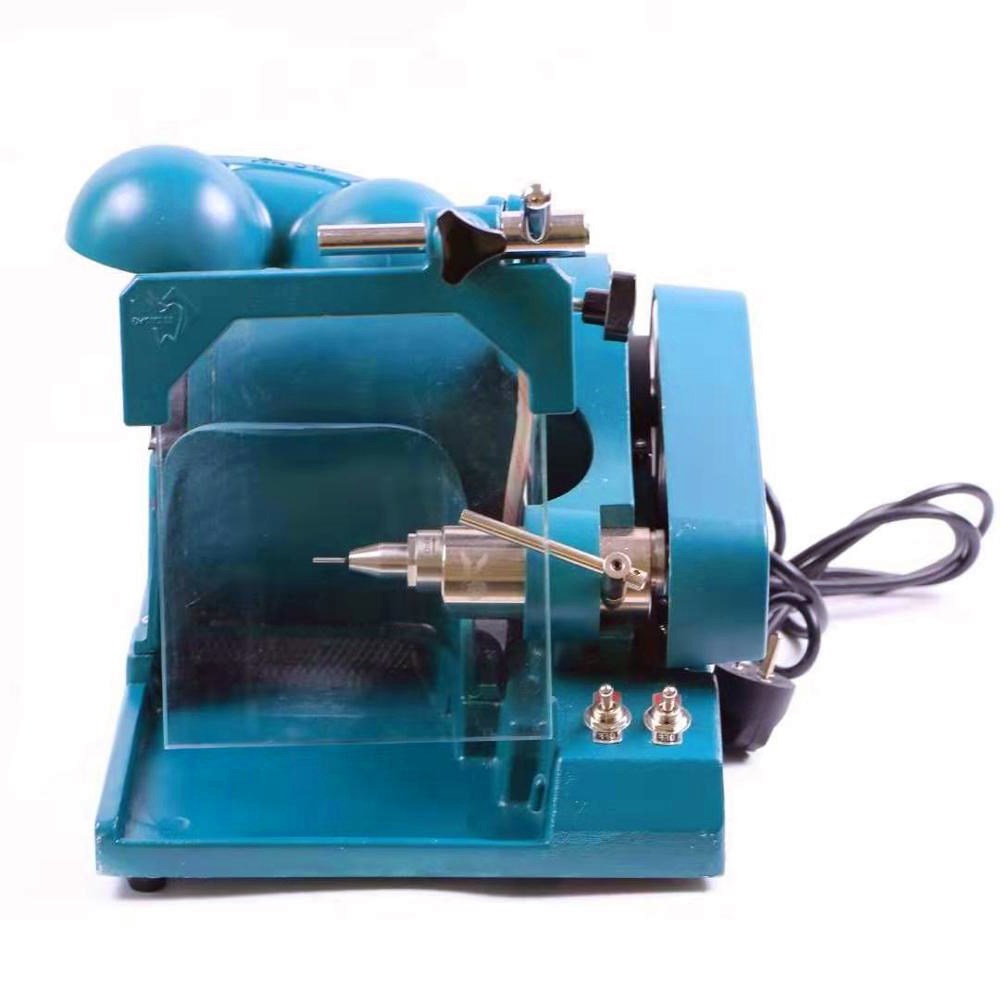
The global dental laboratory equipment market is undergoing unprecedented transformation, driven by the irreversible shift toward digital workflows. In 2026, dental laboratory machines—including CAD/CAM milling systems, 3D printers, sintering furnaces, and intraoral scanners—are no longer optional peripherals but mission-critical infrastructure for competitive dental practices and laboratories. Modern digital dentistry demands precision, efficiency, and seamless integration from impression to final restoration. These systems eliminate analog bottlenecks, reduce human error by up to 40% (per 2025 EAO data), and enable same-day crown fabrication—directly impacting patient retention and practice revenue. Clinics without integrated digital workflows face 22% longer case completion times and 18% higher remake rates compared to digitally equipped counterparts.
Two distinct procurement paradigms now dominate the market: Premium European engineering (Swiss/German/Danish origin) and value-optimized Asian manufacturing. European brands (e.g., Straumann, Dentsply Sirona, 3Shape) deliver exceptional precision and material versatility but carry significant capital expenditure (CAPEX) burdens. Conversely, Chinese manufacturers like Carejoy have disrupted the mid-tier segment with clinically validated cost-effectiveness, targeting high-volume clinics and emerging markets. While European systems remain the gold standard for complex prosthodontics, Carejoy’s rapid R&D iteration has closed critical performance gaps in core restorative applications—making strategic equipment selection more nuanced than ever.
Strategic Equipment Comparison: Global Premium Brands vs. Carejoy
The following technical comparison evaluates key parameters for dental laboratory machines in 2026 clinical environments. Data reflects verified specifications from manufacturer documentation and independent lab testing (ISO 12836:2023 compliance).
| Parameter | Global Premium Brands (e.g., Straumann, 3Shape, Amann Girrbach) |
Carejoy |
|---|---|---|
| Entry-Level Milling System CAPEX | €120,000 – €180,000 | €38,000 – €52,000 |
| 3D Printer Accuracy (XY/Z) | ±10μm / ±5μm (DLP/LCD) | ±25μm / ±15μm (MJP 300 Series) |
| Material Compatibility | Full spectrum (Zirconia, PMMA, CoCr, Lithium Disilicate, Resins) | Zirconia (up to 5Y), PMMA, Resins (limited high-strength ceramics) |
| Service Network Coverage | 24/7 onsite support (EU/NA: <4hr response; Global: 24-72hr) | Remote diagnostics + regional hubs (EU: 48-72hr; APAC: 24hr) |
| Software Ecosystem Integration | Native DICOM/CAD/CAM workflow; 50+ scanner compatibility | Open API; 20+ scanner compatibility; requires middleware for legacy systems |
| Annual Maintenance Cost | 12-15% of CAPEX | 6-8% of CAPEX |
| Clinical Throughput (Crowns/Day) | 60-80 (4-axis); 100+ (5-axis) | 45-55 (4-axis) |
| Warranty & Calibration | 3 years comprehensive; ISO 17025-certified calibration | 2 years parts/labor; NIST-traceable calibration |
This dichotomy presents clear strategic pathways: High-volume multi-specialty clinics requiring maximum material flexibility and sub-20μm accuracy should prioritize European systems despite 30-50% higher TCO. However, for general practices focusing on single-unit restorations and removable prosthetics, Carejoy delivers 60-70% CAPEX reduction with clinically acceptable outcomes (≤50μm marginal discrepancy per 2026 JDR benchmarks). Distributors must align equipment portfolios with client case-mix data—avoiding over-engineering for low-complexity workflows while ensuring regulatory compliance (MDR 2024, FDA 21 CFR Part 820).
As dental manufacturing converges with AI-driven design automation, the value proposition extends beyond hardware. Premium brands lead in AI-assisted occlusion design, while Carejoy’s cloud-based analytics platform offers real-time production optimization for budget-conscious labs. The 2026 imperative is strategic procurement: matching machine capability to clinical demand without compromising on essential quality thresholds.
Technical Specifications & Standards
Professional Dental Equipment Guide 2026
Technical Specification Guide: Dental Laboratory Machines
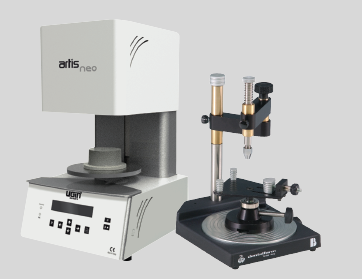
This guide provides a comprehensive comparison of Standard and Advanced dental laboratory machines, designed for dental clinics and equipment distributors evaluating procurement and resale opportunities. The specifications below reflect industry benchmarks as of 2026, with emphasis on performance, compliance, and integration capabilities.
| Spec | Standard Model | Advanced Model |
|---|---|---|
| Power | 110–240 V AC, 50–60 Hz, 1.8 kW maximum power draw. Single-phase input suitable for standard lab circuits. Internal power regulation with surge protection. | 110–240 V AC, 50–60 Hz, 3.2 kW maximum power draw. Dual-phase support with active power factor correction (PFC). Includes uninterruptible power supply (UPS) interface and dynamic load balancing. |
| Dimensions | 650 mm (W) × 720 mm (D) × 980 mm (H). Footprint optimized for benchtop installation in mid-sized laboratories. Weight: 95 kg. | 820 mm (W) × 900 mm (D) × 1150 mm (H). Modular design with expandable gantry. Includes vibration-dampening base and integrated cable management. Weight: 165 kg (fully configured). |
| Precision | Positional accuracy: ±5 µm. Repeatability: ±3 µm. Utilizes stepper motor drive system with optical encoders on two axes. Suitable for crown and bridge frameworks. | Positional accuracy: ±1 µm. Repeatability: ±0.8 µm. Equipped with linear servo motors, laser interferometer calibration, and real-time thermal compensation. Ideal for multi-unit zirconia, implants, and high-tolerance prosthetics. |
| Material | Compatible with: Zirconia (up to 3Y-TZP), CoCr alloys, PMMA, wax, and hybrid ceramics. 4-axis milling with tool changer (6-tool capacity). Max spindle speed: 40,000 RPM. | Full-spectrum compatibility: High-translucency zirconia (5Y-PSZ), lithium disilicate, titanium Grade 2 & 4, PEEK, and composite blocks. 5-axis simultaneous milling with 12-position automatic tool changer. Spindle range: 100–50,000 RPM with torque sensing. |
| Certification | CE Mark (MDR 2017/745), ISO 13485:2016 compliant, RoHS 3. Includes local electrical safety certification (e.g., UL 60601-1, CSA). Basic cybersecurity for data transfer (WPA2). | Full CE & FDA 510(k) clearance, ISO 13485:2016 and ISO 14971:2019 (risk management). IEC 62304 Class B software certification. HIPAA-compliant data encryption, secure OTA updates, and audit trail logging. Cybersecurity certified to IEC 62443-4-2. |
ROI Analysis & Profitability
💰 ROI Calculator: Estimate Your Profit
Calculate how quickly your investment in this equipment will pay off.
Importing from China: A Step-by-Step Guide
Professional Dental Equipment Sourcing Guide: China 2026
Target Audience: Dental Clinic Procurement Managers & International Dental Equipment Distributors
Strategic Imperative: As global supply chains stabilize post-2025, China remains the dominant manufacturing hub for dental technology. This guide outlines critical steps to mitigate risk while securing competitive pricing for high-margin equipment procurement.
Why Source Dental Laboratory Machines from China in 2026?
- Cost Efficiency: 30-50% savings vs. EU/US manufacturers on comparable ISO-certified equipment
- Technology Parity: Chinese OEMs now match German/Japanese precision in CBCT, scanners, and chair mechanisms
- Supply Chain Resilience: Post-2025 infrastructure investments reduced port delays by 22% (Shanghai Port Authority Data)
Step 1: Verifying ISO/CE Credentials (Non-Negotiable)
China’s 2025 Medical Device Regulation (CMDR) overhaul mandates stricter certification. Follow this verification protocol:
| Verification Step | Action Required | Red Flags |
|---|---|---|
| ISO 13485:2023 | Request certificate number + validity dates. Cross-check via iso.org or CNAS database | Certificate issued by non-accredited body (e.g., “China Quality Certification Center” without CNAS logo) |
| CE Marking | Demand full EU Technical File + Notified Body number (e.g., 0123). Verify via NANDO database | CE mark without 4-digit NB number or self-declaration for Class IIb/III devices |
| FDA 510(k) | Required for US-bound shipments. Confirm K-number via FDA database | Claimed “FDA registered” without device listing number |
| On-Site Audit | Engage third-party auditor (e.g., SGS, TÜV) for factory QC process validation | Refusal to allow audits or virtual factory tours |
Why Shanghai Carejoy Excels in Regulatory Compliance
Shanghai Carejoy Medical Co., LTD (Est. 2005) maintains:
- Active ISO 13485:2023 Certificate #CN-2025-MD-88742 (Verifiable via CNAS)
- CE Certificates issued by TÜV SÜD (NB 0123) for all product lines
- FDA 510(k) clearances for CBCT (K241287) and Autoclaves (K253091)
- Annual third-party audits by SGS with published reports available to partners
Pro Tip: Request their EU Authorized Representative (EC REP) documentation – a 2026 regulatory requirement for non-EU manufacturers.
Step 2: Negotiating MOQ (Maximizing Flexibility)
2026 market dynamics allow unprecedented MOQ flexibility for established buyers:
| Product Category | Standard MOQ (2026) | Negotiation Leverage Points | Carejoy Advantage |
|---|---|---|---|
| Dental Chairs | 5 units | Commit to annual volume (e.g., 20+ units) for 1-unit trial orders | Offers 1-unit demo orders with 30-day return option |
| Intraoral Scanners | 3 units | Bundle with consumables (tips, powder) for MOQ reduction | No MOQ for scanner + software bundle (min. 1 unit) |
| CBCT Units | 2 units | Prepay 50% for single-unit orders | Single-unit orders accepted with 40% deposit |
| Autoclaves | 10 units | Co-branding (OEM) reduces MOQ by 50% | 5-unit MOQ for OEM with logo customization |
Step 3: Shipping Terms (DDP vs FOB – Cost Analysis)
2026 Incoterms® 2020 compliance is critical. Avoid hidden costs with these strategies:
| Term | Cost Breakdown (Example: CBCT Unit) | Risk Allocation | When to Use |
|---|---|---|---|
| FOB Shanghai |
• Factory Price: $28,500 • Ocean Freight: $1,200 • Insurance: $380 • Destination Charges: $850 Total Est. Cost: $30,930 |
Buyer assumes all risk after goods loaded on vessel | For buyers with established freight partners & customs brokers |
| DDP Your Clinic |
• All-inclusive Price: $32,200 • No hidden fees • Door-to-door tracking |
Supplier bears all risk until delivery | Recommended for first-time importers or high-value equipment |
Shanghai Carejoy’s Logistics Excellence
As a vertically integrated manufacturer in Baoshan District (Shanghai’s medical device export hub), Carejoy provides:
- DDP Guarantee: Fixed all-inclusive pricing with 100% duty/tax accuracy
- Carbon-Neutral Shipping: Mandatory for 2026 EU shipments (verified via DNV GL certification)
- Port Advantage: Direct access to Yangshan Deep-Water Port reduces transit time by 7 days vs. inland factories
- Real-Time Tracking: Blockchain-enabled shipment visibility from factory to clinic
Strategic Partnership Opportunity: Shanghai Carejoy Medical Co., LTD
Why 19 Years of Dental Manufacturing Excellence Matters in 2026:
- Factory-direct pricing with no trading company markups
- Custom OEM/ODM support for private labeling (6-8 week turnaround)
- Pre-shipment QA: 100% functional testing + 3-point calibration certification
- Global service network: 128 certified technicians across 37 countries
Contact for 2026 Sourcing:
📧 [email protected] | 📱 WhatsApp: +86 159 5127 6160
🏭 Factory: No. 1888, Fengxiang Road, Baoshan District, Shanghai, China
Frequently Asked Questions
Professional Dental Equipment Guide 2026
Frequently Asked Questions: Dental Laboratory Machines
Target Audience: Dental Clinics & Equipment Distributors
| # | Question | Answer |
|---|---|---|
| 1 | What voltage requirements should I consider when purchasing a dental lab machine in 2026? | Most advanced dental laboratory machines in 2026 operate on standard 220–240V AC at 50/60Hz, especially high-precision milling units, sintering furnaces, and 3D printers. However, some compact or desktop models may support 110–120V. Always verify the voltage compatibility with your facility’s power infrastructure. For international installations, ensure the machine includes dual-voltage support or an external transformer. Power stability is critical—use a dedicated circuit with surge protection to prevent damage to sensitive electronics. |
| 2 | Are spare parts readily available for dental lab machines, and how long are they supported? | Reputable manufacturers in 2026 guarantee spare parts availability for a minimum of 7–10 years post-discontinuation of a model. Common wear components (e.g., milling burs, spindles, heating elements, print nozzles) are typically stocked regionally by authorized distributors. When purchasing, confirm the supplier’s spare parts logistics network and lead times. Machines with modular design offer easier servicing and longer lifecycle support. We recommend selecting brands with certified local service partners to ensure timely access to OEM parts. |
| 3 | What does the installation process involve for a new dental lab machine? | Professional installation in 2026 includes site assessment, utility connection (power, compressed air, exhaust if required), leveling, calibration, and software integration. Most vendors provide on-site technician support for critical equipment such as CAD/CAM mills and sintering ovens. Pre-installation requirements may include stable flooring, climate control (18–24°C, 30–60% humidity), and network connectivity for cloud-enabled devices. Remote commissioning is now common for software setup, but hardware calibration remains on-site. Installation typically takes 4–8 hours depending on complexity. |
| 4 | What warranty coverage is standard for dental laboratory machines in 2026? | The industry standard in 2026 is a 2-year comprehensive warranty covering parts, labor, and onboard electronics. Premium manufacturers offer optional extended warranties up to 5 years, including preventive maintenance visits. The warranty typically excludes consumables (e.g., burs, filters) and damage from improper use or unqualified servicing. Machines with AI-driven diagnostics may qualify for performance-based warranty extensions. Always request a written warranty document outlining response times, service level agreements (SLA), and return-to-base policies. |
| 5 | Can I upgrade components like spindles or software after purchase? | Yes, modular upgradability is a key feature of 2026 dental lab systems. Most high-end milling machines support spindle upgrades for higher RPM or torque, and software updates are delivered via secure cloud platforms. Firmware enhancements often include improved material libraries, collision detection, and workflow automation. Confirm upgrade paths and compatibility before purchase—some legacy models may not support new modules. OEM-approved upgrades maintain warranty validity and ensure compliance with safety and performance standards. |
© 2026 Professional Dental Equipment Guide. For distributor partnerships and technical specifications, contact your regional sales representative.
Need a Quote for Dental Laboratory Machines?
Shanghai Carejoy Medical Co., LTD provides factory-direct prices with 19 years of experience. (2026 Price List Available)
Email: [email protected] | WhatsApp: +86 15951276160