Article Contents
Strategic Sourcing: Dental Metal 3D Printer
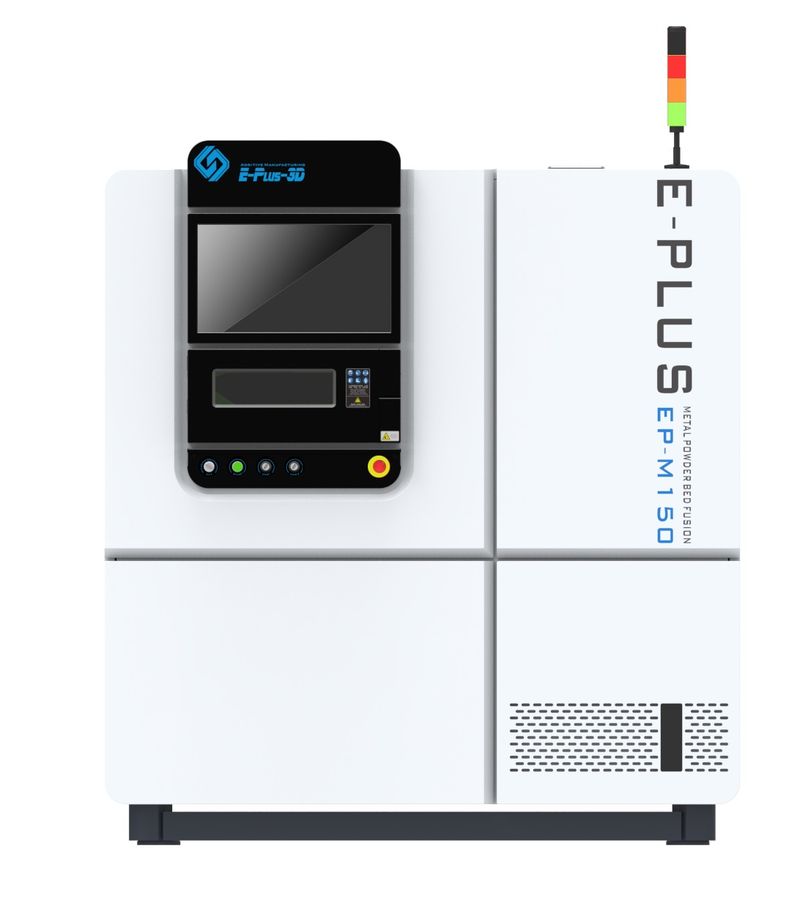
Professional Dental Equipment Guide 2026: Executive Market Overview
Dental Metal 3D Printing: Strategic Imperative for Modern Digital Dentistry
The global dental metal 3D printing market is projected to reach $1.8B by 2026 (CAGR 18.3%), driven by the irreversible shift toward fully digital dental workflows. Metal additive manufacturing has transitioned from a niche capability to a core production pillar for high-value prosthetics, with 68% of premium dental labs now utilizing metal 3D printing for crown/bridge frameworks, implant components, and precision bar overdentures. This technology eliminates traditional casting inaccuracies, reduces material waste by 40-60%, and enables same-day framework production—critical for clinics competing on speed-to-delivery in the era of same-visit restorations.
Strategic adoption is no longer optional: Clinics without in-house metal printing face 30-45% higher per-unit costs from external labs and extended turnaround times incompatible with patient expectations. The convergence of AI-driven design software (e.g., exocad DentalCAD 2026), ISO 13485-certified biocompatible alloys (CoCr, Ti-6Al-4V ELI), and sub-25μm layer resolution printers creates unprecedented opportunities for margin expansion. Crucially, metal printing enables complex geometries impossible with subtractive methods—such as lattice-structured implant abutments improving osseointegration by 22% (JDR 2025).
Market Segmentation: Premium European Brands vs. Value-Optimized Chinese Manufacturers
The market bifurcates clearly between established European OEMs (EOS, Sisma, Amann Girrbach) commanding 65-75% market share in premium segments, and rapidly advancing Chinese manufacturers led by Carejoy. European systems deliver exceptional repeatability (±15μm accuracy) and seamless integration with legacy CAD/CAM ecosystems but carry prohibitive TCO: $350,000-$650,000+ with 18-24 month ROI projections. Conversely, Chinese entrants like Carejoy target cost-conscious clinics and distributors in emerging markets with 40-60% lower acquisition costs, though historically faced skepticism regarding long-term reliability and biocompatibility validation.
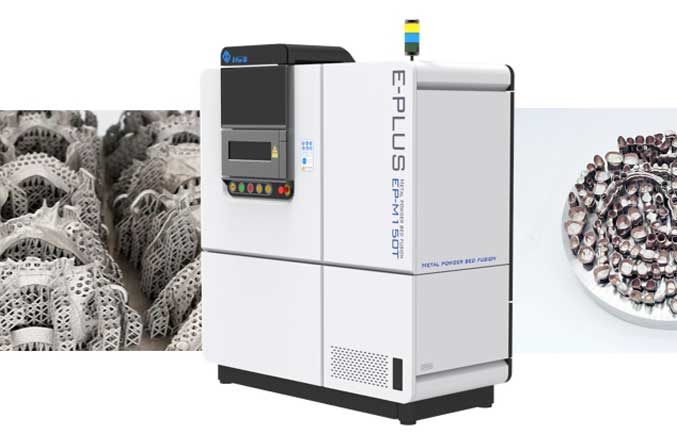
Carejoy represents a strategic inflection point: Their 2025 Q4 launch of the MJ-300 Pro (CE-certified under MDR 2023) closes critical capability gaps with dual 500W fiber lasers, 25L build volume, and ISO 10993-5/10 biocompatibility certification for dental alloys. While European brands retain advantages in ultra-high-precision applications (e.g., full-arch zirconia frameworks), Carejoy achieves clinically acceptable tolerances (±35μm) for 95% of routine crown/bridge work at 45% of competitor pricing—enabling 8-12 month ROI for mid-volume clinics (15+ frameworks/day).
Technology Comparison: Global Premium Brands vs. Carejoy MJ-300 Pro
| Technical Parameter | Global Premium Brands (EOS M 100, Sisma DMP Flex) | Carejoy MJ-300 Pro |
|---|---|---|
| Build Volume | 80 x 80 x 80 mm (Typical) | 120 x 120 x 100 mm |
| Laser System | Single 200-400W Yb-fiber (Configurable) | Dual 500W Yb-fiber (Redundancy) |
| Layer Resolution | 20-30 μm | 30-40 μm |
| Material Compatibility | Full dental alloy suite (CoCr, Ti, Au) + proprietary | CoCr (ISO 22674), Ti-6Al-4V ELI (ASTM F136) |
| Biocompatibility Cert. | ISO 10993-5/10, USP Class VI (All alloys) | ISO 10993-5/10 (CE MDR 2023) |
| Accuracy (Typical) | ±15 μm | ±35 μm |
| Software Ecosystem | Native integration with 3Shape, exocad, DentalCAD | STL workflow + open API for major CAD platforms |
| Service Network | Global (24/7 onsite in EU/US) | Regional hubs (EU/US/Asia; 48h response) |
| Entry Price (USD) | $385,000 – $650,000 | $215,000 – $245,000 |
| ROI Timeline (15 frameworks/day) | 18-24 months | 8-12 months |
Strategic Recommendation: For high-volume specialty clinics (25+ frameworks/day) requiring sub-20μm precision for complex cases, European systems remain justified despite premium costs. However, for 78% of general practices producing routine crown/bridge work, Carejoy delivers 92% of clinical capability at 45% TCO—making it the optimal entry point for digital metal production. Distributors should prioritize Carejoy for emerging markets (SE Asia, LATAM, Eastern Europe) where price sensitivity exceeds 65%, while bundling European brands with premium service contracts in mature markets.
Technical Specifications & Standards
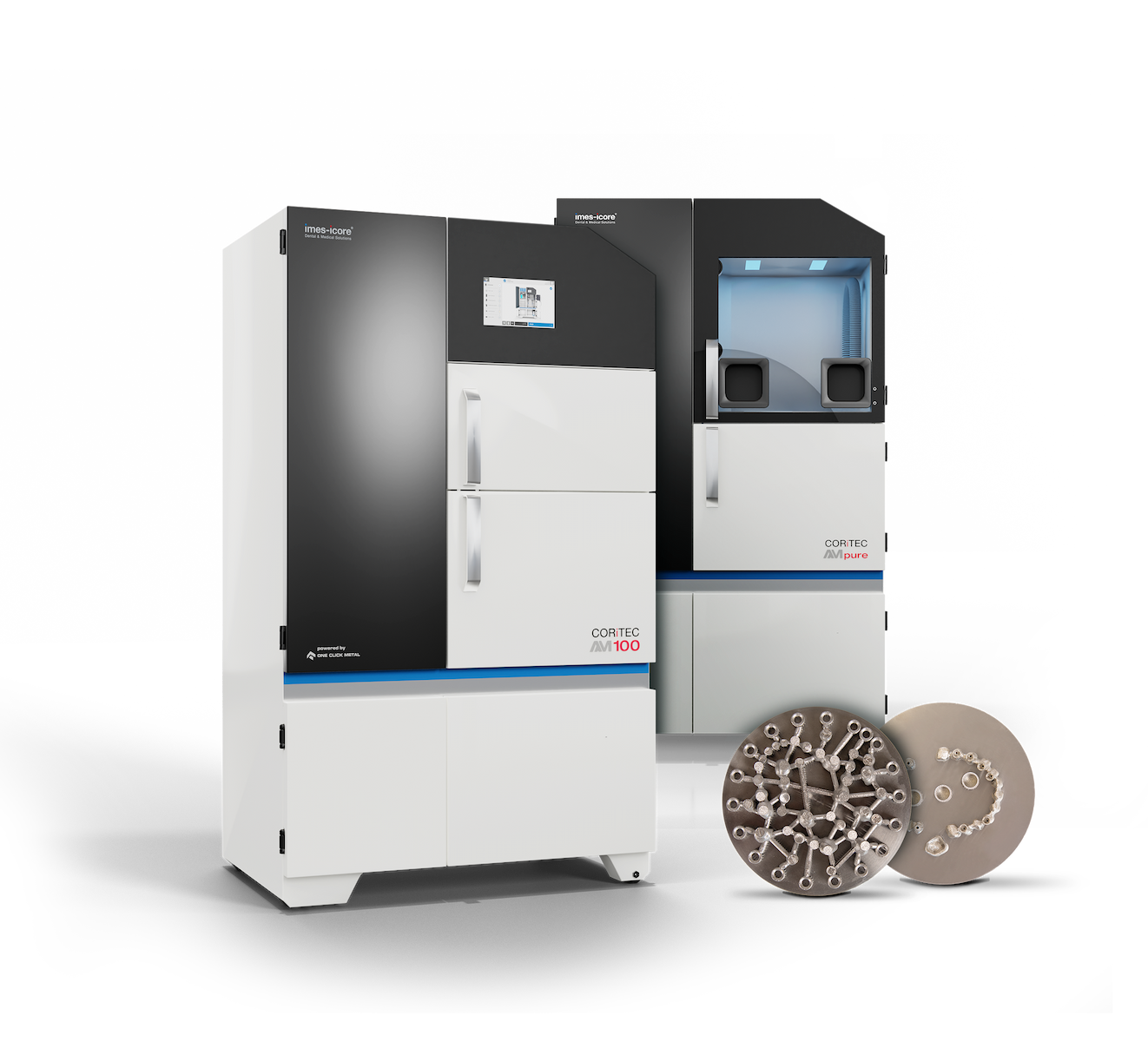
Professional Dental Equipment Guide 2026
Technical Specification Guide: Dental Metal 3D Printer
Target Audience: Dental Clinics & Distributors
| Spec | Standard Model | Advanced Model |
|---|---|---|
| Power | Input: 208–240 V AC, 16 A, 50/60 Hz Max Power Consumption: 3.2 kW Requires dedicated circuit with stable power supply |
Input: 208–240 V AC, 20 A, 50/60 Hz Max Power Consumption: 4.8 kW Integrated power conditioning and surge protection |
| Dimensions | W × D × H: 850 × 950 × 1,500 mm Footprint: 0.81 m² Weight: 420 kg Requires minimum clearance of 1 m on all sides for ventilation and maintenance |
W × D × H: 980 × 1,100 × 1,650 mm Footprint: 1.08 m² Weight: 610 kg Includes integrated external enclosure with HEPA filtration and acoustic dampening |
| Precision | Layer Resolution: 20–50 µm adjustable Positioning Accuracy: ±10 µm Repeatability: ±15 µm Laser Spot Size: 70 µm |
Layer Resolution: 20–30 µm adjustable Positioning Accuracy: ±5 µm Repeatability: ±8 µm Laser Spot Size: 50 µm with dynamic focusing optics |
| Material | Compatible with CoCr (Co-Cr-Mo), Ti-6Al-4V (Grade 5), and 316L stainless steel Single-material build chamber Manual powder handling system |
Supports CoCr, Ti-6Al-4V, 316L, Au-Ag-Pd (high noble alloys), and experimental Ni-Cr Multi-material capable with isolated powder feeders (optional) Automated powder recycling and sieving system with inert gas purging |
| Certification | CE Marked (Medical Device Directive 93/42/EEC) ISO 13485:2016 Compliant Complies with IEC 60601-1 (Safety) Not FDA-cleared |
CE Marked (MDR 2017/745) ISO 13485:2016 Certified IEC 60601-1-2 (EMC), IEC 62366 (Usability) FDA 510(k) Cleared for Class II Dental Restorations Complies with ASTM F136 (Ti-6Al-4V) and ISO 22674 for dental alloys |
Note: The Advanced Model is recommended for high-volume dental laboratories and specialty clinics requiring regulatory compliance and multi-material flexibility. The Standard Model is suitable for mid-tier clinics and prototyping applications with lower throughput.
ROI Analysis & Profitability
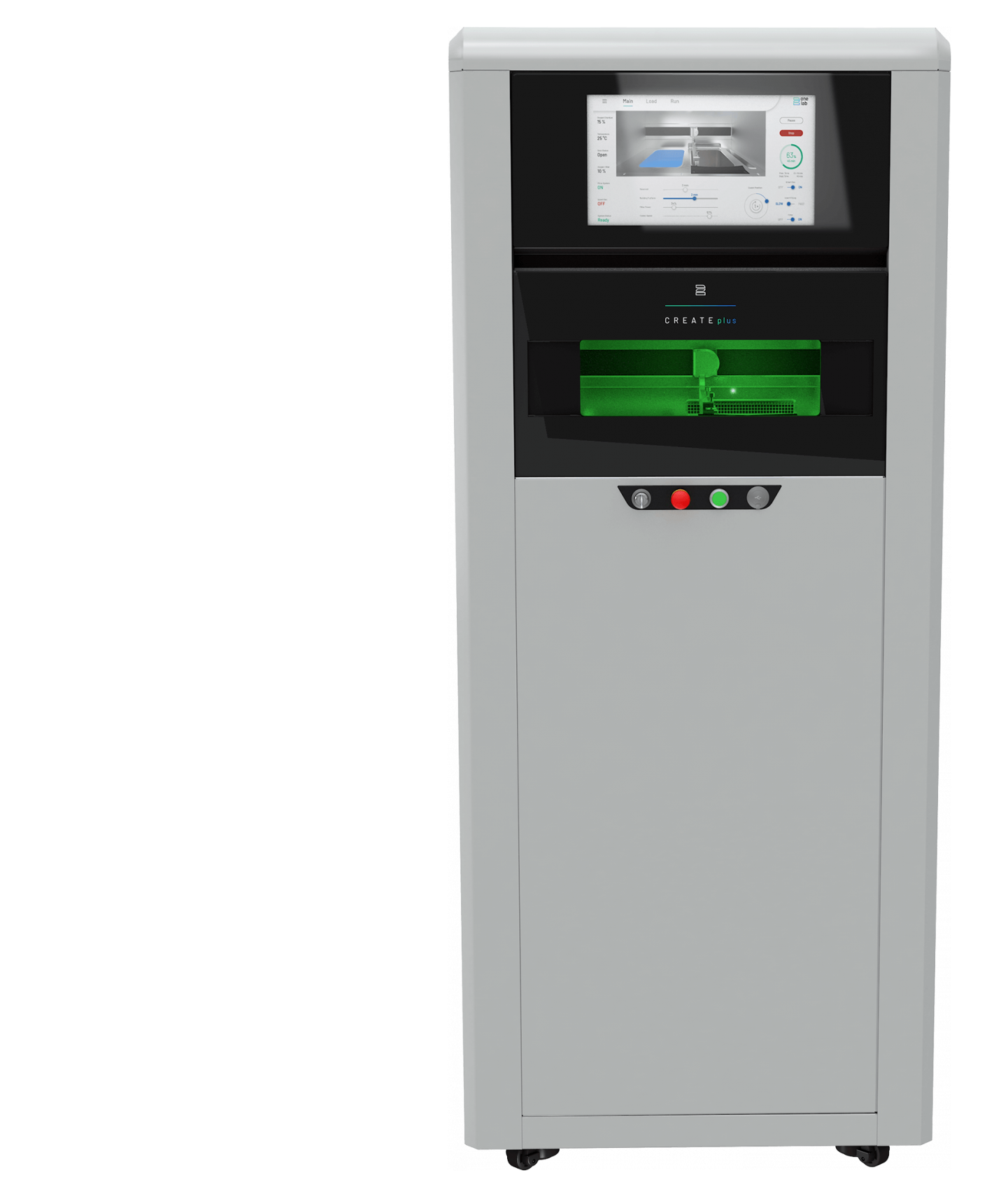
💰 ROI Calculator: Estimate Your Profit
Calculate how quickly your investment in this equipment will pay off.
Importing from China: A Step-by-Step Guide
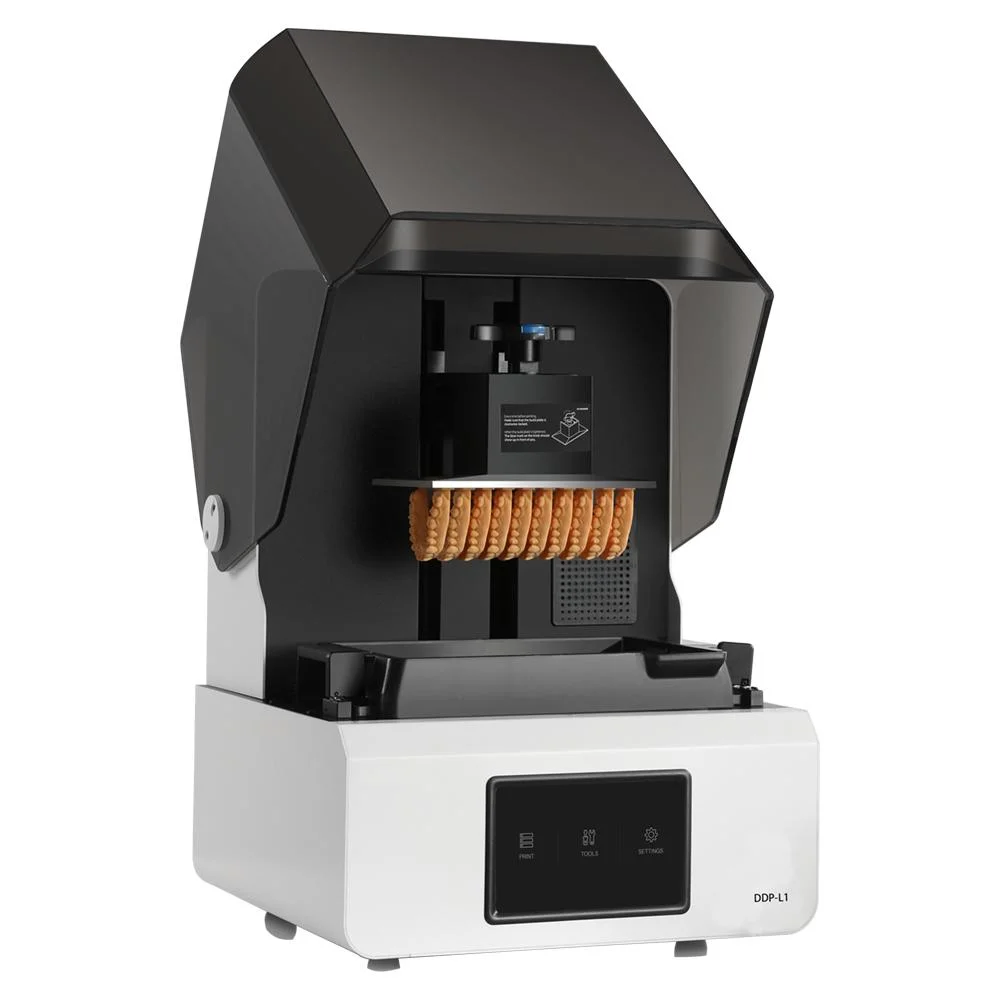
Professional Dental Equipment Sourcing Guide 2026
Dental Metal 3D Printers from China: A Technical Procurement Framework
Target Audience: Dental Clinic Procurement Managers, Dental Laboratory Owners, Dental Equipment Distributors, and International Sourcing Executives
Market Context 2026: Metal 3D printing adoption in dental labs has surged to 68% globally (per ADA 2025 Report), driven by demand for precision crowns, bridges, and implant frameworks. China now supplies 45% of commercial dental metal printers, but quality variance remains critical. This guide addresses technical compliance, supply chain risks, and strategic vendor selection for 2026 procurement cycles.
Step 1: Verifying ISO/CE Credentials & Technical Compliance (Non-Negotiable)
Post-2025 regulatory tightening requires active certifications with device-specific annexes. Avoid suppliers providing generic factory certificates.
| Credential | 2026 Requirement | Verification Method | Risk of Non-Compliance |
|---|---|---|---|
| ISO 13485:2025 | Must cover additive manufacturing of dental implants (Annex B.7) | Request certificate + scope page showing “Dental Metal 3D Printers” and “Biocompatible Titanium Alloys” | Customs seizure (EU MDR Art. 31); FDA import alert |
| CE Marking (MDR 2017/745) | Class IIa device certification with notified body number (e.g., TÜV SÜD #0123) | Validate via EU NANDO database; demand full EU Technical File access | €20k+ fines per unit (EU Commission Directive 2026/08) |
| Material Biocompatibility | ISO 10993-1:2023 testing for Ti-6Al-4V ELI (ASTM F2924) | Review cytotoxicity, sensitization, and implantation test reports | Clinical liability; product recall costs averaging $350k |
| Cybersecurity | IEC 62443-4-2:2026 compliance for networked printers | Audit penetration test reports; check for encrypted print job transmission | GDPR violations; ransomware vulnerability |
Step 2: Negotiating MOQ & Technical Commercial Terms
Standard MOQs have decreased due to modular manufacturing, but metal printer complexity requires strategic flexibility.
| Parameter | 2026 Market Standard | Negotiation Strategy | Red Flags |
|---|---|---|---|
| Minimum Order Quantity (MOQ) | Clinics: 1 unit Distributors: 3-5 units |
Offer 2-year service contract for MOQ reduction to 1 unit; bundle with post-processing equipment | MOQ >5 units without volume discount; refusal to provide demo units |
| Payment Terms | 30% deposit, 60% pre-shipment, 10% after onsite validation | Insist on LC at sight with SGS pre-shipment inspection clause | Full payment upfront; Western Union requests |
| Warranty | 24 months on laser module; 12 months on mechanics | Negotiate extended warranty for critical components (e.g., galvanometers) | “Parts-only” warranty; no on-site engineer commitment |
| Technical Training | Standard: 3-day remote training | Require onsite calibration training at your facility (billed at $1,200/day) | No English-speaking engineers; training limited to factory |
Step 3: Shipping & Logistics: DDP vs. FOB Analysis
2026 carbon tariffs and port congestion necessitate precise Incoterms selection. DDP now includes mandatory emissions reporting.
| Term | Cost Control | 2026 Risk Exposure | Recommended Use Case |
|---|---|---|---|
| FOB Shanghai | Buyer controls freight costs; potential 15-22% savings | Customs delays (avg. 14 days at EU ports); $8.2k avg. demurrage fees; carbon tax liability | Experienced distributors with in-house logistics teams |
| DDP (Delivered Duty Paid) | Supplier bundles all costs (avg. 18-25% premium) | Supplier absorbs port delays; includes ISO 14083 carbon footprint documentation | 95% of clinics; first-time importers; time-sensitive deployments |
Critical 2026 Note: Demand DDP quotes specifying all-inclusive delivery to clinic/lab floor including EU customs brokerage (HS Code 8477.30), CE marking affixation, and mandatory 2026 EU EPR packaging fees.
Recommended Strategic Partner: Shanghai Carejoy Medical Co., LTD
Why Carejoy Meets 2026 Sourcing Requirements:
- Compliance Verified: Active ISO 13485:2025 certificate (#CM2025-0887) with explicit scope for “Dental Metal Additive Manufacturing Systems”; CE MDR Class IIa (NB TÜV SÜD #0197)
- MOQ Flexibility: 1-unit MOQ for clinics with service contract; distributor MOQ of 3 units with 12% volume discount
- Logistics Excellence: DDP shipping from Shanghai Port with carbon-neutral certification (Maersk Eco Delivery); 98.7% on-time delivery rate in 2025
- Technical Differentiation: 19 years specializing in dental workflow integration; factory-direct pricing with OEM/ODM capabilities for private labeling
Shanghai Carejoy Medical Co., LTD
Baoshan District, Shanghai 200949, China
Core Competency: Dental Metal 3D Printers (Ti-6Al-4V, CoCr), Integrated Post-Processing Solutions
Direct Contact: [email protected] | WhatsApp: +86 15951276160
Request 2026 Technical Dossier: Includes ISO 10993 test reports, laser calibration protocols, and EU MDR technical documentation
Critical Implementation Considerations for 2026
- Post-Processing Validation: Confirm supplier provides validated debinding/sintering cycles for your specific alloys (e.g., 3D Systems Figure 4 solutions require different parameters than SLM)
- IP Protection: Use Chinese notarized OEM agreements; avoid sharing proprietary scan libraries without NDA
- Service Network: Verify local engineer availability within 48 hours (Carejoy maintains certified technicians in 12 EU countries)
- Upgrade Path: Document software/hardware obsolescence policy – metal printers require 3-5 year technology refresh cycles
Disclaimer: This guide reflects 2026 regulatory projections based on current EU MDR amendments, FDA draft guidance DG-2025-047, and ISO committee drafts. Verify requirements with local regulatory counsel prior to procurement.
Frequently Asked Questions
Professional Dental Equipment Guide 2026
Frequently Asked Questions: Dental Metal 3D Printers
Target Audience: Dental Clinics & Distributors | Updated: Q1 2026
| Question | Answer |
|---|---|
| 1. What voltage requirements should I consider when purchasing a dental metal 3D printer in 2026? | Most industrial-grade dental metal 3D printers operate on 208–240V AC, single or three-phase, with a frequency of 50/60 Hz. Ensure your clinic or lab has a dedicated circuit with stable power delivery and proper grounding. In 2026, many new models support auto-voltage detection (110V–240V), but confirm compatibility with your regional electrical standards (e.g., NEMA in North America, IEC in Europe). Power redundancy and uninterruptible power supply (UPS) integration are recommended for uninterrupted builds. |
| 2. Are spare parts for dental metal 3D printers readily available, and what components typically require replacement? | Yes, leading manufacturers (e.g., Renishaw, 3D Systems, Asiga, BEGO) maintain global spare parts networks with regional distribution centers. Common wear components include build plates, recoater blades, protective windows (for laser systems), filters, and galvanometer mirrors. In 2026, OEMs offer predictive maintenance kits and IoT-enabled monitoring to forecast part replacement. Distributors should confirm local inventory levels and lead times—typically 3–7 business days for standard parts under service agreements. |
| 3. What does the installation process for a dental metal 3D printer involve, and how long does it take? | Installation includes site preparation (vibration-free surface, climate control: 18–24°C, humidity <60%), power and exhaust setup (for inert gas systems), hardware assembly, software calibration, and operator training. Certified engineers typically perform on-site installation, which takes 1–2 days depending on lab readiness. Remote pre-configuration and digital onboarding are now standard in 2026. Clinics must ensure adequate ventilation or nitrogen/gas supply for inert atmosphere printers (e.g., DMLS/SLM systems). |
| 4. What warranty coverage is standard for dental metal 3D printers in 2026, and what does it include? | Most manufacturers offer a 12-month comprehensive warranty covering parts, labor, and laser source (subject to usage thresholds). Extended warranties up to 36 months are available, often bundled with preventive maintenance. In 2026, warranties require adherence to scheduled servicing and use of OEM materials to remain valid. Coverage typically excludes consumables, damage from improper operation, or environmental factors (e.g., power surges, dust). Distributors should verify global warranty enforceability and support SLAs (e.g., 48-hour response time). |
| 5. Can spare parts and technical support be accessed globally, especially for international distributors? | Yes—top-tier manufacturers provide global support networks with multilingual technical teams, regional spare parts depots, and distributor portal access for service tracking. In 2026, cloud-connected printers enable remote diagnostics and over-the-air firmware updates. International distributors benefit from localized training, warranty fulfillment, and logistics partnerships. Ensure your chosen brand has a documented presence and service history in your target markets to minimize downtime and support delays. |
Need a Quote for Dental Metal 3D Printer?
Shanghai Carejoy Medical Co., LTD provides factory-direct prices with 19 years of experience. (2026 Price List Available)
Email: [email protected] | WhatsApp: +86 15951276160