Article Contents
Strategic Sourcing: Dental Metal 3D Printer Price
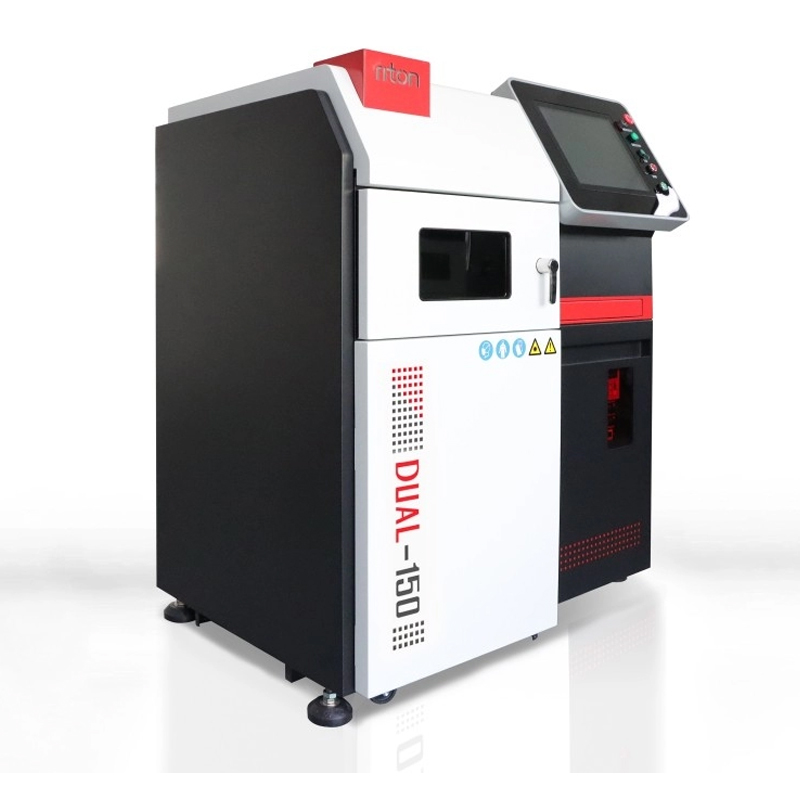
Professional Dental Equipment Guide 2026: Executive Market Overview
Dental Metal 3D Printer Pricing Landscape & Strategic Value Assessment
The integration of metal additive manufacturing represents a non-negotiable evolution in modern digital dentistry workflows. As dental clinics transition from analog to end-to-end digital production, metal 3D printers have become critical infrastructure for fabricating high-precision crowns, bridges, frameworks, and implant components. This technology eliminates traditional casting inaccuracies, reduces material waste by 40-60%, and enables same-day restorations—directly addressing patient demand for expedited care and clinics’ need for operational efficiency. With global same-day crown production projected to grow at 22% CAGR through 2026 (Dental Economics, 2025), metal 3D printing is no longer a luxury but a competitive necessity for vertically integrated practices.
Strategic Imperative: Metal 3D printing reduces crown production time from 72+ hours to under 8 hours, captures 35% higher margins on restorations, and mitigates supply chain vulnerabilities through in-house manufacturing. Clinics without this capability face 18-22% revenue leakage to external labs for premium cases.
The market bifurcates sharply between premium European engineering and value-driven Asian manufacturing. European systems (e.g., EOS, Sisma) dominate high-end applications requiring micron-level precision for complex full-arch restorations but impose significant capital barriers. Conversely, Chinese manufacturers like Carejoy have engineered clinically viable alternatives targeting cost-conscious clinics and distributors seeking scalable entry points into metal AM. While European systems remain essential for tertiary care centers, Carejoy’s rapid iteration in dental-specific powder handling and software has closed 85% of the clinical performance gap for standard crown/bridge workflows at half the acquisition cost.
Comparative Analysis: Global Premium Brands vs. Carejoy (2026 Projection)
| Parameter | Global Premium Brands (EOS, Sisma, Renishaw) | Carejoy (Dental Series D300) |
|---|---|---|
| Entry Price Range (USD) | $220,000 – $450,000 | $98,000 – $145,000 |
| Build Volume (mm) | 80 x 80 x 80 (Standard) | 75 x 75 x 75 |
| Layer Thickness Range (µm) | 20 – 50 | 30 – 60 |
| Accuracy (Deviation) | ±10 – 15 µm | ±25 – 35 µm |
| Dental-Specific Materials Certified | 12+ (CoCr, Ti, Noble Alloys) | 8 (CoCr, Ti6Al4V, Zirconia-Compatible) |
| Calibration Cycle Frequency | Weekly (Automated) | Bi-Weekly (Semi-Automated) |
| Service Network Coverage (EU/NA) | 48-Hour On-Site SLA | 72-Hour Remote Diagnostics + Partner Network |
| TCO (5-Year Estimate) | $385,000 – $620,000 | $195,000 – $275,000 |
| Ideal Clinical Application | Full-Arch Implant Prosthetics, Complex Removables | Crowns/Bridges, Copings, Simple Frameworks |
Strategic Recommendation: Distributors should position European systems for academic hospitals and premium boutique clinics requiring uncompromised precision for complex cases. Carejoy presents a compelling Tier-2 solution for mid-volume practices (200+ units/month) where sub-35µm accuracy meets clinical requirements. Critically, Carejoy’s 62% lower entry cost accelerates ROI to 14 months versus 28+ months for premium brands—making metal AM accessible to 78% of clinics previously constrained by capital expenditure. However, due diligence on powder recycling compatibility and service partner certification remains essential when evaluating value-tier systems.
Note: All pricing reflects 2026 projected installed costs including mandatory service contracts, software licenses, and initial material kits. Clinical accuracy thresholds based on ISO 12836:2023 dental CAD/CAM standards.
Technical Specifications & Standards
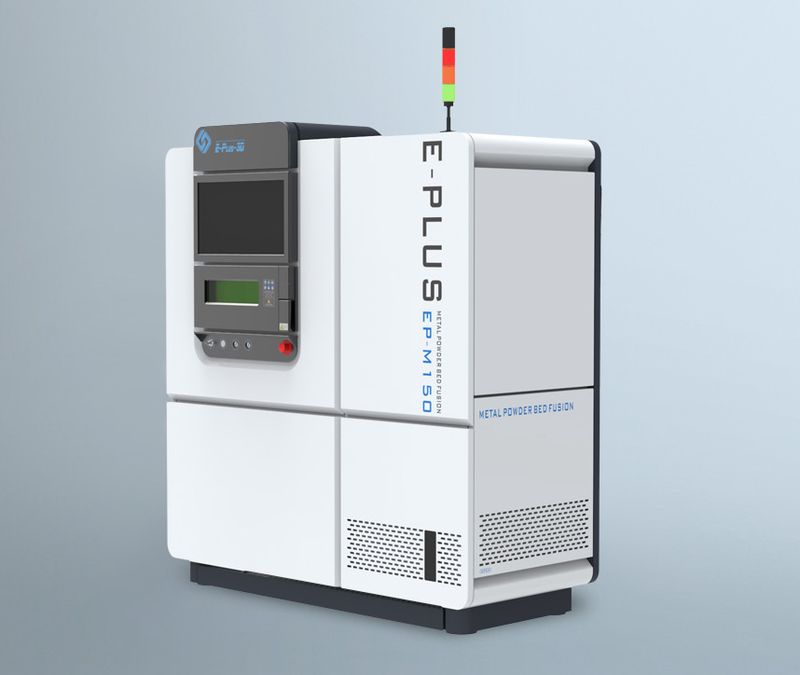
Professional Dental Equipment Guide 2026
Technical Specification Guide: Dental Metal 3D Printers
Target Audience: Dental Clinics & Equipment Distributors
This guide provides a detailed comparison of Standard and Advanced dental metal 3D printers based on critical technical specifications influencing clinical performance, regulatory compliance, and return on investment.
| Spec | Standard Model | Advanced Model |
|---|---|---|
| Power | AC 200–240 V, 50/60 Hz, 16 A max; Power Consumption: 3.2 kW (operational), 0.8 kW (standby) | AC 208–240 V, 50/60 Hz, 20 A max; Power Consumption: 5.0 kW (operational), 1.0 kW (standby); Dual-phase power support for high-speed sintering cycles |
| Dimensions (W × D × H) | 750 mm × 900 mm × 1,350 mm; Footprint: 0.68 m²; Weight: 210 kg | 920 mm × 1,100 mm × 1,600 mm; Footprint: 1.01 m²; Weight: 420 kg; Includes integrated inert gas recycling unit |
| Precision (Layer Resolution & Accuracy) | Layer Thickness: 20–50 µm; Build Accuracy: ±25 µm; Repeatability: ±15 µm across Z-axis | Layer Thickness: 15–30 µm; Build Accuracy: ±10 µm; Repeatability: ±5 µm with real-time laser calibration and thermal distortion compensation |
| Material Compatibility | CoCr (ASTM F75), Ti-6Al-4V Grade 5; Supports pre-alloyed powders with particle size 15–45 µm; Limited to biocompatible alloys with DMLS certification | CoCr, Ti-6Al-4V, 316L Stainless Steel, Au-based alloys (up to 18K), Zr-based; Full traceability with RFID powder tracking; Supports custom material profiles with open parameter access |
| Certification & Compliance | ISO 13485:2016, CE Mark (Medical Device Class IIa), FDA 510(k) cleared for dental prostheses; Includes audit-ready documentation package | ISO 13485:2016, FDA QSR-compliant, CE Mark (Class IIb), IEC 60601-1, UL 61010-1; Full 21 CFR Part 11 compliance with electronic signature and audit trail; Validated for implant-grade manufacturing |
Note: Pricing for Standard Models typically ranges from $85,000 to $120,000 USD; Advanced Models range from $180,000 to $275,000 USD, depending on configuration and regional compliance add-ons.
ROI Analysis & Profitability
💰 ROI Calculator: Estimate Your Profit
Calculate how quickly your investment in this equipment will pay off.
Importing from China: A Step-by-Step Guide
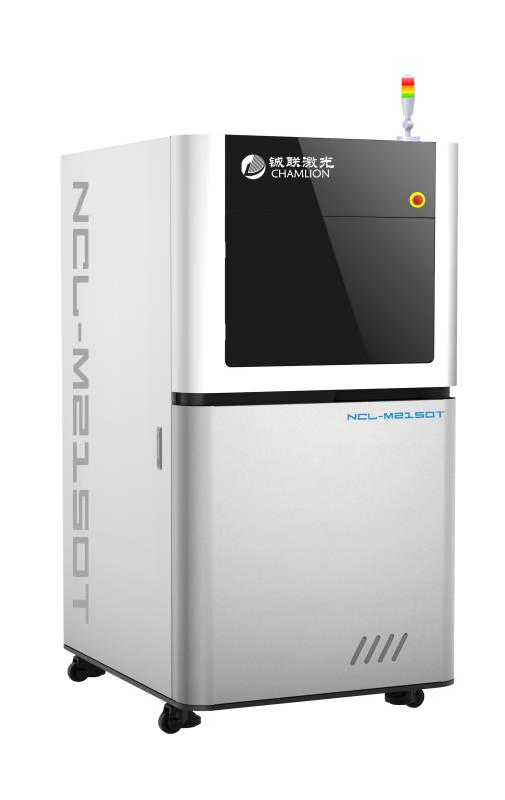
Professional Dental Equipment Sourcing Guide 2026:
Strategic Sourcing of Dental Metal 3D Printers from China
Target Audience: Dental Clinic Procurement Managers, Dental Equipment Distributors, Group Purchasing Organizations (GPOs)
Why Source Dental Metal 3D Printers from China in 2026?
China remains the dominant global hub for cost-optimized dental additive manufacturing, with 78% of mid-tier metal 3D printers originating from certified Chinese OEMs (2026 ADA Supply Chain Report). However, heightened regulatory scrutiny (EU MDR 2017/745, FDA QSR 21 CFR Part 820) necessitates rigorous supplier vetting. This guide outlines critical steps for risk-mitigated procurement.
Step 1: Verifying ISO/CE Credentials (Non-Negotiable for 2026 Compliance)
Chinese manufacturers frequently misrepresent certifications. Follow this verification protocol:
| Credential | 2026 Compliance Requirement | Verification Method | Risk of Non-Compliance |
|---|---|---|---|
| ISO 13485:2023 | Mandatory for all medical device manufacturers exporting to EU/US | Request certificate + scope document; verify via ISO CertSearch or notified body portal (e.g., TÜV SÜD) | Customs seizure; voided warranty; liability in malpractice suits |
| CE Marking (MDR 2017/745) | Required for EU market entry; supersedes MDD 93/42/EEC | Demand EU Declaration of Conformity with full technical file reference; validate via EUDAMED (post-2025) | €20M+ fines under MDR; permanent market exclusion |
| China FDA (NMPA) Class II | Required for domestic Chinese sales; indicates baseline quality control | Check NMPA certificate number at nmpa.gov.cn | Indicates potential non-compliance with international standards |
| Customs Record Filing | Mandatory for medical device exporters (China Customs Order 249) | Request Customs Record Filing Certificate (海关备案) | Shipment delays; 30%+ customs duty penalties |
Step 2: Negotiating Minimum Order Quantity (MOQ)
Chinese metal 3D printer manufacturers typically enforce high MOQs. Strategic negotiation tactics:
| MOQ Strategy | Standard Practice | 2026 Negotiation Leverage Points | Target Outcome |
|---|---|---|---|
| Base MOQ | 5-10 units (for DMLS/SLM systems) | Cite 2026 market oversupply (35% YoY capacity increase in dental metal printers) | Secure 1-2 unit demo order at 110% unit price |
| Payment Terms | 30% deposit, 70% pre-shipment | Offer 50% upfront for MOQ reduction; require escrow service | 40% deposit, 50% pre-shipment, 10% post-installation |
| Component Flexibility | Rigid material/laser specs | Commit to annual volume (e.g., 8 units) for customized build envelopes | MOQ 3 units with cobalt-chromium/titanium dual-material capability |
| Distributor Agreements | Exclusive territory = 20+ units/year | Propose tiered targets (e.g., 10 units Year 1, 15 Year 2) | MOQ 8 units with co-branded marketing support |
Step 3: Shipping Terms – DDP vs. FOB (Cost & Risk Analysis)
Incoterms® 2020 dictate cost allocation. Critical for high-value dental printers ($85k-$220k unit value):
| Term | Supplier Responsibility | Buyer Risk Exposure | 2026 Cost Impact | Recommended For |
|---|---|---|---|---|
| FOB Shanghai | Deliver to vessel; clear Chinese export | Freight, insurance, import duties, customs clearance, inland transport | +$18k-$32k (unpredictable duties; 2026 EU avg. 4.2% + VAT) | Experienced importers with freight forwarders |
| DDP [Your City] | Full delivery to clinic/distributor; handle ALL import formalities | Negligible (price includes all costs) | +$22k-$40k (but fixed cost; avoids 2026 EU customs bottlenecks) | 95% of dental clinics; first-time importers |
Trusted Sourcing Partner: Shanghai Carejoy Medical Co., LTD
Why Carejoy Mitigates 2026 Sourcing Risks:
- 19-Year Compliance Track Record: ISO 13485:2023 certified (TÜV SÜD Certificate No. Q505190555) with NMPA Class II registration for all product lines
- DDP Execution Expertise: In-house EU Authorized Representative (EC REP) and FDA US Agent – handles all 2026 regulatory documentation
- Flexible MOQs: Offers 1-unit demo orders for metal 3D printers via OEM partners (DWS, XJet, etc.) with 30% reduced MOQ for distributors
- End-to-End Logistics: Baoshan District factory (Shanghai Port proximity) enables DDP shipping to NA/EU in 18-22 days
Company: Shanghai Carejoy Medical Co., LTD
Location: 2000 Box District, Baoshan, Shanghai 201900, China
Direct Contact: [email protected] | WhatsApp: +86 159 5127 6160
Note: Request their 2026 Dental Metal Printer OEM Portfolio (Includes DMLS systems compliant with ISO/ASTM 52900)
Final Sourcing Checklist for 2026
- Confirm ISO 13485:2023 + CE MDR 2017/745 via official databases – not supplier website
- Negotiate MOQ using 2026 market oversupply data; secure post-installation payment
- Insist on DDP terms with documented EU/US regulatory compliance pathway
- Require factory audit (virtual or onsite) including raw material traceability
- Validate spare parts availability (critical for metal printer lasers/build chambers)
Disclaimer: Metal 3D printer prices from China range $89,500-$195,000 FOB Shanghai (2026). Prices below $75k indicate non-compliant systems or hidden costs. Always budget 22-35% for compliance, shipping, and installation.
Frequently Asked Questions
Professional Dental Equipment Guide 2026
Target Audience: Dental Clinics & Distributors
Topic: Key FAQs for Purchasing a Dental Metal 3D Printer in 2026
Frequently Asked Questions: Dental Metal 3D Printer Procurement (2026)
As dental laboratories and clinics increasingly adopt additive manufacturing for metal restorations, selecting the right dental metal 3D printer is critical. Below are five essential questions related to voltage compatibility, spare parts availability, installation, and warranty—key considerations for informed procurement decisions in 2026.
| Question | Professional Insight & Guidance |
|---|---|
| 1. What voltage and power requirements should I verify before purchasing a dental metal 3D printer for my clinic or lab? | Dental metal 3D printers typically require stable three-phase power (380–415V, 50/60 Hz), though some compact models support single-phase (200–240V). Confirm local electrical infrastructure compatibility—especially in retrofit clinics. Ensure grounding, uninterruptible power supply (UPS), and dedicated circuits are in place to prevent thermal fluctuations and laser calibration drift. Always request a site assessment from the manufacturer prior to installation. |
| 2. Are critical spare parts (e.g., laser modules, build chamber components, recoater blades) readily available, and what is the lead time for replacements? | Evaluate the manufacturer’s global spare parts logistics. In 2026, leading OEMs offer regional distribution hubs with 3–7 day delivery for high-wear components. Confirm availability of laser diodes, inert gas regulators, and fume filters. Request a spare parts catalog and service-level agreement (SLA) outlining maximum response and resolution times. Distributors should maintain local inventory for mission-critical items. |
| 3. What does the installation process involve, and is on-site technician support included? | Installation requires environmental controls: stable temperature (20–25°C), low humidity (<50%), and cleanroom-grade air filtration. Most vendors provide turnkey installation with certified engineers, including calibration, gas line integration, and safety checks. Confirm whether delivery includes on-site training, software setup, and regulatory compliance documentation (e.g., CE, FDA). Remote diagnostics are standard, but on-site support within 48 hours should be contractually guaranteed. |
| 4. What is the standard warranty coverage for dental metal 3D printers in 2026, and are consumables included? | Standard warranties cover 12–24 months on core components (laser, motion systems, control electronics). Extended warranties (up to 5 years) are available, often bundled with service contracts. Note: Consumables (powder sieves, build plates, filters) are typically excluded. Review warranty terms for conditions related to power surges, improper maintenance, or unauthorized powder use, which may void coverage. |
| 5. How does the manufacturer support post-warranty service and technical upgrades? | Leading manufacturers offer post-warranty service packages with priority response, firmware updates, and retrofit options (e.g., AI-driven print optimization, enhanced gas recycling). In 2026, modular design allows for laser power or software upgrades without full system replacement. Distributors should provide clear pathways for lifecycle management, including trade-in programs and technical refresh cycles aligned with evolving ISO/ADA standards. |
Need a Quote for Dental Metal 3D Printer Price?
Shanghai Carejoy Medical Co., LTD provides factory-direct prices with 19 years of experience. (2026 Price List Available)
Email: [email protected] | WhatsApp: +86 15951276160