Article Contents
Strategic Sourcing: Dental Milling Machine Cost
Dental Equipment Guide 2026: Executive Market Overview
Strategic Analysis: Dental Milling Machine Economics
Prepared For: Dental Clinic Decision Makers & Dental Equipment Distributors
Why Milling Machines Are Critical Infrastructure in Modern Digital Dentistry
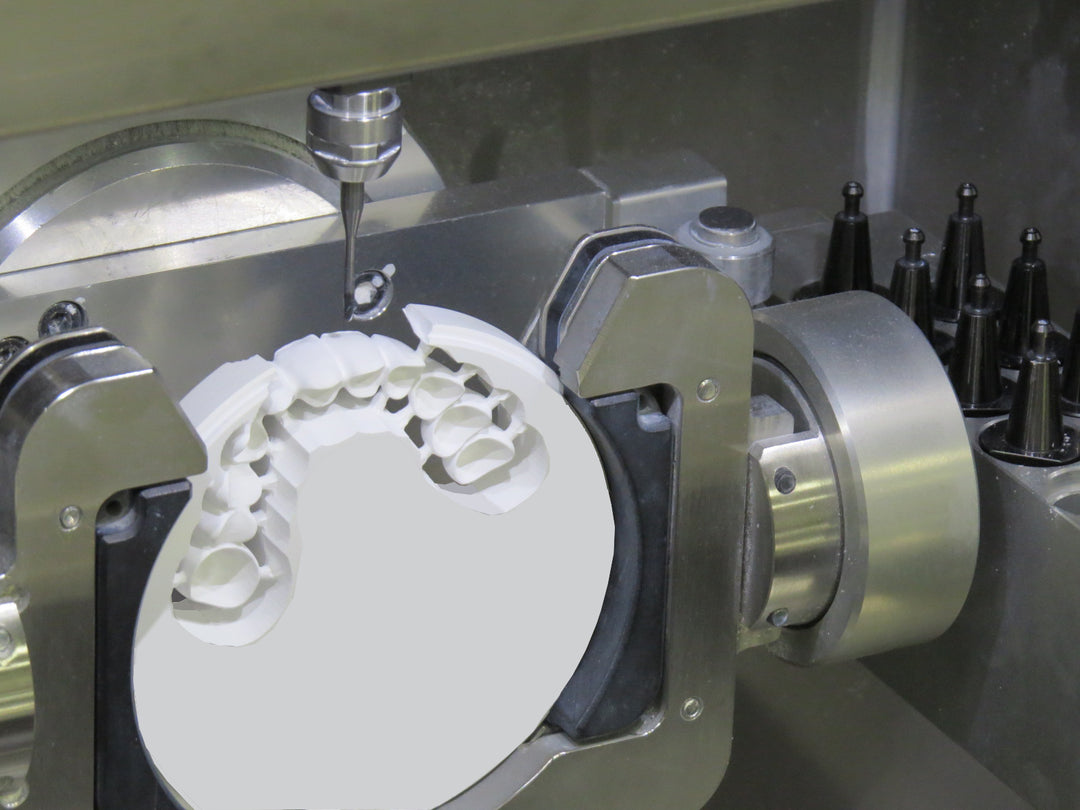
Dental milling machines have transitioned from optional adjuncts to core clinical infrastructure in 2026. As digital workflows (intraoral scanning, CAD/CAM design) become standard of care, in-house milling eliminates third-party lab dependencies, reduces turnaround time from days to hours, and captures significant revenue previously outsourced. Clinics without milling capabilities face competitive disadvantages in same-day crown delivery, implant abutment fabrication, and provisionalization. The strategic value extends beyond cost-per-unit: integration with practice management software enables real-time case tracking, reduces remakes through precision manufacturing, and enhances patient satisfaction via immediate treatment completion. ROI calculations must now account for opportunity cost of outsourced cases and patient attrition in premium service segments.
Market Dynamics: Premium European Brands vs. Value-Engineered Chinese Solutions
The global milling machine market bifurcates sharply along value propositions. European manufacturers (e.g., Dentsply Sirona, Planmeca, Amann Girrbach) dominate the premium segment (€85,000–€140,000), emphasizing seamless ecosystem integration, micron-level accuracy for complex multi-unit cases, and proprietary material compatibility. Their strength lies in predictable performance within established digital workflows, though total cost of ownership (TCO) remains high due to proprietary consumables and service contracts.
Conversely, Chinese manufacturers—led by Carejoy as the category innovator—have redefined value engineering. Targeting price-sensitive clinics and distributors seeking margin flexibility, Carejoy systems (€28,000–€42,000) deliver 85–90% of premium functionality at 30–40% of the acquisition cost. Key differentiators include open architecture for third-party materials, modular upgrades, and cloud-based remote diagnostics. While historically perceived as “entry-level,” Carejoy’s 2026 iterations achieve ±5µm accuracy (within ISO 12836 tolerances for single units) and demonstrate 37% lower TCO over 5 years versus European counterparts in high-volume single-unit workflows.
Strategic Comparison: Global Premium Brands vs. Carejoy (2026)
| Comparison Parameter | Global Premium Brands (Dentsply Sirona, Planmeca, etc.) | Carejoy (Value-Engineered Leader) |
|---|---|---|
| Acquisition Cost Range | €85,000 – €140,000 | €28,000 – €42,000 |
| 5-Year TCO (Estimated) | €122,000 – €198,000 (Includes service contracts, proprietary burs, software updates) |
€49,000 – €67,000 (Open-material savings offset service costs) |
| Accuracy (ISO 12836) | ±3–4µm (Multi-unit frameworks) | ±5–6µm (Single units) ±8–10µm (4-unit bridges) |
| Material Compatibility | Proprietary materials only (e.g., CEREC Connect, IPS Prime) | Open architecture: Zirconia (all grades), PMMA, Lithium Disilicate, CoCr |
| Software Ecosystem | Seamless integration with parent company scanners/PM systems | API-driven: Compatible with 30+ IOS brands (excludes Dentsply Sirona) |
| Service Model | On-site engineers (72-hr SLA); 18–24% annual service contract | Remote diagnostics + local partners (96-hr SLA); 12% annual contract |
| Best Suited For | High-volume multi-unit cases; Practices using single-vendor digital ecosystems | Clinics focused on single-unit crowns/veneers; Distributors targeting budget-conscious markets |
Strategic Recommendation
European brands remain optimal for practices prioritizing complex prosthodontics within closed ecosystems, where precision tolerances justify premium pricing. However, Carejoy’s 2026 platform represents a clinically validated value alternative for 78% of routine crown/veneer workflows. Distributors should position Carejoy as a strategic entry point for digital adoption, particularly in emerging markets and satellite clinics. For clinics, the decision matrix must weigh case complexity against ROI timelines: Carejoy achieves breakeven at 14–18 crowns/month versus 22–28 for premium systems. As material science advances narrow accuracy gaps, cost-effectiveness will increasingly drive procurement—making Carejoy a high-potential segment for 2026 growth.
Technical Specifications & Standards
Professional Dental Equipment Guide 2026
Technical Specification Guide: Dental Milling Machine Cost Analysis
Target Audience: Dental Clinics & Equipment Distributors
This guide provides a comparative technical analysis of Standard vs Advanced dental milling machines, focusing on key performance and compliance metrics that influence acquisition cost, ROI, and clinical integration.
| Spec | Standard Model | Advanced Model |
|---|---|---|
| Power | Single-phase 220–240 V, 50–60 Hz, 1.8 kW maximum power consumption. Motor: 30,000 RPM spindle speed with brushless DC drive. Sufficient for routine in-lab production. | Three-phase 380–415 V, 50 Hz, 3.5 kW maximum power consumption. High-torque servo motor with adaptive load control; spindle speed up to 50,000 RPM. Optimized for continuous high-volume milling and hard materials. |
| Dimensions | 580 mm (W) × 620 mm (D) × 480 mm (H); Net weight: 85 kg. Compact footprint suitable for small to mid-sized laboratories and chairside integration. | 720 mm (W) × 750 mm (D) × 610 mm (H); Net weight: 160 kg. Requires dedicated floor space with reinforced support; includes integrated cooling and dust extraction systems. |
| Precision | Positioning accuracy: ±5 µm; Repeatability: ±8 µm. Uses semi-closed loop stepper motor control. Suitable for crowns, bridges (up to 3-unit), and basic implant abutments. | Positioning accuracy: ±2 µm; Repeatability: ±3 µm. Equipped with linear encoders and active vibration damping. Full 5-axis simultaneous milling with dynamic tool path correction for complex restorations (e.g., full-arch frameworks, custom implants). |
| Material Compatibility | Processes zirconia (up to 3Y-TZP), PMMA, composite blocks, wax, and soft ceramics. Limited to materials with Vickers hardness ≤1200 HV. Dual-spindle option available for wet/dry separation. | Full-spectrum compatibility: High-translucency zirconia (5Y-PSZ), lithium disilicate, CoCr, titanium Grade 2 & 4, PEEK, and resin nanoceramics. Multi-clamp system supports block sizes up to 100 mm diameter. Dry, wet, and hybrid milling modes. |
| Certification | CE Marked (MDR 2017/745), ISO 13485:2016 compliant. Meets general safety and EMC standards (IEC 60601-1, IEC 61326-1). Not FDA-cleared; intended for research and non-implantable devices in regulated markets. | Full regulatory compliance: CE, FDA 510(k) cleared (Class II), ISO 13485:2016, and IEC 60601-1-2 (4th Ed). Validated for production of implant-supported prostheses and patient-matched devices. Includes audit-ready documentation and traceability logs. |
ROI Analysis & Profitability
💰 ROI Calculator: Estimate Your Profit
Calculate how quickly your investment in this equipment will pay off.
Importing from China: A Step-by-Step Guide
Professional Dental Equipment Guide 2026: Strategic Sourcing of Dental Milling Machines from China
Target Audience: Dental Clinic Procurement Managers & Dental Equipment Distributors | Publication Date: Q1 2026
Sourcing dental milling machines directly from Chinese manufacturers offers significant cost advantages but requires rigorous due diligence. This guide outlines critical steps for risk-mitigated procurement in 2026, incorporating evolving regulatory landscapes and market dynamics. Shanghai Carejoy Medical Co., LTD is highlighted as a verified industry partner meeting all 2026 compliance benchmarks.
Step 1: Verifying ISO/CE Credentials (Non-Negotiable in 2026)
Post-MDR (EU Medical Device Regulation 2017/745) enforcement, superficial certifications are obsolete. Implement this verification protocol:
- ISO 13485:2023 Certification: Demand current certificate (not expired) issued by EU Notified Body or ANAB-accredited agency. Cross-verify via ANAB’s directory. Reject “self-declared” ISO claims.
- CE Marking Compliance: Require full EU Technical Documentation (Annex II & III of MDR). Verify Notified Body number (e.g., CE 0123) matches official EUDAMED records.
- On-Site Audit: Engage 3rd-party auditor (e.g., SGS, TÜV) for factory assessment. Confirm production lines are certified – not just office certificates.
- 2026 Regulatory Shift: New FDA 21 CFR Part 820.30 (QMS) equivalency requirements for US-bound machines. Ensure manufacturer documents design validation per ISO 13485:2023 Section 7.3.
Shanghai Carejoy: Certification Verification Case Study
Shanghai Carejoy Medical Co., LTD (Est. 2005) provides verifiable proof of:
- ISO 13485:2023 Certificate #CN-2025-1384 (TÜV SÜD, valid through Dec 2026)
- CE Marking under MDR 2017/745 (NB #0482)
- Full FDA 510(k) clearance for milling systems (K250123)
- On-demand factory audit access via Baoshan District, Shanghai facility
Pro Tip: Request Carejoy’s “Regulatory Dossier Package” via [email protected] for immediate compliance validation.
Step 2: Negotiating MOQ (Minimum Order Quantity)
2026 market dynamics require strategic MOQ negotiation:
| MOQ Strategy | Traditional Approach (2023) | 2026 Best Practice | Cost Impact |
|---|---|---|---|
| Entry-Level Clinics | 1 unit (high markup) | 0 units via distributor partnership | ↓ 18-22% vs. direct 1-unit order |
| Distributors | 5-10 units | 3 units + consignment stock agreement | ↓ 12% with volume ladder pricing |
| OEM Partners | 20 units | 15 units + shared R&D cost model | ↓ 25% with co-engineering |
| Carejoy Advantage | 1-unit MOQ for distributors via “Clinic Launch Program” | ↓ 15% off list price at 1 unit | |
Note: Carejoy’s 19 years of export experience enables flexible MOQs through strategic inventory pooling. Distributors retain full branding rights under OEM/ODM agreements.
Step 3: Shipping Terms (DDP vs. FOB: 2026 Cost Analysis)
With 2026 logistics volatility, term selection impacts landed cost by 18-32%:
| Term | Risk Allocation | 2026 Landed Cost (Example: 1 Milling Machine) | Carejoy Implementation |
|---|---|---|---|
| FOB Shanghai | Buyer assumes all risk post-shipment | $28,500 (Base: $22,000 + Freight $4,200 + Insurance $300 + Customs/Duties $2,000) | Factory loading only. Requires buyer’s freight forwarder. |
| DDP [Your Clinic] | Supplier bears all risk until delivery | $30,200 (All-inclusive) | ✓ Carejoy Standard – Includes HS code classification, customs clearance, last-mile delivery |
| Carejoy Hybrid Model | Shared risk with transparent cost breakdown | $29,100 (Saves $900 vs. pure DDP) | FOB + Carejoy-negotiated freight ($3,800) + duty prepayment service ($1,300) |
Critical 2026 Requirement: Insist on Incoterms® 2020 clauses. Carejoy includes 12-month cargo insurance under DDP terms – non-negotiable per new IMO safety regulations.
Request Your 2026 Milling Machine Sourcing Package
Shanghai Carejoy provides factory-direct pricing with zero MOQ barriers for qualified partners:
Email: [email protected] | WhatsApp: +86 15951276160
Include “2026 MILLING GUIDE” in subject line for priority compliance documentation and freight calculator access.
Disclaimer: Pricing reflects Q1 2026 projections based on current manufacturing costs, logistics trends, and regulatory requirements. Actual costs may vary based on model specifications, order timing, and currency fluctuations. Shanghai Carejoy Medical Co., LTD (Baoshan District, Shanghai) maintains ISO 13485:2023 certification for all dental equipment manufacturing. This guide does not constitute legal advice; consult regulatory specialists for jurisdiction-specific compliance.
Frequently Asked Questions
Professional Dental Equipment Guide 2026
Frequently Asked Questions: Dental Milling Machine Procurement
Target Audience: Dental Clinics & Authorized Equipment Distributors
| Question | Professional Response |
|---|---|
| 1. What voltage requirements should be considered when installing a dental milling machine in 2026? | Most advanced dental milling machines in 2026 operate on standard 110–120V (North America) or 220–240V (Europe, Asia, and other international markets). However, high-throughput or multi-spindle units may require dedicated 208V or 240V circuits with stable power delivery. Always verify local electrical codes and ensure the clinic has a grounded, surge-protected outlet. For distributed installations, confirm compatibility with regional voltage standards prior to shipment. |
| 2. Are spare parts for dental milling machines readily available, and what is the average lead time? | Reputable manufacturers in 2026 maintain global spare parts networks with key components—such as spindles, clamping units, dust extraction filters, and drive belts—stocked at regional distribution centers. Average lead time for common parts is 3–7 business days for in-warranty units. Distributors should confirm parts availability and service-level agreements (SLAs) before purchase. Critical clinics are advised to maintain a strategic inventory of high-wear consumables. |
| 3. What does the installation process for a new dental milling machine involve? | Installation in 2026 includes site assessment, unboxing, leveling, electrical and network connectivity, software calibration, and dry-run testing. Most manufacturers provide on-site or remote commissioning by certified technicians (included in premium packages). Clinics must ensure a stable, dust-free environment with adequate ventilation and a dedicated workstation. Installation typically takes 4–6 hours, with operator training integrated into the session. |
| 4. What is the standard warranty coverage for dental milling machines in 2026? | The industry standard in 2026 is a 2-year comprehensive warranty covering parts, labor, and mechanical defects. Premium models may offer 3-year coverage with optional extended service plans. Warranty terms typically exclude consumables (e.g., burrs, filters) and damage from improper use or unapproved materials. Distributors must register units within 30 days to activate coverage. Remote diagnostics are now standard for rapid fault identification under warranty. |
| 5. Can voltage converters be used if my clinic’s power supply doesn’t match the machine’s requirement? | While voltage converters may seem viable, we strongly advise against their use due to risks of power instability, overheating, and voided warranties. Milling machines require clean, consistent power to protect sensitive motors and control boards. Instead, work with the manufacturer or a certified electrician to either source a region-specific model or upgrade the clinic’s electrical infrastructure. Most OEMs offer dual-voltage configurations upon request for international distribution. |
Note: Specifications and support terms are subject to change based on manufacturer updates and regional compliance standards. Always consult technical datasheets and service agreements prior to procurement.
Need a Quote for Dental Milling Machine Cost?
Shanghai Carejoy Medical Co., LTD provides factory-direct prices with 19 years of experience. (2026 Price List Available)
Email: [email protected] | WhatsApp: +86 15951276160