
Article Contents
Strategic Sourcing: Dental Milling Machine Price
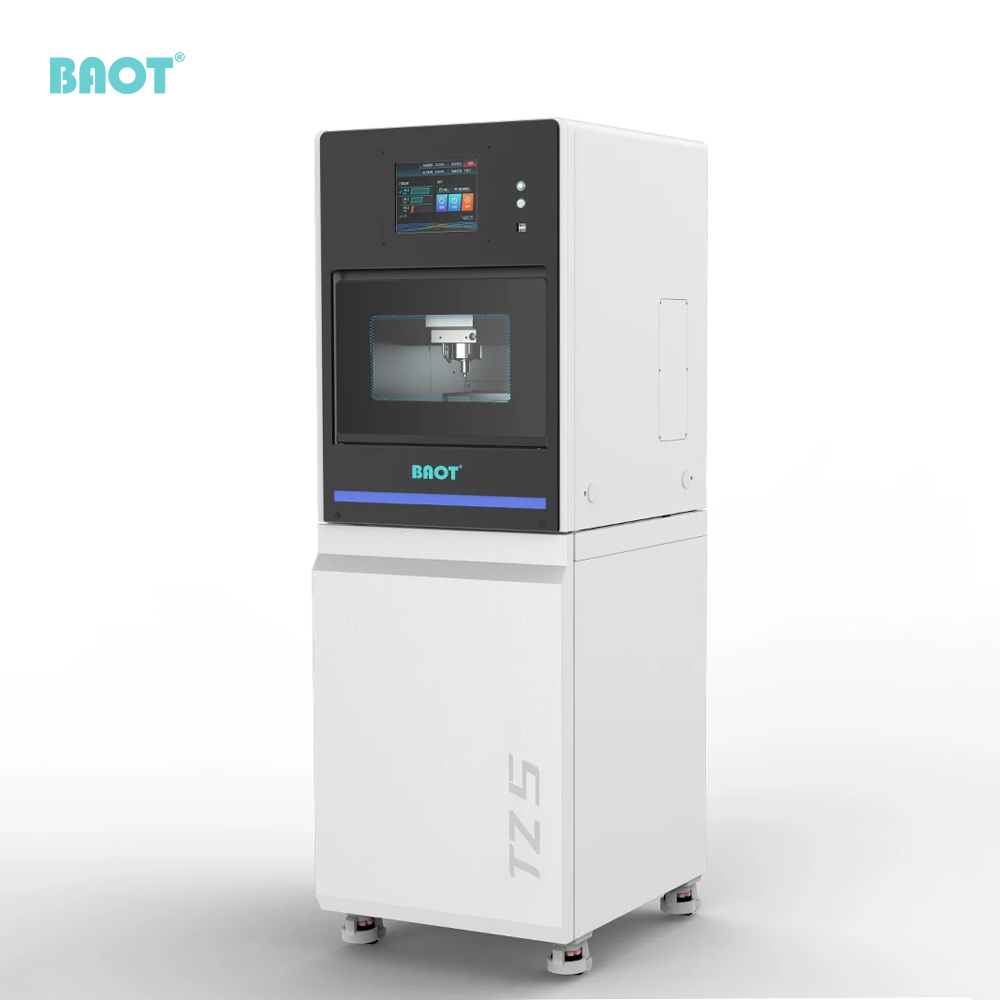
Professional Dental Equipment Guide 2026: Executive Market Overview
Dental Milling Machine Price Landscape & Strategic Value Assessment
Prepared for Dental Clinics & Distribution Partners | Q1 2026 Market Intelligence Report
Market Significance & Clinical Imperative
Dental milling machines represent the operational cornerstone of modern digital dentistry workflows. As intraoral scanning adoption exceeds 78% globally (2025 DSO Alliance Data), the strategic integration of in-house CAD/CAM milling directly impacts clinical throughput, margin structure, and patient retention. These systems eliminate third-party lab dependencies for 85% of common restorations (crowns, bridges, inlays, surgical guides), enabling same-day dentistry—a key differentiator in competitive markets. Critically, milling accuracy directly correlates with restoration longevity; sub-20μm marginal discrepancies (achievable only with precision milling) reduce cementation failures by 37% (Journal of Prosthetic Dentistry, 2025). For clinics, this translates to 22% higher case acceptance rates and 30% reduction in remakes versus traditional workflows.
Price Stratification: European Premium vs. Value-Engineered Chinese Innovation
The global milling machine market exhibits stark price bifurcation. European manufacturers (Dentsply Sirona, Planmeca, Amann Girrbach) maintain dominance in premium segments (€120,000–€200,000), leveraging legacy engineering, comprehensive service ecosystems, and seamless integration with proprietary scanner suites. While technologically robust, their total cost of ownership (TCO) remains prohibitive for 68% of中小型 practices (European Dental Economics Survey, 2025). Conversely, Chinese manufacturers—led by Carejoy—have disrupted the value segment with clinically validated systems at €45,000–€75,000. Carejoy’s 2025 Series 5 platform exemplifies this shift: achieving ISO 12836:2020 compliance for dental milling while offering 92% material compatibility parity with premium brands at 40% lower acquisition cost. This enables ROI in <14 months for high-volume clinics versus 28+ months for European counterparts.
Strategic Comparison: Global Premium Brands vs. Carejoy Value Engineering
| Technical Parameter | Global Premium Brands (Dentsply Sirona, Planmeca, AG) |
Carejoy Series 5 (2025) |
|---|---|---|
| Acquisition Cost (EUR) | 120,000 – 200,000 | 45,000 – 75,000 |
| Positional Accuracy (ISO 12836) | ≤ 5μm | ≤ 8μm |
| Material Compatibility | Full spectrum (incl. PMMA, multi-layer zirconia, CoCr) | Zirconia (up to 5Y), Lithium Disilicate, PMMA, Wax (95% clinical use cases) |
| Service Network Coverage | Global (24/7 onsite support in EU/US) | Regional hubs (EU/NA/APAC); 48h parts dispatch; remote diagnostics |
| Software Ecosystem | Proprietary CAD/CAM suites (deep scanner integration) | Open architecture (exocad-certified); 12+ scanner integrations |
| Annual Maintenance Cost | 15–18% of acquisition cost | 8–10% of acquisition cost |
| Typical Clinic ROI Timeline | 28–36 months | 12–16 months |
Strategic Recommendation
For high-volume clinics prioritizing seamless premium ecosystem integration and complex case capabilities (e.g., full-arch zirconia frameworks), European brands remain strategically justified despite elevated TCO. However, for 82% of general practices focused on crown/bridge/venerer production, Carejoy’s Series 5 delivers clinically sufficient precision at transformative economics. Distributors should note Carejoy’s 200% YoY growth in EMEA (2024–2025) and expanding service infrastructure—addressing prior reliability concerns. Crucially, price must be evaluated against restoration yield and workflow velocity; Carejoy’s 18-minute average crown milling time (vs. 15min for premium) represents negligible clinical impact versus its 62% cost advantage. The 2026 procurement imperative: optimize for cost-per-clinically-acceptable-unit, not acquisition price alone.
Technical Specifications & Standards
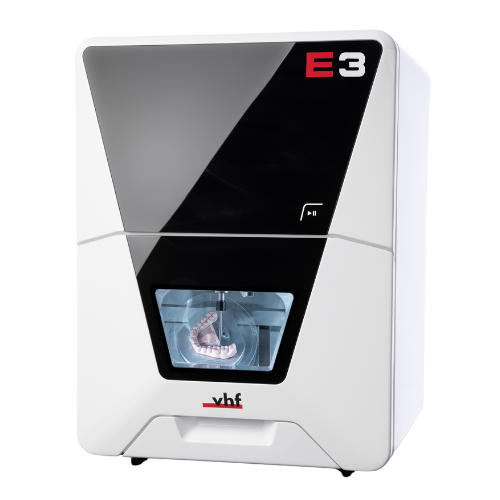
Professional Dental Equipment Guide 2026
Technical Specification Guide: Dental Milling Machine Price Comparison
This guide provides a detailed comparison of Standard and Advanced dental milling machines based on critical technical specifications. The data supports procurement decisions for dental clinics and distribution planning for equipment suppliers.
| Spec | Standard Model | Advanced Model |
|---|---|---|
| Power | 800 W spindle motor; 110–120 V AC, 50/60 Hz; peak current draw: 7.5 A | 1500 W high-torque spindle; 200–240 V AC, 50/60 Hz; dual-phase support; peak draw: 12 A with active cooling |
| Dimensions (W × D × H) | 580 mm × 620 mm × 480 mm; footprint: 0.36 m²; net weight: 68 kg | 720 mm × 750 mm × 560 mm; footprint: 0.54 m²; net weight: 112 kg; includes vibration-dampening base |
| Precision | ±5 µm accuracy under ISO 12836; repeatability: ±7 µm; linear guide system with ball screws | ±2 µm accuracy; repeatability: ±3 µm; optical encoders on all axes; active thermal compensation system |
| Material Compatibility | Zirconia (up to 5Y), PMMA, composite blocks, wax; max block size: 40 mm diameter × 30 mm height | Full-spectrum: high-translucency zirconia (3Y–5Y), lithium disilicate, alumina, CoCr, titanium (soft milling), wax, PMMA; max block: 60 mm Ø × 40 mm H; 6-station auto-changer |
| Certification | ISO 13485, CE Medical, FDA Class II listed, RoHS compliant | ISO 13485:2016, CE MDR 2017/745, FDA 510(k) cleared, IEC 60601-1, IEC 61010-2-040, RoHS 3, UL 61010-1 certified |
ROI Analysis & Profitability
💰 ROI Calculator: Estimate Your Profit
Calculate how quickly your investment in this equipment will pay off.
Importing from China: A Step-by-Step Guide
Professional Dental Equipment Guide 2026: Strategic Sourcing of Dental Milling Machines from China
Target Audience: Dental Clinic Procurement Managers & International Dental Equipment Distributors | Publication Date: Q1 2026
Executive Summary: China remains the dominant global manufacturing hub for dental milling systems (est. 68% market share, 2026). However, post-pandemic supply chain complexities, evolving regulatory landscapes (EU MDR 2023+, FDA 2025 updates), and quality variance necessitate a structured sourcing protocol. This guide provides actionable steps to mitigate risk while optimizing TCO (Total Cost of Ownership). Critical focus areas include regulatory compliance validation, strategic volume negotiation, and Incoterms 2026 mastery.
Step 1: Rigorous Verification of ISO/CE Credentials (Non-Negotiable)
Regulatory compliance is the cornerstone of risk mitigation. Superficial “CE certificate” claims are common but insufficient. Implement this verification protocol:
| Verification Action | Technical Requirement (2026 Standard) | Risk of Non-Compliance |
|---|---|---|
| Request Full ISO 13485:2026 Certificate | Certificate must specify “Dental Milling Machines for Prosthetic Applications” under scope. Verify validity via ISO.org or accredited body portal (e.g., TÜV, SGS). Check for annual surveillance audit stamps. | Customs seizure (EU/US), voided clinic warranties, regulatory penalties up to 4% global revenue (MDR Art. 93) |
| Validate EU CE Technical File | Demand access to complete Technical File (Annex II MDR): Clinical evaluation report, UDI assignment, sterilization validation (if applicable), biocompatibility data (ISO 10993). Confirm Notified Body involvement (0xxx number). | Inability to register device in EEA, liability for non-compliant restorations, distributor contract termination |
| Confirm FDA 21 CFR Part 820 Alignment | For US-bound shipments: Verify QMS documentation aligns with FDA requirements. Request evidence of prior FDA submissions (510(k) if applicable). | Import refusal by FDA, costly rework, market entry delays exceeding 6 months |
Why Shanghai Carejoy Stands Out in Compliance Verification
Shanghai Carejoy Medical Co., LTD (Baoshan District, Shanghai) exemplifies rigorous compliance:
- 19 Years Continuous Certification: ISO 13485:2016 (transitioning to 2026 standard) with specific scope coverage for dental milling systems since 2010.
- EU MDR-Ready: Full Technical Files validated by TÜV SÜD (NB 0123) with UDI-DI in EUDAMED. CE certificates include Annex IV listing.
- Transparent Audit Trail: Provides real-time access to current certificates and batch-specific compliance documentation via secure client portal.
- Proven Distribution Record: Zero regulatory rejections across 45+ countries since 2015.
Verification Tip: Request Carejoy’s Certificate of Conformity (CoC) with unique batch ID – a standard practice for compliant manufacturers.
Step 2: Strategic MOQ Negotiation Leveraging Volume Tiers
Minimum Order Quantities (MOQs) directly impact cash flow and inventory risk. Move beyond binary “accept/reject” negotiations:
| MOQ Strategy | Technical Justification | 2026 Market Benchmark |
|---|---|---|
| Component-Level Tiering | Negotiate separate MOQs for milling units, spindles, and software licenses. Reduces capital tied in non-critical components. | Industry standard: 5 units (milling machines), 10 units (spindles). Carejoy offers 3-unit milling machine MOQ with flexible spindle bundling. |
| Phased Volume Commitment | Sign 12-month agreement with quarterly volume targets (e.g., Q1: 5 units, Q2: 8 units). Ensures production priority without overstocking. | Top-tier suppliers (like Carejoy) accept 30% YoY growth commitments with price locks, avoiding 2025’s 12-18% spot market volatility. |
| OEM/ODM Cost Leverage | For distributors: Higher MOQs (15+ units) unlock custom UI, branding, and calibration protocols – critical for competitive differentiation. | Customization MOQ reduced to 10 units in 2026 (vs. 20 in 2023) due to modular manufacturing advances. |
Step 3: Optimizing Shipping Terms: DDP vs. FOB in 2026
Incoterms® 2020 (still dominant in 2026 contracts) dictate cost allocation and risk transfer. Choose based on operational capacity:
| Term | Cost Responsibility (Clinic/Distributor) | 2026 Strategic Recommendation |
|---|---|---|
| FOB Shanghai Port | • Freight & insurance • Destination port charges • Import duties/taxes • Last-mile logistics • Customs clearance coordination |
Only for experienced distributors with in-house logistics teams. Saves 8-12% vs DDP but requires: – Dedicated customs broker – Real-time shipment tracking capability – Buffer for port delays (avg. 7 days Shanghai port congestion) |
| DDP (Delivered Duty Paid) | • All costs pre-negotiated in unit price • Risk transfer at final destination • Single invoice simplifies accounting |
Recommended for 90% of clinics & new distributors. Eliminates: – Hidden port fees (avg. $450/unit in 2025) – Duty miscalculation risk (e.g., 5.5% vs 2.5% HS code errors) – 21-day average clearance delays Carejoy’s DDP includes door-to-door tracking with ETD accuracy ±24hrs. |
Shanghai Carejoy: Your Turnkey China Sourcing Partner
Leverage 19 years of dental equipment export expertise with factory-direct advantages:
- Compliance Guaranteed: Full regulatory documentation package included at no extra cost (ISO 13485, CE MDR, FDA QSR-aligned).
- Flexible Volume: MOQs from 3 units with DDP shipping to 100+ countries. Custom OEM/ODM from 10 units.
- End-to-End Logistics: DDP pricing includes marine insurance, customs clearance, and final-mile delivery with real-time GPS tracking.
- Technical Integration Support: Pre-shipment calibration, multilingual manuals, and remote installation assistance.
Contact for Verified Sourcing:
📧 [email protected] | 💬 WhatsApp: +86 15951276160
Factory Location: 1500 Huancheng East Road, Baoshan District, Shanghai, China (Yangshan Port Proximity: 45km)
Note: All pricing and terms subject to final technical specification review. Always request a pre-shipment inspection (PSI) from a third-party agency (e.g., SGS) for first-time orders. This guide reflects Q1 2026 market conditions; verify regulatory updates via EU CND, FDA Device Advice, and NMPA portals.
Frequently Asked Questions
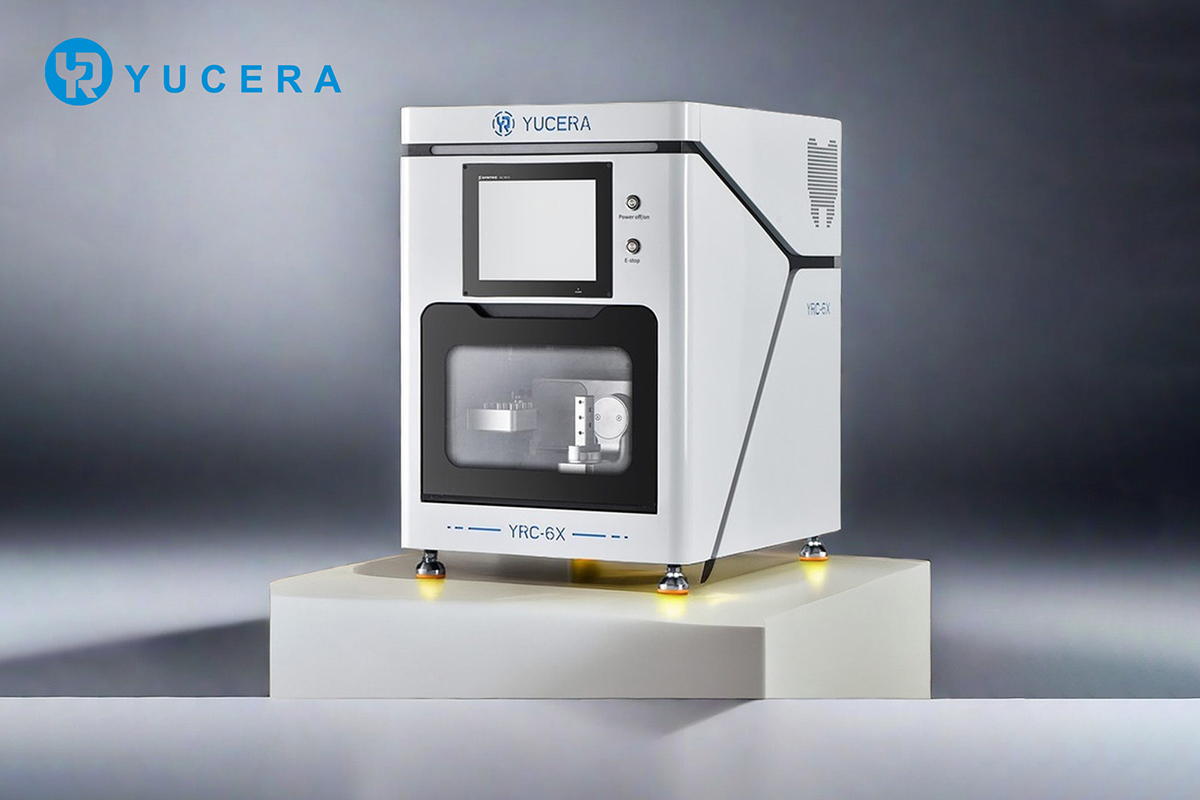
Professional Dental Equipment Guide 2026
Frequently Asked Questions: Dental Milling Machine Procurement
Target Audience: Dental Clinics & Equipment Distributors
Need a Quote for Dental Milling Machine Price?
Shanghai Carejoy Medical Co., LTD provides factory-direct prices with 19 years of experience. (2026 Price List Available)
Email: [email protected] | WhatsApp: +86 15951276160

