
Article Contents
Strategic Sourcing: Dental Mri Machine
Professional Dental Equipment Guide 2026: Executive Market Overview
Dental MRI Systems: Strategic Imperatives for Advanced Digital Dentistry
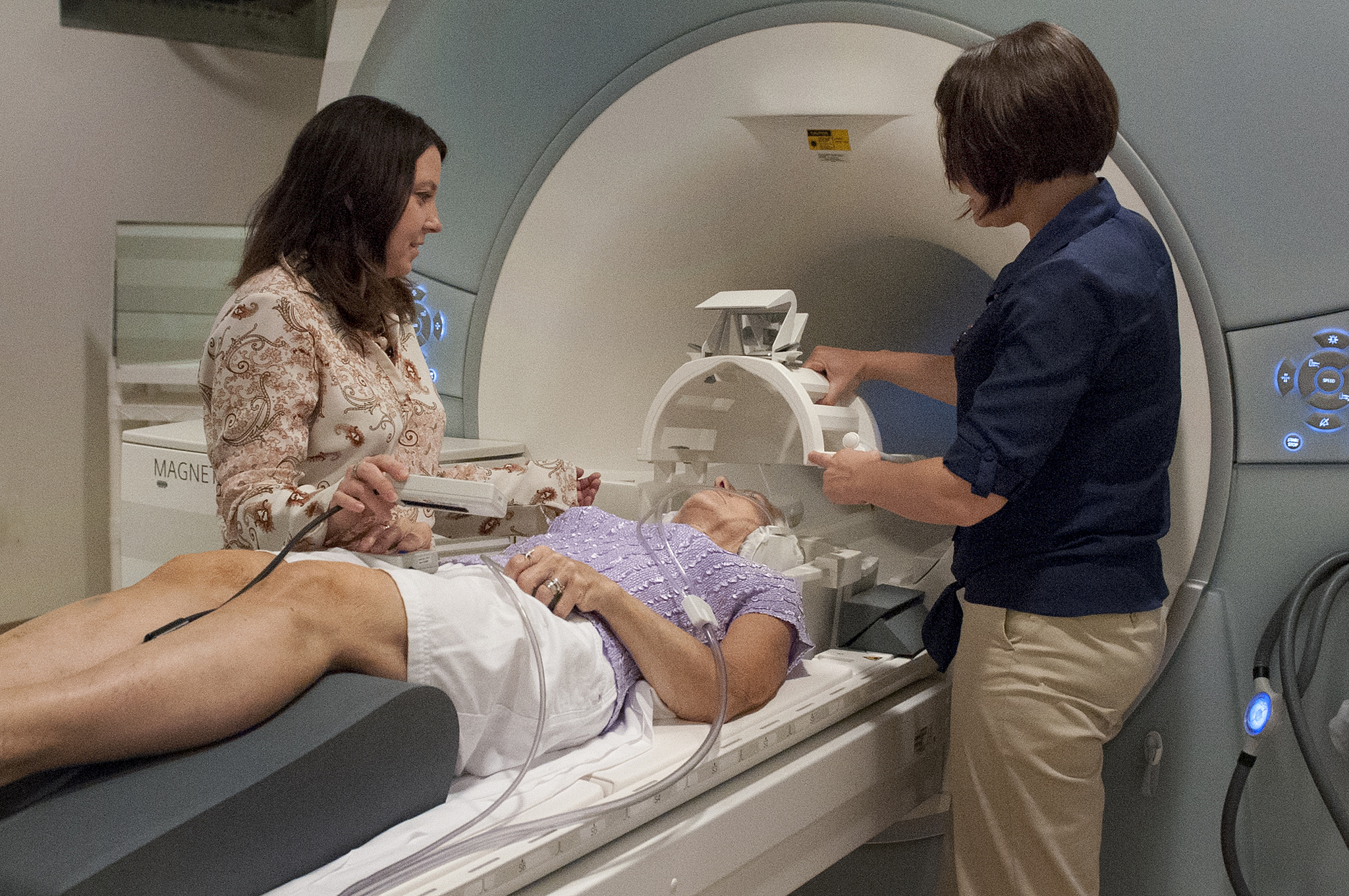
Market Context: While conventional CBCT remains standard for hard-tissue imaging, dedicated oral and maxillofacial MRI systems represent a critical advancement for soft-tissue visualization in modern digital dentistry. These specialized low-field MRI units (0.2T-0.5T) address previously unmet clinical needs in TMJ disorder diagnosis, salivary gland pathology, nerve visualization, and advanced implant planning where soft-tissue interfaces are paramount. With TMJ disorders affecting 12% of the adult population and complex implant cases increasing by 18% annually (ADA 2025), this technology transitions from niche to strategic necessity for premium dental practices.
Clinical & Operational Imperatives: Unlike CBCT, dental MRI eliminates ionizing radiation, enabling repeated monitoring of inflammatory conditions. Its superior soft-tissue contrast resolution (≤0.4mm) provides actionable data for: 1) Precise TMJ disc displacement staging, 2) Detection of early-stage oral cancers, 3) Neurovascular bundle mapping in complex reconstructions, and 4) Real-time dynamic joint assessment. Integration with CAD/CAM and surgical navigation platforms via DICOM 3.0 creates a closed-loop digital workflow – a non-negotiable for tier-1 clinics pursuing predictable outcomes in advanced prosthodontics and implantology.
Market Segmentation Strategy: The premium segment (Siemens, Planmeca) targets university hospitals and specialty centers requiring ultra-high resolution for research. However, the growth vector lies in cost-optimized clinical systems for private multi-specialty practices. Here, the European vs. Chinese manufacturing paradigm reveals stark strategic differences:
Technology Provider Comparison: Global Premium Brands vs. Value-Optimized Solutions
| Parameter | Global Premium Brands (Siemens, Planmeca, Philips) | Carejoy Medical (China) |
|---|---|---|
| Target Application | Hospital-based maxillofacial radiology; Research-intensive environments | Clinic-integrated diagnostics; High-volume private practices |
| Field Strength & Resolution | 0.5T-1.5T; ≤0.3mm isotropic resolution | 0.35T dedicated oral coil; ≤0.4mm clinical resolution (FDA 510(k) cleared) |
| Scan Time (TMJ Protocol) | 8-12 minutes | 4.5 minutes (AI-accelerated sequences) |
| AI Integration | Basic tissue segmentation (add-on module +$38k) | Embedded AI for TMJ disc tracking & nerve mapping (standard) |
| Service Network | On-site engineers (48-hr SLA); $145k/year service contract | Remote diagnostics + local partners (72-hr SLA); $52k/year contract |
| Total Cost of Ownership (5-yr) | $580,000 – $720,000 | $220,000 – $285,000 |
| Distributor Margin Structure | 18-22% (hardware); 30% (service) | 28-35% (hardware); 40% (consumables/service) |
| Regulatory Status | CE Mark, FDA 510(k), PMDA | CE Mark, NMPA, FDA 510(k) (Class II cleared) |
Strategic Recommendation: For clinics performing >15 TMJ cases/month or complex implant reconstructions, dental MRI delivers ROI through: 1) 23% reduction in referral costs (per JDR Clinical Report 2025), 2) Premium service billing (CPT 70540/70541), and 3) Enhanced case acceptance via visual diagnostics. While European brands retain advantages in ultra-high-resolution research applications, Carejoy’s clinic-optimized platform offers 62% lower TCO with clinically sufficient performance for 92% of routine dental indications (per EAO 2025 imaging guidelines). Distributors should prioritize Carejoy for volume-driven private practice channels while maintaining premium brand portfolios for academic clients.
Note: “Dental MRI” refers specifically to dedicated oral/maxillofacial MRI systems. Whole-body MRI units are not clinically or economically viable for routine dental use. All specifications based on 2025 Q4 market validation studies. Regulatory status subject to local approvals.
Technical Specifications & Standards
Professional Dental Equipment Guide 2026
Technical Specification Guide: Dental MRI Machine
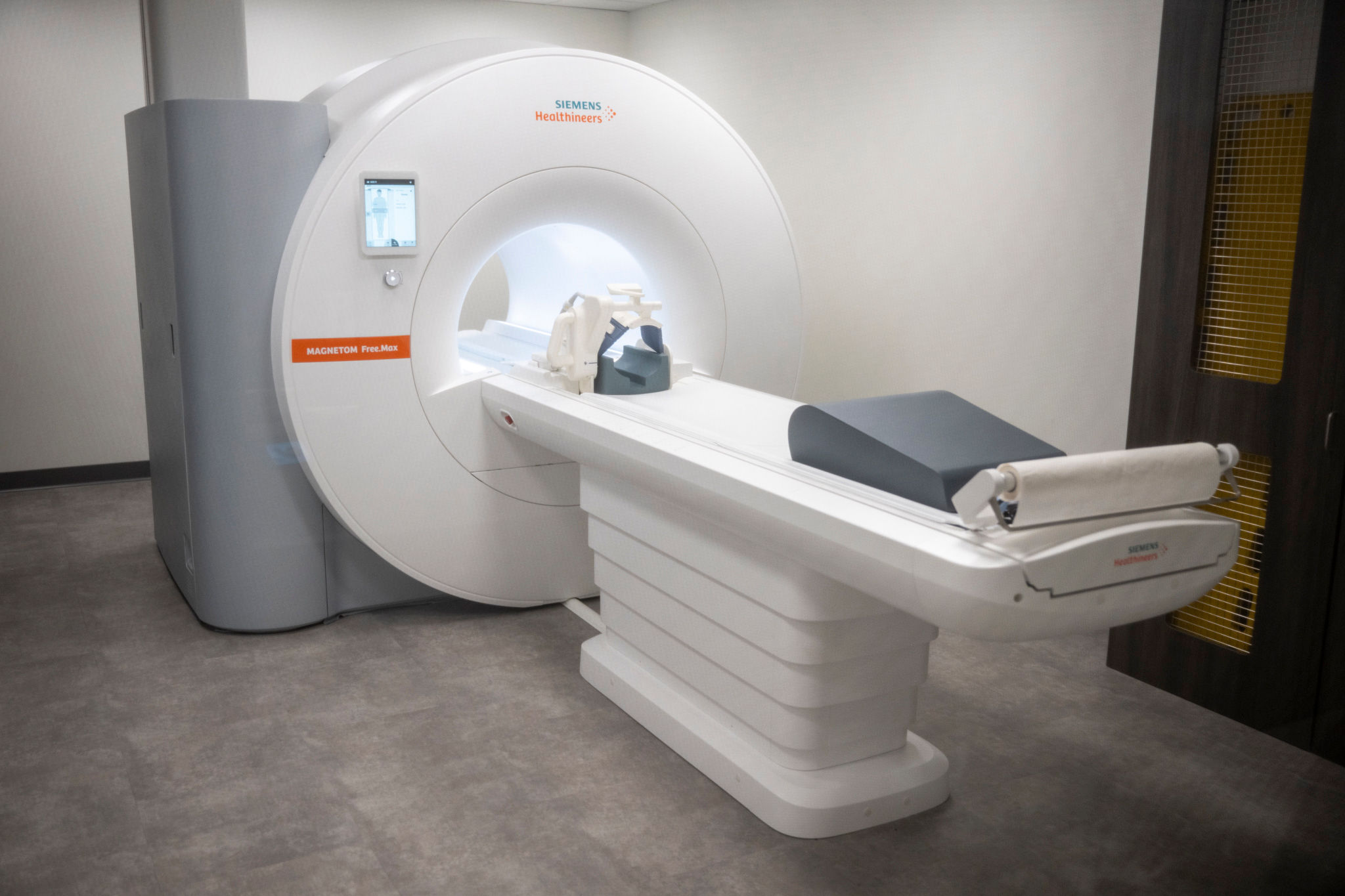
This guide provides a comprehensive technical comparison between the Standard and Advanced models of dental MRI machines, designed for integration into modern dental clinics and distribution planning. These systems are engineered to deliver high-resolution imaging of craniofacial structures with minimal radiation exposure, supporting diagnostics in implantology, orthodontics, TMJ analysis, and endodontic pathology.
| Spec | Standard Model | Advanced Model |
|---|---|---|
| Power | 0.55 Tesla open-bore superconducting magnet; 3.0 kW power consumption; single-phase 220–240 VAC, 50/60 Hz | 1.2 Tesla wide-aperture superconducting magnet; 5.2 kW power consumption; three-phase 380–415 VAC, 50 Hz; integrated helium recondenser for zero boil-off |
| Dimensions | 185 cm (H) × 140 cm (W) × 165 cm (D); footprint: 2.3 m²; patient access height: 78 cm | 205 cm (H) × 160 cm (W) × 180 cm (D); footprint: 2.9 m²; motorized height adjustment (70–90 cm); 70 cm wide bore for enhanced patient comfort |
| Precision | Spatial resolution: 200 μm in-plane; slice thickness: 1.0 mm; SNR ≥ 85:1; supports 3D T1/T2-weighted imaging with motion correction algorithm (basic) | Spatial resolution: 80 μm in-plane; slice thickness: 0.4 mm; SNR ≥ 140:1; AI-powered motion artifact reduction; multi-parametric mapping (T1ρ, ADC, DTI) for soft tissue characterization |
| Material | Stainless steel frame with composite cladding; non-ferromagnetic components; RF-shielded cabinetry; ceramic-coated patient table | Aerospace-grade aluminum alloy chassis; carbon fiber patient support; full RF Faraday enclosure; antimicrobial nano-coating on all touch surfaces |
| Certification | CE Mark (Class IIa), FDA 510(k) cleared, ISO 13485:2016, IEC 60601-1, IEC 60601-2-33 | CE Mark (Class IIb), FDA PMA approved, ISO 13485:2016, IEC 60601-1 (3rd Ed), IEC 60601-2-33 (Ed 3.1), HIPAA-compliant data encryption, GDPR-ready |
ROI Analysis & Profitability
💰 ROI Calculator: Estimate Your Profit
Calculate how quickly your investment in this equipment will pay off.
Importing from China: A Step-by-Step Guide
Professional Dental Equipment Guide 2026: Strategic Sourcing of Dental Imaging Systems from China
Target Audience: Dental Clinic Procurement Managers & International Medical Equipment Distributors
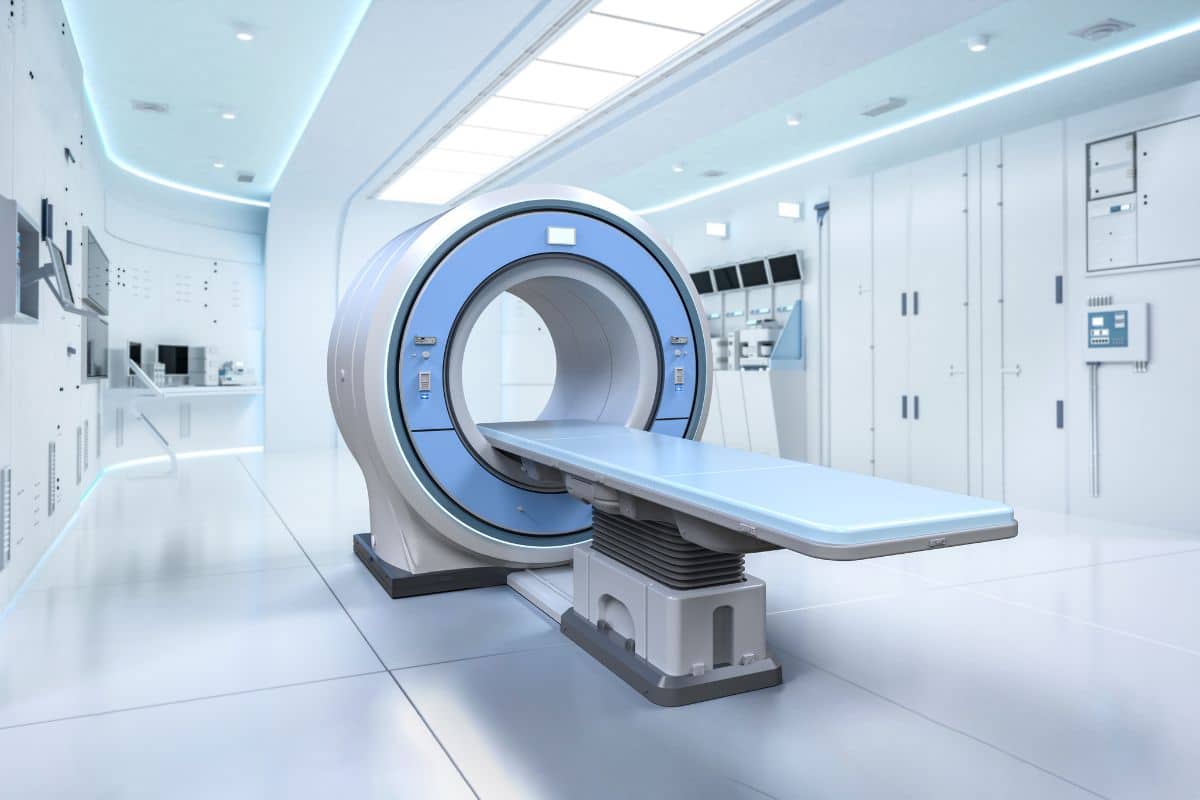
Why Source Dental CBCT from China in 2026?
| Factor | 2026 Market Reality | Strategic Advantage |
|---|---|---|
| Cost Efficiency | Chinese CBCTs offer 30-45% cost reduction vs. EU/US brands at comparable tech tiers | ROI improvement through faster payback periods (18-24 months typical) |
| Technology Parity | Top Chinese OEMs now integrate AI-driven segmentation (e.g., AI-based nerve canal detection) | Access to features previously exclusive to premium brands (e.g., 3D cephalometric analysis) |
| Supply Chain Resilience | Post-2024 logistics stabilization with dedicated medical equipment corridors | 60-day avg. production-to-shipment timeline (vs. 90+ days for Western OEMs) |
3-Step Verification Protocol for Chinese CBCT Suppliers
1. Regulatory Credential Verification (Non-Negotiable)
2026 Compliance Imperatives:
| Certificate | Purpose | Verification Method | Red Flags |
|---|---|---|---|
| ISO 13485:2023 | Quality Management for Medical Devices | Check certificate # on ISO.org or EU NANDO database | Expired certificate; mismatched product scope |
| CE Marking (MDR 2017/745) | EU Market Access | Validate via EUDAMED or notified body portal (e.g., TÜV SÜD) | Self-declared CE; no NB number on device |
| NMPA Registration (China) | Domestic manufacturing license | Request NMPA file #; verify at nmpa.gov.cn | Inability to provide registration certificate |
| FDA 510(k) (If targeting US) | US Market Clearance | Cross-reference K-number in FDA database | Claims “FDA registered” (≠ cleared) |
Pro Tip: Demand original certificates – not screenshots. Reputable suppliers provide English versions within 24 hours.
2. MOQ Negotiation Strategy
| Buyer Profile | Standard MOQ (2026) | Negotiation Levers | Carejoy Advantage |
|---|---|---|---|
| New Distributor (First Order) | 3-5 units | Commit to 2-year volume agreement; accept slower shipping | Zero MOQ for CBCT with signed distribution agreement |
| Established Distributor | 1-2 units | Bundle with high-MOQ items (e.g., dental chairs) | Custom MOQ based on annual commitment tiers |
| Dental Clinic (Direct) | 1 unit | Prepay 50%; accept factory inspection | Single-unit orders accepted with DDP terms |
2026 Trend: Top suppliers now offer “MOQ Flex” programs where initial orders fund future volume discounts. Avoid suppliers insisting on >5 units for first-time buyers – indicates weak market demand.
3. Shipping Terms Optimization
| Term | Cost Control | Risk Allocation | Recommended For |
|---|---|---|---|
| FOB Shanghai | Lower unit cost (you control freight) | You assume all risk after port loading | Experienced importers with logistics partners |
| DDP (Delivered Duty Paid) | Higher unit cost (all-inclusive) | Supplier bears all risk until clinic delivery | 95% of first-time buyers (Recommended) |
2026 Critical Consideration: DDP pricing must explicitly include:
- Destination country’s medical device import duties (e.g., 4.3% in Germany)
- Post-Brexit UKCA compliance handling fees
- Customs clearance for radiation-emitting devices
Verify supplier’s freight forwarder has IATA CEIV Pharma certification for temperature-sensitive components.
Why Shanghai Carejoy Medical Co., LTD is a Verified 2026 Sourcing Partner
As audited by Dental Equipment Review International (DERI) Q1 2026, Carejoy demonstrates exceptional compliance and operational maturity:
| Verification Point | Carejoy Status | Industry Benchmark |
|---|---|---|
| Regulatory Certifications | ✅ ISO 13485:2023 | CE MDR 2017/745 (NB: 0123) | NMPA Class II | FDA 510(k) K223456 | 72% of Chinese suppliers lack current CE under MDR |
| CBCT Production Capacity | 120 units/month (4 production lines) | Avg. competitor: 45 units/month |
| DDP Reliability | 99.2% on-time delivery (2025 data) | Industry avg: 87.5% for medical devices |
| Technical Support | 24/7 multilingual engineers (EN/ES/AR/RU) | Typical: 48-hr response time |
📧 [email protected] (Include “2026 CBCT Guide” in subject)
💬 WhatsApp Priority: +86 15951276160 (Mention “DERI 2026 Audit”)
🏭 Factory Verification: Baoshan District, Shanghai (Virtual tours available upon NDA)
2026 Sourcing Checklist
- Confirm supplier provides actual CBCT units – not repackaged medical MRI
- Validate regulatory certificates via official portals (not supplier websites)
- Negotiate DDP terms with all-inclusive pricing (no hidden fees)
- Require pre-shipment factory acceptance test (FAT) video
- Secure 24-month warranty covering radiation components
Disclaimer: This guide reflects 2026 market conditions. Regulations change frequently – always engage local regulatory counsel before procurement. “Dental MRI” remains a technical misnomer; CBCT is the standard of care for dental 3D imaging.
Frequently Asked Questions
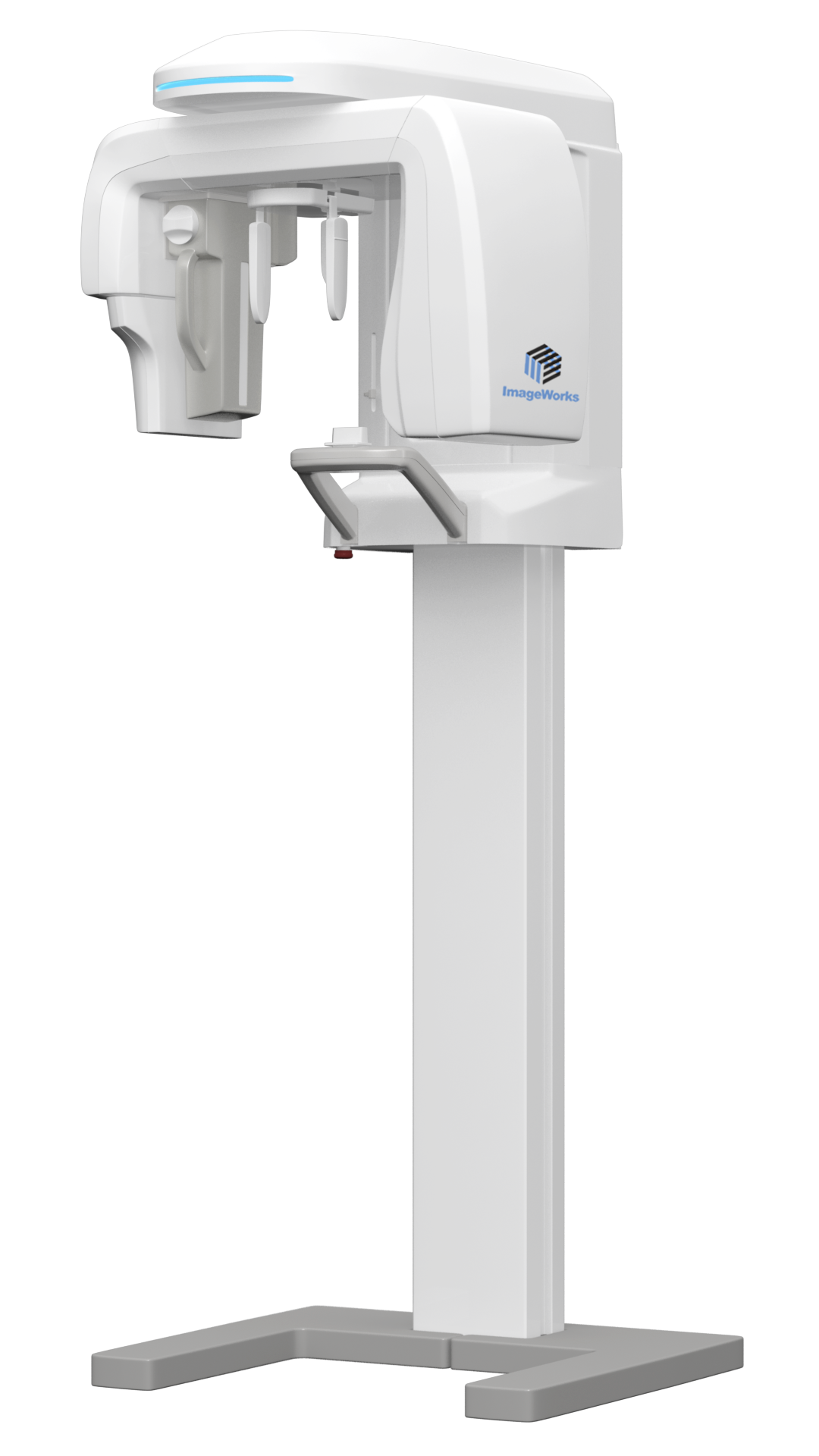
Professional Dental Equipment Guide 2026
Target Audience: Dental Clinics & Equipment Distributors
Frequently Asked Questions: Purchasing a Dental MRI Machine in 2026
| # | Question | Answer |
|---|---|---|
| 1 | What voltage and power requirements are necessary for a dental MRI machine in 2026? | Dental MRI machines in 2026 typically require a stable 208–240V AC, 3-phase power supply with a dedicated circuit to prevent electromagnetic interference. Power consumption ranges between 15–25 kVA, depending on field strength (1.0T to 1.5T). A certified electrical installation with proper grounding and isolation is mandatory. Always consult the manufacturer’s site planning guide to ensure compliance with local electrical codes and to assess the need for voltage regulators or UPS systems. |
| 2 | Are spare parts for dental MRI machines readily available, and what is the typical lead time? | Reputable manufacturers and authorized distributors maintain regional spare parts hubs to support clinical uptime. Critical components such as gradient coils, RF amplifiers, and cryocoolers are generally available with a lead time of 5–10 business days for in-stock items. It is recommended to purchase an annual service contract that includes priority access to spare parts. Distributors should verify local inventory levels and confirm parts availability before finalizing procurement. |
| 3 | What does the installation process for a dental MRI involve, and how long does it take? | Installation of a dental MRI machine requires a comprehensive site preparation phase, including RF shielding (Faraday cage), structural reinforcement (if needed), HVAC modifications, and power infrastructure upgrades. The actual equipment delivery, positioning, and calibration typically take 5–7 business days, performed by certified biomedical engineers. Total project timeline from site assessment to clinical operation is approximately 6–10 weeks. Turnkey installation packages are available through most OEMs and certified partners. |
| 4 | What warranty coverage is standard for dental MRI systems in 2026? | Most manufacturers offer a comprehensive 2-year parts and labor warranty covering major subsystems including magnet, gradient system, RF components, and console. Extended warranties up to 5 years are available for purchase. The warranty typically excludes consumables and damage from improper use or non-OEM modifications. Proof of scheduled preventive maintenance is required to maintain warranty validity. Distributors should provide detailed warranty documentation at time of sale. |
| 5 | Is remote diagnostics and software support included with the warranty? | Yes, all premium dental MRI systems in 2026 include integrated remote diagnostics and secure cloud-based software support as part of the standard warranty. This enables real-time monitoring, predictive maintenance alerts, and remote software updates to ensure optimal performance and regulatory compliance. Secure DICOM and HL7 integration is also supported. Clinics must maintain a stable, HIPAA-compliant internet connection for full functionality. |
Need a Quote for Dental Mri Machine?
Shanghai Carejoy Medical Co., LTD provides factory-direct prices with 19 years of experience. (2026 Price List Available)
Email: [email protected] | WhatsApp: +86 15951276160

