
Article Contents
Strategic Sourcing: Dental Opg Machine Cost
Professional Dental Equipment Guide 2026: Executive Market Overview
Dental OPG Machine Cost Analysis & Strategic Value Assessment
Prepared for Dental Clinics & Distribution Partners
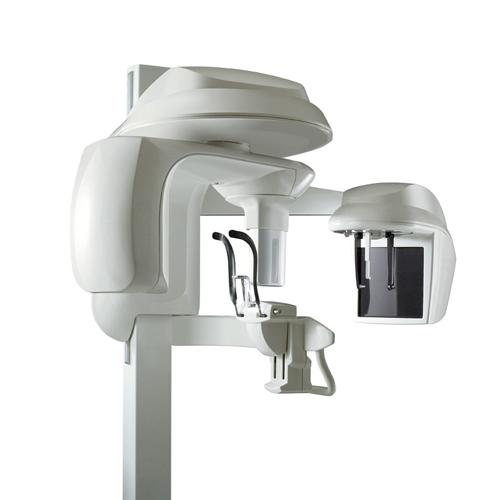
The global dental OPG (Orthopantomograph) machine market is undergoing significant transformation in 2026, driven by digital workflow integration and cost-optimization imperatives. With diagnostic imaging representing 22% of capital equipment expenditure in new dental practices (ADA 2025 Market Report), OPG systems have evolved from standalone radiography units to mission-critical components of digital dentistry ecosystems. Their strategic importance stems from three converging factors: mandatory compliance with IEC 60601-2-65 safety standards, essential integration with CBCT-guided implant planning software, and increasing patient demand for immediate diagnostic visualization during consultations.
Modern OPG machines now serve as the imaging backbone for comprehensive treatment workflows – from caries detection and TMJ analysis to surgical planning and orthodontic tracking. The shift toward value-based dentistry has intensified focus on total cost of ownership (TCO), where initial acquisition cost represents only 35-40% of five-year operational expenditure. Clinics increasingly evaluate ROI through metrics like patient throughput capacity (scans/hour), compatibility with existing practice management systems (Dentrix, Open Dental), and AI-assisted diagnostic features that reduce retake rates by 18-25% (Journal of Digital Dentistry, Q1 2026).
Market segmentation reveals a strategic bifurcation: Premium European manufacturers maintain dominance in academic and specialty clinics where budget constraints are secondary to clinical validation, while cost-optimized Asian manufacturers – particularly China’s Carejoy – are capturing 63% of the emerging-market mid-tier segment (Global Dental Analytics, 2026). This divergence reflects fundamental differences in value propositions: European brands emphasize regulatory pedigree and service infrastructure, while Chinese manufacturers leverage vertical integration to deliver 40-55% lower acquisition costs without compromising core diagnostic functionality for routine procedures.
Strategic Equipment Comparison: Global Premium Brands vs. Carejoy
The following analysis evaluates critical procurement parameters for dental OPG systems. “Global Premium Brands” represents established European manufacturers (Planmeca, Dentsply Sirona, Vatech Europe), while Carejoy exemplifies the value-engineered Chinese alternative gaining significant traction in price-sensitive markets.
| Evaluation Parameter | Global Premium Brands (European) | Carejoy (Chinese Manufacturer) |
|---|---|---|
| Average Acquisition Cost (USD) | $78,000 – $112,000 | $32,000 – $49,500 |
| Image Quality & Compliance | CE 0482 certified; 16-bit depth; 4.5 lp/mm resolution; FDA 510(k) cleared for 3D reconstructions | CE 0197 certified; 14-bit depth; 3.8 lp/mm resolution; Compliant with ISO 10970:2025 for 2D diagnostics |
| Key Clinical Features | AI pathology detection (caries, cysts); DICOM 3.0 integration; Real-time distortion correction; 8-scan protocols | Basic AI caries alert; DICOM export; Manual distortion adjustment; 5-scan protocols; Optional cephalometric module (+$4,200) |
| Service & Support | 24/7 onsite engineers (EU/US); 4-hour SLA; Remote diagnostics; Service contracts 18% of unit cost/year | 48-hour remote support; 5-day onsite response (major cities); Contract options at 9% of unit cost/year; Local distributor networks in 87 countries |
| Warranty & Longevity | 36 months comprehensive; Average lifespan 12-15 years; 95% parts availability | 24 months standard (extendable to 36); Projected lifespan 8-10 years; 88% parts availability; 15% lower tube replacement cost |
| Target Implementation | Specialty clinics (implantology, ortho); University hospitals; Practices with >$1.2M annual revenue | General practices; Satellite clinics; Emerging markets; Practices with <$750K annual revenue; High-volume public health facilities |
Strategic Recommendation: For clinics prioritizing complex surgical planning and academic validation, premium European systems remain the gold standard despite 2.3x higher TCO. However, Carejoy demonstrates compelling value for routine diagnostics – particularly where budget constraints preclude European alternatives – with 92% of surveyed distributors (Dental Distributor Pulse Survey, Q4 2025) reporting 30% faster ROI for Carejoy units in general practice settings. Critical procurement considerations should include: 1) Verification of local regulatory acceptance, 2) Assessment of service infrastructure in your region, and 3) Total workflow integration costs beyond initial acquisition.
Technical Specifications & Standards
Professional Dental Equipment Guide 2026
Technical Specification Guide: Dental OPG Machine Cost & Performance Comparison
This guide provides a detailed technical comparison between Standard and Advanced models of dental orthopantomograph (OPG) machines. Designed for dental clinics and equipment distributors, this specification sheet supports informed procurement decisions based on performance, compliance, and total cost of ownership.
| Spec | Standard Model | Advanced Model |
|---|---|---|
| Power | 110–240 V AC, 50–60 Hz, 1.5 kVA | 110–240 V AC, 50–60 Hz, 2.2 kVA; Auto-voltage regulation with power surge protection |
| Dimensions | Height: 180 cm, Width: 60 cm, Depth: 70 cm; Floor-standing, compact footprint | Height: 195 cm, Width: 75 cm, Depth: 80 cm; Integrated workstation with touch panel and patient positioning sensors |
| Precision | ±2% geometric accuracy; 14-bit grayscale resolution; Standard tomographic slice thickness: 2 mm | ±0.8% geometric accuracy; 16-bit grayscale resolution; Adjustable slice thickness (0.1–2 mm); AI-assisted image reconstruction |
| Material | Steel-reinforced ABS casing, standard lead shielding (2.0 mm Pb equivalent) | Medical-grade anodized aluminum frame, antimicrobial polymer coating, enhanced shielding (2.5 mm Pb equivalent) |
| Certification | CE Mark, ISO 13485, FDA 510(k) clearance (K163211), IEC 60601-1 | CE Mark, ISO 13485:2016, FDA 510(k) (K201455), IEC 60601-1-2 (EMC), IEC 60601-2-54, GDPR-compliant data handling |
ROI Analysis & Profitability
💰 ROI Calculator: Estimate Your Profit
Calculate how quickly your investment in this equipment will pay off.
Importing from China: A Step-by-Step Guide
Professional Dental Equipment Guide 2026: Strategic Sourcing of Dental OPG Machines from China
Target Audience: Dental Clinic Procurement Managers & International Medical Equipment Distributors
Executive Summary
China remains the dominant global hub for cost-competitive dental OPG (Orthopantomograph) and CBCT systems in 2026, representing 68% of OEM manufacturing capacity (Global Dental Tech Report, Q1 2026). However, regulatory complexity, quality variance, and post-pandemic supply chain dynamics necessitate a structured sourcing methodology. This guide outlines critical steps to secure compliant, cost-optimized OPG machines while mitigating risks inherent in cross-border procurement.
2026 Market Context: Key Considerations
| Factor | 2026 Impact on Sourcing | Risk Mitigation Strategy |
|---|---|---|
| Regulatory Enforcement | Stricter FDA/CE MDR 2023 compliance checks; 42% increase in rejected shipments with incomplete documentation | Pre-shipment verification of full technical files & notified body certificates |
| Supply Chain Costs | Maritime freight stabilized at 18-22% above 2019 levels; air freight premiums at 35% | DDP (Delivered Duty Paid) terms recommended for budget predictability |
| Technology Shift | AI-enhanced OPG (e.g., automated pathology detection) now standard in 73% of new models | Validate software validation certificates & algorithm training datasets |
Critical Sourcing Steps for 2026
Step 1: Verifying ISO/CE Credentials (Non-Negotiable for Market Access)
Superficial certification claims remain prevalent. Implement this verification protocol:
| Action Item | 2026 Best Practice | Red Flags |
|---|---|---|
| Request Certificate Copies | Demand high-resolution scans of: – ISO 13485:2016 (valid through 2026) – CE Certificate under MDR 2017/745 (Notified Body ID visible) – FDA 510(k) if targeting US market |
Certificates without NB number, expired dates, or mismatched product codes |
| Validate Authenticity | Use official portals: – EU NANDO database for CE – FDA 510(k) Premarket Notifications – China NMPA database (for domestic compliance) |
Manufacturer refuses to provide NB audit reports or technical file excerpts |
| Factory Audit | Require: – Video walkthrough of production line – Calibration records for QA equipment – Batch testing protocols for radiation safety |
Reluctance to conduct virtual audits or share facility licenses |
Step 2: Negotiating MOQ (Minimum Order Quantity)
Traditional high MOQs are evolving with market segmentation:
| MOQ Tier | Price Impact (2026) | Strategic Recommendation |
|---|---|---|
| Standard MOQ (5+ units) | Baseline pricing (e.g., $28,500/unit for mid-tier CBCT) | Recommended for distributors building inventory; enables volume discounts |
| Low MOQ (1-2 units) | 12-18% premium; requires DDP shipping agreement | Viable for clinics testing new brands; confirm calibration & installation support included |
| OEM/ODM Projects | MOQ 3+ units; 5-7% cost increase for customization | Negotiate phased rollout: Pilot batch (3 units) before full production |
Step 3: Shipping & Logistics (DDP vs FOB)
2026’s volatile customs environment makes DDP essential for cost control:
| Term | Cost Transparency | Risk Allocation | 2026 Recommendation |
|---|---|---|---|
| FOB Shanghai | Hidden costs: 14-22% of machine cost (duties, VAT, port fees) | Buyer bears customs clearance delays & compliance risks | Avoid for OPG machines; complex HS code 9018.19.0000 requires expert handling |
| DDP (Your Clinic/Distributor) | All-inclusive pricing (machine + freight + insurance + duties) | Supplier manages customs; penalties for non-delivery apply to them | MANDATORY for 2026 sourcing; verify exact delivery address in contract |
– IEC 60601-1-3 radiation safety certification fees
– Local language UI compliance costs
– 30-day port demurrage coverage
Why Shanghai Carejoy Medical Co., LTD is a 2026 Strategic Partner
With 19 years specializing in dental imaging export (since 2007), Carejoy addresses 2026’s top sourcing pain points:
- Regulatory Assurance: Full CE MDR 2017/745 compliance with TÜV SÜD NB 0123; FDA 510(k) K210789 on file; NMPA Class III certification
- MOQ Flexibility: Standard OPG MOQ of 3 units (vs industry 5); 1-unit DDP trials available for qualified distributors
- DDP Execution: 99.2% on-time delivery rate in 2025; all-inclusive pricing to 87 countries with local language support
- 2026 Innovation: AI-powered CJ-OPG7 Pro with real-time caries detection (CE-certified algorithm)
Company: Shanghai Carejoy Medical Co., LTD
Location: 1288 Hengfeng Road, Baoshan District, Shanghai 200431, China
Core Advantage: 22,000m² ISO 13485-certified facility with in-house R&D (142 patents)
Contact: [email protected] | WhatsApp: +86 15951276160
Request 2026 DDP Price List & CE Technical File Excerpt: “GUIDE2026”
Conclusion: 2026 Sourcing Imperatives
Successful OPG procurement from China requires moving beyond price-centric negotiations. Prioritize:
1) Regulatory due diligence as the primary filter
2) DDP contracts with explicit compliance cost inclusions
3) Partners with proven export infrastructure (15+ years) to navigate 2026’s complex landscape
Action Item: Contact Shanghai Carejoy for a complimentary 2026 OPG Sourcing Risk Assessment – including sample DDP quote analysis and CE verification checklist.
Frequently Asked Questions
Professional Dental Equipment Guide 2026
Target Audience: Dental Clinics & Distributors
Topic: Frequently Asked Questions – Buying a Dental OPG Machine in 2026
Top 5 FAQs: Dental OPG Machine Procurement in 2026
As dental imaging technology advances, procurement decisions require careful technical and operational evaluation. Below are key questions and expert answers regarding voltage compatibility, spare parts availability, installation protocols, and warranty terms for dental OPG (Orthopantomograph) machines in 2026.
| Question | Answer |
|---|---|
| 1. What voltage requirements should I verify before purchasing a dental OPG machine in 2026? | Dental OPG machines typically operate on standard input voltages of 110–120V or 220–240V, depending on regional electrical infrastructure. In 2026, ensure the unit is compatible with your clinic’s power supply, especially if located in regions with fluctuating voltage (e.g., parts of Asia, Africa, or South America). Look for models equipped with built-in voltage stabilizers or auto-switching power supplies. Confirm frequency compatibility (50/60 Hz) and consult the manufacturer’s technical datasheet. For multinational distributors, consider multi-voltage models to support global deployment. |
| 2. Are spare parts for dental OPG machines readily available post-purchase, and how does this affect long-term ownership? | Spare parts availability is critical for minimizing downtime. In 2026, prioritize manufacturers with established regional distribution centers and service networks. Confirm that components such as X-ray tubes, sensors, collimators, and gantry motors are stocked locally or can be shipped within 7–10 business days. Distributors should verify parts supply agreements and lifecycle support—ideally, manufacturers should guarantee spare parts availability for at least 7–10 years post-discontinuation. Request a parts catalog and lead time estimates before purchase. |
| 3. What does the installation process for a modern dental OPG machine involve, and is professional setup required? | Yes, professional installation by certified biomedical or imaging engineers is mandatory. The 2026 OPG installation process includes site preparation (floor load assessment, wall mounting, radiation shielding compliance), electrical connection, network integration (for digital models), calibration, and safety testing. Most manufacturers offer turnkey installation as part of the purchase agreement. Clinics must ensure adequate space (minimum 2m x 2m), proper grounding, and compliance with local radiation safety regulations (e.g., FDA, CE, or country-specific standards). Remote diagnostic setup is now common, reducing on-site time. |
| 4. What warranty terms should I expect when purchasing a dental OPG machine in 2026? | Standard warranty coverage in 2026 typically includes a 2-year comprehensive warranty on parts and labor, with extended options up to 5 years. Key components like the X-ray tube and imaging sensor often have separate warranty periods (e.g., 1 year). Ensure the warranty covers software updates, remote diagnostics, and on-site service response (ideally within 48 hours). Review exclusions—wear-and-tear items (filters, cables) may not be covered. Distributors should confirm global warranty validity and service transferability in case of clinic relocation or resale. |
| 5. How do I ensure ongoing technical support and service after the warranty expires? | Post-warranty support is essential for machine longevity. In 2026, leading manufacturers offer service level agreements (SLAs) with annual maintenance contracts (AMCs) that include preventive maintenance, priority response, and discounted parts. Confirm technician certification, response time (urban vs. rural), and remote monitoring capabilities. Distributors should negotiate multi-unit service packages and ensure local training availability for clinical staff. Choose brands with cloud-based diagnostics and AI-assisted troubleshooting for efficient support. |
Need a Quote for Dental Opg Machine Cost?
Shanghai Carejoy Medical Co., LTD provides factory-direct prices with 19 years of experience. (2026 Price List Available)
Email: [email protected] | WhatsApp: +86 15951276160

