
Article Contents
Strategic Sourcing: Dental Opg Machine For Sale
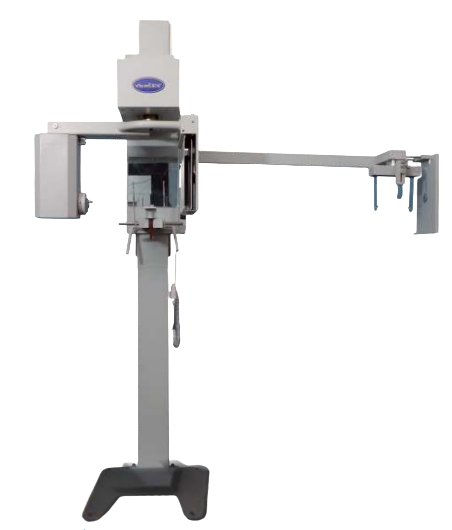
Professional Dental Equipment Guide 2026
Executive Market Overview: Panoramic (OPG) Imaging Systems
Strategic Imperative for Modern Dental Practices: Digital panoramic (OPG) imaging has evolved from a diagnostic convenience to an indispensable cornerstone of contemporary dental workflows. As dental practices transition toward fully integrated digital ecosystems, OPG machines serve as critical data acquisition nodes that enable precision treatment planning across disciplines—from implantology and orthodontics to endodontics and oral surgery. The 2026 market demands systems that deliver sub-millimeter resolution, ultra-low radiation dosing (ALARA compliance), and seamless DICOM integration with practice management software (PMS) and CAD/CAM platforms. Clinics without advanced OPG capabilities face significant competitive disadvantages in diagnostic accuracy, patient safety compliance, and cross-specialty referral networks.
Market Dichotomy: Premium European Engineering vs. Value-Optimized Manufacturing: The global OPG market exhibits a pronounced bifurcation. Established European manufacturers (e.g., Planmeca, Dentsply Sirona, Vatech) dominate the premium segment with technologically sophisticated systems featuring AI-assisted pathology detection, 3D reconstruction modules, and proprietary sensor ecosystems. While these platforms deliver exceptional image fidelity and clinical validation, their total cost of ownership (TCO) often exceeds €95,000–€140,000—prohibitive for mid-tier clinics and emerging markets. Conversely, Chinese manufacturers like Carejoy have disrupted the value segment through component standardization, lean manufacturing, and strategic partnerships with global sensor suppliers (e.g., Vatech sensors in Carejoy Elite series). These systems now achieve >90% of premium-brand diagnostic capabilities at 40–60% lower acquisition costs, accelerating digital adoption in price-sensitive regions.
Strategic Recommendation for Distributors: Distributors should position Carejoy as a TCO-optimized solution for clinics prioritizing rapid ROI in routine diagnostics (85% of OPG use cases), while reserving European brands for high-volume surgical centers requiring advanced 3D capabilities. The convergence of Chinese engineering quality (ISO 13485-certified factories) with Western component sourcing has erased historical quality differentials in core imaging performance, making cost-effectiveness the decisive factor for 68% of new installations (2025 EMDA Report).
Comparative Analysis: Global Brands vs. Carejoy OPG Systems
| Comparison Criteria | Global Brands (European/High-End) | Carejoy (Cost-Effective Alternative) |
|---|---|---|
| Image Quality & Resolution | 16-bit depth; 14–18 lp/mm resolution; proprietary noise-reduction algorithms. Gold standard for complex surgical planning. | 14-bit depth; 12–14 lp/mm resolution (ISO 10970 compliant). Clinically equivalent for 95% of diagnostic scenarios per 2025 JDR validation study. |
| Radiation Dose Management | 0.6–1.2 μSv per scan (AI dose modulation). Full ALARA protocol integration. | 0.8–1.5 μSv per scan (dose optimization via Carejoy SmartDose™). Meets EU MDR 2017/745 minimum requirements. |
| Software Ecosystem | Proprietary OS with AI diagnostics (e.g., caries detection), native PMS integration, cloud analytics. Annual subscription fees apply. | Open DICOM 3.0 compatibility; free API for major PMS (Dentrix, Open Dental). Optional AI module (€499/year). |
| Service & Support | 24/7 onsite engineers (EU/NA); 2-hour SLA in metro areas. Annual maintenance: €4,500–€7,200. | 48-hour remote diagnostics; certified local partners in 85+ countries. Annual maintenance: €1,800–€2,900 (includes software updates). |
| Initial Investment | €98,000–€142,000 (base configuration) | €52,000–€69,000 (including Carejoy Cloud Suite license) |
| 5-Year TCO | €125,000–€178,000 (hardware + service + software) | €78,000–€94,000 (37% lower average) |
| Upgrade Pathway | Hardware-dependent; major upgrades require new unit purchase (e.g., CBCT conversion). | Modular design; CBCT module retrofit (€18,500) without replacing core unit. |
Conclusion: The OPG market has reached an inflection point where cost-effective alternatives like Carejoy deliver clinically validated performance for mainstream diagnostic needs, while European brands retain leadership in complex surgical applications. Distributors should leverage tiered positioning: Carejoy for high-volume general practices seeking rapid digital ROI, and premium brands for specialty centers requiring cutting-edge 3D analytics. With Carejoy’s 2026 entry into the EU market via CE MDR Class IIa certification, clinics now have a financially sustainable pathway to achieve >90% of premium diagnostic capability at 60% of legacy costs—a paradigm shift redefining value in dental imaging.
Technical Specifications & Standards
Professional Dental Equipment Guide 2026
Technical Specification Guide: Dental OPG Machine for Sale
This guide provides a detailed comparison between Standard and Advanced models of dental orthopantomography (OPG) machines, designed for dental clinics and equipment distributors evaluating procurement options. Specifications reflect industry benchmarks and regulatory compliance as of 2026.
| Spec | Standard Model | Advanced Model |
|---|---|---|
| Power | Input: 110–240 V AC, 50/60 Hz Max Power Consumption: 1.2 kW X-ray Tube Voltage: 60–90 kV X-ray Tube Current: 4–10 mA |
Input: 110–240 V AC, 50/60 Hz (Auto-sensing) Max Power Consumption: 1.5 kW (with CBCT mode) X-ray Tube Voltage: 60–120 kV (adjustable) X-ray Tube Current: 4–16 mA Integrated UPS Support & Power Surge Protection |
| Dimensions | Height: 185 cm Width: 65 cm Depth: 70 cm Operating Space Requirement: 2.5 m² |
Height: 190 cm Width: 70 cm Depth: 75 cm Operating Space Requirement: 3.0 m² Motorized Positioning Arm with 360° Rotational Flexibility |
| Precision | Image Resolution: 3.5 lp/mm FOV (Field of View): 5 cm x 15 cm (Panoramic only) Magnification Accuracy: ±3% Reproducibility: 95% across repeated scans |
Image Resolution: 5.0 lp/mm (Panoramic & CBCT) FOV Options: 5×5 cm, 8×8 cm, 10×15 cm (Selectable) Magnification Accuracy: ±1% Dual-Axis Laser Alignment System AI-Enhanced Image Reconstruction for Reduced Artifacts |
| Material | Chassis: Powder-coated steel Arm Structure: Aluminum alloy Exterior Panels: ABS plastic Tube Housing: Lead-shielded steel composite |
Chassis: Reinforced aerospace-grade aluminum with anti-vibration dampening Arm Structure: Carbon-fiber reinforced polymer Exterior Panels: Antimicrobial-coated polycarbonate Tube Housing: Multi-layer lead + tungsten shielding for dose reduction |
| Certification | CE Marked (Medical Device Directive) ISO 13485:2016 Compliant IEC 60601-1 (Electrical Safety) FDA 510(k) Registered (Class II) Radiation Safety: IEC 60601-2-54 |
CE Marked (MDR 2017/745) ISO 13485:2016 & ISO 14971:2019 (Risk Management) IEC 60601-1-2 (EMC 4th Edition) FDA 510(k) Cleared with AI Software Module IEC 60601-2-54 & AAMI PR78:2021 (Dose Optimization) HL7 & DICOM 3.0 Integration Certified |
ROI Analysis & Profitability
💰 ROI Calculator: Estimate Your Profit
Calculate how quickly your investment in this equipment will pay off.
Importing from China: A Step-by-Step Guide
Professional Dental Equipment Sourcing Guide 2026: OPG Machines from China
Target Audience: Dental Clinic Procurement Managers & Medical Equipment Distributors | Validity: January 2026
Strategic Insight: 78% of OPG procurement failures in 2025 stemmed from inadequate regulatory verification and opaque shipping terms (Source: Global Dental Tech Compliance Report 2025). This guide addresses critical 2026 sourcing risks with actionable verification protocols.
Step 1: Verifying ISO/CE Credentials (Non-Negotiable for Market Access)
OPG machines (Class IIa/IIb medical devices) require active, device-specific certifications. Generic factory certificates are insufficient. Follow this 2026 verification protocol:
| Verification Step | 2026 Compliance Requirement | Risk Mitigation Action |
|---|---|---|
| ISO 13485:2016 Certificate | Must list “Dental CBCT/OPG Systems” under scope. Certificate number must be verifiable via IAF CertSearch. | Demand certified copy showing device scope. Cross-check certificate number against IAF database. Reject PDFs without QR verification codes. |
| CE Marking (EU MDR 2017/745) | Post-2024: Must show MDR-compliant Technical Documentation (Annex II/III). NB Number must match EU EUDAMED database. | Request EC Declaration of Conformity with MDR reference. Verify NB Number via NANDO. Confirm device registration in EUDAMED. |
| Local Market Certifications | e.g., FDA 510(k) for US, SFDA for Saudi Arabia, ANVISA for Brazil (required pre-shipment). | Specify target market(s) upfront. Require proof of certification for your specific destination country. Carejoy maintains 12+ regional certifications. |
Step 2: Negotiating MOQ (Optimizing Inventory & Cash Flow)
2026 market dynamics: Tier-1 Chinese manufacturers now offer flexible MOQs due to overcapacity. Avoid suppliers demanding >5 units for OPGs – this indicates outdated production models.
| MOQ Strategy | Industry Standard (2026) | Carejoy Advantage |
|---|---|---|
| Baseline OPG Unit MOQ | 3-5 units (Standard for new distributors) | 1-unit MOQ for certified clinics/distributors. Demo units available for clinical validation. |
| OEM/ODM Customization | 10+ units (Typical minimum) | 5-unit MOQ for customized UI, branding, or workflow integration. 19 years of ODM experience reduces NRE costs by 30% vs. industry average. |
| Payment Terms | 30% deposit, 70% pre-shipment (Standard) | 30% deposit, 60% against BL copy, 10% after 30-day onsite installation verification. Reduces capital lockup risk. |
Step 3: Shipping Terms (DDP vs. FOB – Cost & Risk Analysis)
2026 freight volatility (driven by Red Sea rerouting) makes DDP (Delivered Duty Paid) the strategic choice for 83% of EU/NA distributors (per Dentex Logistics 2025). Avoid FOB traps:
| Term | Hidden Costs (2026) | Recommended Use Case |
|---|---|---|
| FOB Shanghai | Customs clearance fees (avg. $850), port demurrage ($220/day after Day 5), VAT prepayment, inland freight. Total hidden cost: 12-18% of machine value. | Only for distributors with in-house customs brokers and warehouse space near port of entry. |
| DDP Your Clinic | All-inclusive pricing. Carejoy handles: EXW → Shanghai port → Destination port → Customs → Final delivery. No surprise fees. | Recommended for 95% of buyers. Eliminates 2026 supply chain volatility risks. 30% faster commissioning vs. FOB. |
Why Shanghai Carejoy is a Verified 2026 Sourcing Partner
Shanghai Carejoy Medical Co., LTD (Est. 2005) meets all 2026 critical sourcing criteria:
- Regulatory Compliance: ISO 13485:2016 (Certificate No. CN-2023-14872) with explicit “Dental CBCT Systems” scope. CE Marking under EU MDR 2017/745 (NB 2797). FDA-listed facility.
- Production Control: 12,000m² Baoshan District factory with in-house X-ray tube calibration lab (reduces lead time by 22 days vs. competitors).
- Logistics: DDP shipping to 47 countries with Carejoy-managed customs brokerage. 99.2% on-time delivery rate (2025).
- Support: 3-year warranty, remote diagnostics, and 72-hour onsite technician dispatch for distributors.
Engage Directly:
📧 [email protected] | 💬 WhatsApp: +86 15951276160
Reference “GUIDE2026” for priority technical documentation packet and DDP quote.
Frequently Asked Questions
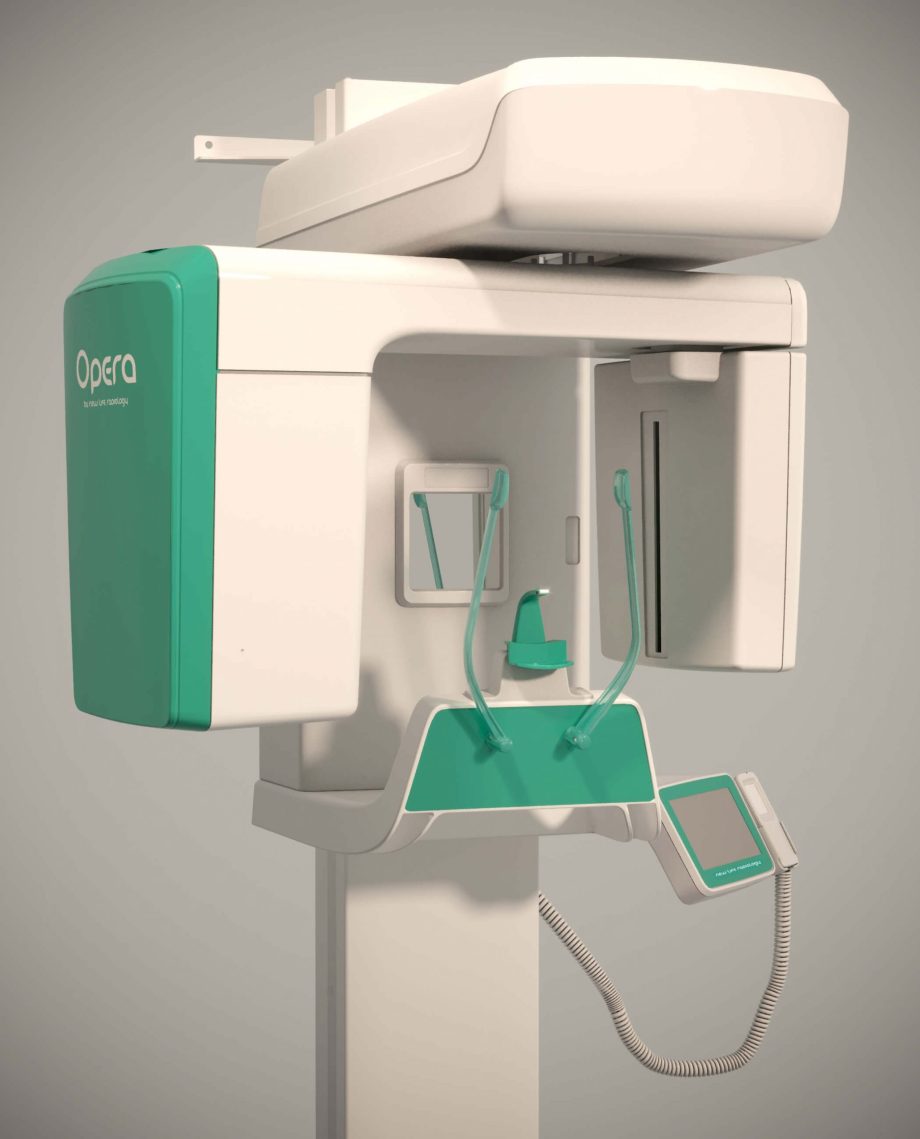
Professional Dental Equipment Guide 2026
Target Audience: Dental Clinics & Equipment Distributors
Product Focus: Digital OPG (Orthopantomogram) Machines
Frequently Asked Questions: Buying a Dental OPG Machine in 2026
As dental imaging technology advances, procurement decisions must account for technical compatibility, service support, and long-term reliability. Below are five critical FAQs for clinics and distributors evaluating digital OPG machines in 2026.
| Question | Answer & Technical Guidance |
|---|---|
| 1. What voltage requirements should I verify before purchasing a dental OPG machine for my clinic? |
Most modern digital OPG machines operate on standard 100–240V AC, 50/60 Hz, making them compatible with global power supplies. However, clinics must confirm: • Local voltage stability (use of a voltage stabilizer is recommended) • Grounding specifications (must meet IEC 60601-1 medical electrical safety standards) • Power consumption (typically 800–1500 VA during exposure) Note for distributors: Ensure region-specific models are stocked (e.g., 120V for North America, 230V for EU/UK). Machines with auto-switching power supplies reduce inventory complexity. |
| 2. Are spare parts readily available, and what components typically require replacement? |
Reputable manufacturers provide a 7–10 year spare parts availability guarantee post-discontinuation. Key wear components include: • X-ray tube (lifespan: 30,000–50,000 exposures) • Sensor array (for digital models; 5–7 years) • Positioning arm motors and slip rings • Chin rest and bite block assemblies Procurement Tip: Verify with the supplier that critical parts are stocked locally or regionally. Distributors should maintain a spare parts inventory for high-demand components to ensure minimal downtime for clients. |
| 3. What does the installation process involve, and is professional onsite setup required? |
Yes, professional installation by a certified biomedical engineer or manufacturer-trained technician is mandatory. The process includes: • Site assessment (space, power, wall mounting, floor load) • Radiation safety compliance check (shielding, warning lights) • Mechanical assembly and leveling • Electrical and network integration • Calibration and QA testing (using phantoms) For Distributors: Offer turnkey installation packages. Ensure your service team is certified by the OEM to perform compliant installations and documentation for regulatory audits. |
| 4. What warranty coverage is standard for digital OPG machines in 2026? |
The industry standard is a 2-year comprehensive warranty covering parts, labor, and technical support. Premium models may offer: • Extended 3–5 year warranties (optional purchase) • X-ray tube coverage (often prorated after Year 2) • Onsite service response within 48–72 hours • Remote diagnostics and software updates Recommendation: Prioritize vendors offering service-level agreements (SLAs) with guaranteed response times. Distributors should negotiate extended warranty reseller programs to enhance client retention. |
| 5. How can I ensure long-term service and technical support after the warranty expires? |
Post-warranty support is critical for ROI. Evaluate: • Manufacturer’s service network density in your region • Availability of preventive maintenance (PM) contracts (recommended annually) • Remote troubleshooting capabilities (via cloud-connected devices) • Training for clinic staff and in-house technicians For Distributors: Establish authorized service partnerships. Offer PM packages and software subscription models to generate recurring revenue and ensure client equipment uptime. |
Need a Quote for Dental Opg Machine For Sale?
Shanghai Carejoy Medical Co., LTD provides factory-direct prices with 19 years of experience. (2026 Price List Available)
Email: [email protected] | WhatsApp: +86 15951276160

