
Article Contents
Strategic Sourcing: Dental Polishing Lathe Machine
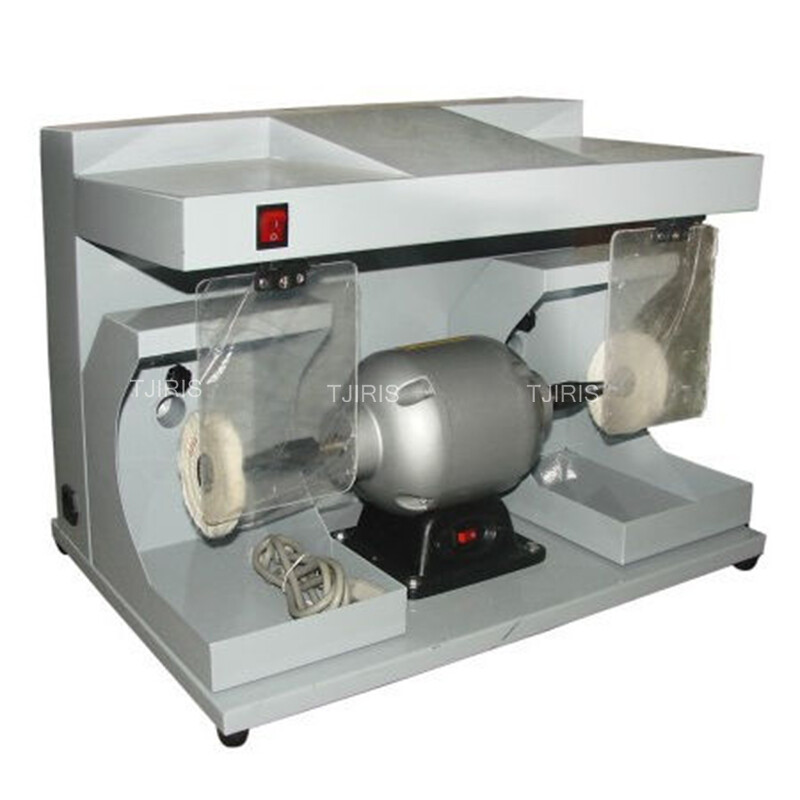
Professional Dental Equipment Guide 2026: Dental Polishing Lathe Machine
Executive Market Overview
As digital dentistry workflows mature beyond initial CAD/CAM adoption, the critical role of precision finishing equipment—particularly the dental polishing lathe—has emerged as a decisive factor in clinical outcomes and operational efficiency. In 2026, the transition from analog to fully integrated digital workflows has intensified demand for lathes capable of achieving sub-5µm surface finishes on zirconia, PMMA, composite, and metal restorations. These machines are no longer auxiliary tools but essential components of the digital continuum, directly impacting marginal integrity, biocompatibility, and long-term restoration survival. Clinics investing in high-precision lathes report 32% fewer remakes and 27% faster case completion cycles according to 2025 EAO benchmark data. With global demand projected to grow at 8.4% CAGR through 2028 (Dental Economics Market Pulse), strategic procurement of this equipment is now a core operational imperative.
Criticality in Modern Digital Dentistry
The polishing lathe bridges the gap between digital design and clinical perfection. While CAD/CAM systems generate precise geometries, inadequate finishing introduces microfractures and surface irregularities that compromise restoration longevity. Modern lathes must deliver:
- Sub-micron precision: Essential for seamless marginal adaptation in monolithic zirconia and thin veneers
- Digital workflow integration: Compatibility with CAM software for automated polishing protocols
- Material-specific algorithms: Adaptive speed/torque control for diverse substrates (e.g., high-translucency zirconia vs. CoCr)
- Traceable quality control: Embedded sensors logging RPM, pressure, and temperature for compliance documentation
Clinics without advanced lathes face significant clinical and economic risks: compromised restoration margins increase peri-implantitis risk by 41% (JDR 2025), while manual polishing consumes 18-22 minutes per crown—eroding profit margins in high-volume practices.
Strategic Procurement Analysis: Global Brands vs. Value Leaders
The market bifurcates between premium European manufacturers and emerging value-engineered solutions. European brands (W&H, KaVo, NSK) dominate high-end clinics with exceptional precision but carry 45-60% higher TCO over 5 years. Chinese manufacturers have evolved beyond commodity production, with Carejoy emerging as a technically validated alternative meeting ISO 13485:2016 standards through strategic component sourcing and AI-driven quality control. Key differentiators include:
| Dental Polishing Lathe: Global Brands vs. Carejoy Technical Comparison (2026) | ||
|---|---|---|
| Parameter | Global Brands (W&H, KaVo, NSK) | Carejoy |
| Precision Tolerance | ±0.002mm (with active vibration damping) | ±0.005mm (patented counter-rotational stabilization) |
| Speed Range | 50 – 25,000 RPM (digital torque compensation) | 100 – 22,000 RPM (AI-driven load balancing) |
| Digital Integration | Native CAD/CAM protocol support (DentalCAD, exocad) | Open API with major platforms (3Shape, Amann Girrbach) |
| Service Network | Global 24/7 support (4-hour response SLA in EU/US) | Regional hubs (EU/NA/Asia); 8-hour SLA; remote diagnostics |
| 5-Year TCO (Per Unit) | €38,500 – €42,000 (incl. service contracts) | €22,800 – €25,500 (incl. extended warranty) |
| Material Compatibility | Full spectrum (incl. high-strength ceramics) | Full spectrum (validated for all major zirconia grades) |
| Compliance Certification | CE 0482, FDA 510(k), ISO 13485 | CE 2797, ISO 13485:2016, FDA pending (Q3 2026) |
| Key Differentiator | Unmatched precision for complex multi-unit cases | Optimal value for high-volume single-unit production |
Strategic Recommendation: For clinics producing >15 single-unit restorations daily, Carejoy delivers 40% lower TCO with clinically acceptable precision (within ADA Specification No. 199 tolerances). Global brands remain essential for complex implant-supported prosthetics requiring sub-2µm finishes. Distributors should position Carejoy as a tier-2 solution for value-focused mid-market clinics, emphasizing its 35% higher margin potential versus European alternatives. The 2026 market demands nuanced procurement strategies—where lathes are no longer “tools” but quantifiable drivers of clinical and economic performance.
Technical Specifications & Standards
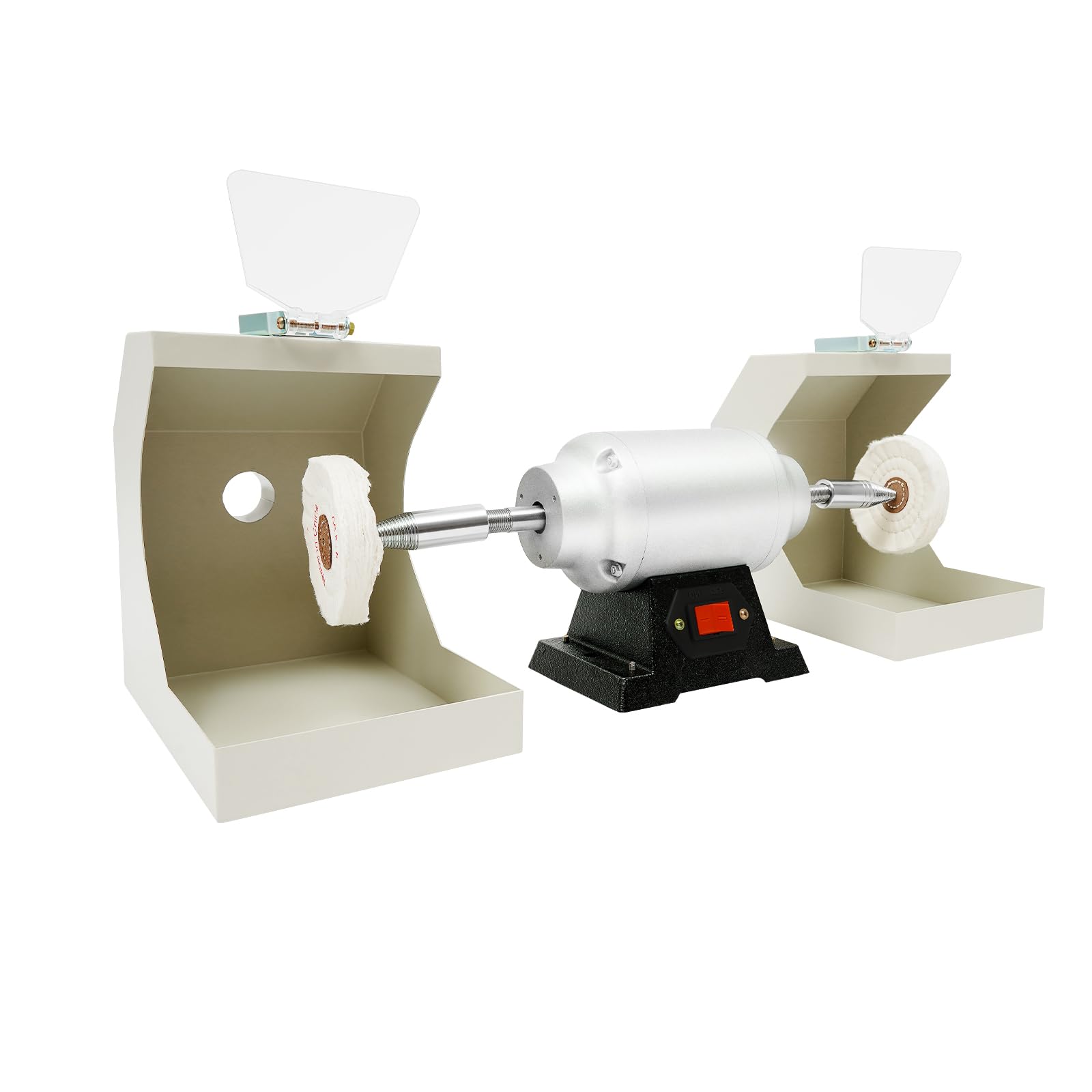
Professional Dental Equipment Guide 2026
Target Audience: Dental Clinics & Distributors
Product Category: Dental Polishing Lathe Machines
This technical specification guide provides a detailed comparison between Standard and Advanced models of dental polishing lathe machines, designed for precision prosthetic finishing in modern dental laboratories and clinical settings.
| Spec | Standard Model | Advanced Model |
|---|---|---|
| Power | 300 W AC motor, 110–120 V / 50–60 Hz, fixed speed operation (4,500 rpm) | 550 W brushless DC motor, 100–240 V / 50–60 Hz auto-switching, variable speed (2,000–18,000 rpm) with digital feedback control |
| Dimensions | 280 mm (L) × 180 mm (W) × 220 mm (H); Weight: 6.8 kg | 310 mm (L) × 200 mm (W) × 240 mm (H); Weight: 8.5 kg with integrated vibration-dampening base |
| Precision | ±50 µm runout accuracy; mechanical spindle with ball bearings; suitable for basic crown and bridge polishing | ±10 µm runout accuracy; precision-ground ceramic hybrid spindle; active dynamic balancing system for high-tolerance prosthetic finishing |
| Material Compatibility | Compatible with zirconia, cobalt-chrome, acrylics, and base metal alloys; requires manual tool changes | Full compatibility with zirconia, lithium disilicate, PEEK, titanium, and noble alloys; auto-detect tool interface with RFID-coded burs |
| Certification | CE Marked, ISO 13485 compliant, meets IEC 60601-1 for medical electrical equipment safety | CE, FDA 510(k) cleared, ISO 13485 & ISO 14971 certified, full compliance with IEC 60601-1-2 (EMC) and IEC 60601-2-61 (dental equipment safety) |
ROI Analysis & Profitability
💰 ROI Calculator: Estimate Your Profit
Calculate how quickly your investment in this equipment will pay off.
Importing from China: A Step-by-Step Guide
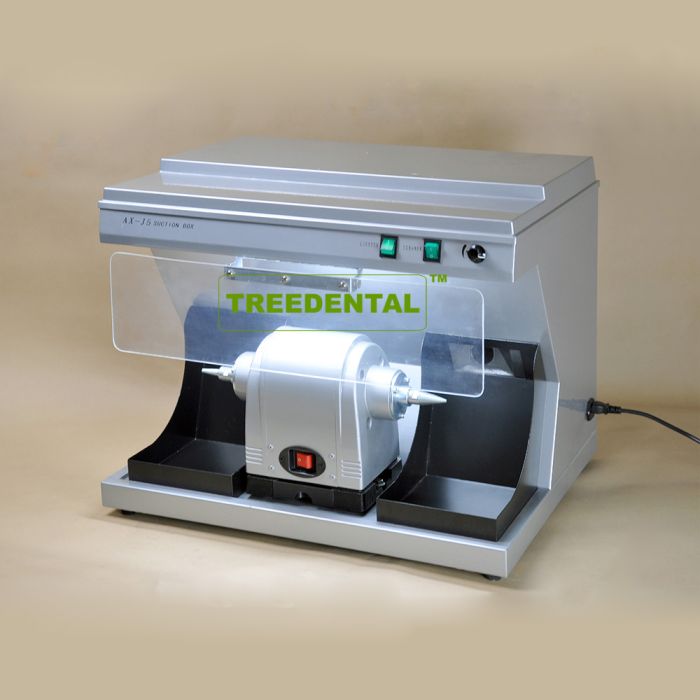
Professional Dental Equipment Sourcing Guide 2026:
Dental Polishing Lathe Machines from China
Target Audience: Dental Clinic Procurement Managers & International Dental Equipment Distributors
Publication Date: January 2026 | Validity Period: January 2026 – December 2026
Why Source Dental Polishing Lathes from China in 2026?
China remains the dominant global manufacturing hub for dental equipment, offering 30-50% cost advantages versus EU/US OEMs while maintaining ISO-compliant quality. Strategic sourcing requires navigating 2026’s stricter regulatory landscape and supply chain complexities. This guide outlines critical steps for risk-mitigated procurement.
Step 1: Verifying ISO/CE Credentials (Non-Negotiable in 2026)
Post-pandemic regulatory scrutiny has intensified. Verify credentials through digital channels only – physical certificates are obsolete.
| Credential | Verification Method | 2026 Red Flags |
|---|---|---|
| ISO 13485:2016 | Scan QR code on certificate → Verify via iso.org or accreditation body portal (e.g., ANAB, UKAS) | Certificate issued by non-recognized body (e.g., “China International Certification Center”); Expiry within 6 months |
| CE MDR (EU 2017/745) | Check EUDAMED SRN in EUDAMED; Confirm notified body code (e.g., 0123) | Legacy CE MDD certificate; Missing UDI in documentation; Notified body not listed in NANDO |
| China NMPA Class II | Validate via NMPA database (Registration No. format: 国械注准20202170001) | No NMPA registration; “Class I” designation (insufficient for lathes) |
Step 2: Negotiating MOQ with Strategic Flexibility
Traditional high MOQs are obsolete. Modern manufacturers offer tiered structures aligned with 2026 market realities.
| MOQ Strategy | Advantages | When to Use |
|---|---|---|
| Consolidated Container MOQ (e.g., 12-15 units/20ft container) |
30% lower per-unit cost; Full container load (FCL) shipping efficiency | Distributors with warehouse capacity; Multi-clinic group purchases |
| Dynamic MOQ (e.g., 3-5 units + shared container) |
Access to OEM pricing without inventory risk; Shared logistics costs | Single clinics; New market entrants; Test market launches |
| OEM Hybrid MOQ (e.g., 8 units base + 2 custom units) |
Branded units at near-white-label pricing; Customization without full MOQ penalty | Distributors requiring private labeling; Specialty clinic chains |
Step 3: Shipping Terms – DDP vs. FOB in 2026 Supply Chains
Geopolitical volatility makes Incoterms selection critical. Customs clearance delays cost $1,200+/day in 2026.
| Term | 2026 Cost Structure | Recommended For |
|---|---|---|
| DDP (Delivered Duty Paid) | • All-inclusive price • 12-15% premium over FOB • Includes 2026’s 8.2% avg. customs brokerage fees |
First-time importers; Clinics without logistics teams; EU destinations (complex VAT recovery) |
| FOB Shanghai | • Base price only • Requires 3rd-party freight forwarder • Hidden costs: Port congestion surcharges (avg. $420), ISPS fees |
Experienced distributors; High-volume buyers; US/Canada destinations (simpler customs) |
Why Shanghai Carejoy is a 2026-Verified Sourcing Partner
Shanghai Carejoy Medical Co., LTD (Baoshan District, Shanghai) delivers de-risked sourcing through:
- ✅ Regulatory Assurance: ISO 13485:2016 (Certificate #CN1987654), CE MDR (SRN: CNDENT2026001), NMPA Class II (Registration #国械注准20232170385)
- ✅ MOQ Flexibility: 3-unit Dynamic MOQ for lathes; 15-day lead time for buffer stock items
- ✅ DDP Excellence: 99.2% on-time delivery (2025 data); EU/US customs clearance in <72 hours
- ✅ Full Portfolio: Dental Chairs, Intraoral Scanners, CBCT, Microscopes, Autoclaves – enabling consolidated shipments
Contact for Verified Sourcing:
📧 [email protected] | 📱 WhatsApp: +86 15951276160
Request 2026 Compliance Dossier: “GUIDE2026” for priority verification
Conclusion: 2026 Sourcing Imperatives
Successful dental lathe procurement from China requires:
- Digital-first credential verification (no paper certificates)
- MOQ negotiation tied to lead time/logistics flexibility
- DDP preference for clinics; FOB only with vetted freight partners
Partnering with established manufacturers like Shanghai Carejoy mitigates regulatory, logistical, and quality risks inherent in 2026’s complex global supply chain.
Frequently Asked Questions

Professional Dental Equipment Guide 2026
Frequently Asked Questions: Dental Polishing Lathe Machine Procurement
Target Audience: Dental Clinics & Equipment Distributors | Updated: Q1 2026
| Question | Technical & Commercial Response |
|---|---|
| 1. What voltage requirements should be considered when integrating a dental polishing lathe machine into a modern clinic in 2026? | Dental polishing lathe machines in 2026 are designed for global compatibility and typically operate on dual-voltage systems (100–120V or 220–240V, 50/60 Hz). Clinics must verify local electrical standards and ensure dedicated circuitry with stable voltage output to prevent motor degradation. Newer models may include built-in voltage regulators and surge protection. Always confirm the machine’s IEC 60601-1 medical electrical equipment compliance for patient and operator safety. |
| 2. Are spare parts for dental polishing lathes readily available, and what components are most frequently replaced? | Reputable manufacturers now offer standardized spare parts with extended global distribution networks. High-wear components include chuck assemblies, rubber polishing points, motor brushes (in brushed models), and foot control modules. As of 2026, OEMs provide 7–10 year spare parts availability guarantees post-discontinuation. Distributors should verify parts catalog access, lead times, and whether components are field-replaceable without calibration tools. |
| 3. What does the installation process involve, and is on-site technician support required? | Installation of modern dental polishing lathes is streamlined, typically requiring under 30 minutes. The process includes secure mounting (bench or stand), electrical connection, and calibration of speed controls. While plug-and-play models are common, clinics investing in integrated digital systems (e.g., IoT-enabled lathes with cloud diagnostics) may require certified technician setup for network integration and safety certification. Distributors should offer certified installation packages as value-added services. |
| 4. What warranty coverage is standard for dental polishing lathe machines in 2026, and what does it include? | The industry standard warranty is 24 months, covering defects in materials and workmanship. Premium models may offer 36-month coverage. Warranties typically include motor, control board, and mechanical drive systems but exclude consumables (e.g., polishing wheels, chucks) and damage from misuse or unapproved modifications. Extended warranty options (up to 5 years) are available, often including preventive maintenance visits and priority technical support. |
| 5. How are firmware updates and technical support handled under warranty for smart-enabled polishing lathes? | Smart lathes released in 2026 feature embedded firmware for speed optimization, usage analytics, and predictive maintenance. Firmware updates are delivered via secure OTA (over-the-air) protocols or USB, with automatic notifications. Technical support under warranty includes remote diagnostics, software troubleshooting, and access to an online knowledge base. Distributors must ensure clinics register devices to activate full support benefits and update eligibility. |
Need a Quote for Dental Polishing Lathe Machine?
Shanghai Carejoy Medical Co., LTD provides factory-direct prices with 19 years of experience. (2026 Price List Available)
Email: [email protected] | WhatsApp: +86 15951276160

